REVIEW · BUENOS AIRES
Boca tour: Tango, Soccer, Art and Immigration
Book on GetYourGuide →Operated by CULTOUR BA · Bookable on GetYourGuide
La Boca has a way of sticking with you. This tango-and-football walk connects Italian immigration, Caminito street art, and the roar of La Bombonera into one tight 150-minute loop. Two highlights for me: the way the guide makes the tango roots feel understandable, and the fact you get to step into Boca Juniors culture instead of just looking at a stadium from the outside. The main catch is simple: it’s a lot of walking, so comfortable shoes are non-negotiable.
You start at Venezuela 649, Viajero Hostel and head into the neighborhood by public bus with a small group. I also liked how the experience is guided from beginning to end, and reviews specifically call out Juliette for knowing her stuff and making everyone feel safe and at ease from the meeting point to La Boca.
In This Review
- Key things to know before you go
- Meeting at Viajero Hostel and the bus ride into La Boca
- The old port start: where the neighborhood story begins
- Conventillos and Italian immigration: culture explained while you walk
- Caminito’s murals: how to enjoy the pedestrian street
- Plaza República de la Boca and the street-level football mood
- La Bombonera: experiencing Boca Juniors culture with skip-the-line access
- The last stretch by the port: where the tour naturally ends
- Duration, walking level, and what to bring
- Price and value: does $50 make sense for 150 minutes?
- Who should book this La Boca tour (and who might skip it)
- Should you book this Tango, Soccer, Art and Immigration tour?
- FAQ
- Where do I meet for the tour?
- What days and time does the tour run?
- How long is the tour?
- What languages are available for the live guide?
- Is the Boca Juniors stadium entrance included?
- What should I bring, and is there anything I can’t do?
Key things to know before you go
- Small-group local guide for about 2 hours, with clear explanations and interaction
- Italian immigration + tango origins explained while you’re walking, not in a lecture hall
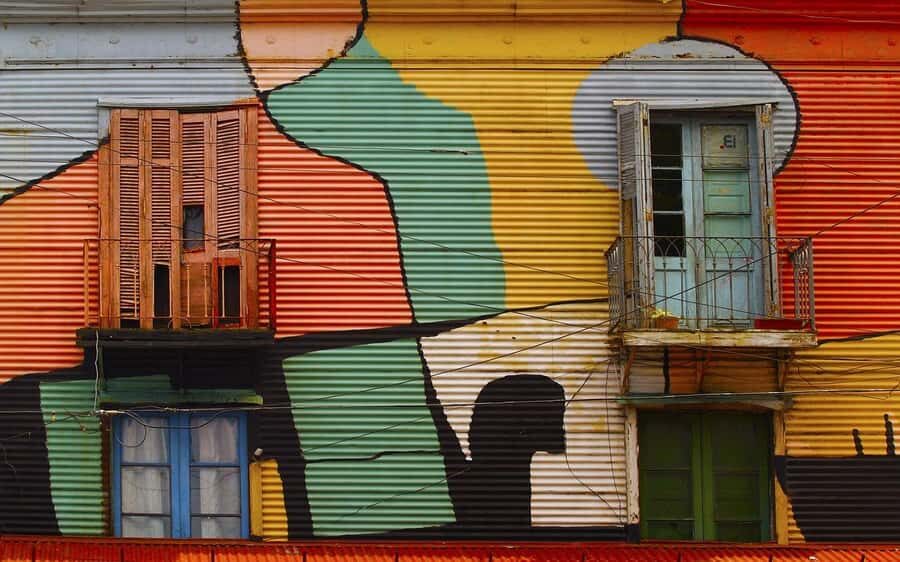
- Caminito as a pedestrian stretch where you can actually slow down and take photos
- La Bombonera included as a major stop, with separate-entrance access to help reduce waiting
- Football graffiti and street art around the area, plus a final hang near port food options
- Public bus is part of the route, but the bus ticket isn’t included
Meeting at Viajero Hostel and the bus ride into La Boca
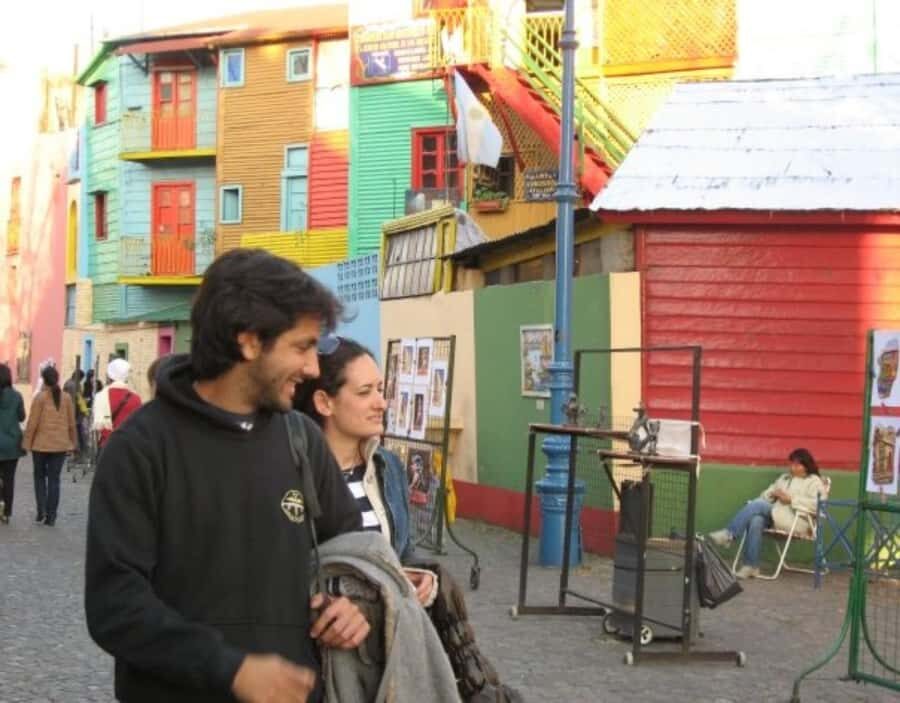
This tour starts in a very practical way: meet at Venezuela 649 at Viajero Hostel on Tuesdays and Fridays at 11:00 am. From there, you take a public bus to La Boca. The benefit is that you don’t have to figure out the local transit puzzle right at the start—you get dropped at the right neighborhood area and begin with context.
The ride matters more than you might think. La Boca is all about contrasts: port history nearby, football passion nearby, and the human mix that shaped the neighborhood right in front of you. Going together by bus helps you get oriented before you start walking. It also keeps the day moving at the exact pace you need for a 150-minute experience.
One more value point: the tour includes 2 hours with a local guide for a limited group. That timeframe is long enough for real explanations while still short enough that you’re not stuck for half a day in one place. If you like structured sightseeing with time to look around, this format fits well.
You can also read our reviews of more tours and experiences in Buenos Aires.


The old port start: where the neighborhood story begins
You arrive at the area around the old port, which sets the tone fast. Ports are where migrations happen, where people arrive with skills, languages, and hopes—and where cultures collide in real life. Here, you’ll hear how immigration shaped what La Boca became, and why that mix matters when you later see tango references and street visuals.
This first leg also helps you understand Boca’s identity. It’s not just a photo stop. It’s a neighborhood built by waves of newcomers, and the tour keeps linking what you see on the street to why it exists. That’s the difference between a “drive-by” visit and a guided walk that teaches you what to notice.
Practical tip: bring water and plan for outdoor time. Even with a guide controlling the flow, you’ll be exposed to sun and walking time, especially around the port area and pedestrian streets.
Conventillos and Italian immigration: culture explained while you walk
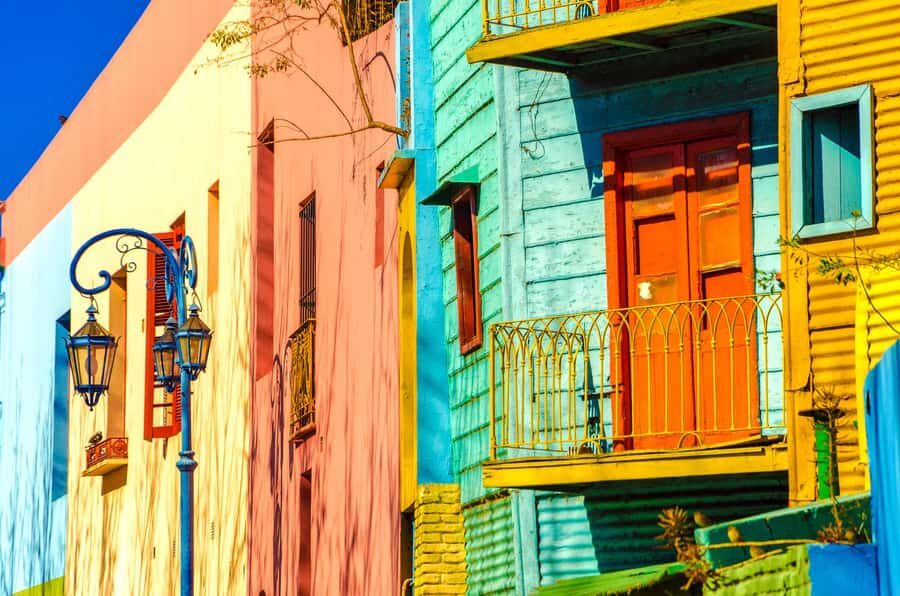
One of the most interesting stops is the visit to conventillos—the shared immigrant housing where families once stayed. It’s the kind of place that helps you picture daily life, not just famous landmarks. And when the guide ties it to immigration, you start seeing La Boca as more than murals and stadiums. You see the social pressure points: crowded living, community survival, and the blending of backgrounds.
From there, the tour connects the immigration story to the origins of tango. Tango didn’t appear from nowhere; it grew from communities, music influences, and the emotional reality of people living close together. A good tour makes you understand that process, and this one is set up to do that with walking stops that reinforce the points.
I also like that you’re not forced into a long indoor experience. The conventillo visit acts like a “pause button,” then you’re back outside to connect it immediately with the neighborhood’s visible identity.
Caminito’s murals: how to enjoy the pedestrian street
Then you hit Caminito, the famous colorful pedestrian street. This is where your camera will earn its keep. The tour highlights the murals and street art, and the setup gives you time to actually look rather than just pass through quickly.
Caminito works best if you approach it like a gallery you can walk through. Yes, it’s designed for visitors. But the real win is reading the street visuals alongside what you learned about migration, community, and tango. Once you’ve got those context clues, the art starts to feel like a language, not just decoration.
Here’s a practical way to get more out of Caminito:
- Move slowly for the first stretch, then come back for photos once you know what grabs you.
- If you’re into composition, look for repeating colors and angles from doorways and alley lines.
Also, remember the tour is 150 minutes total. That’s great, but it means you’ll want to balance photos with listening. If you let your camera steal the show, you’ll miss some of the story that makes the street art click.
Plaza República de la Boca and the street-level football mood
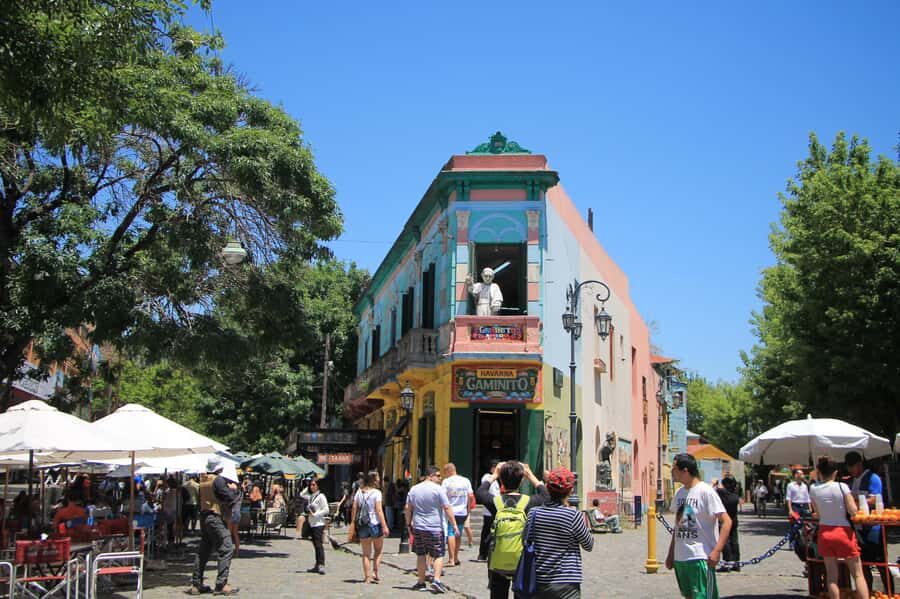
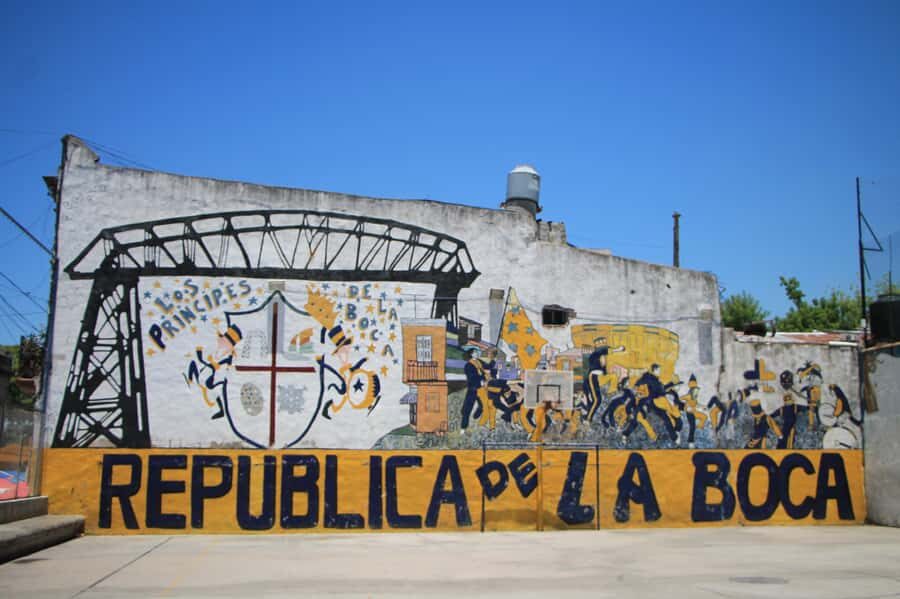
After Caminito, you spend time around Plaza República de la Boca, with more football graffiti and street art in the mix. This stop matters because it bridges the gap between culture and sport. You can see how deeply football is woven into daily life here.
In La Boca, football isn’t just a game. It’s a community identity marker. The street art reflects that emotion in paint, symbols, and slogans you’ll recognize faster once the guide has set up the context.
If you’re a first-time visitor, this is also where you start understanding the neighborhood’s rhythm. The vibe isn’t about empty spectacle. It’s about people treating the street like part of their team’s world—on match days and off them.
Quick caution: you’ll be walking through areas with a lot of visual noise. If you want crisp photos, choose a focal point—like a mural section—and don’t try to photograph everything at once.

La Bombonera: experiencing Boca Juniors culture with skip-the-line access
The big moment is La Bombonera, the Boca Juniors stadium. The tour treats it as the emotional anchor of the day, and it’s easy to see why. Even if you don’t know every football detail, the atmosphere and the stadium design carry serious energy.
A key practical detail: entrance fees to the stadium aren’t included. That means you should expect to pay on your side if tickets are required. The good news is that you get skip-the-line access via a separate entrance, which can save time and frustration compared to wandering in and dealing with regular queues.
Also, don’t treat this like a museum visit only. The value here is the context your guide gives you while you’re nearby—why this stadium became a symbol, and how the local culture feeds into match-day identity. You’re not just looking at the venue; you’re learning how the neighborhood thinks about it.
If you’re a football fan, this is worth your time. If you’re not, it still works because the tour frames the stadium as a cultural expression tied to the people you met earlier in the walk.
The last stretch by the port: where the tour naturally ends
The tour finishes back near the port, next to a street with different gastronomic proposals. I like this ending because it’s useful. You’re not stuck hunting for food after. You can walk a few minutes and choose something that fits your appetite and your energy level.
This last part is also a good reality check moment. After learning about immigration, tango, and football, you get to step back into the neighborhood as it is now: where food spots, street life, and the port area converge.
Practical note: since the tour includes a lot of walking, don’t plan a heavy second activity immediately afterward unless you know you recover fast.
Duration, walking level, and what to bring
The total duration is 150 minutes, and the experience is built around a walking tour with a guide for around 2 hours. That’s not a sprint, but it’s not a “sit and stroll” either. You’ll cover multiple distinct areas: old port, conventillos, Caminito, plaza area, and the stadium visit.
Bring:
- Comfortable shoes (the day will ask for them)
- Camera (Caminito and the street art deserve it)
- Water (outdoor time + walking add up)
Not allowed: smoking.
Not suitable for wheelchair users, and it’s also listed as not suitable for people over 95 years. If you’re on the fence due to mobility or stamina, this is the first thing I’d double-check.
Price and value: does $50 make sense for 150 minutes?
At $50 per person, you’re paying for a few things at once: a guided walking route, access to major La Boca highlights, and local storytelling for a limited group. The tour’s value isn’t just that you see places—it’s that you get explanations tied to what you’re seeing, especially around Italian immigration and the origins of tango.
What’s included:
- 2 hours walking tour
- Visits around Caminito and the Boca neighborhood
- A local guide for a limited group
What’s not included:
- Meals and drinks
- Boca Juniors stadium entrance fees
- Public bus ticket
So is $50 fair? For me, yes—mainly because you’re getting guided time in an area that can be confusing if you show up without context. The bus component also reduces logistical friction: you’re not left trying to translate transit alone mid-day.
One way to think about it: if you’d otherwise pay for individual tickets and pay someone to explain the neighborhood, the guide cost is doing more than “pointing.” It’s connecting the dots between immigration, music, and football culture.
Who should book this La Boca tour (and who might skip it)
I’d recommend this tour if you:
- Want a fast, structured La Boca introduction in about 2.5 hours
- Like street art and photos but also care about what they mean
- Get excited by football culture and want the stadium experience explained
- Want tango and immigration context in plain language while you walk
I’d consider skipping it if you:
- Struggle with lots of walking
- Prefer spending lots of free time without a schedule
- Expect all stadium costs to be included (they aren’t)
Since the tour is offered in English, Spanish, and Portuguese, it’s a good choice if your group needs flexibility in language. And reviews highlight a guide—Juliette—for being clear and interactive, plus making people feel secure during the walk.
Should you book this Tango, Soccer, Art and Immigration tour?
Yes, book it if you want the best version of a first La Boca visit: Caminito + immigration context + tango origins + La Bombonera in one organized route. The price also feels reasonable for the amount of guided time you get, especially if you’re the type who likes learning as you go.
Don’t book it if walking time is a deal-breaker for you, or if you’re trying to build a very low-cost day and you’re not budgeting for studadium entrance fees and the bus ticket.
If you’re visiting Buenos Aires and want one neighborhood outing that explains why La Boca looks the way it does, this is a strong pick.
FAQ
Where do I meet for the tour?
You meet at Venezuela 649, Viajero Hostel.
What days and time does the tour run?
It runs every Tuesday and Friday at 11:00 am.
How long is the tour?
The total duration is listed as 150 minutes, with about 2 hours of walking tour time.
What languages are available for the live guide?
The live tour guide is available in English, Spanish, and Portuguese.
Is the Boca Juniors stadium entrance included?
No. Entrance fees to Boca Juniors stadium are not included.
What should I bring, and is there anything I can’t do?
Bring comfortable shoes, a camera, and water. Smoking is not allowed.