REVIEW · BUENOS AIRES
Wine Tasting in Buenos Aires
Book on GetYourGuide →Operated by Funny Times Travel & Tours · Bookable on GetYourGuide
Buenos Aires and wine pairings can feel either polished or rushed, but this 1-hour tasting is built to make it easy to sample Argentina’s flavors. You choose between a Federal menu spanning regions or a Catena Zapata–focused lineup, then work through a guided set of wines with proper bites.
I especially like the way the tasting mixes classic Argentine styles with straightforward food pairings. Bruschetta, cheese, cold cuts, and a traditional empanada aren’t thrown in as an afterthought; they’re timed to go with each pour, so you actually notice how flavors change in your mouth.
The main drawback to consider: the format is fast and light on lecture. If you’re looking for deep, slow explanations of each wine, you may feel the pace is more about sampling than studying.
In This Review
- Quick take: what’s interesting here
- A 1-hour Buenos Aires wine flight with Argentina-by-region flavor
- Federal menu vs Catena Zapata Clásico: choose your mood
- Option 1: Federal tasting menu (Argentina across regions)
- Option 2: Catena Zapata Clásico (one-name deep focus)
- What you eat and drink, step by step (and why it matters)
- The pacing of the courses
- Why this pairing style works
- The guide experience: friendly, but not a full seminar
- Price and logistics: what $60 buys you, and what it doesn’t
- Getting there smoothly in Buenos Aires (and staying safe at night)
- Who this Buenos Aires wine tasting is best for
- Should you book this Buenos Aires wine tasting?
- FAQ
- How long is the Buenos Aires wine tasting?
- What’s included in the tasting?
- What wine options are offered?
- Are transfers included?
- What food is paired with the wines?
- What languages is the guide available in?
- Is the experience for adults only?
- Is there a place for dietary restrictions or allergies?
- Is the tasting venue guaranteed to be in the same place?
- What should I bring or have with me?
- What’s the cancellation policy?
Quick take: what’s interesting here
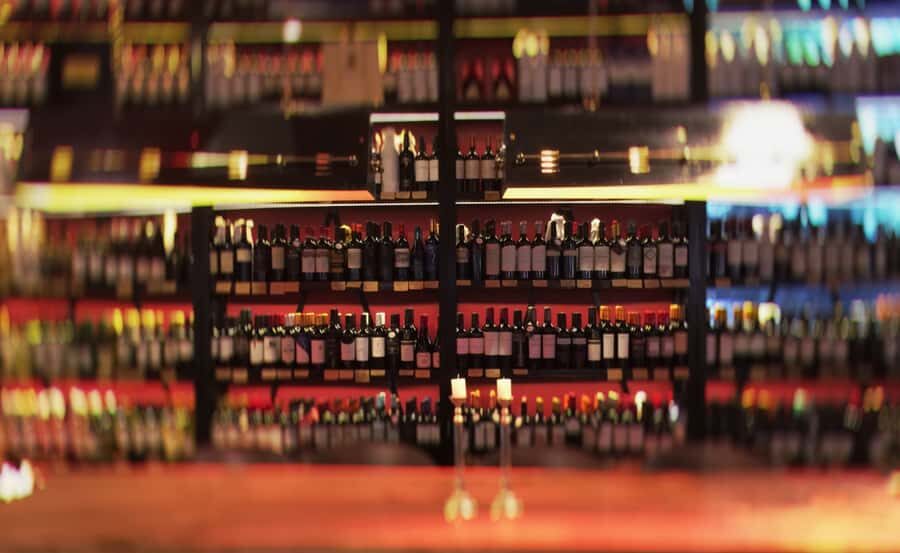
- Two menu styles: Federal region-hopping or a single-winery theme (Catena Zapata Clásico).
- Argentina-by-region wines: including Torrontés from Salta, Malbec from Mendoza/Tupungato, and Tannat from Entre Ríos.
- Food pairing that matches the pours: bruschetta, selected cheeses, assorted cold cuts, and an empanada.
- Short duration: plan on a focused hour instead of an all-afternoon wine lesson.
- English or Spanish guide: so you can follow along comfortably.
- Small-and-simple vibe: it can feel more like a bar-and-wine stop than a large group event.
A 1-hour Buenos Aires wine flight with Argentina-by-region flavor
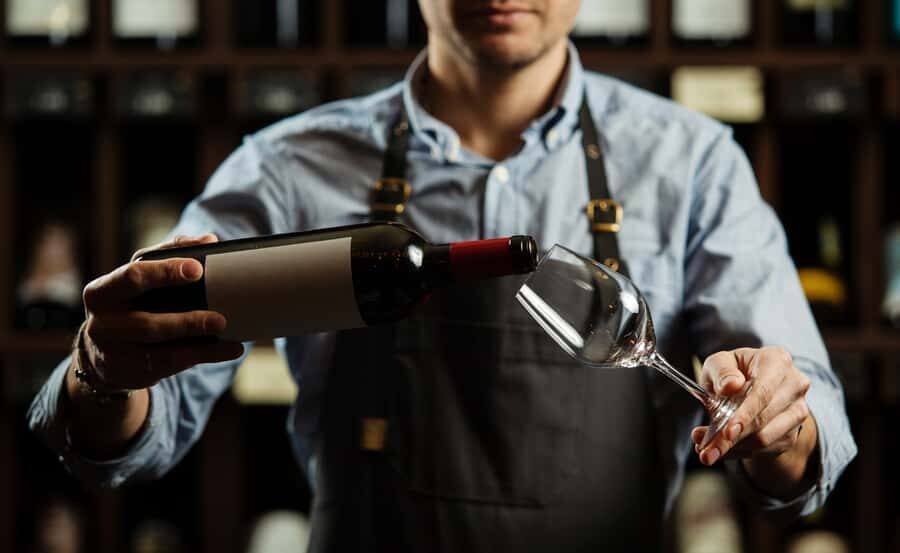
If you want an Argentine wine experience that fits into a city day, this one is a smart fit. The tasting runs for about 1 hour, and the structure is clear: you’ll sample a set of wines paired with food that makes sense for each style. It’s not trying to be a full wine course. It’s trying to get you tasting efficiently, while still feeling like you’re being guided.
Buenos Aires is great for people who like to wander, eat, and then casually level up their knowledge. This activity supports that rhythm. You get a guided sensory experience—aroma, taste, and how the wine behaves with bites—without needing to be a wine scholar.
One detail I think is worth flagging: the info you’ll see around “how many glasses” doesn’t fully match the list of wines. The tasting is described as “3 glasses,” while the menu options list 4 wines each. When you book, check what you’ll receive on the day so you know whether it’s three pours or four.
You can also read our reviews of more food & drink experiences in Buenos Aires
Federal menu vs Catena Zapata Clásico: choose your mood
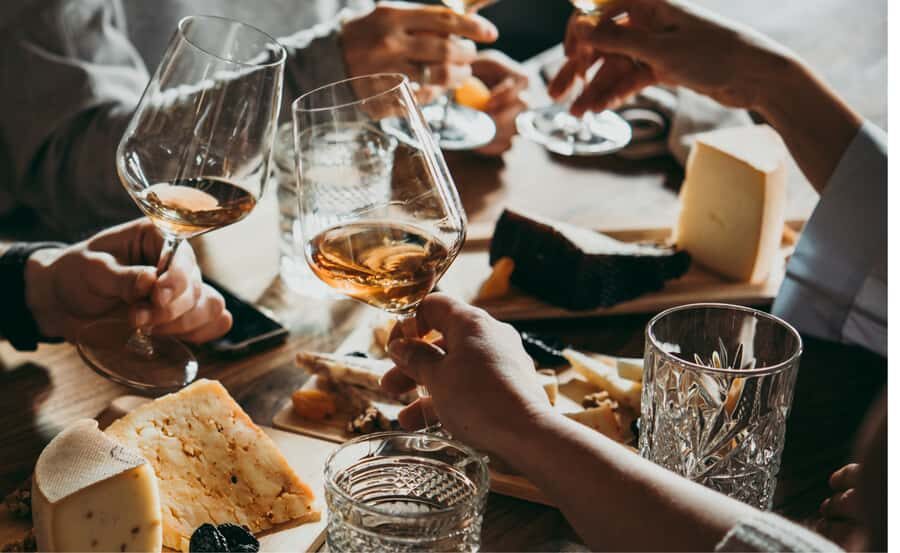
You’ve got two different tasting directions, and choosing the right one can make the whole hour feel more satisfying.
Option 1: Federal tasting menu (Argentina across regions)
This version is the best match if you like variety. You’ll move through wines from multiple parts of the country, which helps you connect grape type to climate and style.
The lineup includes:
- Coquena Torrontés (Salta)
- Primogénito Noir (Patagonia)
- Gouguenheim Reserva Malbec (Mendoza, Tupungato)
- Julepe Tannat (Entre Ríos)
If you’re curious about Argentina as a whole—rather than just one producer—this menu gives you a wider sense of what the country does well. Torrontés from Salta tends to be aromatic, Malbec from Mendoza is usually bold and satisfying, and the Tannat from Entre Ríos adds a different flavor angle than the usual red lineup.
Option 2: Catena Zapata Clásico (one-name deep focus)
This is the option for people who want a more focused experience tied to one of Argentina’s best-known wineries. The pairing sequence is designed to highlight different wine styles under the Catena umbrella.
The lineup includes:
- Saint Felicien Chardonnay
- Nicasia Cabernet Franc
- DV Catena Cabernet-Malbec
- DV Catena Syrah-Syrah
I like this one because it’s easier to compare wines when they share a producer identity. Even if you’re not a super-nerdy wine person, you can still taste how the flavor changes across whites, structure-y reds, and blend styles.
What you eat and drink, step by step (and why it matters)

This tasting is built around a simple idea: wine tastes different with different bites. That’s why you’ll see a repeating pattern—starter, then wine, then food again—until you reach the final pour.
You should expect the following accompaniments in both menu options:
- Bruschetta Serrana
- Selected cheeses
- Assorted cold cuts
- Traditional Argentine empanada
You can also read our reviews of more wine tours in Buenos Aires





The pacing of the courses
Here’s the menu flow in plain terms, for both options:
1) Starter: Bruschetta Serrana
Then you start with the first wine of the flight.
For Federal: Coquena Torrontés (Salta).
For Catena Zapata Clásico: Saint Felicien Chardonnay.
2) Cheese stage + next pour
You’ll get selected cheeses, then a second wine.
For Federal: Primogénito Noir (Patagonia).
For Catena: Nicasia Cabernet Franc.
3) Cold cuts + third wine
Assorted cold cuts come next, followed by the third pour.
For Federal: Gouguenheim Reserva Malbec (Mendoza, Tupungato).
For Catena: DV Catena Cabernet-Malbec.
4) Empanada + final wine
You’ll finish with the traditional empanada paired with the last wine.
For Federal: Julepe Tannat (Entre Ríos).
For Catena: DV Catena Syrah-Syrah.
Why this pairing style works
Cheese and cold cuts are classic foils for wine tasting because they add salt, fat, and savory flavors. That helps you notice whether the wine feels dry, juicy, tannic, or aromatic. Then the empanada brings warmth and spice-like satisfaction (even when you’re not focused on spice level), which can make a red wine feel smoother by the end.
This is also where the “fast” part of the hour can actually help. You’re tasting in quick succession, so the comparisons are fresh in your mind.
The guide experience: friendly, but not a full seminar
The activity includes a live guide in English and Spanish, and the vibe is meant to be relaxed. From the way the tasting is structured, the guide’s job is less about turning you into an expert and more about keeping you moving, helping you notice flavors, and making the food pairings make sense.
Here’s the expectation check I’d give you: this is ideal if you want a guided tasting with context, but it’s not designed as a long lecture. If you’re the kind of wine lover who wants slow, deep breakdowns of technique, vineyard choices, and aging decisions, you might want to pair this with a longer tasting at a proper wine bar later.
Also note the experience is for adults only (18+). If you’re traveling with a group that includes teens, you’ll need separate plans for anyone under 18.
Price and logistics: what $60 buys you, and what it doesn’t
At $60 per person for a 1-hour tasting, you’re paying for:
- A guided set of wine pours
- Multiple pairing bites (bruschetta, cheeses, cold cuts, empanada)
- A structured menu experience rather than a random bar order
That’s decent value compared with paying for wines one by one plus food separately—especially in a city where “tasting flight” culture can get pricey.
What’s not included is also important:
- Transfers aren’t included, so you’ll need your own transport to the venue.
- No extra drinks or food options are included beyond what’s listed in the menu.
One more practical detail: the venue can change based on availability. So if you’re working off a fixed address, don’t rely on it as your only plan. Confirm your exact location after booking.
Getting there smoothly in Buenos Aires (and staying safe at night)
The tasting location is described as easy to find, and the setup includes a bar/shop-style environment. That’s good news because you can show up, get oriented fast, and stay focused on the tasting.
Still, I’d take one practical safety note seriously: if you’re walking alone at night, plan your route with extra care. A quiet street outside a venue can feel different than the bright center areas. If you’re a woman traveling solo, I’d arrange a pickup or use a taxi/rideshare so the walk to and from doesn’t become the “activity.”
If you’re coming from central Buenos Aires, this kind of stop works best as part of an evening meal plan. Do dinner before or after depending on how wine-forward you want your night to be.
Who this Buenos Aires wine tasting is best for
This works especially well if you:
- Want a guided Argentine wine experience without committing to a full day
- Like trying different styles—especially Torrontés and Malbec—paired with real Argentine snacks
- Prefer an organized, step-by-step tasting rather than ordering blind at a bar
- Speak English or Spanish and want a guide who can explain what you’re tasting
It’s also a good option if you’re the type of person who wants to leave Buenos Aires with specific flavors stuck in your memory: aromatic white (Torrontés), a classic red (Malbec), and then something a little different (Tannat from Entre Ríos or the Patagonia Noir, depending on your menu).
It may not be the best match if:
- You want deep wine theory and long-form education
- You’re expecting a big social group format
- You’re sensitive to a faster pace with fewer details between pours
And yes, if you have dietary restrictions or allergies, let the team know in advance. The tasting notes specifically ask you to share restrictions ahead of time so they can handle it appropriately.
Should you book this Buenos Aires wine tasting?
I’d book it if you want a short, structured Argentine wine experience with enough food to make the flavors “click.” The $60 price makes sense for what’s included—especially if you’re choosing a menu that matches your taste curiosity (Federal for variety, Catena for brand-focused comparison).
Skip it or think twice if you’re hunting for a slower, more technical wine seminar. This tasting is designed to keep the momentum, not to turn the hour into a textbook.
My best advice: decide based on your wine personality.
- Go Federal if you want to taste Argentina across regions in one sitting.
- Go Catena Zapata Clásico if you want a cleaner comparison across styles from a famous producer.
And when you book, double-check whether you’ll receive three pours or four wines, since the provided details don’t line up perfectly.
FAQ
How long is the Buenos Aires wine tasting?
It lasts 1 hour.
What’s included in the tasting?
The menu includes wines plus pairing bites: Bruschetta Serrana, selected cheeses, assorted cold cuts, and a traditional Argentine empanada. The description also notes tasting a set number of glasses, and the menu options list four wines each—so confirm what you’ll receive on your exact booking.
What wine options are offered?
You can choose between a Federal tasting menu (Coquena Torrontés, Primogénito Noir, Gouguenheim Reserva Malbec, Julepe Tannat) or Catena Zapata Clásico (Saint Felicien Chardonnay, Nicasia Cabernet Franc, DV Catena Cabernet-Malbec, DV Catena Syrah-Syrah).
Are transfers included?
No. Transfers aren’t included.
What food is paired with the wines?
You’ll get Bruschetta Serrana, selected cheeses, assorted cold cuts, and a traditional empanada.
What languages is the guide available in?
The guide is available in English and Spanish.
Is the experience for adults only?
Yes. It’s for people over 18.
Is there a place for dietary restrictions or allergies?
You should let the provider know in advance about any dietary restrictions or allergies.
Is the tasting venue guaranteed to be in the same place?
The tasting location is subject to availability and may change.
What should I bring or have with me?
The notes say to bring a credit card or cash.
What’s the cancellation policy?
A full-refund window and partial-refund window are listed in the activity details. One note says full refund if you cancel up to 24 hours in advance, and another states full refund up to 48 hours, 50% refund between 24 and 48 hours, and no refund within 24 hours or for no-shows. Check the exact terms shown at booking so you apply the correct timeline.