REVIEW · BUENOS AIRES
Buenos Aires: Small-Group Wine Tasting
Book on GetYourGuide →Operated by Miravida Soho Hotel Wine Bar · Bookable on GetYourGuide
A cellar tasting in trendy Palermo feels like cheating. You get a small-group setup with a professional sommelier, plus 4 Argentine wines and snacks served alongside the pour. It is a great way to learn what people mean when they talk about Malbec and Torrontes, without doing a long day trip.
Two things I really like here. First, the setting is proper: Miravida’s wine cellar experience keeps things atmospheric and focused. Second, the guide-led structure gives you enough time to ask questions and take notes, not just sit and swallow.
One drawback to plan around: the cava is down one flight of narrow stairs with no elevator. If mobility is an issue, this matters, and the bathrooms are upstairs.
In This Review
- Key things to know before you go
- Entering Palermo Soho and finding Miravida fast
- The cellar vibe: why the setting changes the tasting
- How the tasting works: 4 wines, guided notes, and small bites
- Malbec and Torrontes: what to watch for in the glass
- Pairing food with wine: cured meats, cheese, and fresh empanadas
- Guides and pacing: what it feels like with Faustino or Sandra
- Small group value: $50 and what you get for it
- Practical notes: the house rules and the real comfort level
- Who should book this (and who should skip it)
- Should you book Buenos Aires: Small-Group Wine Tasting?
- FAQ
- How many people are in the tasting group?
- How many wines do you taste?
- Where is the meeting point?
- Is food included?
- Are private transfers included?
- What languages are the guides?
Key things to know before you go
- Max 8 people keeps the tasting personal instead of rushed.
- Cellar location and a private patio option make the experience feel intentional.
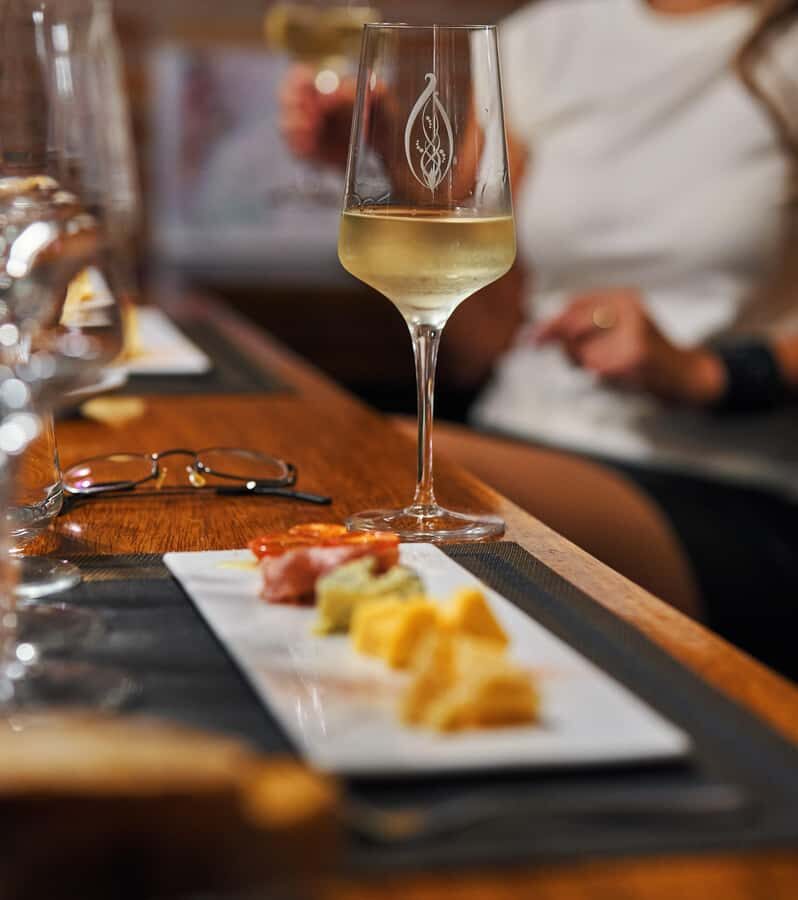
- 4 Argentine wines including Malbec and Torrontes, paired with small bites.
- Sommelier-led Q&A so you can ask the practical stuff (style, regions, and what to look for).
- You’ll also use a separate entrance to skip the line.
Entering Palermo Soho and finding Miravida fast
This experience starts in Palermo Soho at Miravida Soho Hotel & Wine Bar, right where you want to be if you like walking, people-watching, and good neighborhoods. Meeting at the hotel wine bar is handy because you can show up, get oriented quickly, and then move into the tasting without the usual wander-around-the-doorway chaos.
One detail I appreciate is the skip-the-line setup via a separate entrance. It sounds small, but when you’re paying attention to your tasting schedule, it helps you stay relaxed. The timing feels more like dinner reservations than a free-for-all.
Also, the guide works in Spanish and English, so you are not stuck with a half-translation. That matters when you want to understand why a wine tastes the way it does, not just which grape it is.
You can also read our reviews of more food & drink experiences in Buenos Aires

The cellar vibe: why the setting changes the tasting
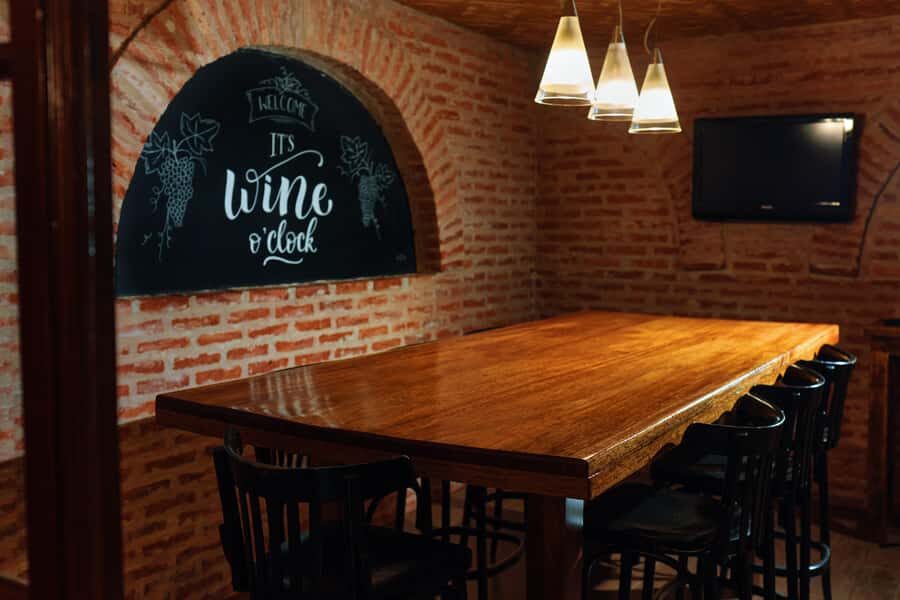
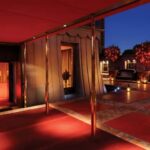
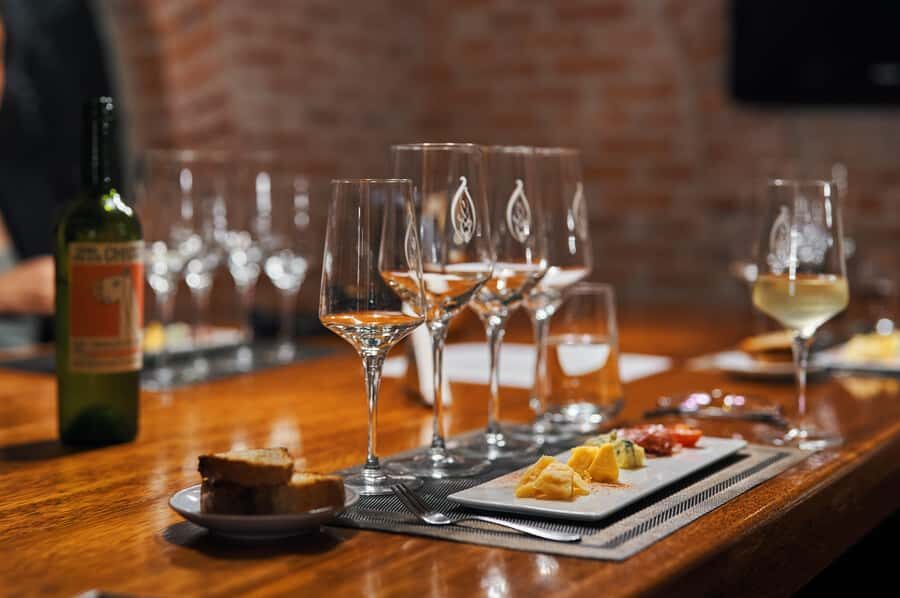
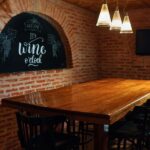
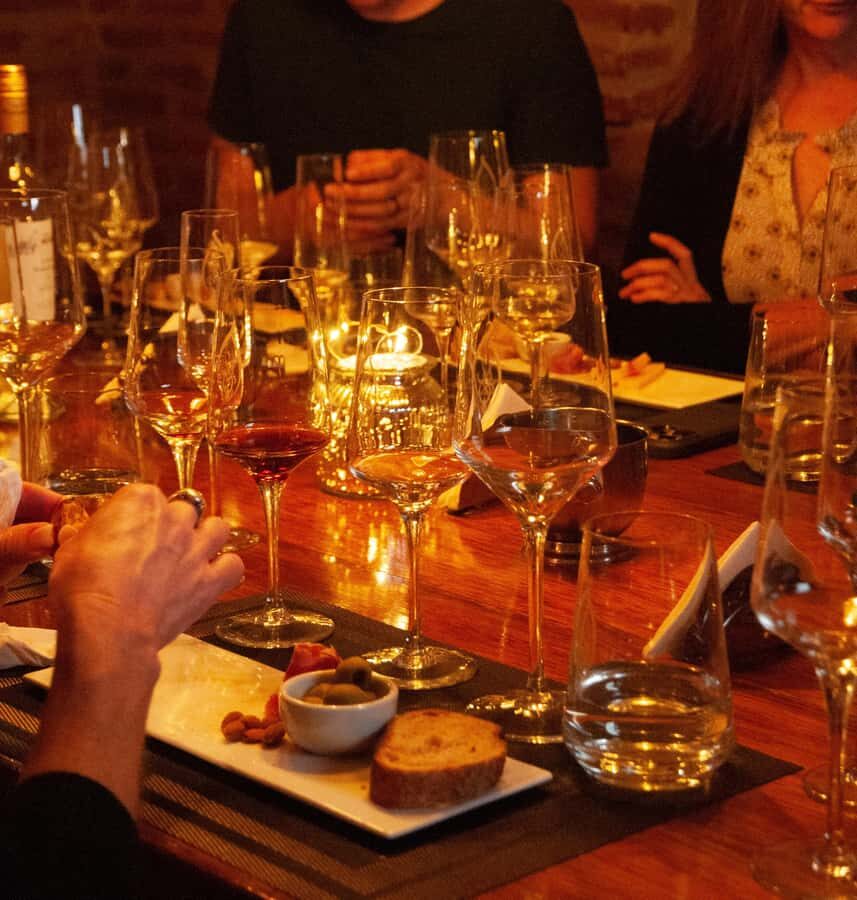
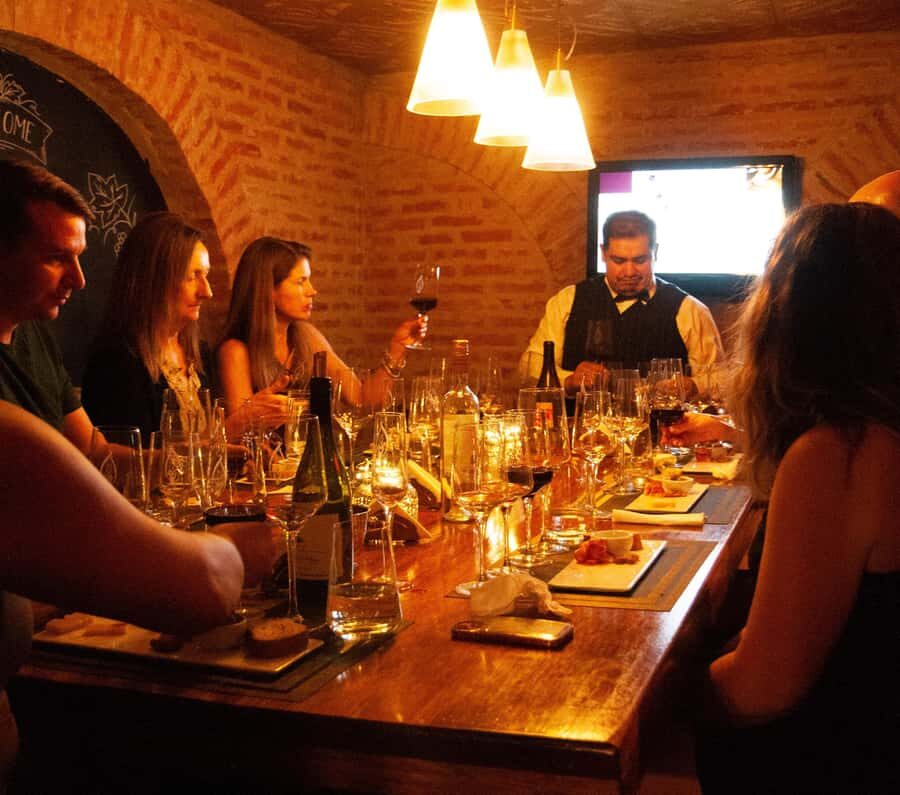
The tasting happens at Miravida either in the wine cellar (down one level) or on a private patio if weather allows. In practical terms, the cellar is the reason this feels like more than a checklist activity. You are in a quieter space where the group size stays small and the sommelier can actually talk through the wines clearly.
There is one accessibility note you should take seriously. The cava is reached by going down a floor with narrow stairs, and the venue states there is no elevator to access the wine cellar. Bathrooms are upstairs, not in the cellar level. I’d treat that as a deciding factor if you or anyone in your party has walking challenges.
Inside the tasting area, the pace feels controlled. You are given time to smell, taste, and compare, which is what makes the learning stick. And because it’s limited to around 10 people per session, you avoid the feeling of being in a room where everyone is shouting over each other.
How the tasting works: 4 wines, guided notes, and small bites
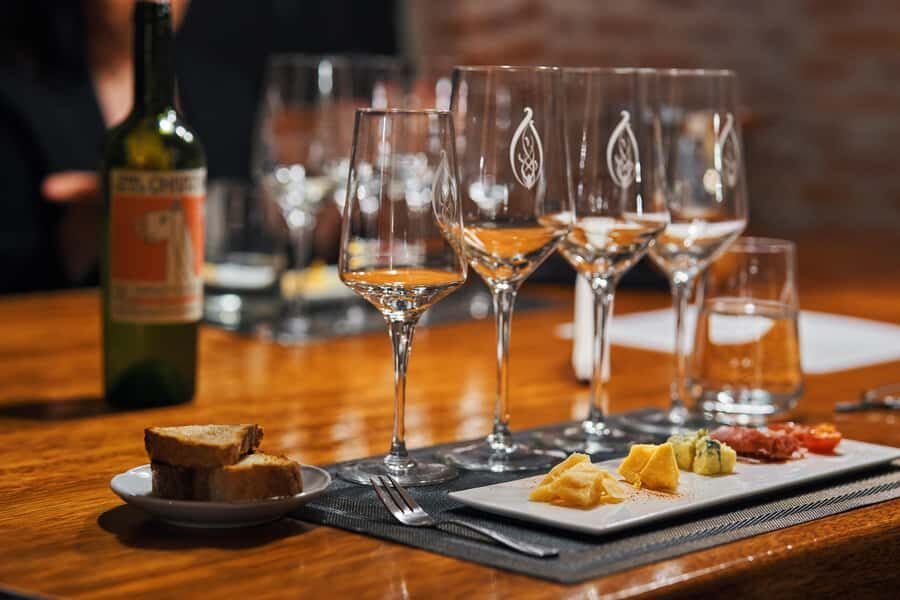
The heart of the experience is simple: meet your sommelier guide, then settle into a structured tasting of 4 different Argentine wines. Argentina’s most famous grapes come up in a very practical way: you will sample representative styles of Malbec and Torrontes. The focus is on understanding the varietals as you taste them, not on sounding impressive in a wine trivia quiz.
The guide encourages you to take notes and ask questions. That is important because the real value in wine tastings is learning how to read the glass. Instead of guessing, you learn which aromas matter, how acidity feels on the palate, and what sort of finish to expect from each wine style.
Snacks are included—think appetizers and small bites meant to support the wines. This is one of those underrated touches: if you taste wine on an empty stomach, everything feels harsher. Here, food helps you stay comfortable and actually notice the differences between pours.
One more practical plus: the group is capped at 8 participants. That limit changes the experience. In a larger group, you get the fast version. In a small group, the guide can correct your questions, adjust explanations, and move at a pace that makes sense.
Malbec and Torrontes: what to watch for in the glass
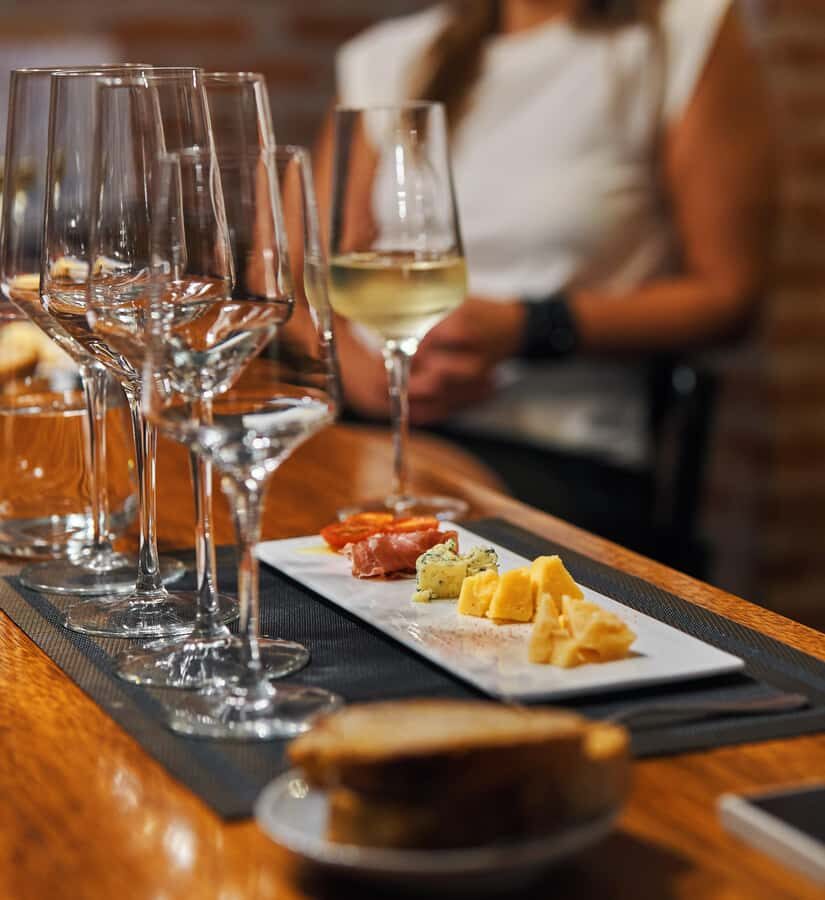
You will taste Argentine wines anchored in two big names—Malbec and Torrontes—and that’s a smart pairing because they represent very different sides of Argentina’s wine story.
For Malbec, you can expect a tasting that helps you notice body and texture: how the wine feels on the tongue, whether the fruit reads more red vs darker notes, and how the tannins behave. If you usually think Malbec is just a bold red, this type of tasting is where you can start to hear the quieter notes too—spice, dark fruit, and the way the wine finishes.
Then comes Torrontes, where the conversation shifts to aromatics. This is the kind of wine where smelling first actually matters. You learn what makes it stand apart: the fragrant lift and how it balances freshness with flavor. Even if you do not usually drink white wine, this is often the easiest wine to understand quickly because the aromas give you clear signals.
The sommelier’s job is to connect these sensory cues to real-world choices—what you might like if you enjoy one style over another. The goal is that after your tasting, you can pick a bottle later with more confidence.
Pairing food with wine: cured meats, cheese, and fresh empanadas
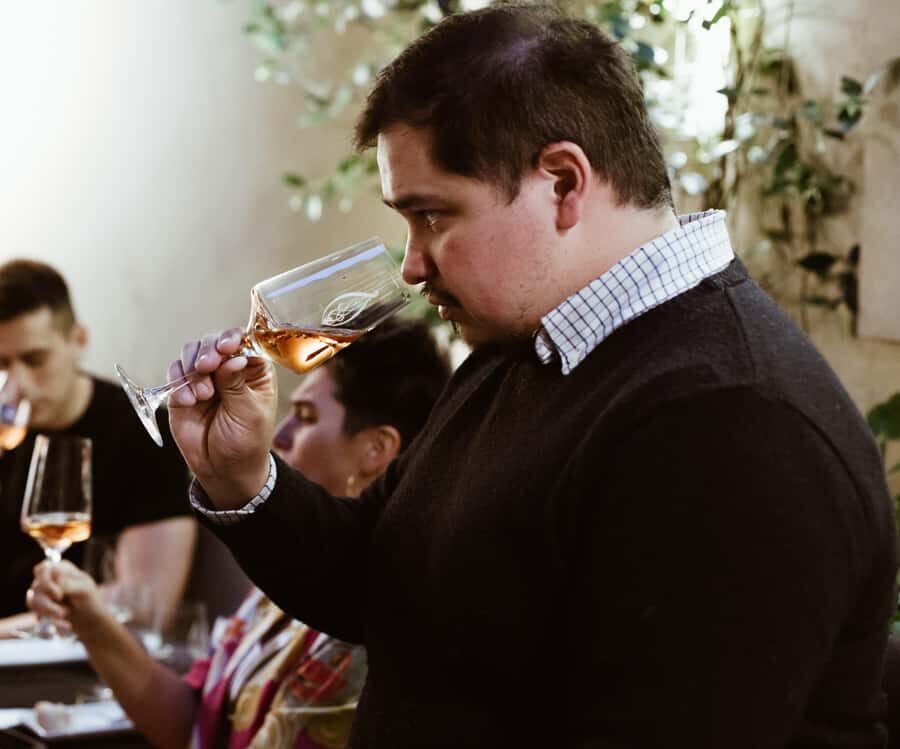
Food is not an afterthought here. The tasting includes small bites and appetizers meant to accompany the wines. In the experience I’m describing, I’ve seen pairings that include cured meats and cheese, plus bread.
One standout detail from the experience: freshly made empañadas. That is a big deal for comfort and flavor. Empanadas can cut through heavier wine notes, and the savory fillings give your palate something familiar to latch onto. It also makes the tasting feel more like Argentine hospitality and less like you’re being judged for using the wrong glass technique.
If you have dietary needs, pay attention to how flexible this can be. In one set of experiences, the food was described as accommodating vegan/vegetarian options. That’s worth noting because not every wine bar handles dietary requests without turning your choices into something bland and awkward.
You can also read our reviews of more wine tours in Buenos Aires




Guides and pacing: what it feels like with Faustino or Sandra
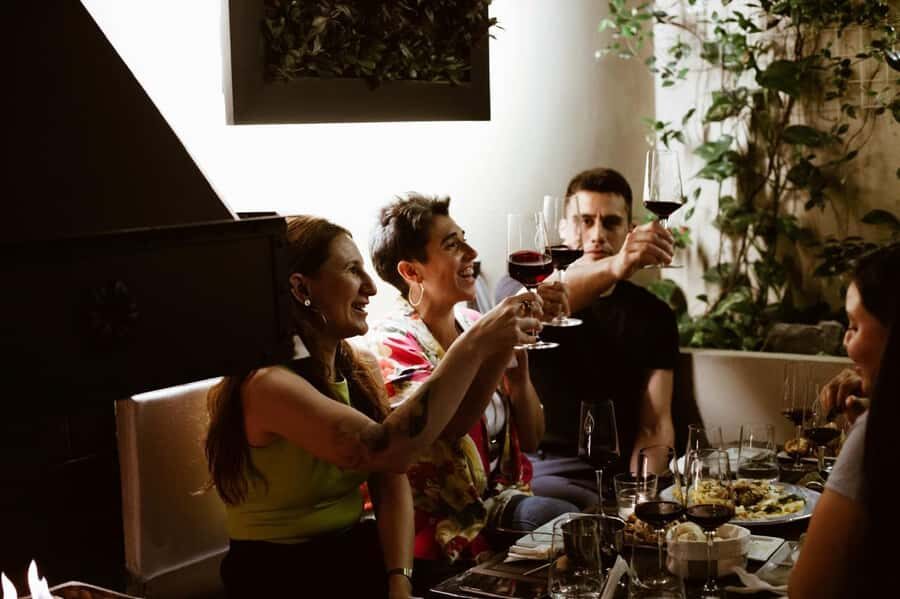
The guides make or break a wine tasting, and Miravida’s strength is that you get a real sommelier leading the session. You also get the kind of attention that makes it easier to ask follow-up questions—especially if you want to understand the “why” behind a taste.
In one experience, the guide Faustino was described as very knowledgeable, and the tasting was still enjoyable even with a minor hiccup. The problem was inconsistency in how the wine was poured—early pours were smaller, later ones larger. If you are someone who likes to do slow comparisons per glass, the pour size can affect your ability to taste properly between each wine.
In another experience, the guide Sandra was described as amazing, with a relaxed environment and food that worked well across dietary preferences. When a guide keeps the mood easy, it changes the whole vibe: you taste more thoughtfully, and the questions come easier.
Either way, the small group size helps. Even when something is imperfect—like pour consistency—you still have time to ask questions and stay engaged. Just know that taste tastings are not always about perfection. They are about learning, and the best guides help you learn even when the details get imperfect.
Small group value: $50 and what you get for it
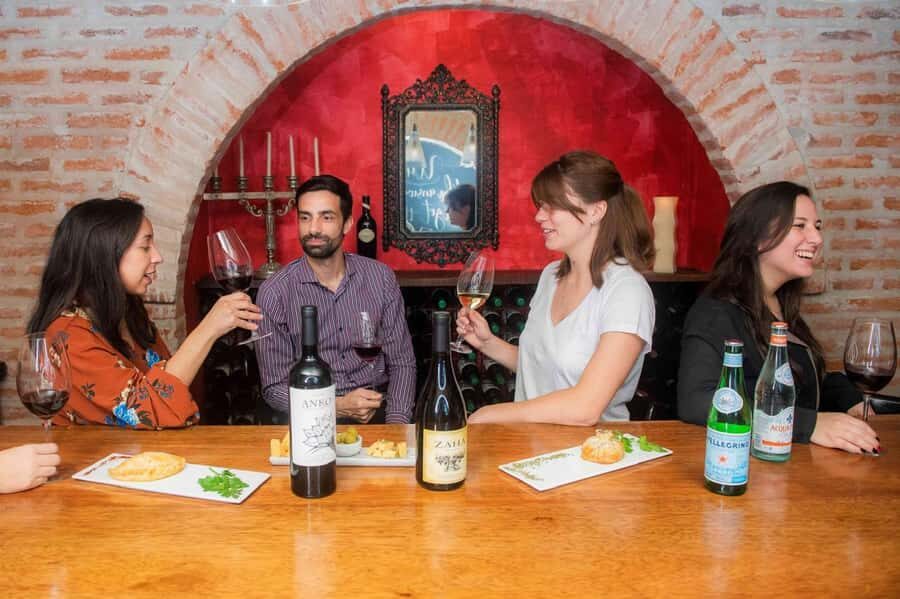
At $50 per person, the value comes from what’s included, not just the price tag. You get:
- A professional sommelier-led tasting
- 4 Argentine wines
- Appetizers and small bites
- Taxes and fees included
- English and Spanish interpretation through the live guide
- A small group capped at 8
If you’ve ever tried piecing together a wine bar evening on your own, this is where the math gets attractive. By the time you pay for multiple pours and food, you can end up spending similar or more. Here, the structure means you do not have to figure out what to order or guess which wines represent Argentina best.
One more value point: the tasting gives you the kind of education that transfers. It’s not just drinking; it’s learning how to talk about wine and what sensory cues matter. That can make future tastings and restaurant orders less intimidating.
The duration is listed as 18 hours on the booking page. Because your exact starting time is determined by what’s available, I suggest you treat this as a scheduled tasting slot and plan around the time you choose.
Practical notes: the house rules and the real comfort level
This is a rules-based environment, which is normal for a winery-style tasting room. Pets are not allowed, and the experience also prohibits things like drones and selfie sticks. Alcohol intoxication isn’t allowed either, which is good sense when you’re tasting multiple wines.
You should also plan around what you cannot bring in. The activity notes prohibit bringing outside food and drinks. That keeps the pairing consistent and avoids the awkward situation of someone bringing items that don’t match what’s served.
One practical comfort note: the tasting area includes glass bottles in the cellar, and the venue warns that broken glass can be a hazard for minors. Combined with the fact that the tasting is not suitable for many ages, this is clearly designed for adults and older teens rather than kids’ entertainment.
Who should book this (and who should skip it)
This is best for you if you want:
- A guided wine tasting with real explanations
- A small group where you can actually ask questions
- Argentine wine starters—especially Malbec and Torrontes
- Food included so you are tasting comfortably, not on an empty stomach
You might also love it if you are staying in or near Palermo Soho and want a plan that feels local without needing a day of logistics.
On the flip side, skip it if any of these apply:
- You use a wheelchair, because the wine cellar is reached by narrow stairs and there is no elevator to access it
- You’re traveling with children, since it is not suitable for people under 18 according to the provided rules
- You are pregnant, since the venue lists it as not suitable
If you’re deciding between doing something big and scheduled versus something intimate, this leans intimate. That’s the point.
Should you book Buenos Aires: Small-Group Wine Tasting?
I’d book it if you want an easy, neighborhood-friendly way to taste Argentina’s signature grapes with a real sommelier and snacks included. The combination of Palermo Soho location, small group size (up to 8), and the cellar/patio setting makes it feel like an intentional experience rather than a generic wine stop.
I’d hesitate only if stairs are a problem for you or if you are extremely sensitive to the exact amount poured per person. One guide variation was noted for inconsistent pour sizes, and while most tastings handle this smoothly, it’s still worth keeping in mind if you like doing very careful comparisons between each wine.
If that all sounds right, this is the kind of evening that leaves you with a better palate and a clearer idea of what to order next time you see Malbec or Torrontes on a menu.
FAQ
How many people are in the tasting group?
The tasting is limited to a small group, with a maximum of 8 participants.
How many wines do you taste?
You taste 4 different wines from Argentina, including examples of Malbec and Torrontes.
Where is the meeting point?
The meeting point is Miravida Soho Hotel & Wine Bar in Palermo Soho, with the specific starting location listed as Darregueyra 2050.
Is food included?
Yes. You get appetizers and small bites as part of the tasting.
Are private transfers included?
No private transfers are offered.
What languages are the guides?
The live guide provides Spanish and English.