REVIEW · USHUAIA
Ushuaia: Tierra del Fuego National Park
Book on GetYourGuide →Operated by Tolkeyen Patagonia Turismo · Bookable on GetYourGuide
End-of-the-world views start in Ushuaia. The best part for me is reaching the End of the World Station and getting oriented before you even get deep into the park. It feels like a real expedition, not just another bus ride.
I also love the Lake Acigami stop for its quiet glacial setting, and the Beaver Dam and cormorant-area moments that make wildlife spotting feel practical. Even when the weather changes fast, these are the kinds of stops that still land.
One possible drawback: this is a shared, time-boxed tour, so you may get mixed-language narration and shorter photo windows—especially if you’re not choosing the optional train segment.
In This Review
- Key highlights you’ll actually notice
- Ushuaia to the park: the drive that sets the mood
- End of the World Station: your first big photo stop
- Lake Acigami: the glacial-lake pause you’ll remember
- Cormorants Island and Beaver Dam: wildlife that feels doable
- Alakush Visitor Center: the break that makes the day work
- Lapataia Bay: where the End of the World feeling clicks
- Price and timing: where value is solid, and where expectations matter
- Shared tour tip: protect your language and your patience
- What to bring (so the day feels easy)
- Who this trip is best for
- Should you book this Tierra del Fuego National Park tour?
- FAQ
- Where does the tour start?
- How long is the excursion?
- What is included in the price?
- Is the national park entrance ticket included?
- Do I choose a train or navigation option?
- What languages does the guide speak?
- What should I bring?
- Are pets allowed?
- Do I need to provide my WhatsApp number?
- Can I cancel and get a refund?
Key highlights you’ll actually notice
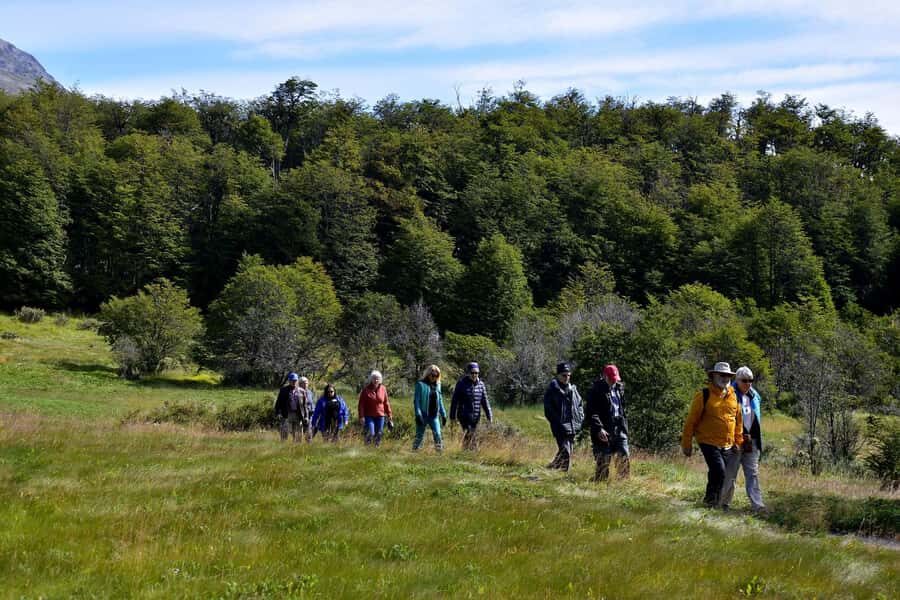
- Southernmost-Park energy in one efficient 330-minute loop from Ushuaia
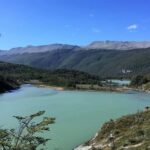
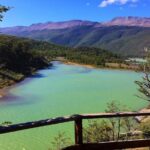
- Lake Acigami’s glacial calm with forests and mountain views
- Beaver Dam and cormorant-area wildlife time that’s more than just a quick glance
- Alakush Visitor Center for bathrooms, snacks, a small museum, and browsing
- Lapataia Bay and the footbridge photos tied to the End of the World feeling
- Optional train/navigation changes the pace at the station, for better or worse
Ushuaia to the park: the drive that sets the mood
This tour starts with pickup in Ushuaia, then heads along National Route No. 3 toward Tierra del Fuego National Park. Right away, the setting changes from town routines to open air and wide views.
After crossing the Pipo River bridge (near the Ushuaia Golf Club), you’re soon approaching the park’s “end of the world” feeling. The timing matters here: you arrive at the End of the World Station while the day still feels fresh and photo-friendly.
You can also read our reviews of more tours and experiences in Ushuaia.

End of the World Station: your first big photo stop
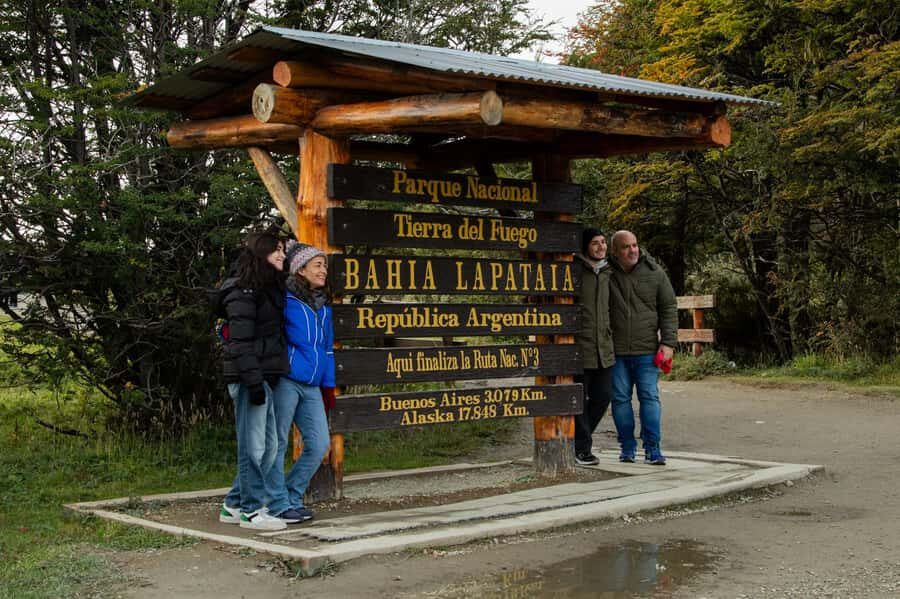
The End of the World Station is more than a name. It’s where you get your bearings—where the route funnels from town life into the park’s quiet, remote world.
This is also where the optional part can start to shape your experience. If you choose the extra train to the end of the world (or the alternative navigation to Redonda Island, depending on your option), your time at/near the station tends to be more structured.
If you’re the type who hates waiting around, this is worth thinking about early, because the day’s flow can feel tighter on shared departures.
Lake Acigami: the glacial-lake pause you’ll remember
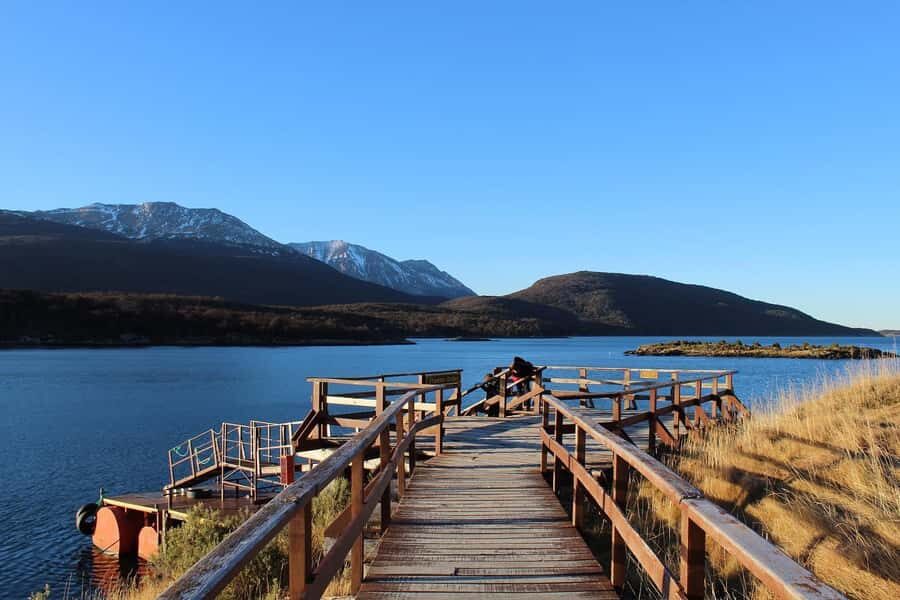
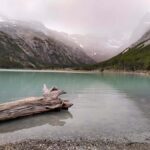
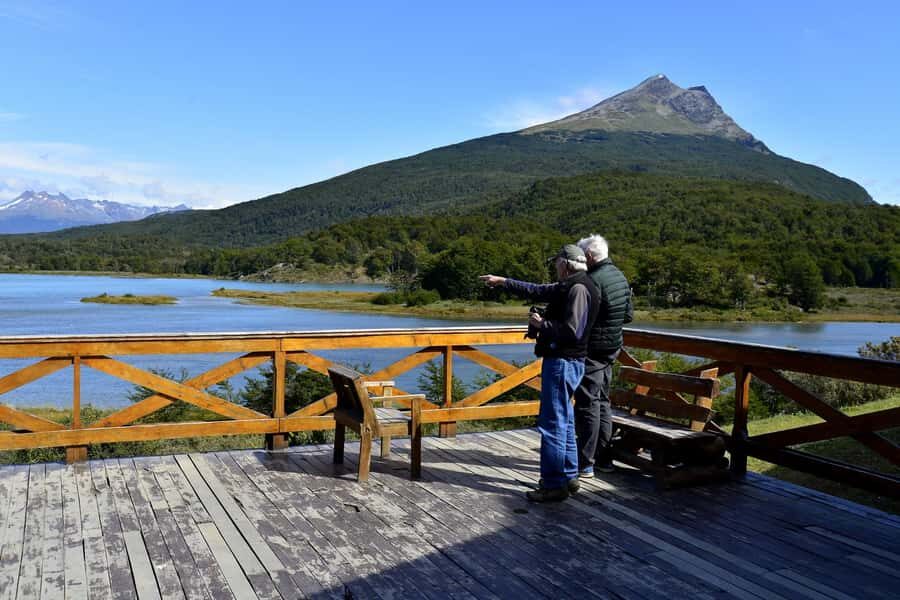
Lake Acigami is one of those stops where you can slow down without being bored. The view is built around glacial water framed by forests and major peaks, which gives you that “remote but real” effect.
You’ll usually want to plan for movement here: take a few photos from your main angle, then walk a bit for a slightly different perspective. The good news is that this kind of scenery is forgiving—clouds and wind don’t ruin it; they just change the look.
And since the tour calls out native bird chances, don’t just stare at the water. Watch the edges and any active perches in the surrounding area.
Cormorants Island and Beaver Dam: wildlife that feels doable
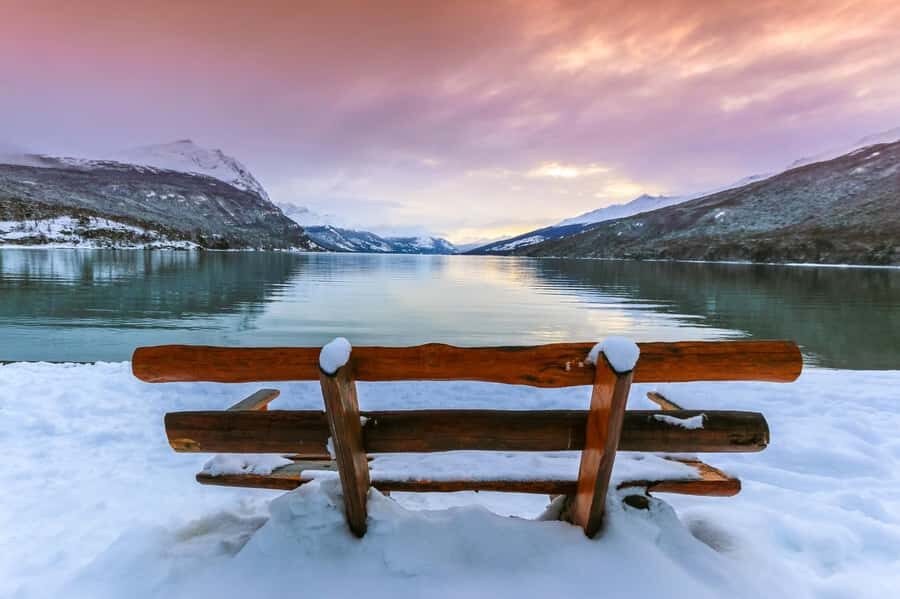
This is the stop where the tour shifts from scenery to “look closer.” The cormorant-area reference plus the Beaver Dam storytelling brings wildlife into the conversation in a way that doesn’t require special gear.
Beavers are famous for engineering, and the point of this stop is to see the results of that work in the landscape. Even if you don’t catch a clear view of an animal every single minute, the idea is to notice how the environment has been shaped.
I like wildlife stops that don’t overpromise. Here, it’s about giving you the chance, plus direction on what to watch for.
Alakush Visitor Center: the break that makes the day work
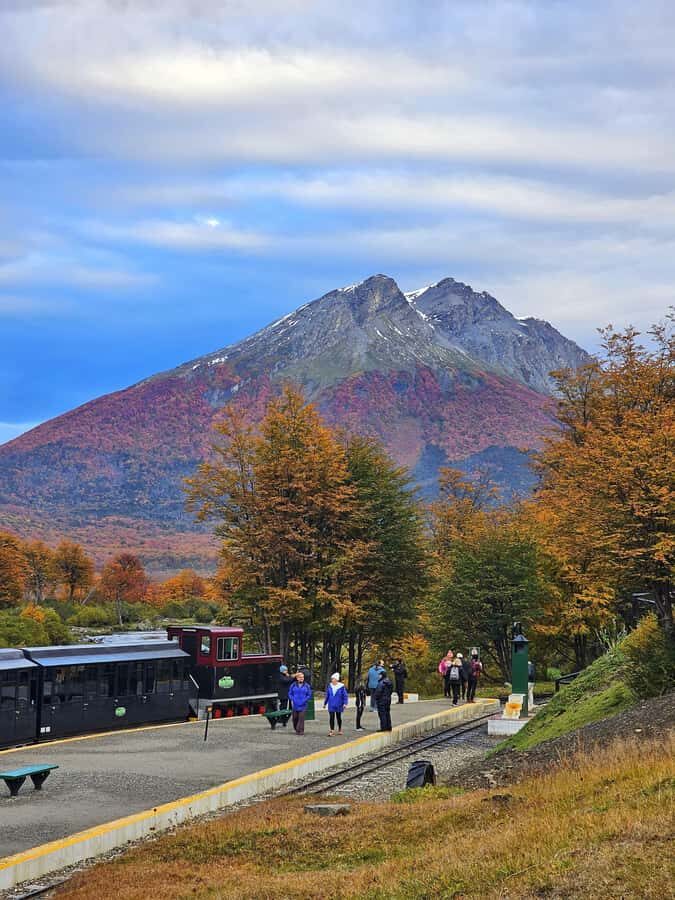
Alakush Visitor Center is where you get a real reset. You’ll have free time, and the practical perks are spelled out: cafeteria and/or restaurant options, bathrooms, a souvenir shop, and a small museum.
This stop matters because Tierra del Fuego weather can turn. Having a warm place to stand, refill, and regroup makes the rest of the day feel less rushed.
If you’re going to buy a snack or something simple to drink, this is the moment. Don’t wait until later, because your remaining time is better used for the coastal and photo sections of the route.

Lapataia Bay: where the End of the World feeling clicks
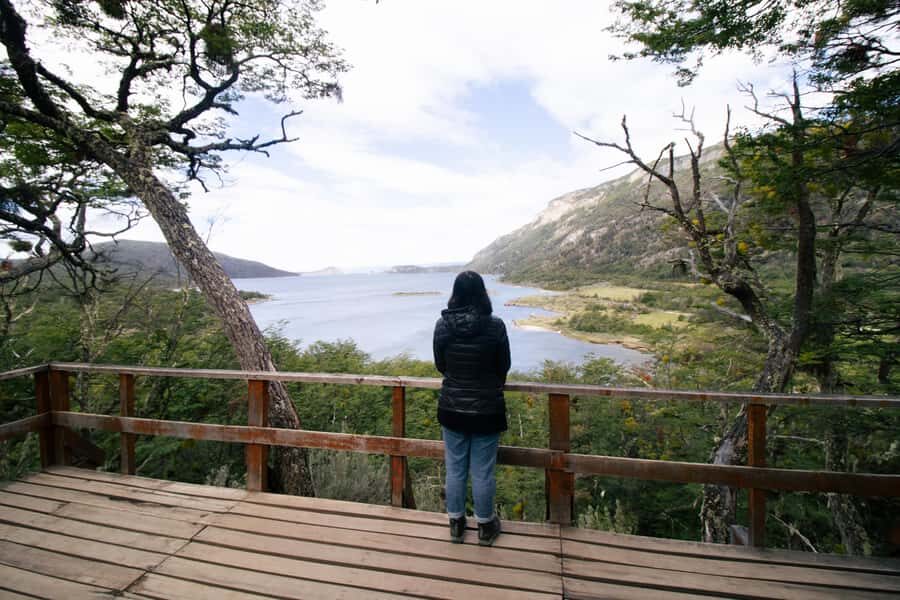
Lapataia Bay adds a different angle: coastal scenery plus context about the indigenous peoples who once lived and thrived here. That combination gives the day more meaning than a list of viewpoints.
There’s also time to walk the footbridge for photos. This is the kind of stop where you’ll want to step slowly, because the bay and sky create changing light every couple of minutes.
If you’re chasing the classic “I’m at the end of the world” moment, this is one of the better bets on the itinerary.
Price and timing: where value is solid, and where expectations matter
At $40 per person for about 330 minutes on a shared service, the value is mostly in three things: pickup included in Ushuaia (with one noted exception), a professional guide, and a guided route that strings together multiple highlights. That’s a lot to pack into half a day in a remote region.
But there are two timing realities you should plan for:
- The tour is time-boxed at each stop, so it’s built for seeing many places, not lingering long at one.
- The optional train/navigation can strongly affect how you feel about station time. If you skip the train portion, you may face more waiting and less movement.
Also note the national park entrance ticket isn’t included. For budgeting, you’ll want to add that on top of the base price so you’re not surprised later.
Shared tour tip: protect your language and your patience
This one is simple: shared tours can mean mixed-language groups. The stated languages are English, Portuguese, and Spanish, but mixed vehicles can happen, and that affects how much detail you get at each moment.
If English is a must, I’d treat confirmation as your friend. Make sure your guide and pickup details line up correctly, and don’t assume you’ll be able to fix issues with online help during the day.
Same idea for communication in general: don’t count on being able to quickly look things up. Plan your day with the assumption that support and connectivity may be limited in remote areas.
What to bring (so the day feels easy)
This tour is outdoors for multiple stops, so go practical:
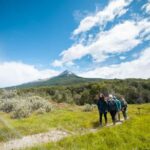
- Comfortable shoes (you’ll move around at viewpoints and walk parts of the route)
- Sunglasses and a sun hat
Weather can shift quickly down here, and your comfort directly affects how much you enjoy the views. Dress in layers if you can, even though only the listed items are required.
Who this trip is best for
I think this experience fits best if you want a focused half-day introduction to Tierra del Fuego without needing to plan logistics yourself. It’s also a good choice if you like the mix of scenery + wildlife + a short cultural context.
It’s less ideal if you’re the kind of traveler who wants long stays at viewpoints. If your dream is “one perfect viewpoint for an hour,” this shared schedule may feel too quick.
Should you book this Tierra del Fuego National Park tour?
I’d book it if you’re excited by the big checklist items: Lake Acigami, wildlife areas like Beaver Dam, Alakush center breaks, and Lapataia Bay’s footbridge photo moment. The guide-led structure and the included pickup make it a convenient way to see a lot in about half a day.
I would hesitate only if your main priority is maximum time at a specific spot or if you’re very sensitive to mixed language and short photo windows. In that case, pay extra attention to the optional train/navigation choice, because it can change how the day feels at the station.
If you go in with the right expectations, this is a strong value way to reach the park’s end-of-world vibe from Ushuaia.
FAQ
Where does the tour start?
Pickup is included from your accommodation in Ushuaia, except Kauyenen Hotel, which is noted as outside the urban area.
How long is the excursion?
It runs for 5 hours (330 minutes), depending on available starting times.
What is included in the price?
The price includes a shared excursion, a professional guide, and an optional train ticket to the end of the world / navigation to Redonda Island based on your selected option.
Is the national park entrance ticket included?
No. The national park entrance ticket is not included.
Do I choose a train or navigation option?
Yes. The tour offers an optional train to the end of the world or navigation to Redonda Island, depending on the option you select.
What languages does the guide speak?
The live tour guide is available in English, Portuguese, and Spanish.
What should I bring?
Bring comfortable shoes, sunglasses, and a sun hat.
Are pets allowed?
No. Pets are not allowed.
Do I need to provide my WhatsApp number?
Yes. At booking/confirmation you need to provide your hotel/accommodation details and a WhatsApp contact number.
Can I cancel and get a refund?
Yes. You can cancel up to 24 hours in advance for a full refund.