REVIEW · USHUAIA
Ushuaia: Tierra del Fuego National Park Tour
Book on GetYourGuide →Operated by Tangol · Bookable on GetYourGuide
Ushuaia’s wilderness hits fast. I like the way this tour mixes Beagle Channel views with real time on foot at Lapataia Bay, and I also love the forest-and-sea feel in Tierra del Fuego National Park. One thing to plan for: the National Park entrance fee isn’t included in the $73 price.
You’ll start in the center of Ushuaia with pickup, then ride out in a heated/cooled bus along National Route 3. Along the way, you’ll get multiple photo stops—plus passes by places tied to the old prison and the Ferrocarril Austral Fueguino, often nicknamed the End of the World Train. The experience is basically nature first, but it’s not a long trek day; it’s a focused circuit.
The most praised vibe here is simple: it looks and feels beautiful in person, not just on postcards. If you’re excited for tight timing and big scenery, you’ll probably enjoy it.
In This Review
- Key things I’d actually watch for
- Tierra del Fuego feels different when you reach the water first
- Pickup in Ushuaia and the bus ride along National Route 3
- Bahía Ensenada Zaratiegui: your first long photo stop
- Beagle Channel and archipelagos: the stops that make the region click
- Mount Susana, the old prison remnants, and the End of the World Train area
- Getting to Lake Acigami: forest road, glacial origin, native birds
- Lapataia Bay: the end of South America route feeling, with a real walk
- Service area timing and lunch break you’ll want to plan around
- Pace, gear, and why light luggage makes the day easier
- Price and value: what $73 buys you (and what it doesn’t)
- Who should book this Ushuaia Tierra del Fuego tour
- Should you book it? My honest take
- FAQ
- Is hotel pickup included?
- How long is the tour?
- What language are the guides?
- Do I need to pay the National Park entrance fee?
- Is lunch included?
- Are there luggage restrictions?
- What should I bring?
Key things I’d actually watch for
- Multiple timed photo stops before you even hit the main walking portion
- Lake Acigami framed by mountains and forests, with a chance to spot native birds
- A trail to Lapataia Bay on the far end of National Route 3
- History glimpses from the old prison area and the Ferrocarril Austral Fueguino setting
- Light packing matters since luggage or large bags aren’t allowed
Tierra del Fuego feels different when you reach the water first
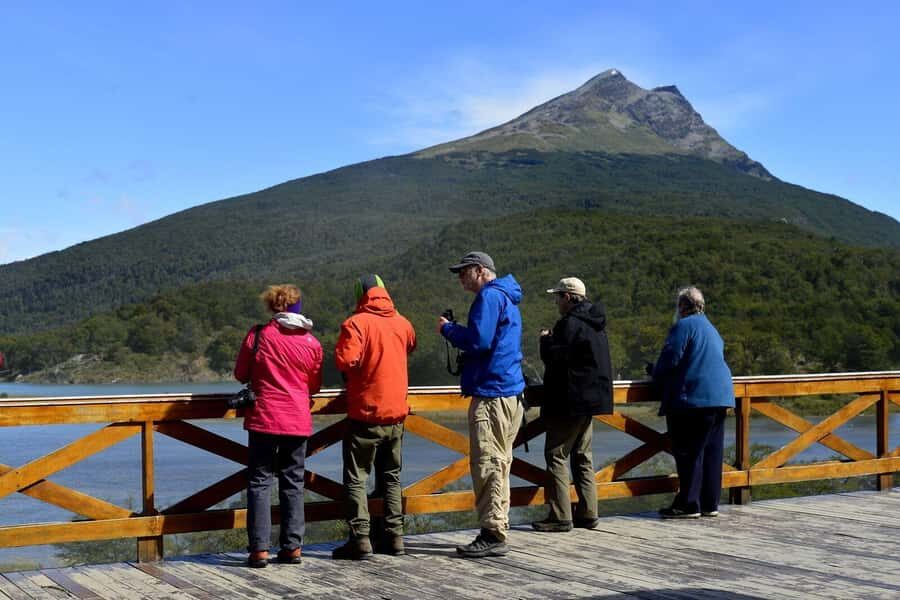
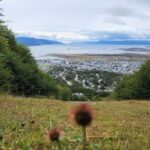
There’s a special effect to starting your day with coastal views, then moving inward. This tour does that for you by working in panoramas of the Beagle Channel and nearby archipelagos early on, so Tierra del Fuego doesn’t feel like just another forest stop.
Then the park starts to make sense. You’re not only looking at trees—you’re seeing how this region’s glacial lakes, marshy edges, and sea air connect. That’s why the park’s “end of the world” idea sticks. You’re not rushing past it; you’re getting a series of moments that build to Lapataia Bay.
Also, the route is doing something clever: it’s built around photo stops and short walks, which keeps the day from turning into “too much logistics, too little nature.” You still get to lace up and walk, but you don’t disappear for hours.
You can also read our reviews of more tours and experiences in Ushuaia.

Pickup in Ushuaia and the bus ride along National Route 3
Pickup is from selected centrally located hotels in Ushuaia, and if your hotel is outside the pickup zone, you’ll get a nearby meeting point. You’ll ride in a comfortable bus with both air conditioning and heating, which is worth caring about in Patagonia’s mood swings.
The drive itself is part of the experience. As you travel along National Route 3, you’ll get views of lakes, lagoons, and rivers. You’ll also pause at key points for sightseeing—so the scenery isn’t only “out the window.”
One practical note: the tour’s total length is about 330 minutes (5.5 hours). That’s enough time to cover a lot of terrain, but it also means each stop is time-boxed. If you tend to take 30 minutes of extra photos at every scenic turnout, you’ll want to keep things moving.
Bahía Ensenada Zaratiegui: your first long photo stop
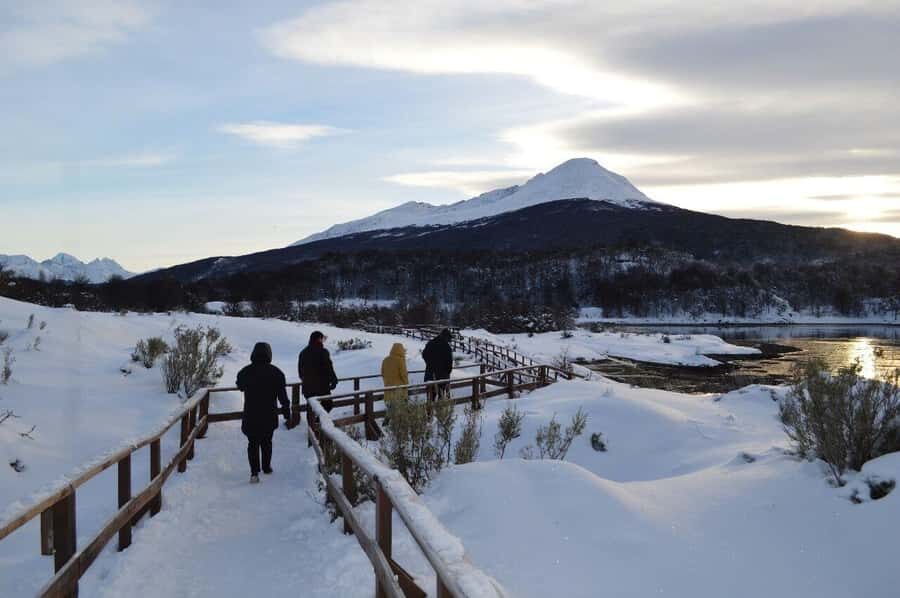
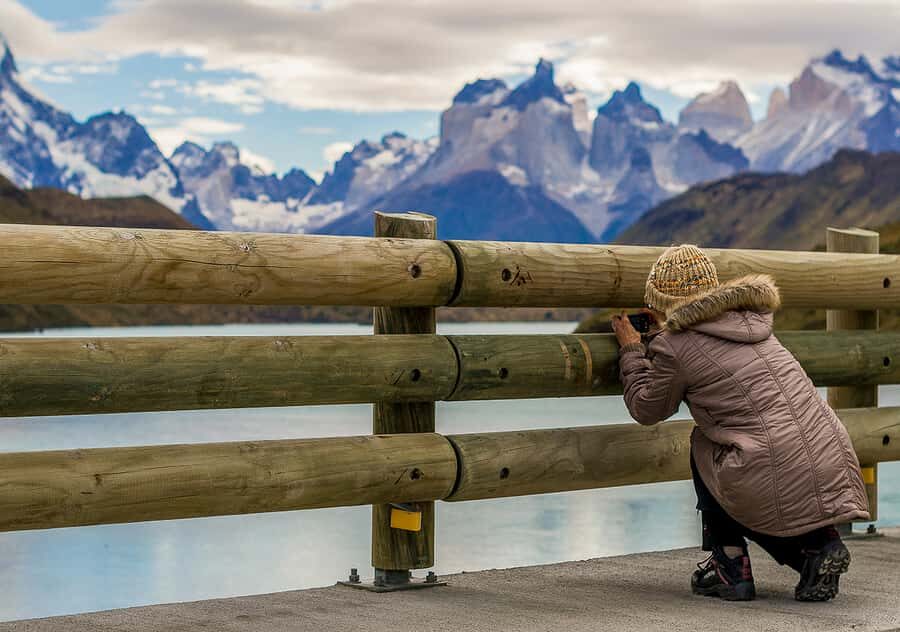
The first real viewpoint is Bahía Ensenada Zaratiegui. You’ll have about 1 hour here, which is a generous block compared with typical “we stop for 10 minutes” sightseeing.
What you’re doing at this stop is setting your mental map. You’ll look over coastal and channel scenery and get your first sense of the Ushuaia Peninsula area. Since this is your early moment outside the bus, I recommend using the first part of your hour for photos and the later part for just watching light and weather change.
If conditions are windy (common in the region), this is where warm layers and a windproof outer layer pay off—even if the bus ride feels comfortable.
Beagle Channel and archipelagos: the stops that make the region click
As the bus continues, you’ll make additional brief panoramic stops to see the Beagle Channel, the Ushuaia Peninsula, and the Bridges, Willie and Les Eclaireurs archipelagos. These sound like a mouthful on paper, but once you’re there, they help explain why this part of Argentina feels so maritime.
This is also where you can spot the “islands-in-a-channel” logic of the landscape. Instead of thinking of Tierra del Fuego as only land, you start seeing the network of water that shapes it.
If you’re the type who likes your photos to have context, these stops are useful. They give you reference points before the tour transitions into forest and lakes.
Mount Susana, the old prison remnants, and the End of the World Train area
Another stop in the drive is passing the slope of Mount Susana and seeing the historic work of inmates from the old prison area—now linked to the setting of the Ferrocarril Austral Fueguino (the so-called End of the World Train).
You’re not doing a full museum-style visit here; this is more of a “you’ll pass it and see the connection” moment. But it’s still valuable. It helps explain how human stories shaped the region, and it gives you more meaning when you later hear about “end of the world” rail tourism in Ushuaia.
If you like history, even a quick pass-by can be a good mental hook. If you don’t, just treat it as a roadside waypoint and get back to the views.

Getting to Lake Acigami: forest road, glacial origin, native birds
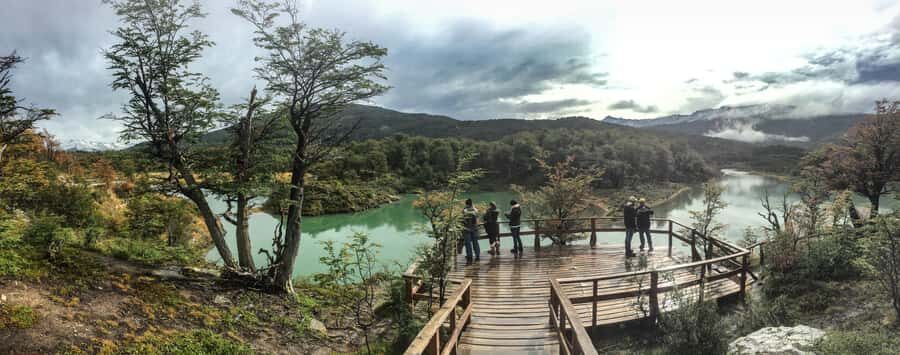
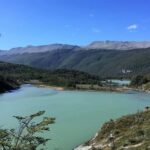
Before you reach the park, you go another stretch—about 2 km more—then you travel along roads surrounded by forests. That leads you to Lake Acigami, described as glacial in origin and framed by mountains and forests.
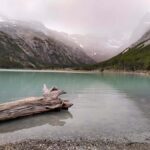
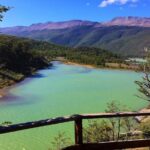
Lake Acigami is where the tour shifts from coastal panoramas into “this is the park” territory. It’s also one of those stops where your experience depends a bit on conditions. The lake setting is the point, and you might even spot native birds if you’re lucky and patient.
In practical terms, this is a great place for a slower look. Sit, breathe, and let the scene settle. If you’re used to fast-moving tours, this stop can feel like a pause button before Lapataia Bay.
Lapataia Bay: the end of South America route feeling, with a real walk
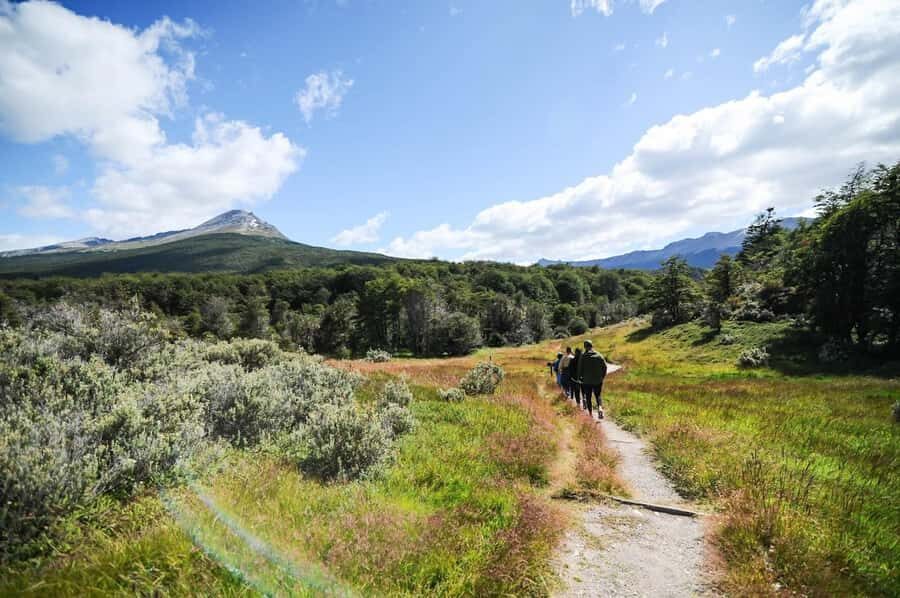
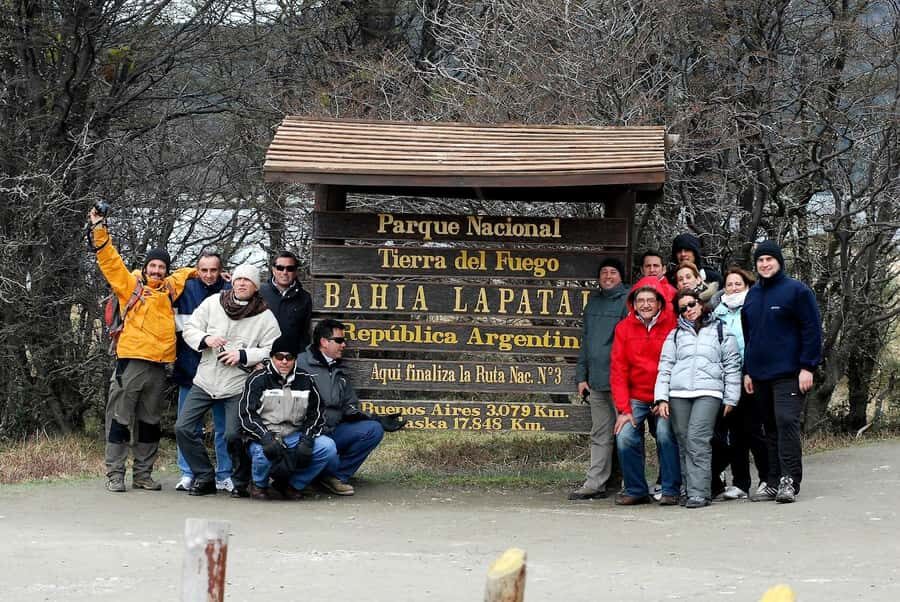
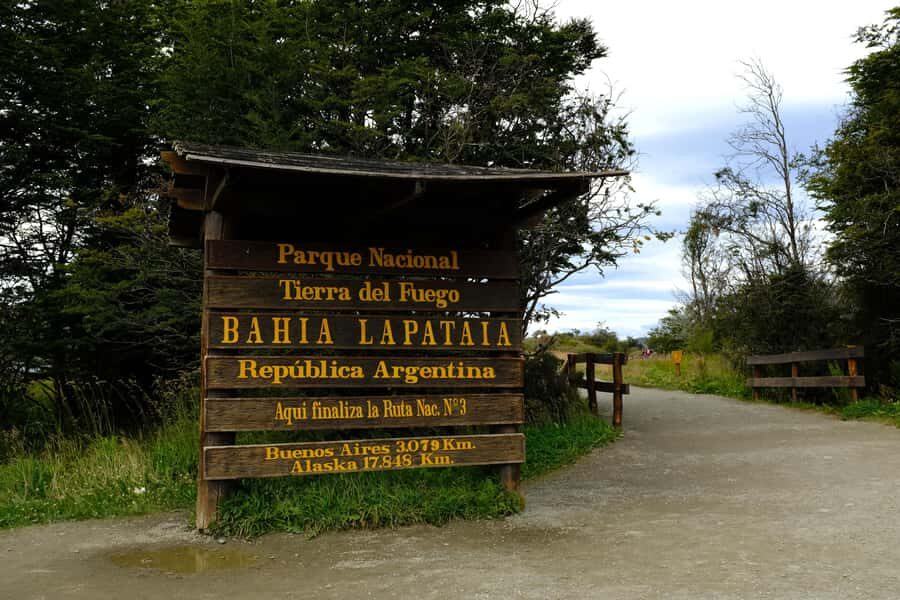
The main “reach the end” moment comes at Lapataia Bay. This is where National Route 3 ends, and it’s built around the idea of getting to the final stretch—then walking part of the way so it feels like more than a parking-lot photo.
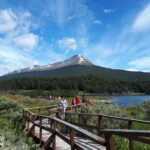
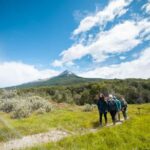
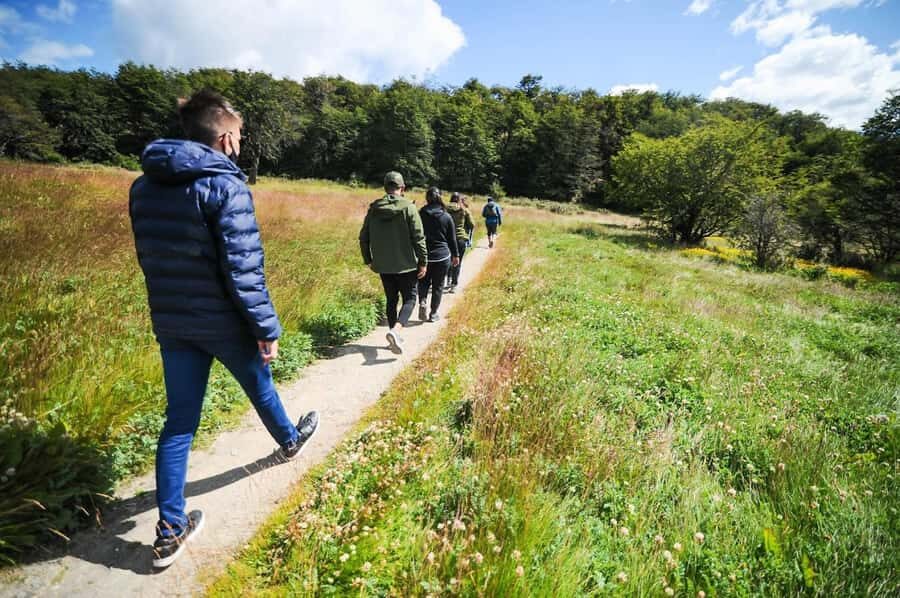
You’ll have about 1.5 hours for sightseeing and a walk at Lapataia Bay. The trail includes vestiges of ancient aboriginal people who lived in the region, and you’ll also pass beaver dams along the route.
That combination—human traces plus living nature—can be meaningful, especially if you pay attention instead of just chasing the biggest photo angle. The vestiges are not just decoration; they tie the “end of the world” story to real people who adapted to this environment long before modern tourism.
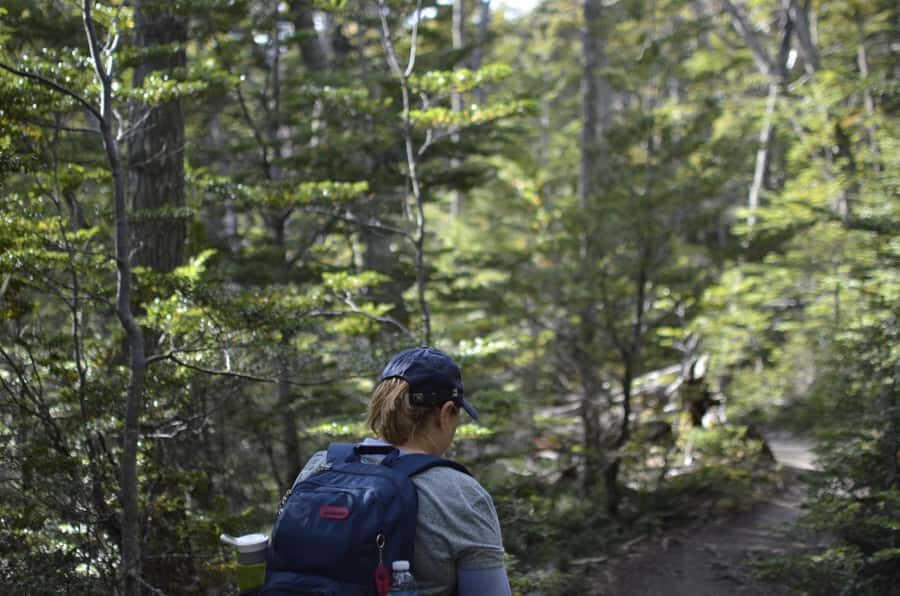
What to expect on the ground: you’ll be walking outdoors on a trail. Bring comfortable shoes, and don’t assume the surface will be dry and flat. Patagonia weather loves to change, and that can make even short walks feel more challenging.
Service area timing and lunch break you’ll want to plan around

After you spend time in the park area (including the Lake Acigami stop), there’s about 30 minutes free in the service area. Then you continue to Lapataia Bay.
There’s also a 45-minute lunch block, but food isn’t listed as included. So think of lunch as a chance to grab something there (or make your plan with what you brought), not a guaranteed meal on the tour.
This timing matters because it’s part of how the tour fits everything in. If you’re sensitive to eating schedules or you’re hungry on arrival, consider bringing a snack for the day just in case.
Pace, gear, and why light luggage makes the day easier
This tour is 5.5 hours total, with multiple stops and walking time. That pace can be a good thing—there’s less waiting around than on slower full-day hikes—but you still need to be ready to move.
Here’s what you should bring based on what the tour requires:
- Passport or ID card
- Comfortable shoes
And don’t bring:
- Luggage or large bags
That luggage restriction is more important than it sounds. When you’re traveling on coaches with quick stop-and-go movements, large bags can become a hassle in tight spaces. A small daypack is the easiest fit for this kind of route.
Layering is smart too. The bus has heating and cooling, but once you’re outside at viewpoints and on trails, wind and temperature can change fast.
Price and value: what $73 buys you (and what it doesn’t)
At $73 per person, this tour is priced like a practical half-day outing rather than a luxury expedition. You’re paying for:
- pickup and drop-off from selected city-center hotels
- transportation by bus
- Spanish and English-speaking guides
- structured time at major scenic points
What’s not included:
- National Park entrance fee
- food and/or beverages
- any extras not mentioned in the itinerary
So the real cost to you depends on your spending habits once you’re in the park—especially around entry fees and lunch. I’d treat $73 as the “getting there and guided time” portion, and then budget separately for park entry and meals.
For me, the best value part is that the guide-led structure saves time. You don’t have to figure out the sequence of viewpoints and timing yourself, and you still get walking time at Lapataia Bay.
Who should book this Ushuaia Tierra del Fuego tour
I think this tour fits best if you want:
- a nature-heavy experience without losing a full day
- scenic stops that make sense one after another
- some walking at Lapataia Bay but not an all-day trek
It’s also a good match if you’re traveling in mixed weather and want a bus that’s set up for comfort. Multiple photo stops plus a guided route means you get the highlights even if conditions change.
If you’re a hardcore hiker looking for long distances, this may feel short. But if you want to see a lot, get your bearings, and still enjoy the park atmosphere, it’s a solid pick.
Also, this tour runs in Spanish and English, with guides who handle both—handy if you’re not traveling with a Spanish speaker.
Should you book it? My honest take
I’d book this if you’re in Ushuaia for limited time and want a straightforward way into Tierra del Fuego National Park with a guided route and the Lapataia Bay walk. The combination of Beagle Channel panoramas, glacial Lake Acigami, and the end-of-the-route feel at Lapataia is a strong trio for a half-day format.
I’d think twice if:
- you don’t like paying extra once you arrive, since park entrance and lunch are on you
- you’re bringing more than a small bag (the tour won’t allow luggage or large bags)
- your schedule is fragile, since the activity is non-refundable if plans change
If your goal is maximum scenery per hour, this tour done right can deliver that. Operated by Tangol, it’s built around getting you from Ushuaia into the park and back with minimal fuss.
FAQ
Is hotel pickup included?
Yes. Pickup and drop-off are included from selected centrally located hotels in Ushuaia. If your hotel is outside the pickup area, you’ll be told the closest meeting point.
How long is the tour?
The tour lasts about 330 minutes (around 5.5 hours).
What language are the guides?
The guides speak Spanish and English.
Do I need to pay the National Park entrance fee?
Yes. The National Park entrance fee is not included, so you should plan for an extra cost.
Is lunch included?
Lunch time is included in the schedule, but food and beverages are not included. Plan to buy food during the lunch break or bring your own.
Are there luggage restrictions?
Yes. Luggage or large bags aren’t allowed, so pack light with a small daypack.
What should I bring?
Bring your passport or ID card and comfortable shoes.