REVIEW · PURMAMARCA
Purmamarca: Hiking with Llamas through multicolored mountains
Book on GetYourGuide →Operated by Purmamarca Aniacho Turismo · Bookable on GetYourGuide
Colorful mountains, friendly llamas, real Andean stories. In Purmamarca, you spend about two hours hiking with llamas while a local guide shares what’s underfoot and what’s behind the Andean way of seeing nature.
What I love most is the close, gentle llama contact—caresses, hugs, and calm attention that feels built on respect, not performance. I also like the small-group feel (up to 8 people), where guides such as Fabrizio and Aniacho can answer questions and keep the pace comfortable.
One thing to consider: this is a walking experience, and it’s not set up for everyone. It’s not suitable for wheelchair users, people with mobility impairments, or those with recent surgeries, and babies must be carried in baby backpacks.
In This Review
- Key highlights you’ll care about
- Getting Started: Meeting Llamas Near Purmamarca’s Main Square
- Hands-On Rules: How the Walk Works (Without Riding)
- Colorful Mountains 101: Geology, Medicinal Flora, and Pachamama
- Photo Stops, Silence, and a Pace That Doesn’t Exhaust You
- What to Bring (And What to Skip) for This 2-Hour Hike
- Who This Llama Hike Fits Best (And Who Might Reconsider)
- Languages, Group Size, and the Quality of the Guide Talk
- Price and Value: What You’re Really Paying For
- Should You Book This Purmamarca Llama Hike?
- FAQ
- How long is the llama hiking experience in Purmamarca?
- Where is the meeting point?
- Is this activity in English or Spanish?
- Is there llama riding?
- What group size should I expect?
- What will we do during the tour?
- What should I bring?
- Are sandals or flip-flops allowed?
- Can children participate?
- Is it refundable if I cancel?
Key highlights you’ll care about
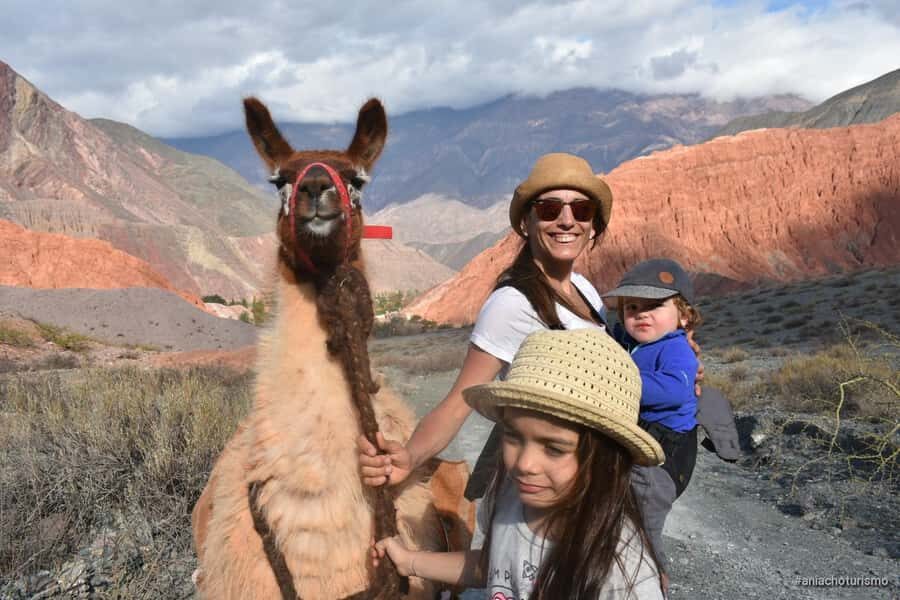
- No riding, just respectful contact with llamas before you start walking
- Max 8 people, so the vibe stays quiet and personal
- Colorful mountain views plus guided science, from geology to camelid biology
- Andean culture in plain language, including Pachamama and syncretism
- Photo and video time, with direct llama moments built into the hike
Getting Started: Meeting Llamas Near Purmamarca’s Main Square
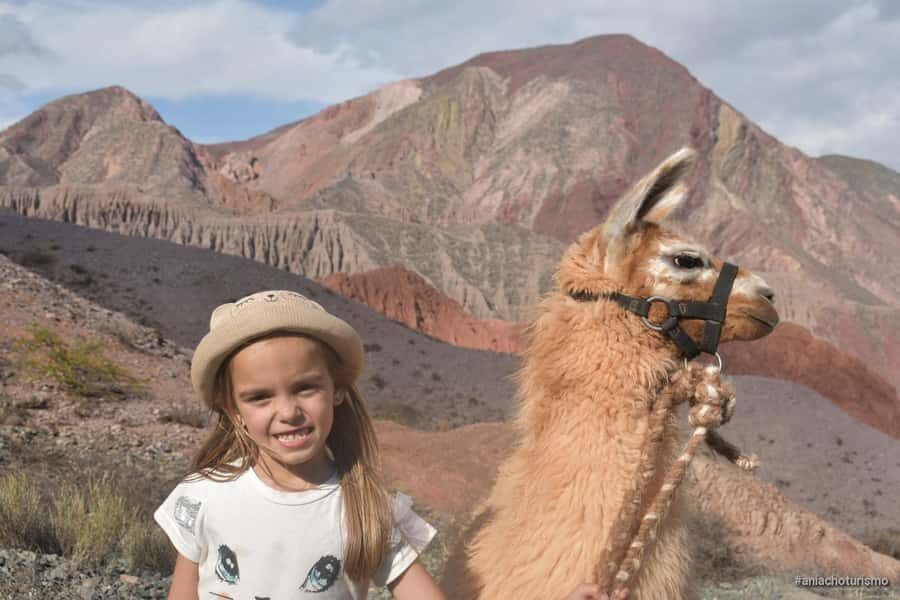
This hike starts in Purmamarca, right by the town’s center. Your meeting point is PASEO DE LOS COLORADOS, Cemetery side, and it’s about 200 meters from the main square. Plan on arriving a few minutes early, since there’s a quick check of what you need for the walk before you meet the llamas.
At the start, the guide helps you get settled and teaches the basics of how to hold and handle the llamas safely. This part matters more than you might think: you’re not just learning a trick, you’re learning how to be calm, how to move slowly, and how to avoid pushing an animal’s comfort level. It sets the tone for the rest of the experience.
Then you’re off on a nature walk through the colorful mountain area around Purmamarca. You’ll be close to the action without rushing—this isn’t a long march, and the route can flex to match what people are comfortable with.
You can also read our reviews of more tours and experiences in Purmamarca.
Hands-On Rules: How the Walk Works (Without Riding)
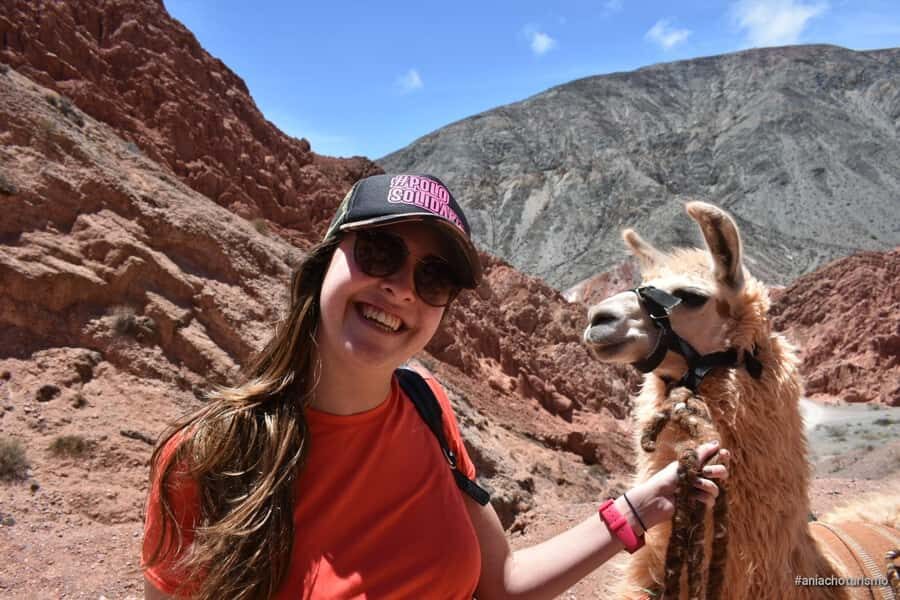
You do not ride the llamas. The whole experience is about walking with them and learning from the relationship—never about putting the animal in a job it didn’t choose.
The guide also makes the expectations clear: the llamas are not hurt, there are no harsh demands, and they don’t attack anyone in the way you might worry about. That means your job is simple: follow the guide’s instructions, keep your hands gentle, and treat the llamas like part of the group—not something to conquer for a photo.
You’ll get time for caresses, embraces, and direct contact during the walk and at the start. The emphasis is on contact that feels natural: slow movement, respectful distance when needed, and attention to the animal’s reactions.
If you’re the kind of person who loves animals but hates chaos, this works. The small group size helps a lot. With only a handful of people, you’re less likely to feel crowded around the llamas, and the guide can keep everyone comfortable.
Colorful Mountains 101: Geology, Medicinal Flora, and Pachamama
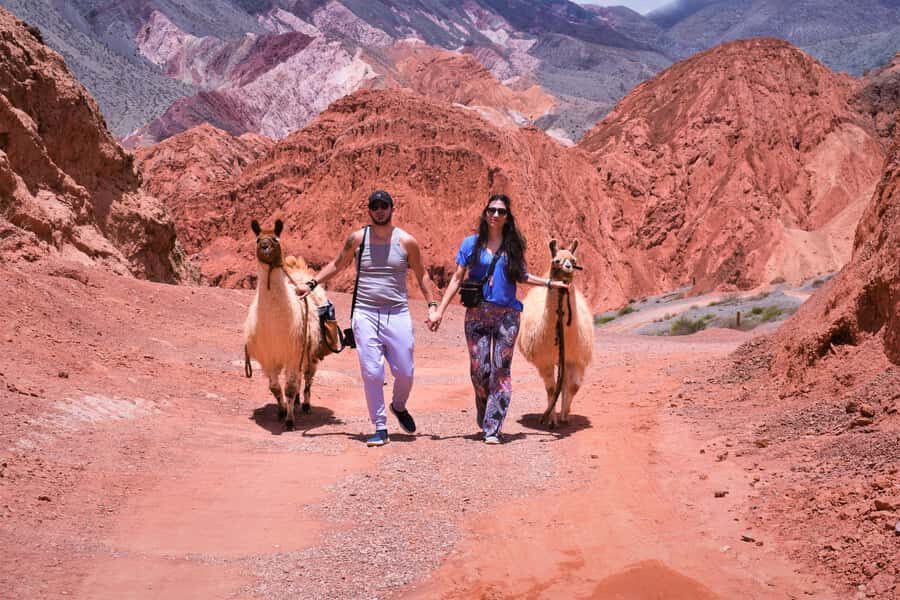
The views are obviously a big part of why you come to Purmamarca. But the real value here is what the guide connects to the scenery: what the mountains are made of, how plants survive here, and how Andean traditions explain the relationship between humans and nature.
As you walk, the guide shares:
- Geology—how the colored formations come to be
- Flora and medicinal uses—what grows in this environment and how people understand it
- Camelid biology—basic traits of llamas and why they behave the way they do
- Pachamama—the idea of reciprocity and care between people and the natural world
- Syncretism—how Andean life mixes human experience with the land and its meaning
That last point is where the hike becomes more than sightseeing. “Pachamama” isn’t just a word you hear once; it shapes the whole theme of the walk—reciprocity between you, the landscape, and the llamas. You start to see why the guide keeps the pace gentle and why contact is treated as a relationship, not a stunt.
And yes, you’ll likely pick up a lot of useful background quickly. Guides like Fabrizio are known for answering questions in a way that sticks. If you like learning, you’ll leave knowing more than just the famous Cerro de Siete Colores angle—because the walk is about how people interpret the land day to day.
Photo Stops, Silence, and a Pace That Doesn’t Exhaust You
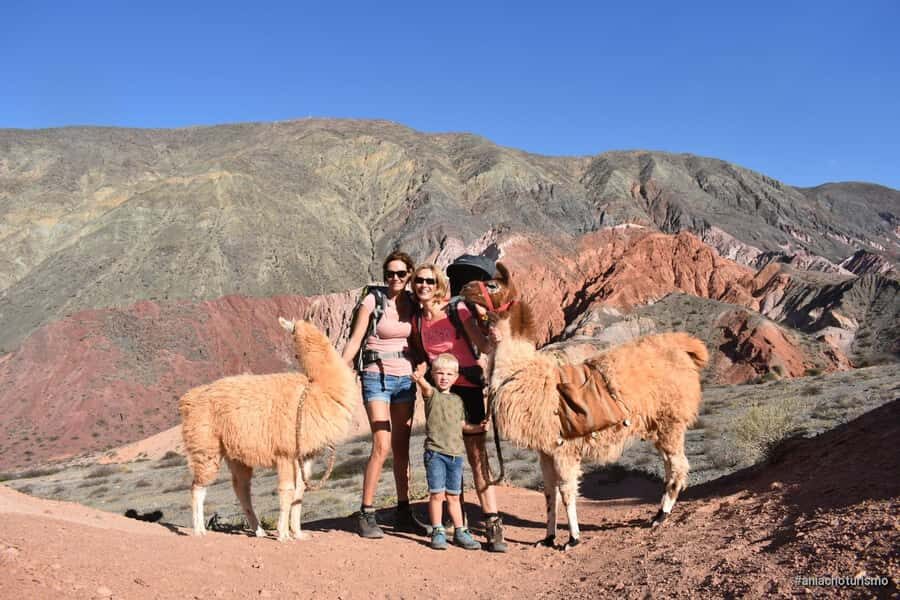
This is designed to be enjoyable for different physical conditions. The walks are not described as demanding, and the experience offers different circuits depending on age and needs. That flexibility is a big plus if you’re traveling with a mixed group, or if you want a hike that still feels like a hike without turning into a test.
You’ll also stop for pictures and videos. The key is that the camera moments aren’t an afterthought; they’re woven into the contact time with the llamas. This is helpful because it reduces that awkward scramble to catch a shot while everyone is trying to manage leashes, angles, and an animal’s patience.
One of the best parts is the atmosphere: the experience highlights silence, privacy, and authenticity. In practice, that means you’re not stuck in a noisy crowd. You hear your guide, the sounds of the outdoors, and you get space to actually focus on the llamas instead of feeling like you’re sharing them with a full tour bus.
It’s also a good length for a busy itinerary. The service runs between 1.5 and 2 hours, so you still have time to explore Purmamarca on your own before or after.
What to Bring (And What to Skip) for This 2-Hour Hike
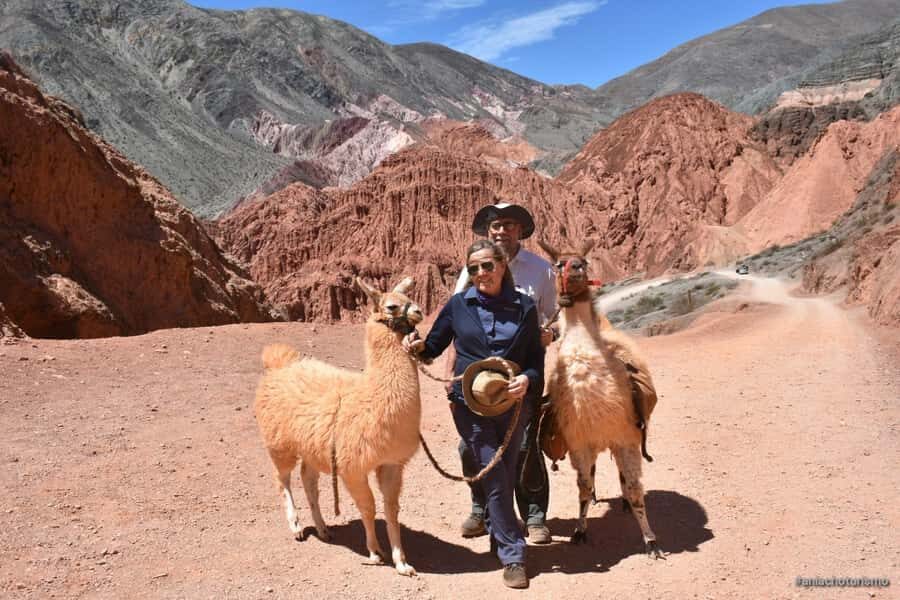
The practical stuff can make or break a short hike, especially in bright sun. For this one, bring:
- A sun hat
- Water
- Biodegradable sunscreen
- A small daypack
The activity also has clear “don’ts” that are worth following. Sandals and flip-flops are not allowed, so plan for proper closed-toe footwear. You’ll be walking on outdoor terrain, and flimsy shoes don’t help your balance—or your comfort.
Also note:
- No alcohol and no drugs during the activity
- No baby carriages
- If babies participate, they must be carried in baby backpacks (not in strollers)
- Wheelchairs are not possible for this experience
If you’re prone to forgetting basics, this hike is simple. But the sunscreen and water are non-negotiable. The hike may be short, yet you’re in open air and sun exposure is real.
Who This Llama Hike Fits Best (And Who Might Reconsider)
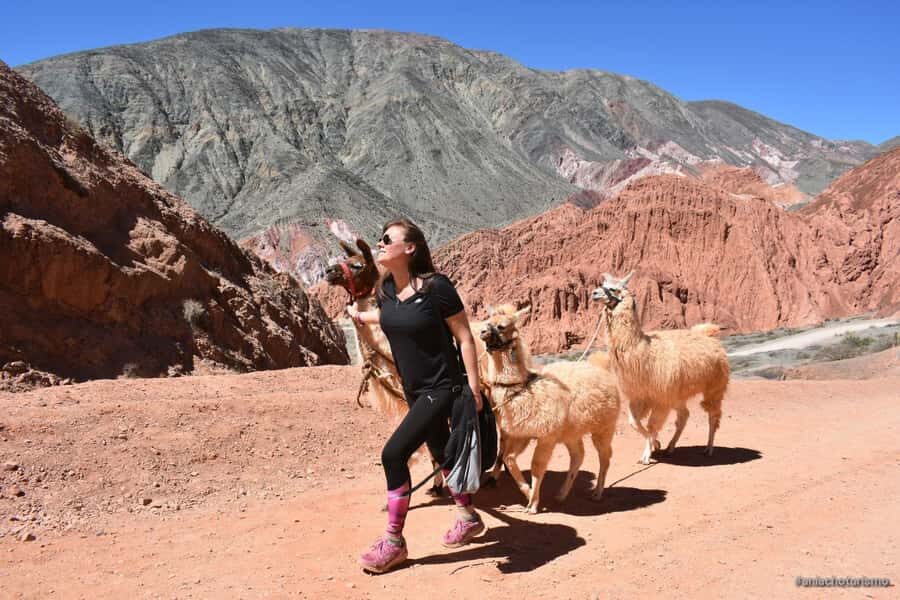
This is a good match if you want:
- A nature walk that stays relaxed
- Animal time with clear rules and gentle handling
- Andean cultural context that explains what you’re seeing, not just naming it
- A small group where the guide can respond to questions
It’s also a solid option for families, since the walk is described as enjoyable across different ages. The important detail is that the guide offers different circuits based on age and needs, so you’re not forced into the same route no matter what.
But reconsider if you:
- Use a wheelchair or need mobility assistance
- Have recent surgeries
- Need special accommodation for visual impairment
- Are bringing a baby under 1 year old (this activity isn’t suitable for babies under that age)
- Are very elderly (it’s listed as not suitable for people over 95)
Even if you’re in good shape, follow the guide’s lead on pace. The experience is built for comfort and safety, not for speed.
Languages, Group Size, and the Quality of the Guide Talk
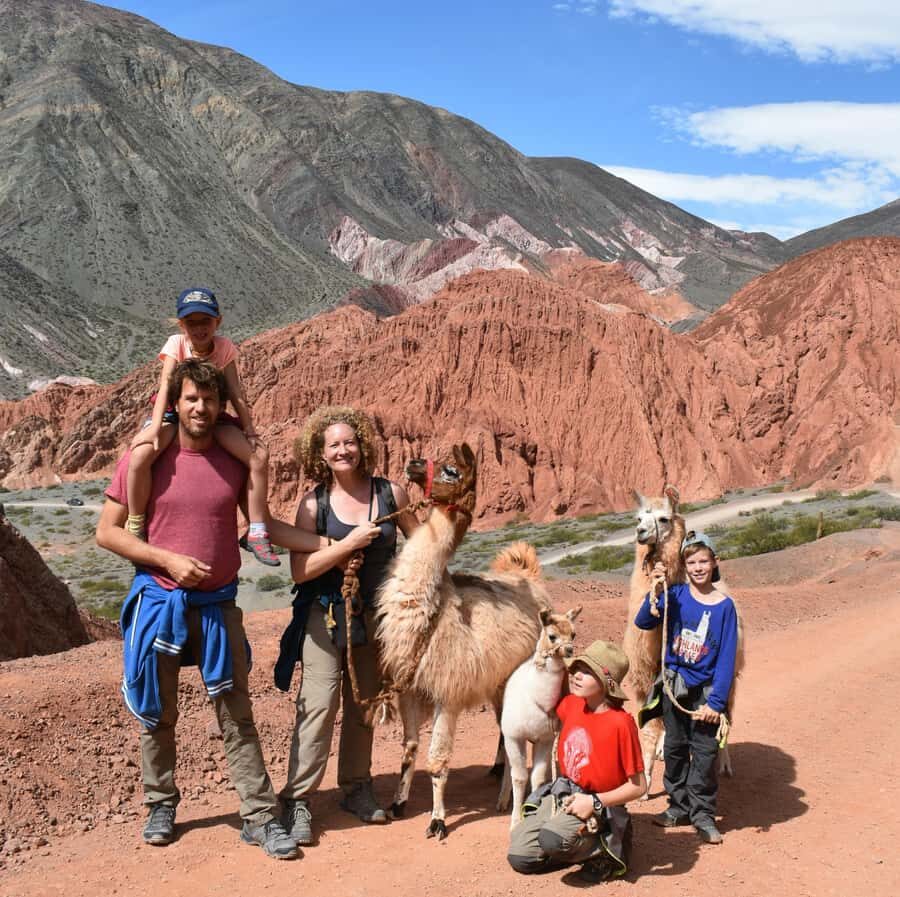
The experience runs with a live tour guide in English and Spanish. That matters because the cultural and scientific pieces depend on understanding what’s being said. You’ll be hearing about geology, medicinal plants, camelid biology, and Pachamama themes—so it’s not just a walk with narration that you barely catch.
Group size is capped at 8 participants. That’s the sweet spot for animal-based tours: enough people for a shared experience, not so many that you lose attention or get stuck waiting your turn.
In the guide notes and feedback, you’ll see praise for attentiveness and for explaining the local story in a way that feels clear. Guides such as Fabrizio and Aniacho are highlighted for making sure people feel comfortable and for giving answers when questions come up.
Price and Value: What You’re Really Paying For
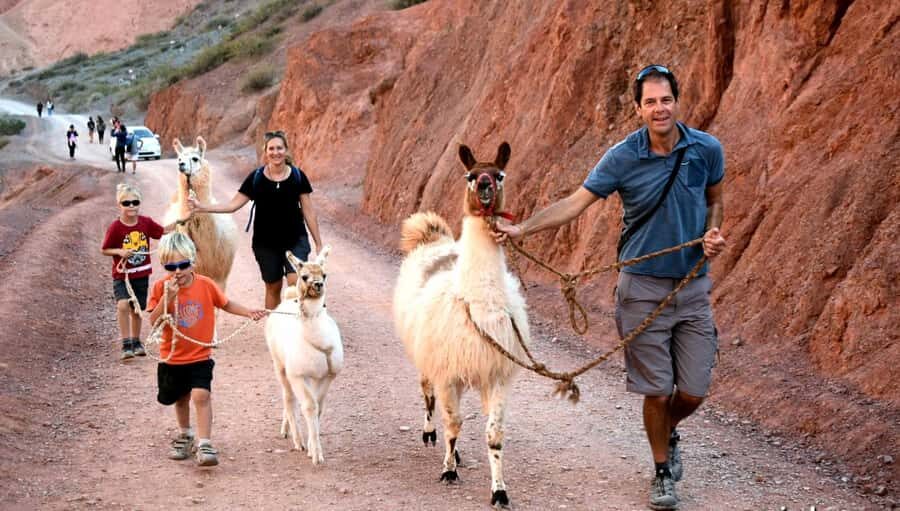
There’s no single way to compare value on a short hike, but you can judge it by the ingredients. Here, you’re paying for more than scenery:
- Time with llamas with hands-on contact guided step by step
- A guided nature walk with geology and plant explanations
- A cultural framework tied to reciprocity and Pachamama
- A small group that keeps the day calm
- A format that lasts about 1.5–2 hours, so you’re not burning half a day
If you want the classic “take a photo at the viewpoint” experience, this might feel too interactive. But if you want a more personal encounter with animals and land-based learning that doesn’t feel rushed, this is the kind of tour that tends to make sense.
Just match it to your expectations: you’re not booking a llama ride. You’re booking a relationship-based hike with cultural context.
Should You Book This Purmamarca Llama Hike?
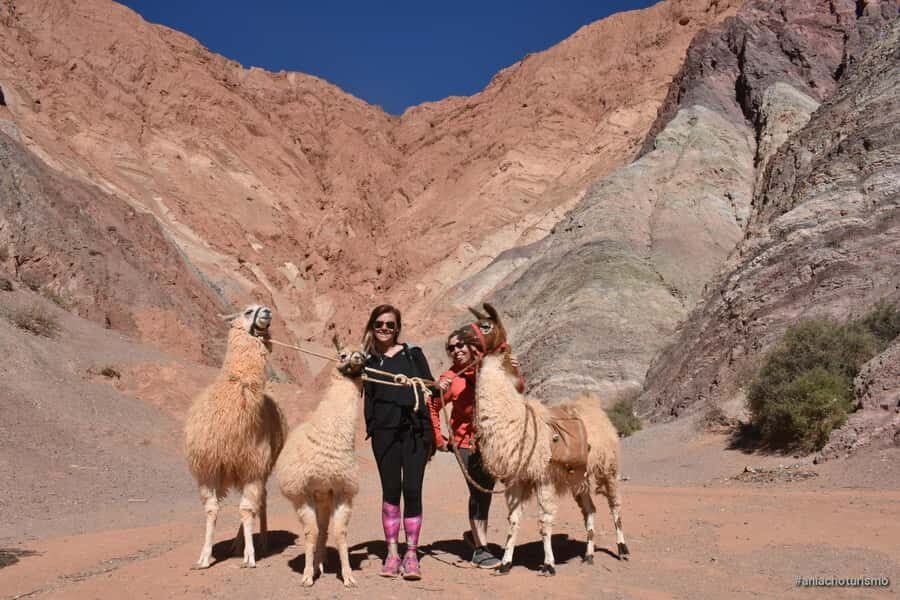
I’d book it if you want a short, gentle outdoor experience with real cultural explanation and respectful llama contact. The combination of up-close time with the llamas, the small group size, and the guide’s focus on geology, plants, and Pachamama themes is a good reason to choose this over a generic viewpoint stop.
I’d skip it if you need wheelchair accessibility, you have mobility limits, or you’re recovering from surgery. Also, if you’re expecting to mount llamas like a ride, this clearly isn’t that kind of tour—no riding is part of the deal.
If you’re flexible and you like calm animal encounters with a guided story, this is a strong pick for Purmamarca.
FAQ
How long is the llama hiking experience in Purmamarca?
The experience runs about 2 hours. The service duration is described as between 1.5 and 2 hours.
Where is the meeting point?
You meet at PASEO DE LOS COLORADOS, Cemetery side, which is about 200 meters from Purmamarca’s main square.
Is this activity in English or Spanish?
The live tour guide is available in English and Spanish.
Is there llama riding?
No. You will not ride the llamas at any time.
What group size should I expect?
The tour is limited to a small group of up to 8 participants.
What will we do during the tour?
You’ll learn how to handle the llamas, take pictures and videos, and go on a nature walk. The guide also explains geology, flora (including medicinal use), camelid biology, and the idea of Pachamama.
What should I bring?
Bring a sun hat, water, biodegradable sunscreen, and a daypack.
Are sandals or flip-flops allowed?
No. Sandals or flip-flops are not allowed.
Can children participate?
The walk is described as suitable for adults and families with children of different ages. The experience offers different circuits based on age and needs. Babies must be carried in baby backpacks.
Is it refundable if I cancel?
Yes. You can cancel up to 24 hours in advance for a full refund. You also have the option to reserve and pay later.