REVIEW · USHUAIA
USHUAIA | Tierra del Fuego National Park & Optional Train
Book on GetYourGuide →Operated by Patagonia Dreams · Bookable on GetYourGuide
Ushuaia’s cold air makes this feel real fast. What I like most is the chance to stand at the symbolic End of the World marker and the guided stops around Ensenada Bay and Lapataia Bay. I also appreciate the option to add the Southern Fuegian Railway vintage ride through forest. One potential drawback: if you skip the train, you may spend extra time waiting before rejoining the group.
You’ll move at a comfortable half-day pace, usually around a 5-hour total run, with hotel pickup in central Ushuaia. The day blends classic photos with short walks where you can actually slow down and look for local birds and plants—without needing to be a hardcore hiker.
If you want a quick hit of sub-Antarctic scenery plus a bit of history, this hits the mark. If you hate crowds or prefer long, off-the-beaten-path trails, you’ll want to think carefully about how this route fits your style.
In This Review
- Key points worth knowing before you go
- Why this Tierra del Fuego route feels like a destination, not a checkbox
- Morning logistics from Ushuaia: timing, rides, and what the total day really means
- Optional Southern Fuegian Railway: the best part for some, the trade-off for others
- Entering the national park: Ensenada Bay, the postcard, and what guides do well here
- Lapataia Bay and the Pan-American Highway end sign: the photo that actually matters
- Acigami (Roca) Glacier Lake: dramatic scenery with a manageable pace
- Walking and wildlife: short interpretive hikes that actually help you notice things
- Price, extra fees, and how to judge value (without getting surprised)
- Crowd reality: what to do if the viewpoints feel busy
- What to bring for cold, windy park time in Patagonia weather
- Who this tour suits best (and who should look at alternatives)
- Should you book this Ushuaia End of the World tour?
- FAQ
- How long is the tour?
- Where does hotel pickup happen?
- Does the tour include a return transfer to my hotel?
- Is the End of the World train included?
- What does the tour visit in Tierra del Fuego National Park?
- Are the national park entry fees included?
- What should I bring?
- Are luggage and pets allowed?
- What languages is the guide available in?
Key points worth knowing before you go
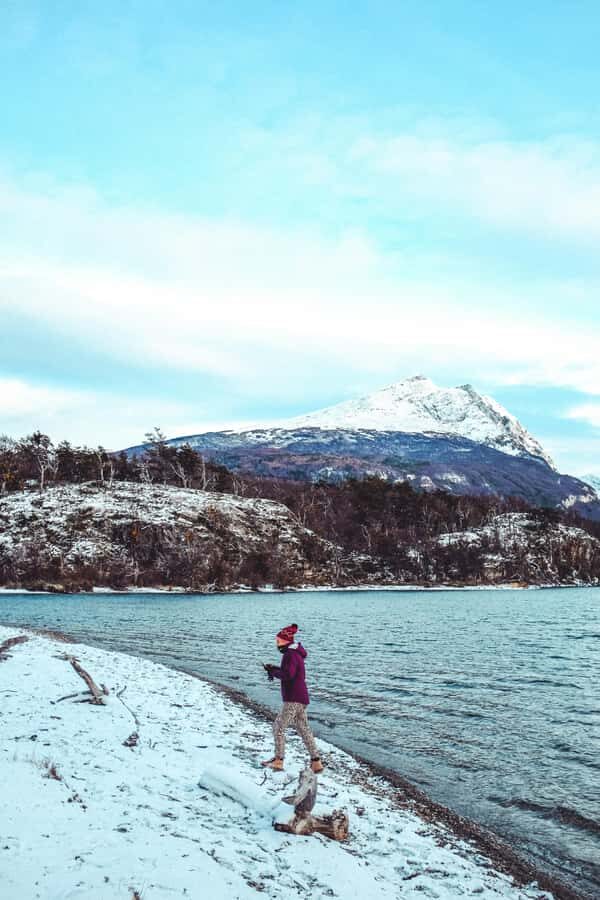
- True End of the World photo stop inside Tierra del Fuego National Park, timed for views and quick shots
- Optional prisoner-era style train ride on the Southern Fuegian Railway, including a forest journey
- Ensenada Bay postcard moment with the southernmost post office in the Americas
- Yámana traces on the ground, shared through guide-led interpretation
- Lapataia Bay Pan-American Highway end sign plus another standout bay viewpoint
- Three-ish main scenic segments in a compact 5-hour format, not a full-day trek
Why this Tierra del Fuego route feels like a destination, not a checkbox
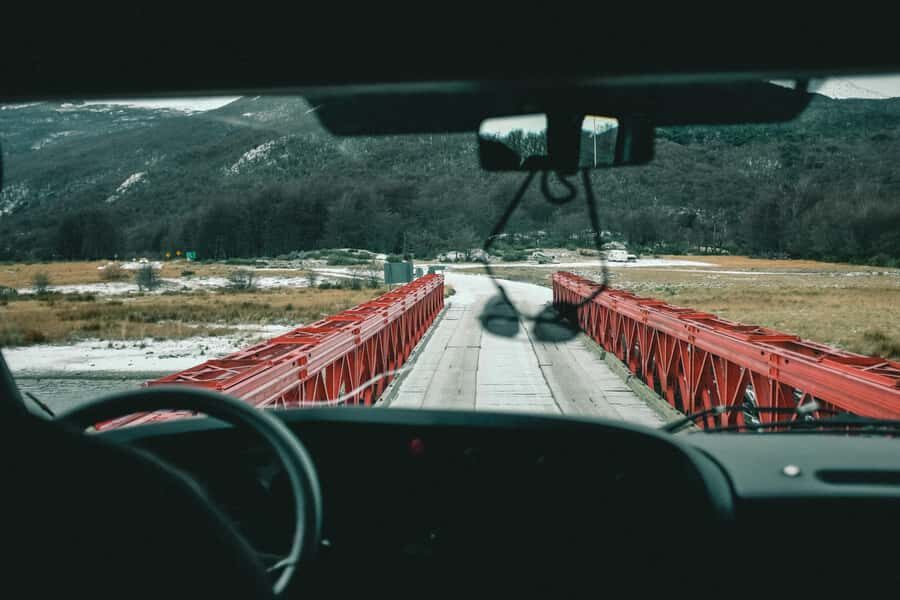
There are a lot of “end of the world” places on maps. This one works because the scenery matches the symbolism. When the bus leaves Ushuaia and you head into Tierra del Fuego National Park, you’re not just collecting a photo—you’re stepping into a cold, wind-ready ecosystem with mountains, sea, and sub-Antarctic forest in the same day.
Two details make this tour especially satisfying. First, the focus on major shoreline and lake viewpoints means you get multiple angles of the same region—bay, lake, then coast again. Second, you get short, guided interpretive stops rather than long stretches of silence in a vehicle. That guide context matters here, because the meaning of places like Ensenada Bay and the Pan-American Highway end sign is easier to grasp when someone explains what you’re seeing.
The “optional train” piece adds another layer. Even if you’re not a train person, it’s a historic transport route that turns the ride itself into part of the experience, not just a transfer.
You can also read our reviews of more tours and experiences in Ushuaia.

Morning logistics from Ushuaia: timing, rides, and what the total day really means
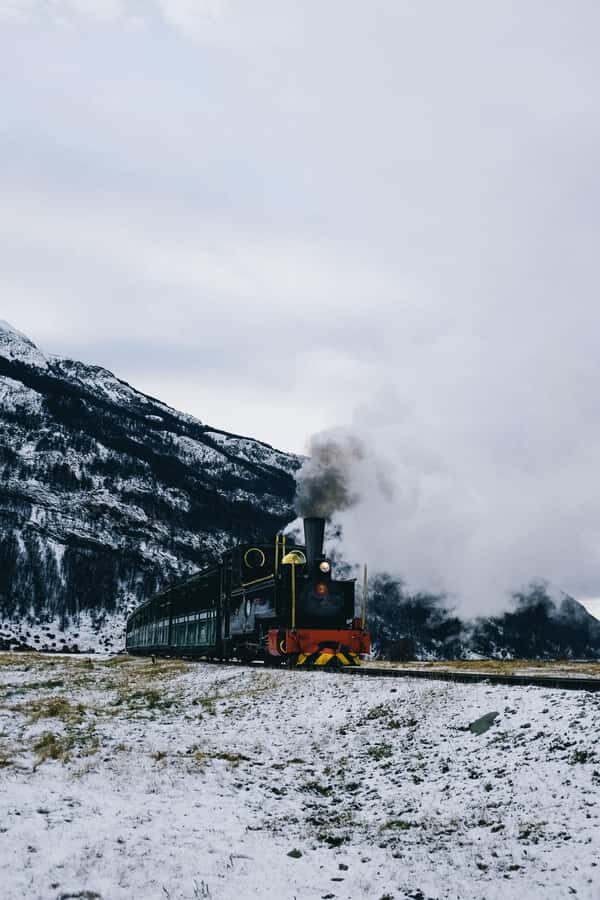
This tour typically starts around 7:30 AM with pickup from centrally located hotels/apartments in Ushuaia (if your place isn’t in the pickup list, you’ll get a meeting point). From there, you go west about 12 km to reach the park area.
The route is built around short vehicle sections and then park time. You’ll have:
- a short bus/coach transfer (about 20 minutes), then
- the optional 1-hour train segment, and
- additional van time (about 30 minutes) as the day moves between scenic points.
One important practical point: the tour vehicle does not return you to your hotel. It leaves you at the port of Ushuaia, and you’ll have drop-offs at several locations, including Tierra del Fuego National Park, Albatros Hotel, and Las Lengas. So plan your afternoon around that reality.
Why this matters: if you’re counting on a seamless return and a nap at your hotel, you might feel the schedule squeeze. If you’re fine with ending at the port area and grabbing lunch or a coffee right after, the flow works well.
Optional Southern Fuegian Railway: the best part for some, the trade-off for others
The Southern Fuegian Railway is where many people decide whether they love this tour even more than expected.
Here’s how it works in practice:
- Before entering the park, you can make an optional stop at the historic End of the World Train Station.
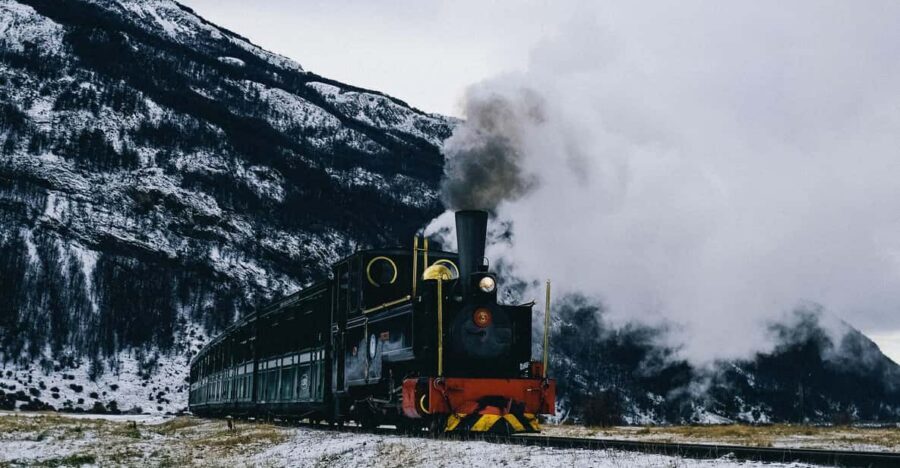
- If you choose the train, you’ll board a vintage railway ride (the route is associated with the old prison-era transport history).
- The train journey lasts about 1 hour and runs through forest before you end up back inside the park area where you reconnect with the group.
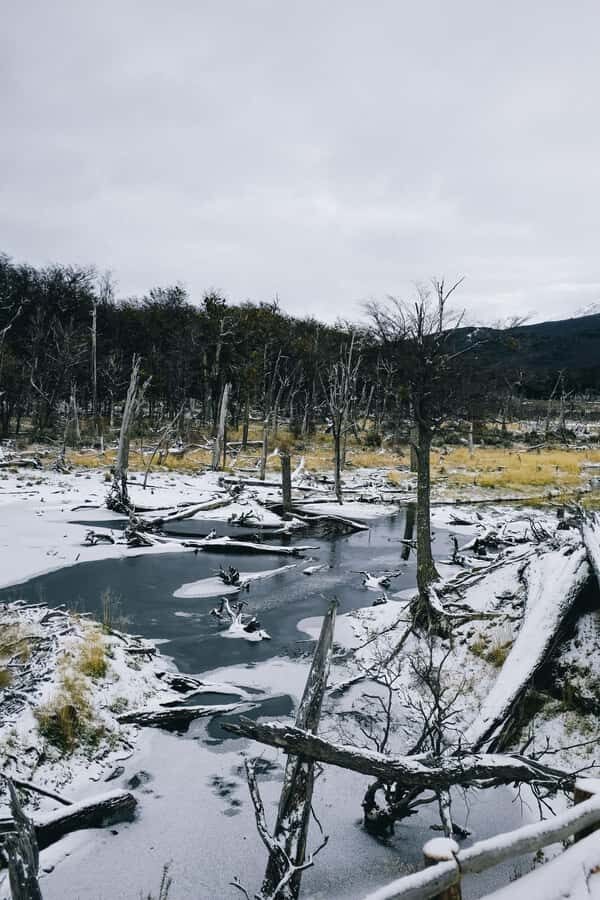
If you skip the train, you get a quieter alternative: a short walk in the Fuegian forest. It’s a nice way to trade sitting for moving, and you’ll still get guided commentary once back with the group.
The trade-off is time and comfort. One reviewer noted the train felt cramped. Another concern that can come up is timing: if you don’t take the train, you might have a longer wait while the train group is riding. If you hate “standing around,” I’d lean toward taking the train—as long as you don’t mind compact seating.
Entering the national park: Ensenada Bay, the postcard, and what guides do well here
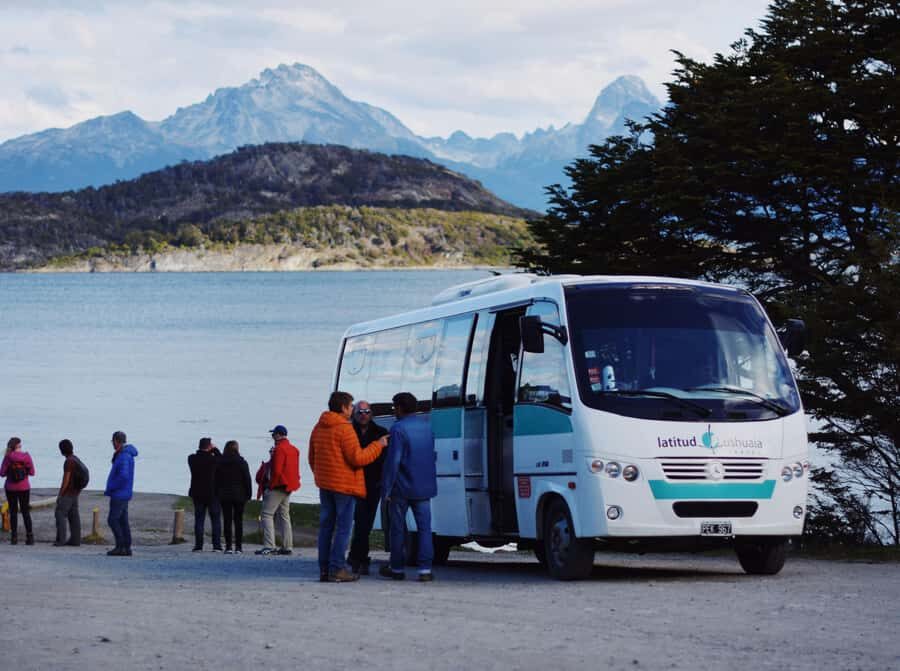
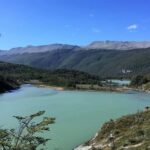
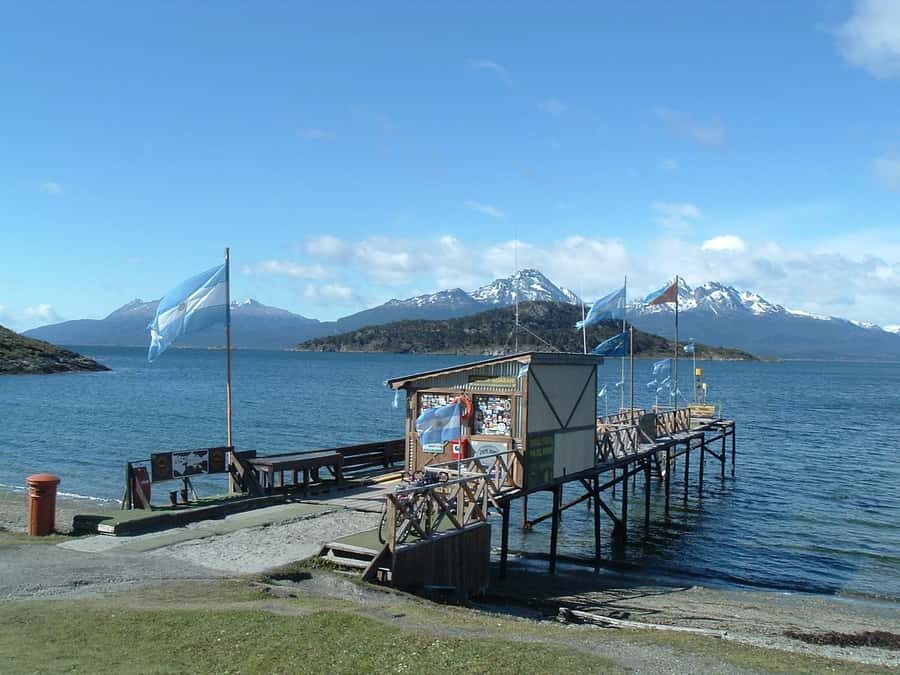
Once you’re inside Tierra del Fuego National Park, the day shifts into guided touring mode. The main early focus is Ensenada Bay, a calm convergence point where Andes views, the sea, and sub-Antarctic forest mix in a way you don’t see in warmer regions.
This is also the stop for the southernmost post office in the Americas. If you like sending a postcard, you’ll get the chance here—an easy souvenir that feels more personal than a magnet. It’s the kind of activity that takes five minutes, costs almost nothing extra, and adds meaning to the photos.
Another reason Ensenada Bay works: it’s also where the guide-led interpretation brings in indigenous context, specifically the Yámana people. You may notice visible traces tied to their presence. It’s not just scenery; you’re learning how people related to this place long before modern roads and highway milestones.
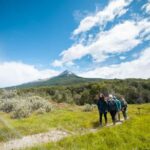
This segment is also built around short interpretive hikes. They’re the right length for most visitors: enough time to look for birds and plants, but not so much that you lose the group or freeze halfway through. The guide’s job here is to help you notice details you’d otherwise walk right past.
Lapataia Bay and the Pan-American Highway end sign: the photo that actually matters

The stop at Lapataia Bay is your big milestone moment. This is where you’ll see the iconic sign marking the end of the Pan-American Highway—the symbolic endpoint stretching from Alaska over 15,000 km all the way down to Tierra del Fuego.
This is also where you’ll likely make one of the more important photo stops of the day: the classic “I’m at the end” picture, taken near the marker/sign area.
Why this matters beyond the photo: this region sits about 1,000 km from Antarctica, so the idea of “end of the world” isn’t just poetic. It’s geographic. When you see the coast and the winds that can sweep through here, the highway endpoint feels like a real boundary between what’s familiar and what isn’t.
If you’re sensitive to crowds, keep your expectations realistic. Major viewpoints like this can draw more than one tour at a time, so you may need to be patient for the best angle. I’d plan to take a few photos fast, then step aside and let the moment settle before you take your next one.

Acigami (Roca) Glacier Lake: dramatic scenery with a manageable pace

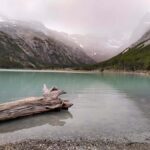
After the highway milestone, the tour heads to Acigami (Roca) Glacier Lake, shared with Chile. The setting is dramatic—mountain peaks frame the water—and it’s a strong stop if you want “scenic payoff” without a long hike.
This part of the day is good for people who like photography but don’t want to fight their way through intense, hours-long walking. You’ll have a guided context for what you’re seeing, then time to look and shoot at your own pace.
One of the quiet advantages of this itinerary is that it mixes water views with forest elements. You get a break from the straight-line “look at the sign” routine and a chance to slow down at something that feels more natural and less constructed.
If you’re prone to motion sickness, the day’s vehicle segments are short enough that it usually stays manageable—but still, comfortable shoes and warm layers matter more than anything.
Walking and wildlife: short interpretive hikes that actually help you notice things
The tour includes guided interpretive hikes designed for short viewing. That matters because in Tierra del Fuego, weather changes fast. Long treks can turn into a struggle, even for people who are fit. Short walks keep you flexible.
You’ll also get help spotting local wildlife and appreciating the region’s unique flora. Since sub-Antarctic plants can be less obvious than tropical flowers, having someone point out what’s worth looking at makes your time feel fuller.
If you skipped the train, these walks are especially important since you’ll already be moving more during the park portion. Either way, bring the right shoes and plan for cold ground underfoot.
Price, extra fees, and how to judge value (without getting surprised)
The advertised price is $79 per person and the tour lasts about 5 hours. That’s a straightforward half-day. But the real value equation depends on two extra costs you should factor in early.
1) National park entry fees are not included. The fee listed is ARS 40,000 per person, or ARS 12,000 for Argentine residents.
2) If you add the train option, that’s an additional choice, not automatically included in the base tour cost.
So, what makes it still potentially worth it?
- You’re getting a guided park experience with multiple scenic stops, not just transportation.
- You have the symbolic payoff (End of the World + Pan-American Highway sign).
- You get a historic transport option that can feel like part of the story, not an extra distraction.
Still, be honest about the main critique: the experience can feel compact, with a handful of key spots rather than a long free-roaming day. If you expect a lot of walking or tons of off-route exploration, you might feel the time is tight. If you want a smart, efficient highlight route with guidance and context, it often feels like good use of limited time in Ushuaia.
Crowd reality: what to do if the viewpoints feel busy
Some days, popular places like Ensenada Bay and Lapataia Bay can have big groups arriving around the same time. That can affect your ability to get a clear shot or just stand and breathe.
My practical advice:
- Take your key photos early, then step back and let the flow move.
- Don’t plan to linger in the exact most-photogenic spot for 30 minutes straight.
- Use the short walks and guided pauses to reset your expectations. The “best” experience here isn’t only the widest view—it’s the combination of view plus explanation.
Also, if you hate waiting, the train choice can be part of your strategy. When you’re already on the clock, waiting around tends to feel worse than simply riding.
What to bring for cold, windy park time in Patagonia weather
This is a sub-Antarctic area where warmth matters. The tour gives you the timing and route, but you control your comfort.
Bring:
- Comfortable shoes (you’ll be walking in park areas)
- Warm clothing
- Thermal clothing
And note what’s not allowed:
- Pets
- Smoking
- Luggage or large bags
This matters because bulky items slow you down at entrances and transfer points. If you travel with a big backpack, aim to pack light for this day trip.
Who this tour suits best (and who should look at alternatives)
This is a strong fit if:
- you want a 5-hour Tierra del Fuego highlights program,
- you care about the symbolism of the End of the World and the Pan-American Highway endpoint,
- you like guided interpretation with short walks rather than long hikes.
It might feel less satisfying if:
- you want lots of uninterrupted hiking time,
- you dislike crowds and can’t handle group timing,
- you’re very sensitive to seated comfort on the train option.
Also double-check the wheelchair situation. The information you’ll see includes wheelchair accessibility, but it also states it’s not suitable for wheelchair users. If mobility is a concern, you should confirm with Patagonia Dreams before booking so you don’t get stuck with a mismatch.
Should you book this Ushuaia End of the World tour?
I’d book it if you’re visiting Ushuaia with limited time and you want one guided outing that delivers the big symbolic stops plus real nature time. The Ensenada Bay postcard moment and the Pan-American Highway sign are the kind of things you remember long after the photos load onto your phone.
I’d think twice if you’re chasing a long trek day or you’re extremely bothered by waiting and crowds. If either of those is you, you might prefer a different format—something with more time on foot or fewer scheduled stops.
If you do book, decide early about the train. It’s the difference between a historic forest ride and a shorter walk with timing that can feel a bit waiting-heavy.
If you’re going anyway: pack warm layers, wear solid shoes, and treat the day like a guided highlight walk through a cold frontier—not a marathon.
FAQ
How long is the tour?
The total duration is about 5 hours.
Where does hotel pickup happen?
Pickup is optional and available from centrally located hotels/apartments along the route. If your accommodation isn’t on the list, you’ll be given a meeting point.
Does the tour include a return transfer to my hotel?
No. The vehicle leaves you at the port of Ushuaia, with drop-offs listed at multiple locations including the port area and select hotel areas.
Is the End of the World train included?
The Southern Fuegian Railway is optional. If you add it, you ride about 1 hour on the train from the historic station area.
What does the tour visit in Tierra del Fuego National Park?
You’ll go to Ensenada Bay, Acigami (Roca) Glacier Lake, and Lapataia Bay, plus you’ll have milestone photo time for the End of the World and Pan-American Highway endpoint.
Are the national park entry fees included?
No. Park entry fees are listed separately: ARS 40,000 per person, or ARS 12,000 for Argentine residents.
What should I bring?
Bring comfortable shoes, warm clothing, and thermal clothing.
Are luggage and pets allowed?
No—pets are not allowed, and luggage or large bags are not allowed. Smoking is also not allowed.
What languages is the guide available in?
The tour offers a live guide in Spanish, English, and Portuguese.