REVIEW · EL CHALTEN
El Chalten: Rio de las Vueltas and Patagonia Rafting
Book on GetYourGuide →Operated by Comarka Expediciones · Bookable on GetYourGuide
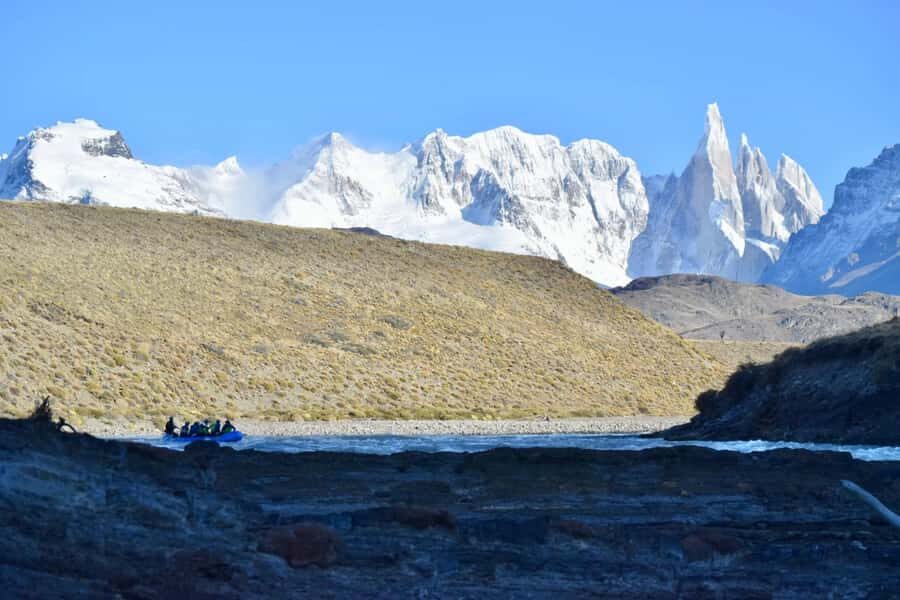
Fitz Roy looks better from cold river water. This is rafting in Patagonia that mixes calm meanders with real class III–III+ rapids, all set against the Fitz Roy massif. Best of all, you’re doing it in El Chaltén, where this stretch is described as the southernmost rafting in South America.
I love the hands-on safety and technique lesson before you paddle, because you’re taught how to hold the paddle and how to move as a team. I also love that the trip isn’t just adrenaline: you get time to watch for birds and animals as the river slides from Andean forest into steppe, with Fitz Roy popping in and out of view.
One drawback to think about: this is a “gear and rules” activity. Cellphones are not allowed, and the health/age limits are strict—so you’ll want to read the eligibility section carefully before you commit.
In This Review
- Key points that matter before you go
- Where you start: El Chaltén base and getting kitted fast
- The van transfer and the safety talk that actually teaches you
- Warm-up water: meanders, Fitz Roy views, and “learn by doing”
- The canyon section: where adrenaline shows up (and you paddle anyway)
- Timing on the water: about 2 hours of river time
- Getting off the river and the hot snack reset
- What you should bring (and what will ruin your day)
- Price and value: is $120 worth it in El Chaltén?
- Who this rafting trip suits best (and who should skip it)
- A practical way to plan your day around the river
- Should you book this El Chaltén rafting on Río de las Vueltas?
- FAQ
- How long is the rafting experience?
- How much time do we spend on the river?
- What’s included in the $120 price?
- What should I bring with me?
- Are cellphones or cameras allowed?
- Who can participate?
- What are the booking and cancellation terms?
Key points that matter before you go
- The southernmost rafting claim in South America (you’re doing something genuinely out at the edge)
- Pre-rapids instruction that teaches paddle control, not just safety slogans
- Two very different river moods: quiet water first, then a canyon run with about twenty rapids
- Patagonia wildlife on the banks—condors, guanacos, armadillos, and more
- All the cold-water gear is included, including neoprene, boots, mitts, and a helmet
- A hot snack + hot drink after, so you don’t just end wet and shivering
Where you start: El Chaltén base and getting kitted fast
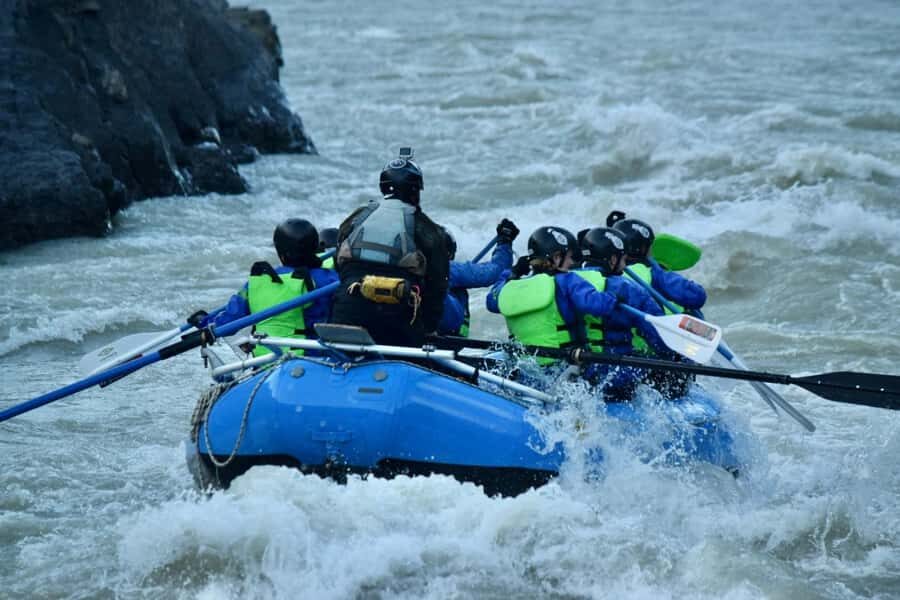
The day starts at the operator’s base in El Chaltén, Av. San Martín 872. Meet at the dome in the corner—simple, no guessing. From there, the crew hands you your gear and gets you ready to move.
Why this matters: cold-water rafting feels way more comfortable when the fit is right. Here, you’re not just renting a life vest and hoping for the best. You’re kitted out in a full set that’s designed for Patagonia temperatures.
You’ll be provided with:
- a 3 millimeter neoprene suit
- a micro polar layer and a jacket
- life vest and helmet
- neoprene boots and mitts
- your paddle
If you’ve done outdoor sports elsewhere, you’ll still appreciate this: the gear set is built for keeping warmth in, not just for looking sporty. It also means you can travel lighter—no need to pack bulky items for this one activity.
The van transfer and the safety talk that actually teaches you
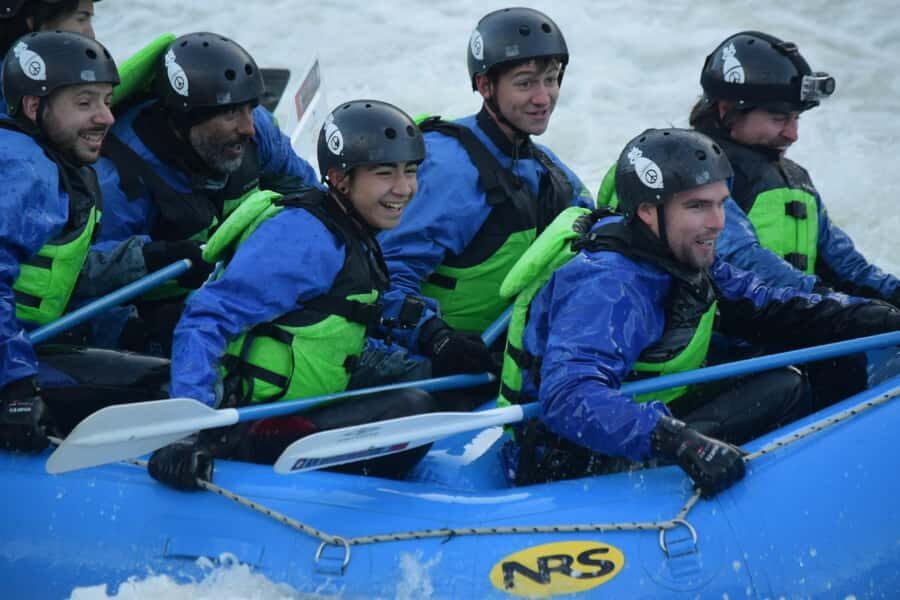
Once you’re geared up, you hop in a van for a short transfer—about five blocks up to the river. That’s quick, which helps because you don’t waste time standing around in the wind.
At the riverbank, you get a technical and safety talk. This is where the guides earn their pay. You’ll learn how to hold your paddle, how to go forward, how to turn, and how to move backward so the entire raft paddles together.
I like this approach for first-timers. You’re not thrown into the rapids and told to figure it out. You’re given the basic moves so the river is fun instead of confusing.
And since the guides are bilingual (Spanish/English), you’re not stuck guessing what a command means. Expect clear instruction, and plan to focus on it—this trip goes best when you listen the first time.
Warm-up water: meanders, Fitz Roy views, and “learn by doing”
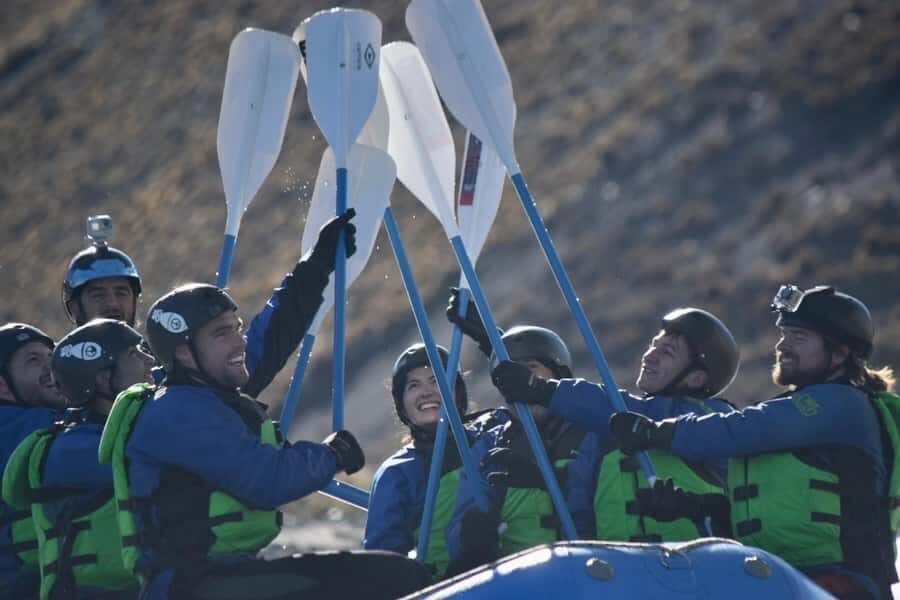
The first stretch is quiet water. Think meanders and room to breathe. This part is important because it builds your rhythm: you practice paddling and safety moves while the river gives you space to get comfortable.
You’ll see a lot of the Patagonia “in-between” feel here. The route is described as about 6 kilometers total for the paddling distance, and along the way you’ll cross areas with Andean forest and then out into the steppe. That shift changes the mood of the view fast—trees give way to open space, and the air feels different.
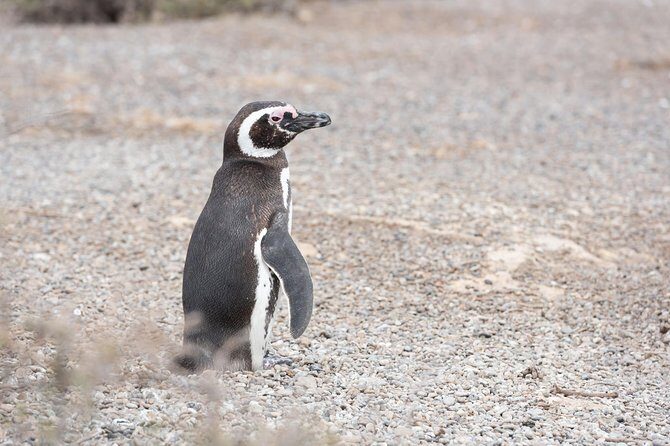
This is also when wildlife is easiest to spot because the raft isn’t bouncing through constant rapids yet. You might see birds like condors, upland geese, and black-faced ibis, plus native mammals such as foxes, armadillos, and guanacos.
What to do on the quiet stretch:
- Keep your eyes up. Birds and mammals appear in brief windows.
- Don’t fight the raft. Paddle when you’re told, then relax when the crew says to.
- Use the time to memorize the guide’s hand signals and commands. That will matter later.
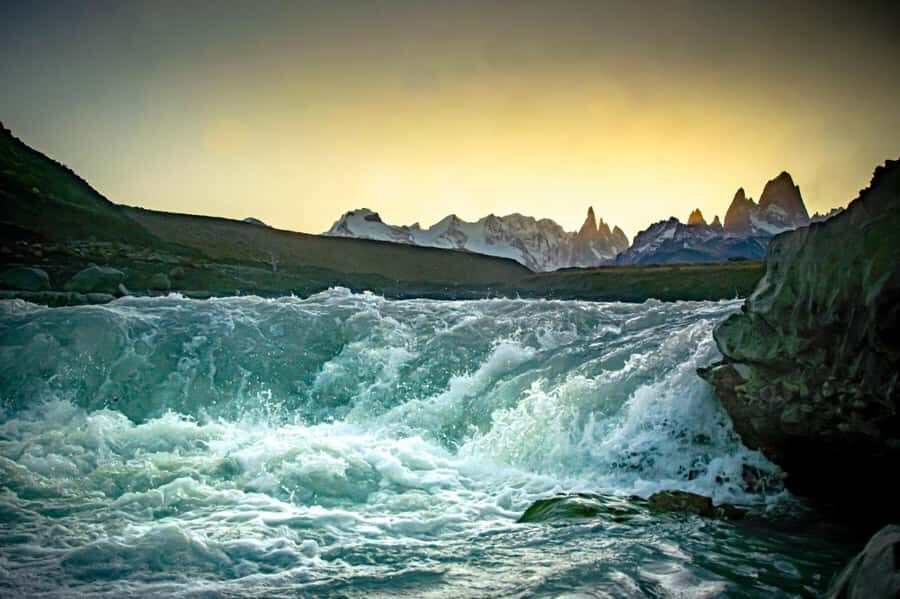
Scenic bonuses are huge here. You’ll often get nice views of Mount Fitz Roy and its satellite needles during the gentler bends. In good weather, it feels like the mountain is trying to steal the show. Even in cloudier moments, the river still gives you good sightlines.
The canyon section: where adrenaline shows up (and you paddle anyway)
Then the river changes character.
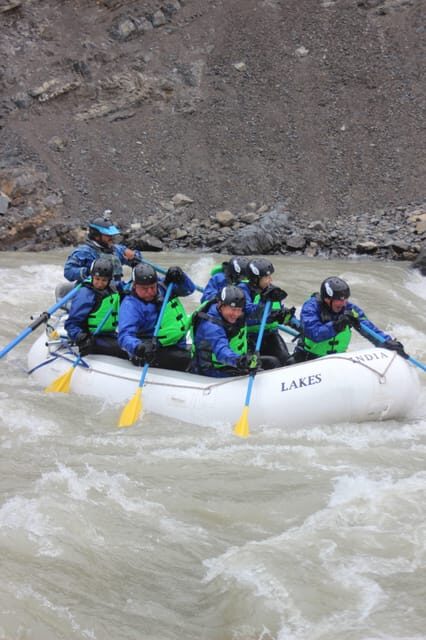
The second section is longer and tighter—described as a natural canyon run with roughly twenty rapids graded around class III to III+. This is the portion where your training matters, because you’ll be reacting constantly: paddle placement, timing, and staying with the team.
A small note on distance: the write-up includes numbers that can sound inconsistent at first glance (a total distance around 6 km, and a canyon section described as about 10 km). What matters in practice is the feeling: you’re paddling from calm water into a canyon full of repeated rapids, not one short burst and then done.
What “class III to III+” means for your body:
- You’ll get splashed. A lot.
- The raft will jolt. Not dangerous if you follow instructions, but it is physical.
- You’ll feel that adrenaline hit in waves—then another one soon after.
This is also where the guides’ energy really helps. The best guides keep it fun without becoming careless. If your group gets a guide like Juan or Lollie (names that have come up in the bilingual team feedback), you can expect clear commands plus a sense of humor that helps nervous first-timers settle in.
Timing on the water: about 2 hours of river time
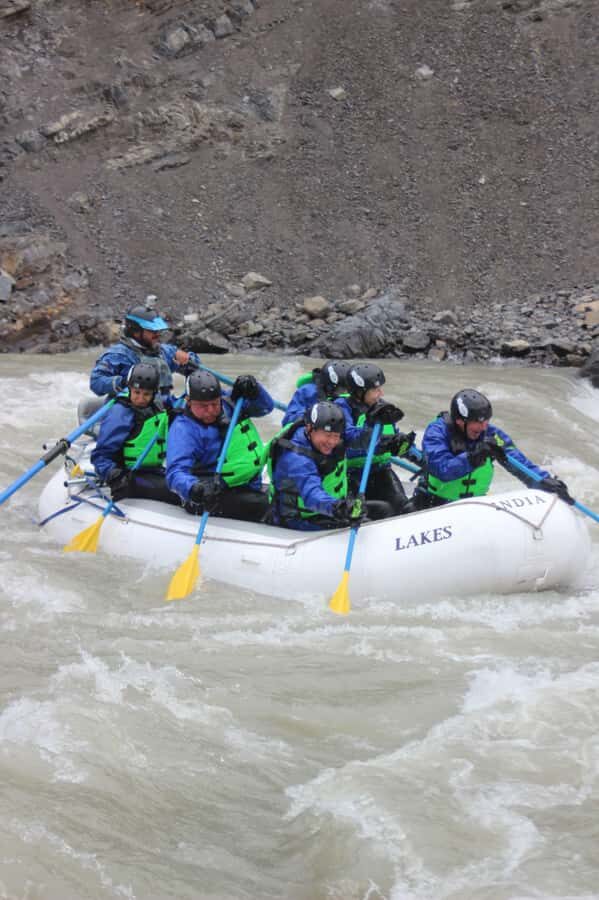
The whole experience is listed as 3 hours total. The part on Río de las Vueltas is about 2 hours, which is a sweet spot: enough time to feel the rhythm, not so long that you’re frozen and cranky at the end.
During the canyon run, there’s still room to breathe. Even in rapids, you’ll have micro-moments to look around—rock walls, open sky slices, and the sense that you’re getting real Patagonia perspective from water level.
Getting off the river and the hot snack reset
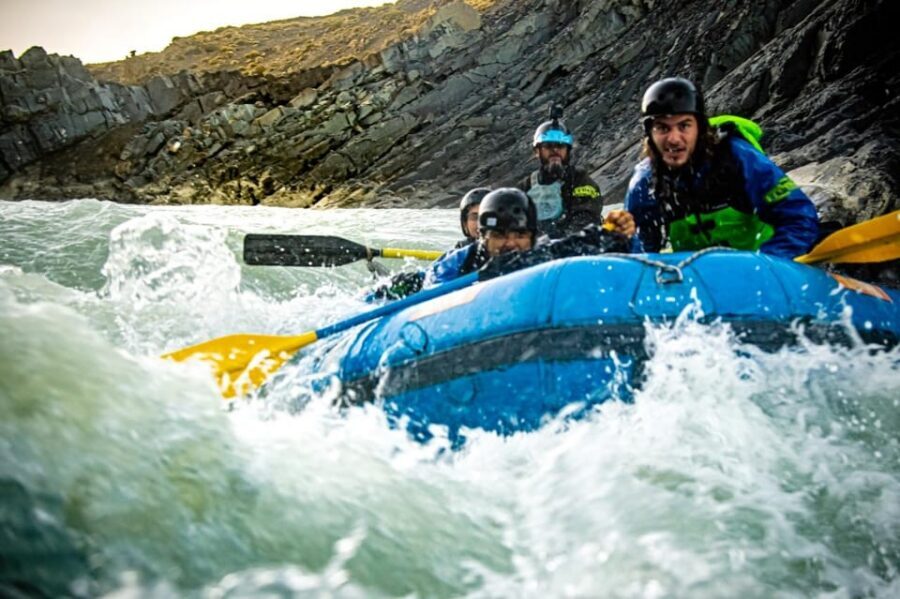
When you finish, the vibe shifts from action mode to recovery mode fast. You’ll be offered a comforting snack: tea or coffee plus a sweet or savory bite depending on the time of day.
This matters more than it sounds. Cold rafting is brutal on energy. A warm drink helps you stabilize. Food helps you avoid that post-activity crash.
Then you’re picked up at the bridge of Provincial Route 23 by vehicle and taken back to the operating base in town.
What you should bring (and what will ruin your day)
Here’s what to pack around this activity:
- a towel
- thermal clothing (your base layer matters)
Everything else is handled for you in the provided gear set. That’s great because it reduces what you have to carry in a pack during Patagonia travel.
Also note what’s not allowed:
- cellphones
- professional cameras
You’ll likely be wearing your gear in a way that makes phones annoying anyway. Still, it’s a real rule—plan accordingly so you’re not hunting for secure storage.
Price and value: is $120 worth it in El Chaltén?
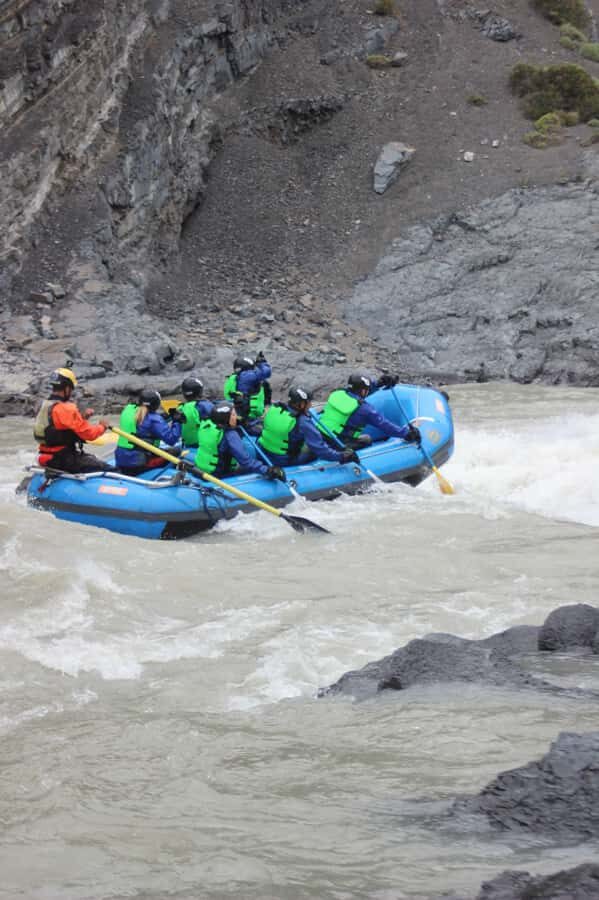
At $120 per person for a 3-hour experience, the value depends on what you compare it to.
This price feels reasonable if you’re trying to do three things at once:
1) get a true Patagonia rafting route with class III–III+ rapids
2) receive full cold-water gear (neoprene suit, boots, mitts, helmet, paddle)
3) have transportation from the base to the river and back
Most other “day outdoors” costs add up fast when you factor in rentals, local guides, and logistics. Here, the package handles the hard parts: kit + instruction + getting you to the water.
If you’re the type who hates paying for guided activities, this might feel steep. But if you want the mountain experience with less hassle and more safety coaching, $120 buys more than time—it buys competence and comfort.
Who this rafting trip suits best (and who should skip it)
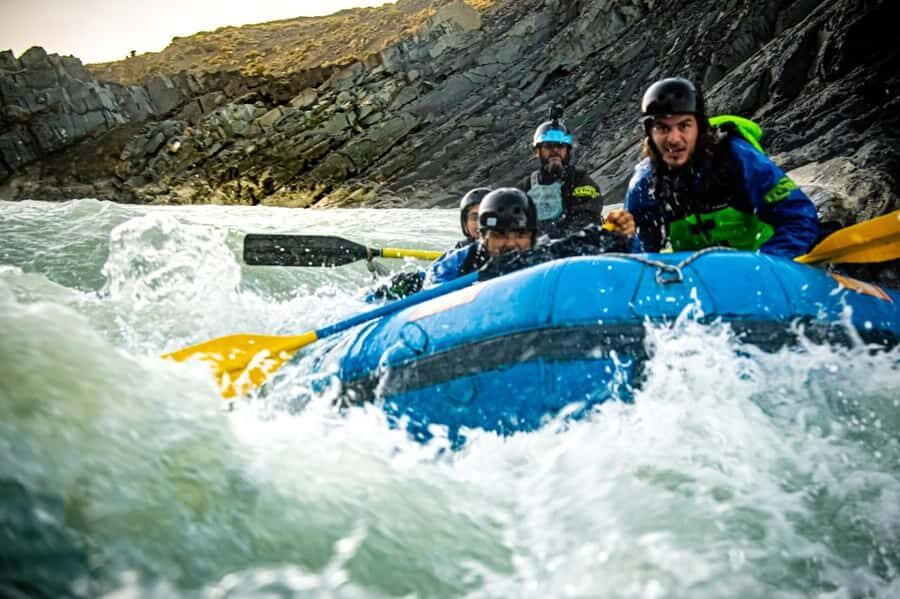
This rafting experience is best for active people who like being part of a team.
It’s described with an age range of 16 to 65, but additional rules say it’s not suitable for people over 60. So if you’re near the upper end, don’t assume it’s flexible—check before booking.
It’s not suitable for:
- pregnant women
- people with respiratory issues (including COPD, asthma, emphysema, etc.)
- people with cardiovascular conditions or reduced cardiac/vascular capacity (including those using stents, pacemakers, or other prostheses, and people on anticoagulants)
- obesity (not eligible)
- any disability that affects attention, gait, and/or coordination
- mobility impairments
- children under 16
- people under 150 cm (4 ft 9 in)
This isn’t “extra picky.” In a canyon with class III–III+ rapids, the rules protect you and the crew. If you’re unsure, err on caution.
A practical way to plan your day around the river
Plan for the fact that you’ll be on the river for about 2 hours and then you’ll still feel it for the rest of the day.
What I’d do:
- Schedule it earlier in the day if possible, so you can warm up and explore El Chaltén after.
- Bring thermal layers you’re comfortable in for the wind and chill after.
- Keep a little buffer time before dinner. You’ll likely want a hot shower and to refuel.
If you’re traveling with someone who wants this as a hike alternative, it works well. You’re getting movement and adrenaline, but the scenery comes to you without the steep walking.
Should you book this El Chaltén rafting on Río de las Vueltas?
Book it if you want a real Patagonia rafting route in a place built for Fitz Roy views, and you like the idea of learning technique first instead of guessing your way through rapids. The safety instruction, the full warm gear kit, and the mix of calm + canyon action make it a strong “do it once” experience.
Skip it if you can’t meet the health/eligibility rules, if you dislike cold-water sports, or if you’re hoping for a gentle sightseeing float. This isn’t that. You will paddle. You will get splashed. And you’ll come away with that specific Patagonia feeling of being down on the water line where the mountains look different.
FAQ
How long is the rafting experience?
The total duration is 3 hours.
How much time do we spend on the river?
The ride along Río de las Vueltas takes about 2 hours, with the rest of the time used for gear, safety briefing, and transport.
What’s included in the $120 price?
Included are technical and safety gear (neoprene suit 3 mm, micro polar, jacket, life vest, helmet, neoprene boots, mitts, paddle), a bilingual guide (Spanish/English), transportation from the base to the river and back, and a hot snack afterward (tea or coffee plus a sweet or savory snack). It also includes civil liability and personal accidents insurance.
What should I bring with me?
Bring a towel and thermal clothing.
Are cellphones or cameras allowed?
Cellphones are not allowed. Professional cameras are not allowed.
Who can participate?
The activity lists an age range of 16 to 65. It also says it is not suitable for pregnant women, people with respiratory disabilities, people with certain cardiovascular conditions, people using stents or pacemakers, people with obesity, and anyone with a disability affecting attention, gait, or coordination. It is not suitable for children under 16, mobility impairments, and people under 150 cm.
What are the booking and cancellation terms?
You can cancel up to 24 hours in advance for a full refund. You can also reserve now and pay later, keeping your plans flexible.