REVIEW · MENDOZA
Mendoza: High Mountain Experience, a Tour through the Andes
Book on GetYourGuide →Operated by Gray Line Argentina · Bookable on GetYourGuide
Road-to-the-giants scenery starts early. This 10-hour Andes tour stitches together geology and local culture with stops that feel like chapters: Puente del Inca with its thermal springs, then viewpoints aimed at the massive Cerro Aconcagua. I especially like that the day mixes standout natural sights with cultural context in places like Uspallata, and that the guide’s explanations are strong even in quick stops—guides such as Ivan and Yani have a gift for making the scenery click. One thing to keep in mind: it’s a lot of time on the road, so the pace can feel front-loaded, and the afternoon can be quieter without as many built-in photo pauses.
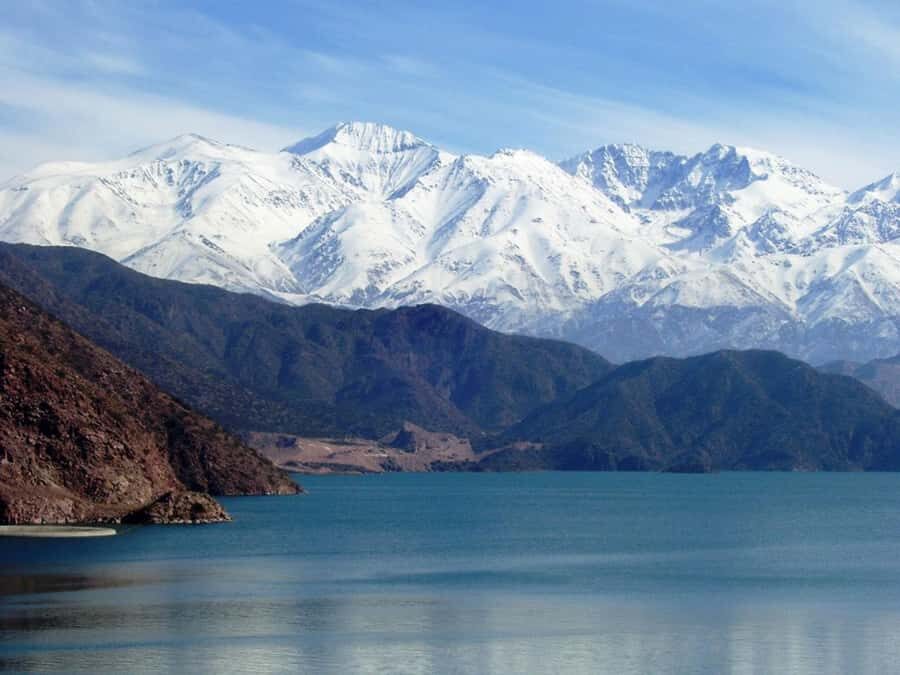
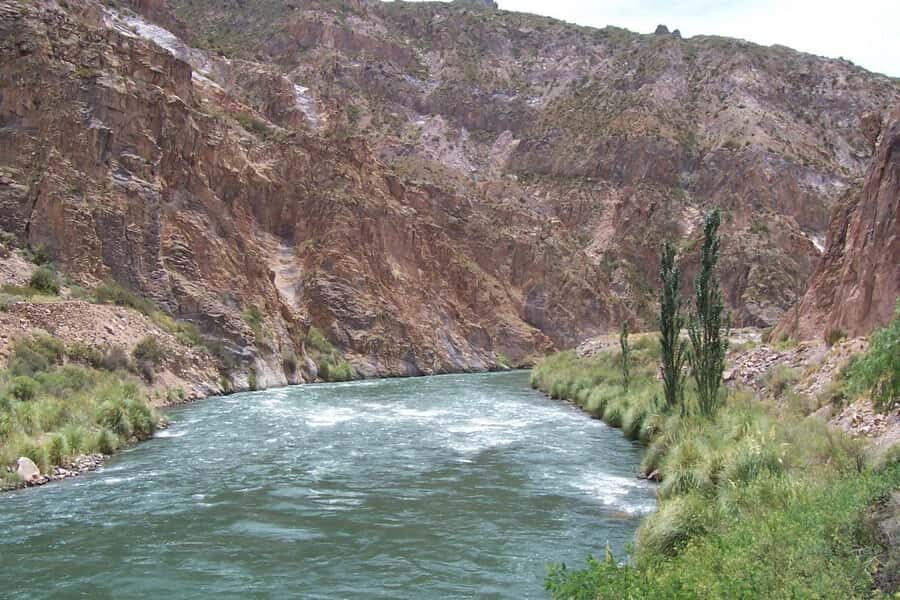
You’ll start along International Route N°7 by the Mendoza River, and the route itself becomes part of the show. Early views over Cordón del Plata and the water mirror of Potrerillos Dam set the tone, and then you roll into Uspallata and the smaller towns that help explain Mendoza’s mountain-edge identity. The main possible drawback is simple: if you’re hoping for frequent stops all day, you may find the morning holds most of the excitement and the return trip can feel slower.
If you go in with the right expectation—big sights, steady driving, and a Spanish guide who keeps the story moving—you’ll get a memorable high-altitude day without needing to plan the logistics yourself.
In This Review
- Key things I’d plan around
- Morning starts on Route 7: dam mirrors and Cordón del Plata
- Uspallata and the Huarpes: history you can feel in the valley
- Picheuta to Los Penitentes: quick town reads before the big sights
- Puente del Inca with thermal springs: the stop that steals the show
- Cerro Aconcagua and Las Cuevas: staring at height at the border
- Price, transfers, and how much driving you’ll do
- Lunch timing and why the afternoon can feel heavy
- What makes the tour work: guide energy and smart stop selection
- Who this Andes day tour is best for
- Should you book the Mendoza High Mountain Experience tour?
- FAQ
- FAQ
- What’s the duration of the Mendoza Andes tour?
- How much does the tour cost?
- Is a guide included, and what language do they speak?
- Do I get hotel pickup and drop-off?
- Is lunch included?
- What are the main places the tour visits?
- How high do we go during the tour?
- Can I cancel for a full refund?
Key things I’d plan around
- Puente del Inca: a natural architectural stop with thermal springs and dramatic rock-and-water contrast
- Aconcagua viewpoint: time at altitude for a clear look at 6,959 meters
- Uspallata + Huarpes roots: a cultural break that adds meaning to the mountains
- Potrerillos Dam + Cordón del Plata views: early scenery that sets your photos up for success
- Las Cuevas on the Chile border: a high point (literally) that makes the day feel like a journey
- Morning-heavy pacing: plan for more driving after the main highlights
Morning starts on Route 7: dam mirrors and Cordón del Plata
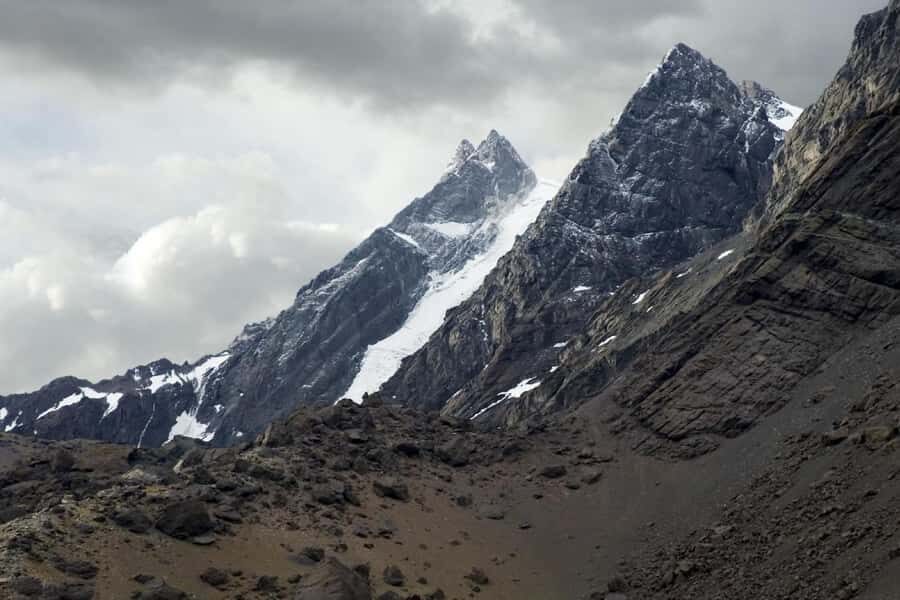
This tour starts early, and that matters. You’ll begin along the Mendoza River on International Route N°7, and right away you’re treated to wide mountain views that are easier to enjoy before the day gets busy and temperatures shift. I like this approach because it turns the drive into more than transportation—you actually get scenery right away.
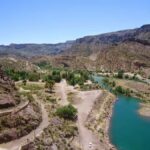
One of the first visual rewards is the view across Cordón del Plata and the reflective look of Potrerillos Dam. Even if you’ve seen dams before, the mountain setting changes the whole feeling. You’re not staring at engineering in isolation; you’re watching it sit inside a high Andean basin.
At this point, the day is still setting up. Your guide will be doing the important work: giving you context so the next stops don’t feel random. In practice, that means you’ll understand why you’re passing certain viewpoints and towns, not just that you’re passing them.
You can also read our reviews of more tours and experiences in Mendoza.
Uspallata and the Huarpes: history you can feel in the valley
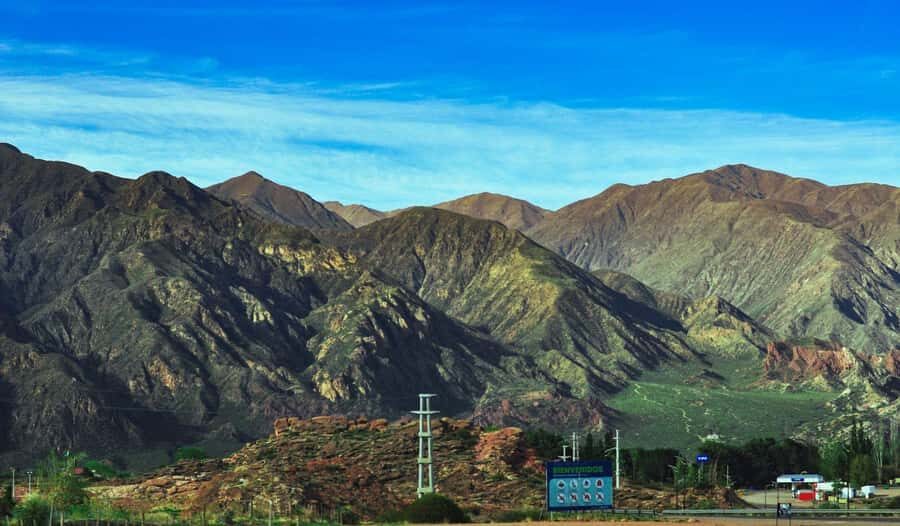
After the initial scenery, the route brings you to Uspallata, a valley known for its pre-Hispanic roots linked to the Huarpes. This is one of those stops that changes how you read the rest of the trip. Instead of thinking only in terms of rock and height, you start connecting the mountains to the people who lived here long before modern roads.
I like Uspallata because it’s not presented as a museum stop that you rush through. It’s more of a historical pause: a chance to look at the valley layout and understand why settlements formed where they did. The mountains are the backdrop, but the story is about human adaptation—living at the edge of a harsh, impressive environment.
If you care about culture even when you’re doing a sightseeing bus day, this part is a strong reason to choose the tour. It gives you something to take home besides photos.
Picheuta to Los Penitentes: quick town reads before the big sights
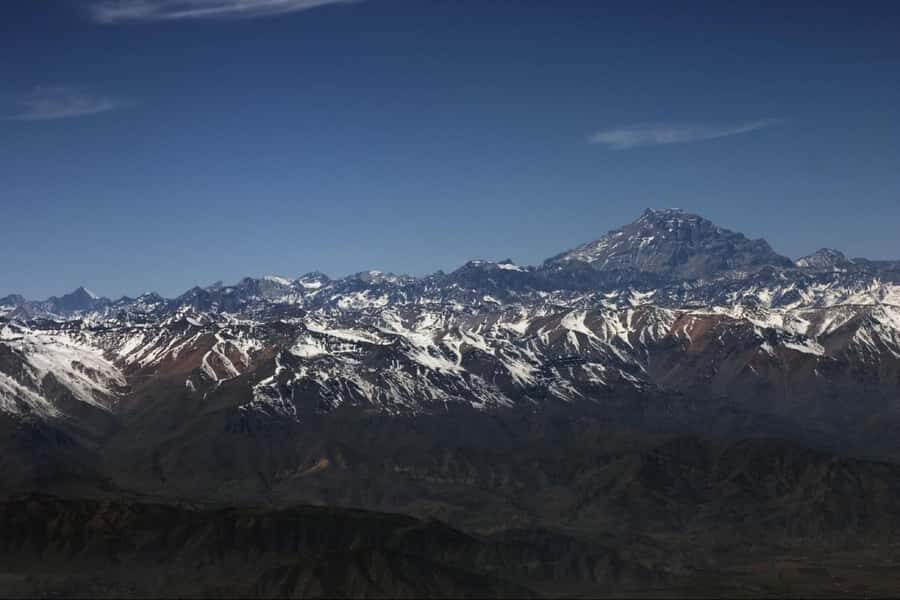
As the day moves on, you’ll pass through towns including Picheuta, Polvaredas, and Punta de Vacas. These stops aren’t meant to swallow the schedule; they act like signposts along the Andes corridor. You get quick windows into everyday mountain-town life while staying on track toward the major attractions.
There’s also a stop at Los Penitentes, described as a former ski resort. That’s useful context for your mental map: the area already has infrastructure built for winter tourism, which changes the feel compared with a purely rural pass. Even if you don’t ski, it gives you a sense of how the Andes are used here across seasons.
One practical note: the exact length of time at specific smaller towns can vary based on timing and flow. Some people have wished for more time in Picheuta, so if that particular stop is a priority for you, I’d manage expectations and assume the morning will be the busiest stretch for quick photo and viewpoint opportunities.
Puente del Inca with thermal springs: the stop that steals the show
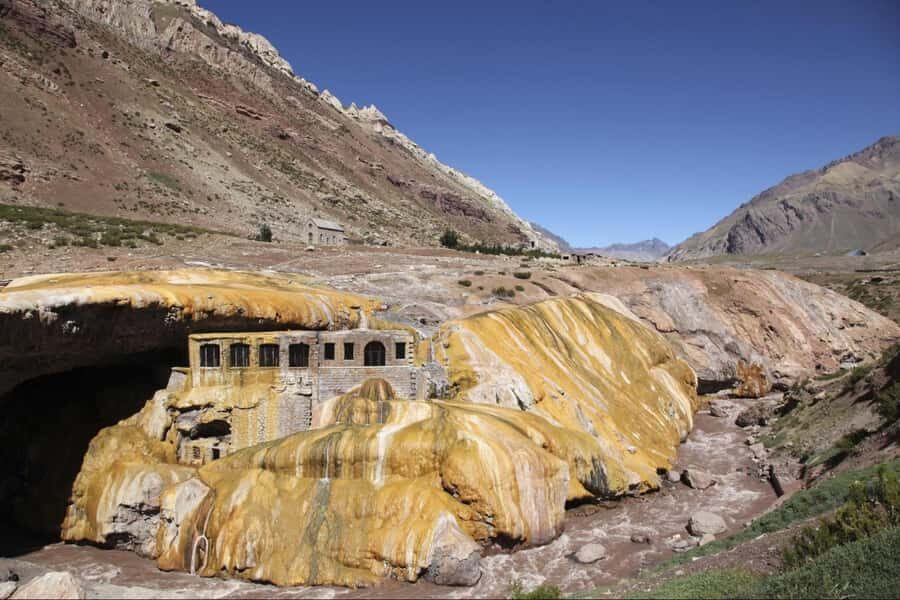
Then comes the highlight that most people talk about for a reason: Puente del Inca. This is described as a natural architectural work with thermal springs, and it really does feel like a strange, dreamlike mix of nature and structure. You’re watching geology and temperature-linked water effects create a landscape feature that looks engineered, even though it isn’t.
What I like here is the combination of “wow” and “wait.” You can’t just glance and move on, because the place invites a slow look. It’s also a rare kind of stop in day tours: it’s not only a view to admire from a distance. It’s a place with physical details you’ll want to notice—where the warm water connection comes through, and how the rock shape frames the area.
A key consideration: it’s a high-altitude day, and you’ll likely be walking a bit at stops. If you’re sensitive to cold or wind, bring layers even in warmer months. Thermal springs don’t mean it’s always comfortable outside.
This is also where the tour shifts from “Andes scenery drive” to “serious altitude day.” After Puente del Inca, you head up toward a viewpoint at around 2,750 meters.
Cerro Aconcagua and Las Cuevas: staring at height at the border
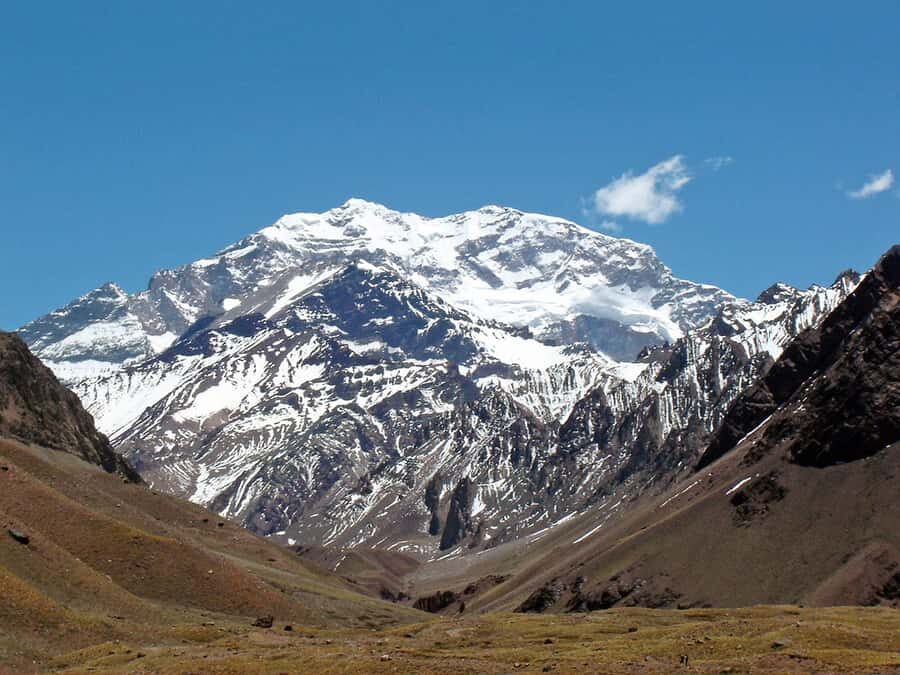
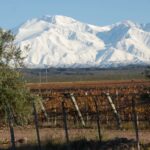
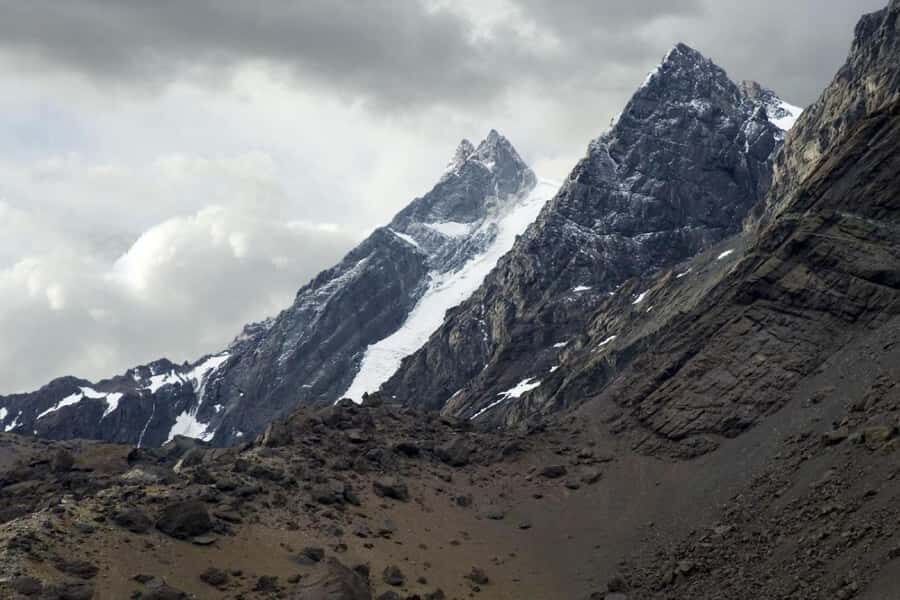
Right after Puente del Inca, you’ll reach a viewpoint area for Cerro Aconcagua, listed at 6,959 meters. You’re not going to climb it on this tour. You’re there for the scale and the sightline—time to look, take photos, and let the mountain’s dominance do the talking.
I recommend using this moment for slow observation. When you’re at a viewpoint that high, it’s easy to rush because the bus schedule feels tight. But Aconcagua’s presence is the point, and your photos will look better if you give yourself a bit of time to choose angles.
From there, the tour continues to Las Cuevas, at the Chile border, reaching about 3,200 meters above sea level. This part is less about one single “thing” and more about the feeling of being at the edge of countries, roads, and climate zones. It helps the day feel like a true crossing through high Andean terrain.
One more practical reality: by this stage, you’ve spent hours in a vehicle, and altitude can make that feel more noticeable. If you want to avoid feeling flat later, pace yourself with small breaks, water, and layers.

Price, transfers, and how much driving you’ll do
The price is listed at $74 per person, and the main value comes from the combination of a guide plus round-trip transfers from hotels in the Mendoza city center. For a 10-hour itinerary, that’s a fair setup if you don’t want to handle intercity logistics on your own.
The Spanish-only live guide is another big part of the value. You’re getting interpretation of why each stop matters, not just location names. In past groups, guides like Paula and Ivan have been specifically praised for clear explanations, and that’s important because some stops are quick. If the story is missing, fast stops can feel like checkboxes.
Now for the tradeoff: it’s a long day with a lot of driving. One note from actual experience is that the route can feel like around 400 km of driving. That can be totally fine if you enjoy the ride and don’t mind that you’ll be doing most of your “activity” at photo and viewpoint moments.
Also, pickup is convenient but not universal. Some Mendoza hotels aren’t included in the pickup itinerary. If yours isn’t covered, you’ll be directed to the closest included pickup point, and you’ll need to meet your guide there.
Lunch timing and why the afternoon can feel heavy
You’ll break for lunch at noon, but lunch isn’t included. The day is built around that midday pause at a typical restaurant in the area. The idea is straightforward: you get a predictable break before heading back in the afternoon.
Two realities to plan for. First, because lunch is on your own, bring cash or a card you’re comfortable using for a lunch stop. Second, this tour can get front-loaded with the most visually intense moments in the morning. After lunch, you may find the schedule is less stop-and-go and more about getting back.
That matches feedback I’ve seen: people who like to move from one viewpoint to another can feel impatient after the biggest highlights. People who don’t mind a quieter bus ride—especially if they can nap—tend to handle the afternoon better.
There’s one more thing to consider: the quality and service of the lunch spot can be hit-or-miss depending on the venue’s current staffing. If you’re picky about meals, I’d treat lunch as a flexible part of the day, not as a guaranteed culinary highlight.
What makes the tour work: guide energy and smart stop selection
This is a tour where the guide makes a difference. When your guide explains what you’re looking at—like why Uspallata matters for the Huarpes, or what Puente del Inca represents—you get more out of the same route. On groups like this, I’ve learned to pay attention to whether the guide gives you time to look and photograph, or whether you’re rushed.
In the best versions, you’ll get both: helpful context plus enough time for photos at the key moments like Puente del Inca and the Aconcagua viewpoint. When guides are strong, the drive becomes more enjoyable because you understand what’s coming next.
You also get a smart mix of “human and natural” stops. Potrerillos Dam and the river corridor give you human engineering in a dramatic setting, while Puente del Inca is the more natural, water-and-rock story. That balance is why the day doesn’t feel one-note.
Who this Andes day tour is best for

You’ll probably enjoy this tour if you want a high-altitude, big-sights day without doing driving yourself. It’s also a good pick if you like a guide who talks through what you’re seeing in Spanish, and you don’t need constant stops every hour.
It’s less ideal if you’re the type who hates long vehicle time. With a full 10-hour schedule and a lot of distance covered, you need a tolerance for road time. If you’re hoping for long lingering walks at every stop, you may find this more like a series of moments than a slow travel day.
It also suits you best if you’re okay with lunch being separate from the tour price and you can handle a midday break without expecting a top-tier dining experience.
Should you book the Mendoza High Mountain Experience tour?
I’d book it if you want the “best-of” Andes corridor from Mendoza in one guided day: Puente del Inca, the Aconcagua viewpoint, Uspallata’s Huarpes roots, and the border-area feeling at Las Cuevas. At $74, the value looks solid when you factor in transfers plus a Spanish guide who can make short stops actually meaningful.
I’d think twice if your top priority is a super relaxed itinerary with lots of lingering in the afternoon. This tour is built for momentum, and the schedule tends to feel strongest in the morning. If you know you’ll handle long driving well and you’re excited by viewpoint time, that tradeoff is worth it.
FAQ
FAQ
What’s the duration of the Mendoza Andes tour?
The tour runs for 10 hours.
How much does the tour cost?
The price is listed at $74 per person.
Is a guide included, and what language do they speak?
Yes. The tour includes a live guide in Spanish.
Do I get hotel pickup and drop-off?
You get round-trip transfers to hotels in Mendoza’s city center. If your hotel isn’t included, you’ll be told the closest pickup hotel to meet in the lobby.
Is lunch included?
No. Lunch is not included, but you’ll have a break for lunch around noon.
What are the main places the tour visits?
Key stops include Potrerillos Dam and Cordón del Plata viewpoints, Uspallata (Huarpes birthplace), Los Penitentes, Puente del Inca (thermal springs), a viewpoint for Cerro Aconcagua, and Las Cuevas at the Chile border.
How high do we go during the tour?
The route includes a viewpoint around 2,750 meters and reaches about 3,200 meters at Las Cuevas.
Can I cancel for a full refund?
Yes. Free cancellation is available up to 24 hours in advance for a full refund.