REVIEW · FOZ DO IGUACU
From Foz do Iguaçu: Argentinean Falls Tour with Pickup
Book on GetYourGuide →Operated by Tangol · Bookable on GetYourGuide
Iguaçu on the Argentina side hits different. You get up-close viewpoints on the falls and a guide who keeps the Brazil–Argentina border from turning into a whole day project. I also love that the route is built around the park’s best walking options, so you can hit the big sights without feeling herded nonstop. One drawback to plan for: the park day can feel tight if you also want optional extras like the boat ride under the falls.
I recommend this tour if you want the highlights fast, especially if your group is a mix of walkers and non-walkers. The pickup-and-drop-off plus border help saves real time, and it’s a nice way to avoid figuring out buses, taxis, and check-in/out steps on both sides.
That said, the national park ticket and food are not included, and Argentina pricing inside the park can be steep. Also, customs lines can occasionally run long, and that part is outside the tour’s control.
In This Review
- Key points to know before you go
- Why the Argentine Iguazú Falls feel worth the trip
- Foz pickup and the border crossing rhythm
- Entering the park: how the Upper and Lower Circuits work
- Devil’s Throat: the highlight you should treat like a timed attraction
- The flow of a typical day inside the Argentine side
- Walking time, meeting points, and not feeling rushed
- Guide quality and group size: when it’s a real advantage
- Cost and value: what you’re really paying for
- Pickup delays and language expectations: the one-time risks
- Who should book this Argentina Falls tour
- Should you book this tour?
- FAQ
- FAQ
- Is park admission included in the tour price?
- Do I need to bring a passport or ID?
- What’s included in the tour?
- What language is the guide?
- How long is the tour?
- Are food and drinks included?
- Do I need cash for the border ecotax?
- Will I have help crossing the border?
- What should I wear and bring for the walking parts?
- Can customs lines delay the day?
Key points to know before you go
- Hotel pickup, then border help: Your guide handles the passport rhythm so you can focus on the park.
- Tancredo Neves Bridge crossing: You’ll cross between Brazil and Argentina via the International Brotherhood Bridge.
- Upper and Lower Circuit planning: You’ll choose between panoramic viewpoints and jungle-close paths.
- Devil’s Throat (Boca del Diablo) time matters: It’s the U-shaped abyss with the strongest water flow.
- You walk, but at your pace: Meeting points keep things organized while you explore trails independently.
- Budget for park costs: Ticket, food, and park expenses add up fast on the Argentina side.
Why the Argentine Iguazú Falls feel worth the trip
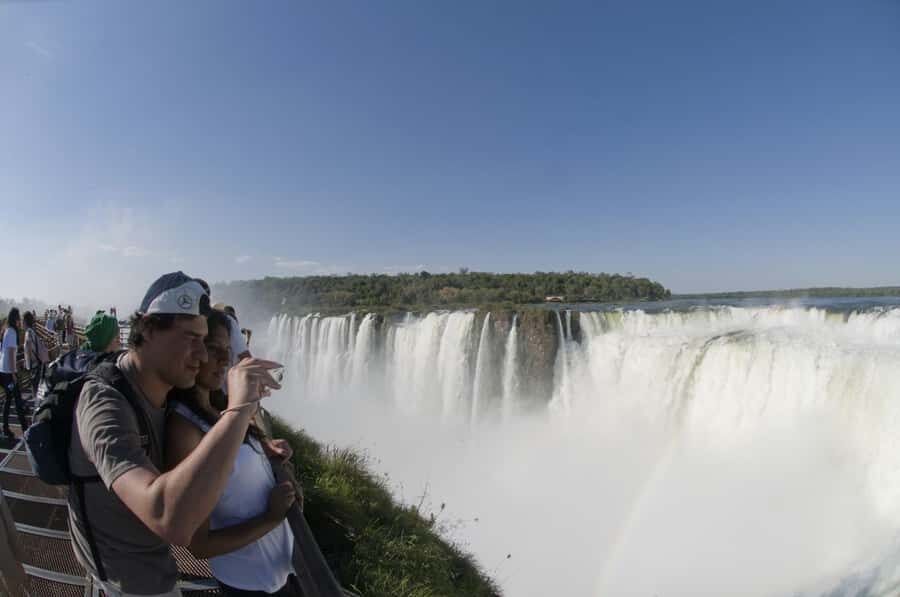
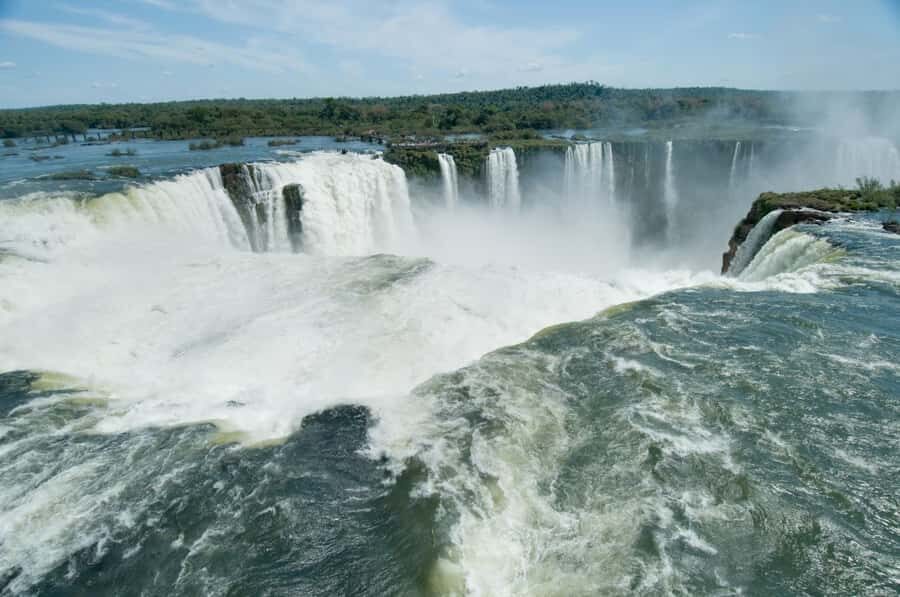
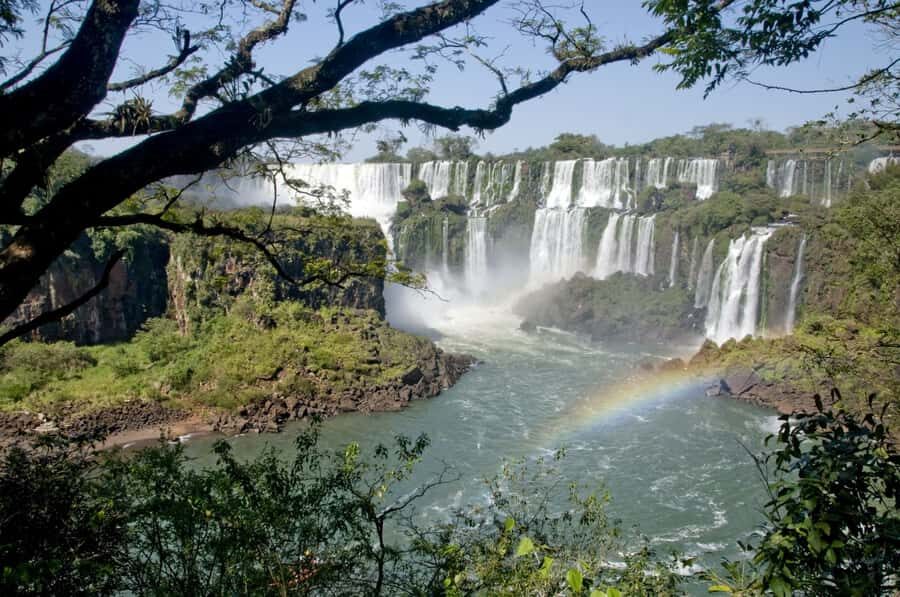
The Iguazú Falls are famous for a reason, but the Argentina side changes the experience. Here, the falls stretch about 2.7 km across and can reach up to roughly 82 meters high. On this side, you’re closer to the water, and the viewpoints are built for feeling like you’re right beside the action.
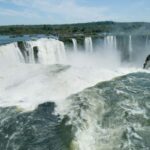
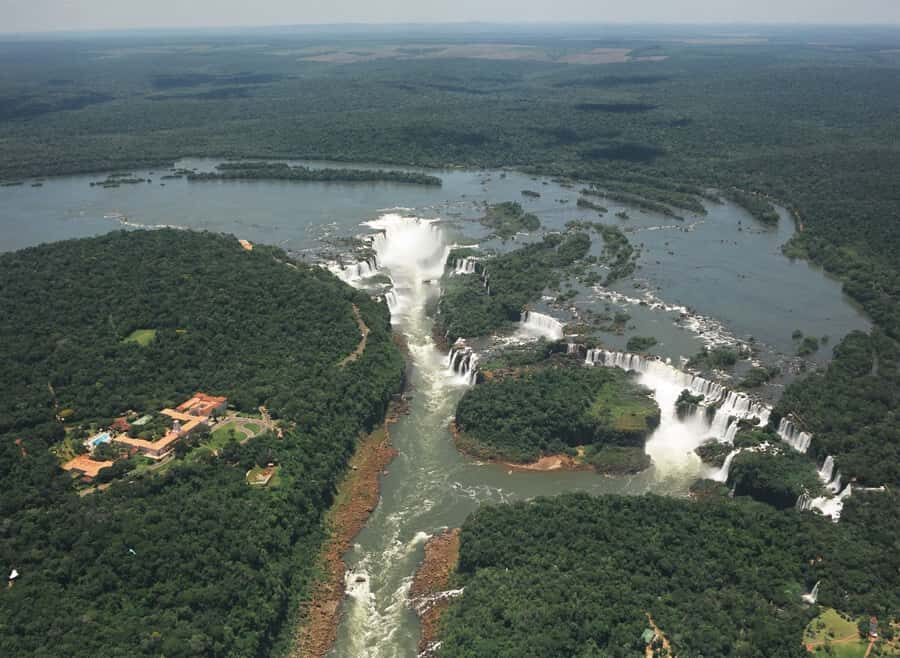
The star is Devil’s Throat, also called Boca del Diablo. It’s a U-shaped abyss where the water flow is at its highest, so the sound and spray are part of the show. If you like nature spectacle that feels physical instead of scenic-from-far, this is the side to choose.
The Argentine Iguazú National Park covers over 55,000 hectares, so you’re not just seeing one waterfall. You’re stepping into a big protected landscape, with trails that range from open overlooks to paths that push into the jungle atmosphere.
You can also read our reviews of more tours and experiences in Foz Do Iguacu.
Foz pickup and the border crossing rhythm
The day starts with hotel pickup in Foz do Iguaçu, then you head toward the Argentine falls. You’ll cross the border from Brazil into Argentina via the Tancredo Neves Bridge, also known as the International Brotherhood Bridge over the Iguaçu River. That crossing matters because it’s the difference between “we’ll figure it out” and “we’ll get you there without losing your whole morning.”
A big reason people love this tour is that you don’t have to manage the border steps alone. Your live guide walks you through the passport process, and some guides are especially noted for being calm and organized in the lines. Names like Jovani and Junior come up in guides who handle the paperwork and keep the day moving.
One practical point: pickup time is communicated the day before, and you should wait in the lobby about 10 minutes before the scheduled pickup. If you’re the type who hates standing around, this small habit will save you stress.
Entering the park: how the Upper and Lower Circuits work
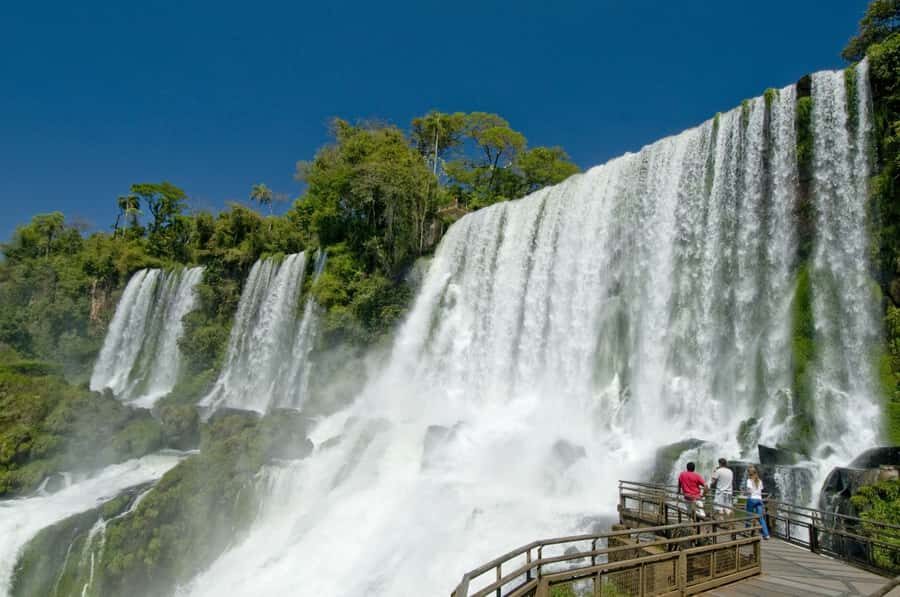
Once you’re in the Iguazú National Park, you’re basically choosing your kind of waterfall view. You can walk the Upper Circuit for broader, more panoramic perspectives of the cascades. Think of it as the “see the whole picture” route.
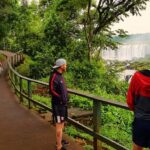
Then there’s the Lower Circuit, which takes you along walkways that lead deeper into the jungle. This is where the waterfalls feel more immediate. The path style is different: you’re trading long-range views for closeness and that sensory experience of wind, mist, and constant water noise.
What I like about having both options is that you can match your energy to the day. If your legs are fresh, the two circuits together create a really satisfying contrast: big picture from above, then intimate contact down below.
Also, you don’t have to do everything in a single sprint. Many guides set meeting points and let you explore on your own pace once you’re oriented. That’s a key detail because it turns the day from a strict tour into a guided plan.
Devil’s Throat: the highlight you should treat like a timed attraction
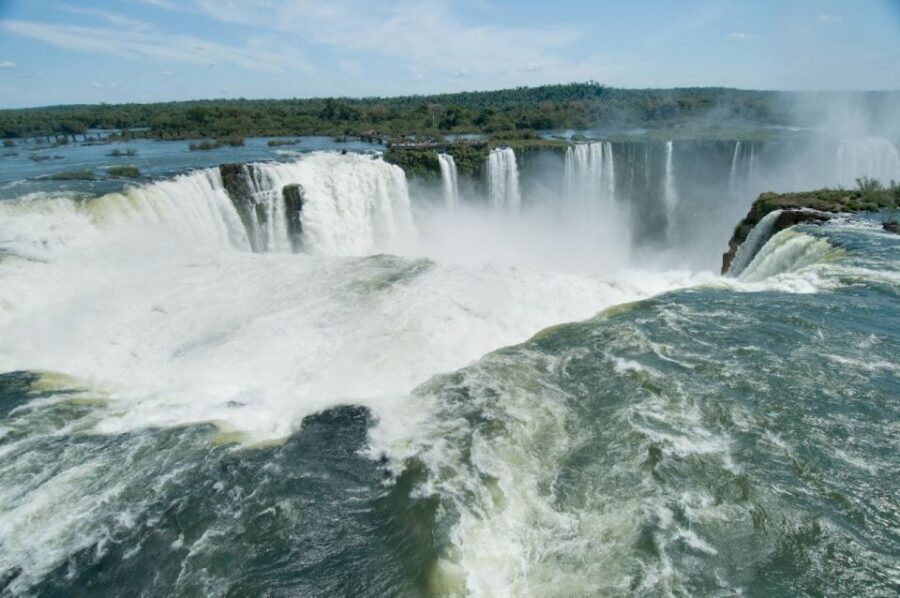
Even if you love waterfalls in general, Devil’s Throat is the moment you should plan around. It’s the famous U-shaped abyss with the strongest flow, and the park is designed so different trails give you different angles.
The tour description focuses on a privileged view of Devil’s Throat, and the park layout supports that idea. You’ll get to a viewpoint area, then you can walk trails that connect to other falls.
In real terms, this is one of those sights where your timing affects your experience. If you arrive and then spend too long elsewhere, you might miss the best time window for the strongest feeling of spray and sound. The good news: your guide helps with park navigation, and they’ll usually position you to hit Devil’s Throat without you having to read maps.
The flow of a typical day inside the Argentine side
The tour is 8 hours total, so you’re working within a limited window. That matters because the Iguazú park is large, and time disappears quickly once you factor in walking, meeting points, and getting to the most famous areas.
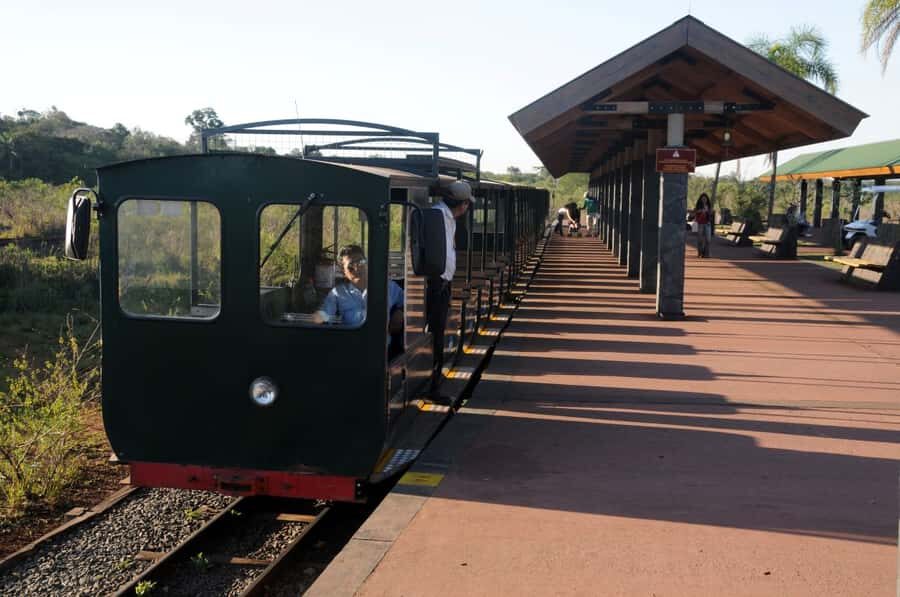
A common approach on the Argentina side is to combine a park route that brings you toward Devil’s Throat (often including the park’s train access) and then connect to both circuits. Some schedules also include time for lunch and a mix of major overlooks and smaller falls along the circuits.
Here’s the key takeaway: the 8 hours are designed to cover the most important viewing experiences, not to add every possible extra. If you want optional activities beyond the standard trails, be selective.
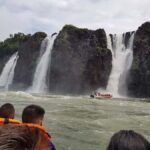
One caution that comes up: the time available inside the park may not be enough if you also want the boat ride under the falls, since that activity can take about 2 hours 40 minutes on top of your walking and viewpoints. If you truly want the boat, you’ll need to treat the rest of the day as secondary.
Walking time, meeting points, and not feeling rushed
This is a walking-and-viewing day. You’ll need comfortable shoes and you should expect time on foot. Still, I like that the tour setup aims for balance: you get help to get oriented and organized, and then you’re not locked into one long line of people moving at the slowest pace.
Guides are often described as helpful and present at key moments. In particular, some guides are praised for being friendly without hovering. That matters because you still get the benefit of local info—what to look for, where to go next—while keeping your own rhythm on the trails.
There are two practical travel tips I’d follow regardless of guide style. First, wear shoes you trust on wet surfaces, because the park is near constant spray. Second, be ready for small timing differences if border or pickup schedules shift. A flexible mindset is a lot cheaper than trying to “fix” the day once you’re already in motion.
Guide quality and group size: when it’s a real advantage
The tour includes a live tour guide in Portuguese, English, and Spanish, which is a big deal in a park where the signage is only part of the story. Strong guides do two things well: they help you navigate efficiently and they reduce uncertainty at the border.
Several guides in this service have earned standout mentions, including Miguel, Franklin, Felipe, Valdomiro, Junior, and Jovani. Common praise points include smooth border navigation, clear communication, and productive trail guidance. One guide even shows up in feedback as being very good at ensuring you don’t miss major routes.
Group size also influences the vibe. One review highlighted a smaller shuttle van with about 11 people, which tends to make border movement and park meeting points easier. Even when groups aren’t tiny, the general goal here is to avoid the chaos of enormous bus herds.
If you’re someone who hates strict group travel, this style can feel like a sweet spot: guided logistics, then free time on the trails.
Cost and value: what you’re really paying for
At about $34 per person, the big value isn’t just the transportation. It’s the combination of hotel pickup, border support, and guided park navigation. For many people, that’s the difference between spending the day enjoying waterfalls and spending the day handling logistics.
But you still need to budget for what’s not included:
- Iguazú National Park ticket
- Food and drinks
A few practical budgeting notes from experience on the Argentina side: food can be expensive and park services can feel chaotic. I’d treat lunch as “bring your own plan” rather than assuming you’ll easily find affordable options. Even if you plan to buy food, carrying a snack can save you when timing gets tight.
National park ticket pricing can vary depending on where you buy it. One practical note from feedback: buying online was suggested as a way to manage cost and avoid surprises at the gate. Also, Argentina has an ecotax related payment step at the border, and it may require cash in some situations. If you want less stress, carry some cash just in case.
Currency handling is another hidden cost. One tip that showed up: card usage can be better than exchanging money on the spot, since exchange rates can be poor. If you’re relying on exchanging currency last minute, be cautious.
Bottom line: this is good value if you want the structured help and don’t want to figure out the cross-border logistics yourself. If you’re comfortable DIY-ing and you already have tickets and transport planned, you could save money. But the time savings are often what make the tour feel worth it.
Pickup delays and language expectations: the one-time risks
This tour can run smoothly, but there are a couple of real-world friction points to know about.
One is that hotel pickups can occasionally shift if other passengers are delayed. That can affect breakfast plans and makes the day feel less calm at the start. If you’re traveling with a tight schedule, build in buffer time the morning of your tour.
Language quality can also vary by guide. The tour is offered with guides in English, Portuguese, and Spanish, but English proficiency may differ from one guide to another. If you speak only one language and want maximum clarity, it’s worth arriving with patience and using your guide for the key decisions: where to go next, when to meet, and which trail direction you’re prioritizing.
Also remember: customs delays can happen. The tour can’t control border waits, so if you hit a slow line, your schedule inside the park might shift.
Who should book this Argentina Falls tour
This works best if you:
- Want the Argentina side for the closeness to Devil’s Throat
- Prefer a guide to handle border steps and park navigation
- Want a day that’s efficient without feeling like a nonstop treadmill
- Are short on time in the Foz area and don’t want to manage cross-border logistics
It might be less ideal if you:
- Have your heart set on adding the boat ride under the falls and nothing else can change
- Hate walking and want a mostly seated itinerary
- Want total control over every minute of the day (DIY planning may suit you better)
If you’re traveling with older relatives, this can be a nice choice because the guide support can reduce stress and help keep everyone organized, especially at the border and trail junctions.
Should you book this tour?
Yes, I’d book it if your goal is the Argentina side without turning your trip into a logistics contest. For the price, you’re buying something practical: pickup, border handling, and a plan for the best circuits so you don’t waste hours figuring it out.
Just be smart with expectations. Pack comfortable shoes, bring or plan for food costs, and treat optional extras like the boat ride as a separate decision. If you want the core falls experience with minimal stress, this is a strong match.
FAQ
FAQ
Is park admission included in the tour price?
No. The Iguazu National Park ticket is not included.
Do I need to bring a passport or ID?
Yes. Bring your passport or ID card, since you’ll cross the Brazil–Argentina border.
What’s included in the tour?
The tour includes hotel pickup and drop-off and a live tour guide during the experience.
What language is the guide?
The guide provides live interpretation in Portuguese, English, and Spanish.
How long is the tour?
The total duration is 8 hours.
Are food and drinks included?
No. Food and drinks are not included.
Do I need cash for the border ecotax?
The tour data says you’ll cross into Argentina, and some ecotax-related payments may require cash. To be safe, bring some cash in addition to card.
Will I have help crossing the border?
Yes. The guide helps with the passport and border formalities, which is especially useful since you’ll need to check in and out for both countries.
What should I wear and bring for the walking parts?
Bring comfortable shoes and comfortable clothes, and expect time walking on trails and walkways.
Can customs lines delay the day?
Yes. The tour notes that longer waits at customs can happen occasionally, and that’s beyond the tour’s control.