REVIEW · BUENOS AIRES
Recoleta & Cemetery for curious people
Book on GetYourGuide →Operated by Social&Cultural · Bookable on GetYourGuide
Buenos Aires tells stories in stone. This walk-in conversation around Recoleta’s Cemetery and the surrounding mansions brings Argentina’s Gilded Age to life through architecture, social power, and debate. I like that it’s built for thinking, not just looking, with a guide who keeps the pace lively and the questions coming.
I especially love the interactive, anthropological feel—you’re not stuck in a lecture, and you get time to go where your curiosity points. One thing to consider: entry into the cemetery is optional, and the cemetery ticket isn’t included, so plan on getting that separately if you want to go inside the tombs.
In This Review
- Key things you’ll notice on this experience
- Recoleta Cemetery as a social mirror, not a must-see stop
- Plaza San Martín to set the tone: where the walk gets its rhythm
- The skyline stops: Kavanagh and Torre Monumental (what “progress” looked like)
- Mansions and palaces: the Parisian illusion in real size
- A quick break that actually helps your attention span
- France, finance, and power: why those stops change the story
- La Recoleta Cemetery: what you’ll look for when the talking pauses
- Do you need to buy a ticket to go in?
- Where the emotional impact comes from
- What makes the guide part so valuable
- Price and timing: is $34 worth it for 150 minutes?
- Who this tour fits best (and who might prefer something else)
- A simple checklist before you go
- Should you book this Recoleta & Cemetery tour?
- FAQ
- Where does the tour meet?
- How long is the experience?
- How much does it cost?
- Is the Recoleta Cemetery ticket included?
- Can I buy the cemetery ticket ahead of time?
- What is included in the tour price?
- Which languages are offered?
- Is the tour wheelchair accessible?
- Are the groups private or small groups?
- Is there a break during the walk?
Key things you’ll notice on this experience
- A guided walk that teaches you how to read the buildings (not just name-drop them)
- Themes that connect past elite power to Argentina’s present and future
- Recoleta Cemetery as a social snapshot: who’s remembered, who isn’t, and why
- Small-group energy with room for questions, plus a guide who explains in plain language
- A flexible approach to how long you spend on each stop, depending on your interests
Recoleta Cemetery as a social mirror, not a must-see stop
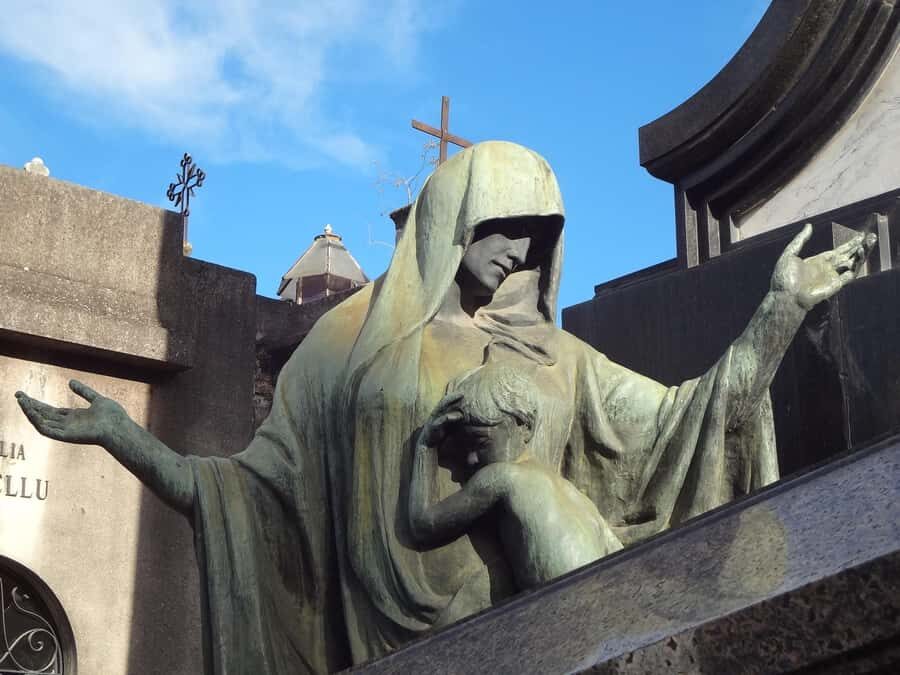
Recoleta Cemetery can feel like a place you either rush through or get lost in. The smart version is the one that helps you read it. This experience treats the cemetery like a “city of the dead” that reflects society while it’s alive: who had money, who had status, and how families wanted to be remembered.
You’ll hear the big theme behind the walk: Argentina’s capital didn’t become a world-stage city by accident. The neighborhood’s grandeur grew out of the ambitions of a wealthy few. As you move from plazas and palaces toward the cemetery, the story keeps tightening into one question: what does opulence actually do to a country’s identity?
For me, the strongest part is how the guide links the physical details to human behavior. The talk stays grounded in architecture and social choices—like why certain families built in specific styles, and what kind of legacy they were trying to secure. It’s less about superstition and more about power, memory, and reputation.
You can also read our reviews of more tours and experiences in Buenos Aires.


Plaza San Martín to set the tone: where the walk gets its rhythm
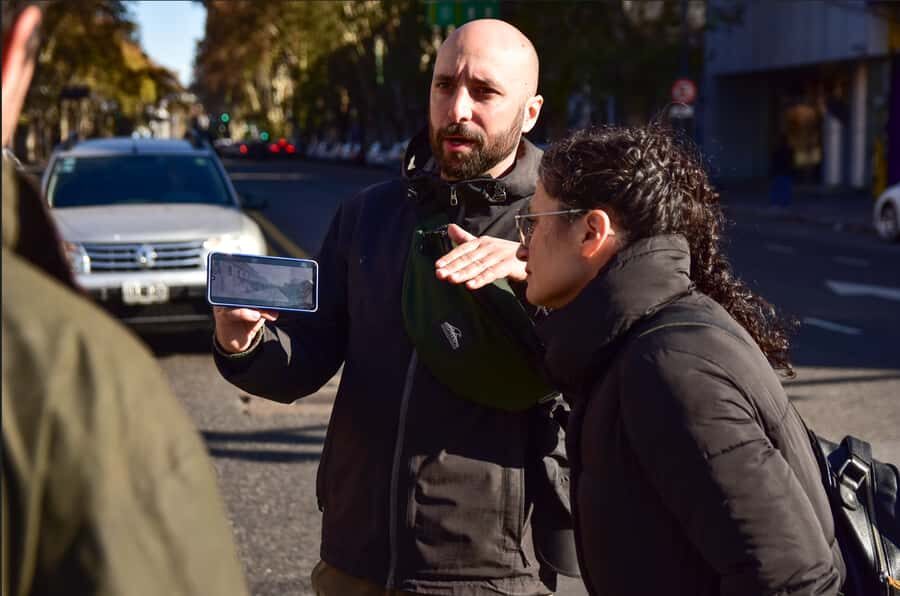
The tour starts near Plaza General San Martín, and that opening matters. It’s a quick way to get your bearings, then move you into a part of Buenos Aires where the city’s self-image is on display.
From the start, you’re encouraged to pay attention to contrasts: clean, formal spaces versus the stories packed into nearby streets and buildings. The guide frames the walk as an argument you’ll build as you go—one about the “Parisian illusion,” meaning the desire to look cultured, modern, and elite by borrowing symbols of Europe.
A practical note: this is a walking experience, so comfy shoes help. You don’t need hiking gear, but you do want your feet happy for about 2.5 hours.
The skyline stops: Kavanagh and Torre Monumental (what “progress” looked like)
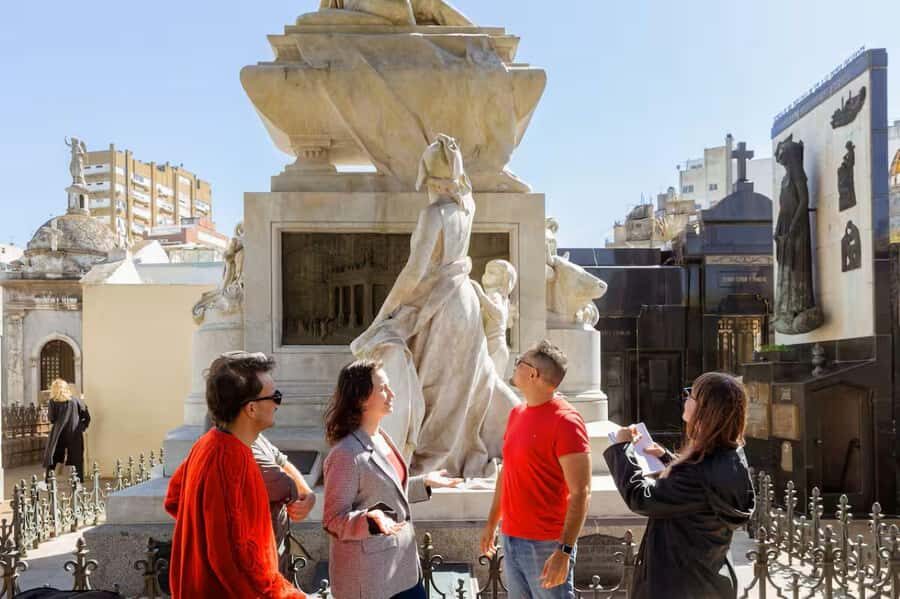
As the route moves through key landmarks, you get a lesson in how Buenos Aires projected modernity. Two standout stops are the Edificio Kavanagh and the Torre Monumental. These aren’t just pretty silhouettes. They’re part of the city’s claim to importance—signs that the capital wanted to feel like it belonged in the same conversation as the great cities of the era.
The guide’s approach is “decode what you’re seeing.” That means you’ll be looking for clues: how shapes, style, and location communicate value. If you like architecture, you’ll likely enjoy this section because it’s not only visual. You’ll also get discussion about the rise-and-fall arc Argentina has wrestled with—how the country’s fortunes and its self-confidence have swung over time.
One small drawback for some people: if you’re expecting a deep explanation of engineering details, you might find the focus is more social than technical. Still, it works well for understanding why these buildings matter.
Mansions and palaces: the Parisian illusion in real size
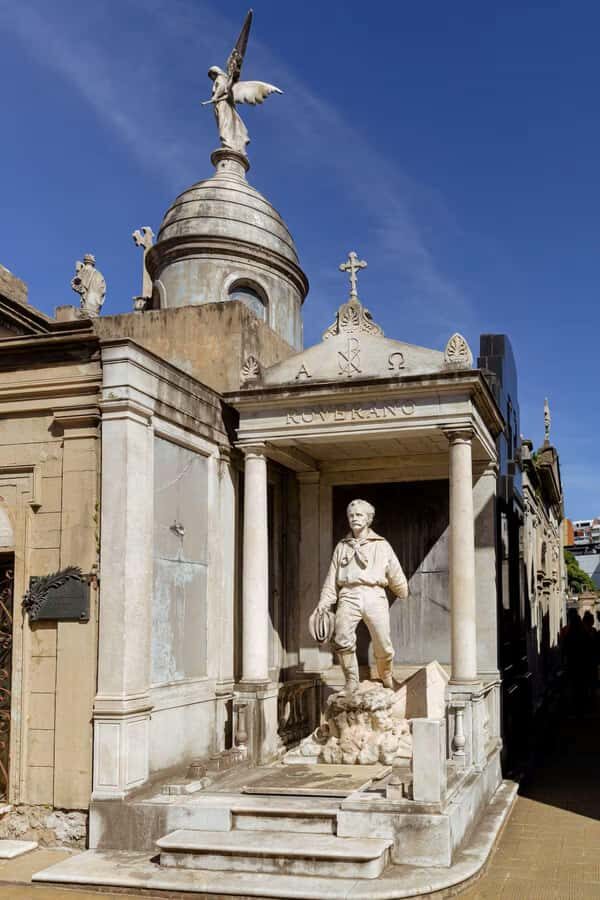
The walk then turns toward homes and grand residences, where you can feel the Gilded Age in your legs. Several stops do the heavy lifting here, including Mansión Estrugamou (also known in connection with Casa Basavilbaso) and Palacio San Martín. Even if you can’t name every architectural element, you’ll understand the point: these were statements of wealth, built for permanence.
This is where the experience’s anthropological angle becomes practical. You’re not just admiring expensive stone. You’re asking questions like: Who lived here? Who controlled the land and wealth? Who had the influence to shape the capital’s image?
That’s the heart of the “Parisian illusion” theme. Buenos Aires cultivated an elite lifestyle and aesthetic—sometimes by echoing European style—even while the country’s economy and political confidence were anything but stable. You’ll walk away thinking, not just remembering.
A quick break that actually helps your attention span
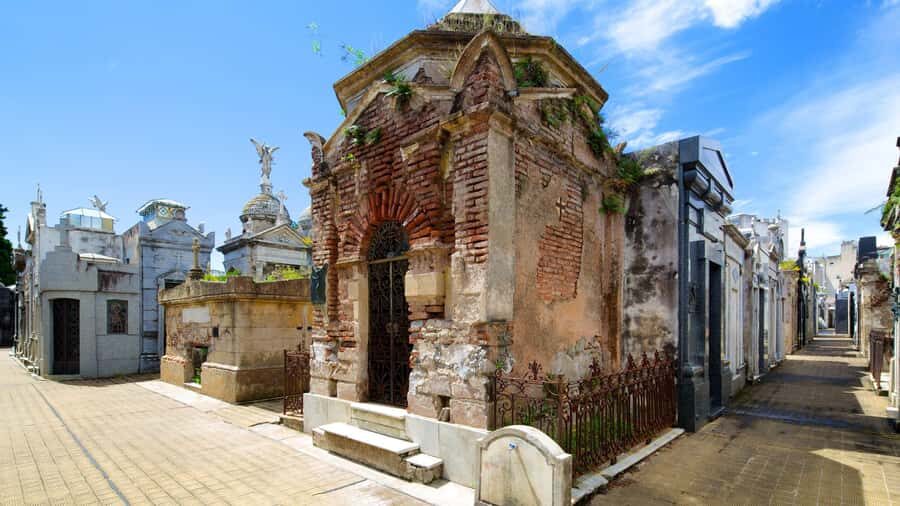
There’s a short break at Carrefour Express—just enough time to reset without turning the day into a commute marathon. This kind of pause is smart because the rest of the walk is conversation-heavy. Even a small snack or bottled drink can keep you sharp for the final push toward Recoleta Cemetery.



France, finance, and power: why those stops change the story
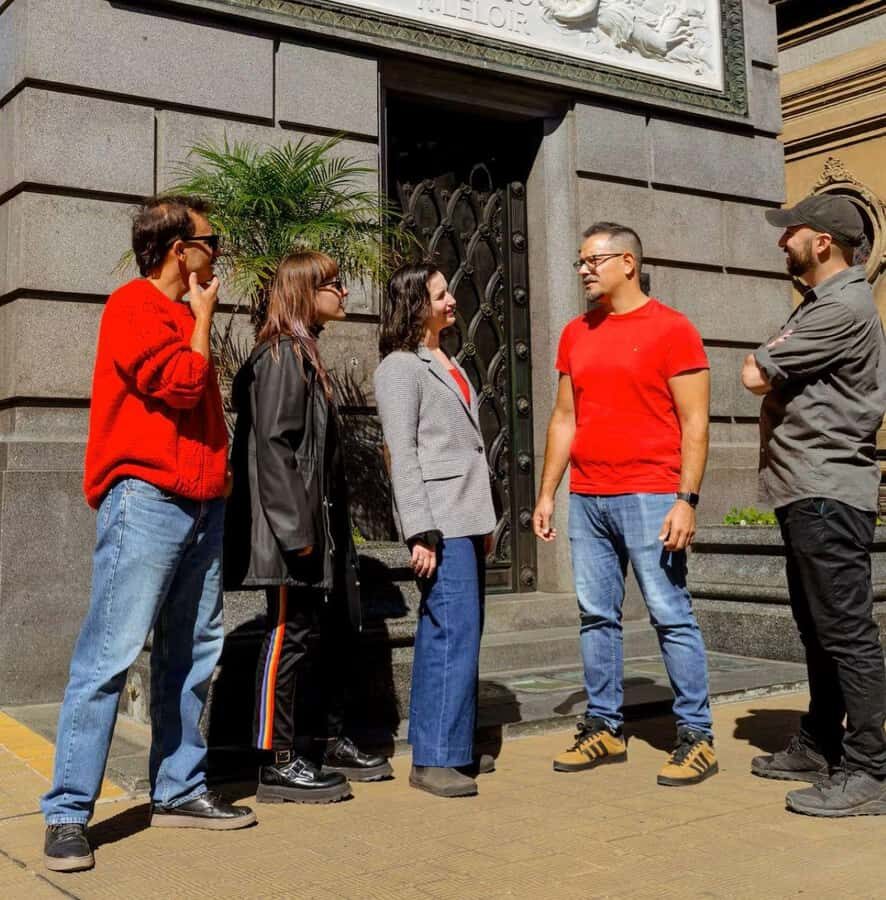
As you keep going, the itinerary threads Argentina’s elite networks into the urban fabric. You pass the Embassy of France and the Jockey Club, both of which help explain the social geography of the neighborhood—who had access to international prestige, and who gathered to negotiate influence.
You’ll also briefly see Palacio Duhau – Park Hyatt Buenos Aires, a reminder of how old-world status and modern luxury can occupy the same city story. Even if you don’t enter anywhere, the stop works like a visual checkpoint: it shows how Buenos Aires keeps repackaging its elite image across time.
This is also one reason the walk is worthwhile for curious people rather than only architecture fans. You’re learning how power moves through institutions as much as through buildings. The discussion connects past and present so the cemetery doesn’t feel like a separate attraction. It feels like the final chapter of a longer social narrative.
La Recoleta Cemetery: what you’ll look for when the talking pauses
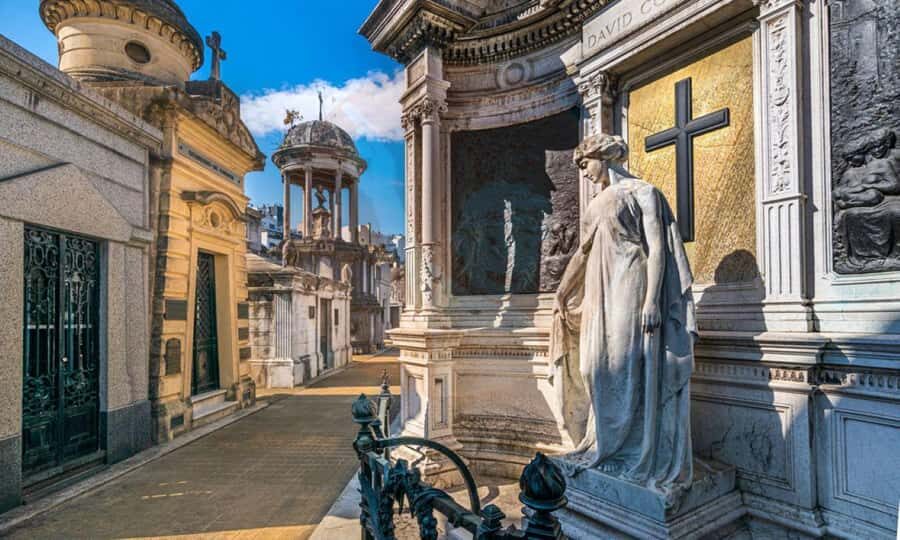
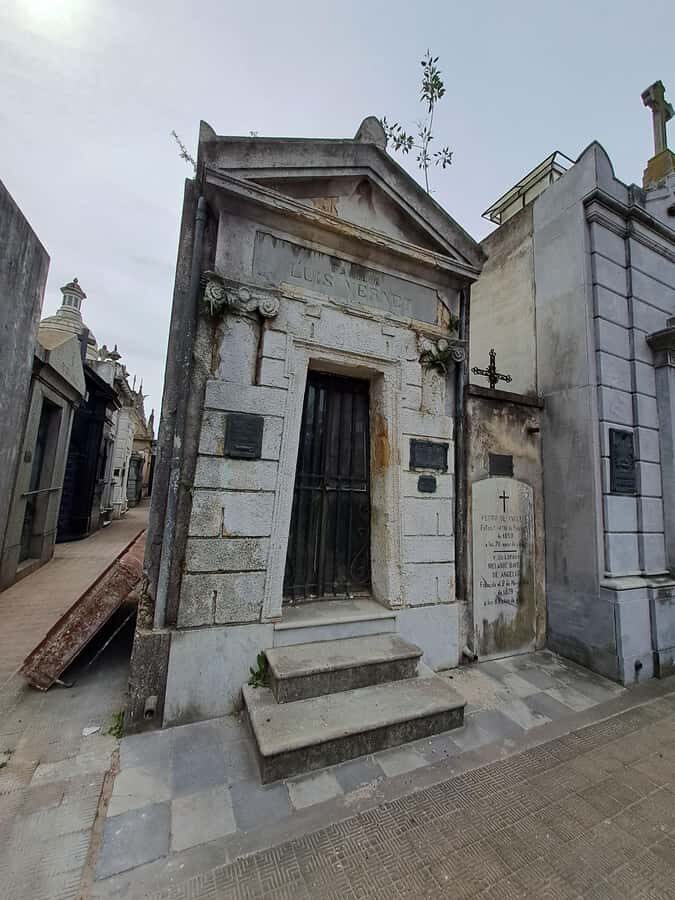
Then you arrive at La Recoleta Cemetery, and the tone shifts. The experience treats the cemetery as the “city of the dead,” a mirror for society. The big questions are clear:
- who is remembered,
- who is forgotten,
- and what secrets or messages are built into the spaces people chose for their legacy.
What’s useful here is that the guide helps you observe with purpose. Instead of asking you to memorize names, it nudges you to look at patterns: style, prominence, and the choices that turn a burial site into a public statement.
Do you need to buy a ticket to go in?
Actual entry into the cemetery is optional. If you want to step inside, you’ll need the cemetery ticket, which you can purchase at the entrance or in advance online. If you prefer to stay outside for the walking-and-explaining portion, you can still take in the context and learn how the cemetery fits the wider Recoleta story.
That optionality is a double-edged sword. It’s great if you’re short on time or unsure about walking among tombs. It’s less ideal if your whole plan depends on a guaranteed time inside the cemetery gates. The experience gives you room to decide.
Where the emotional impact comes from
The cemetery isn’t presented as creepy. It’s presented as a snapshot of class and identity. You’ll likely feel the weight of it more because you’ve already walked through the neighborhood’s elite language—so the tombs land with meaning instead of confusion.
What makes the guide part so valuable
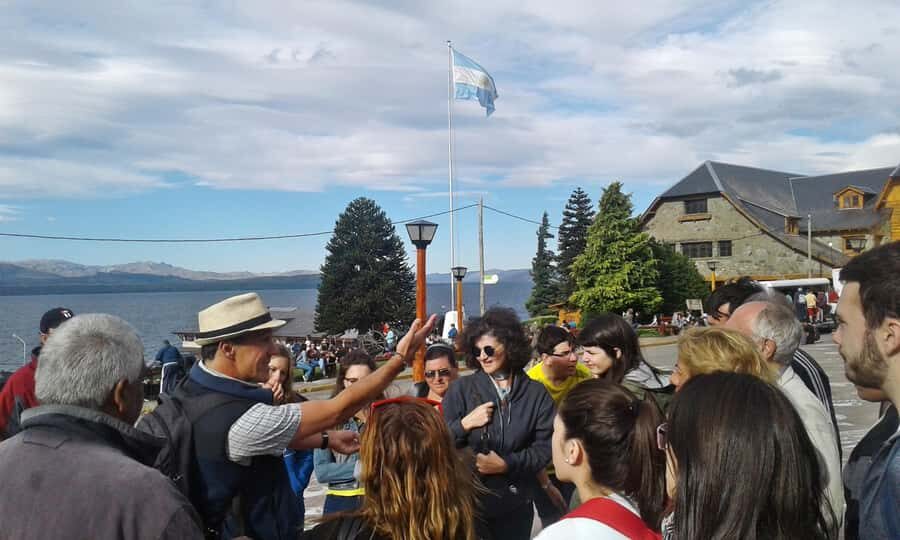
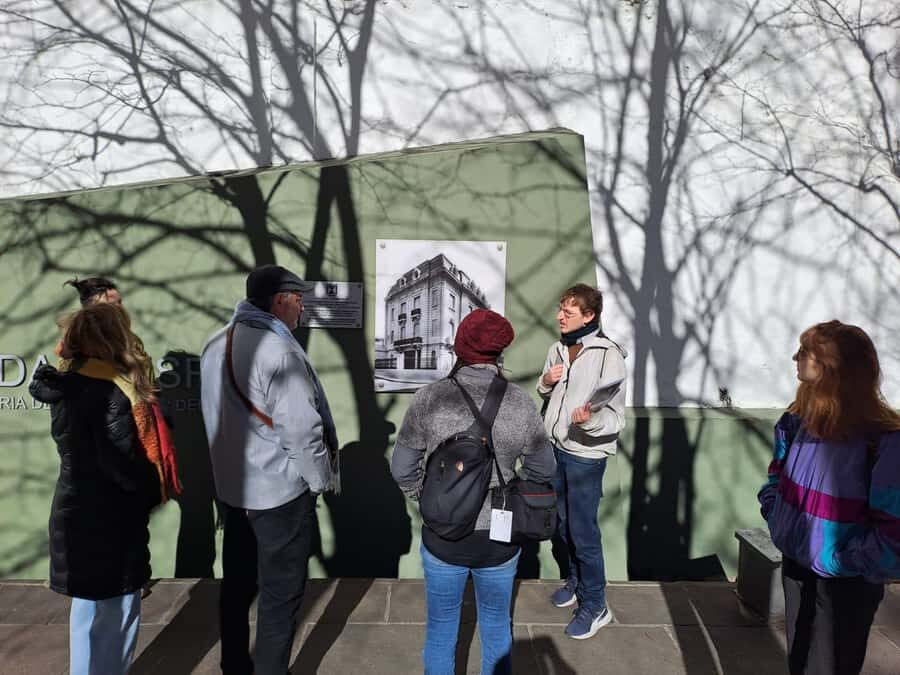
The best versions of this kind of tour succeed or fail based on the guide. This one is designed around a discussion-led style with interaction and a university-degree guide. You’re meant to ask questions and steer the conversation toward what you care about most.
Several names come up in past groups—Nicolas (often called Nico) and Ignacio—and the common thread is that the guiding style mixes solid historical facts with humor and room for individual questions. In plain terms: you won’t feel talked at.
Also, the guide can adjust how you move through the neighborhood. If you’re hungry for more context at one stop—say, the architecture or the elite connections—you can usually spend extra time there. If you want to keep moving, you can do that too. That flexible feel is a big part of the appeal.
Price and timing: is $34 worth it for 150 minutes?
At about $34 per person and 150 minutes, you’re paying for two things: a guided walk across multiple major sights plus an interactive discussion style that keeps you engaged.
If you like sightseeing that turns into understanding, this price usually makes sense. You’re not paying for a single building. You’re paying for a connective story that links the neighborhood’s wealth, the city’s self-image, and the cemetery as social commentary.
The value gets better if you’re the type who likes asking questions. This isn’t a silent photo sprint. The format is built for conversation, and that tends to be where people feel the time was well spent.
Who this tour fits best (and who might prefer something else)
You’ll likely enjoy this most if you:
- like architecture and want context, not just names,
- enjoy history that connects to social questions,
- want a tour that treats the cemetery as a way to understand the living society around it.
You might want to skip or swap plans if you:
- want a guaranteed, long unbroken time inside the cemetery with no optional pieces,
- prefer purely visual tours with minimal discussion,
- don’t enjoy walking as your main way of seeing a city.
A simple checklist before you go
- Wear comfortable walking shoes.
- Decide in advance whether you want cemetery entry. If yes, plan to get the ticket since it isn’t included.
- Bring a water bottle if you run hot; the walk includes a short break but not long rests.
- If you’re traveling in Spanish, English, or French, you’re covered.
Should you book this Recoleta & Cemetery tour?
Yes—if you want Recoleta to mean something beyond photos. This is a smart pick for curious people who like social history, architecture with purpose, and a guide who answers questions instead of reciting facts.
It’s also a good value at $34 for 150 minutes because you’re not just looking at one attraction. You’re building a chain of understanding from plazas and mansions to the “city of the dead.” If you’re on the fence, the deciding factor is simple: do you want to walk with conversation and themes? If yes, book it. If you only want a quick cemetery hit, you may want a more strictly tomb-focused plan.
FAQ
Where does the tour meet?
The meeting point is the Rapa Nui Store.
How long is the experience?
The tour runs for about 150 minutes.
How much does it cost?
The price is $34 per person.
Is the Recoleta Cemetery ticket included?
No. Cemetery entry is optional, and the ticket is not included.
Can I buy the cemetery ticket ahead of time?
Yes. You can purchase the ticket online in advance or at the entrance.
What is included in the tour price?
You get a guided walk through Buenos Aires plus discussion and interaction with a university degree guide.
Which languages are offered?
The live guide is available in Spanish, English, and French.
Is the tour wheelchair accessible?
Yes, the experience is wheelchair accessible.
Are the groups private or small groups?
Yes. It offers private or small groups.
Is there a break during the walk?
There is a short break time at Carrefour Express (about 5 minutes).