REVIEW · SAN CARLOS DE BARILOCHE
Indigenous People of Patagonia History Tour
Book on GetYourGuide →Operated by Bariloche Stories Walking Tour · Bookable on GetYourGuide
Patagonia history can feel big. This Indigenous People of Patagonia History Tour turns it into a walkable, 90-minute plan that actually makes sense. I really liked how the guide (Diego) connects the Indigenous Patagonian story to what you see in Bariloche, and I also loved the payoff: finishing at Nahuel Huapi Lake for glacial valley views. One thing to consider: the Museum of Patagonia visit has an optional $2 contribution, so your final cost may be slightly higher.
You’ll start downtown, hit the Civic Center area, and get oriented fast—then you’re set up to keep exploring at your own pace. If you’re the type who wants a quick introduction before spending the rest of your day wandering, this format is a good fit. Just plan for a bit of walking and wear comfortable shoes, since this is a proper town stroll more than a sit-down talk.
In This Review
- Key Highlights You’ll Care About
- Getting Your Bearings: Bariloche’s Indigenous Patagonia Story in 90 Minutes
- The Start at Centro Civico Square: Quick Orientation Before You Learn
- Civic Center Stops and the Museum of Patagonia: Why the Collections Matter
- A small cost note you should plan for
- Making Indigenous Patagonia Understandable (Without Turning It Into a Textbook)
- Cathedral of Our Lady of Nahuel Huapi: Stained Glass and a Quiet Change of Pace
- Ending at Nahuel Huapi Lake: Glacial Valleys as Your Final Visual Lesson
- Price and Value: What $41 Buys You in the Real World
- Who This Tour Suits Best (And Who Might Want More Time)
- Practical Details That Help Your Day Go Smoothly
- Should You Book This Indigenous People of Patagonia History Tour?
- FAQ
- Where is the meeting point for the tour?
- How long is the Indigenous People of Patagonia History Tour?
- How much does the tour cost?
- Are the Museum of Patagonia fees included?
- What languages are available for the guide?
- What should I bring?
- Can I cancel my booking?
Key Highlights You’ll Care About
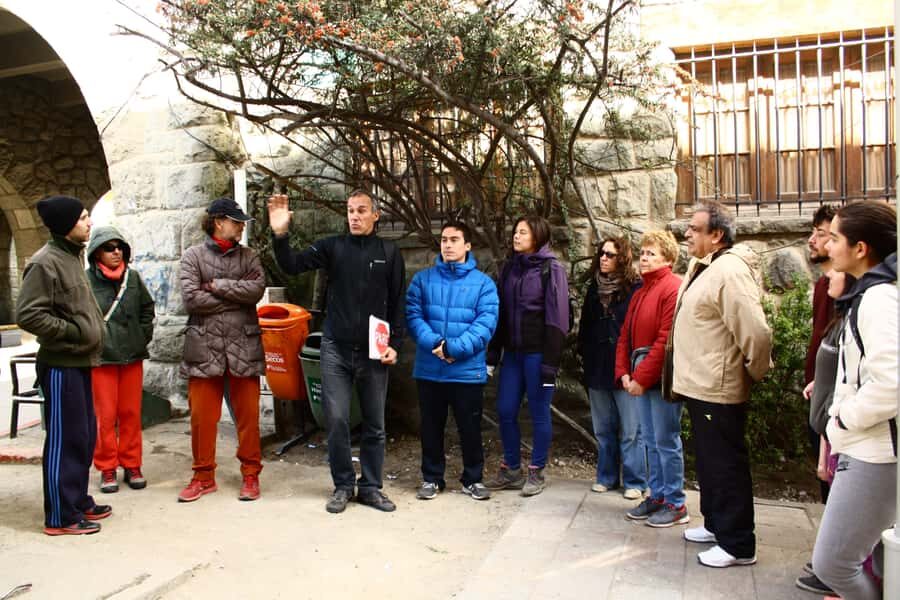
- Diego’s fast, thorough explanations that fit a short tour window
- Museum of Patagonia orientation at the Civic Center, with fossils, tools, and implements to revisit later
- Cathedral stained glass windows and the Via Crucis in a calm garden setting
- Nahuel Huapi Lake finish with glacial valleys for a memorable visual wrap-up
- English and Spanish official guide so you can follow clearly
Getting Your Bearings: Bariloche’s Indigenous Patagonia Story in 90 Minutes
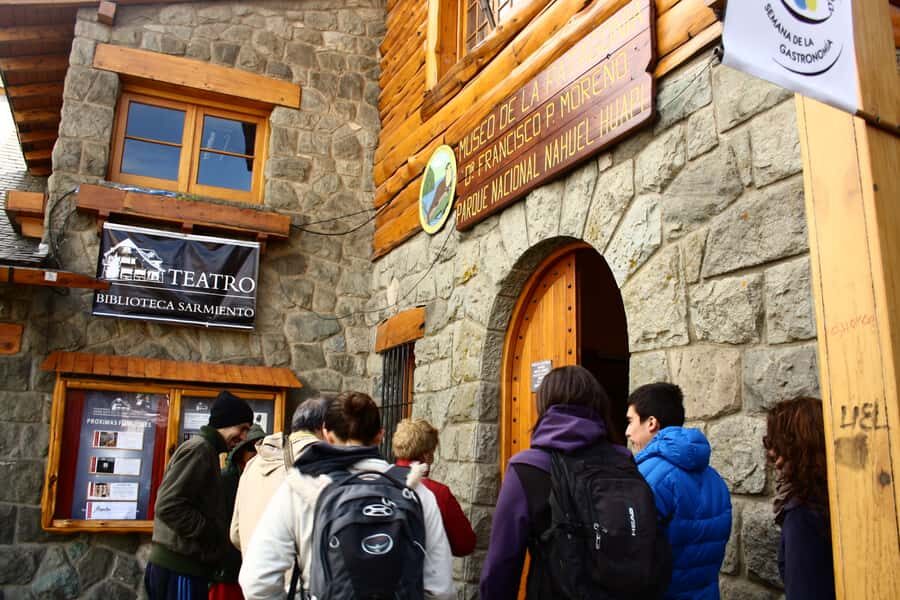
Bariloche can look like a classic lakeside town—pretty streets, big water, and plenty of places to take photos. What makes this tour useful is that it gives you a cultural and historical map to hang all those views on. In just 90 minutes, I think you get the kind of context that makes your later museum stops, neighborhood walks, and even casual conversations feel more grounded.
The magic here is how the experience links three different “learning zones.” You start with Indigenous Patagonia history and Bariloche’s development around the Civic Center. Then you shift to an architectural and religious landmark with famous stained glass and the Via Crucis. Finally, you end at the lake, where the glacial valleys look like they explain the region without saying a word.
Two reasons I’d recommend it. First, the guide’s style: Diego stands out in the reviews for being thorough without turning the tour into a lecture that drags. Second, the pacing: you’re not trapped in one building. You get a walking loop that keeps attention moving—and you still have time after the guided portion to return to the museum collections if you want.
You can also read our reviews of more historical tours in San Carlos De Bariloche
The Start at Centro Civico Square: Quick Orientation Before You Learn
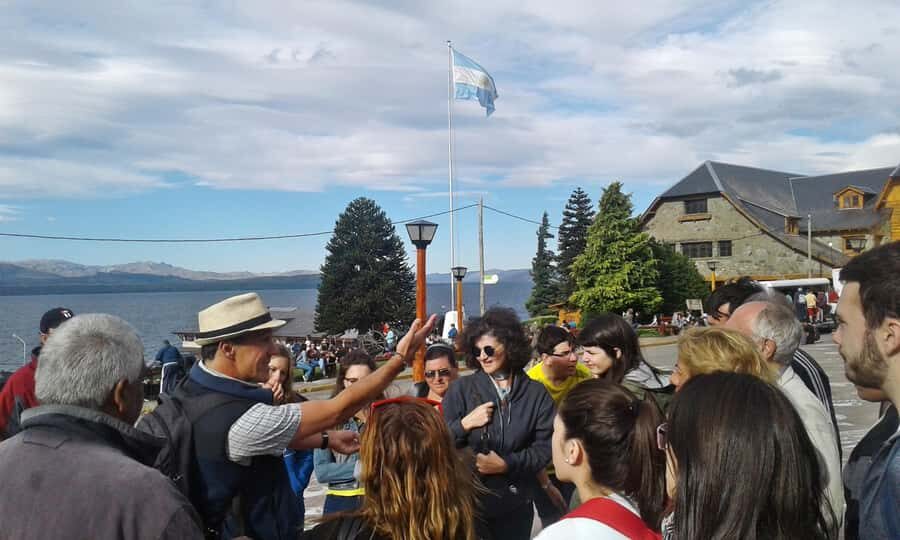
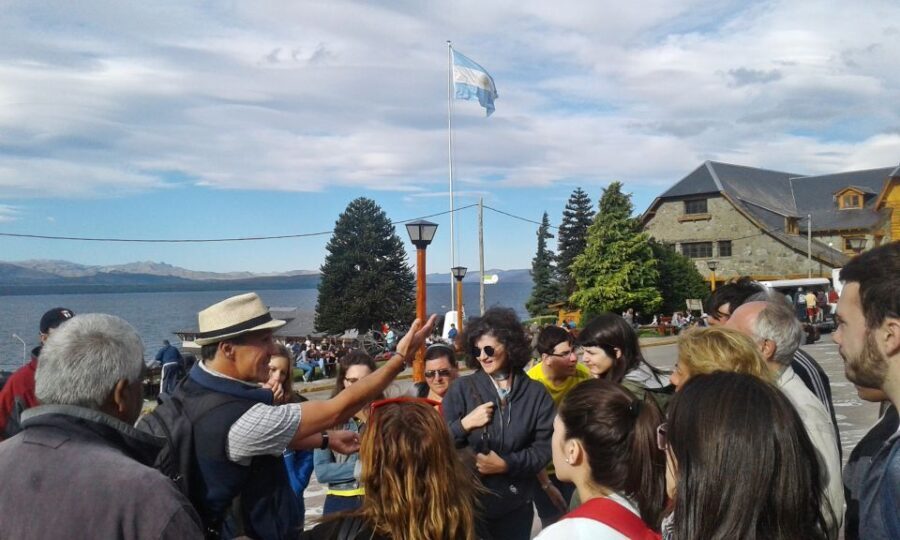
You meet by the door of the tourist information office at Centro Civico Square in Bariloche. That matters more than it sounds. This meeting point puts you in the center of town, near the Civic Center area, so you don’t waste time crossing town or figuring out routes while everyone else is already moving.
From there, the tour is designed to help you read the city. You’re walking through Bariloche with a guide who frames what you’re looking at—especially how the region’s original inhabitants and natural history connect to the story of the town itself.
This is also where I’d take the practical advantage seriously: a short guided walk like this is perfect for setting your mental “anchors.” You’ll likely remember what the guide points out later when you’re back at the museum galleries or when you pass the cathedral on your own.
Civic Center Stops and the Museum of Patagonia: Why the Collections Matter
A big part of the experience happens at the Museum of Patagonia, located in the Civic Center area. The museum was established in 1940 by the national government, originally to promote the then-remote ski resort town of Bariloche. That background is important because it explains why the museum sits at the heart of civic life, and why the collections don’t just focus on one topic.
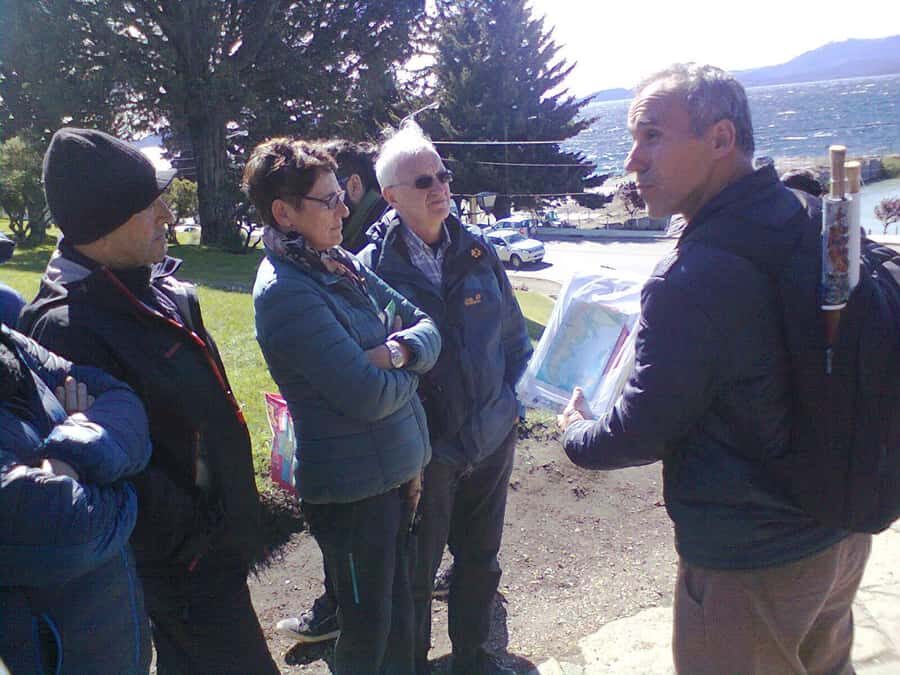
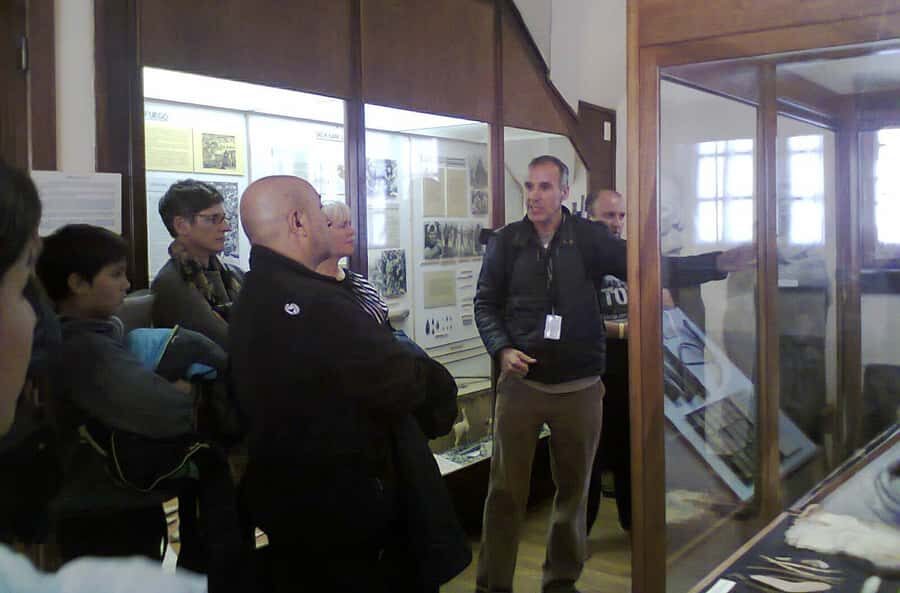
During the guided portion, you’ll explore the main sections of the museum. The goal isn’t to memorize every label. It’s to understand what you’re seeing and why it fits into Patagonia’s story—both natural history and the Indigenous peoples who lived there long before the town became a destination.
Here’s what makes this museum stop especially valuable for readers who don’t want a slow, hours-long visit. You get a guided route that points you toward the types of artifacts and displays you should pay attention to later, including:
- fossils
- tools
- implements
After the walking tour, you can use your entry ticket to return later in the day and go at your own pace. That’s a smart trade. You’re learning the big picture with the guide now, and you’re free to slow down later for the objects that truly catch your eye.
A small cost note you should plan for
The museum entry has an optional $2 contribution. If you want to keep your budget tidy, factor that in now. If your priorities are photography and quick orientation, you can still get value from the guided segment and later decide how deep you want to go.
Making Indigenous Patagonia Understandable (Without Turning It Into a Textbook)
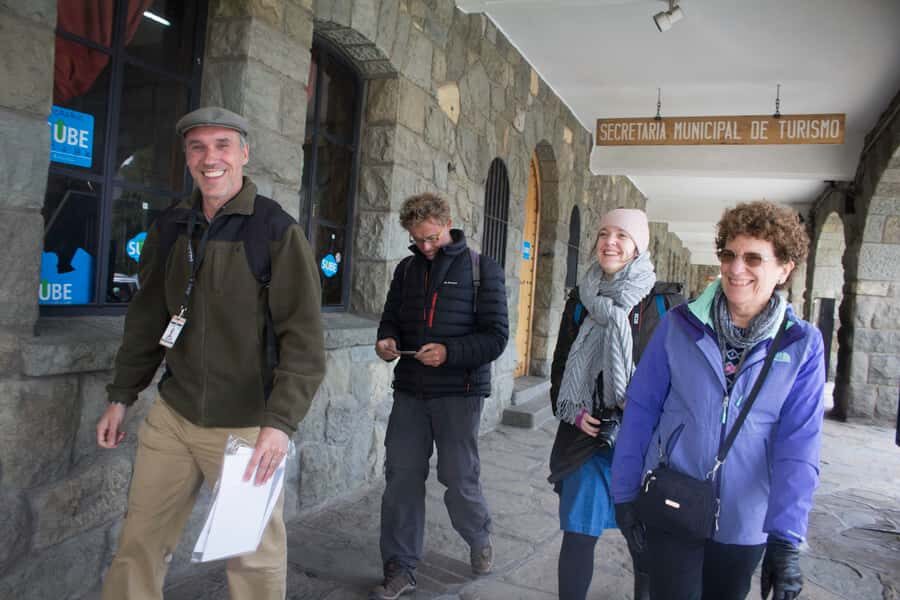
The title is Indigenous People of Patagonia History Tour, and the content is centered on Patagonia’s Indigenous history—walked through Bariloche and tied to what’s housed at the museum. The biggest thing I’d look for in a tour like this is clarity. You want the history to feel real, not like dates dumped into your lap.
The reviews you provided point toward that exact strength: guides like Diego are praised for being very knowledgeable and for explaining the Indigenous Patagonian people clearly and thoroughly in a short time. That matches what this format tries to do: give you enough context to connect the human story to the artifacts, natural history displays, and the region’s geography.
One of the underrated benefits of a guided historical walk is that you start to notice details you would otherwise skip. When the guide points out a theme—how the story of the place connects to its people, tools, and environmental conditions—you stop treating the museum like a random collection of items. It becomes a set of clues.
Just keep expectations realistic: this is 90 minutes. You’ll leave with a strong overview and specific places to revisit, not a fully exhaustive education. If you want to spend hours reading every label, plan on using the museum ticket after the tour.
Cathedral of Our Lady of Nahuel Huapi: Stained Glass and a Quiet Change of Pace
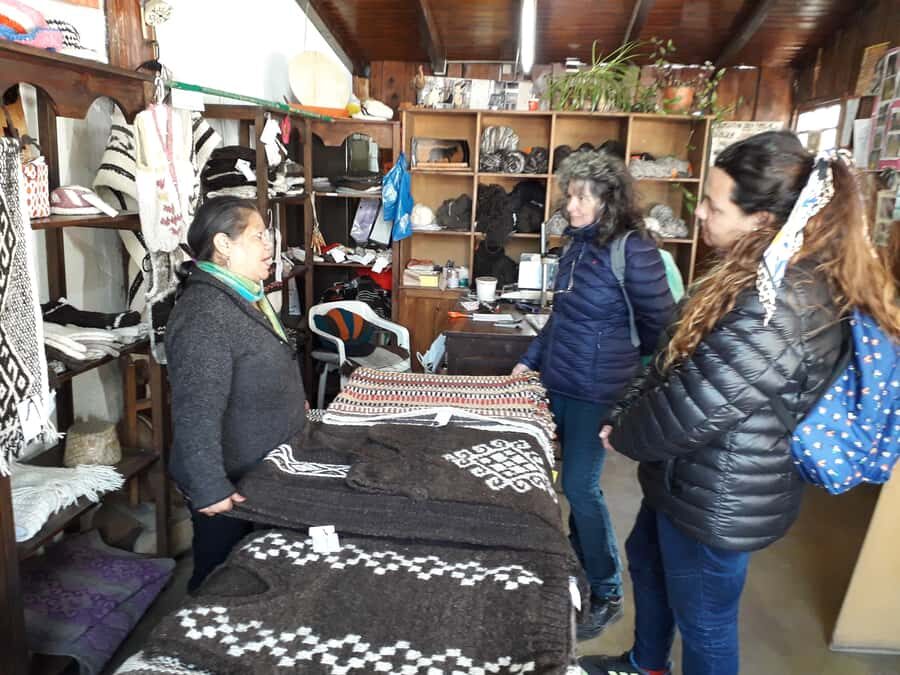
After the museum portion, you’ll make your way to the Cathedral of Our Lady of Nahuel Huapi. This part is a different kind of learning. Instead of artifacts and museum displays, you get symbols in glass and religious storytelling in a garden-like setting.
You’ll be able to marvel at the cathedral’s stained glass windows and the Via Crucis. It’s one of those stops that works best when you slow your eyes down a little—look at the colors, notice the way scenes are arranged, and let your guide’s explanations do the heavy lifting.
Why include a cathedral on a tour about Indigenous history? Because understanding a place isn’t only about one theme. Bariloche’s identity today includes layers of cultural influence, and religious art is one way those layers show up in public space. Even if you’re not particularly religious, it’s still worth seeing how the community expresses meaning through the visual language of the building.
Also, this is a nice pacing break. After museum time, moving to a landmark with garden surroundings can reset your brain before the final “big view” moment.
Ending at Nahuel Huapi Lake: Glacial Valleys as Your Final Visual Lesson
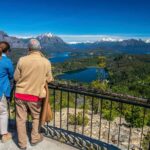
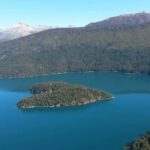
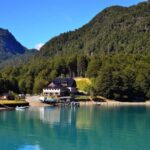
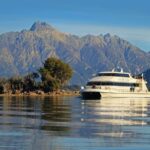
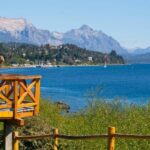
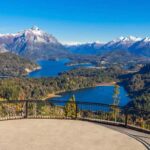
The tour ends on the shore of Nahuel Huapi Lake. If you’re the kind of person who thinks history should come with a view, this ending is made for you. You’ll gaze in awe at the glacial valleys—one of Patagonia’s strongest reminders that nature shaped the region long before humans built towns.
This finale works because it’s not random sightseeing. The lake and the valleys tie back to why Patagonia’s history is often inseparable from geography: weather patterns, water access, and the shape of the land influence everything from travel routes to settlement patterns to how people lived.
Even if you’ve been looking at lakes all trip, this finish still feels different because it’s timed after you’ve learned context. You’re not just seeing scenery. You’re seeing a background to a story.
Practical tip: bring your eyes ready for scenery. You don’t need special gear, but you’ll probably want time to look without constantly checking your phone.
Price and Value: What $41 Buys You in the Real World
At $41 per person for about 90 minutes, this is positioned as a short, guided “starter dose” of Bariloche and Patagonia context. The value isn’t only that you get a guide—it’s that the guide helps you use your time better.
For this price, you get:
- an English and Spanish-speaking official guide
- a 1.5-hour historical walking tour
Then there’s the museum angle. You’ll get guided orientation inside the Museum of Patagonia, and you can come back later with your ticket to explore the fossils, tools, and implements on your own schedule. That’s where the value tends to land for practical travelers: you’re not paying for hours of staring at walls. You’re paying for a guided path that helps you decide what’s worth your attention after.
About that small optional museum contribution: it’s not included in the listed cost, so treat it as a budget line item if you plan to fully participate in the museum experience.
Who This Tour Suits Best (And Who Might Want More Time)
This tour fits best if you:
- want an organized introduction to Indigenous Patagonia history without committing to a full-day study session
- like mixing indoor learning (museum) with outdoor moments (cathedral and lake)
- appreciate a guide who can explain the story clearly in a short time (Diego is repeatedly praised for this)
It may feel limiting if you:
- want a long, museum-heavy day where you can spend hours reading everything
- dislike walking or prefer to sit most of the time (this is a walking tour, even if it’s manageable)
If you fall into the second group, you can still take the tour, but use it as orientation, not as your only museum experience.
Practical Details That Help Your Day Go Smoothly
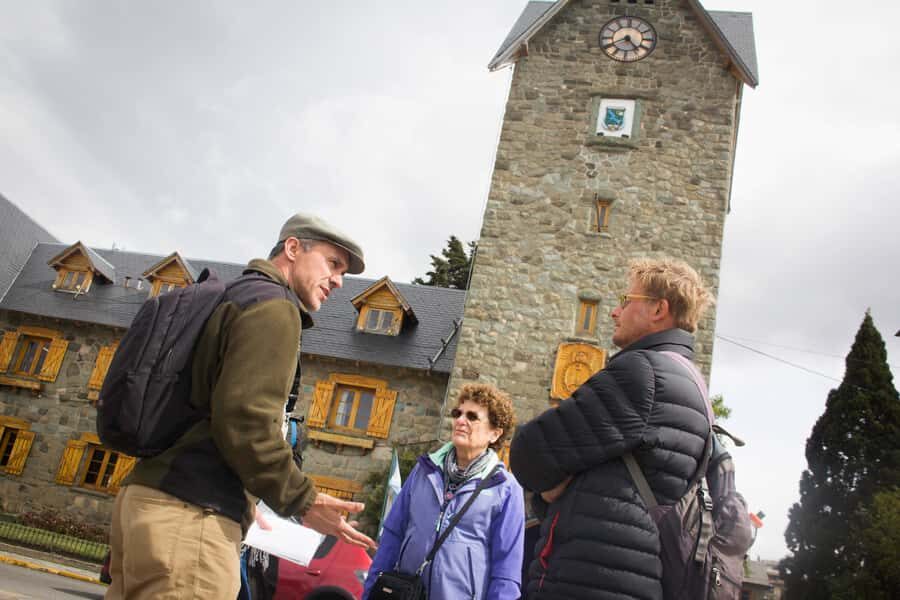
You’ll want comfortable shoes—the tour includes downtown walking and museum movement. Pets are not allowed. You’ll be guided in either Spanish or English, so check what language you’re booking for if language matters to you.
In terms of timing, the tour is listed as 90 minutes. That’s helpful because it’s easy to plug into a day in Bariloche: do the guided portion, then use the rest of your time for slower museum browsing, a garden pause, or lake views on your own.
Should You Book This Indigenous People of Patagonia History Tour?
Yes—if you want a clear starting point that connects people, objects, and place. The strongest reason to book is the combination: a well-explained Indigenous Patagonia narrative, a guided orientation inside the Museum of Patagonia, and a finishing view at Nahuel Huapi Lake that makes the region feel bigger than a photo.
I’d also book it because it’s short enough to fit real travel days, yet structured enough that you leave with specific places to revisit later. The optional museum contribution is small, and the walking format keeps the tour from feeling stuck in one room.
If you want history with context and a view at the end, this one is a solid use of time in Bariloche.
FAQ
Where is the meeting point for the tour?
Meet by the door of the tourist information office located at Centro Civico Square in Bariloche.
How long is the Indigenous People of Patagonia History Tour?
The tour lasts 90 minutes.
How much does the tour cost?
The price is $41 per person.
Are the Museum of Patagonia fees included?
The Museum of Patagonia entry has an optional $2 contribution, which is not included.
What languages are available for the guide?
The tour is offered with an official guide in Spanish and English.
What should I bring?
Bring comfortable shoes for the walking portion.
Can I cancel my booking?
Free cancellation is available if you cancel up to 24 hours in advance for a full refund.