REVIEW · SALTA
Quebrada de Humahuaca and Purmamarca
Book on Viator →Operated by Tangol · Bookable on Viator
That first turn into the quebrada sets the tone. This is a long, scenic day through Argentina’s north—mountain villages, Indigenous culture, and art that ties back to the Cuzco School—done with hotel pickup and a guided route through the classic sights around Purmamarca and Humahuaca.
I especially like how the day balances big-view stops (Cerro de los Siete Colores, Painter’s Palette) with culture-focused moments (Uquía’s 17th-century paintings and the Cuzco School works in Humahuaca). I also love that you’re not stuck on a single street—your guide builds the story of the valley as an Inca route and later a colonial commercial corridor.
One thing to consider: it’s a 12-hour schedule with lots of timed stops, so if your priority is slow wandering or lots of English commentary, you might feel rushed (and lunch is on your own).
In This Review
- Key things to know before you go
- Quebrada de Humahuaca: the 155-km story behind the views
- Purmamarca and Cerro de los Siete Colores: quick stop, major color payoff
- Tilcara and Pucará ruins: pre-Inca viewpoints with museum context
- Huacalera: Tropic of Capricorn photos and the Pollera de la Coya hill
- Uquía: 17th-century paintings tied to the Cuzco School
- Humahuaca at midday: Independence Monument, cathedral, and Cuzco School works
- Back toward Salta: Paleta del Pintor and the Route 9 drive
- San Salvador de Jujuy: Cathedral of San Salvador and Flag’s Hall
- Price and logistics: is $86 worth it?
- Pace, group size, and the guide factor (including names you might hear)
- What to pack and how to handle lunch without stress
- Should you book this tour?
- FAQ
- How long is the Quebrada de Humahuaca and Purmamarca tour?
- What time does pickup start in Salta?
- What’s included in the price?
- Is lunch included?
- Are entrance fees included?
- Where does the tour end?
Key things to know before you go
- Hotel pickup and drop-off from most Salta hotels means you start the day without hassle
- Quebrada de Humahuaca is UNESCO-listed, and your guide connects the scenery to Inca and colonial routes
- Purmamarca’s Seven Colors Hill is a short stop that still delivers serious payoff
- Tilcara and Pucará add a pre-Inca angle with viewpoint ruins and an archaeological museum visit
- Uquía’s church paintings bring Indigenous artistry and Cuzco School influence into the mix
- Humahuaca plus Jujuy (Flag’s Hall) keeps the day from feeling like a one-note photo safari
Quebrada de Humahuaca: the 155-km story behind the views
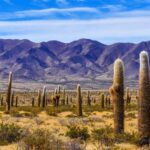
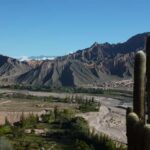
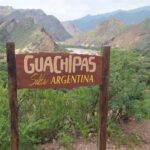
Your day starts with a morning coach pickup from selected hotels in Salta, typically beginning around 7:00am. Then you drive into the Quebrada de Humahuaca, a 155-kilometer mountain valley in Jujuy province where the Río Grande shapes what you see and how people historically traveled.
Here’s what makes this valley more than just scenic driving: it was used as an Inca caravan road, later became part of the colonial commercial route, and the region also figures into the Argentine War of Independence story. Once you hear those connections, the bends in the road and the layered ridges start to feel purposeful, like you’re moving through a corridor that mattered.
Your guide’s commentary is the glue. On this route, it helps to listen early, because the day is packed and you’ll want the context before you hit the first viewpoint.
You can also read our reviews of more tours and experiences in Salta.
Purmamarca and Cerro de los Siete Colores: quick stop, major color payoff
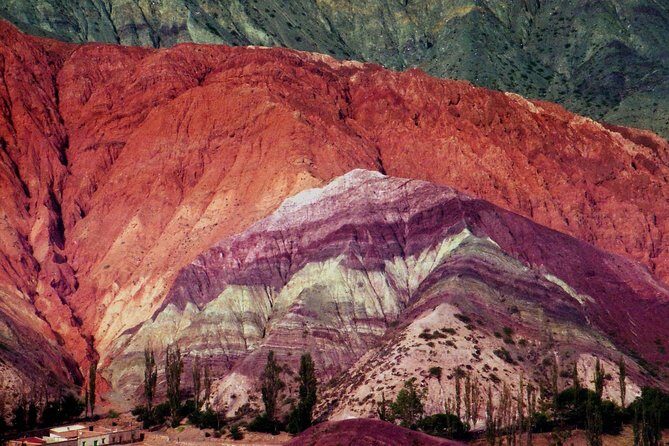
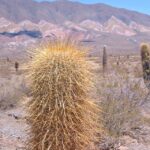
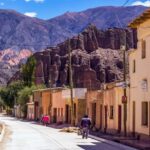
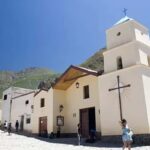
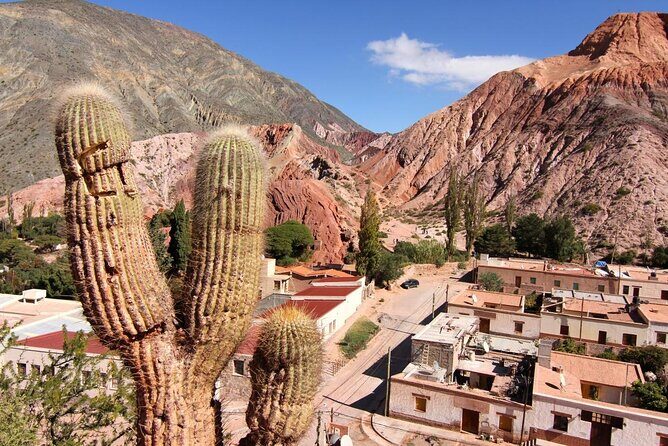
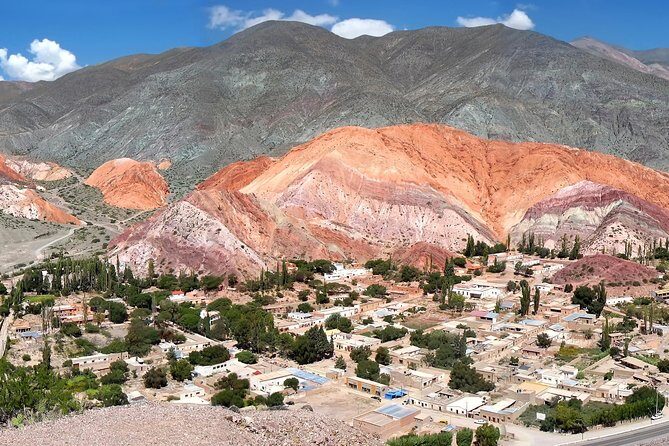
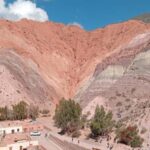
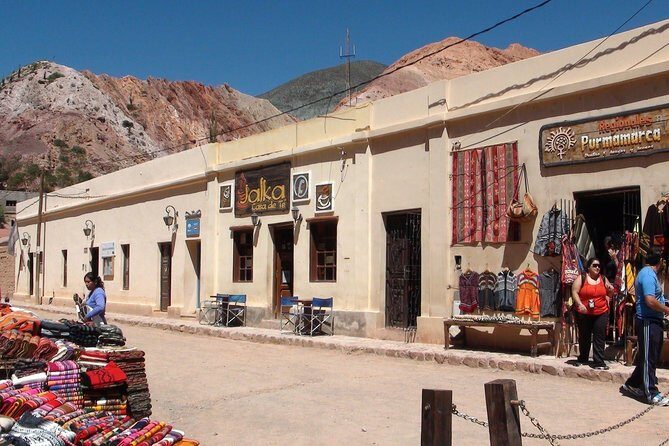
Purmamarca is small, walkable, and built around that classic Andean-photo moment: Cerro de los Siete Colores (Seven Colors Hill). When you arrive, you’ll get time to stroll around town, check out the cacti-covered church, and browse the market for wool and handmade items.
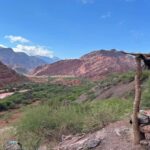
Then comes the hill—striated bands in creamy tones, greens, and deep purples that look almost unreal. Even if your stop is short, the colors hit fast, and the hill is big enough that you can enjoy it without needing fancy camera skills.
Practical tip: go for photos right away, and keep your pace steady. This is one of those stops where the group timing matters more than lingering, because you still have Tilcara, Uquía, and Humahuaca ahead.
Tilcara and Pucará ruins: pre-Inca viewpoints with museum context
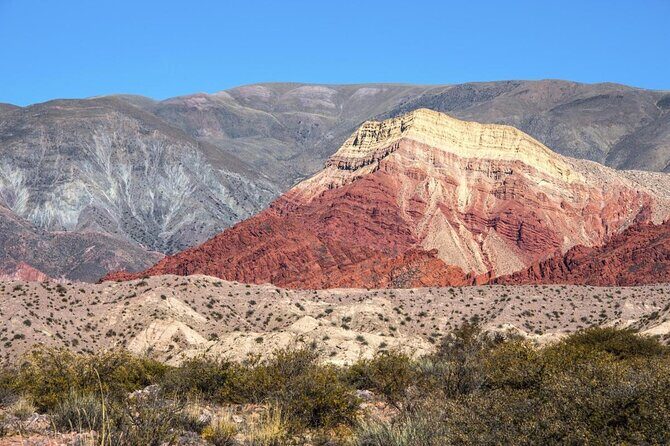
Tilcara is where the day adds another layer: archaeology and viewpoint ruins. Outside town, you’ll visit the Pucará ruins, climbing up for sweeping views across the quebrada—then you return for the town square and the archaeological museum visit.
What I like about this stop is that it’s not just “look up at ruins.” You get the sense of why people built fortifications in this area: visibility, control, and a strategic advantage from higher ground. The museum visit helps you connect the rocks to the human story, so the ruins don’t feel like random piles on a hill.
Note on cost: the entrance fee to Tilcara Ruins is not included, so if you’re budgeting tightly, set aside a bit for that.
Huacalera: Tropic of Capricorn photos and the Pollera de la Coya hill
From Tilcara direction, your route passes through Huacalera and moves toward the Tropic of Capricorn area. You’ll stop for photos from the sundial spot on the way, which is a fun change from the typical “pretty town” stops—this one has a geographic gimmick that still feels real.
Then you’ll see La Pollera de la Coya, another huge multicolored hillside. It’s not just about the look; it’s about how the mountains show layers of time, minerals, and erosion. Your guide can help you interpret what you’re seeing, especially when paired with the earlier Inca-and-colonial route explanation.
This portion of the day is also a good reminder to bring a jacket/sweater. Even in daylight, the air can cool as you gain elevation, and you’ll be standing around for photos.
Uquía: 17th-century paintings tied to the Cuzco School
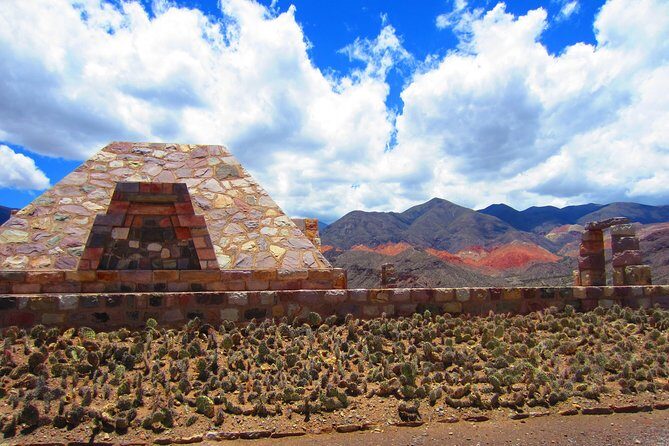
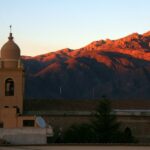
Uquía is one of the most meaningful stops on the route because it shifts from scenery to art and identity. You’ll visit the area where you can admire intricate 17th-century paintings created by Indigenous students associated with the Cuzco School tradition.
What I take from this stop (and what you’ll likely appreciate) is the cultural mixing. You’re looking at Roman Catholic art forms shaped through Indigenous artists’ hands, in a setting that also reflects how northern Argentina interacted with broader Andean influence.
Time here is limited, so don’t treat it like a quick glance. Slow down for the details—faces, composition, and the way the paintings sit in their local setting.
Humahuaca at midday: Independence Monument, cathedral, and Cuzco School works
Humahuaca is the northernmost town on this circuit and the area’s most densely populated town. You’ll arrive around midday for a stroll through cobblestoned streets and white colonial buildings, with enough time to feel the town’s rhythm rather than just pass through.
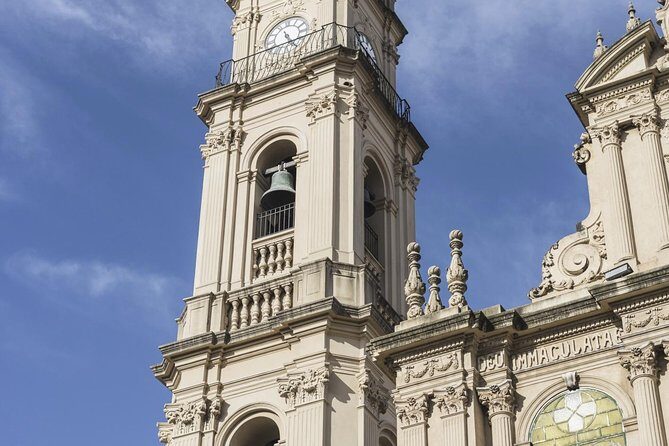
Key sights include the Monument of Independence (built in 1950), the local cathedral, and additional Cuzco School paintings. This is also where you’ll likely refuel with lunch, but the tour doesn’t include food—so you’ll need to choose a place in town.
A small strategy helps: ask your guide for two options before you split off. When you’re on a schedule, having a short list keeps you from losing time wandering in search of the “perfect” meal.
Back toward Salta: Paleta del Pintor and the Route 9 drive
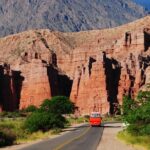
After lunch, the tour turns south again, with a photo stop for La Paleta del Pintor (Painter’s Palette). This refers to triangular rock/stripe formations in rose, green, and ocher that visually frame the town of Maimará.
Then you’re back on the winding Route 9, where the scenery is the main event. Your return drive includes pass and valley highlights such as the Santa Laura Pass, Campo Alegre, Vaqueros, and a stop where you can see the dam area of La Cienaga (the Swamp), plus Las Maderas along the way.
This part of the day is scenic, but it can also feel like “time on the bus,” especially toward the end. The good news is you’ll likely appreciate the drive more if you’ve been paying attention to what your guide said earlier about how the quebrada functioned as a route.
San Salvador de Jujuy: Cathedral of San Salvador and Flag’s Hall
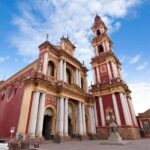
On the way back, you stop in San Salvador de Jujuy, where you’ll visit major central-city landmarks. You can see the Cathedral of San Salvador de Jujuy, then make a stop at the Flag’s Hall—described as French Baroque–style—and also view Government House.
This segment matters because it gives the day a “present-day city” contrast. After hours in small towns and highland viewpoints, you get a cultural and architectural reset, with formal public spaces instead of market streets.
Time here depends on the flow of the route and the day’s traffic, but it’s a nice counterweight to the constant mountain focus.
Price and logistics: is $86 worth it?
At $86 per person for an ~12-hour full-day tour, the price makes sense when you treat it like a guided day-trip package rather than a series of individual outings. You’re getting round-trip transport from most Salta hotels, an air-conditioned coach, and a professional guide covering several towns and major stops.
Value also comes from the sequencing. The day moves logically—Purmamarca color, Tilcara ruins and museum, Uquía paintings, Humahuaca town + cathedrals + art, then the Jujuy city landmark stops. If you tried to DIY this route, you’d spend more time coordinating transportation and still risk missing some key context.
That said, you should know where the friction points show up:
- This type of full-day tour can become a long day if timing slips due to traffic.
- Language experience can vary. Some English-speaking guests have reported that commentary can be mostly Spanish with English abridged, even when the guide speaks good English.
- You may share the vehicle with other tour groups, which can create waiting time in places like Humahuaca.
If you’re flexible and your goal is the main sights plus cultural context, you’ll likely feel like the day paid off. If you want long stays in just one or two towns, plan to choose a different style of tour.
Pace, group size, and the guide factor (including names you might hear)
This tour runs with a group size capped at 30 travelers, which keeps it from feeling like a huge bus tour. The biggest difference between an excellent day and an okay one often comes down to the guide and driver rhythm.
In past groups, names like Abel (with driver Antonio) and Pamela, Maria, Gaucho Mike, Noemi, and Freddy show up in feedback for good organization and fun, accessible commentary. The common thread: when guides actively manage the timing and translation, the whole day feels smoother and more meaningful.
If your Spanish is basic, don’t panic. You can still enjoy the route through visuals and the guide’s explanations, but you’ll get more out of it if you’re comfortable following some key place names as the day goes.
What to pack and how to handle lunch without stress
Bring comfortable shoes for cobblestones and short climbs at viewpoints, and wear clothes that handle temperature shifts. The tour guidance recommends a jacket/sweater and sunscreen, which is exactly what you’ll want when you’re standing outside for photos in high elevations.
Food is on you. Lunch is not included, so you’ll either eat in Humahuaca or bring snacks if you like controlling your timing. Your best move is to decide how you feel about lunch in advance:
- If you like local spots, let the guide help you choose in Humahuaca.
- If you’d rather stay independent, bring a simple snack so you’re not rushed when the schedule tightens.
Also, the tour suggests you may bring your own food and drinks, which can be a lifesaver when the day runs long.
Should you book this tour?
Book it if you want a single full day that covers the core sights of the quebrada area—Purmamarca color, Tilcara ruins, Uquía’s painting stop, Humahuaca town time, and the Jujuy city landmarks—without car planning or complex logistics.
Skip or choose something else if you’re picky about pace. The day is long, and you may feel time pressure in key towns, especially if you’re hoping for extra wandering or uninterrupted English commentary. If that’s your priority, consider a slower-format option instead.
My practical rule: if you can enjoy a “many stops, one guided day” approach, this is a strong way to experience the magic of northern Argentina’s highlands with structure and context.
FAQ
How long is the Quebrada de Humahuaca and Purmamarca tour?
It’s approximately 12 hours total.
What time does pickup start in Salta?
Pickup typically starts early, with start time at 7:00am.
What’s included in the price?
You get hotel pickup and drop-off, a professional guide, and an air-conditioned vehicle.
Is lunch included?
No. Food and drinks are not included, and lunch in Humahuaca is at your own expense.
Are entrance fees included?
Most listed stops are shown as free, but the entrance fee to Tilcara Ruins is not included.
Where does the tour end?
The tour returns you to your original meeting point in Salta, with hotel drop-off included.