REVIEW · SALTA
From Salta: Quebrada de Humahuaca, Purmamarca and Tilcara
Book on GetYourGuide →Operated by La Quebrada Turismo · Bookable on GetYourGuide
You feel the altitude before you even climb. I love the UNESCO Humahuaca Gorge and the way this route pulls you into Purmamarca’s Hill of Seven Colors without any extra fuss. One possible drawback: it’s a 12-hour sprint, so you’ll mostly get photo stops plus short guided walks.
You’ll ride with a bilingual Spanish/English guide, and if your guide is Fabio, you may get that extra personal touch that goes beyond facts. In one recent experience he cooked a simple veg-and-cheese snack at meal time and joined local music for singing, with jokes and smooth translation so both Spanish and English speakers could keep up.
In This Review
- Key things to know before you go
- Entering Jujuy’s UNESCO Humahuaca Gorge in One Long Day
- Salta to Volcán: A quick warm-up with real altitude
- Purmamarca and the Hill of Seven Colors: the signature stop
- Tilcara and the Pucará fortress ruins: history under your feet
- Huacalera and the Tropic of Capricorn sundial: a tiny stop with meaning
- Uquía’s chapel and the laminated gold: the most delicate moment
- Humahuaca city at 2,940 meters: cobblestones and the big monuments
- Maimará’s Painter’s Palettes and the quick route stops
- Ceramics factory stop: a practical add-on for real souvenirs
- Price and logistics: is $38 good value for this day?
- How to make the most of a tight schedule
- Should you book this Salta to Jujuy tour?
- FAQ
- How long is the tour from Salta?
- What are the main places included on this day trip?
- Is lunch included?
- Do I get a bilingual guide?
- Where does pickup happen in Salta?
- How early should I be ready for pickup?
- What if I’m late to pickup?
- Will the tour cancel if the weather is bad?
- Is alcohol or drugs allowed on the tour?
- Can I bring pets?
Key things to know before you go
- UNESCO Humahuaca Gorge: built-in stops across a world-heritage canyon corridor
- Purmamarca’s Hill of Seven Colors: guided time in the iconic spot
- Tilcara’s Pucará ruins: a fortress story set high in the mountains
- Uquía chapel with laminated gold work: a rare detail you won’t forget
- Humahuaca at 2,940 meters: cobbled town center plus major landmarks
- Arts-and-crafts and ceramics time: chances to buy local pieces, not just look
Entering Jujuy’s UNESCO Humahuaca Gorge in One Long Day
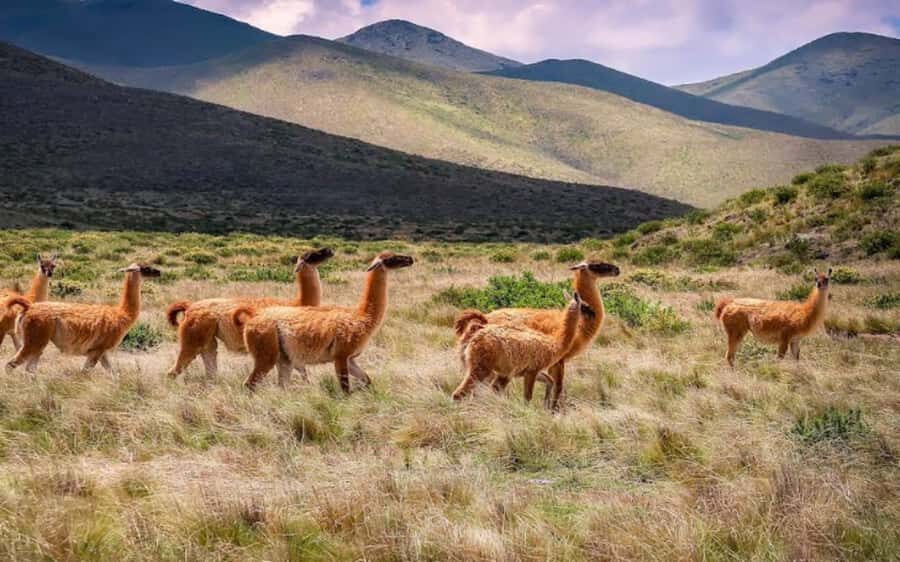
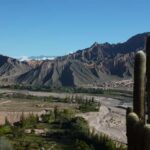
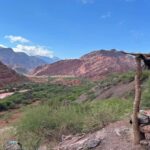
This tour is all about doing a lot with planning. You cross the Humahuaca Gorge on a day trip that’s officially tied to UNESCO Natural and Cultural Heritage, and you feel it fast: the region has that dramatic, high-Andes look where the rock looks sculpted and every turn gives you a new angle.
I like that the experience isn’t only about staring out a window. You get guided time in multiple towns, not just a bus loop. The route also includes the key landmarks people come for: Purmamarca and its famous color hill, Tilcara and its Pucará fortress, and Humahuaca itself.
The trade-off is time. You’ll move from stop to stop with short windows for photos and walks. If you want to linger for hours in just one town, this isn’t the day for you. But if your goal is to see the big signatures of Jujuy Province without renting a car, this format works.
You can also read our reviews of more tours and experiences in Salta.
Salta to Volcán: A quick warm-up with real altitude
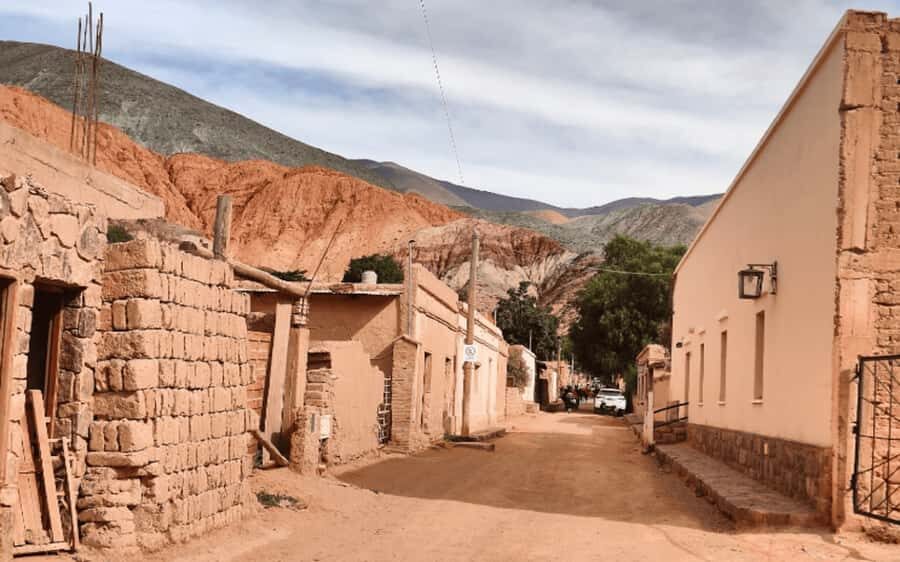
You start with pickup in Salta from hotels or central addresses within about 15 blocks of the main square. Then it’s roughly two hours by bus/coach before the first real pause.
Volcán is your early stop, with about 10 minutes of free time. It’s not meant to be a full “visit,” more like a chance to stretch your legs and reset before the day’s driving and town hopping start. In this part of Argentina, those short breaks matter. They help you handle timing and still have energy for the longer guided segments later.
Practical tip: keep your camera ready. Even in quick stops, the views tend to feel like they’re changing every minute at altitude.
Purmamarca and the Hill of Seven Colors: the signature stop
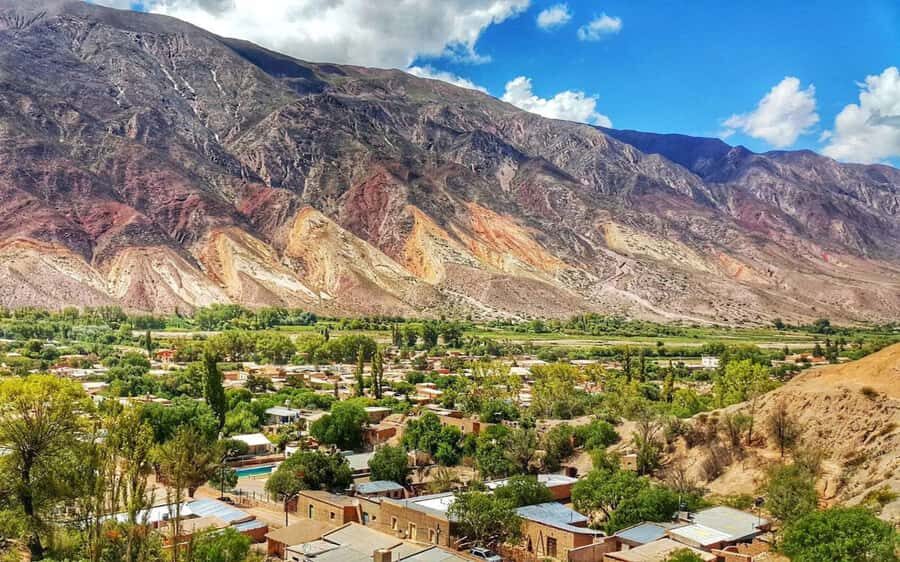
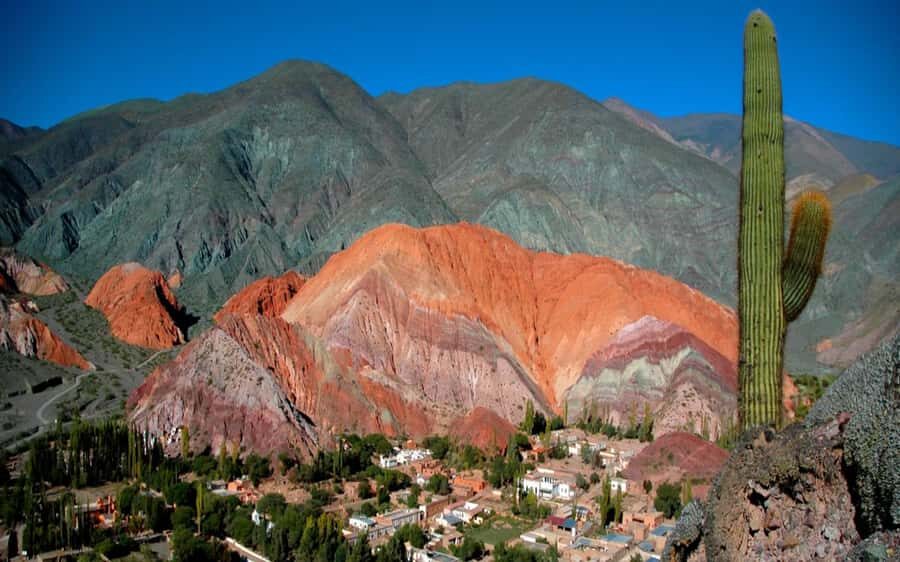
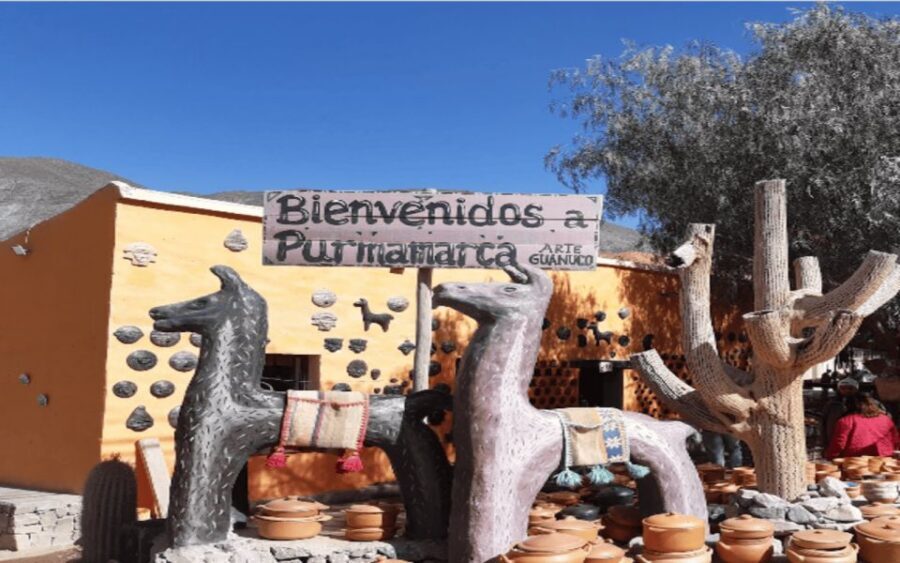
Purmamarca is the first town where the day becomes more than scenery. You get about 40 minutes here, including a photo stop, a guided visit, time to shop, and a short walk.
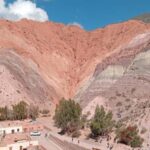
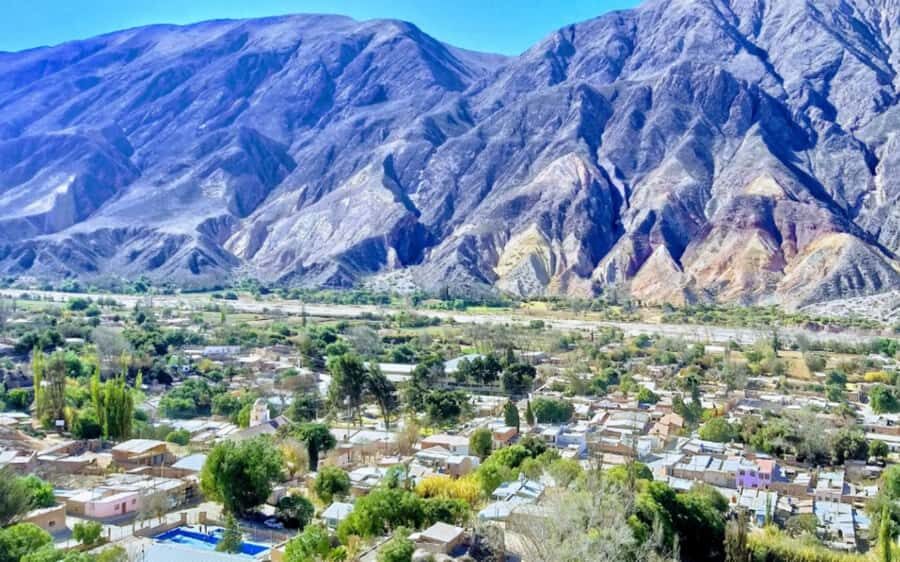
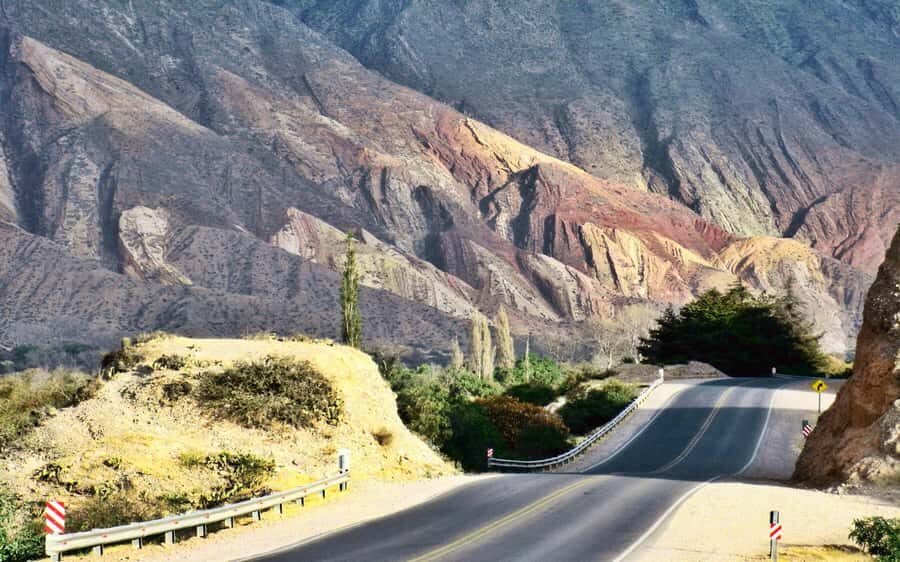
The star is the Hill of Seven Colors. This is the kind of place where the name isn’t marketing fluff. You see the tones in the rock layers and it’s easier to understand why it’s become a symbol for the region. Having a guide for part of the time also helps you connect what you’re seeing to the broader culture and history of the area, instead of just snapping pictures and moving on.
You’ll also have some shopping time. If you enjoy small local crafts, this is a decent moment to browse while you’re already in the zone where people make and sell traditional items.
Possible drawback: Purmamarca’s time is scheduled, so if you fall in love with one exact viewpoint, you’ll still feel the pressure of the clock. Go where your photos need you first, then use the remaining time to wander.
Tilcara and the Pucará fortress ruins: history under your feet
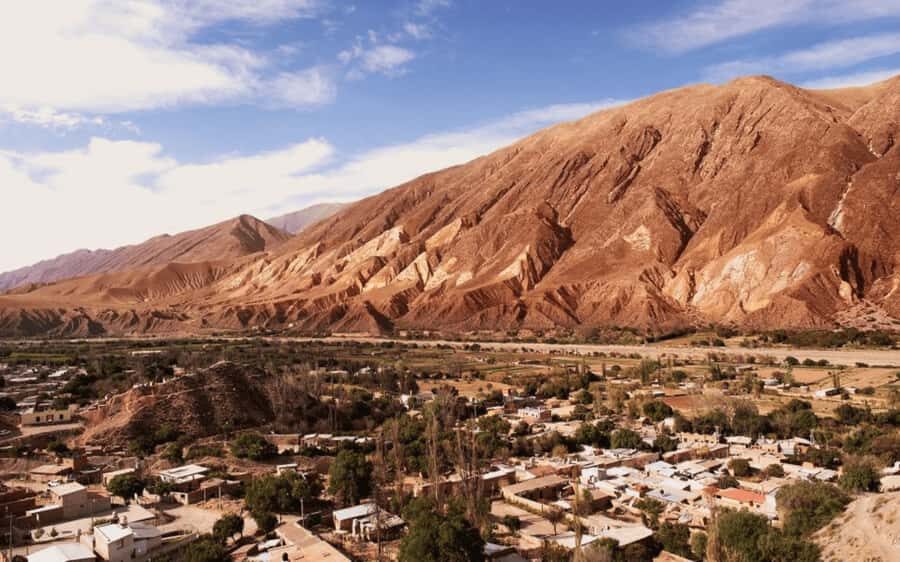
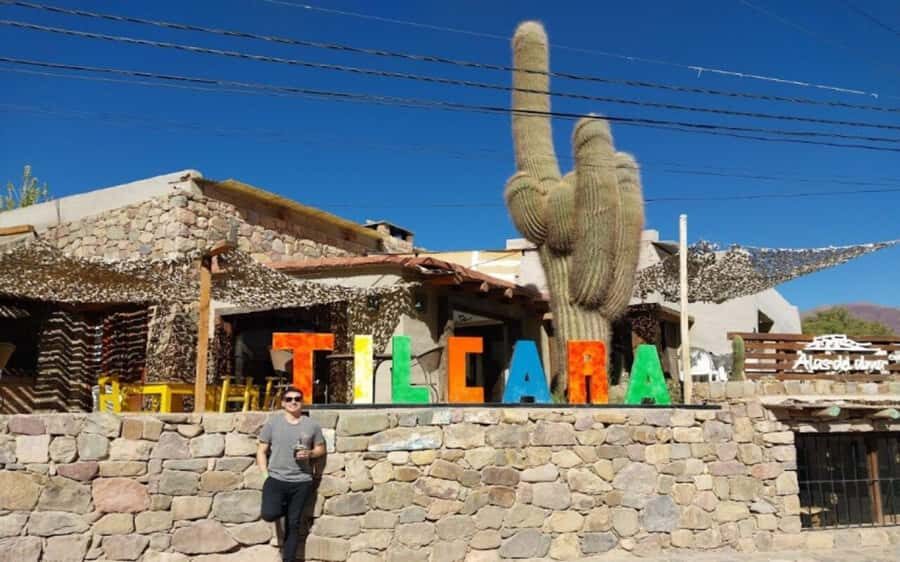
Tilcara is next, and it’s one of the better “mindful stops” on the route. You get a photo stop plus about 35 minutes for a visit, guided tour, sightseeing, and free time. It’s built around Tilcara’s Pucará, the high-mountain fortress ruins.
Even if you’re not a “ruins person,” the Pucará adds a different flavor to the day. Instead of focusing on colors and views, you shift to how people lived and defended themselves in the Andes. You get a sense of why fortresses were placed where they could dominate routes and watch for movement.
And yes, you’ll likely do a bit of walking on uneven ground. Comfortable shoes matter more than you think on short, town-based tours like this.
Huacalera and the Tropic of Capricorn sundial: a tiny stop with meaning
Huacalera includes the Tropic of Capricorn and the Sundial. The time here is short—about 10 minutes for photo stop, visit, guided tour, and a quick walk.
This is one of those stops that can feel almost too quick, unless you remember what it is. Being on a line like the Tropic of Capricorn is the kind of geographic detail that ties a remote place to the wider map of the world. The sundial element also adds a hands-on angle: you’re not just hearing a trivia fact, you’re seeing the symbol.
If you’re the type who likes a story behind the scenery, you’ll appreciate this one more than you’d expect given the short schedule. If you’re chasing big viewpoints only, you might feel rushed—but it’s a worthwhile break in the middle of the heavier town segments.
Uquía’s chapel and the laminated gold: the most delicate moment
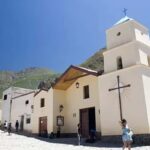
Uquía is where the day gets quietly special. You spend around 35 minutes here with photo stop, a guided visit, free time, and even shopping, plus a visit to an arts-and-crafts market.
The headline is the chapel at Uquía, described as built in the 17th century, and worked in laminated gold. That’s a detail you’ll want to see in person. Gold leaf work doesn’t read the same through a phone screen. Up close, you catch texture and reflections in a way that makes the stop more than a quick checkmark.
This is also where you can slow down just enough to notice the smaller cultural layers: local markets, handmade goods, and the way visitors are treated in an everyday town setting rather than a staged tourist zone.
Budget note: you’ll have time to shop at multiple stops, so if you want to buy anything, keep some space in your day-to-day plan and in your wallet.
Humahuaca city at 2,940 meters: cobblestones and the big monuments
Humahuaca is the gorge’s largest town, and it’s also the highest point of the route at 2,940 meters above sea level. You get about two hours here, including break time, a photo stop, a guided tour, lunch time (food isn’t included), and additional free time for shopping and sightseeing.
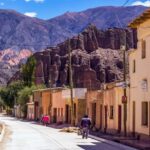
The center has cobbled streets and iron lampposts on street corners, which gives it a very distinct feel. Even if you’re tired from the road, that “walkable town” vibe helps the day feel complete rather than like a checklist.
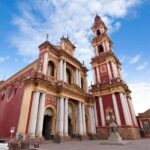
The main attractions you’ll cover include the Independence Monument, the Cathedral Church, and the Municipal Building. A guided tour here is a big value because it connects the buildings to the region’s story instead of leaving you with isolated photo moments.
One practical thing: altitude can make you feel a little off if you’re used to lower levels. Don’t panic. Just take it slow in town, sip water if you brought some, and don’t sprint between landmarks.
Maimará’s Painter’s Palettes and the quick route stops
After Humahuaca, the day keeps moving. You’ll have a quick stop at Paleta del Pintor (Painter’s Palettes), with photo stop, visit, guided tour, free time, sightseeing, and a short walk.
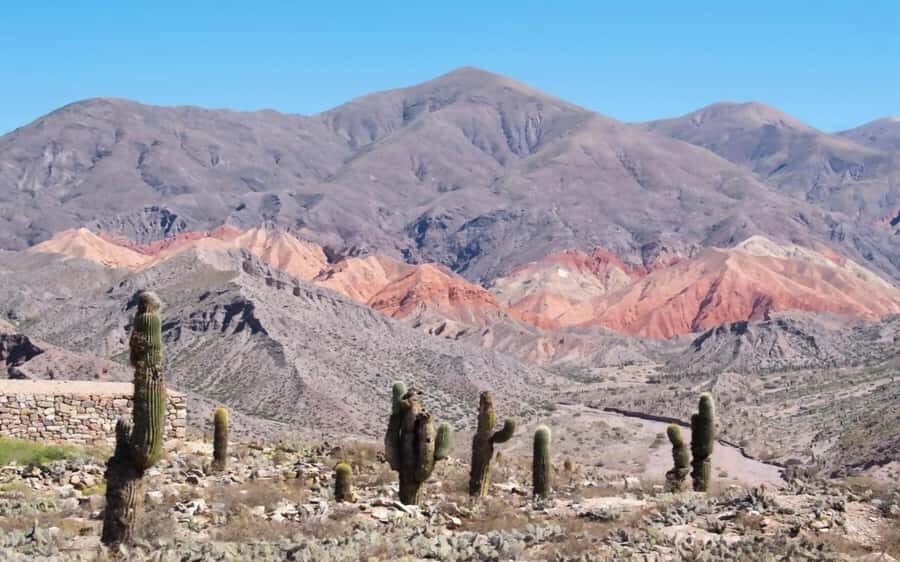
This is the place known for the colorful slopes called the Painter’s Palettes. Compared to Purmamarca, it’s often more about feeling the color bands in the hills than standing in front of one single iconic feature. If you enjoy geology visuals and color gradients, this brief segment can be a satisfying finish to the day’s theme.
You also have short breaks along the way, including Tumbaya with about 10 minutes. The point of stops like this is simple: give you a chance to stretch, use restrooms if available, and reset before the return drive.
Ceramics factory stop: a practical add-on for real souvenirs
The tour includes a ceramics factory as part of the experience. That’s a useful inclusion because it can turn shopping into something with context. Instead of buying a random souvenir, you get to see how the craft is made and how it fits into local production.
The exact timing of the factory stop isn’t the emotional centerpiece of the day, but it matters for value. When a tour builds in a production workshop, it usually gives you better decision-making about what to buy and why.
Price and logistics: is $38 good value for this day?
At $38 per person for a 12-hour guided day with transportation and multiple UNESCO-level stops, the value is pretty solid. You’re paying for organization: the driver, the bus/coach time, and bilingual guide support through several towns where you’d either spend extra time figuring things out—or miss out on context.
The big “not included” item is meals and drinks. Lunch time is built into the schedule, but you’ll need to handle food on your own. So the real cost in your head should include at least one meal you’ll buy during the day.
What you do get for the money:
- Transport by bus/coach (and similar vehicles)
- A bilingual guide in Spanish and English
- Guided time at key sites like Purmamarca, Tilcara, Uquía, and Humahuaca
- Time for shopping and arts-and-crafts browsing
- Stops like the Tropic of Capricorn sundial and ceramics production
Small but important logistics: the driver/guide has a sign with your last name. They won’t wait longer than five minutes past pickup time, so be ready. Also, the excursion doesn’t get canceled just because of rain or bad weather, so pack for real outdoor time.
How to make the most of a tight schedule
You’re going to cover a lot of ground, so planning your energy helps.
Wear comfortable shoes for uneven walking. Even when the walks are labeled short, you’ll move across cobbles and rocky ground. Dress in layers too. High altitude days can shift quickly.
Bring a plan for photos. Purmamarca and Humahuaca are likely your best photo opportunities, and Uquía’s chapel is one of the most visually detailed interior stops. If you wait too long to pull out your camera, you risk rushing later.
If you’re traveling with someone who likes to shop, this tour gives you multiple built-in moments for that. Just remember food and drinks aren’t part of the price, so you’ll want to budget for one paid meal and any bottled water you might want.
Finally, enjoy the guide’s role. This is the kind of itinerary where having a bilingual guide changes your day. In the strongest experiences, Fabio’s translation and storytelling kept everyone engaged, and you might even catch extra local flavor like songs at the right moment.
Should you book this Salta to Jujuy tour?
Book it if you want a guided, high-impact day through Humahuaca Gorge, with the key towns you’ll want for photos, stories, and a better understanding of why this part of Argentina is UNESCO-worthy. It’s especially a good fit when you don’t want to manage driving, navigation, and multiple stops yourself.
Skip it if your idea of travel is slow mornings and long stays in one place. The schedule is designed for variety, not for lingering.
If your goal is to see the signatures of Jujuy in one shot—Purmamarca’s Seven Colors, Tilcara’s Pucará, Uquía’s gold chapel, and Humahuaca at 2,940 meters—this is a practical way to do it.
FAQ
How long is the tour from Salta?
It’s listed as a 12-hour experience.
What are the main places included on this day trip?
You’ll visit Humahuaca Gorge, Purmamarca (Hill of Seven Colors), Tilcara (Pucará fortress), Huacalera (Tropic of Capricorn), Uquía (chapel), Humahuaca city, plus stops connected to Painter’s Palettes and other route viewpoints. A ceramics factory visit is also included.
Is lunch included?
Foods and drinks are not included, so you’ll need to purchase your own lunch during the free or break time in town.
Do I get a bilingual guide?
Yes. The guide is bilingual in Spanish and English.
Where does pickup happen in Salta?
Pickup is included from hotels or central addresses within about 15 blocks around the main square.
How early should I be ready for pickup?
You should be ready and waiting 10 minutes prior to the arranged pickup time.
What if I’m late to pickup?
The driver will not wait longer than 5 minutes past the arranged pickup time.
Will the tour cancel if the weather is bad?
No. The excursion is not suspended due to rain or bad weather.
Is alcohol or drugs allowed on the tour?
No. Alcohol and drugs are not allowed.
Can I bring pets?
Pets are not allowed.