REVIEW · BUENOS AIRES
Buenos Aires: Visit to the Diego Armando Maradona Stadium
Book on GetYourGuide →Operated by Malambo Tours BA · Bookable on GetYourGuide
Maradona’s story starts young, right inside Argentinos Juniors, and this tour turns that legend into physical places you can walk through. I love that the museum is built by fans and club members through voluntary work, so it feels personal instead of polished. I also like the small-group pace, where a great guide can slow down and connect the stadium spaces to the player path. The main drawback to factor in is simple: it’s a tight 150 minutes and food isn’t included, so plan to eat before or after.
Agustin, Fernando, and Carmela are names that come up again and again, and the common thread is energy. You’re picked up and dropped off in Buenos Aires City, and you skip the ticket line, so you spend more time inside the stadium experience and less time waiting around.
You’ll finish with a visit to the Maradona Sanctuary, which makes the tour feel more like a pilgrimage than a checklist. If you’re traveling with kids, it helps that the history is explained in a fun way, not just a long lecture.
In This Review
- Key highlights in plain terms
- Temple of Soccer in La Paternal: why this visit feels different
- The museum experience: fan donations and the club’s “why”
- The guided stadium walk: field, rooms, press area, and stands
- Maradona Sanctuary: the emotional finale you can’t skip
- Guides make or break it: why Agustin, Fernando, and Carmela stand out
- Price and logistics: is $80 per person worth your time?
- Who should book this Maradona Stadium tour
- Practical tips so your visit goes smoothly
- The bottom line: should you book?
- FAQ
- How long is the tour?
- Where does the tour take place?
- How much does it cost?
- Does it include hotel pickup and drop-off?
- What’s included in the tour ticket price?
- Are meals included?
- Is the tour limited to a small group?
- Does it skip the ticket line?
- Can I reserve now and pay later?
- What languages are offered?
Key highlights in plain terms
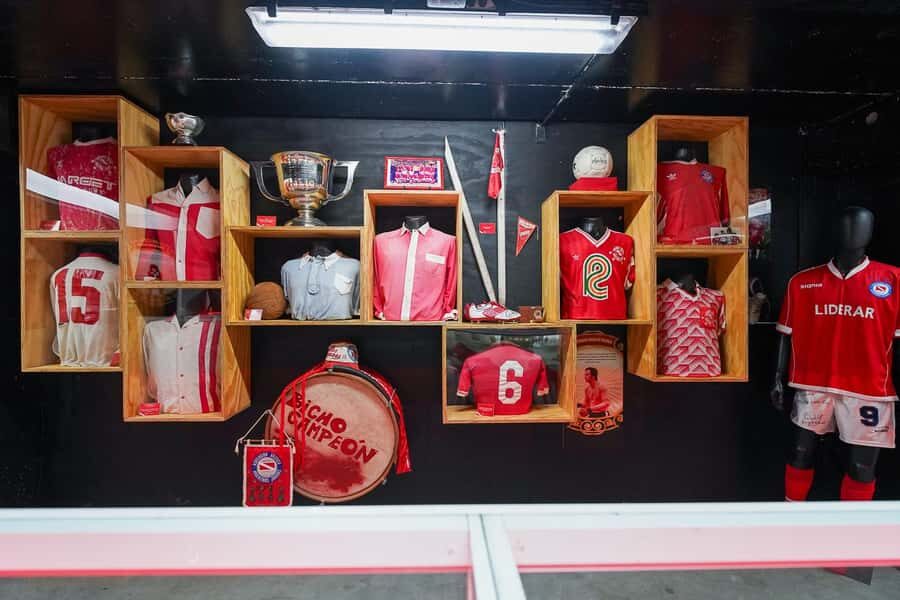
- Fan-built Temple of Soccer museum: made by supporters through voluntary work, with donated items, photos, shirts, and trophies.
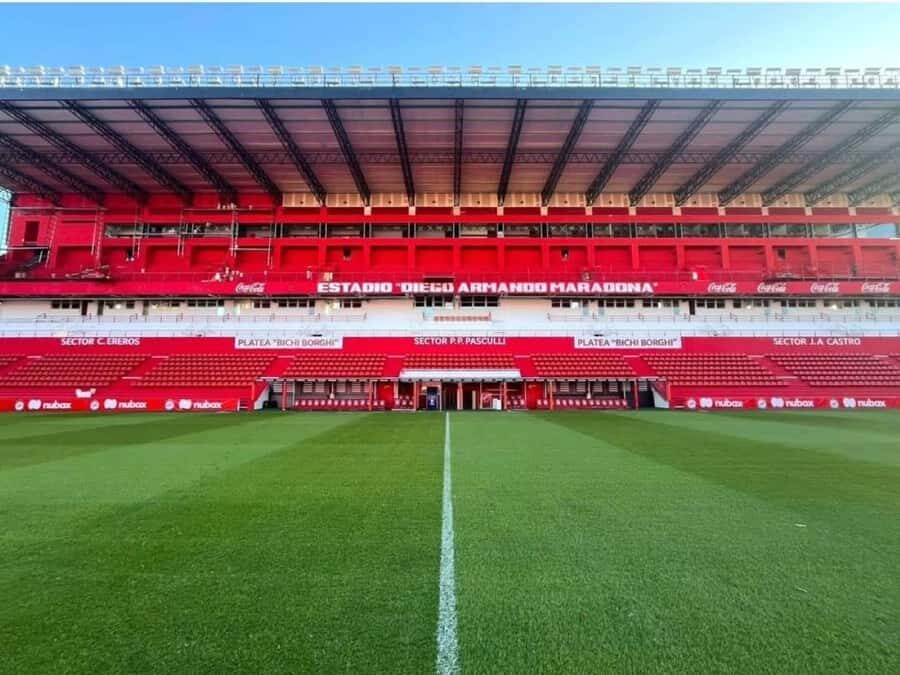
- Direct access to stadium spaces: playing field, changing rooms, central hall, press room, and stands.
- Maradona’s debut story: the tour focuses on his first Argentinos Juniors jersey at age 15.
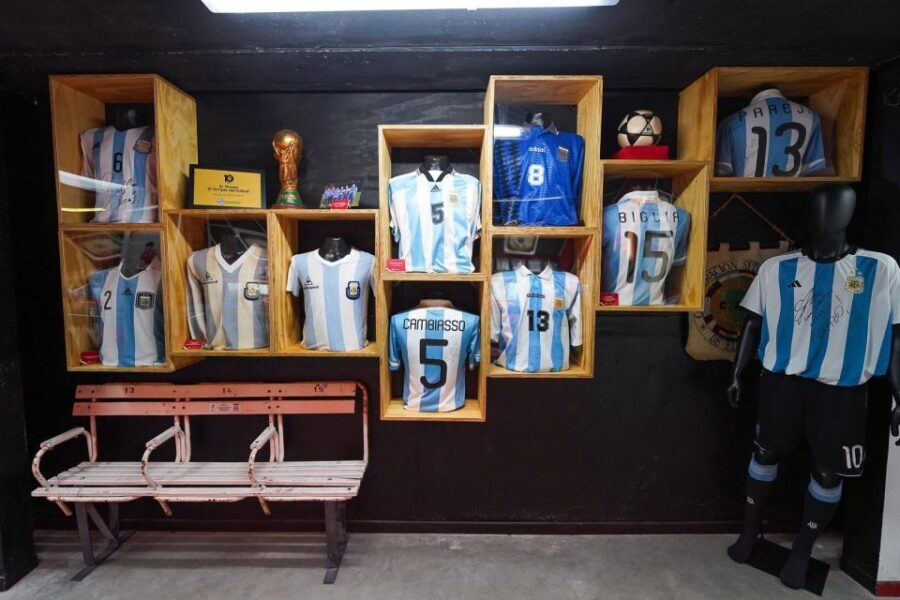
- National team turning point: you’ll hear how his Albiceleste moments connect to the club.
- Small group size (up to 10): better questions, less crowd pressure, more connection with the guide.
- Maradona Sanctuary at the end: a focused emotional finale tied to the football legacy.
Temple of Soccer in La Paternal: why this visit feels different
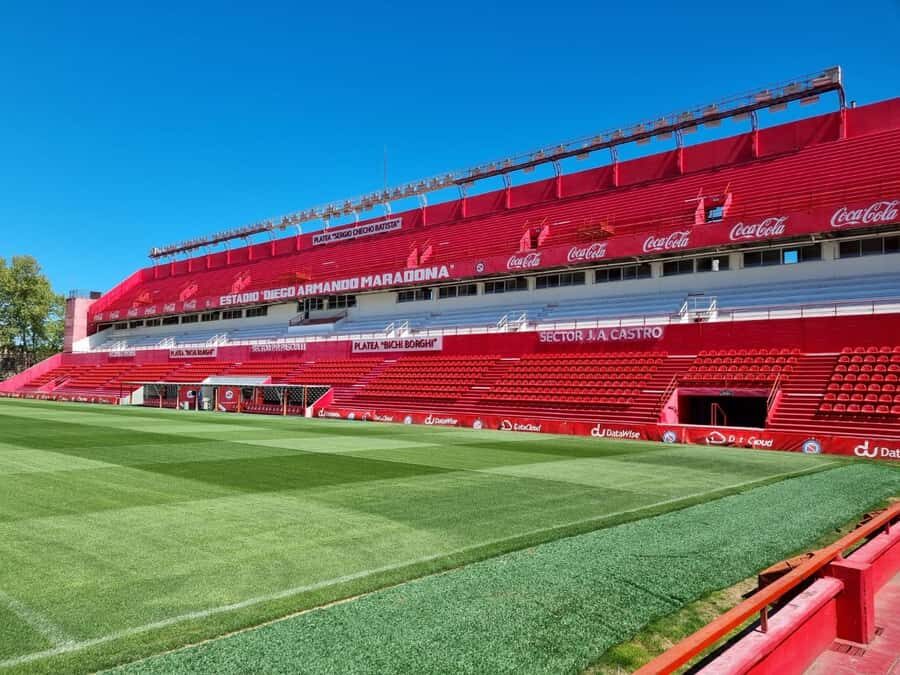
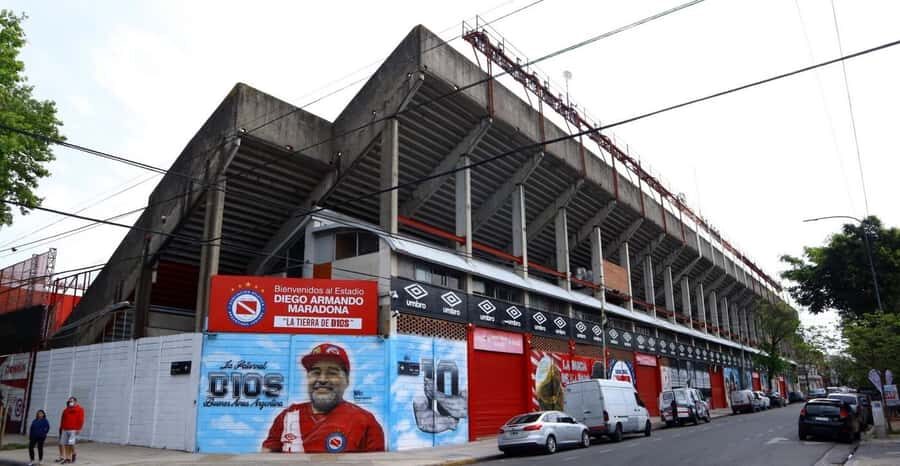
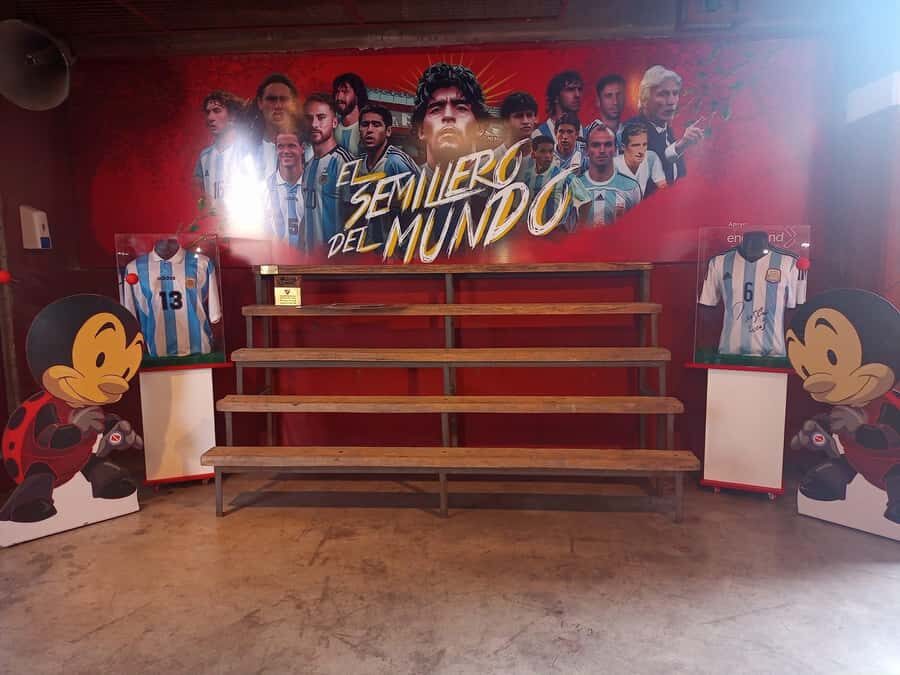
Most stadium tours in big cities give you a photo stop and a quick corridor story. This one has a different core: it’s built around a museum called El Templo del Fútbol, inside the Diego Armando Maradona Stadium in the La Paternal neighborhood.
The big idea is that you’re not just seeing a building. You’re seeing a club identity. Argentinos Juniors is known for sending out players from its lower divisions, and the museum is shaped by that pride. When a museum is made by fans—through voluntary work—it changes the tone. You tend to get fewer generic panels and more “here’s why this mattered to us” objects: donated shirts from campaigns, cards, trophies, and photos.
And then there’s Maradona, who is the emotional magnet of the whole visit. The story starts with him debuting at age 15 for Argentinos Juniors with the jersey. That single detail gives the tour a clear spine. You’re not bouncing around eras; you’re walking through places that connect to the timeline of a legend.
One practical note: because the museum is inside the stadium complex, you get continuity. The history doesn’t feel like it’s happening somewhere else on the map. It’s all in the same physical campus.
You can also read our reviews of more tours and experiences in Buenos Aires.


The museum experience: fan donations and the club’s “why”
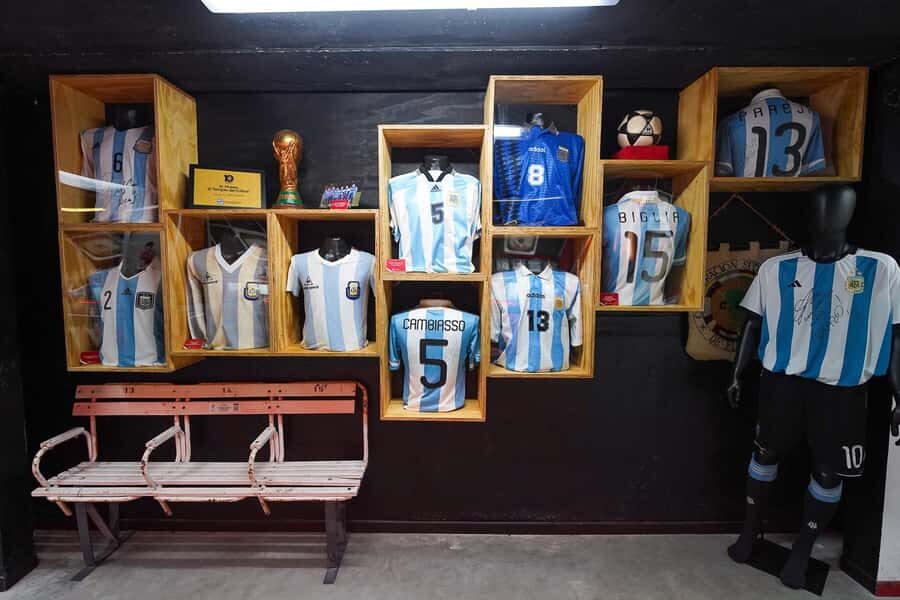
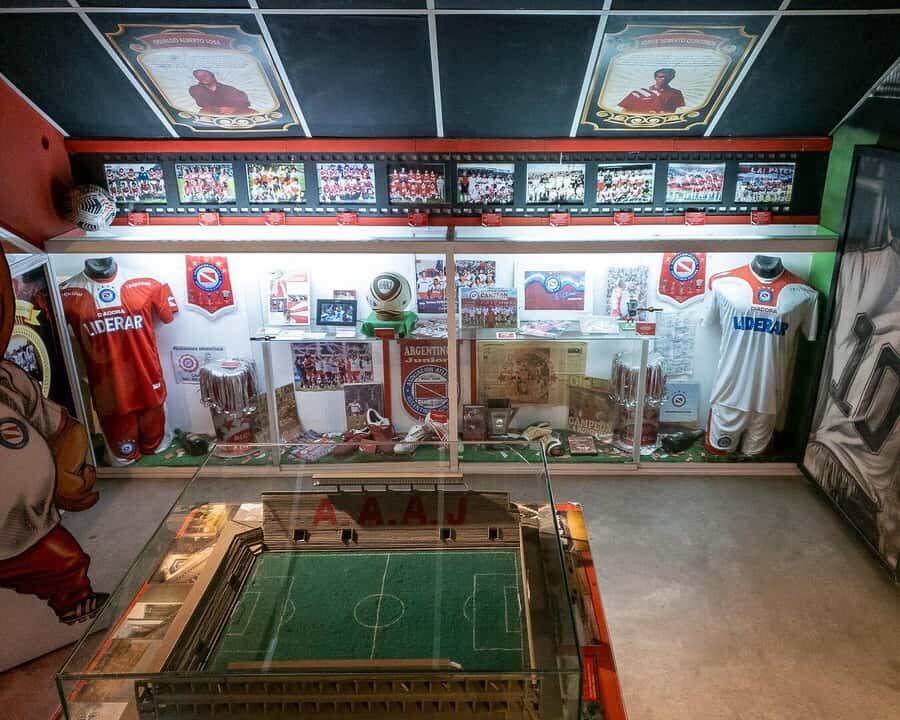
The museum is the heart of the tour, and it’s built to make you slow down. You’ll see artifacts related to different club campaigns, plus items donated by supporters. It’s not a sterile display. It has the feel of a community effort—something people worked on because they cared about preserving the club’s story.
What I like about this approach is that it’s not only about Maradona. Yes, he’s central, but the museum also explains what Argentinos Juniors is famous for: the quantity and quality of players produced through its lower divisions. In other words, this club isn’t only a chapter of a superstar’s biography. It’s a machine for developing talent.
The way the tour frames Maradona is also useful. You’ll hear how destiny wanted him to return to big stages later: he debuted with the Argentine National Team shirt for the first time and scored his first goals with the Albiceleste. The tour also mentions Lionel Messi, which helps you connect past and present Argentine football without turning it into an unrelated lecture.
If you care about football as a culture, this museum is a strong reason to choose this tour over a “see the seats” option. It’s the difference between watching history and understanding how fans keep it alive.
The guided stadium walk: field, rooms, press area, and stands
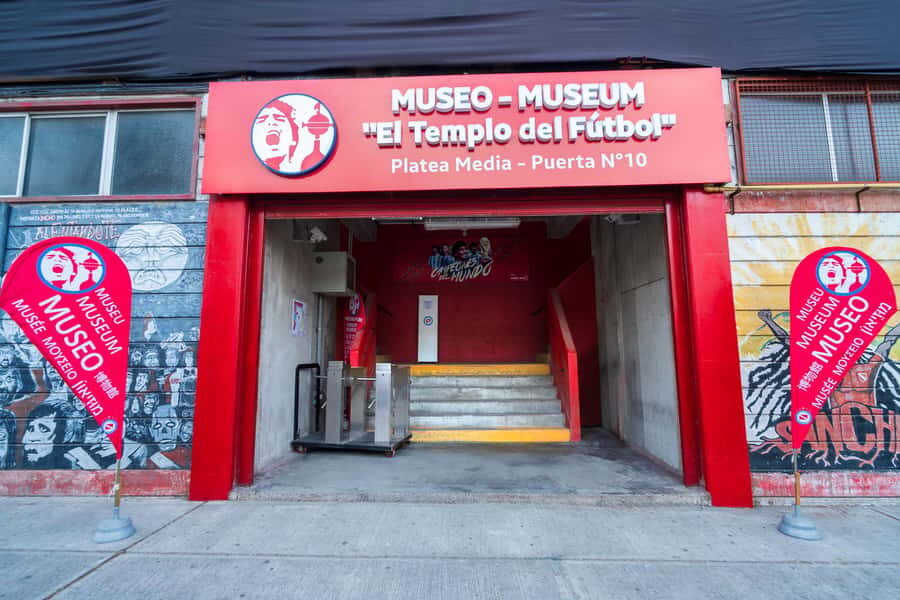
After the museum, you’ll move through stadium spaces that help you picture what happens on match day. The tour includes stops at the playing field, the changing rooms, the central hall, the press room, and the stands.
Here’s why each stop matters, even if you’ve toured other stadiums:
- Playing field: this is your reset moment. You look out and it clicks: this is where the museum’s stories become real.
- Changing rooms: you get a sense of the routines behind the drama. Even if you’re not a tactics person, you’ll feel the atmosphere of preparation.
- Central hall and circulation spaces: this is where players and staff move, so it helps you understand stadium flow.
- Press room: it’s the link between the pitch and the public narrative—how stories get told and amplified.
- Stands: this is where the club’s identity becomes visible. You get the scale and perspective that photos don’t fully show.
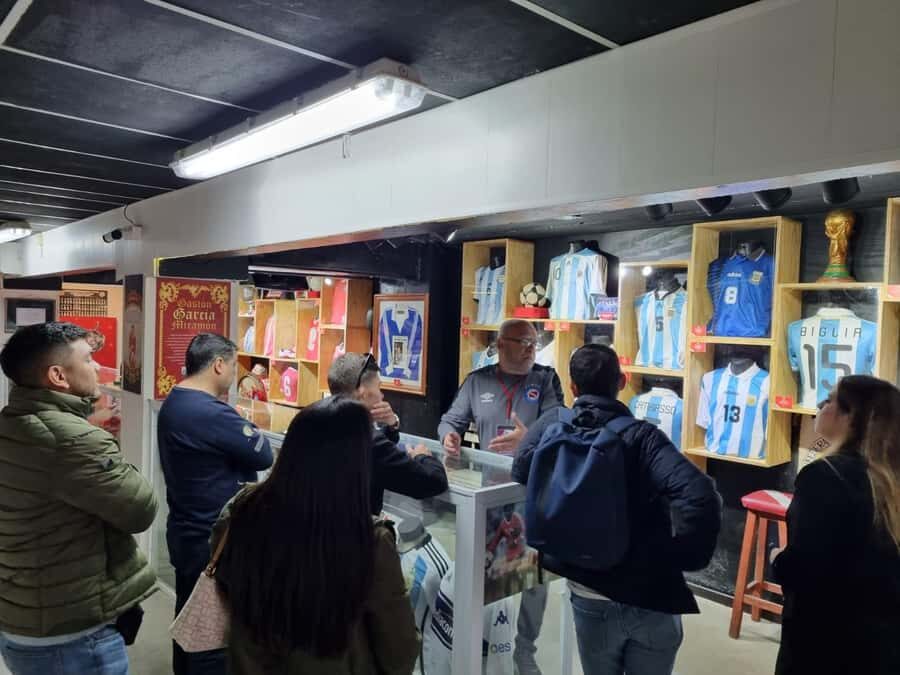
The tour is guided in English and Spanish and paced for a small group (up to 10 participants). That small number matters more than it sounds. When the group is smaller, the guide can answer follow-up questions without rushing. It also means kids are less likely to get bored; one guide description notes that the explanation stayed fun enough for children.
If you’re the type who likes to ask questions—about development, rivalries, or how the club’s culture shaped players—this structure gives you room to do that.
Maradona Sanctuary: the emotional finale you can’t skip
The tour doesn’t end at the stadium. You finish with a visit to the Maradona Sanctuary. That last stop changes the tone from “tour” to something closer to a tribute.
I like ending here because it gives you closure. You’ve just walked through the club spaces tied to his debut and the storylines connecting him to the national team. Then you get a focused moment that feels like the tour’s purpose is bigger than architecture.
It’s also a good moment for photos, but keep it respectful. This final stop is more about the meaning than the selfie.
Guides make or break it: why Agustin, Fernando, and Carmela stand out
A stadium tour lives or dies on the guide. In this case, the most consistent praise is for guides who are animated, supportive, and genuinely connected to the club.
Names that show up include:
- Agustin (described as phenomenal, with excitement that’s easy to feel)
- Fernando (mentioned as professional, friendly, and highly communicative, including support before arrival)
- Carmela (noted for explaining the club history well in a way that worked for kids)
There are also practical details linked to the driver Raul, described as courteous and going out of his way with a drop-off. That kind of service matters because it reduces travel friction. You show up, you’re cared for, and the day stays smooth.
One more thing I appreciate: communication. One account notes being contacted in advance with arrival details and getting support during the process. If you like having your day planned down to the handoff, that’s a plus.

Price and logistics: is $80 per person worth your time?
At $80 per person for 150 minutes, the value comes from concentration. You’re not paying for a long bus ride across the city. You’re paying for a guided, structured visit that includes:
- Hotel pickup and drop-off within Buenos Aires City
- Museum entrance to El Templo del Fútbol
- Guided stadium and museum tour
- Bilingual guide (English/Spanish)
- Skip the ticket line
So the math is simple. You get more access per hour, and you avoid the time sink of ticket logistics. The tour also includes a small-group setup, which improves the experience quality you actually feel while you’re there.
Two costs to think about:
- Food and drinks are not included. If you’re doing this as part of a day of sightseeing, I’d plan a meal before you go or build a plan for afterward.
- You’re limited to the time window, so decide in advance if you want this to be your main football stop or a part of a broader Buenos Aires day.
If you love football culture—and especially if you’re curious about player development in Argentina—this price usually lands in the “fair” zone because you’re not just seeing stadium seating. You’re getting story, rooms, and museum artifacts in one focused package.
Who should book this Maradona Stadium tour
This tour is a smart pick if:
- You’re a football fan, even if you’re not an encyclopedia. Maradona’s story is explained through the club’s real spaces.
- You want Argentine identity, not just sightseeing. Argentinos Juniors is famous for producing players, and the museum builds that theme.
- You prefer small groups. Up to 10 participants means you can actually hear your guide and ask questions.
It’s also family-friendly. One account specifically highlights that the history was told in a fun way so kids didn’t get bored.
If you’re the type who only cares about major mega-stadium vibes (and you don’t care about museums or club development stories), you might find the focus less flashy. But if you’re even mildly interested in how Argentina produces talent and why Maradona’s early years mattered, this fits well.
Practical tips so your visit goes smoothly
A few small moves make a noticeable difference:
- Wear comfortable shoes. You’ll be walking through museum and stadium areas, including rooms and stands.
- Bring a charged phone/camera. The museum has lots of visual material—photos, shirts, trophies—and the sanctuary is a strong photo stop (respectfully).
- Plan your meal. Since food and drinks aren’t included, don’t show up hungry and hope for a snack inside.
- Ask questions early. With a small group, it’s easier to get your guide to explain deeper connections—like how the club’s lower divisions link to Maradona and other Argentine talent.
- Use the bilingual format to your advantage. If your Spanish is rusty, you’re covered in English; if you want a stretch, you can follow in Spanish.
And because the tour includes hotel pickup and drop-off, be ready at the agreed pickup point so you don’t slow the group down.
The bottom line: should you book?
Yes—if you want a Buenos Aires football experience with meaning. For many people, the main “wow” isn’t just standing in a famous stadium. It’s the combination of a fan-made museum, a guided walk through match-day spaces, and the Maradona Sanctuary at the end.
Book it if you:
- care about Argentinos Juniors and how clubs build talent
- want a small-group tour with guides who bring energy
- prefer structured access over random wandering
Skip it only if you want a long, slow stadium day with food included, or if you dislike museums and stories and only want seat-and-pitch photos.
If you’re planning your Buenos Aires schedule around football, this one deserves a slot.
FAQ
How long is the tour?
The total duration is 150 minutes (about 1.5 hours for the guided stadium visit).
Where does the tour take place?
It’s at the Diego Armando Maradona Stadium in the La Paternal neighbourhood.
How much does it cost?
The price is $80 per person.
Does it include hotel pickup and drop-off?
Yes. You’ll get hotel pickup and drop-off within Buenos Aires City.
What’s included in the tour ticket price?
Hotel pickup and drop-off, entrance to the El Templo del Fútbol museum, the stadium and museum tour, and a bilingual guide (Spanish and English).
Are meals included?
No. Food and drinks are not included.
Is the tour limited to a small group?
Yes. It’s a small group limited to 10 participants.
Does it skip the ticket line?
Yes, the tour includes skip-the-ticket-line access.
Can I reserve now and pay later?
Yes. The option is reserve now & pay later, and you can keep plans flexible.
What languages are offered?
The guide is available in English and Spanish.