REVIEW · BUENOS AIRES
BA: Empanadas and Alfajores Cooking Experience in Palermo
Book on Viator →Operated by Signature Tours · Bookable on Viator
Buenos Aires turns up the volume with comfort food, and this class is all about getting your hands dirty. You learn how to fold and shape empanadas the way locals do, then you assemble dulce de leche alfajores you can actually take home the know-how for. I love the small group size (up to 10) because it stays interactive, and I love that you get clear, practical guidance on the steps, not just a lecture. One thing to consider: like many hands-on classes, you’ll need to actively participate, and if you show up expecting a mostly hands-off show, you might feel shorted.
This is set up as a family-friendly, presential experience in Palermo, hosted by a native guide or chef. Names that pop up in past sessions include Chef Valentino and Tomas, plus hosts like Catalina (often called Cata) and Carolina. If you’re traveling with kids, it can be a great afternoon, but the work includes chopping and other tasks that may require you to help with sharp knives.
You’ll also get cultural context with your food: mate tea is part of the experience, and stories come with the cooking. Just note one odd wrinkle from a small handful of past guests: the drink service can vary by session, with some people mentioning wine. Still, the food work stays at the center.
In This Review
- Key things to know before you go
- Where Palermo meets your cutting board: the meeting spot and vibe
- Empanadas in real life: meat vs vegan and the folding standards
- Choosing meat or vegan
- The part most people miss: shaping by filling
- Cooking on the spot
- A practical tip if you’re cooking with kids
- Alfajores and dulce de leche: mixing, baking, and assembling
- What you do
- The texture lesson that saves your cookies
- What makes dulce de leche alfajores a great payoff
- Mate tea, conversation, and why stories matter here
- What you get included: tools, ingredients, and take-home recipes
- Timing and flow: why 2.5 hours feels like the sweet spot
- Price and value: is $49 worth it?
- Who should book this class, and who should manage expectations
- Quick planning tips so you enjoy it more
- Should you book this Palermo empanadas and alfajores cooking class?
- FAQ
- How long is the cooking experience?
- Is there a vegan option?
- What is the group size?
- What’s included in the price?
- What is not included?
- Where do we meet, and where does it end?
- What is the cancellation policy?
Key things to know before you go
- Up to 10 people means you’re not lost in a crowd.
- Meat and vegan options are built into the class, including lentil-style fillings.
- Empanada folding actually matters since the shape can differ by filling.
- Dulce de leche alfajores are made while you wait for fillings to cool.
- Mate tea is included, and some sessions may also include wine.
- Recipes can follow you home via WhatsApp, according to past participants.
Where Palermo meets your cutting board: the meeting spot and vibe
This class meets at Gorriti 4882 in Palermo (and it ends back there). Palermo is a solid choice for this kind of activity because it’s easy to reach by public transportation, and you’re not spending your whole afternoon stuck in transit.
The vibe is practical, not fancy. Think clean, friendly, and focused on cooking. With a group capped at 10, you get room to work at your station and ask questions without shouting across the room.
Also, this is not just about tasting Argentina. It’s about seeing the small techniques that make the food taste right and look right. One guest summed it up well: there’s seeing, and then there’s experiencing the culture through the kitchen habits behind the dishes.
You can also read our reviews of more cooking classes in Buenos Aires
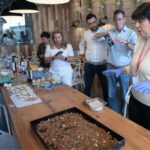
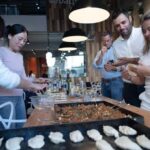
Empanadas in real life: meat vs vegan and the folding standards
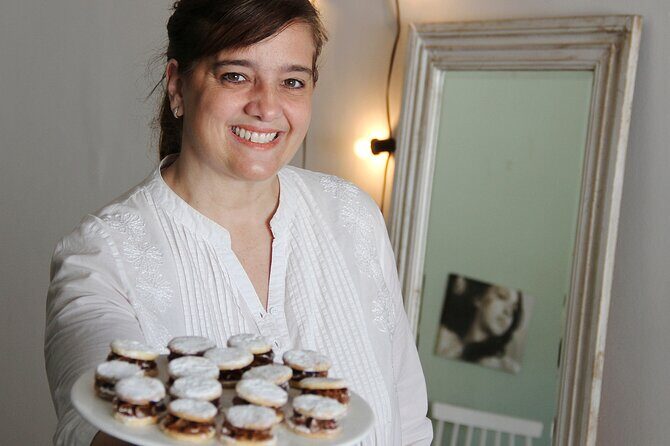
Empanadas are one of the core dishes in Argentina, and here you start with them. The host shows you the basics first, then you help with the process step by step. Past groups describe chopping ingredients, preparing fillings, and then shaping the empanadas for their specific filling.
Choosing meat or vegan
You can pick between meat and vegan. For vegan, you may see lentils used as the filling base. What matters is that the class treats it as a real option, not an afterthought, and the folding/shaping can reflect which filling you’re using.
The part most people miss: shaping by filling
This is where the class earns its near-perfect score. People raved about learning how to fold and shape empanadas properly, and how the standard can change depending on whether it’s beef-style or lentil-style. If you’ve only eaten empanadas from a store, you’ll notice the difference fast once you try to do it yourself.
One especially memorable detail from past sessions: instructors shared family kitchen habits, including a story about whistling while working so grandma would know the filling was not being eaten straight from the spoon. It’s the kind of small detail that makes the technique feel personal, not mechanical.
Cooking on the spot
After the prep and shaping, you cook what you make. Some past guests mentioned quick stovetop cooking, and others noted using pre-made empanada shells with your stuffing and shaping. Either way, the flow is designed so you’re not waiting around for hours. You cook, you plate, and you eat as you go.


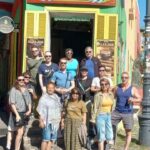

A practical tip if you’re cooking with kids
If you’re bringing kids, remember there’s cutting and chopping involved, and knives are real knives. One review specifically called that out as the main thing families should plan for. If you know your child needs help with sharp tools, plan to stay close and take over for the risky steps.
Alfajores and dulce de leche: mixing, baking, and assembling
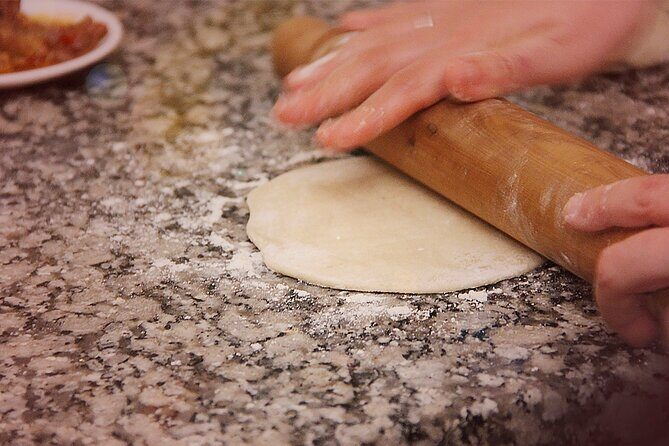
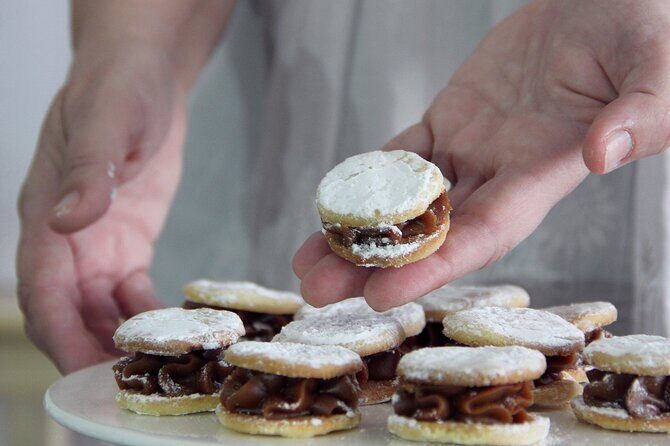
Once the empanadas are underway, you shift to alfajores. These are the cookies filled with creamy dulce de leche, and the class walks you through the process from dough prep to baking to assembly.
What you do
You mix and bake the cookies, then assemble them once the dulce de leche and components are ready. Past participants described assembling in a few ways, including topping an assembled cookie with dulce de leche and rolling another in coconut.
The timing is smart: you often work on alfajores while you wait for the empanada filling or components to cool enough to handle correctly. That keeps the afternoon moving and reduces the dead time that can happen in some cooking classes.
The texture lesson that saves your cookies
A small but real tip came up in reviews: alfajores cookies can be fragile. If you press too hard during assembly, you can crack them. You’ll learn the right touch.
What makes dulce de leche alfajores a great payoff
This is dessert you made, not dessert you were handed. And since dulce de leche is rich and sweet, even a couple of alfajor bites feel like a real treat. The class gives you enough skill to repeat it at home, even if you don’t have a chef hovering over your shoulder.
Mate tea, conversation, and why stories matter here
Food lessons are great. Food lessons with context stick.
Mate tea is included, and it shows up as part of the cultural chat while you cook. In Argentina, mate is more than a drink. It’s a social cue, a rhythm for conversation, and a way to slow down while working.
Some people also mention wine during their session, and a few said the drink service differed from what they expected (for example, wine instead of coffee/tea). So if drinks matter to you, keep your expectations flexible and focus on the core: you’re there to cook and eat.
The other big value is the human side. Multiple reviews mention hearing how hosts learned these skills at family tables, and how technique got passed down through hands-on practice. It’s not just where the recipe comes from. It’s how people learned it.
What you get included: tools, ingredients, and take-home recipes
This experience includes:
- Empanada ingredients
- Alfajores ingredients
- Cooking tools
- A professional native host
- Coffee and/or tea, with mate called out as the authentic infusion
Transportation isn’t included, and tips aren’t included. You’ll be responsible for getting yourself to Palermo and back, but the meeting point is described as near public transportation.
The other “included” perk that people were excited about: recipes can be sent after the class. Several guests mentioned getting the recipes via WhatsApp at the end, so you’re not trying to recreate everything from memory.
That matters, because cooking is muscle memory. If you can refresh the steps later, you’re way more likely to actually make empanadas and alfajores again at home.
Timing and flow: why 2.5 hours feels like the sweet spot
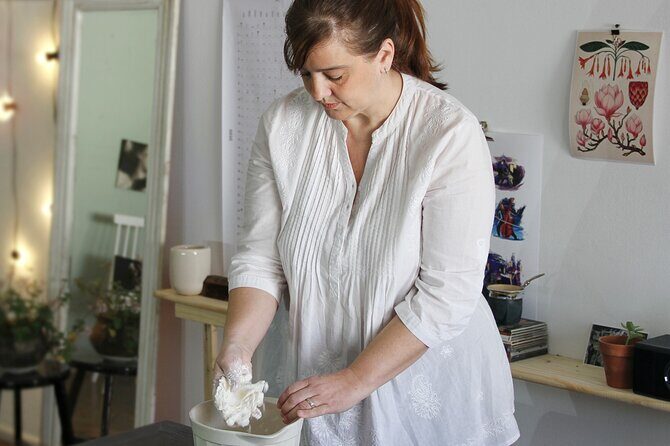
The class runs about 2 hours 30 minutes. That length is long enough to do real work and eat what you made, but short enough that you don’t need to clear your whole day.
A common flow pattern in past sessions looks like:
1) Empanada demo and filling prep
2) Hands-on shaping and stuffing
3) On-the-spot cooking and eating
4) Alfajores dough work and baking
5) Assembly once cookies are ready
Even if the exact steps vary slightly by session (and hosts do have their own style), the overall rhythm stays focused: prep, cook, eat, then finish with dessert.
If you’re jet-lagged or you don’t want to spend your vacation stuck in a full-day itinerary, this is a strong option. One review specifically mentioned it as a smart choice for not wasting the entire day.
Price and value: is $49 worth it?
At $49 per person for around 2.5 hours, this class is priced in a way that makes sense for Buenos Aires. You’re paying for more than the ingredients. You’re paying for:
- Hands-on instruction so you learn the technique, especially folding
- A small group setup (up to 10)
- Tools and cooking materials
- Food you make and eat
- A take-home recipe plan (often sent after the class)
If you’ve ever bought empanadas and alfajores on the street, you know the taste is good. But this gives you the process behind that taste. You’re not just buying snacks. You’re buying skills.
Also, consider the family angle. Reviews highlight this as a hit with kids around 10 and up, because it’s interactive and eats are part of the payoff. If you can get kids to participate, this can be better value than another activity that only keeps them busy for an hour.
Who should book this class, and who should manage expectations
This fits best if you:
- Want a hands-on food experience in Palermo
- Like learning small techniques, like empanada folding standards
- Travel with kids who can handle basic food prep with supervision
- Want a social activity where you meet people while you cook
- Prefer learning from a chef or native host instead of following a vague cooking video
One caution from mixed feedback: a small number of guests felt their class was more watch than do, or that flavor and recipes were more basic than they expected. That can happen if a group size or pacing issue leaves some participants with less active time.
My practical advice: when you arrive, ask how you can participate most in shaping and cooking. A good host will route you into the work.
Quick planning tips so you enjoy it more
A few things make the afternoon smoother:
- Come hungry. You’ll make food, then you’ll eat it.
- Dress for food work. Even with clean cooking spaces, things get a little messy.
- If you bring kids, plan on you supervising knife work.
- If you’re vegan, make your choice clearly up front so your filling matches your option.
- For alfajores, remember the cookies can be fragile during assembly, so handle them gently.
Also, since the experience is near public transportation, you can keep your day flexible. Don’t build in a lot of extra time either side unless you like rushing.
Should you book this Palermo empanadas and alfajores cooking class?
I think you should book it if you want a real cooking skill, not just a meal. The best part is learning empanada folding and how it relates to filling, plus getting hands-on with dulce de leche alfajores. The small group size and the strong track record, including 96% of past guests recommending it, make it a safe bet for a fun, cultural food afternoon.
Book with extra care if you dislike knife work or you prefer a more structured, hands-on-by-design class where every minute is guaranteed to be active cooking. In that case, ask questions when you confirm so you know your participation level will match what you want.
If you’re after authentic Argentine food culture you can actually repeat at home, this one fits the bill.
FAQ
How long is the cooking experience?
It lasts about 2 hours 30 minutes.
Is there a vegan option?
Yes. You can choose between meat and vegan options.
What is the group size?
The class has a maximum of 10 travelers.
What’s included in the price?
The experience includes empanada ingredients, alfajores ingredients, cooking tools, a professional native host, and coffee and/or tea (mate is highlighted as the authentic infusion).
What is not included?
Transportation and tips are not included.
Where do we meet, and where does it end?
You start at Gorriti 4882, C1414BJN Cdad. Autónoma de Buenos Aires, Argentina, and the activity ends back at the meeting point.
What is the cancellation policy?
You can cancel for a full refund up to 24 hours in advance of the experience start time.