REVIEW · BUENOS AIRES
Pachamama – Argentine Cooking Experience in Buenos Aires
Book on GetYourGuide →Operated by Pachamama - Argentine Cooking Experience · Bookable on GetYourGuide
Argentina’s kitchen lessons don’t drag. This experience is built around hands-on cooking with a professional chef, plus a proper meal with Mendoza Durigutti wines in a cozy, home-style setting. I like that you cook from scratch four different recipes with your own hands, and I like the way the tasting is paired with local wine instead of just being free food. One heads-up: it is a group class, so you may not personally plate and finish every single dish end-to-end like a solo cooking show.
You start with a welcome picada and an intro to Argentine food culture, including the usual suspects like mate and chimichurri. Then you roll up your sleeves and work through a four-course menu in a relaxed, “let’s make this together” vibe, ending with everything you cooked around the table.
The pace is about 3 hours, and small-group size matters here: it’s limited to 10 participants (with a stated overall capacity up to 14). If you hate group logistics, plan for shared tasks and teamwork, not a private cooking studio.
In This Review
- Key Highlights Worth Knowing Before You Go
- First, You Sit Down With Argentine Food Culture
- The Welcome Picada and Vermouth Cocktail Setup
- Cooking From Scratch: Your Four-Recipe Workday
- Snack Moment: Chipá and the Sauce Mix
- Appetizer/Start: Beef Empanadas and Chimichurri
- Main: Humita Stew Gratin
- Dessert: Flamed Dulce de Leche Crepes
- Wine Pairing With Durigutti Las Compuertas
- The Chef Team and the Small-Group Advantage
- Who This Cooking Class Is Best For
- Practical Notes That Affect Your Day
- Price and Value: Is $75 Worth It?
- Should You Book Pachamama in Buenos Aires?
- FAQ
- How long is the Argentine cooking experience?
- How much does it cost?
- What language is the class taught in?
- What’s included in the meal and drinks?
- Can they adjust for dietary restrictions?
- How many people are in the group?
- Is hotel pickup and drop-off included?
- Is it wheelchair accessible?
- What’s the cancellation policy?
Key Highlights Worth Knowing Before You Go
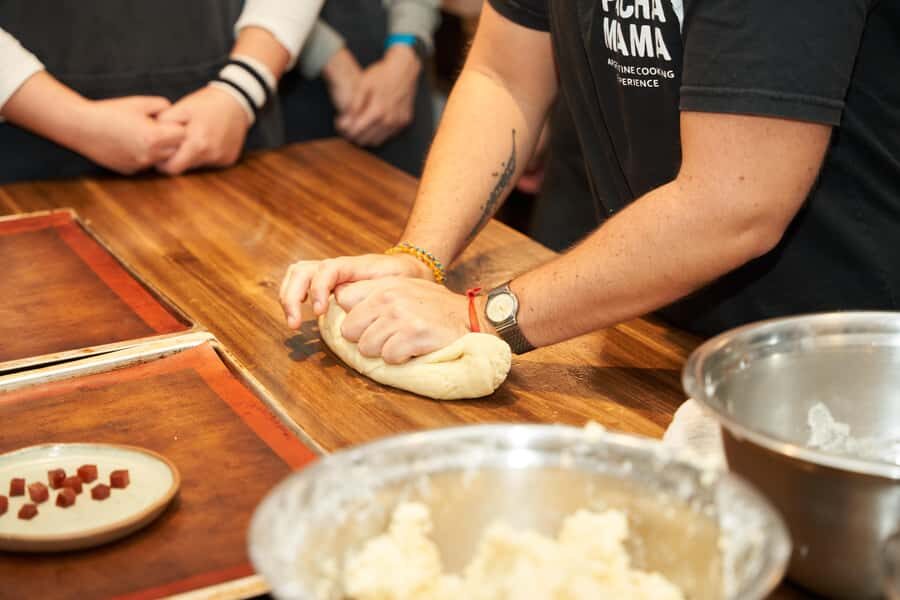
- Cook four recipes from scratch with turn-by-turn guidance in an English-led class.
- A 5-step meal with wine pairing using Durigutti wines Las Compuertas, plus vermouth, water, and homemade lemonade.
- Argentina classics show up on the menu: empanadas, chimichurri, humita stew gratin, and dulce de leche crepes.
- Real skill-building: you learn ingredients and technique, plus the stories behind what you’re making.
- Dietary options are offered (vegetarian, gluten free, lactose free), so you’re not stuck with a sad substitution.
- You get recipe backups: PDF recipe books via QR code, plus class pictures for trip memories.
First, You Sit Down With Argentine Food Culture
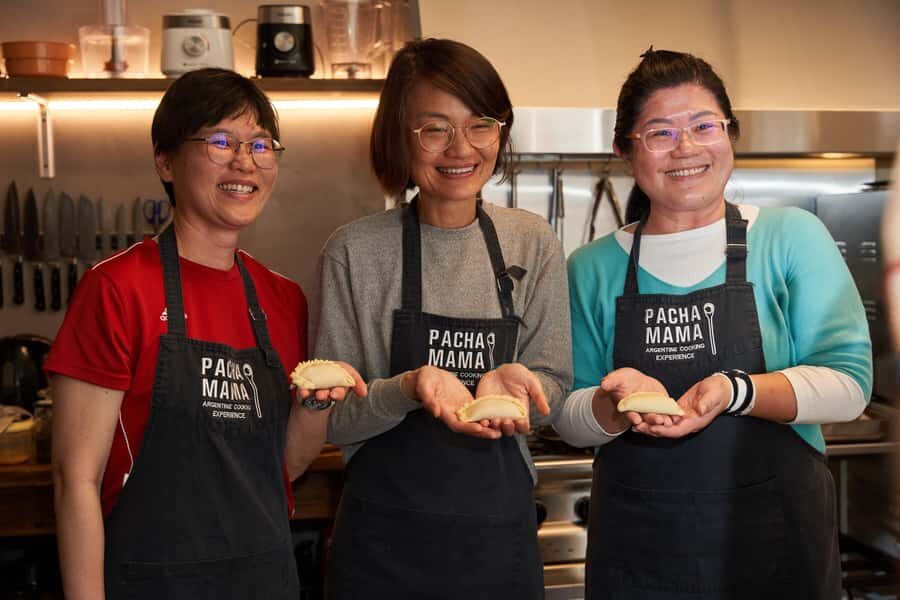
Good Argentine cooking classes don’t just teach recipes. They teach why those recipes matter.
At Pachamama, the experience starts with a welcome picada featuring homemade preserves, pickles, and local bread. You also get a vermouth cocktail, plus the setting nudges you toward that slow, social table rhythm Argentina is known for. It’s the kind of start where you get your bearings fast, and you don’t feel like you’re being rushed into the fire.
You’ll also get an introduction to the history of Argentine cuisine and some of the everyday flavors people actually talk about at home. Expect mentions of mate, chimichurri, and the spice-and-meat smell that makes empanadas feel like a comfort food mission.
What I like here: the class sets context first, then gives you a reason to care while you cook. You’re not memorizing steps in a vacuum.
You can also read our reviews of more cooking classes in Buenos Aires
The Welcome Picada and Vermouth Cocktail Setup
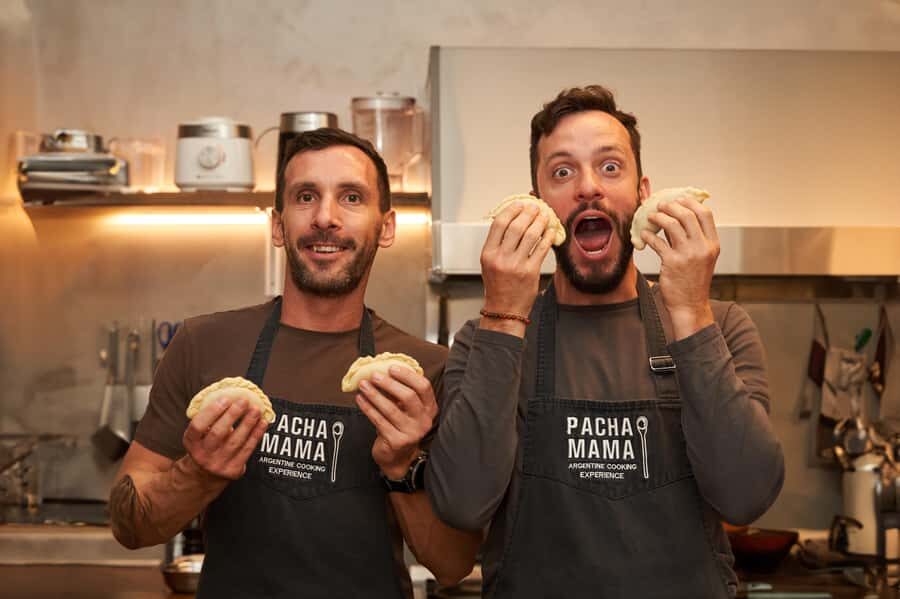
This part matters more than it sounds. By the time you start cooking, you’re already eating and learning at the same time.
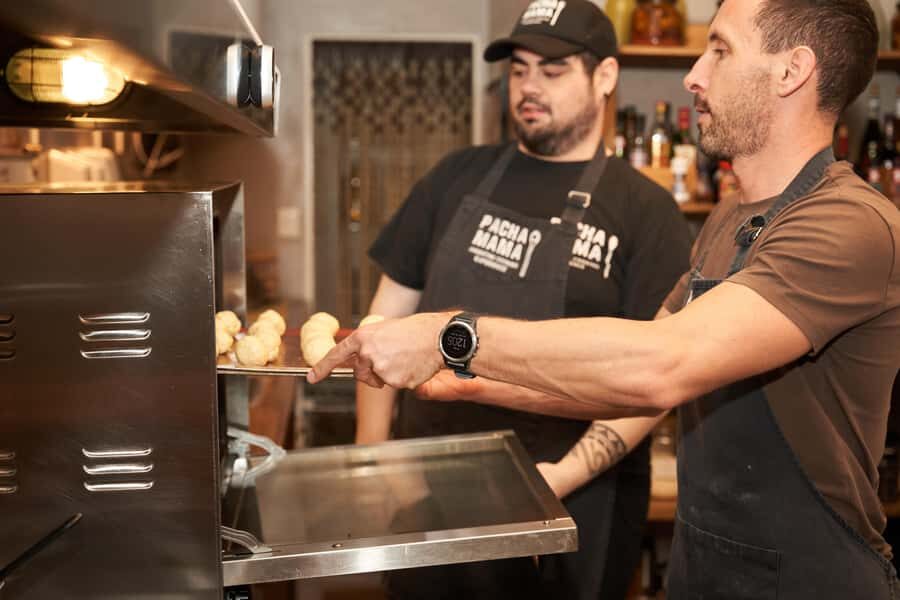
The included spread is built around picada basics: homemade preserves, pickles, and local bread. Then comes chipá with BBQ sauce and a fermented spicy sauce. Chipá is one of those foods that instantly reads as Argentine, not because it’s flashy, but because it’s familiar to locals in a way that sticks to your memory.
If you like wine, you’ll appreciate how the experience keeps pairing food with drinks instead of treating beverages as an afterthought. You’ll also find water and homemade lemonade included, which is handy if you want something refreshing between pours.
Possible drawback to consider: there’s no hotel pickup or drop-off. So plan to get there on your own, with enough buffer time to settle in before cooking begins.
Cooking From Scratch: Your Four-Recipe Workday
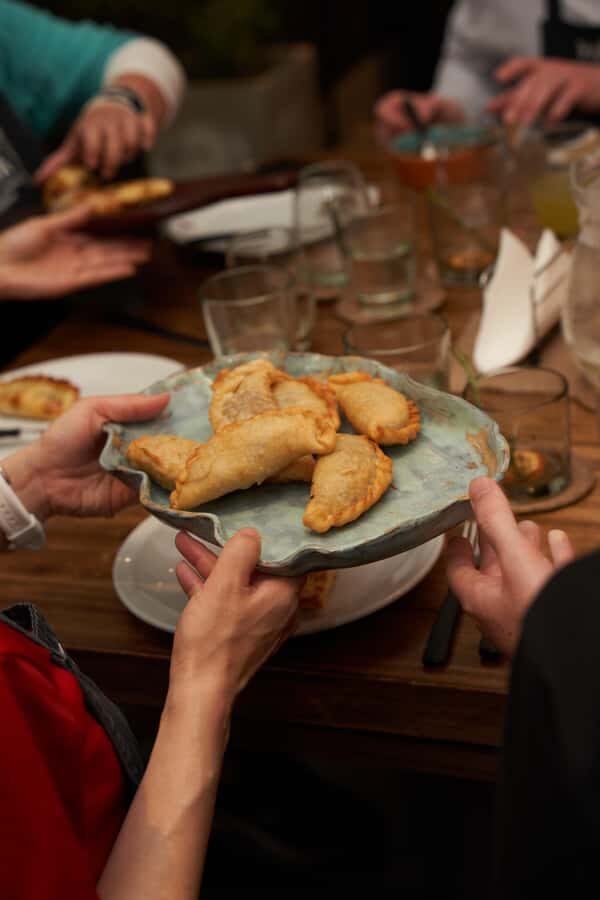
Now we get to the part most people book for: you cook. Not watch. Not assemble. Cook.
The class is designed as a four-course local menu, and you’ll have hands-on involvement throughout. The goal is simple: by the end, you understand the core techniques behind Argentine home cooking and how those flavors build on each other.
Also, this is where your “group class” reality shows up. Even in a small class, tasks can be shared based on timing and workflow. That’s normal in a real kitchen. It just means you may rotate roles rather than doing every action from start to finish alone.
Snack Moment: Chipá and the Sauce Mix
One of the early included items is chipá paired with BBQ sauce and a fermented spicy sauce. This gives you a quick lesson in how Argentine flavors often balance comfort with punch.
It’s a good warm-up because chipá is approachable. You’ll start noticing how the sauce changes the bite—smoky from BBQ, then heat from something fermented. It’s not just food; it’s a flavor lab in small form.
Appetizer/Start: Beef Empanadas and Chimichurri
Then you move into a classic: beef empanadas plus chimichurri sauce.
Empanadas are the kind of dish that sounds simple until you’re handling the dough and timing the filling. The class includes guidance on what you’re making and why it’s built that way. Chimichurri matters too. It’s not only an accompaniment; it’s a signature taste that people build meals around in Argentina.
This is also one of those moments where the class’s culture talk pays off. You’re not only cooking. You’re learning how people think about spices and regional preferences. That’s why the experience emphasizes the smell of spices and the idea of Argentine DNA in everyday food.
Main: Humita Stew Gratin
Next up: humita stew gratin. This is where Argentine cuisine shows its softer, corn-forward side.
Humita is comfort food with texture. It’s not trying to be fancy. It’s trying to be deeply satisfying. A gratin format means there’s likely a baked, golden top element, and that gives you a shift from sauce-and-filling cooking to a more oven-and-finish kind of skill.
If you want something that feels different from the meat-and-dough rhythm, this dish is your break. It also makes the meal feel more complete, instead of repeating the same flavor profile.
Dessert: Flamed Dulce de Leche Crepes
For dessert you get flamed dulce de leche crepes with ice cream and homemade limoncello. This is the payoff course.
Dulce de leche is famous for a reason, and Argentine cooks don’t treat it like a novelty. They treat it like a foundation. Add a flambé moment and suddenly the kitchen has that live energy you only get when someone’s confident enough to do it in front of you.
The limoncello is also a smart touch. It cuts sweetness and keeps dessert from feeling one-note. It’s the kind of detail that makes you remember a cooking class as a meal, not just a food workshop.
Wine Pairing With Durigutti Las Compuertas
Food classes can be hit-or-miss on drinks. This one has a real plan.
Your meal is paired with Durigutti wines (Las Compuertas) as part of a 5-step-menu. You also get vermouth, water, and homemade lemonade included.
What I think this pairing does well: it reinforces that Argentine cuisine is social. People don’t eat quietly in Argentina. They eat and talk, and the drink shows up as part of the rhythm.
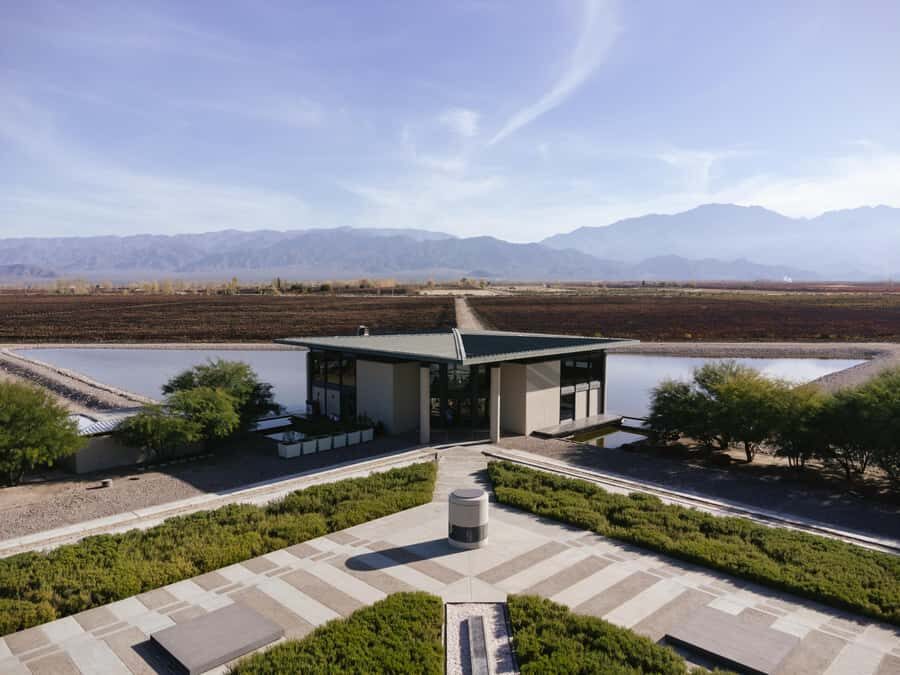
Durigutti is local to the Mendoza region, which helps connect the dots between Buenos Aires table culture and Argentina’s wine story. Even if you’re not a wine expert, you’ll leave with a better sense of how local producers fit into meals.
The Chef Team and the Small-Group Advantage
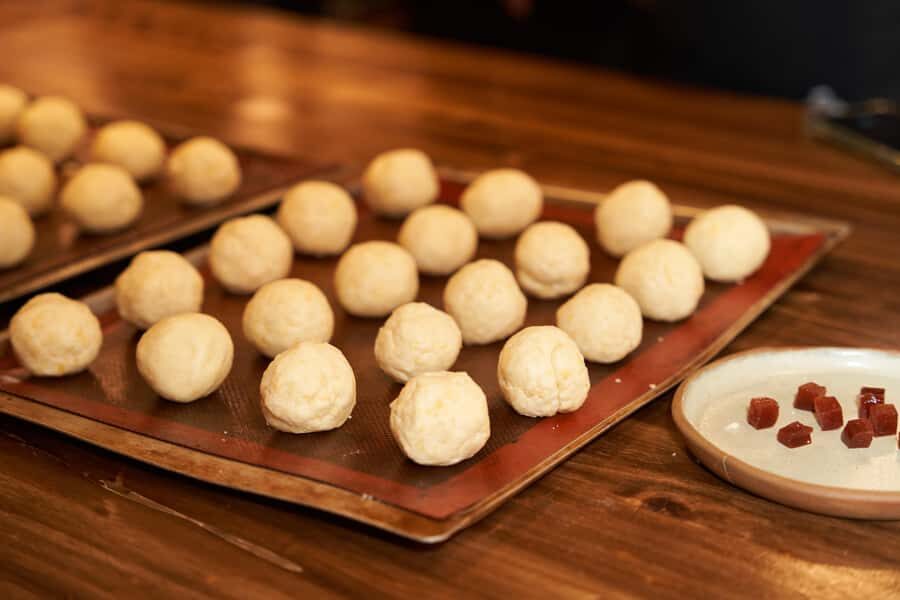
The experience is led in English, and for private groups it can be held in Spanish. That flexibility helps if you’re traveling with friends who prefer a different language.
One name that shows up in real reviews is Franco, described as friendly and highly organized. That lines up with how this kind of class needs to run: you want a team that keeps the pace moving without turning it into chaos.
Small group is also a practical advantage. It’s limited to 10 participants, which means you can actually ask questions and get guidance when you’re working a recipe step. It’s not a cattle-line food experience.
Who This Cooking Class Is Best For
This is a strong fit if you want more than a restaurant meal. You want skill, context, and a food story you can repeat later.
It’s especially good for:
- Couples and friends who like shared projects
- Food lovers who want to learn classic Argentine flavors (mate culture, chimichurri, empanadas, humita)
- Travelers who prefer small-group settings over big tours
- People who want a meal that includes wine pairing rather than only tasting small bites
It’s less ideal if you need a fully solo experience. This is teamwork and rotation, not a private kitchen studio.
Practical Notes That Affect Your Day
A few details can shape how smooth your afternoon feels.
First: no hotel pickup. You’ll need to arrive under your own steam. Build in extra time so you’re not rushing in when it’s time to start.
Second: timing. The experience is listed as about 3 hours (and can be adapted to 2.5 hours for private groups). So plan your evening with some breathing room. Cooking classes run on kitchen time, not just clock time.
Third: dietary needs. The class says it can be adapted to vegetarian, gluten free, and lactose free. That’s a big deal for value and comfort. You won’t have to sit out or settle for a token plate.
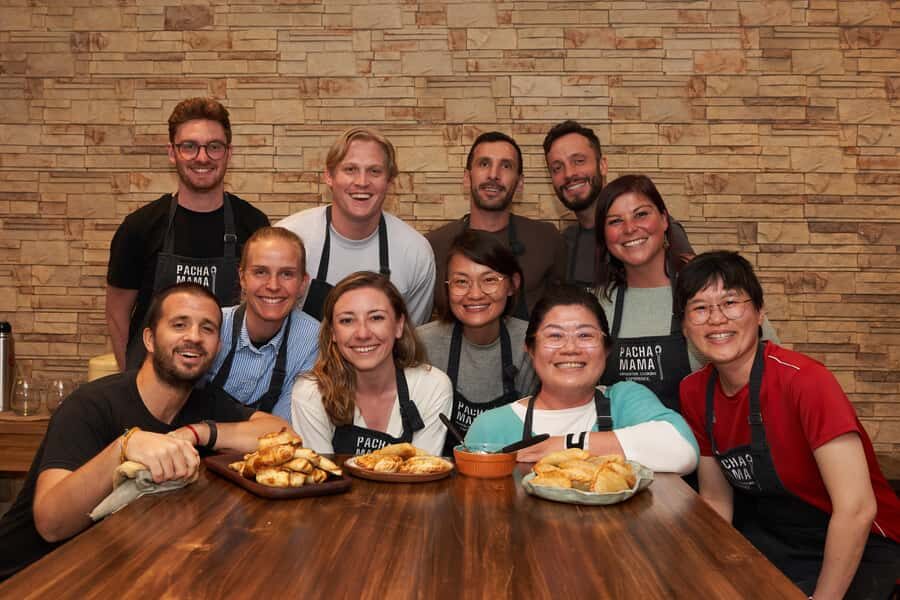
Finally: you get take-home materials. There’s a PDF recipe book via QR code, plus class pictures. That means you can recreate dishes later instead of relying on blurry memories.
Price and Value: Is $75 Worth It?
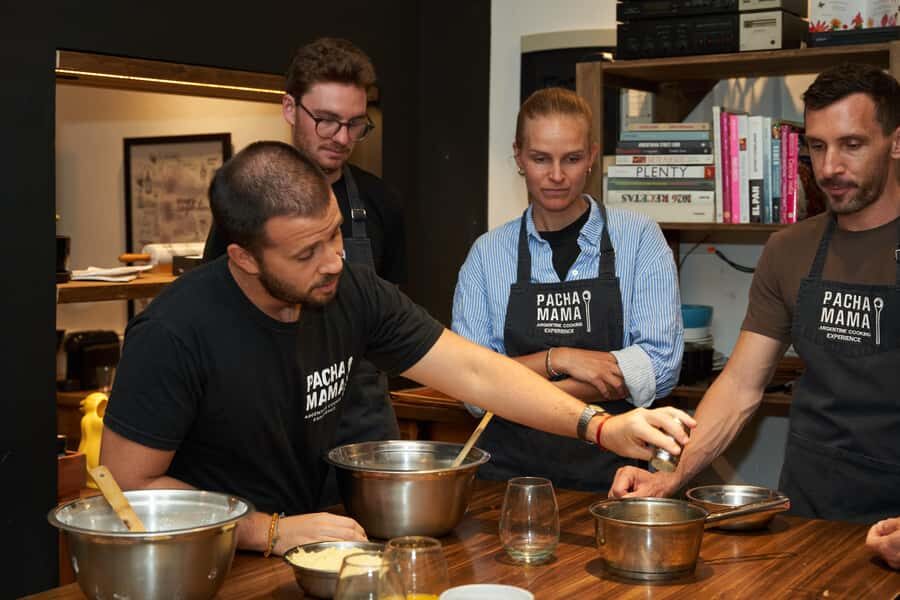
At $75 per person for a roughly 3-hour, hands-on cooking experience, the value comes from what’s included—not from what’s optional.
You’re paying for:
- A professional chef-guided cooking session
- Multiple recipes cooked from scratch (four different recipes)
- A 5-step menu of food
- Wine pairing with Durigutti wines Las Compuertas
- Additional included drinks like vermouth cocktail, vermouth, water, and homemade lemonade
- Dietary adaptations
- Recipe PDFs and photo memories
In other words, you’re not just buying ingredients. You’re buying instruction, the meal structure, and the wine pairing that many similar experiences either skip or replace with cheap substitutions.
Is it cheaper than cooking dinner at your own apartment? Sure. But the whole point is that this gives you technique, culture context, and a finished meal without the cleanup stress.
Should You Book Pachamama in Buenos Aires?
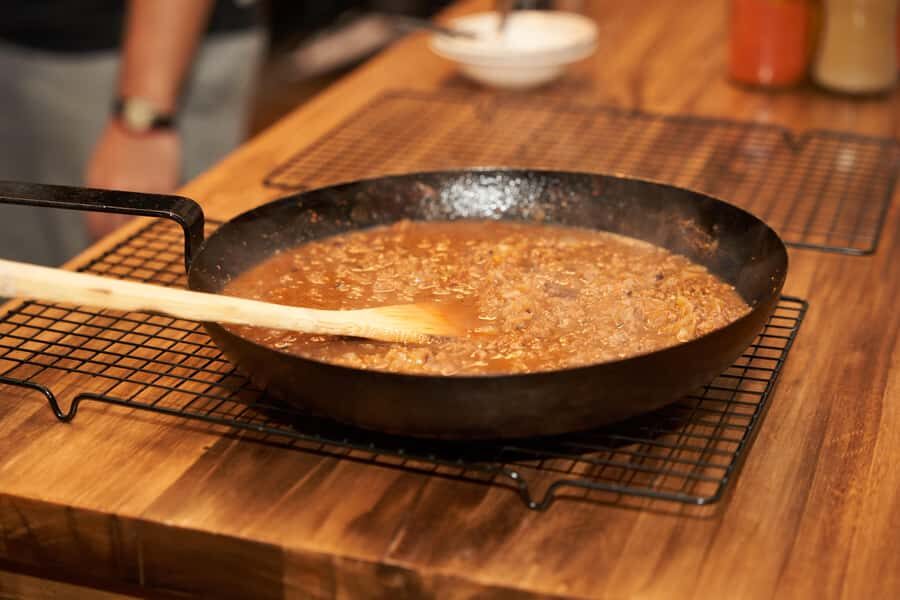
If you want a real taste of Argentine home cooking—with hands-on cooking, a proper seated meal, and wine pairing—this is an easy yes.
Book it if:
- You like interactive classes and cooking from scratch
- You want classics like empanadas, chimichurri, humita, and dulce de leche crepes
- You want small-group energy with enough structure to learn
Skip it (or choose carefully) if:
- You need a fully solo cooking experience
- You can’t handle arriving without pickup
- You’re very strict about doing every single task yourself in one dish
For many travelers, the best souvenir isn’t a magnet. It’s the feeling that you can make a few Argentine staples back home—and explain what makes them Argentine in the first place.
FAQ
How long is the Argentine cooking experience?
The experience is about 3 hours. It can be adapted to 2.5 hours for private groups.
How much does it cost?
The price is $75 per person.
What language is the class taught in?
The experience is offered in English. For private groups, it can be held in Spanish.
What’s included in the meal and drinks?
You get a 5-step menu paired with Durigutti wines Las Compuertas, plus vermouth, water, and homemade lemonade. There’s also a welcome picada, vermouth cocktail, and the specific dishes and dessert listed in the experience details.
Can they adjust for dietary restrictions?
Yes. The experience can be adapted for vegetarian, gluten free, and lactose free diets.
How many people are in the group?
It’s described as a small group limited to 10 participants, with a stated capacity up to 14.
Is hotel pickup and drop-off included?
No. Hotel pickup and drop-off are not included.
Is it wheelchair accessible?
Yes, the experience is wheelchair accessible.
What’s the cancellation policy?
Free cancellation is offered up to 24 hours in advance for a full refund.