REVIEW · USHUAIA
Vinciguerra Ice Experience
Book on GetYourGuide →Operated by PATAGON MOUNTAIN AGENCY · Bookable on GetYourGuide
Glacier trekking starts where mud rules. I love how this hike strings together peatland valleys and meltwater scenes in just a few kilometers, and I really like the hands-on crampons time on an ancient glacier. One heads-up: conditions are humid and steep, with mud, roots, and trunks—so balance matters more than speed.
This is an 8-hour outing from Ushuaia designed for people who want a full day outside, not just a photo stop. You’ll ride in a van, start walking at 9:00, reach the foot of the Vinciguerra Glacier around noon, and then return to Ushuaia by about 16:00.
In This Review
- Key points at a glance
- Ushuaia to the Trailhead: the van ride that sets expectations
- The Hike Through Peatlands and Meltwater: what you’ll actually walk through
- Reaching the Foot of Vinciguerra Glacier: the “arrive and shift gears” moment
- Lunch + Hot Drink: fuel that actually fits the day
- Glacier Footsteps with Crampons: the experience that changes the whole hike
- What makes this ice trekking special
- The Return to Ushuaia: why timing feels generous
- How Hard Is It Really? 12 km, 545 m up, and humid footing
- Safety and guide style: why the best part is often the human part
- Price and value: is $171 per person fair for what you get?
- Who should book this Vinciguerra Ice Experience (and who should skip it)
- Who should not book
- Should you book it? My take on the call
- FAQ
- How long is the Vinciguerra Ice Experience?
- Where does pickup happen?
- What time does the hike start?
- How far do you trek and how much elevation gain is there?
- What gear is included for the glacier walk?
- Is lunch included?
- What languages is the guide available in?
- Is this tour suitable for kids or people with medical concerns?
Key points at a glance
- 12 km / 545 m up: real uphill effort, but not a marathon
- Peatland (turba) walking: wet, tricky ground handled by the guide
- Crampon ice trekking: the highlight is time on the glacier itself
- Sub-Antarctic forest slopes: steep sections with roots and trunks
- Lunch plus hot drink: built into the glacier-time block
- Multilingual guides: French, English, Spanish
Ushuaia to the Trailhead: the van ride that sets expectations
The day starts with hotel pickup in Ushuaia, with the departure scheduled for 8:00. You’ll wait in the lobby about 10 minutes before pickup, and the driver won’t hang around much beyond the scheduled time (so show up a little early). Then it’s a straightforward van transfer—about 30 minutes—before the hike begins at 9:00.
I like this format because it keeps the day simple. You don’t have to figure out roads, timing, or how to stage your gear. You just get dropped in time to start walking while your energy is still high.
If the weather is damp (common here), you’ll feel it on arrival. The tour is built for that reality: the terrain is described as humid, with mud, roots, trunks, and steep slopes in the forest. That means you’re not in a “walk on a clean path” situation. Plan your mindset accordingly.
You can also read our reviews of more tours and experiences in Ushuaia.
The Hike Through Peatlands and Meltwater: what you’ll actually walk through
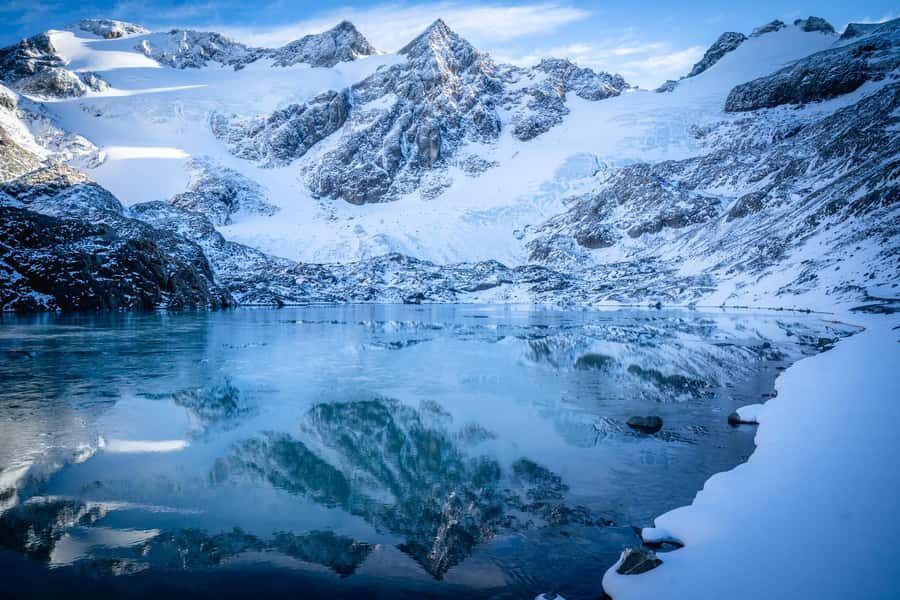
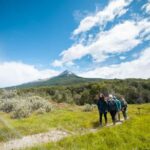
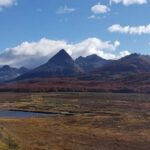
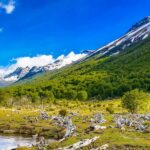
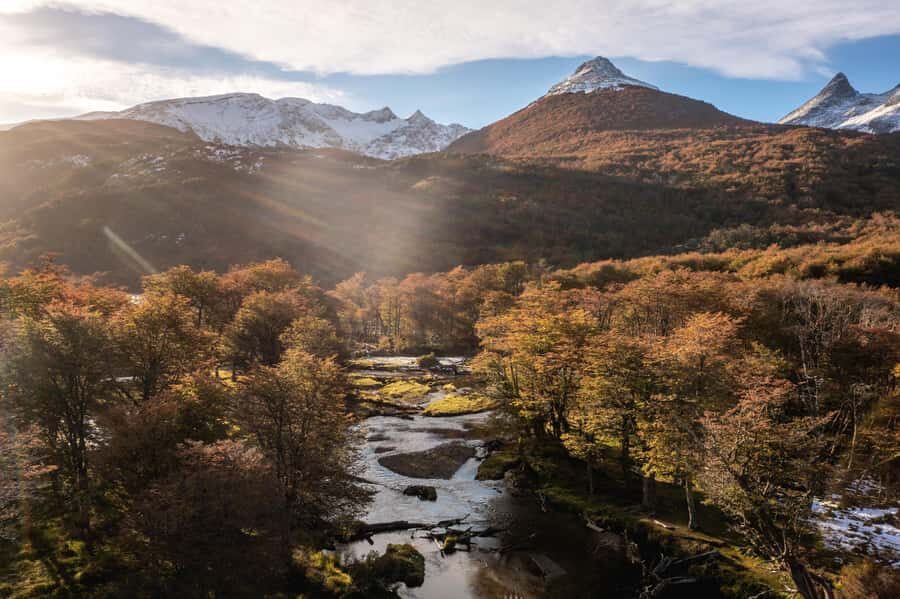
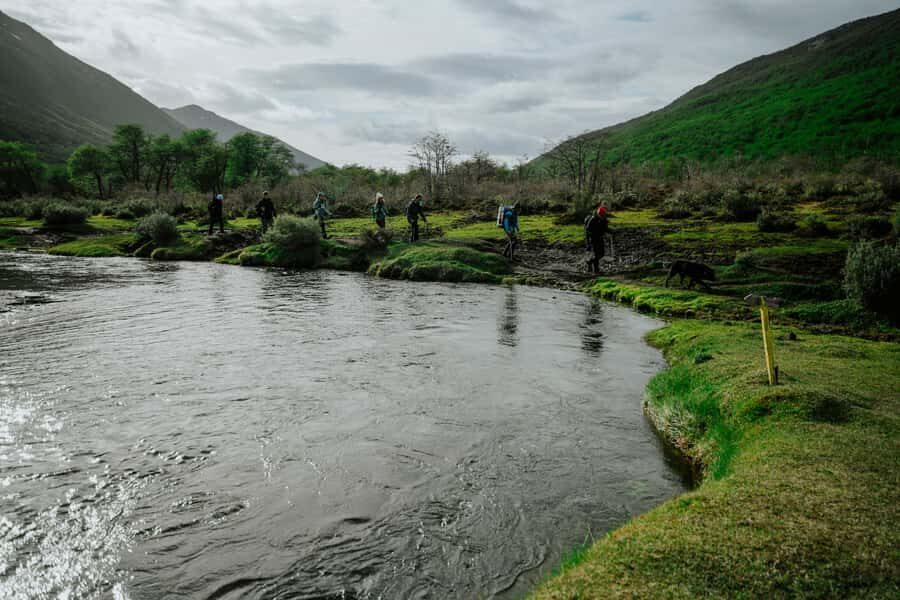
This trek is about variety, and it’s impressive how much change you get across the roughly 12 km total distance. The route moves through peatland valleys, then into areas shaped by meltwater rivers, before climbing through sub-Antarctic forest.
Here’s what matters for you as a walker. Peatlands in Tierra del Fuego aren’t just “wet grass.” You’re dealing with a sponge-like surface that can grab your footing. In past groups, guides like Emilio have been praised for navigating the Argentine turba (peat), with the kind of calm competence that keeps you moving safely even when the ground feels like it’s trying to swallow your steps.
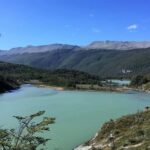
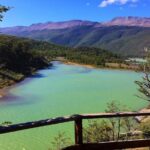
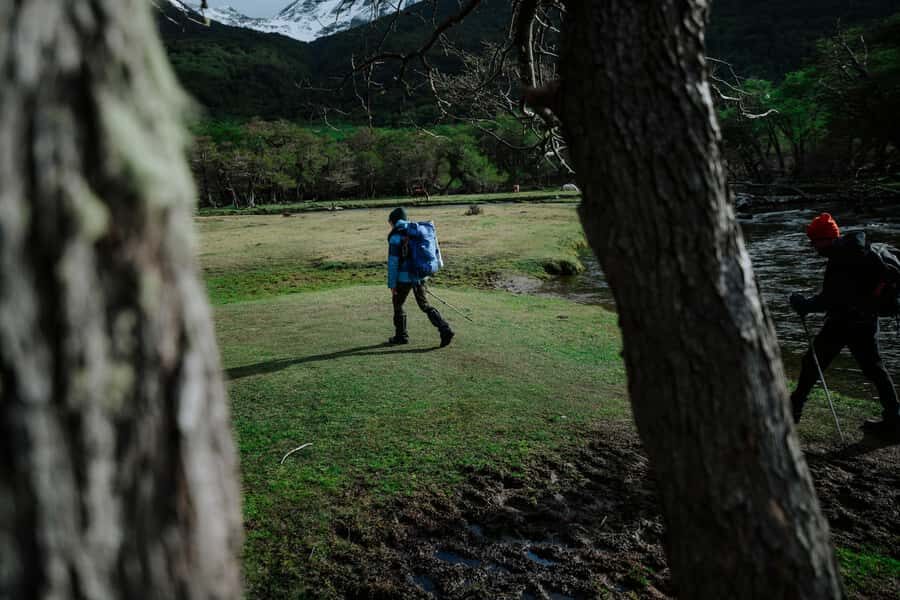
As you progress, meltwater detail becomes easier to notice: water channels, wet edges, and the slick logic of where the ground gives way. You’ll also be walking in forest areas where the slopes can be steep. Roots and trunks are part of the trail texture, so your footing needs attention every few seconds—not just when you see the glacier.
Reaching the Foot of Vinciguerra Glacier: the “arrive and shift gears” moment
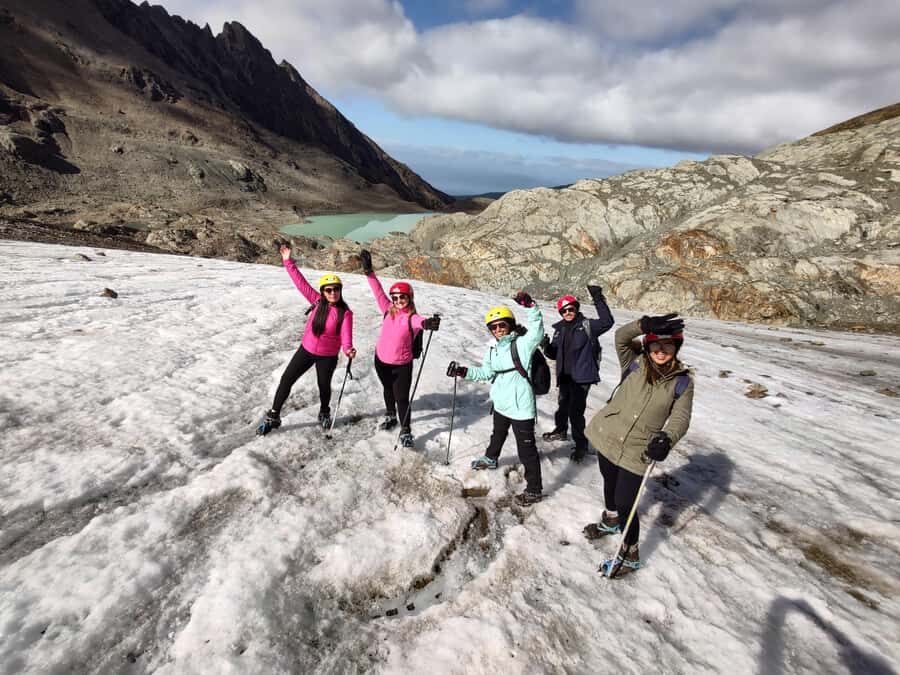
Around 12:00, you reach the foot of the Vinciguerra Glacier. This is the moment where the day stops being only about effort and becomes about payoff.
What I find especially satisfying here is the contrast. Up to this point, you’re negotiating mud and steep, rooted sections. Then you step into the glacier zone—where the air, the visuals, and the soundscape change. It’s not just big ice in the distance; you’re close enough that the glacier becomes the focus.
At 12:30, lunch and ice trekking with crampons happen as part of the same block. That timing is smart because you aren’t rushing straight from walking to ice. You get fed, your body settles, and then you shift to a different kind of movement entirely.
Some days are more dramatic than others, but the consistent value is this: you’re not just looking at ice. You’re experiencing how it moves under your feet—slowly, carefully, and with proper gear.
Lunch + Hot Drink: fuel that actually fits the day
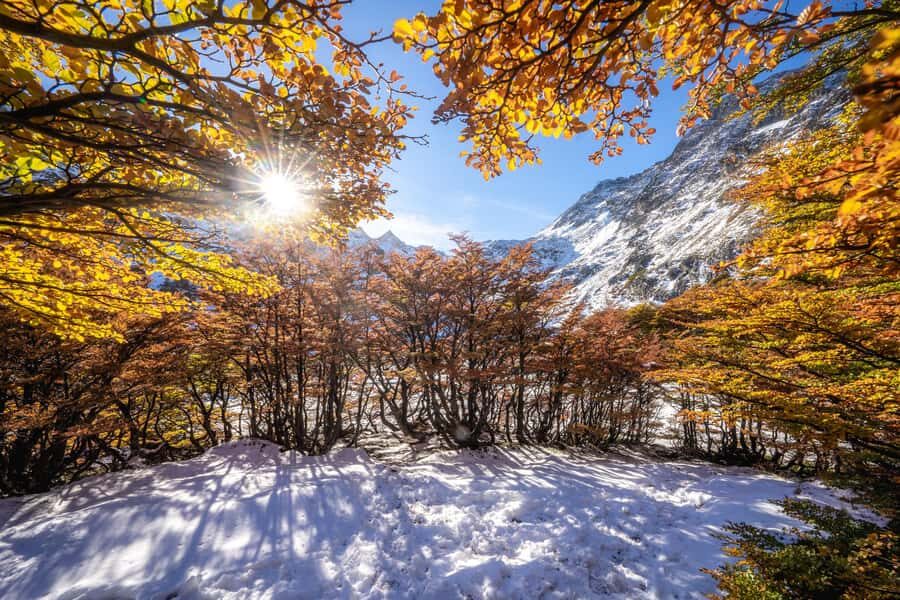
Lunch is included at 12:30, timed right when you arrive. You also get a hot drink, which is more than a nice bonus in a cold, wet environment. I love that this isn’t a “bring your own snack and hope” situation. It’s scheduled so you can refuel without ruining your pace or energy.
A practical takeaway: because the terrain is humid and slippery, you’ll want to eat before your motivation runs on fumes. A guided schedule helps here. You’re not stuck thinking about when to stop; the plan builds that rest into the glacier-time window.
Glacier Footsteps with Crampons: the experience that changes the whole hike
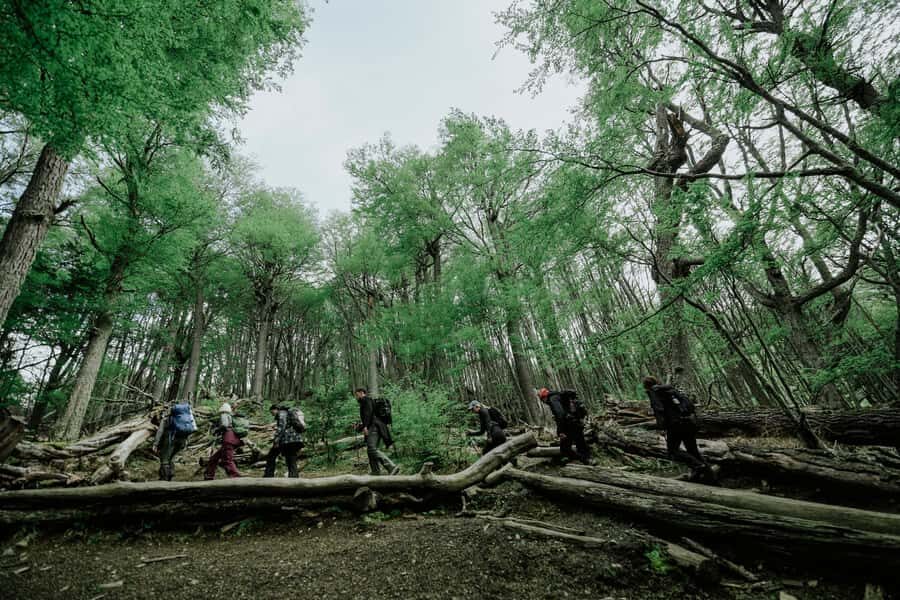
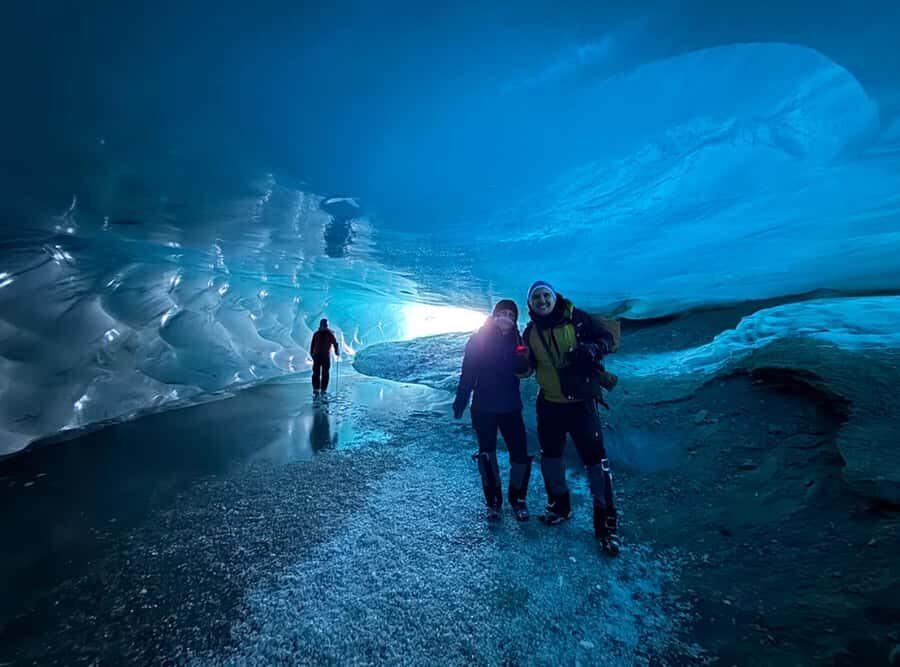
This is the core of the tour. Once you’re on the ice, you walk with crampons. The setup is included, and it’s one of the things people tend to remember most because it’s the closest thing to a “technique moment” you get in a day hike.
The walking style matters. You’re not sprinting. You’re learning the safe way to move on ice that can be slippery even when it looks solid. In past departures, guides like Felix have been praised for showing the safest way to walk up and down in mud-and-root terrain—then applying that same safety mindset on the glacier itself.
I think that’s the real value of crampon time: it turns you from spectator into participant. You’ll still be cautious, but you’ll feel like you’re doing something specific—using gear that changes how you contact the surface.
What makes this ice trekking special
- It’s guided, so you’re not figuring out crampon basics on your own.
- You get real time on the glacier, not just a quick step for photos.
- The trek ties together ecosystems (peatland and forest first, glacier payoff second).
- You come away with confidence, especially if you’re new to traction gear.
The Return to Ushuaia: why timing feels generous
After the glacier block, the schedule has you returning starting at 13:30. Then it’s van time back to Ushuaia, arriving around 16:00.
That mid-afternoon return is one reason I like this tour for first-time visitors to Patagonia. You get a full day outside, but you’re not stuck until the evening. You still have time to decompress in town, grab a warm drink, and process the fact you actually walked on a glacier.
Also, the day’s structure matters for safety. When the route is steep and wet, you don’t want to be improvising the last hour. A guided itinerary keeps you moving with a plan even when the ground turns slick.
How Hard Is It Really? 12 km, 545 m up, and humid footing
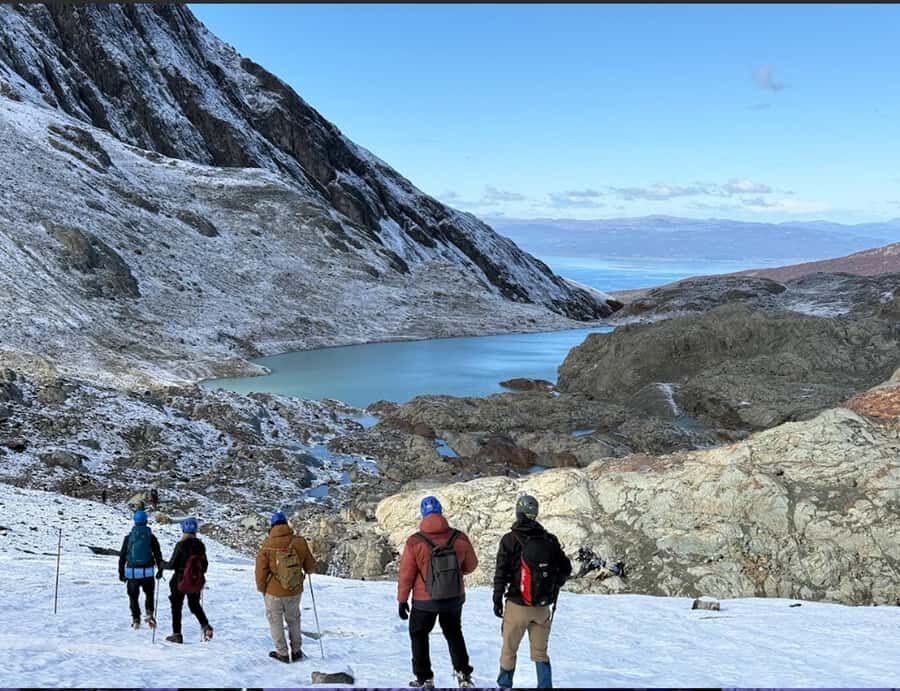
Let’s talk numbers and how they translate to your legs.
- Total distance: 12 km
- Positive elevation difference: 545 meters
That’s enough climbing to feel it, but it doesn’t read as an all-day suffer-fest for fit walkers. The bigger challenge isn’t just the elevation—it’s the terrain type: humid, muddy, rooted, and steep at points in the forest.
So, how should you judge your readiness?
- If you can handle uphill walks on uneven ground without constantly stopping to re-balance, you’ll likely be okay.
- If your legs are fine but your ankles struggle on slick surfaces, you’ll want to take this slow and listen closely to the guide’s foot placement advice.
A key theme from guide feedback is pace. Joaquin, for example, was described as making the group feel part of a trekking community, while still keeping things at a level that lets you enjoy views rather than just survive the climb. That kind of pacing is especially helpful here because steep, muddy sections demand focus.
Safety and guide style: why the best part is often the human part
A glacier trek can’t be reduced to gear. The guides are the difference between anxious hiking and steady progress.
I’m especially drawn to the way past guides have been praised for:
- Reading the ground and adjusting where you step (with turba/peat being a highlight)
- Keeping people comfortable and informed—not just barking instructions
- Matching the group pace so you can enjoy the surroundings
- Teaching safe technique for slippery mud and roots, then transferring that mindset to ice
Names that show up in guide experience include Emilio, Gastón, Joaquin, and Felix. Even if you don’t get the same person, the pattern is clear: this is an outing where the guide’s calm competence is part of the product.
One more practical point: everyone gets crampons, trekking poles, and a helmet. Those items help, but the real benefit is how they’re used. A guide who knows the safest way to move saves you from guesswork.
Price and value: is $171 per person fair for what you get?
The price is $171 per person for an 8-hour experience. On paper, that might sound like a “tour cost” rather than a “hike cost.” But when you break down what’s included, the value makes more sense.
You’re getting:
- Hotel pickup and dropoff
- A live guide in French, English, and Spanish
- Crampons, trekking poles, and a helmet
- Lunch and a hot drink
- Personal insurance
For a glacier day, gear and safety support are not minor add-ons. They’re the difference between a fun outing and a risky one. You’re also not paying separately for transfers, which matters because this trek is tied to where the ice access works.
Where the $171 feels most justified is that it’s not only “walking to a viewpoint.” You’re reaching the foot of the glacier and spending time trekking on it with the right equipment.
Who should book this Vinciguerra Ice Experience (and who should skip it)
This is best for you if you:
- Enjoy full-day trekking and want a clear endpoint: the glacier itself
- Are comfortable walking uneven, muddy ground
- Like guided days where you learn along the way and don’t have to plan logistics
It also fits people who want nature variation without a complicated multi-day itinerary. You’ll see peatland valleys, meltwater rivers, and sub-Antarctic forest on the way to the glacier.
Who should not book
The tour is listed as not suitable for:
- Children under 14
- Pregnant women
- People with back problems
- People with claustrophobia
- People over 287 lbs (130 kg)
- People with recent surgeries
- Visually impaired people
- People with pre-existing medical conditions
If any of those apply, I’d treat the “not suitable” note as a hard stop rather than something to negotiate with. Cold, steep, and slippery ground plus trekking demands mean it’s better to choose a different activity that matches your body and comfort needs.
Should you book it? My take on the call
If you want the satisfaction of a glacier walk—gear on, boots biting, guide teaching you how to move—then this is a smart booking. I’d especially recommend it for travelers who don’t just want glacier photos, but want to understand how walking on ice feels and how the day’s pacing protects your safety.
I’d hesitate only if you’re nervous about steep, muddy footing. The route is described as humid with mud, roots, trunks, and steep slopes in forest areas. If that’s a problem for you, it won’t magically become easy once you see the ice.
One practical reason to book: the offering includes options like free cancellation up to 24 hours in advance and reserve now, pay later, which helps if weather or plans shift.
FAQ
How long is the Vinciguerra Ice Experience?
The tour lasts 8 hours.
Where does pickup happen?
Pickup is from Ushuaia, with the pickup from your hotel and a transfer to the trail area.
What time does the hike start?
The hike starts at 9:00.
How far do you trek and how much elevation gain is there?
You trek a total of 12 km with a positive elevation difference of 545 meters.
What gear is included for the glacier walk?
Crampons, trekking poles, and a helmet are included.
Is lunch included?
Yes. Lunch is included, along with a hot drink.
What languages is the guide available in?
The live guide is available in French, English, and Spanish.
Is this tour suitable for kids or people with medical concerns?
No. It’s not suitable for children under 14, pregnant women, people with back problems, people with claustrophobia, people over 287 lbs (130 kg), people with recent surgeries, visually impaired people, or people with pre-existing medical conditions.