REVIEW · USHUAIA
Ushuaia: End of the World Train Ride & Tierra del Fuego Park
Book on GetYourGuide →Operated by Gray Line Argentina · Bookable on GetYourGuide
The steam trains here make Ushuaia feel mythic, but it’s not just a photo stop. I really like that you get large-window vintage cars plus an audio system in seven languages, so the landscape comes with context instead of dead air. You’ll also get a clear, guided route through Tierra del Fuego National Park, with planned photo stops and short walks.
The second thing I love is the variety of scenery packed into one outing: river bends like the winding Pipo River, waterfall country, forest walks, and then the park’s sea-and-mountain contrasts. As an extra bonus, the tour’s focus is practical: you’ll learn what you’re actually seeing—flora, geography, and local park wildlife—rather than just being dropped off at viewpoints.
One possible drawback to weigh: the day is paced for sightseeing, not long hikes. If you want lots of independent walking time, you may feel like the time is tight once you’re in the park and the stops are scheduled around weather and transit.
In This Review
- Key Things to Know Before You Go
- Steam, Audio, and the Prisoner Story at the End of the World Station
- From National Park Station to Borderlands Scenery
- Tierra del Fuego National Park: Sea Coast Meets Mountains
- Acigami, Laguna Verde, and Lapataia Bay: the Named Stops That Matter
- Price and Timing: What $140 Really Buys
- Planning Your Ushuaia Day: Pickup, Transfers, and What to Bring
- How I’d Decide: Who This Is For (and Who Might Want Another Option)
- Should You Book This End of the World Train + Park Tour?
- FAQ
- How long is the End of the World Train and Tierra del Fuego Park tour?
- What does the price include?
- Is the national park entry fee included?
- What languages are available on the tour?
- Is there an audio system on the train?
- Do they pick up from the port?
- What information do I need to confirm my reservation?
Key Things to Know Before You Go
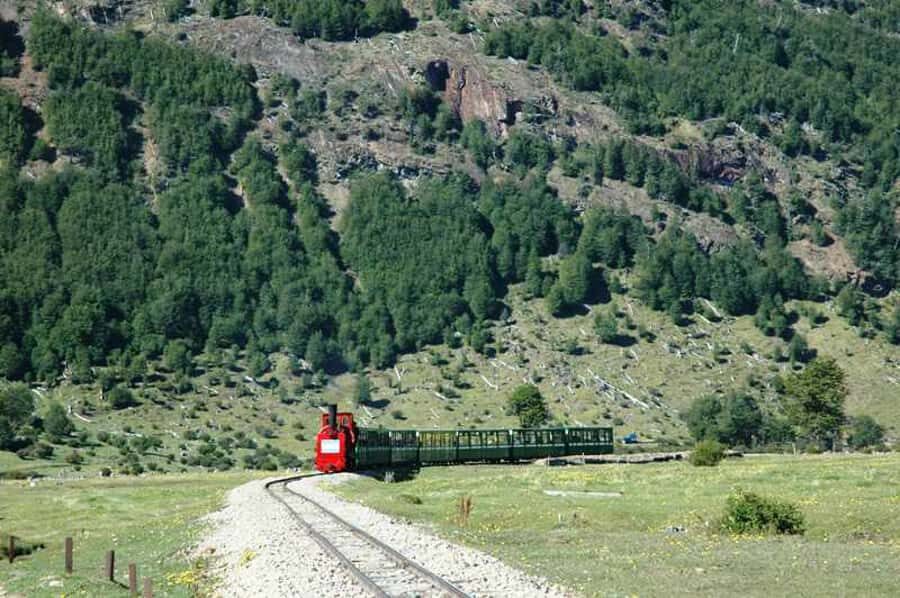
- Steam locomotives on a vintage route: the ride is a major part of the value, not filler.
- Seven-language audio in each car: you can follow the prisoner story and landscape notes as you watch.
- Planned scenery hits: Pipo River, waterfall area, tree cemetery, lenga forest, plus multiple park lookouts.
- National Park access that mixes sea coast and mountains: Tierra del Fuego is the rare protected zone with both.
- Drop-offs at major named places: Lapataia Bay, Lake Acigami, and Laguna Verde are part of the drive.
- Park fee is extra: national park entry is not included (about $22), so budget accordingly.
Steam, Audio, and the Prisoner Story at the End of the World Station
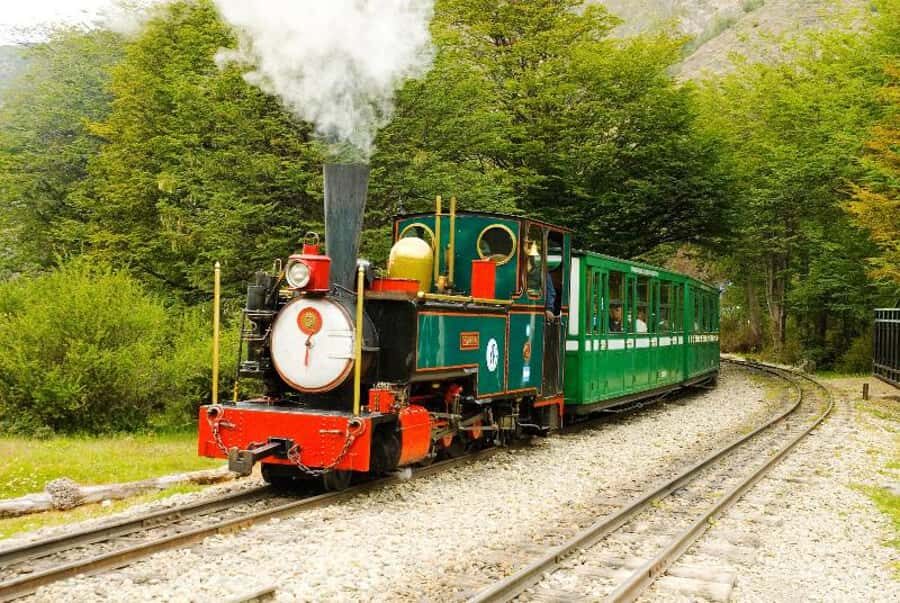
This experience starts at the End of the World Train Station, and it wastes no time turning the ride into a story. The train itself uses steam locomotives, and the cars are built for watching out—big windows, open sightlines, and a calm rhythm that makes the scenery easier to take in.
What makes it feel more than just transportation is the way the narration is built in. You’ll have an individual audio system and you can listen in seven different languages as the train moves. The story centers on the prisoners who came daily to cut wood in the area, which gives the landscape a second layer. Instead of thinking only about mountains and water, you start picturing the work, the routes, and why this remote corner of the world mattered.
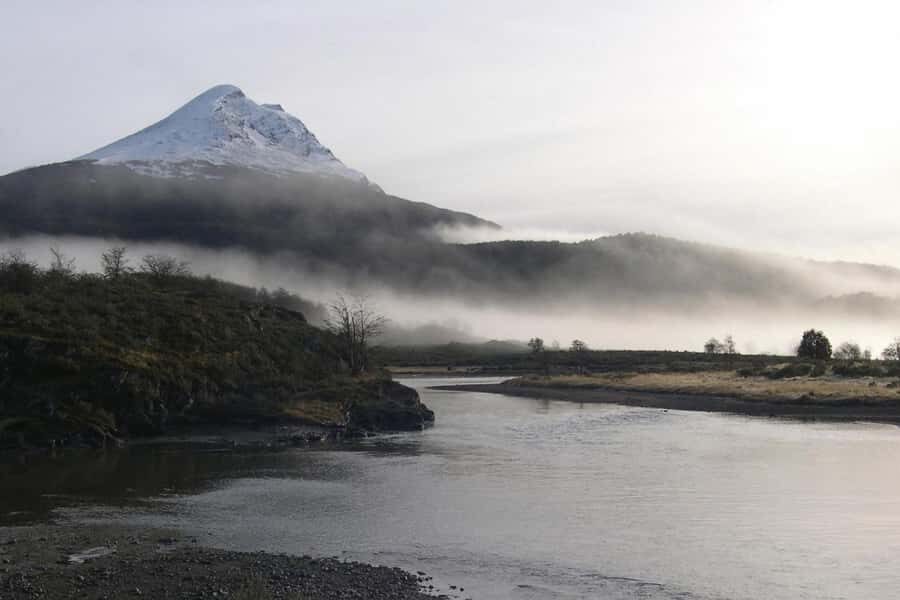
On the way, you pass through a sequence of natural highlights that are easy to picture even if you’re seeing them for the first time. The Pipo River winds through the route, and you’ll get views tied to named moments like the La Macarena waterfall area. There’s also a stop or slow-view moment connected to the tree cemetery, followed by stretches through a lenga forest. These aren’t just random scenery stops; they’re the kind of landmarks that help you remember the trip after you’ve gone back to town.
A practical tip: even if your guide language is English or Spanish, don’t ignore the audio options. If you want more detail while you’re watching the landscape, the audio lets you control the pacing. And because everyone is looking out the windows, it naturally encourages a quiet kind of attention—ideal when the weather changes quickly and you want to catch views before fog or clouds roll in.
You can also read our reviews of more tours and experiences in Ushuaia.

From National Park Station to Borderlands Scenery
Once you reach the National Park Station, the experience shifts from rail to the guided park portion. Your guide is there to continue, and the tone becomes more hands-on—less about the ride and more about what you’ll see in the park and how to connect the dots.
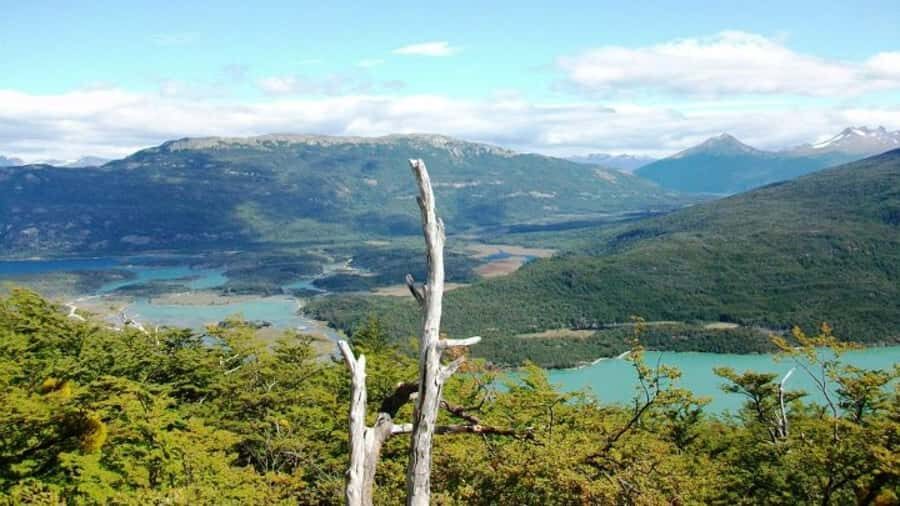
This section matters because Tierra del Fuego is shaped by geography you can feel: mountains, valleys, and the park’s position near the border. The route is designed to show you those shapes in motion. You don’t just arrive at one viewpoint; you keep moving through different terrain bands, which helps you understand why this region can look dramatic in multiple ways within a short distance.
You’ll have time for photography along the drive, and there’s also a short hike that depends on weather. That weather note isn’t small. In southern Patagonia, wind, clouds, and rain can change what’s safe and comfortable fast—so take layers seriously.
As you travel deeper into the park area, your guide can answer questions in the moment. The best part of having a professional guide here is that you’re not forced to memorize a list of names. You learn what those names mean for the land: how the vegetation responds to cold conditions, where animals tend to appear, and how the park’s layout creates the views you’ll later recognize from the major stops.
Tierra del Fuego National Park: Sea Coast Meets Mountains
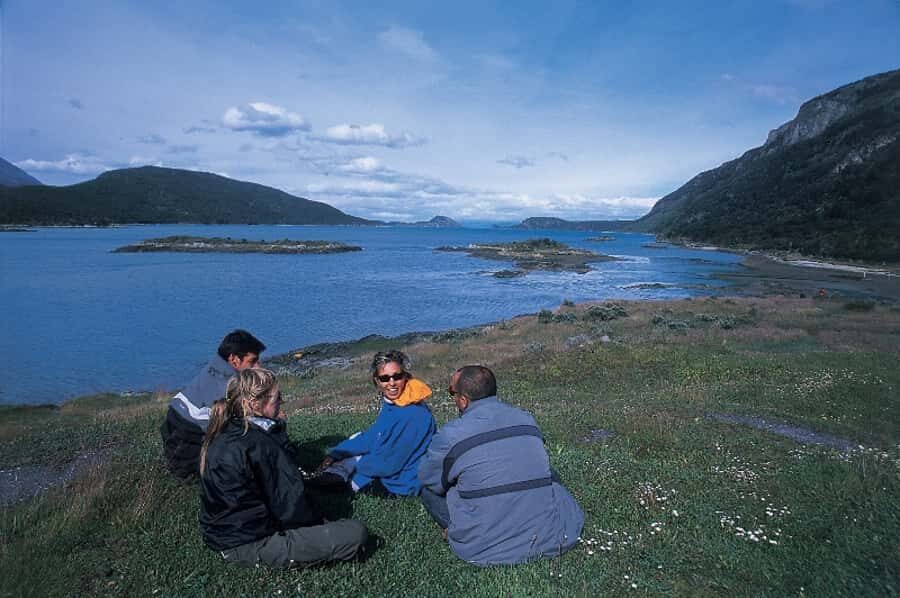
Tierra del Fuego National Park is the kind of place that surprises people who only know Patagonia from iconic photos. It’s Argentina’s southernmost protected area, and what makes it unusual is simple: it combines sea coastline and mountains in the same protected space. That mix is what keeps the visuals changing—glacier-like edges in the mind, but also coastal angles and channel views depending on where you are.
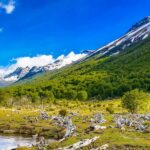
What you’ll notice in the subantarctic forest is the way the landscape holds shape even when the sky looks heavy. The forest is a key character in the experience, and you’ll get multiple chances to see it through windows, at stops, and around short walks. This is one reason the earlier train segment helps: it primes your eyes for the same environment themes—tree form, terrain texture, and the sense of distance.
The tour also gives you a wildlife angle without being gimmicky. You might spot the Fuegian red fox, and birds are a real possibility if you look for movement around shrubs and along the road-adjacent areas. The bird list includes the cachaña, giant woodpecker, rayadito, Patagonian thrush, and the caranca goose, which is the park’s emblem. Even if you don’t see all of them, knowing what to scan for changes your experience. You stop treating the park like scenery and start treating it like an active ecosystem.
One more practical point: because you’ll be out near the Beagle Channel at times, wind can cut through quickly. Dress like it’s colder than you think you need to be. You’ll be happier during photo stops, and you’ll actually enjoy the short walk instead of rushing through it.
Acigami, Laguna Verde, and Lapataia Bay: the Named Stops That Matter
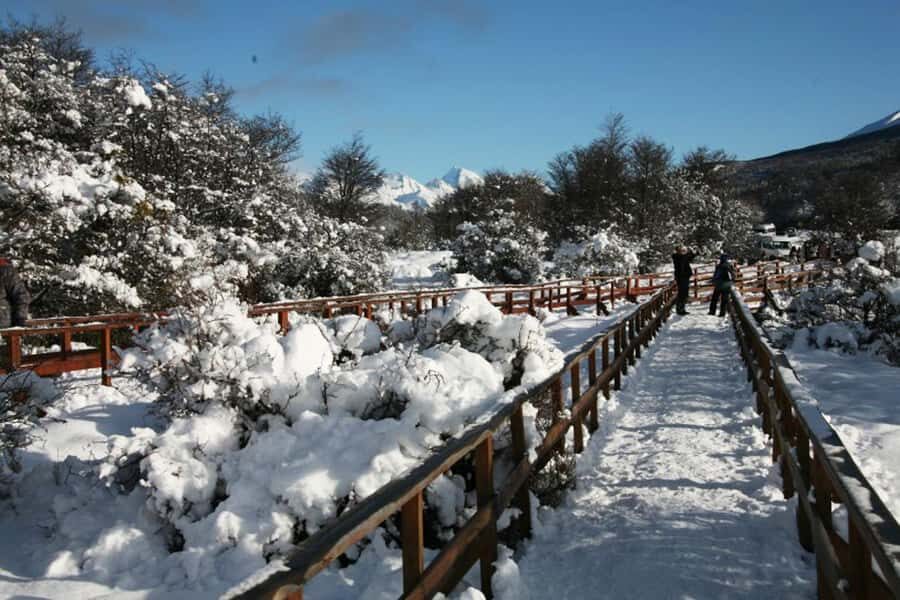
The park drive is structured around high-impact places, not endless stops. You’ll visit the Alakush Visitor Center, plus viewpoints tied to Lake Acigami and Laguna Verde. These locations matter because each one shifts the scene type—water color and shoreline angles change, and that’s where your brain starts sorting the park geography faster.
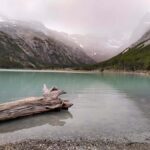
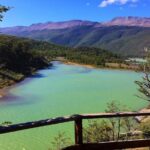
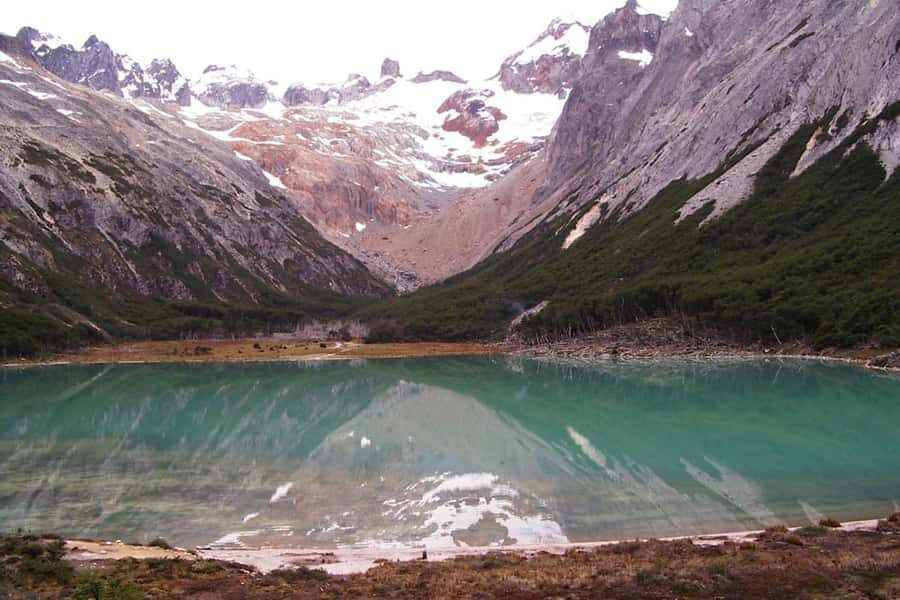
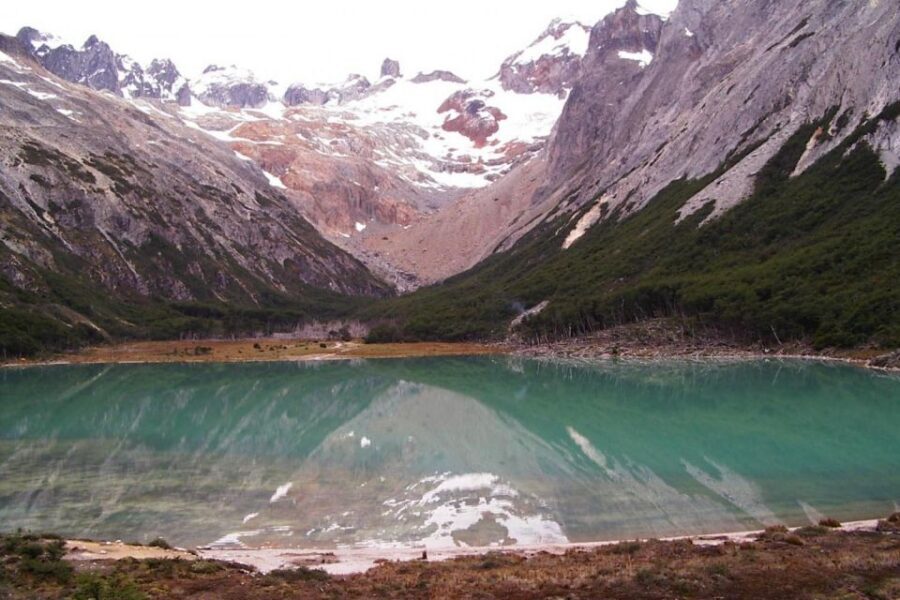
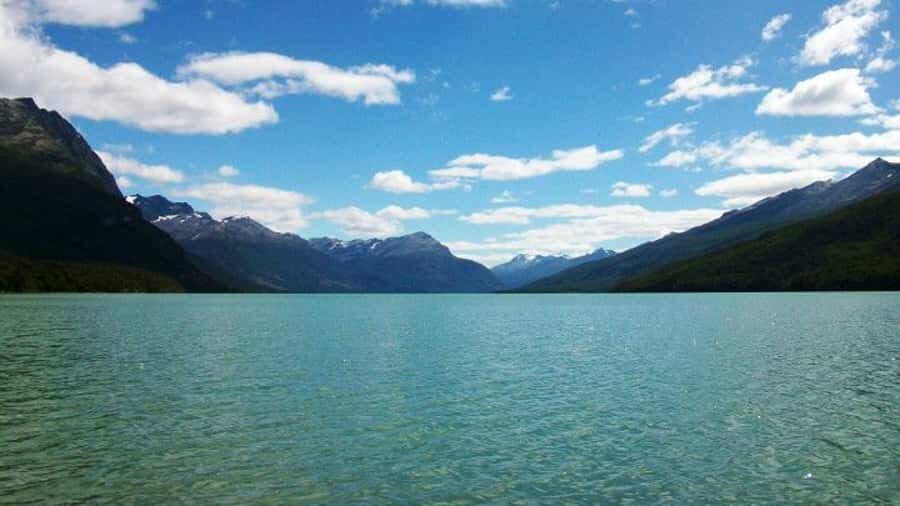
Lake Acigami is the kind of stop where reflections and shoreline contours can look totally different depending on cloud cover. Laguna Verde has its own mood, often more dramatic visually because of how it frames the surrounding terrain. The tour doesn’t ask you to rush—there are photography moments, and there’s a rhythm that gives you time to look without feeling stranded.
Then there’s the star finale: Lapataia Bay. This is where the Pan-American Highway ends, and it’s a wonderfully weird feeling to stand near the edge-of-the-world story with a very real geographic marker behind it. You get that sense of finality that Ushuaia is known for, but you’re not just at a sign—you’re surrounded by park views that make the place feel lived-in by nature.
If the weather cooperates, you may get the chance to take a short hike during the park portion. Don’t count on a long trek. Instead, treat it like a chance to step off the road a bit and feel the ground under the subantarctic forest. If conditions are rough, the guide can adjust what’s feasible, which is exactly what you want in a place where conditions can shift fast.
Price and Timing: What $140 Really Buys
At about $140 per person for the core experience, you’re paying for a blend of two things: the End of the World Train and a guided Tierra del Fuego National Park tour with stops and a guide. That’s not just a cheap bus ride. The train segment is a major cost driver, and it’s also the segment that many people will remember most.
Still, it’s fair to ask if it’s value for your style of travel. If you mainly want lots of walking time and long independent exploration, this may feel like more structure than you expected. You’ll have photography stops and a short hike, but you won’t get hours of open-ended hiking time.
Also, keep the extras in mind. The national park entry fee is not included (roughly $22). That matters if you’re comparing options. Add it before you judge the total value.
Class choice can also affect comfort. There are Tourist Class and Premium Class options, depending on what you book. If you’re sensitive to seating comfort on rail journeys, spend a few minutes thinking about which class you select. One practical lesson from how people talk about this kind of tour: when the schedule is tight, comfort becomes more important, because there’s less time to escape discomfort.
Finally, timing is everything. The total duration is about 330 minutes (around 5.5 hours). That’s enough to deliver multiple named park stops, but it’s not enough for a full-day hike plan. If you’re staying in Ushuaia only briefly and want an efficient, structured “best of” day, this format makes sense.

Planning Your Ushuaia Day: Pickup, Transfers, and What to Bring
This is a hotel pickup-and-drop experience in Ushuaia. Pickup is included, but not every hotel is on the route. If your hotel isn’t part of the pickup network, the provider will contact you with the closest pickup location. Plan to be ready at that spot.
One key limitation: it’s not possible to program pickup or drop-off from or to the port. If your arrival or departure involves a cruise port, you’ll want to double-check your schedule and transportation plan so you don’t end up scrambling on the day.
For what to bring, think weather-first. The park portion includes outdoor photo stops and a possible short hike, and conditions can change quickly in southern Patagonia. Pack layers you can adjust fast, plus a warm outer layer you’re comfortable wearing even when it’s windy.
If you’re traveling in a group, this tour tends to work best when you’re flexible. You’ll move through a sequence of stops, so being ready to hop in and out smoothly will keep the day fun instead of stressful.
How I’d Decide: Who This Is For (and Who Might Want Another Option)
I think this is a strong fit for you if:
- You want a structured day that covers both the train experience and major park highlights.
- You’re excited by storytelling and want context while you look out the windows.
- You like nature, but you don’t want to plan a complicated park route on your own.
It may be less ideal if:
- You’re hoping for a big, independent hiking day with long trails and lots of time off the road.
- You’re very sensitive to vehicle comfort and you don’t like sitting for extended stretches.
- You’re only chasing the park views and you’re unsure you’ll love the rail segment as a main event.
If you’re traveling with limited time in Ushuaia, this gives you a packed hit of what people come for: the classic end-of-the-world train feel plus Tierra del Fuego’s unusual mix of coast and mountains.
Should You Book This End of the World Train + Park Tour?
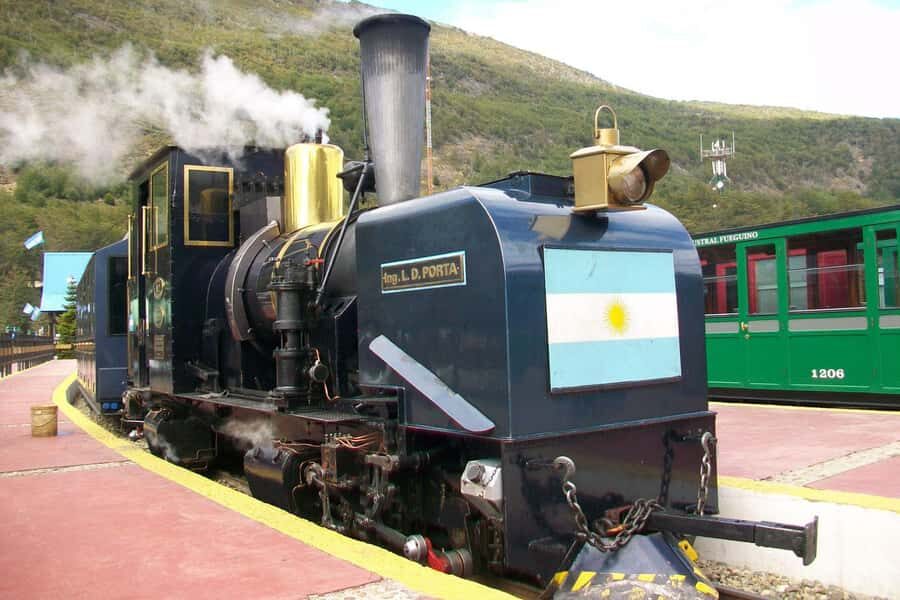
Book it if you want a one-day plan that combines steam train atmosphere with guided access to Tierra del Fuego National Park and multiple named stops like Lake Acigami, Laguna Verde, and Lapataia Bay. The audio system and guided explanations are the difference between seeing places and actually understanding them.
Skip or reconsider if your main goal is long hiking freedom or if you’re traveling with high comfort requirements and want to control every part of the day yourself. In that case, you might compare against options that let you stay longer at fewer stops.
The best approach is to match the tour’s pacing to your own travel style: this one is built for smart sightseeing, not for marathon trekking.
FAQ
How long is the End of the World Train and Tierra del Fuego Park tour?
It runs for about 330 minutes (about 5.5 hours). Start times depend on availability.
What does the price include?
It includes hotel pickup and drop-off in Ushuaia, a one-way ticket on the End of the World Train, a tourist or premium class train ticket (depending on your option), the Tierra del Fuego National Park visit, and a guide.
Is the national park entry fee included?
No. The national park entry fee is not included and is listed as approximately $22.
What languages are available on the tour?
The live guide is available in English and Spanish.
Is there an audio system on the train?
Yes. The vintage train cars include an individual audio system with narration available in seven languages.
Do they pick up from the port?
No. Pickup and drop-off from or to the port is not possible.
What information do I need to confirm my reservation?
You need the full name, date of birth, ID or passport number, nationality, hotel, and telephone number for all passengers. If there are minors under 18, a passport photo is required. Reservations depend on this information being provided.