REVIEW · BUENOS AIRES
Tango Lesson in Buenos Aires with professional dancers
Book on GetYourGuide →Operated by Milonga City · Bookable on GetYourGuide
Tango gets serious fast, in the best way. This private class pairs you with professional dancers in an old Buenos Aires tango school, in dedicated halls that actually feel like part of the craft. I love how you’re taught the basics step-by-step, and I also like that the session connects the moves to what you’re seeing inside the school. The one drawback to consider: it’s a 1-hour block, so you’ll learn fundamentals, not a full tango routine.
You start with the body basics—how to stand, how to connect, and how to move as a pair—then you work on the embrace and simple walking patterns. After that, you get a live tango moment in the same traditional setting, so the lesson doesn’t feel like homework. Another practical note: instruction is in English and Spanish, but it’s still a hands-on dance class, so come ready to practice.
The school is set in an antique-style house, and you’ll meet your instructors after ringing the doorbell at arrival. Bring comfortable shoes and clothes, because you’ll be on your feet the whole time. And if you need mobility support or have visual or hearing limitations, this isn’t listed as suitable, so plan accordingly.
In This Review
- Key things I’d plan around
- A Private Tango Primer in a Real Buenos Aires Tango School
- Inside the Antique House and Dance Halls
- The 1-Hour Lesson: Embrace, Walk, and Basic Steps
- The upside of private time
- Why the Live Tango Exhibition Matters
- Price and Value: What $120 Gets You for Tango Basics
- Timing and Meeting Point: Ring the Doorbell
- What to Bring (and What to Skip) for a Smooth Class
- Who This Tango Lesson Fits Best (and Who Should Rethink It)
- Should You Book This Tango Lesson with Professional Dancers?
- FAQ
- How long is the tango lesson?
- Is this experience private?
- How many people is the group price for?
- What’s included in the experience?
- Do I need any prior dance experience?
- What language are the instructors?
- What should I bring to the class?
- Is alcohol allowed?
- Where do I meet the instructors?
- Is a transfer available?
Key things I’d plan around
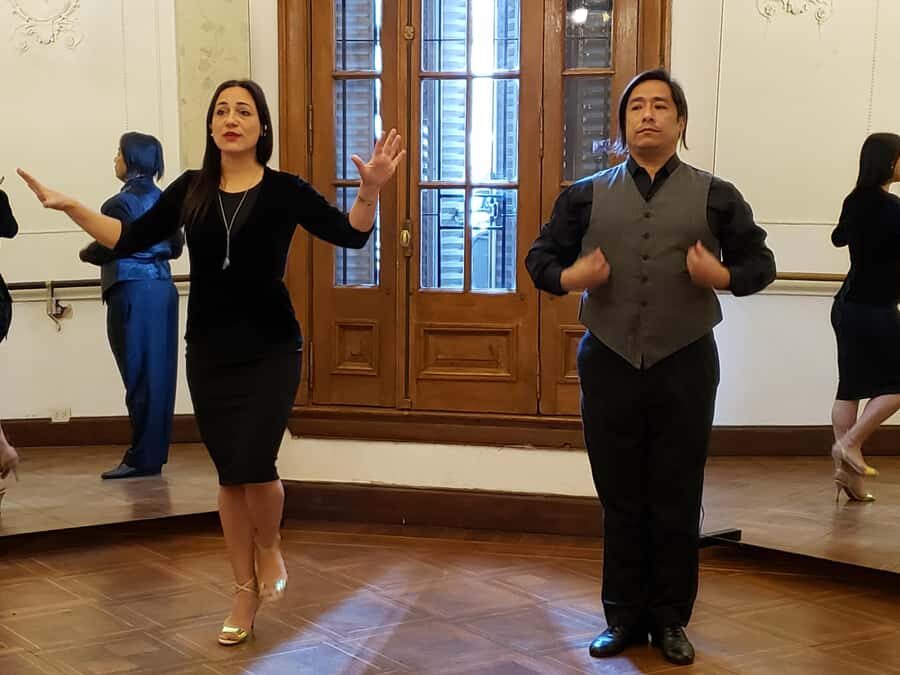
- A private group up to 2 people for $120, which keeps feedback personal.
- Professional instructors who focus on fundamentals like the embrace and partner walk.
- Dedicated dance-class rooms inside an antique tango school house.
- Live tango exhibition to see what the basics are building toward.
- English/Spanish instruction so you’re not guessing the “why” behind each move.
- Optional in-out transfer if you want help getting there without stress.
A Private Tango Primer in a Real Buenos Aires Tango School
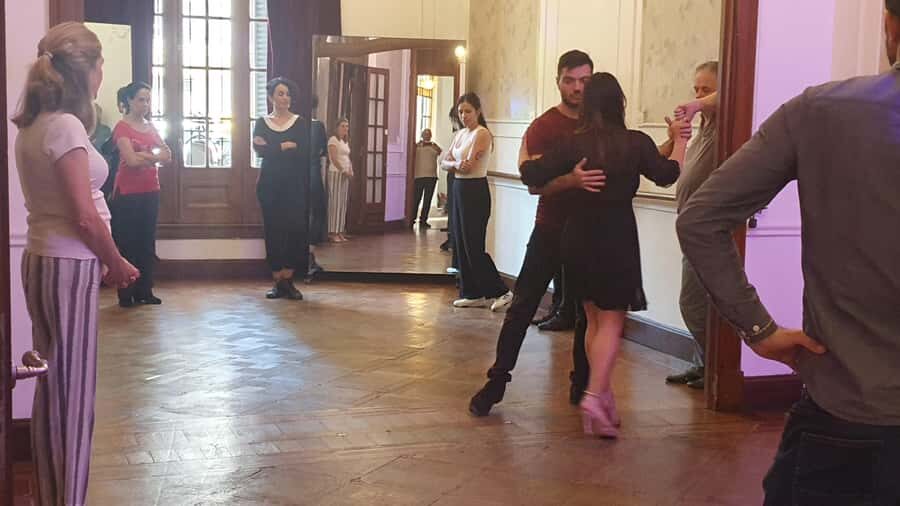
This tango lesson is built for people who want results without the usual chaos. You’re not dropped into a big group and told good luck. Instead, you get a one-hour private class with a professional tango couple in a tango school that’s not trying to be flashy. It’s an adapted old house, and that matters because tango is physical and emotional, not just steps on a grid.
I like that it’s taught as a path to becoming a tango dancer, not as a performance class where you mimic and hope. The vibe is practical. You’ll learn how to hold the embrace, how to move with your partner, and how to get the walk right—those are the ingredients that make everything else feel possible.
One more thing: tango is recognized by UNESCO as an Intangible Cultural Heritage of Humanity, and this experience leans into that idea. It’s not just “dance trivia.” The guide connects what you’re doing to what you see in the tango halls, so the setting has meaning, not just atmosphere.
A few more Buenos Aires tours and experiences worth a look



Inside the Antique House and Dance Halls
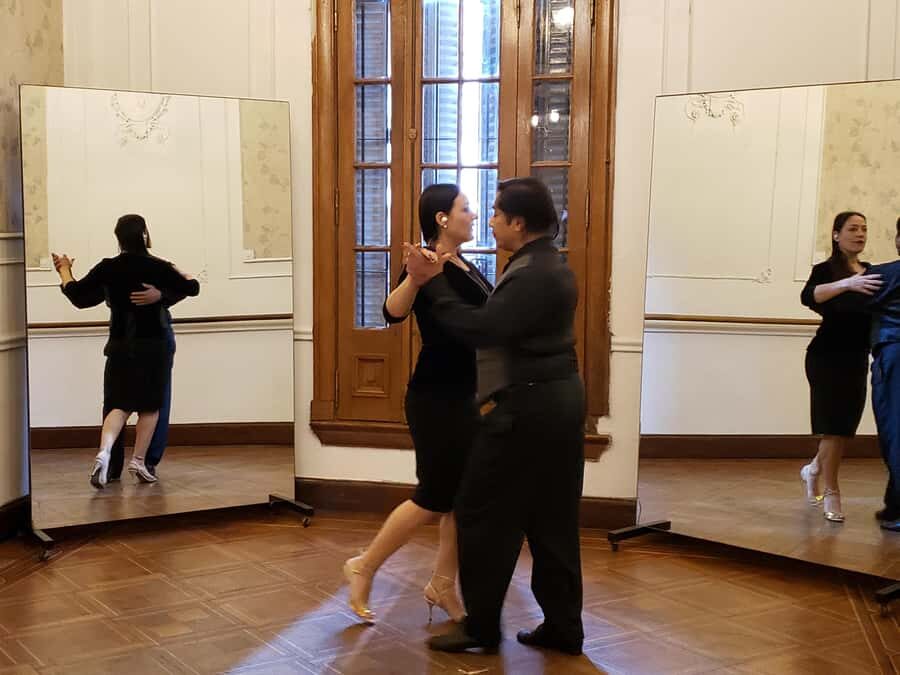
Your first job is to find the place. The meeting point is an old house tango school. When you arrive, you ring the doorbell to meet your instructors. It’s simple, but it’s also the kind of arrival moment where being calm helps. This isn’t a hotel lobby with signs from ten feet away.
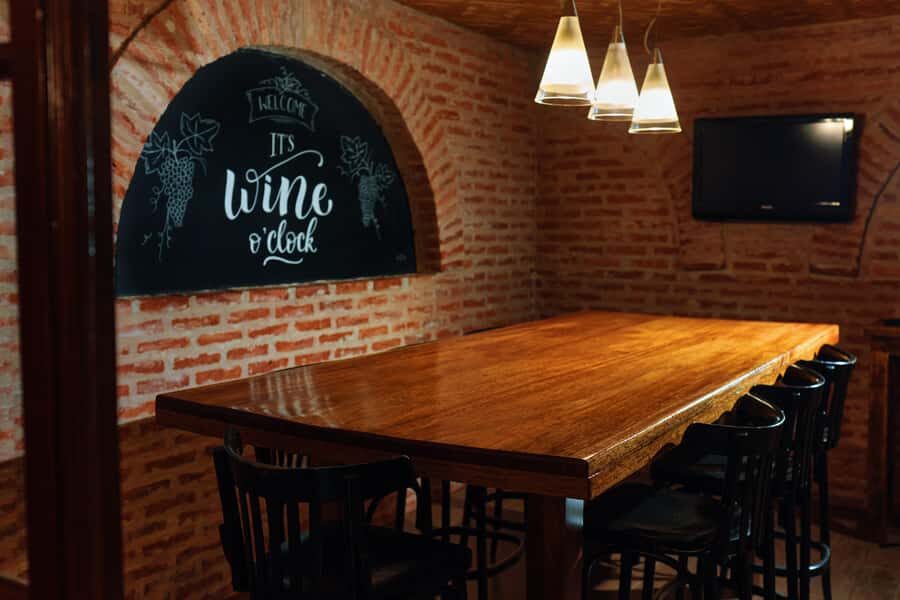
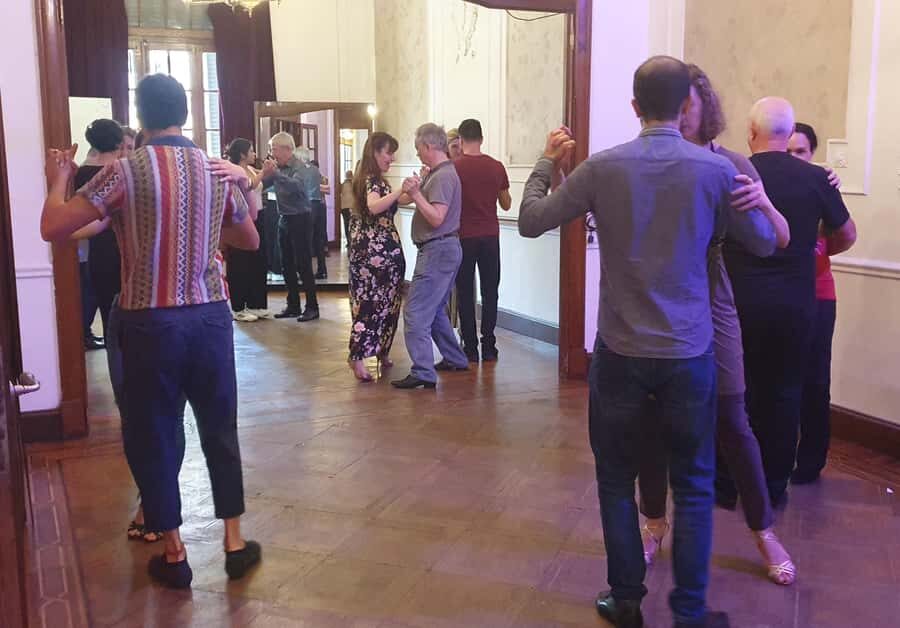
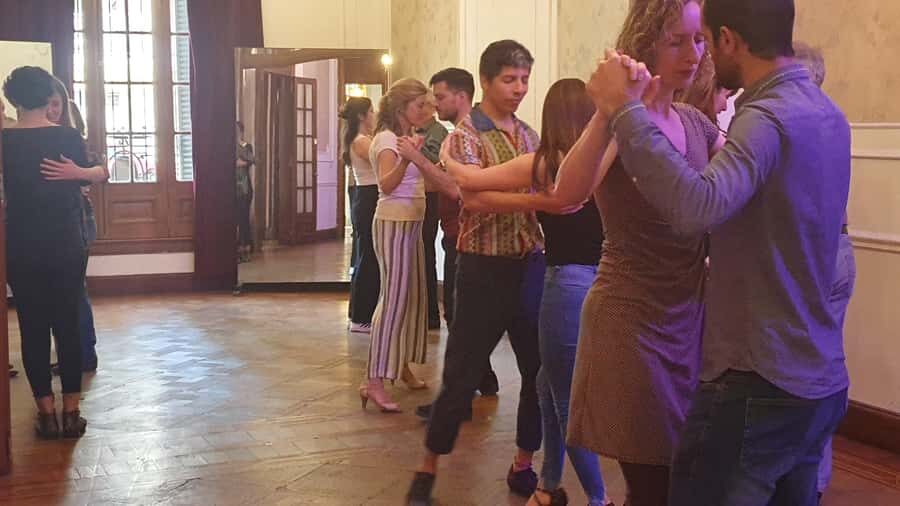
Inside, the school is set up for lessons with special halls for dance classes. That’s useful. Good tango teaching needs space for body position, room to practice steps, and a quiet enough environment to actually feel what your feet and torso are doing. In a normal multipurpose room, you end up tripping over chairs, or you skip trying the harder connection because there’s no room.
You also get the sense that the building itself is part of the lesson. The experience highlights learning the history that lives in each tango hall. You may not get a museum lecture, but you will understand that these rooms were made for tango culture, not just dance workouts.
The 1-Hour Lesson: Embrace, Walk, and Basic Steps
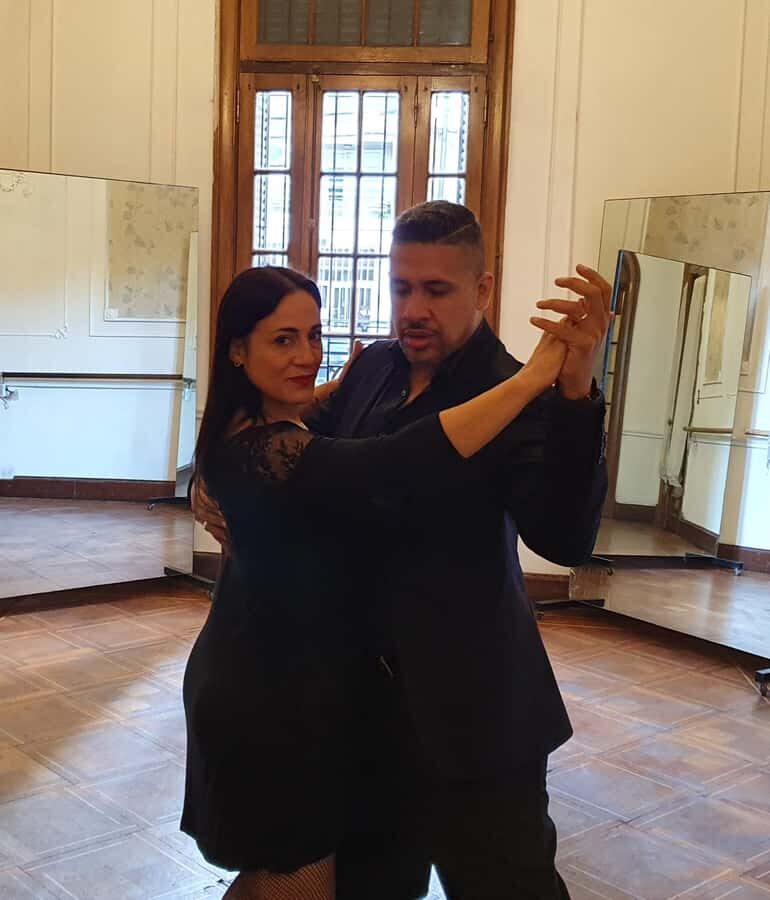
Let’s talk about what you’ll actually work on. The core promise is clear: you’ll learn the basic steps of tango, plus the embrace and the walk with your partner. That triad is the heart of tango for beginners because it teaches both technique and connection.
In practical terms, the embrace is the foundation. If your hold is off, everything else feels awkward—timing, balance, even how your feet feel on the floor. The instructors teach you how to connect with your partner so you can move together, not just beside each other.
Then comes the walk. Tango walking isn’t just strolling. It’s about weight transfer and controlled motion. If you get the walk right, you start feeling the rhythm in your body instead of only hearing it through the music.
The teaching style described is “simply and funnily,” and the best part is how patient it can be. One of the strongest notes from the experience feedback is about the instructor’s patience guiding people through the basics. That’s exactly what you want for tango. You don’t need to be a natural dancer. You need someone who can break down what to do next—while keeping it light enough that you try again.
English and Spanish instruction are both available, so you can focus on learning rather than deciphering.
The upside of private time
Because it’s private, you can take more time with your instructors. One hour can fly by in group classes, but private teaching tends to stretch attention where it matters: posture, foot placement, and how to correct your partner connection.
Why the Live Tango Exhibition Matters
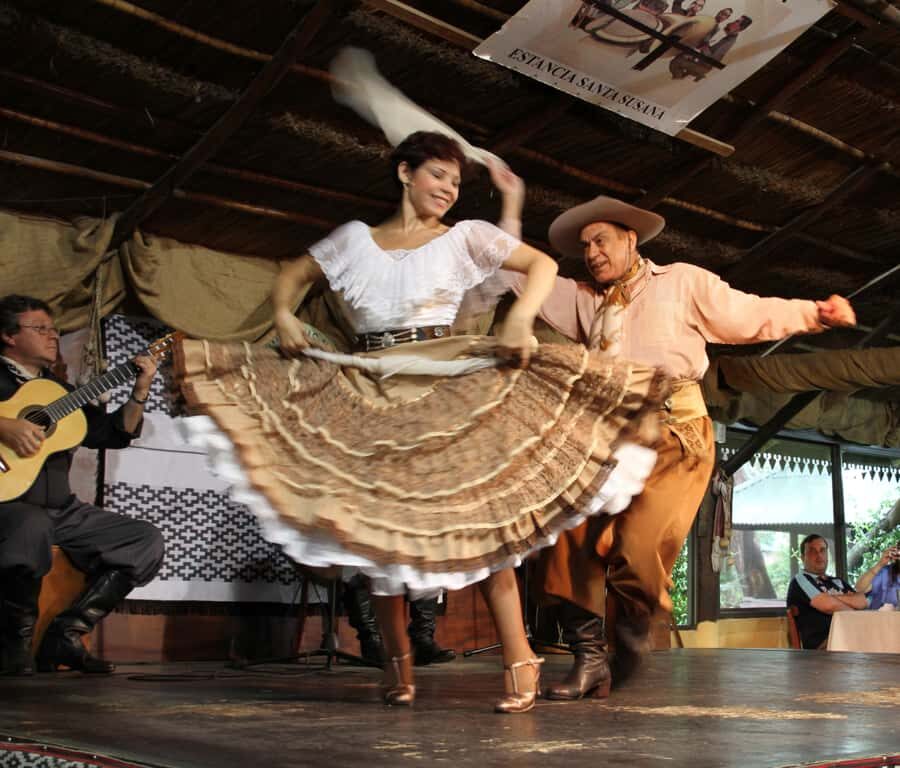
A tango lesson can be all technique and no emotion. Here, the experience includes a live tango exhibition in the traditional tango school setting. That’s a smart pairing. You practice the mechanics, then you see the end result right there in the same environment.
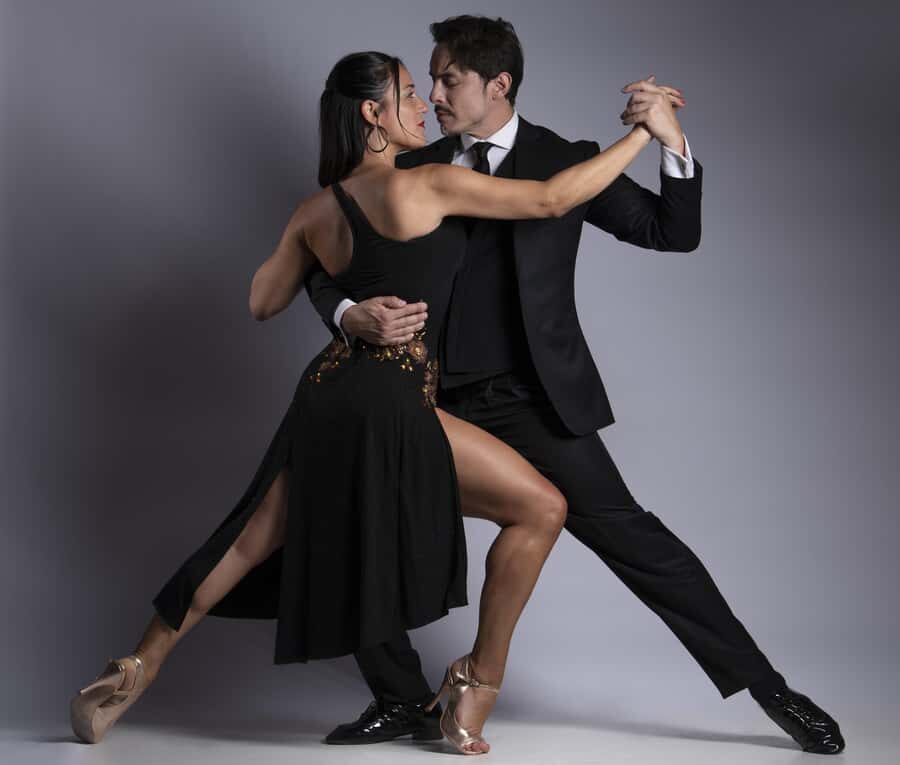
Even if you’re a total beginner, live tango helps your brain make the connection between the body work you’re doing and the feeling tango is famous for. You can watch how the dancers handle the embrace and how their walking patterns become part of the story. It’s also a reminder that tango isn’t only about steps—it’s about communication.
I especially like that it happens in an authentic traditional school space, not a separate show venue that feels unrelated. When the lesson and the exhibition share the same setting, the whole experience feels like one continuous lesson instead of a class followed by a random performance.






Price and Value: What $120 Gets You for Tango Basics
The price is $120 per group, up to 2 people, for one hour. At first glance, that might sound steep if you’re comparing to group dance nights. But private lessons aren’t just “more attention.” They’re faster learning, because you get corrections right when you need them.
Here’s where value really shows:
- You get one-on-one coaching from professional dancers.
- You’re practicing the exact fundamentals people usually struggle with (embrace, walking, basic steps).
- You can spend the time you need instead of switching partners every five minutes.
Also, there’s an optional private in-out transfer available for an additional cost. If you’re staying somewhere a bit complicated to reach, that can be worth it. Tango night already asks you to be physically present and mentally focused; travel stress can steal that focus.
Timing and Meeting Point: Ring the Doorbell
Your arrival is straightforward. You’ll see the tango school as an old house. Then you ring the doorbell to meet your instructors. That’s it.
The class duration is 1 hour, and you’ll want to check available start times. Since it’s private, scheduling can be part of the experience design. If you’re planning multiple activities in Buenos Aires, I’d keep this one as a dedicated block. It’s not the kind of class you want to squeeze between long walks and dinner rush.
One more small practical tip: wear clothes you can move in, and don’t underestimate shoes. Comfortable shoes help you focus on the embrace and walking rather than thinking about sore feet.
What to Bring (and What to Skip) for a Smooth Class
You don’t need special gear. The instruction list is simple:
- Comfortable shoes
- Comfortable clothes
That’s good because it keeps you from turning tango into a shopping trip. If you’re deciding what shoes to wear, choose something stable and comfortable enough for standing, stepping, and balancing with a partner.
What’s not allowed is also clear: no alcohol and no drugs. That’s about safety and respect for the class environment.
Language-wise, instructors speak English and Spanish. So if your Spanish is basic, you’re still covered. Just show up ready to listen and try the next correction immediately.
Who This Tango Lesson Fits Best (and Who Should Rethink It)
This is best for adults and older teens who want tango fundamentals taught in a patient, practical way. The private format is also a strong choice if you’re:
- new to dancing
- nervous about learning in front of others
- coming with a partner and want feedback on your connection
It is not suitable for children under 10. It’s also listed as not suitable for people with mobility impairments, wheelchair users, visually impaired people, hearing-impaired people, or people with pre-existing medical conditions. If any of those apply, don’t gamble—confirm accessibility needs with the provider before booking.
If you’re traveling solo and want a private class, you’ll need to check how the “group up to 2” setup works for you, but the price is structured around a small group.
Should You Book This Tango Lesson with Professional Dancers?
I’d book it if you want tango basics taught with real attention, in a traditional tango school setting. The combination of a private 1-hour lesson plus a live tango exhibition makes the experience feel like more than just practice—it feels like you’re stepping into tango culture and learning how it works.
Skip it if you want a longer course or you’re looking for something designed around accessibility. Also, remember the timing: one hour is enough to get moving, but not enough to master tango on the spot. Think of it as a confident beginning.
If you like practical lessons, you’ll probably love this.
FAQ
How long is the tango lesson?
The lesson lasts 1 hour.
Is this experience private?
Yes. It’s a private group experience.
How many people is the group price for?
The price is $120 per group up to 2.
What’s included in the experience?
You get one hour of private class with professional dancers, plus special halls for the dance class.
Do I need any prior dance experience?
No dance knowledge is required.
What language are the instructors?
Instructors speak English and Spanish.
What should I bring to the class?
Bring comfortable shoes and comfortable clothes.
Is alcohol allowed?
No. Alcohol and drugs are not allowed.
Where do I meet the instructors?
You’ll meet them at the tango school, an old house. You ring the doorbell upon arrival.
Is a transfer available?
A private in-out transfer is available for an additional cost.