REVIEW · BUENOS AIRES
Palermo SoHo for curious people
Book on GetYourGuide →Operated by Social&Cultural · Bookable on GetYourGuide
Palermo SoHo has a backstory most miss. This walking tour, led by an anthropologist, uses the streets themselves as evidence to explain how the neighborhood went from local beginnings to today’s SoHo-style hype. I love the interactive format where you’re meant to ask questions and talk back, and I love the immigration-history thread that keeps the story human, not just trendy.
One possible drawback: the start can be a little tricky to spot at first, since the meeting point sits near a store area. If you arrive a few minutes late or hate questions during walks, you’ll have a harder time settling into the pace, which is part discussion and part movement.
In This Review
- Key highlights worth your attention
- A $25 walk that treats streets like evidence
- Getting oriented at the Montagne start near Distrito Arcos
- Puente Pacífico: the transit clue that changes how you read the area
- Polo Científico Tecnológico: from ideas to real estate pressure
- Pasaje Emilio Zola: the passage that shows layers of Palermo
- Ukrainian culture center: immigration history you can walk up to
- El Preferido de Palermo, Don Julio, and Klub Polaco: food as a social timeline
- Passing ACILBA: when economics turns into street life
- Plaza Inmigrantes de Armenia: a little-known stop with big meaning
- Helados Italia break: reset time without losing the thread
- Pasaje Russel and the end at Plaza Serrano
- Who this Palermo SoHo tour suits best
- Should you book Palermo SoHo for curious people?
- FAQ
- How long is the Palermo SoHo walking tour?
- What does the tour include?
- Where does the tour start and where does it end?
- What languages are offered?
- Is the tour wheelchair accessible?
- Is the group private or small?
- What’s the cancellation and booking approach?
Key highlights worth your attention
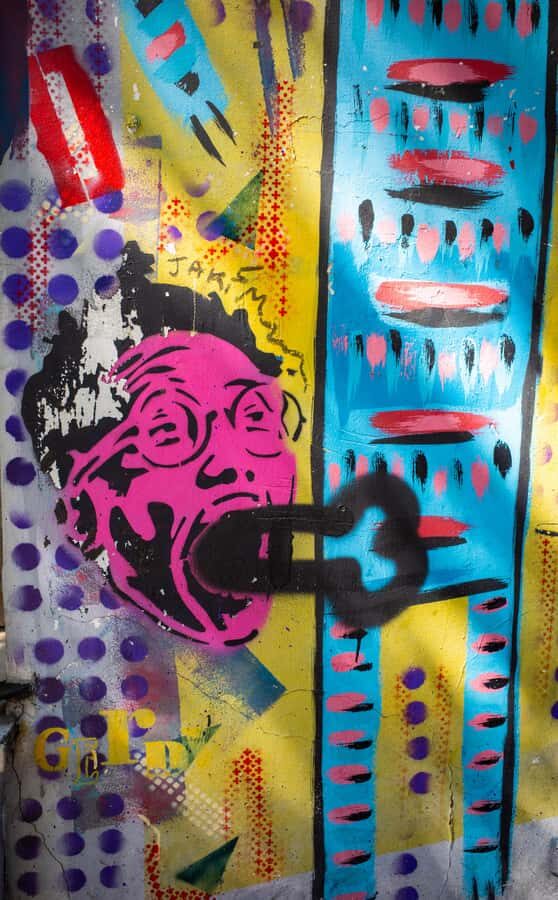
- Anthropology-led street talk: you’ll learn by discussing what you see, not by passively listening
- SoHo gets explained: you’ll connect the neighborhood’s rise to real-world changes, not just aesthetic labels
- Gentrification with receipts: you’ll talk about real estate speculation and how currency shifts matter
- Transit origin question: you’ll work through what trains and trams have to do with Palermo’s beginnings
- Immigration landmarks in Palermo: you’ll stop at places tied to Armenian and Ukrainian stories
- Small breaks, smart pacing: a pause at Helados Italia helps you reset without killing momentum
A $25 walk that treats streets like evidence
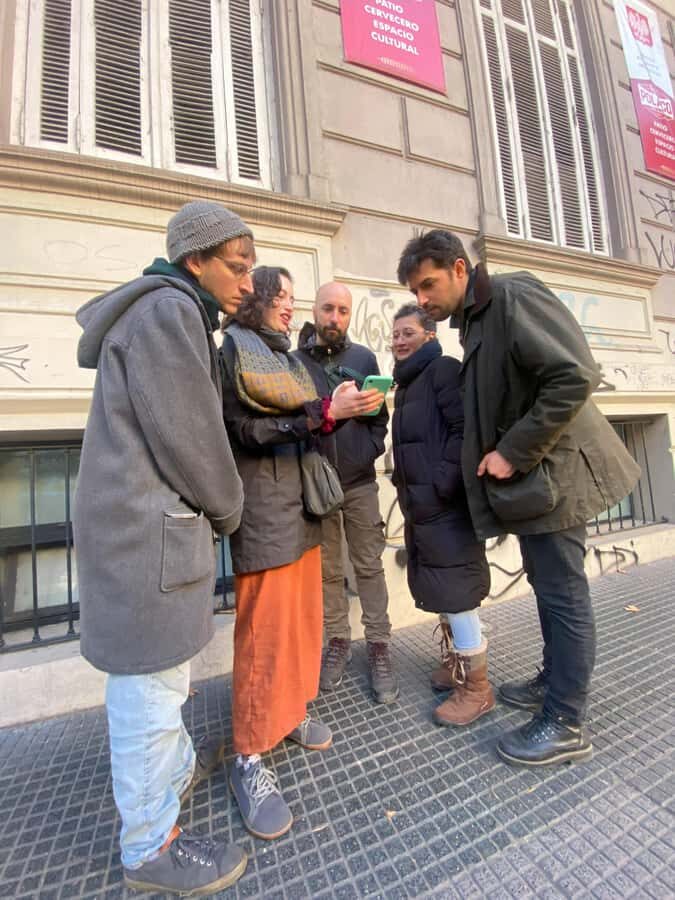
For $25 per person and about 2 hours, this is one of those deals that makes you wonder why more tours are so expensive. The big value isn’t just the walking. It’s that the guide comes at Palermo SoHo with a university-degree approach and turns the neighborhood into a live discussion about people, power, and change.
I also like that the tour isn’t trying to sell a single vibe. You’ll talk about how Palermo became associated with SoHo, how the area started drawing the tourist crowd, and why new dining and bar culture can sit on top of older communities. Even better: the guide tackles the economic logic behind the glow-up, including real estate speculation and how Argentine peso devaluation connects to what happens on the ground.
The result is that you don’t just see Palermo SoHo. You start understanding what it is doing to the city, and what the city is doing back.
You can also read our reviews of more tours and experiences in Buenos Aires.
Getting oriented at the Montagne start near Distrito Arcos
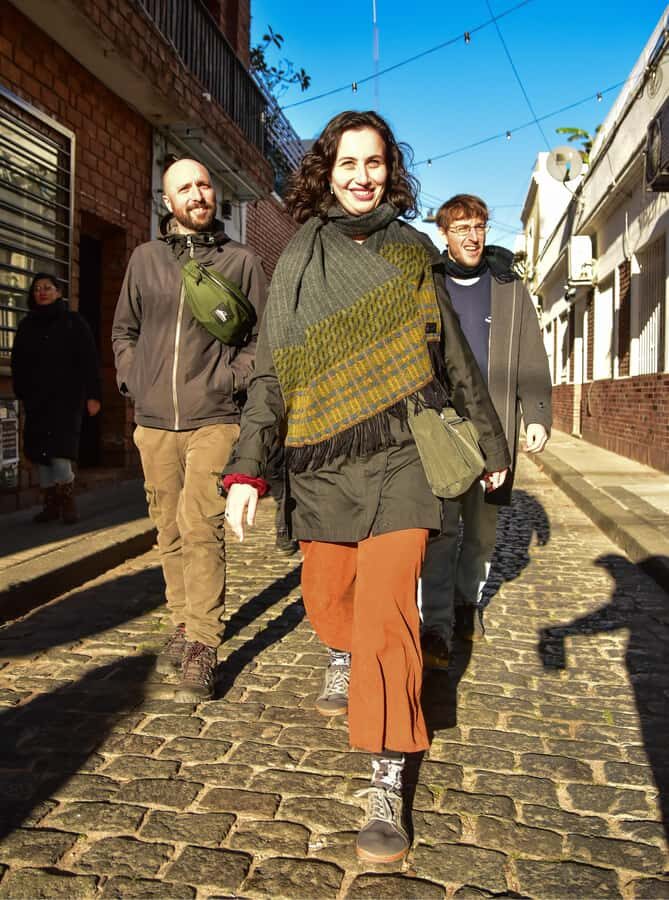
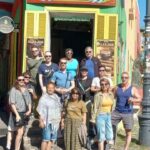
You’ll meet by the amphitheater area at Distrito Arcos Premium Outlet, right next to the Montagne store. That’s your anchor point, and it matters because Palermo is full of similar-looking blocks and storefronts.
The practical move: arrive a bit early and use the map pin on your phone before you set off hunting. One person noted it can be hard to find the meeting point at first, and the guide was helpful in getting them sorted. If you like to start calm (and you do), give yourself that cushion.
Good news if you’re planning around logistics: the tour runs about 2 hours, it’s a live guide experience in Spanish, French, or English, and you can also request private or small groups. It’s wheelchair accessible too, so it’s not the kind of tour that assumes everyone will keep perfect footing through every curb.
Puente Pacífico: the transit clue that changes how you read the area
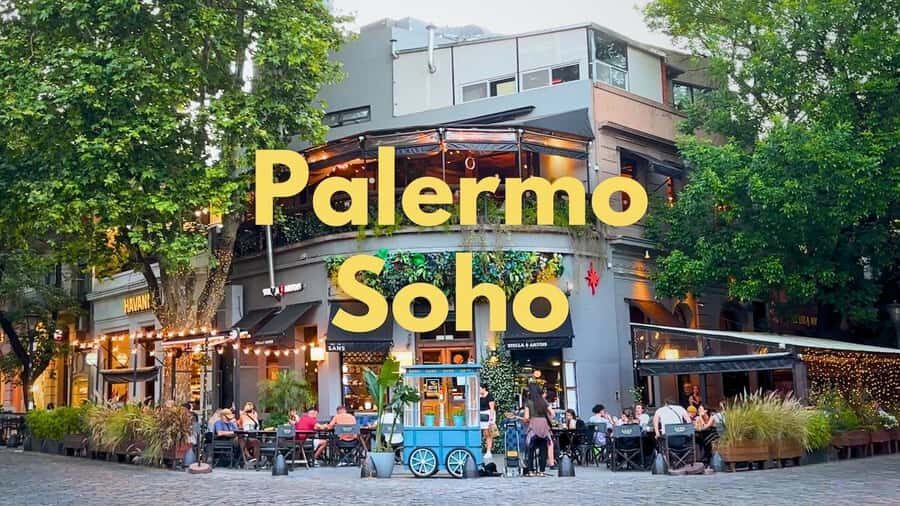
The walk kicks off near Montagne, then you head to Puente Pacífico for a guided stop. This is where the tour starts asking the kinds of questions that make a neighborhood click in your mind.
You’ll hear how the origin story of Palermo SoHo connects to movement through the city—specifically, what trains and trams have to do with where people went and why. That matters because “trendy neighborhood” stories often ignore the boring infrastructure pieces that actually set everything in motion.
What to do here: look at the shape of the area around you and listen for how the guide connects transit routes to early settlement patterns. Even if you’ve seen plenty of Buenos Aires neighborhoods before, this kind of explanation changes your baseline. You stop thinking in terms of scenery and start thinking in terms of decisions.
Polo Científico Tecnológico: from ideas to real estate pressure
Next you’ll spend time at Polo Científico Tecnológico. The tone at this point shifts toward how places develop when new institutions and economic forces show up nearby.
In the tour’s broader storyline, this segment ties into the “so what” of Palermo SoHo’s transformation: once an area gains attention—whether for work, lifestyle, or status—property becomes a game. And when property becomes a game, the city starts acting differently for different groups of people.
A key topic you’ll revisit later is real estate speculation. Here, it starts sounding less abstract. It’s not just “prices went up.” It’s a chain reaction: expectations rise, investments follow, and the neighborhood’s everyday life changes to match the new winners.
Pasaje Emilio Zola: the passage that shows layers of Palermo
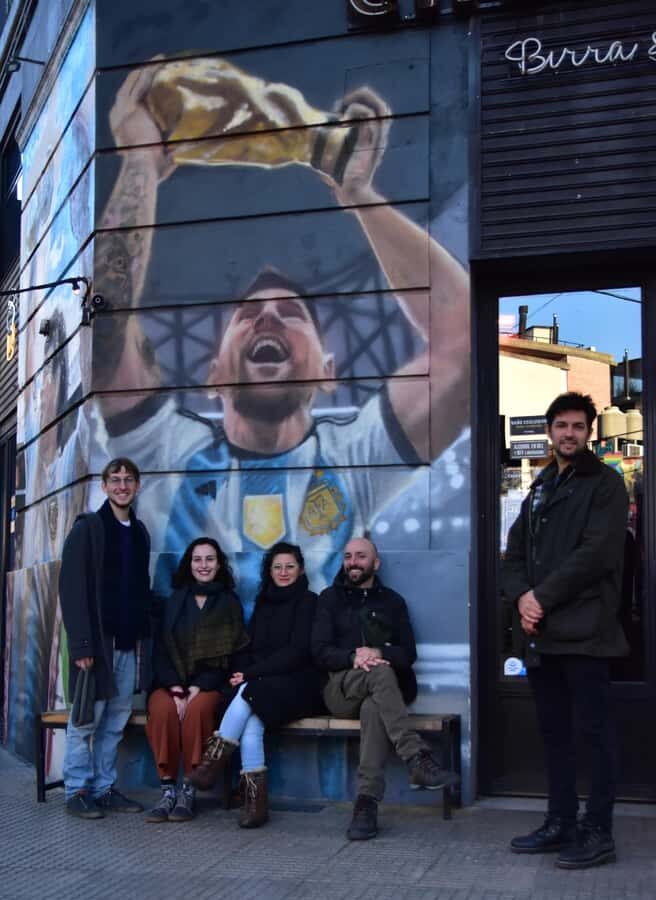
Then you’ll head to Pasaje Emilio Zola, where you’ll have a short guided visit. “Pasaje” streets in Buenos Aires often feel like shortcuts—but on a tour like this, they become more like time machines.
This stop fits the tour’s approach: the guide uses small spaces to talk about big shifts. You’ll hear how Palermo’s identity evolved, and when people start calling it SoHo in the way tourists recognize today. The guide also sets up the contrast between earlier inhabitants and the wave of visitors and “chic” spots that came later.
Practical tip: slow down at passages. The less wide and open the street is, the more you’ll notice how the area funnels people through it. That’s where your brain starts reading the neighborhood’s social behavior.
Ukrainian culture center: immigration history you can walk up to
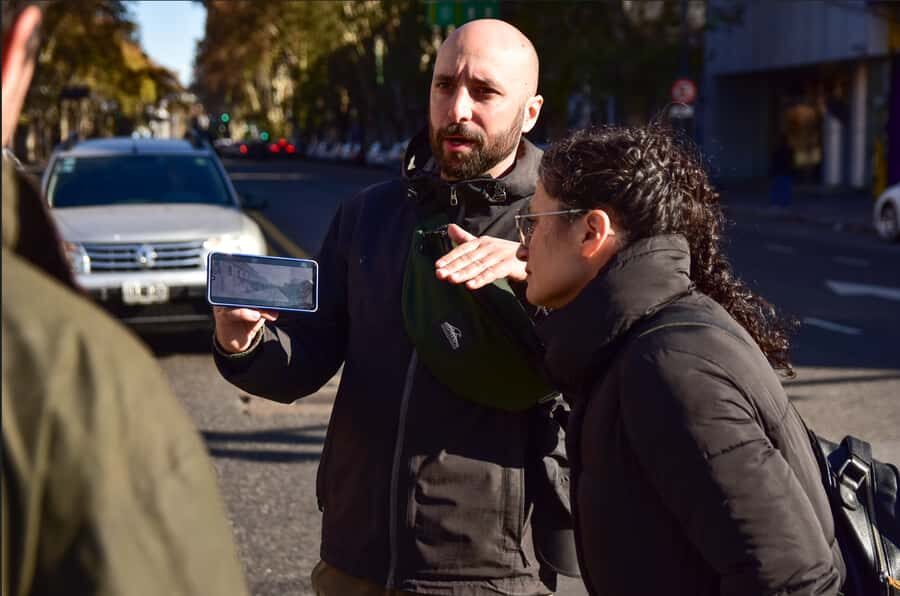
Next comes Asociación Ucrania de Cultura PROSVITA en la Republica Argentina (UKT ППРОСВІТА). This is one of the stops where the tour earns its focus on anthropology and community.
Instead of treating immigration as a background fact, you’ll treat it like a lived presence. The guide weaves immigration history into the broader Palermo SoHo story, so the neighborhood stops being only a trend machine and becomes a map of human migration and identity.
You’ll likely hear connections to why certain communities took root where they did and how those roots can remain visible even when the surrounding streets trend upward. This is also where you get a sharper sense of how “neighborhood change” isn’t neutral. It can either support continuity or push people out.
El Preferido de Palermo, Don Julio, and Klub Polaco: food as a social timeline
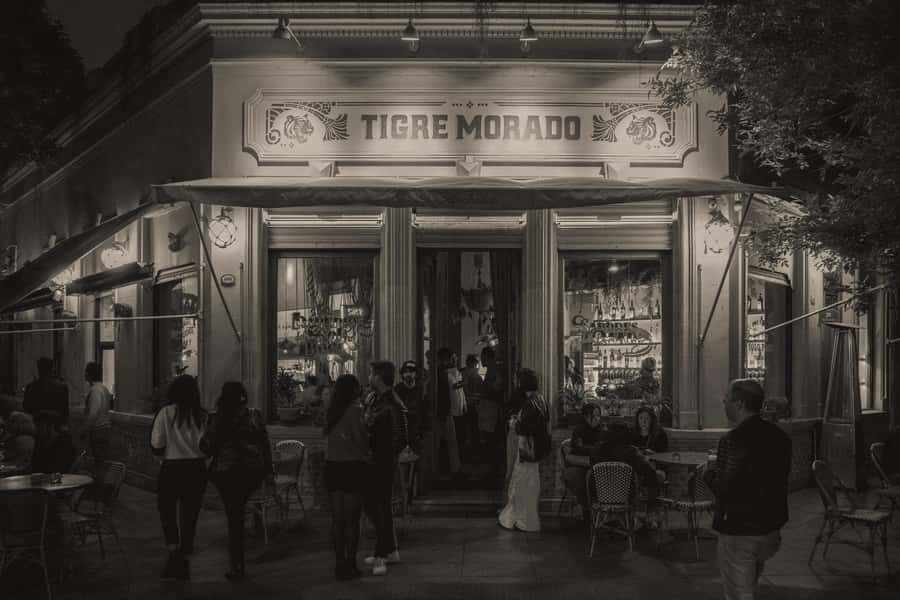
You’ll make quick guided stops at El Preferido de Palermo, Don Julio Parrilla, and Klub Polaco. These are short visits, but they matter because the guide uses them as reference points in the neighborhood’s social timeline.
Here’s the real value: you’ll see how older institutions and community-minded places sit beside the newer restaurant and bar scene that arrived as Palermo gained the SoHo label. Food is an easy way to talk about belonging, routine, and public identity.
If you’re the type who always wonders why a place feels familiar even when it looks different, this segment helps. It’s not about tasting anything on the clock. It’s about noticing who the neighborhood is built for at different moments in time.
Passing ACILBA: when economics turns into street life
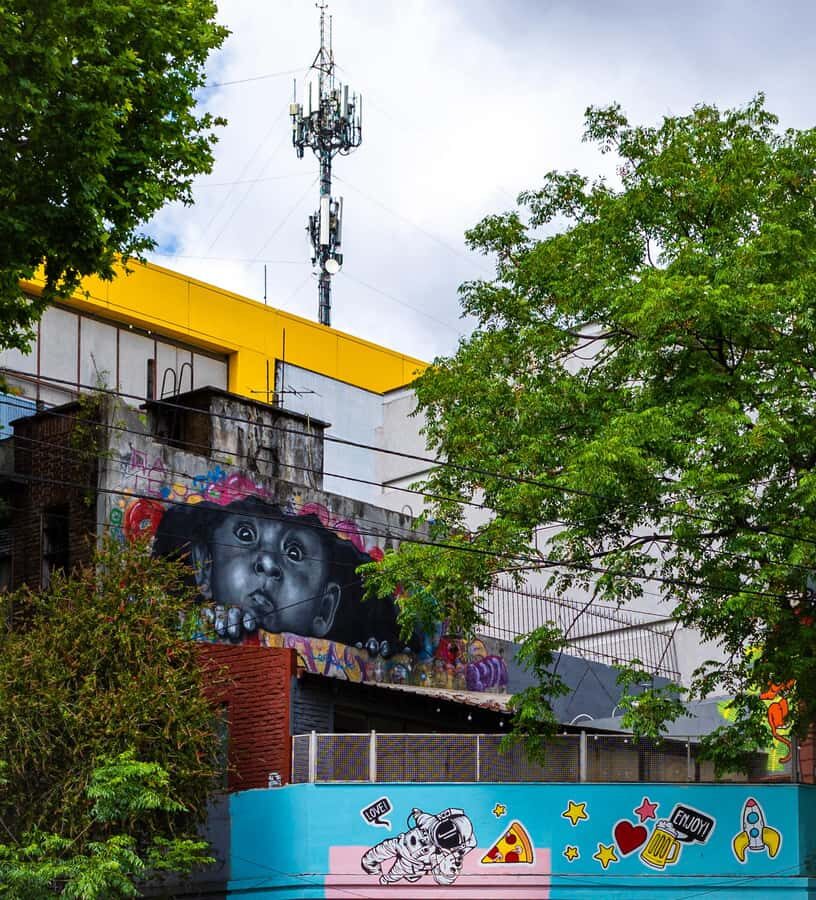
Next you’ll pass by ACILBA. Even though you won’t linger long here, the guide uses this moment to bring in the economic angle that keeps the whole tour connected.
One of the key questions the guide tackles is how peso devaluation relates to real estate and speculation. That’s where people often get confused, because Argentina’s currency and pricing can feel like a moving target. The tour also addresses the idea of two exchange rates, and how that can influence what becomes profitable, what gets invested in, and what kind of clients a neighborhood attracts.
What to do: don’t try to memorize economics formulas. Instead, listen for the practical takeaway. The takeaway is that currency conditions can quickly reshape who can afford to live, buy, or open businesses in a given area.
Plaza Inmigrantes de Armenia: a little-known stop with big meaning
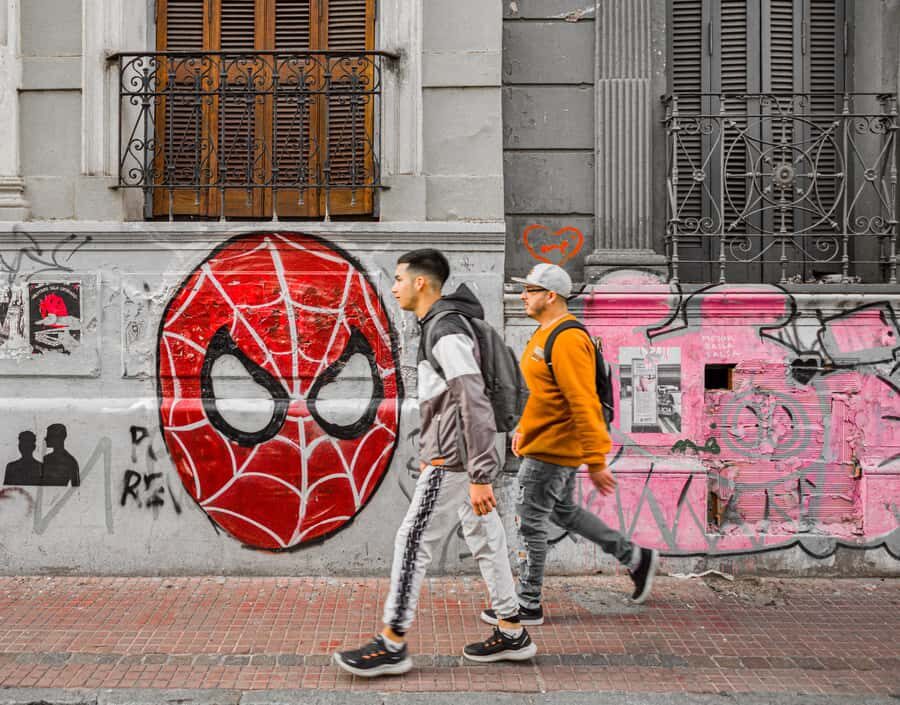
Then you reach Plaza Inmigrantes de Armenia, where you’ll get a guided visit. This is the moment that gives the tour its emotional center.
Instead of keeping immigration history abstract, the guide points to a physical place tied to Armenian history in Palermo. And because the tour is about Palermo SoHo specifically, you’ll see how immigrant stories are part of the neighborhood fabric—not just a sidebar.
This stop is also a useful reality check for how “cool” neighborhoods market themselves. If you only focus on bars, you miss the reason so many Buenos Aires neighborhoods have layers. This plaza stop reminds you that the city’s identity wasn’t invented by tourism.
Helados Italia break: reset time without losing the thread
You’ll then take a 15-minute break at Helados Italia. This is an intentional pause, and I’m glad it exists because it keeps the tour from becoming one long information dump.
Use the break to do two things:
- Walk off the earlier segment and grab a quick snack or drink if you want
- Look around and see what the guide’s themes look like in real life right now
Even if you’re not buying anything, just watching the area can make the discussion click. You start noticing how much of Palermo SoHo feels like a performance for outsiders—and how much still serves locals.
Pasaje Russel and the end at Plaza Serrano
The final guided stop is Pasaje Russel. Like the earlier passage, it’s a small space that helps you compare the neighborhood’s layers. You’ll likely leave with a better eye for how architecture and street design funnel movement—and how that movement supports the neighborhood’s identity.
From there, the tour ends at Plaza Serrano, a meeting point for people and energy. This is where the walk gives you context, and you can use that context to choose how you spend the rest of your afternoon or evening.
A smart way to continue: after the tour, revisit one of the stops you found most interesting and ask yourself what the guide made you notice. If it was immigration history, look for signs of community continuity. If it was economics, look for storefront changes and who seems to be targeted.
Who this Palermo SoHo tour suits best
This experience is best for you if:
- You like tours where you can talk back, ask questions, and get real dialogue
- You want more than aesthetics and Instagram angles
- You’re curious about why neighborhoods change, and who benefits
- You enjoy connecting culture to money, migration, and public space
It might be less ideal if you prefer a quiet, headphone-only experience. The whole point here is conversation. You’ll get more out of it by arriving willing to chat.
Also, it’s a good fit for solo travelers who like structured walking time but don’t want to feel isolated. Small groups and private options are available, so you can keep it personal.
Should you book Palermo SoHo for curious people?
If your Buenos Aires plan includes Palermo SoHo and you want an explanation that goes past the trend layer, I’d book it. The price-to-time ratio is strong, and the anthropologist-led, question-friendly approach makes the walk feel like learning without feeling like school.
I’d especially consider it if you’re drawn to the tour’s mix of gentrification, currency-and-real-estate logic, and immigration landmarks. That blend is exactly what tends to make a neighborhood tour memorable.
One final note: arrive on time and use your map to find the meeting point near Montagne. Once you’re there, the discussion tone clicks fast.
FAQ
How long is the Palermo SoHo walking tour?
It lasts about 2 hours, with the exact start times depending on availability.
What does the tour include?
You’ll get a guided walking tour through Palermo SoHo plus discussion and interaction with a guide who has a university degree.
Where does the tour start and where does it end?
You meet by the amphitheater of Distrito Arcos Premium Outlet next to the Montagne store, and the tour ends at Plaza Serrano.
What languages are offered?
The live guide offers Spanish, French, and English.
Is the tour wheelchair accessible?
Yes, it’s wheelchair accessible.
Is the group private or small?
The experience offers private or small groups, depending on what you choose when booking.
What’s the cancellation and booking approach?
It offers free cancellation up to 24 hours in advance for a full refund, and you can reserve now and pay later.