REVIEW · MENDOZA
From Mendoza: 3 Wineries, Olive Oil Factory Tour & Tasting
Book on GetYourGuide →Operated by Viajes y Diseño · Bookable on GetYourGuide
Maipú wine starts rolling at 2 p.m. This half-day tour strings together three very different wineries and an olive oil factory, with transport from central Mendoza hotels and tastings already built in. You get a relaxed afternoon plan that still feels full.
I especially like the way the tasting format teaches you how Mendoza wine changes with time. At each winery, you sample three wines (white, red, and rosé, plus young vs. aged comparisons) so you can taste the difference without needing to be a wine expert.
One important consideration: this tour is not suitable for wheelchair users, so it’s best if you’re comfortable with stairs and walking inside production spaces.
In This Review
- Key takeaways before you go
- A 2 p.m. Mendoza Wine Run That Keeps It Practical
- Pickup From Mendoza Hotels: The 45-Minute Waiting Window
- Three Maipú Wineries, Three Different Approaches
- The first winery: artisanal methods you can taste
- The second winery: industrial scale and clearer technical focus
- The third winery: sweet wine cellar for a different side of Mendoza
- What You’ll Taste at Each Stop (And How to Use It)
- The Olive Oil Factory Stop: Bread, Olive Paste, and Real Food
- Small Groups and Bilingual Guides: English and Spanish Done Right
- Getting Real Value From About $34
- Timing: A Half-Day Plan That Leaves Room for Dinner
- Who Should Book This Tour (And Who Should Skip It)
- How to Get the Most Out of the Day
- Should You Book Mendoza 3 Wineries + Olive Oil?
- FAQ
- What time does the tour start in Mendoza?
- How long is the tour?
- How many wineries and visits are included?
- What tastings are included?
- How many wines do you taste at each winery?
- Are entrance fees included in the price?
- Is the tour guided in English and Spanish?
- What’s the price and is it per person?
- Is it wheelchair accessible?
Key takeaways before you go
- Small-group pace means less waiting and more time at each stop
- Bilingual guides (English and Spanish) help keep the wine explanations clear
- Three-wine tastings at each winery makes comparisons easy: white, red, rosé, young vs. age
- Olive oil factory food tastings go beyond sips, with bread, olive paste, and other treats
- A tight 2 p.m. to 8 p.m. schedule keeps it practical for your Mendoza day
A 2 p.m. Mendoza Wine Run That Keeps It Practical
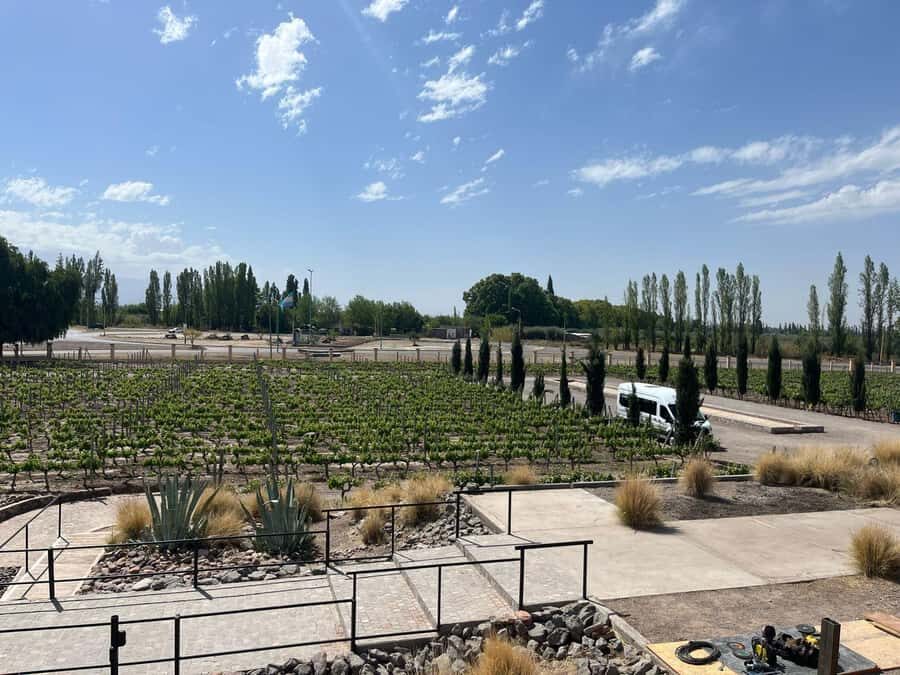
This is the kind of Mendoza experience you do when you want flavor, context, and zero planning stress. It starts in the afternoon, so you can sleep in, grab lunch, and still make it back to your hotel before dinner. The big win is that you’re not bouncing around on your own. You’re being transported between places that each explain their approach to winemaking and production.
The format also helps. You visit multiple wineries, but the day is organized so you’re not overwhelmed. You taste enough to understand the theme of each stop, then you move on. It’s a smart approach for first-time visitors who want to leave with a sense of how Maipú does wine—and how Argentina’s olive oil fits into the region’s food culture.
You can also read our reviews of more food & drink experiences in Mendoza

Pickup From Mendoza Hotels: The 45-Minute Waiting Window
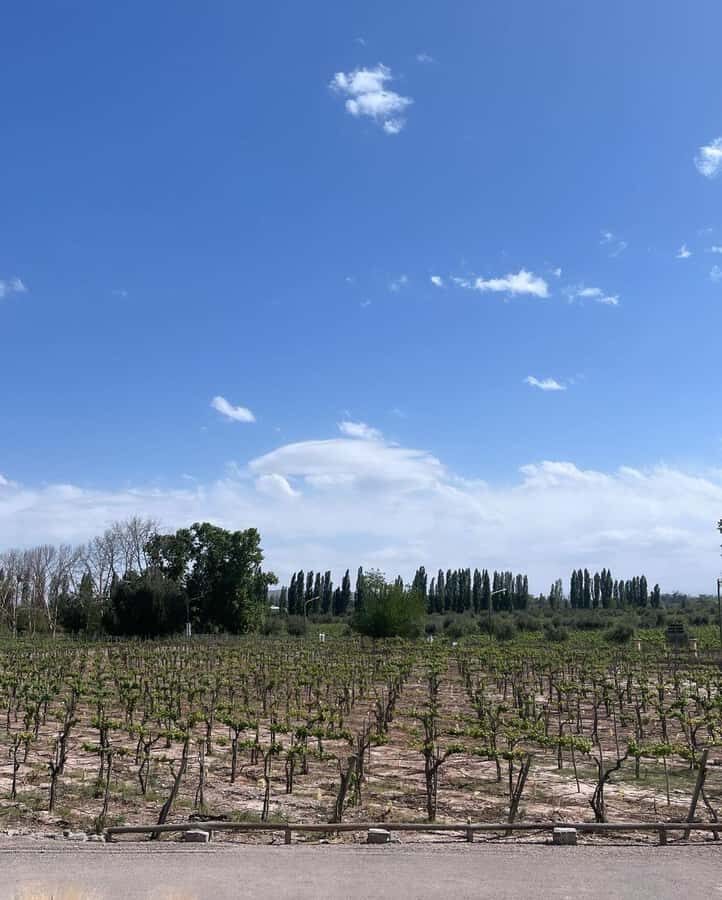
The tour meets you at your hotel in Mendoza city around 2:00 p.m., but there’s a catch: the operator builds in about 45 minutes for pickup while they collect everyone. If your hotel is busy or your lobby is far from the main entrance, plan a little buffer so you’re ready when the van arrives.
The pickup list is generous, including hotels like Hilton Mendoza, Sheraton Mendoza Hotel, and Hotel Crillón Mendoza, plus hostels such as Hostel Central and Hostel Lagares. If you don’t see your exact place on the list, you should still check when you book. The key practical point is this: show up early, and don’t expect the van to arrive instantly at 2:00.
You’ll also get drop-off back at your Mendoza-area pickup options, with returns scheduled for 8:00 p.m. That’s a helpful timing target when you’re planning dinner afterward.
Three Maipú Wineries, Three Different Approaches
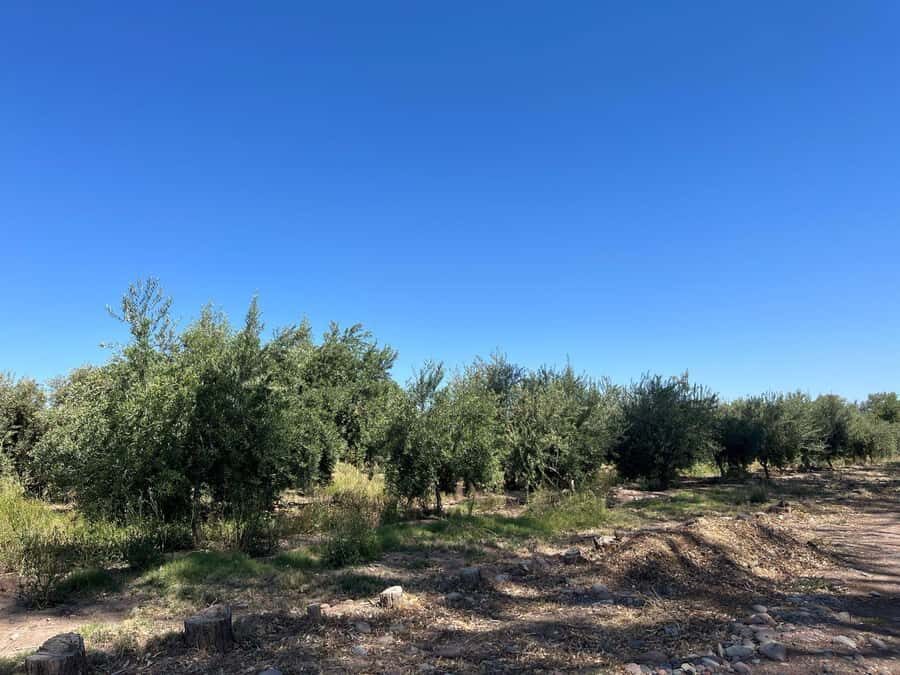
This tour is centered on Maipú in Mendoza Province, with three winery visits. The stops are intentionally varied: one more artisanal, one more industrial, and one focused on sweet wine. That mix is what makes the day more useful than a basic tasting circuit.
You’ll typically get the same overall structure at each winery: a walkthrough of the operation, an explanation of the process, then tastings that let you compare styles. The exact pacing can vary by site, but the goal is consistent—taste and learn without rushing.
The first winery: artisanal methods you can taste
The first stop sets the tone. An artisanal-style winery is often the one where you’ll hear more detail about how production choices affect flavor. Expect the guide to connect climate and grape choices to what you’ll taste next.
This is a good place to start if you’re new to wine. You’re fresh, the group is still alert, and your brain has room for the comparisons: white, red, rosé, plus the young vs. age idea.
The second winery: industrial scale and clearer technical focus
At the industrial-style cellar, the explanations may feel more process-driven. It’s still enjoyable, but it tends to be less about craft romance and more about systems—how output and consistency are managed, and how that shows up in the wine.
If you’ve wondered why some wines taste more consistent from bottle to bottle, this is where you start to understand it. The tasting stays the same format, so you can compare how the winery style shifts the results even when you’re tasting similar categories.

The third winery: sweet wine cellar for a different side of Mendoza
Sweet wine can be an acquired taste. Even if it’s not your usual order at home, this stop adds variety to the day. It’s also a reminder that Mendoza isn’t only about dry reds and casual bar tastings.
You’ll still taste multiple wines as part of the structured tasting lineup, and that makes it easier to evaluate sweetness on your terms—rather than having the whole day revolve around it.
One quick note: if sweet wine is your least favorite style, you can still make this stop work for you by focusing on your comparisons across the day. The value is in learning what changes when the winery’s goal changes.
What You’ll Taste at Each Stop (And How to Use It)
At each winery, you’ll taste three different wines with an intentional comparison theme: young vs. age wines, plus white, red, and rosé. That may sound like a lot, but the structure is what makes it manageable.
Here’s how to make the tasting meaningful:
- Start by labeling what you like first: crispness for whites, texture for reds, aromatics for rosé.
- Then focus on the young vs. aged angle: don’t just decide which is better—ask what feels different (fruit, softness, acidity, tannins).
- Keep a quick mental note: write nothing down, just remember the one wine you’d buy again if you were back in your hotel room later.
This format is also a confidence booster. You don’t need to know terms like terroir or oak strategy to participate. The guide does the context. You just taste and react.
And yes, plan for alcohol. The tastings are generous enough that you may feel it by the final stops, especially on a warm day. It’s not a party tour, but it’s also not watered down. If you’re sensitive or you still want energy afterward, pace your sips.
The Olive Oil Factory Stop: Bread, Olive Paste, and Real Food
The day’s fourth visit is an olive oil factory in Maipú, and it’s more than a quick peek. You’ll taste olive oil along with bread, olive paste, and other delicatessen-style products.
This is one of the most practical add-ons on the itinerary because it shifts your palate. Wine tastings train your senses for acidity, sweetness, and tannin. Olive oil tastings add a different set of signals: bitterness, peppery notes, and how fats carry flavor.
It can be a mixed experience depending on the site’s setup. Some people find the olive oil stop crowded or less developed than expected. Still, the food tastings themselves tend to land well—especially the bread with olive oil and the spreads—because you can actually taste texture and richness, not just aroma.
If olive oil is your priority, you’ll enjoy focusing on the different oils and how the company explains their process. Even if your Spanish isn’t perfect, the tasting part is easy to follow. And the bread-and-taste format helps you understand fast.
Small Groups and Bilingual Guides: English and Spanish Done Right
The tour is built around small groups, which matters more than people expect. Big group tours tend to rush. Here, you’re more likely to get the full process explanation at each winery and still have time for questions.
Language support is also a strong point. Tours are guided in English and Spanish. Guides may switch between languages fluidly depending on who’s in the group, but the explanations are still delivered at each stop, not just on the bus.
In the past, guides named Dolores, Alejandro, Maru, Rocío, and Rosita have led parts of this experience, and the common thread is energy and clarity. You’ll likely get helpful context about Mendoza weather and the logic behind winemaking choices, not just a script.
One technical note: a couple of participants flagged the audio setup as not always helpful. That doesn’t negate the experience, but it’s worth knowing if you rely heavily on amplification for conversation-heavy explanations.
Getting Real Value From About $34
At around $34 per person, this tour is priced for people who want an efficient tasting day without the “nickel-and-dime” feeling. The key is what’s included.
You’re not only getting transport. The tour price includes:
- Entrance fees and tastings at the wineries
- A tasting of products at the olive oil factory
- A heating/air-conditioned vehicle
- Guide time in English and Spanish
That inclusion list is why this can be good value. Mendoza wine touring often turns expensive once you add separate tasting fees and venue entry prices. Here, you get multiple stops and structured tastings for a fixed price.
If you’re planning to visit Maipú anyway, this is a practical way to compare styles without paying separately at each location. You also avoid the hassle of booking transportation between scattered estates.
Timing: A Half-Day Plan That Leaves Room for Dinner
The schedule runs from 2:00 p.m. to 8:00 p.m., which is a sweet spot. You’re not stuck on a full-day itinerary, but you still get enough time for three winery visits plus the olive oil factory stop.
This timing also helps you manage the afternoon. Mendoza can move from warm to cooler later in the day, especially outside peak summer. Since the van has climate control, you’re comfortable traveling, but you’ll still want a light layer for the evening walk-throughs.
If you’re thinking about pairing this with another plan, remember: tastings mean you’ll likely want a calm dinner afterward. It’s easier on the body.
Who Should Book This Tour (And Who Should Skip It)
This is ideal if you:
- want a relaxed tasting format with explanations
- like the idea of comparing young vs. aged wine
- want a single afternoon that covers multiple producers in Maipú
- enjoy food tastings, not only drinks (the olive oil stop is a real bonus)
- don’t want to manage logistics or transportation on your own
Skip it if:
- you need a wheelchair-accessible tour (it’s listed as not suitable)
- you want a hyper-customized itinerary rather than a set sequence
How to Get the Most Out of the Day
You’ll enjoy the tour more if you treat it like a tasting class with a drink component.
- Eat first. Start with lunch before the 2 p.m. pickup. You’ll enjoy everything more.
- Ask one question at each stop. Even a simple question about how they age wine or how they select grapes can make the tasting stick in your memory.
- Use your senses, not your expectations. You may find a winery’s sweet wines aren’t your thing, but the comparisons can still teach you what you like.
- Plan your pace. Tastings are meant to be sampled, not raced.
Should You Book Mendoza 3 Wineries + Olive Oil?
If you want maximum tasting variety in a single afternoon, this is a strong bet. The structure is clear: three winery visits in Maipú with young vs. aged comparisons across white, red, and rosé, plus an olive oil factory where you taste bread with olive oil, olive paste, and other products. Add bilingual guides, hotel pickup, and included entrance fees, and you get a lot of experience for the price.
Book it if you’re the type who wants to leave knowing which styles you actually like. Consider another option if you need wheelchair accessibility or if you’re extremely sensitive to alcohol during tastings.
In short: for a first (or second) trip to Mendoza Province, this is the kind of day that turns curiosity into real preferences—without the planning headache.
FAQ
What time does the tour start in Mendoza?
Pickup starts around 2:00 p.m. in Mendoza city. The operator looks for passengers at hotels, and it can take about 45 minutes to collect everyone.
How long is the tour?
The total duration is listed as 6 hours, and the tour returns to the pickup areas by 8:00 p.m.
How many wineries and visits are included?
You’ll visit 3 wineries in Maipú plus 1 olive oil factory visit, making 4 visits total.
What tastings are included?
All wine tastings are included at the wineries. The olive oil factory includes tastings of olive oil and products such as bread with olive oil and olive paste.
How many wines do you taste at each winery?
At each winery, you taste 3 different wines, designed to compare young and aged wines and to cover white, red, and rosé.
Are entrance fees included in the price?
Yes. Entrance fees and tastings at the winery stops are included in the tour price.
Is the tour guided in English and Spanish?
Yes. The tour includes a live guide who speaks English and Spanish.
What’s the price and is it per person?
The price is listed as $34 per person.
Is it wheelchair accessible?
No, the tour is not suitable for wheelchair users.