REVIEW · MENDOZA
From Mendoza: High Andes Aconcagua Mountain Tour
Book on GetYourGuide →Operated by OPERADORES MENDOZA VIAJES · Bookable on GetYourGuide
The Andes here come to you. This day trip strings together major natural sights like Puente del Inca and Aconcagua viewpoints with historical context in small towns. I love the mix of photo-worthy stops and real guides who explain what you’re seeing, plus the convenience of hotel pickup. The one drawback to plan around is that it’s a long day, and even with guided stops, time in the national park area can feel a bit tight.
What really sells this tour is how it balances comfort with high-altitude scenery. You’ll ride the famous Andean Highway Ruta 7, stop for standout views, then end with free time in Las Cuevas. In feedback, guides like Marta, Mica, Pablo, Alex, and Julie come up often for clear communication and an upbeat pace. Just know you’ll gain elevation fast—above about 3,000 meters you can feel it—so go easy, dress in layers, and don’t treat this like a quick sightseeing hop.
In This Review
- Key Highlights Worth Getting Excited About
- Route 7, Villavicencio Dirt Roads, and That First Big-Peak View
- Uspallata Valley: Huarpes Roots and Incan Connections
- Potrerillos Dam: The Quick Stop That Adds Real Context
- Puente del Inca: The Rock Bridge Worth Timing Your Photos For
- Aconcagua Viewpoint and the Chile Border Area
- Las Cuevas Free Time: Eat, Rest, and Decide How Hard You Want the Day To Hit
- Uspallata and the Route 7 Return: Why This Tour Ends Up Feeling Like Two Trips
- Price and Value: What $63 Buys in Mendoza’s Andes
- Altitude Reality Check: What to Bring (and How to Avoid a Miserable Day)
- Timing, Pacing, and the One Thing You Can Control
- Should You Book This High Andes Aconcagua Tour?
- FAQ
- How long is the Mendoza to Aconcagua tour?
- What language is the tour guide in?
- Is food and drink included?
- Can I visit Horcones Lagoon on this tour?
- Where does hotel pickup happen?
- What should I bring, and what’s not allowed?
Key Highlights Worth Getting Excited About
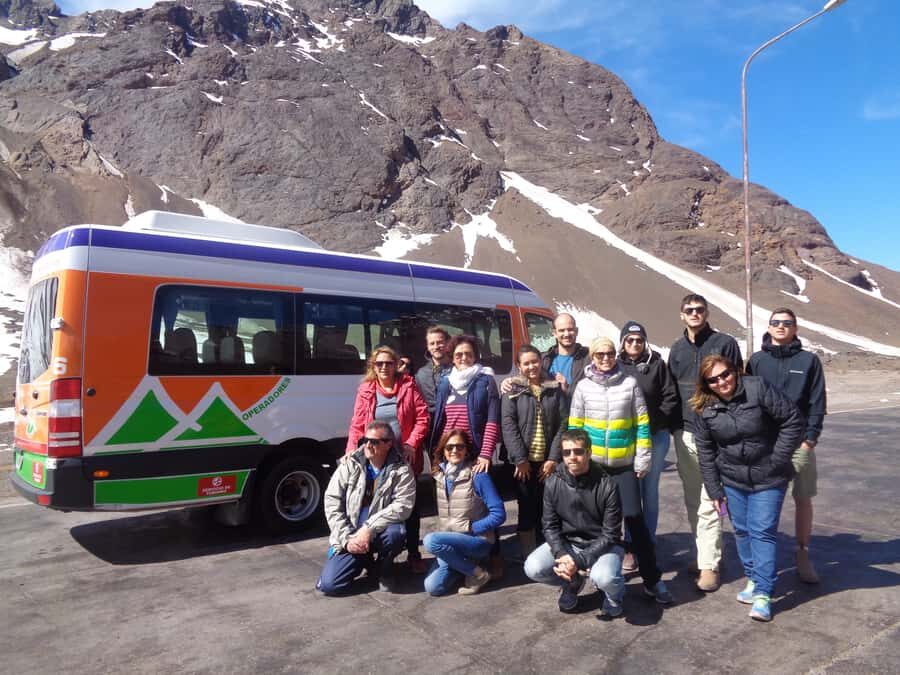
- Puente del Inca rock bridge at 8,924 feet: a natural arch with swirling colored rock
- Ruta 7, the international Andean Highway: long views with built-in photo stops
- Uspallata Valley + Huarpes context: a break that adds meaning to the mountains
- Aconcagua Provincial Park viewpoint: guided time and seasonal Horcones Lagoon hiking (Nov–Apr)
- Potrerillos Dam: a quick stop that explains regional energy
- Las Cuevas free time: time to breathe, snack, and choose where you eat
Route 7, Villavicencio Dirt Roads, and That First Big-Peak View
Your day starts with pickup in downtown Mendoza (and also Luján de Cuyo). Then it’s straight onto the Andean route, with your guide setting expectations for what the day will feel like—long drive time, frequent stops, and changing altitude.
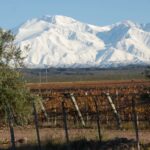
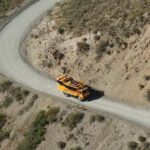
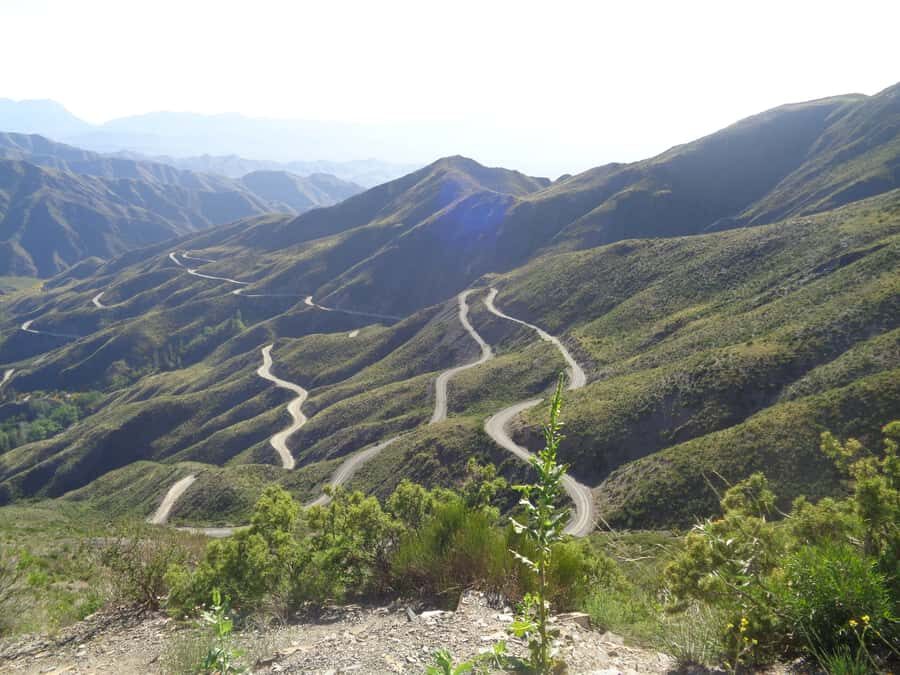
On Tuesdays, Thursdays, and Saturdays, you’ll take dirt roads through Villavicencio. That detail matters. Dirt roads usually mean slower, bumpier stretches, but they also tend to frame the peaks in a more dramatic way than the flat stretches around town. Expect open sky, big distance between you and the next mountain ridge, and plenty of opportunities to pull over for quick photos.
This is the part of the day where you decide how you want to handle altitude. If you’re the kind of person who gets breathy easily, pace yourself right away: slow down your walking at stops, sip water when you can, and don’t assume you’ll feel 100% just because you’re not hiking. You’re still climbing into a world where air feels thinner.
You can also read our reviews of more tours and experiences in Mendoza.
Uspallata Valley: Huarpes Roots and Incan Connections
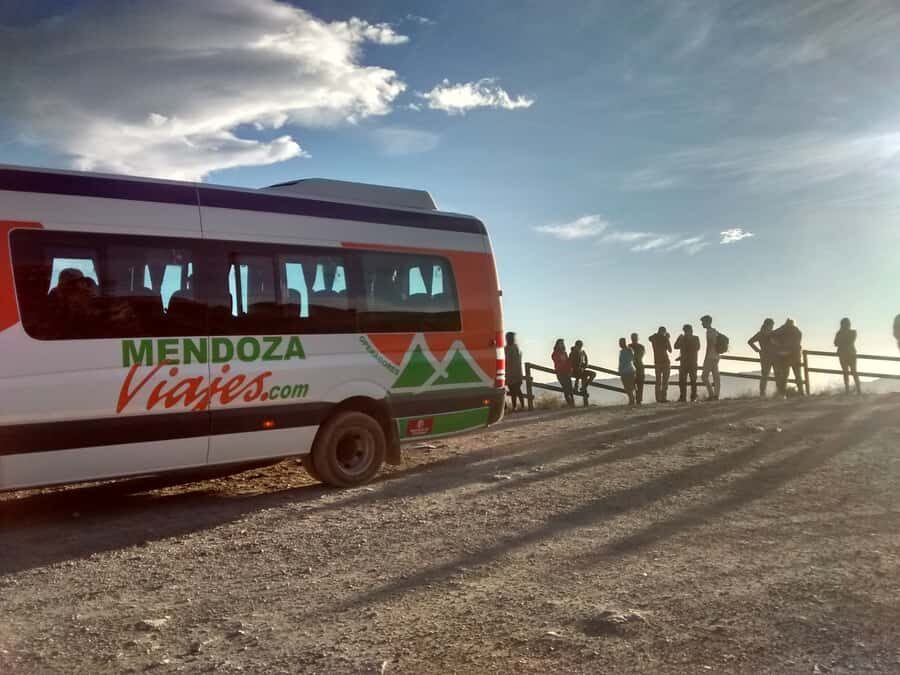
Next comes Uspallata Valley and a break in the town of Uspallata. You’ll get about 30 minutes here, which is short—but it’s not random. This stop gives you a cultural anchor so the rest of the drive isn’t just “pretty scenery.”
The focus is on the people who lived here long before the modern road network: the Huarpes settled in the area during the pre-Hispanic era, and your guide connects that local story to the Incan presence you’ll hear about during the day. If you pay attention in this stop (even just by asking one question), you’ll understand the mountains a bit differently for the rest of the trip.
Use this time practically. Grab a snack if you need one, stretch your legs, and take a few photos without rushing. Then get back on the bus ready for more altitude and more viewpoints. If you’re prone to motion sickness, this is also a good moment to settle your body—wear comfortable layers and keep your breathing steady.
Potrerillos Dam: The Quick Stop That Adds Real Context
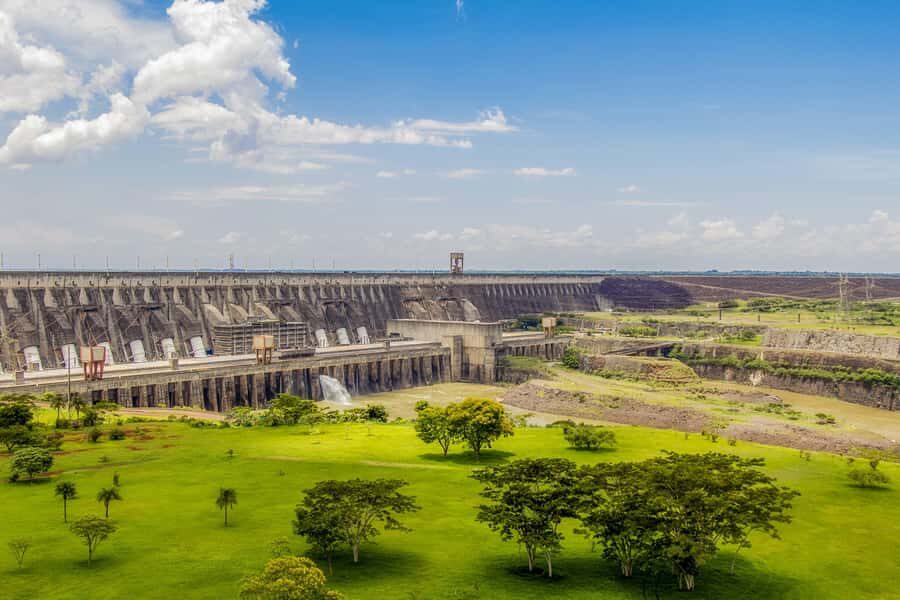
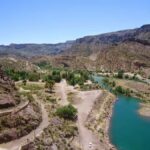
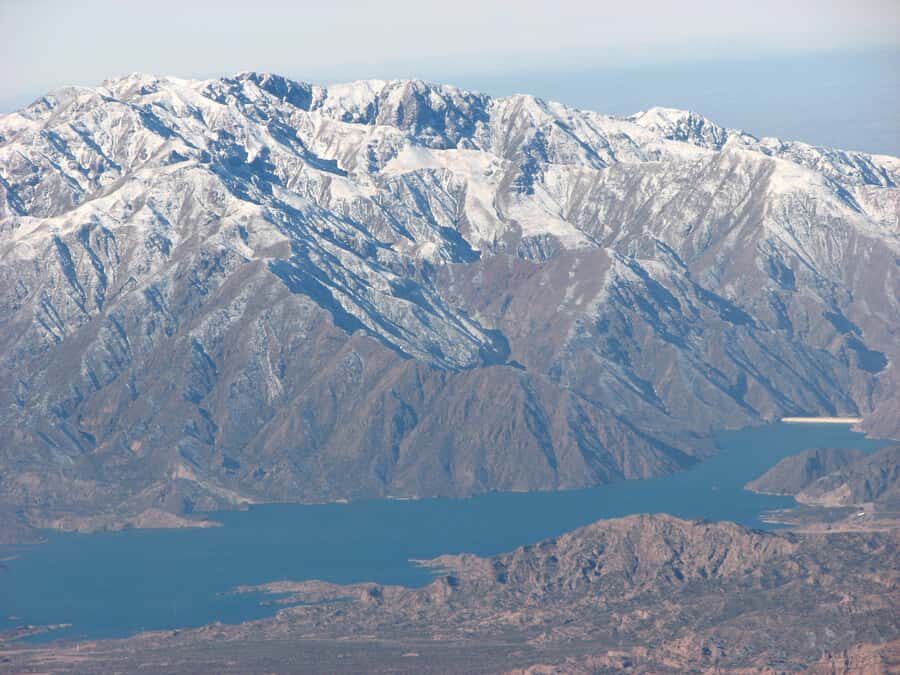
You’ll pass Potrerillos Dam en route, with a short look at the views around it. Even though it’s only a minute or so, I like this stop because it links the mountains to how the region lives today. These are not just “backdrops.” The Andes feed power, water management, and daily routines—so seeing the dam helps you understand why energy matters in Mendoza Province.
The scenery here is often more about the scale and setting than a long walk. That’s perfect on a day like this: you get a meaningful moment without losing your whole schedule.
If you’re the type who loves “why is this here?” moments, this stop can be surprisingly satisfying. It’s brief, but it keeps the day from becoming all photos and no substance.
Puente del Inca: The Rock Bridge Worth Timing Your Photos For
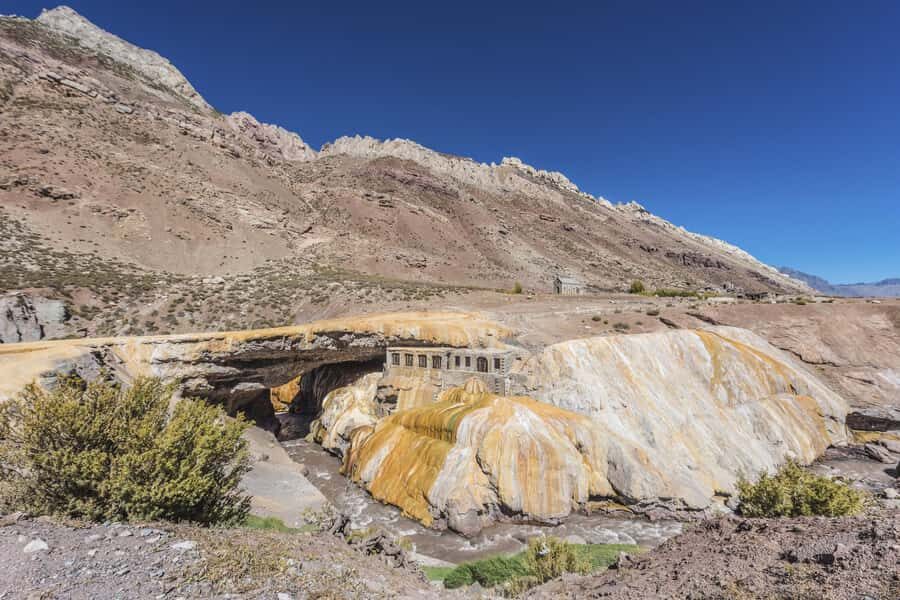
Then comes one of the main reasons to book: Puente del Inca, a natural arch situated at about 8,924 feet above sea level. You’ll have a guided visit (about 15 minutes), and it’s designed for you to see it, understand what you’re looking at, and get your best shots without the chaos of trying to figure it out alone.
This place earns its fame. The rock around the bridge has colored swirls, and the viewpoint gives you mountain views that make it feel like the Andes are pouring outward in every direction. It’s the kind of stop where even if you think you’ve seen photos, it still hits you differently in real life—because your brain reads the distance, the height, and the texture all at once.
What to do with your time: arrive mentally ready to look down (at the arch and rock patterns) and look out (at the peaks in the background). If you only do one, you’ll leave with half the experience. Also, dress for wind. At this altitude, a calm morning can turn noticeably colder when the sun shifts.
Aconcagua Viewpoint and the Chile Border Area
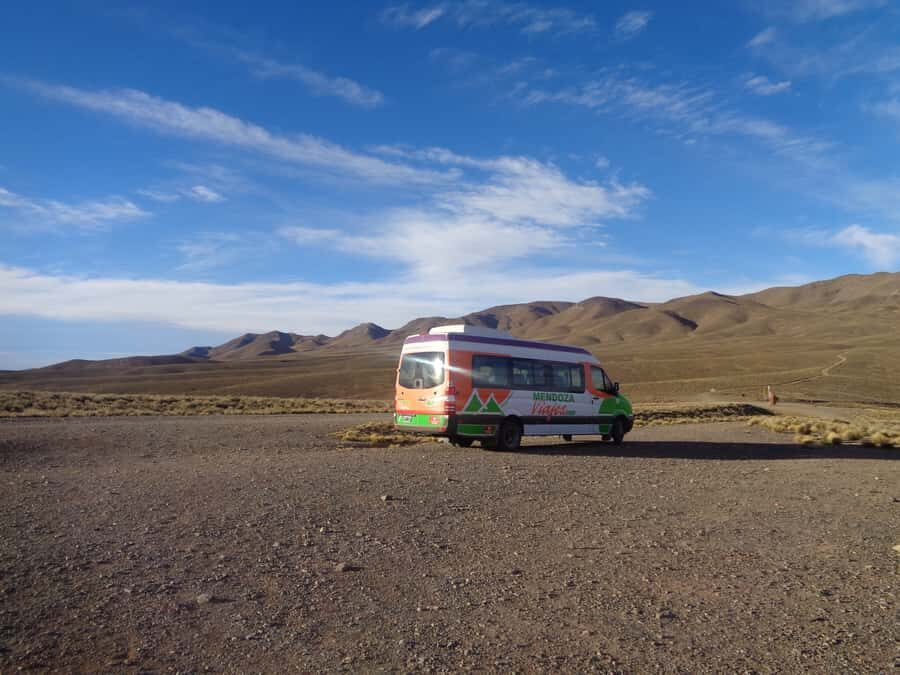
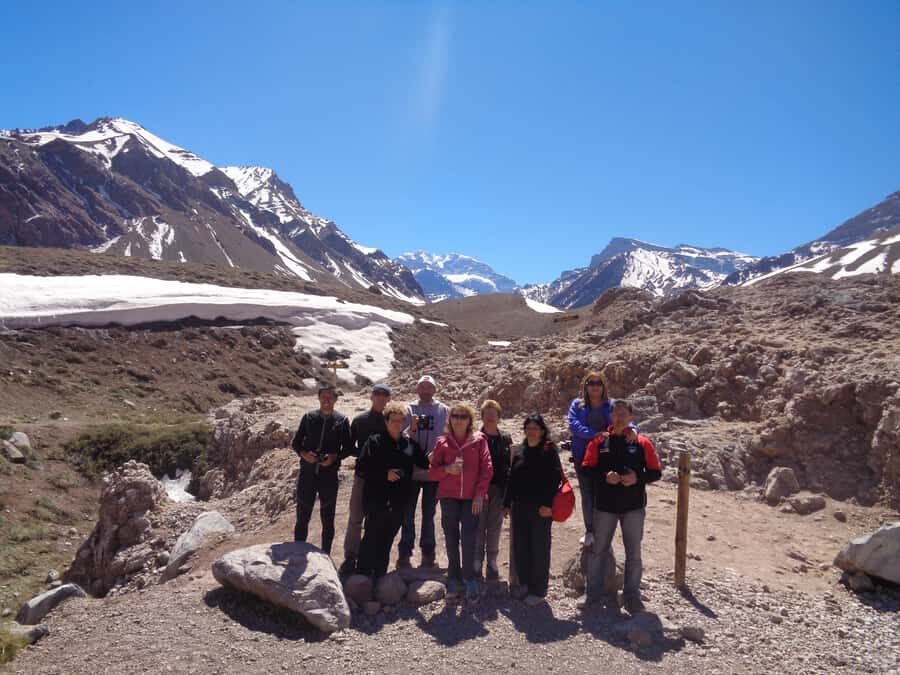
After Puente del Inca, the route heads toward the Chilean border. You’ll stop at a natural viewpoint where you can take in Aconcagua—described as the highest peak in both the Southern and Western Hemispheres. Even without a full trek to the mountain itself, that viewpoint stop does something important: it gives your photos a real subject, not just a vague mountain silhouette.
Next, you’ll reach Aconcagua Provincial Park for guided time (around 15 minutes). In November through April, it’s possible to enter the park and hike to Horcones Lagoon. This matters for your expectations. If you travel in those months, you might get a chance for that extra nature time. If you travel outside that window, your experience in the park will likely be more about viewpoint interpretation than a lagoon walk.
Las Cuevas Free Time: Eat, Rest, and Decide How Hard You Want the Day To Hit
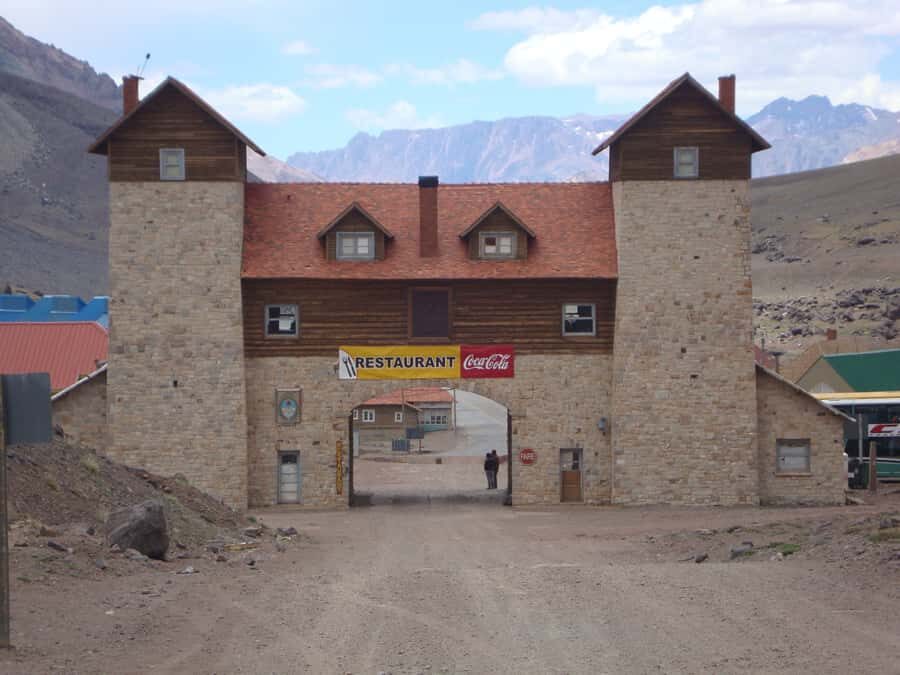
Las Cuevas is where the day gives you breathing room. You’ll get free time (about 75 minutes) to eat if you want and to just sit with the view for a while.
Here’s the practical note: food and drink aren’t included on this tour, and the food options in Las Cuevas can be limited. I’d plan for that. If you like control over your meal, bring a simple snack for the drive and consider packing your lunch if you’re picky about food or have dietary needs. Even if you buy something there, having backup energy helps you avoid that late-day crash.
Use Las Cuevas time in two phases: first, grab what you need (food, water, restrooms), then give yourself a few minutes to look around before you rush back to the van. This is also where you’ll feel the altitude more, especially if you spent the morning taking photos and walking short distances. Slow down, hydrate, and don’t push yourself just because others do.
Uspallata and the Route 7 Return: Why This Tour Ends Up Feeling Like Two Trips
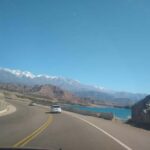
On the way back, you’ll head to Mendoza on Ruta 7. That return drive isn’t just “getting home.” It’s part of the experience because the scenery tends to look different once you’re on the far side of the day’s main highlights.
You’ll also pass Uspallata again for a shorter break (about 15 minutes). It’s a quick reset point—enough to stretch, freshen up, and handle any last-minute needs.
This is also when I recommend you keep your phone charged. You’ll likely take more photos than you expect, and you might want to look back at them later while the day is still fresh in your head.
Price and Value: What $63 Buys in Mendoza’s Andes
For around $63 per person, you’re paying for a full-day structure that would be hard to replicate on your own without a lot of planning: hotel pickup and drop-off in downtown Mendoza (and Luján de Cuyo), transportation on the Andes roads, and guided stops in key areas.
What’s included:
- Hotel pickup and drop-off in downtown Mendoza and Luján de Cuyo
- A guide on board in Spanish, English, or Portuguese
- Guided touring at places like Puente del Inca and the Aconcagua Provincial Park area
What’s not included:
- Food and drink
- Entrance to Horcones Lagoon
So the real value equation is this: you’re essentially paying for guided access and logistics across a long, high-altitude route. If you hate buses and don’t want to commit to a full 12 hours, then the price might feel high. But if you want the major hits in one day without wrestling with routes, this is one of the better ways to do it.
Altitude Reality Check: What to Bring (and How to Avoid a Miserable Day)
This is an Andes tour, not a theme park ride. The air is thinner at the high points, and your body might notice even if you’re not hiking long distances. One review even flagged that once you’re above 3,000 meters your fitness can be affected—so don’t treat that as trivia. Treat it as a plan.
Bring:
- Passport or ID card
- Comfortable shoes (you’ll stand and walk short distances)
- A jacket and comfortable clothes (layers beat one thick coat)
- Cash (helpful for food breaks)
- For kids, their ID/passport too
Avoid:
- Large luggage or big bags (there’s no room for it)
My practical packing list for this exact kind of day:
- Sunscreen and a hat (high altitude sun can be sneaky)
- A refillable water bottle (water keeps you moving calmly)
- A small snack if you’re sensitive to meal timing
- Motion-sickness medicine if you get carsick easily, because winding mountain roads are part of the deal
Timing, Pacing, and the One Thing You Can Control
This tour is well-paced in the sense that it hits major stops and keeps you moving safely. But it’s still a long day with tight windows at each highlight. Some people find the national park time feels rushed. That’s not shocking—this region is spread out and the bus schedule has to work around road conditions.
You can make it better by doing two things:
- Decide in advance what you care about most: Puente del Inca photos, Aconcagua views, or the park/Horcones Lagoon chance.
- Move efficiently during stops. Use your guided time for learning and orientation. Save extra roaming for what you’re truly excited about.
Also, weather and road conditions can change the day. If there’s a road blockade, you may be invited to take the tour again the next day. So pack with a flexible mindset. Mountain travel has its own rules.
Should You Book This High Andes Aconcagua Tour?
I’d book it if you want a guided, comfortable route that delivers the big visual moments of the Aconcagua region in one day. It’s especially good for first-time visitors to Mendoza who want Puente del Inca, Ruta 7 driving, and a structured visit to Aconcagua Provincial Park without planning your own transport.
I’d skip it (or at least adjust expectations) if you:
- Want long, slow time in one place (this day spreads out)
- Don’t handle altitude well and expect a fully gentle experience
- Need meals and drinks included (they aren’t)
If you’re flexible, dress for cold and wind, bring layers and snacks, and treat it as a day of sights rather than a long hike, you’ll likely feel like you got good value for your time.
FAQ
How long is the Mendoza to Aconcagua tour?
It runs for about 12 hours.
What language is the tour guide in?
The guide speaks Spanish, English, or Portuguese.
Is food and drink included?
No. Food and drink are not included, so plan for snacks or a meal during free time stops.
Can I visit Horcones Lagoon on this tour?
In November to April, it’s possible to enter Aconcagua Provincial Park and hike to Horcones Lagoon. Entrance to Horcones Lagoon is not included.
Where does hotel pickup happen?
Pickup is included for hotels or apartments located in downtown Mendoza, and there are also Luján de Cuyo drop-off locations. For addresses outside downtown Mendoza, you need to contact the operator to confirm the pickup point.
What should I bring, and what’s not allowed?
Bring your passport or ID card, comfortable shoes, a jacket, comfortable clothes, and cash. Large luggage or big bags are not allowed.