REVIEW · SAN CARLOS DE BARILOCHE
From Bariloche: Cerro Tronador Full-Day Tour
Book on GetYourGuide →Operated by Gray Line Argentina · Bookable on GetYourGuide
Tronador thunders before you even see ice. This full-day tour from Bariloche follows Route 40 through Lake District scenery, then pushes on toward Cerro Tronador in Nahuel Huapi National Park. I love the long, changing drive with Lake Gutiérrez and Mascardi, plus the planned stops like Isla Corazón and Pampa Linda where the peaks finally frame up. I also love the glacier moment at Ventisquero Negro, where the ice feels close enough to make you slow down. The main thing to consider is that weather and language can affect the day, so you’ll want a bit of flexibility and clear expectations for your guide language.
One nice practical bonus: roundtrip pickup from central Bariloche hotels makes this feel easy from the start. And the best versions of the day often come down to the guide and driver team—names like Yamila and Mario show up in positive feedback for being friendly, punctual, and keeping the mood light.
This is a 9-hour outing focused on viewpoints and road travel, not a short walk-and-go plan. Plan for sitting in the vehicle for stretches, pack layers, and remember food and drinks aren’t included.
In This Review
- Key highlights worth aiming for
- From Bariloche out to Route 40: the road trip part is the show
- Lake Gutiérrez, streams, and those “stop and stare” curves
- Mascardi Lake and the gravel-road turn toward Tronador
- Isla Corazón and Pampa Linda: where the mountain finally fills the frame
- Vuriloches Valley and the shady forest: a temperature shift you can feel
- Ventisquero Negro: the glacier moment that anchors the whole day
- The finale: reaching Cerro Tronador’s base and its three named peaks
- Price and value: what you’re paying for at $125 per person
- Timing, weather, and the one thing you should confirm: your guide language
- Who this tour suits best (and who should look elsewhere)
- Should you book the Cerro Tronador Full-Day Tour?
- FAQ
- How long is the Cerro Tronador Full-Day Tour?
- How much does the tour cost?
- Where is pickup and what areas are included?
- What if my hotel isn’t included for pickup?
- What languages are available for the tour guide?
- What’s included in the price?
- Is food included?
- Are chairlifts included?
- What cancellation options are available?
- How much altitude does the tour reach?
Key highlights worth aiming for
- Route 40 scenic drive: continuous lakeside views as you head south toward Tronador’s area
- Isla Corazón and Pampa Linda: classic viewpoints that help you read the terrain and glacier scale
- Ventisquero Negro: the glacier stop that turns the day from pretty to wow-in-real-life
- Mascardi Lake detour: a gravel road turn that changes the vibe fast, from “road trip” to “cold and ice”
- Vuriloches Valley forest section: shady stretches that feel like a temperature switch during the day
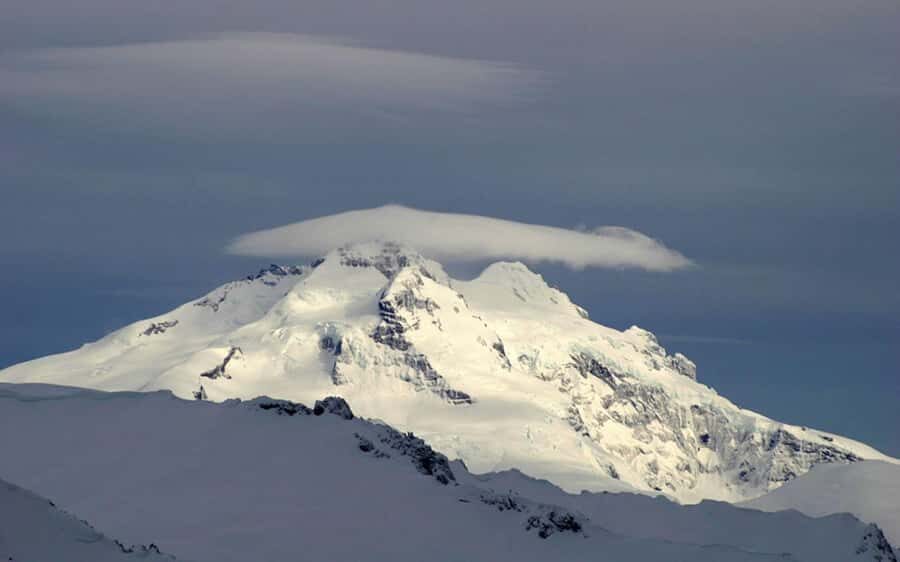
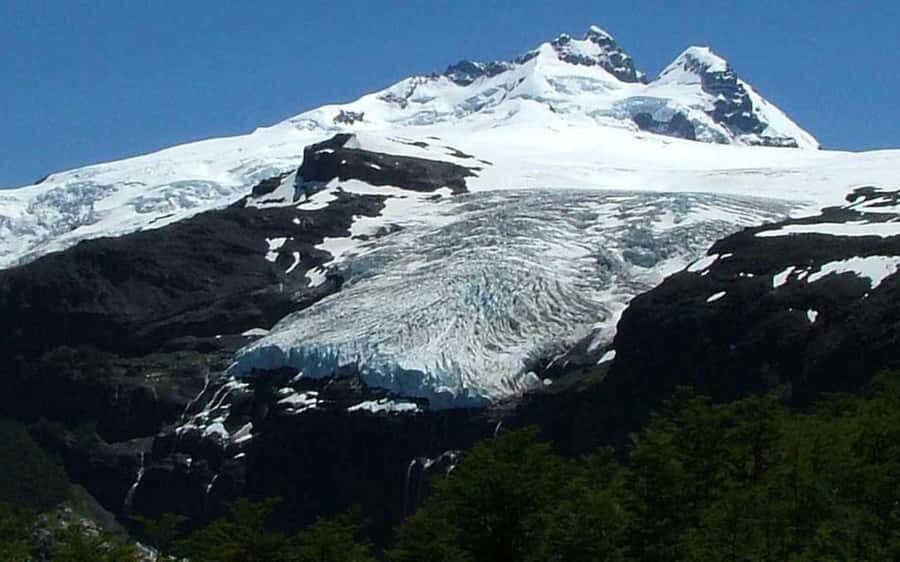
- Cerro Tronador base finale: three peaks—International, Argentine, and Chilean—within reach for photos
From Bariloche out to Route 40: the road trip part is the show
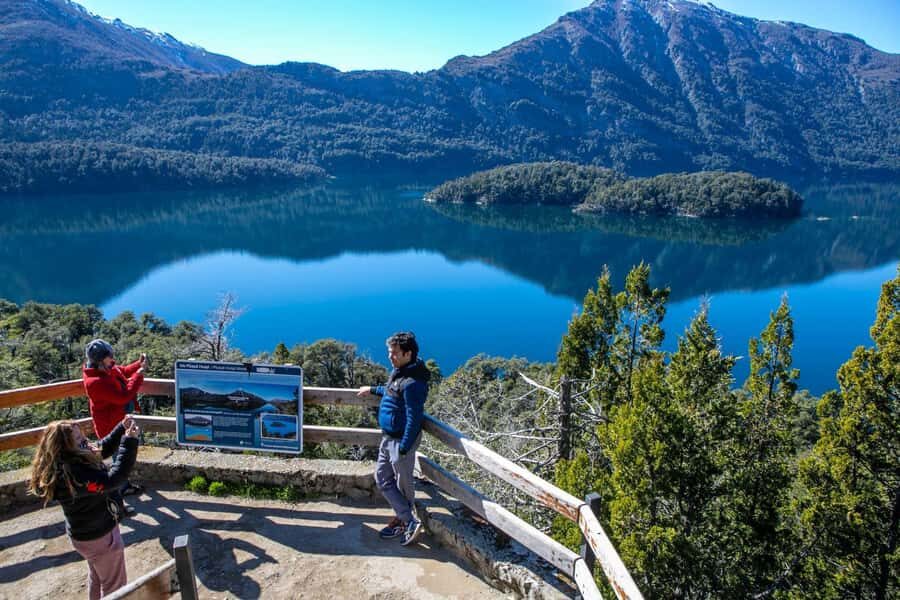
The day starts with a pickup from your Bariloche hotel (central locations are included), followed by getting into the rhythm of Route 40 South. This isn’t a rushed sprint to one place. Instead, it’s a full scenic build-up—barrel through the wide Patagonian road, watch the water appear and reappear, then gradually shift from open views to glacier-country terrain.
What makes this stretch special is how the road “teaches” the region. You’ll cross the Huenuleo Pampa, then start threading through the places that give this area its big-sky feel: open ground, mountain backdrop, and then water that changes color depending on light. In Patagonia, the weather can shift fast, so the route matters. The day is designed so you’re not stuck waiting for one dramatic moment—you’re collecting good views all along the way.
A practical tip: because so much of your time is spent traveling, dress like you’re going to be outside even if you mostly sit in the van. Layers win. If the sun is out, you’ll want something breathable. If clouds roll in, you’ll be glad you brought a warmer layer.
A few more San Carlos De Bariloche tours and experiences worth a look
Lake Gutiérrez, streams, and those “stop and stare” curves
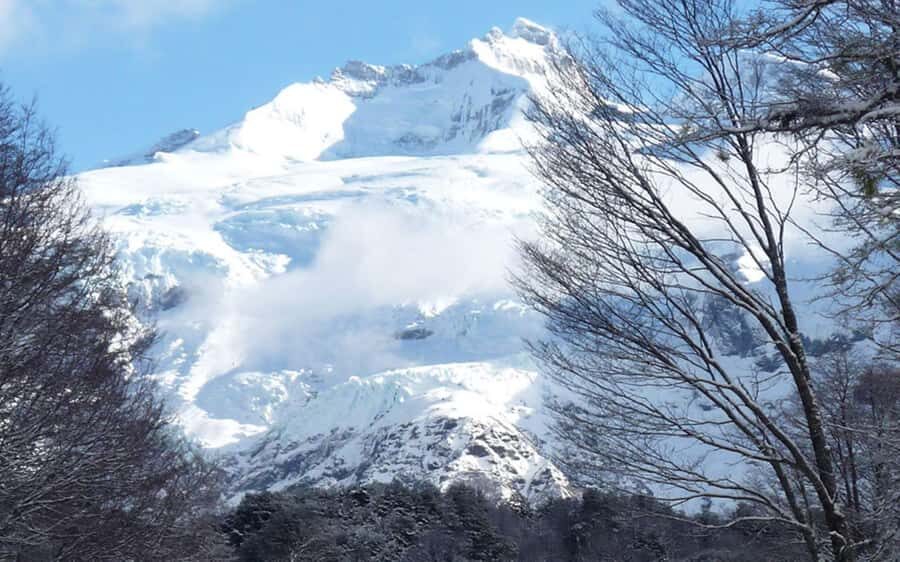
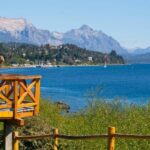
Before you reach the detour toward Tronador, the drive passes through a string of natural landmarks that work like visual bookmarks. You’ll border Lake Gutiérrez, then cross the Pilmayen and Melgarejo streams. It’s not just scenery for scenery’s sake. These water crossings and shoreline stretches help you understand why this region is so glacier-shaped.
Here’s what you should expect at this stage:
- Lake views that pop in and out between roadside turns
- Water and river crossings that make the terrain feel alive, not staged
- Constant chances to grab photos without needing to leave the vehicle at every single second
If the sky is clear, the lake sections can look crisp and dramatic. If it’s cloudy, don’t assume it’s ruined. Cloud cover often creates more contrast in mountain silhouettes, and the icy destinations later in the day can look even more intense.
One consideration: this is weather-dependent. If visibility drops, your guide can still point out landmarks, but the “wow” factor at the big viewpoints can soften. That’s not a failure of the tour—it’s just Patagonia reminding you who drives.
Mascardi Lake and the gravel-road turn toward Tronador
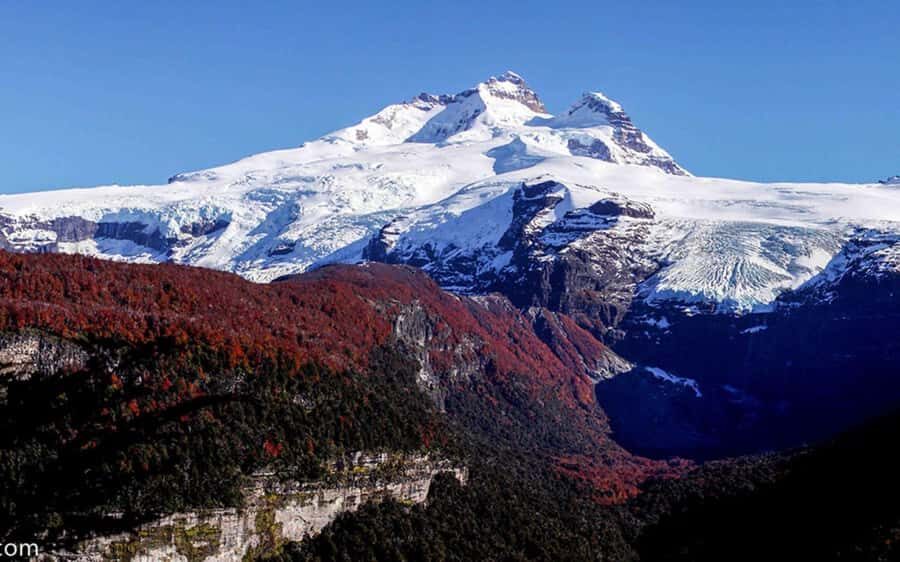
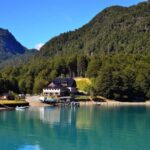
At the “watershed” point, the day slows into that particular kind of calm that happens near glacial water. You reach the serene Mascardi Lake, and the route follows its cues—waters that guide you toward the detour that leads to Tronador.
The moment that changes the day is the switch to a charming gravel road. If you’ve only experienced smooth highways, this part brings a different kind of Patagonia realism. The scenery feels closer, and the vehicle sounds different. You’re still in a comfort-focused day tour, but the route now signals: you’re getting near ice and colder terrain.
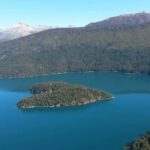
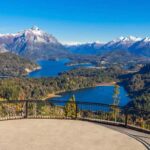
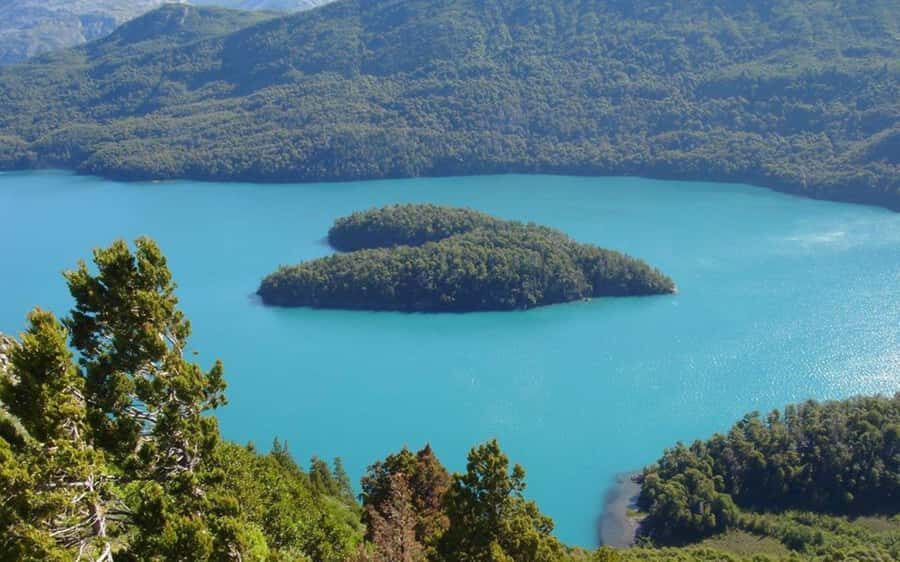
As you continue along Mascardi again—this time along its west coast—you reach a viewpoint stop at Isla Corazón. This is one of those places that helps you “read” the geography. Instead of looking at a random mountain, you start seeing how the peaks, the water, and the valleys connect.
Practical advice for Isla Corazón: if clouds are breaking, pause your expectations and watch. The view can improve in minutes. If you rush photos, you’ll miss the best light.
Isla Corazón and Pampa Linda: where the mountain finally fills the frame
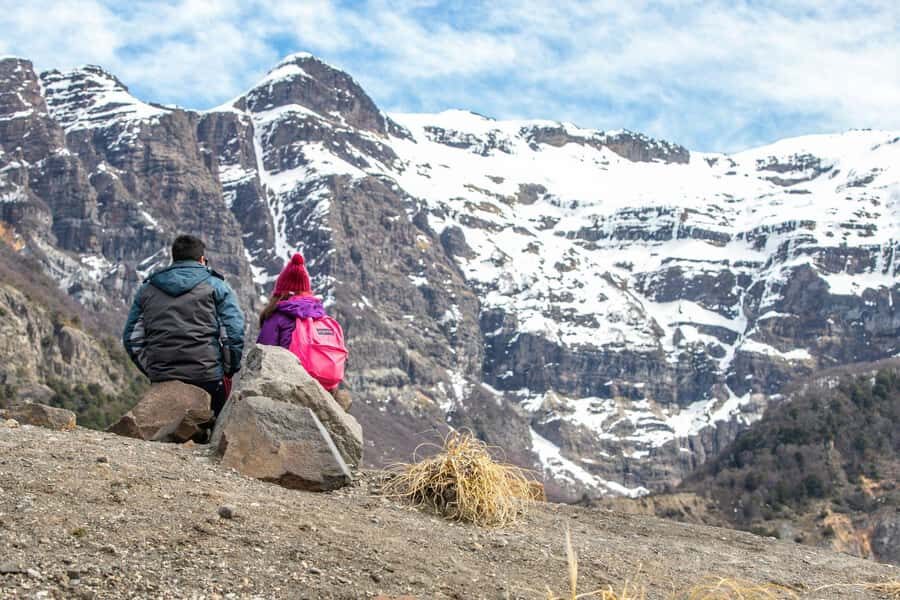
The route keeps giving you these viewpoint stops, and Isla Corazón is a strong one to kick off that phase. It’s panoramic, built for photos, and it’s the kind of place where the scenery stops being “nice drive” and turns into “there it is.”
Next you’ll move in front of Cerro Los Emparedados and along the meandering Manso Superior River. Those details matter because they’re not random stops. Cerro Los Emparedados adds visual structure—something jagged and story-like against the sky. The river section helps soften the hard mountain geometry with a moving, natural line.
Then comes Pampa Linda, described as the ideal place to enjoy an unparalleled view of the imposing Tronador. Even if you don’t want to chase the idea of “perfect,” Pampa Linda is where the scale lands. Cerro Tronador towers at 3,454 meters above sea level at the base area you’ll reach later, and this is the viewpoint stage that prepares you for that final meeting.
If the weather is good, this is the moment you’ll feel like the drive was worth every bumpy kilometer. If the weather is mixed, it’s still useful—because seeing the mountain under different light helps you understand the glacier country you’re about to reach.
Vuriloches Valley and the shady forest: a temperature shift you can feel
After Pampa Linda, the tour steps into the Vuriloches Valley and then into a lush shady forest section. This is more than a break from the open air. It changes how the day feels in your body.
In practical terms, that forest stretch can mean:
- More shade and cooler air than the exposed viewpoints
- A different soundscape—less wind, more “forest quiet”
- Time for the guide to keep explaining what you’re seeing as the environment shifts
It also helps break up the day mentally. You stop feeling like you’re only photographing and start enjoying the “how it moves” side of nature. That transition is one reason glacier tours can work better as full-day experiences rather than quick half-day trips.
Ventisquero Negro: the glacier moment that anchors the whole day
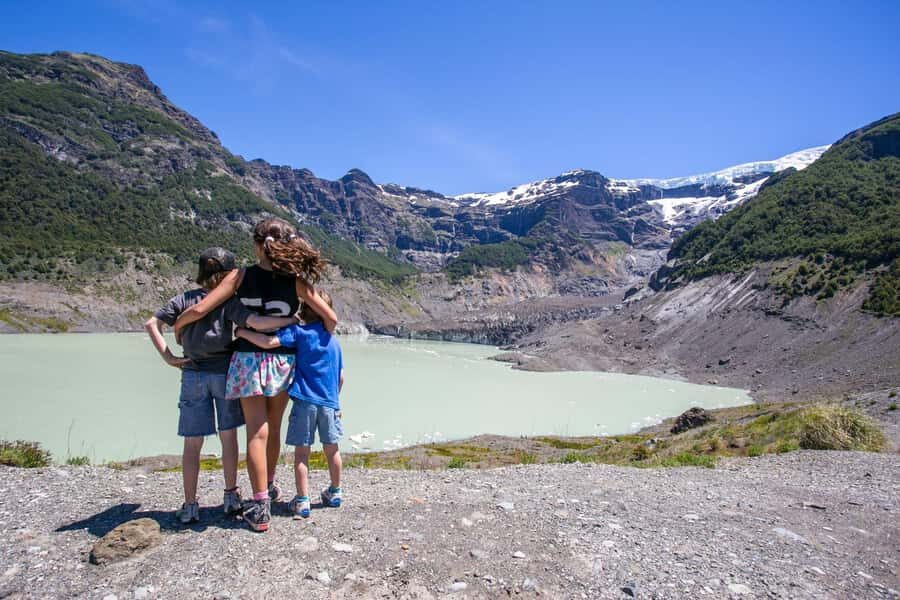
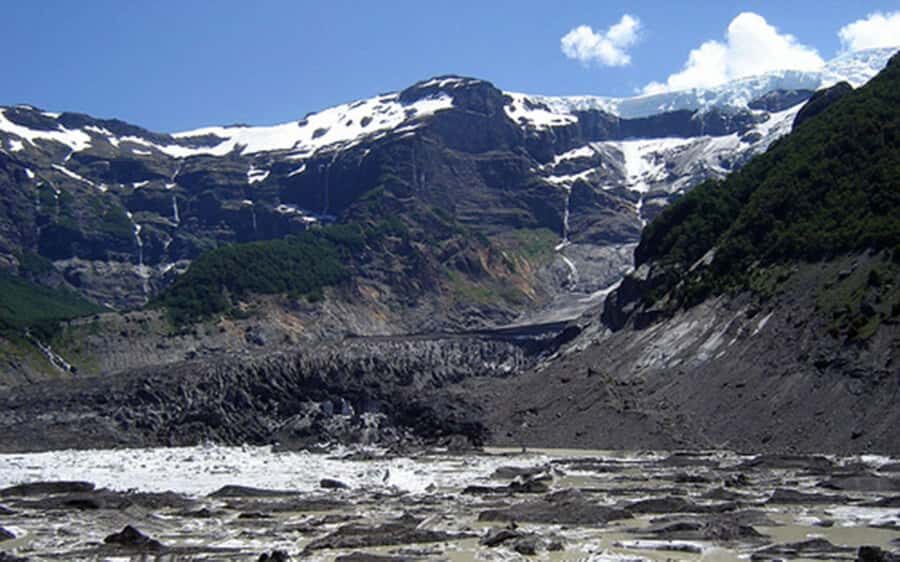
The centerpiece for many people is the stop at Ventisquero Negro. The way it’s framed makes sense: after lakes, rivers, valleys, and valley forests, you finally arrive at the icy presence that explains the whole region.
Ventisquero Negro is part of what the tour describes as living nature with unique glaciers. In plain terms: it’s where the scenery stops being mostly scenic and starts being about real natural power. Even from viewpoints (and chairlifts are not included), you should expect to spend time looking, not just snapping and moving on.
Two small factors that affect how satisfying this stop feels:
- Cloud cover vs clear sky: clear skies give crisp edges; clouds can make the ice look denser
- Pacing: the best days are the ones where you don’t feel pushed. In recent positive experiences, the guide and driver teams have been noted for allowing photos without rush.
If you care about photos, this is the stop to slow down. Bring your phone/battery plan. Cold can drain batteries faster than you think.
The finale: reaching Cerro Tronador’s base and its three named peaks
The excursion culminates at the base of Cerro Tronador, a massive natural feature with three peaks: International, Argentine, and Chilean. That trio matters because it gives you a clear way to orient while you’re looking. You’re not just seeing one mountain; you’re seeing a set of named summits.
This is also where you connect the earlier drive segments to the end destination. Those lakes and valleys weren’t filler. They’re the shapes that lead the eye to the glacier walls and snow zones.
Photo tip: the best angles are usually not the most dramatic “right in front” shots. Try slightly to the side where the terrain can show how steep and layered the massif is. Your guide can point you toward where the view lines are best.
Price and value: what you’re paying for at $125 per person
At about $125 per person, this tour sits in the “worth it if it matches your style” category. Here’s what you’re actually getting for the money:
- Roundtrip transfers from central Bariloche hotels
- A live tour guide
- Insurance and medical coverage
What’s not included:
- Chairlifts
- Food, beverages, and other services not specified
So the real value question is: does the package eliminate too many headaches for you? If you want a day where you don’t have to plan the road route, figure out pickup points, or manage the language gap, the included transfers and guide can be a big deal.
But it’s not automatically great value if you’re expecting everything to be handled start-to-finish in terms of meals and comfort. Since food isn’t included, you’ll want to budget for snacks or a packed lunch if that’s allowed by your preferences and local expectations.
My take: for a full 9-hour national park day with guided interpretation and roundtrip hotel-area transfers, the price feels fair—especially if you prioritize viewpoints and glacier time over saving money.
Timing, weather, and the one thing you should confirm: your guide language
This is a 9-hour tour, and that time is mostly spent on the road plus viewpoint stops. You don’t want to show up underdressed or without a snack mindset. You also don’t want to assume the language you selected will definitely be used the way you expect.
The tour lists live guide languages in Spanish, Portuguese, and English. Still, real-world language matching can be tricky. Some prior scheduling situations have involved English-language disappointment or last-minute changes when guide availability didn’t line up. Another situation included a guide speaking English but conducting the tour in Spanish anyway when that was the chosen format.
So here’s the practical move: before your day, confirm the guide language in the platform messaging or directly with the operator. It doesn’t have to be complicated. Just make sure you’re set for what you want to hear, especially if you’re relying on the explanation part of the day.
Also consider this: if lots of spots end up closed due to conditions, your guide will still aim to make the best of the day, but you may not see every intended viewpoint. That’s not unique to this tour—it’s Patagonia and the outdoors.
Who this tour suits best (and who should look elsewhere)
This tour is a strong fit if you:
- Want a guided, full-day pass through the Bariloche-to-Tronador region
- Care about glacier scenery at Ventisquero Negro and want it explained while you look
- Like road-trip pacing with planned viewpoints such as Isla Corazón and Pampa Linda
It’s less ideal if you:
- Want lots of included meals or a fully catered day
- Hate long vehicle stretches and would rather do a shorter, more walking-heavy plan
- Need guaranteed English guidance with zero chance of mismatch
If you’re an “I came for the views” traveler, you’ll likely enjoy the rhythm. If you’re hoping for a flexible itinerary with lots of optional stops, this is more structured than that.
Should you book the Cerro Tronador Full-Day Tour?
Book it if Cerro Tronador and the glacier stop at Ventisquero Negro are your main goals, and you’re comfortable with a full 9-hour day focused on viewpoints. The combination of Route 40 travel, Mascardi Lake staging, and the final base-area experience gives you multiple chances for great photos and a better understanding of how this region works.
Skip it or rethink it if:
- You’re very sensitive to language mismatch and you can’t tolerate switching
- You don’t want to handle food on your own
- Weather variability would ruin your day emotionally, because visibility can change how much you enjoy the big overlooks
If you do book, set yourself up for success: confirm language ahead of time, pack layers, and bring snacks so the day stays pleasant even if the timing shifts a bit.
FAQ
How long is the Cerro Tronador Full-Day Tour?
The duration is 9 hours.
How much does the tour cost?
The price is $125 per person.
Where is pickup and what areas are included?
Pickup is included from central Bariloche hotels. Transfers are from and to central hotels, and the pickup/drop-off point relates to Av. Bustillo Km 8.
What if my hotel isn’t included for pickup?
If your hotel is not included, the provider will contact you to indicate the closest hotel to which you should go so the guide can pick you up. You’ll wait in the lobby of the indicated hotel.
What languages are available for the tour guide?
The tour guide is available in Spanish, Portuguese, and English.
What’s included in the price?
Roundtrip transfers from Bariloche hotels, a tour guide, and insurance and medical coverage are included.
Is food included?
No. Food, beverages, and other services not specified are not included.
Are chairlifts included?
No, chairlifts are not included.
What cancellation options are available?
Free cancellation is available up to 24 hours in advance for a full refund.
How much altitude does the tour reach?
The tour culminates at the base of Cerro Tronador, at 3,454 meters above sea level.