REVIEW · BUENOS AIRES
Buenos Aires for curious people
Book on Viator →Operated by Social & Cultural · Bookable on Viator
Buenos Aires makes sense on foot. This 2 to 3 hour small-group walk links famous sights like Plaza de Mayo and Casa Rosada with quieter places that most people skip, including an immigrant-era church and a memorial for Argentina’s darkest years. You’ll move through neighborhoods in a way that helps the city’s layers click together fast.
I love the small-group size (max 8), because it makes room for real questions and unhurried pacing. I also love that the route mixes big architecture with intimate details, from Plaza Dorrego to Mercado San Telmo. One possible drawback: part of the walk focuses on the human-rights crimes of 1976–1979, so if that topic will weigh on you, plan your day accordingly.
In This Review
- Key highlights I think you’ll feel fast
- Where the route begins: Bar Británico and Parque Lezama
- Swedish Church (1944) and the Memory Walk’s real weight
- Telmo’s colonial heartbeat: San Pedro Gonzalez Telmo and Plaza Dorrego
- Mercado San Telmo and Puente de la Mujer: old meets new
- Casa Rosada: the iconic finish without the rush
- Why the small-group size makes a difference here
- Price and time: is it good value at $33?
- The weather and emotional tone you should plan for
- Who should book this tour (and who might skip it)
- Should you book Buenos Aires for Curious People?
- FAQ
- How long is the Buenos Aires for Curious People tour?
- How big is the group?
- What are the main stops on the route?
- Is the Casa Rosada admission included?
- Are tickets required for the other stops?
- Is the tour affected by weather?
Key highlights I think you’ll feel fast
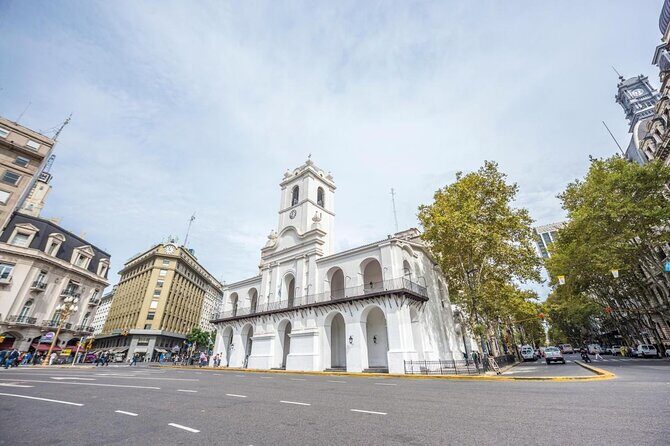
- A max of 8 people, so the guide can keep conversations clear and personal
- San Telmo on foot, including Plaza Dorrego and Mercado San Telmo
- Memory Walk stops with context, not just photos—aimed at understanding, not sensationalism
- Real local texture, from an old town square to a market shaped by Italian immigrants
- Modern Buenos Aires shows up too, with Puente de la Mujer by Santiago Calatrava
- Free admissions for most stops, while Casa Rosada entry is separate
Where the route begins: Bar Británico and Parque Lezama
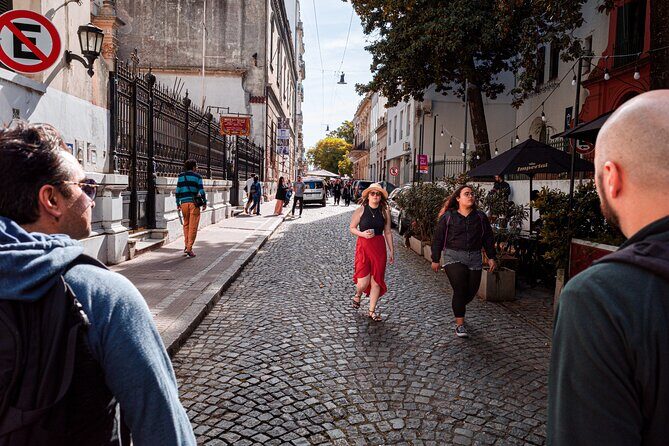
The tour kicks off at Bar Britanico (Brasil 399). It’s a solid place to start because it anchors you in old Buenos Aires rather than leading you straight into the most photographed spots. You’re also setting your feet on the streets of the city’s older fabric right away, which is the point.
From there, you head to Parque Lezama, a park with deep roots. This is the spot where the first fort was established in 1536, long before today’s neighborhoods took their modern shape. The value here is simple: you’re not just looking at buildings—you’re seeing where the city’s story began.
One practical tip: bring a light layer. Walking in Buenos Aires can swing from mild to breezy quickly, especially as you transition from parks to streets.
You can also read our reviews of more tours and experiences in Buenos Aires.
Swedish Church (1944) and the Memory Walk’s real weight
One stop that adds a surprising angle is Club Sueco Restaurante, home to a Swedish church dating to 1944. Buenos Aires was shaped by waves of immigrants, and this is a reminder that European communities built institutions here too—not only businesses. It gives you a different lens on the city: not just politics and power, but everyday faith and community life.
Then the tone changes with Memory Walk, tied to the former clandestine center for detention, torture, and extermination (1976–1979). This part matters because the guide frames it as history you can understand, not horror you’re forced to stare at. I’d treat this stop the way you would a museum exhibit: give it your full attention, and ask questions only if you’re in the mental space to hear the answers.
A consideration: some people prefer to keep emotional history for later in the day. If you know you’ll feel it, you can schedule other lighter activities afterward, so you have time to process.
Telmo’s colonial heartbeat: San Pedro Gonzalez Telmo and Plaza Dorrego
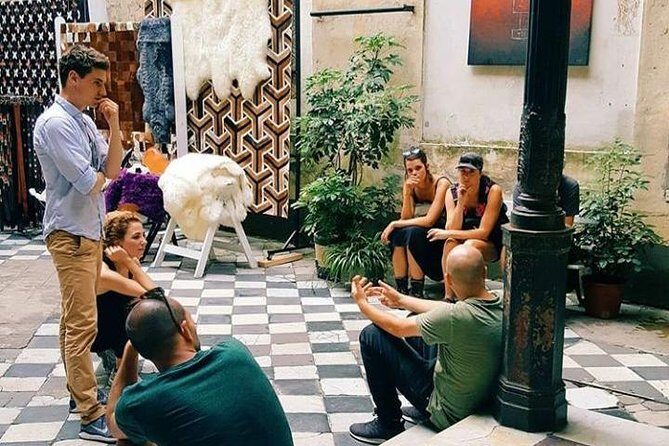
After the memorial stop, the walk moves toward Parroquia de San Pedro Gonzalez Telmo, a colonial Catholic church. Colonial architecture in Buenos Aires can feel like a time machine if you’ve only seen the city’s modern skyline. Here, it works best when you pay attention to the details the guide points out—those features are often the clue to how old neighborhoods formed and why they held power.
Next is Plaza Dorrego, the main square of the old town area. This is where Telmo’s atmosphere becomes physical. Squares like this are where locals gather, where daily life happens, and where history keeps showing up in new outfits. You’ll likely feel the shift from “learning facts” to “seeing how people live” because you’re standing in the city’s social center.
This stop is also a good place to slow down. Even if the group keeps a steady pace, I like giving squares a few extra minutes. It helps you connect the stories to what you can actually see around you.
Mercado San Telmo and Puente de la Mujer: old meets new
The tour then heads to Mercado San Telmo, a local market built up by Italian immigrants. Markets are one of my favorite ways to understand a city because they show what people traded, cooked, and relied on. In this case, it’s not a generic souvenir bazaar vibe. It’s a place tied to community habits—food, small commerce, and neighborhood routines.
You’ll also get a feel for how immigration shaped Buenos Aires beyond the big monuments. Italian influence shows up in everything from language patterns to food traditions, and markets are where those influences turn practical.
Finally, you swing to Puente de la Mujer, the Woman’s Bridge. This is the modern punctuation mark you didn’t know you needed. The bridge was designed by Spanish architect and structural engineer Santiago Calatrava, and it brings a different kind of Buenos Aires creativity into the walk. It’s worth seeing not only as a design object, but as a sign that the city keeps re-inventing itself—right next to its older core.
Casa Rosada: the iconic finish without the rush
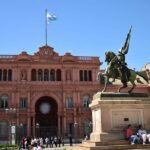
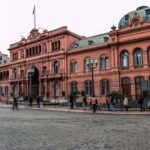
The walk ends at Casa Rosada (Balcarce 78), Argentina’s presidential office. Even if you’ve seen it in photos, seeing it at human scale helps. The building’s presence is less about one angle and more about how the space feels around it.
Important detail: Casa Rosada admission is not included. That means you can still get value from the stop even if you choose not to enter. If you do want to go inside, set aside extra time and plan for the ticket separately.
If you’re trying to make the most of your afternoon, I’d do this: stand back, look once, then ask the guide what to watch for. You’ll get a quick map in your head for the rest of the day—what’s worth seeing nearby and what’s mostly there for the photo.
Why the small-group size makes a difference here
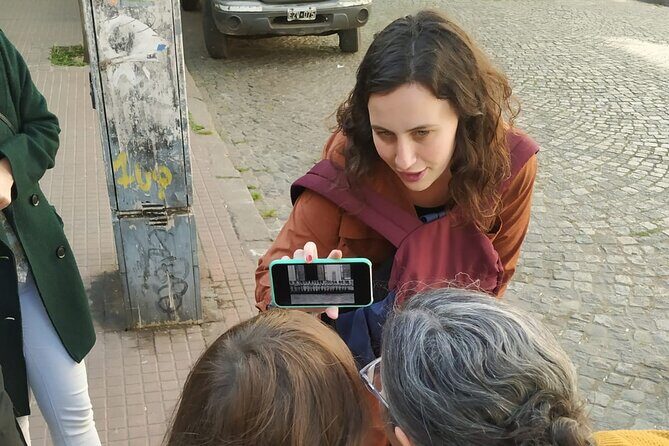
This is one of those tours where the format isn’t a bonus; it’s part of the experience. With a maximum of 8 people, the guide can actually check in. You’re not lost in the back row, and you’re not hoping your question survives the crowd noise.
The guide style that shows up in the best feedback centers on clarity and real conversation. I like tours where I can ask follow-ups instead of getting hit with a monologue and a quick walk-by. Here, you’ll have space to connect the political and architectural dots that make Buenos Aires feel confusing at first.
Also, pacing matters on foot tours. The route is designed as a sequence of meaningful stops, and there are built-in moments to get comfortable—time to reset, and chances to grab a snack or use the bathroom without making it feel rushed.
Price and time: is it good value at $33?
At $33 per person for roughly 2 to 3 hours, the value is strong—especially because most stops have free admission. When you’re walking city history, free or low-cost entries are what keep the day from turning into a stack of fees.
The tour also packs a smart mix for first-timers and returning visitors alike: you see a major plaza landmark, you get Telmo’s neighborhood texture, and you include a serious human-rights component. That’s a lot of “Buenos Aires meaning” for one outing.
One more practical note: the tour is typically booked around 35 days in advance on average. That’s not a rule, but it tells you it’s popular. If you’re traveling in high season or on a tight schedule, book early so you don’t have to scramble for a backup plan.
The weather and emotional tone you should plan for
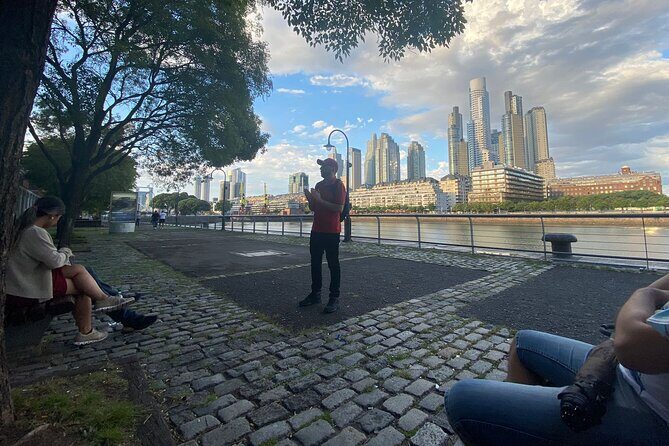
This tour requires good weather. If the forecast is sketchy, expect adjustments or an alternative date, because an on-foot route doesn’t work well in heavy rain. For planning, keep the day after or before as your buffer time, so you can shift if needed.
As for tone: the Memory Walk stop deals with detention, torture, and extermination from 1976–1979. The goal is understanding, but it’s still heavy. If you’re the type who powers through difficult facts, fine. If you prefer a lighter day, consider whether you want to carry that weight while also walking through the lively streets of Telmo.
Who should book this tour (and who might skip it)
Book it if you want more than a photo circuit. You’ll like it if you care about how history, politics, architecture, and neighborhood life connect. It’s also a great fit for solo visitors, couples, and small groups who enjoy asking questions and getting answers that have context.
You might want a different option if you only want easy sightseeing with zero emotional heaviness, or if you need a very slow pace with frequent long breaks. The structure is built for walking between specific sites, so your comfort with that pacing matters.
Should you book Buenos Aires for Curious People?
If you’re curious about the city beyond the usual highlights, I’d recommend booking. The big reason is balance: you get Plaza Dorrego and Mercado San Telmo, you see Puente de la Mujer for modern design flavor, and you finish at Casa Rosada—but you’re also asked to think about the human-rights history that shaped Argentina.
At $33 with mostly free admissions, it’s priced like an efficient local history lesson, not a fancy museum day. Add in the small-group format, and you get a tour where the guide can actually talk with you, not just at you.
Do it if your ideal Buenos Aires day includes streets, stories, and a bit of emotional honesty. Plan your schedule so you can decompress afterward, and you’ll come away with a clearer, more human picture of this city.
FAQ
How long is the Buenos Aires for Curious People tour?
It lasts about 2 to 3 hours.
How big is the group?
The group is limited to a maximum of 8 travelers.
What are the main stops on the route?
The walk includes Bar Britanico, Parque Lezama, Club Sueco Restaurante (Swedish church), Memory Walk, Parroquia de San Pedro Gonzalez Telmo, Plaza Dorrego, Mercado San Telmo, Puente de la Mujer, and ends at Casa Rosada.
Is the Casa Rosada admission included?
No. Casa Rosada admission is not included.
Are tickets required for the other stops?
Most of the listed stops are free to enter (the ticket price is shown as free for those locations).
Is the tour affected by weather?
Yes. The experience requires good weather, and if it’s canceled due to poor weather, you’ll be offered a different date or a full refund.