REVIEW · BUENOS AIRES
Small Group Tasting to Become a Mate Expert in Buenos Aires
Book on Viator →Operated by Become a Mate Expert · Bookable on Viator
Mate is Buenos Aires in a cup. This small-group yerba mate workshop in Buenos Aires teaches you where mate comes from, how to brew it, and why it matters socially. You also taste multiple blends with classic Argentine sweets, then leave with a diploma.
I love how Tomi breaks the whole experience into clear steps: meaning and origins, yerba production, and the mate ritual you see day-to-day in Argentina. I also love the tasting side, because you can sample different yerbas (including original and flavored styles) instead of just learning theory.
A possible drawback: in about 1 hour 30 minutes, the pace is quick, so if you want a deep, hour-by-hour history lesson, you may want to pair this with extra reading or a second experience later.
In This Review
- Key highlights worth your attention
- The workshop setup: where it starts on Tte. Benjamín Matienzo
- Yerba mate 101: meaning, origins, and why Argentines keep sharing it
- Becoming a mate expert: types of yerba, curing, and the gear that matters
- The tasting flight: comparing blends with typical Argentine sweets
- Learning to brew a perfect cup: technique you can actually use
- Your diploma, closure, and mate-shop discounts
- Price and value: what $29 buys you in Buenos Aires
- Who should book this mate workshop
- Should you book this Buenos Aires mate class?
- FAQ
- How long is the small-group mate tasting workshop?
- Where is the workshop meeting point in Buenos Aires?
- What does the workshop include?
- How many people are in the group?
- Do I get anything at the end of the workshop?
- Is English included?
- Can I bring a service animal?
- Is the experience available in Spanish?
- What’s the cancellation policy?
Key highlights worth your attention

- Small group size (max 14) keeps the vibe relaxed and questions possible
- Tomi as a host and cebador brings clear instruction and patience
- Learn the full mate story: origins, production process, and how it’s consumed
- You get to taste multiple blends plus typical Argentine sweets
- Learn accessories and the curing process so you can shop smarter later
- Diploma and shop discounts help you turn the class into an ongoing habit
The workshop setup: where it starts on Tte. Benjamín Matienzo
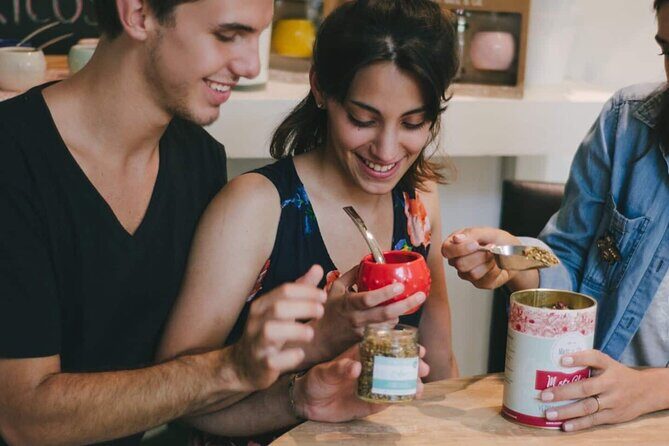
This is a focused, small-group workshop, capped at 14 travelers, so you’re not swallowed by a big crowd. The meeting point is at Tte. Benjamín Matienzo 1559 in Buenos Aires, and the activity ends back there—simple and easy to plan around.
You’re looking at roughly 1 hour 30 minutes of instruction and tasting. That length is a sweet spot for first-timers: long enough to learn the basics and compare flavors, short enough that you don’t need to carve out half a day. It also tends to feel homey, not formal, which matters when you’re learning a ritual that’s usually shared, not performed.
You can also read our reviews of more food & drink experiences in Buenos Aires


Yerba mate 101: meaning, origins, and why Argentines keep sharing it
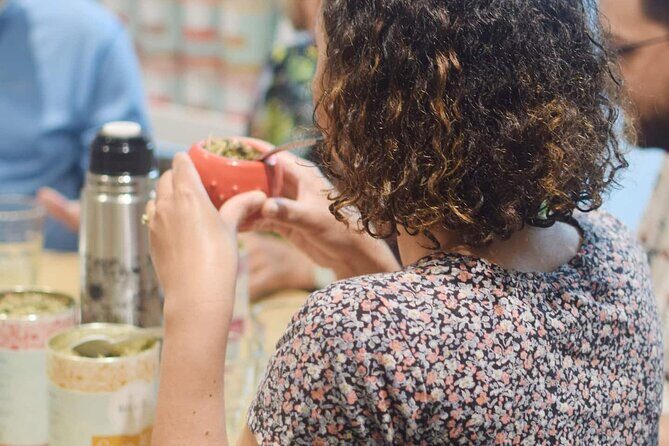
The workshop starts with yerba mate basics: what mate means, where it comes from, and how it’s produced. You’ll hear about the origins and the production process, plus how mate has certain properties people notice when they drink it regularly.
Then you zoom out to the bigger picture: how Argentines consume mate in different ways and at different levels, and how the tradition connects to the broader world. Even if you’ve had mate once before, this framing helps you understand why people don’t treat mate like a random drink. They treat it like a social routine.
And that’s where the cultural part lands. The session explains the ritual—the meaning of mate in Argentine culture—so you know what you’re doing when you sit down with a cup and someone offers the first sip. It’s the difference between drinking something and actually participating in the custom.
Becoming a mate expert: types of yerba, curing, and the gear that matters
This isn’t just about history and sipping. A big chunk is learning what’s in the market and how to choose. You’ll cover different kinds of yerba you can find, along with how preferences develop based on flavor and preparation style.
You’ll also get a guided look at the tools that make mate work:
- the accessories used for drinking and serving
- the role of straws (bombillas) and cups
- how the curing process ties into flavor
That part is especially practical. Buenos Aires shops sell lots of choices, and it’s easy to feel overwhelmed if you don’t know what you’re looking at. When you understand the basics—what curing and yerba type do to the cup—you can walk into a shop later and actually make decisions instead of guessing.
The tasting flight: comparing blends with typical Argentine sweets
This is where the workshop earns its keep. You’re not stuck with one bland baseline. You’ll sample the blends served during the class, including both original and flavored options, and you’ll do it alongside typical Argentine sweets.
That pairing is smarter than it sounds. Sweets can round out sharper notes and make it easier to compare styles. It also gives you a “map” for what you personally like—something people often take home as a shopping list.
Some participants point out that they tried multiple options during the session and got to find a favorite blend fast. You’ll likely leave with a clearer sense of what to buy next: something you can brew without stress, and something that matches your taste instead of trying random bags.
If you’re new to mate and a little nervous—totally normal—this tasting format lowers the stakes. You taste, you compare, you ask questions, and you learn what to expect before you commit to a bigger bag back home.
Learning to brew a perfect cup: technique you can actually use
The workshop doesn’t stop at “here’s what mate is.” It focuses on how to prepare the perfect mate—and importantly, how to do it yourself afterward.
You’ll learn the process of making mate correctly, with an emphasis on the steps behind the brew and the ritual. Even if you’ve tried mate casually before, instruction tends to fix the most common issues: using the wrong yerba style for your method, struggling with how to prepare the cup, or not understanding what the ritual is trying to accomplish.
The best part is that the session is built for questions. Tomi’s role as host (and the fact he explains in English for families and mixed groups) makes it feel approachable. You’re not just watching a demonstration—you’re getting guidance so you can replicate what you learned.
Think of this as skill-building with a social twist. You leave able to make mate with confidence, not just with curiosity.





Your diploma, closure, and mate-shop discounts
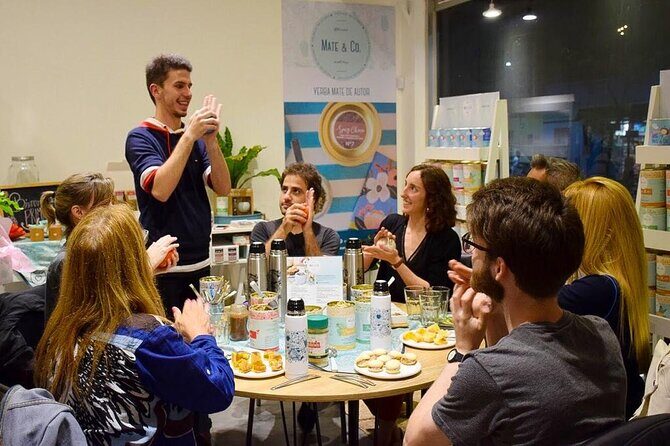
At the end, you get something tangible: a diploma certifying your participation. It sounds simple, but it gives the experience a clean finish—like you completed a mini-credential, not just a quick tasting.
There’s also closure that includes discounts in the shop. That matters because it turns the class into a practical next step. If you found a blend you liked, you’re not forced to remember it later from a photo on your phone. You can usually buy immediately while the flavor comparison is still fresh in your mind.
Price and value: what $29 buys you in Buenos Aires
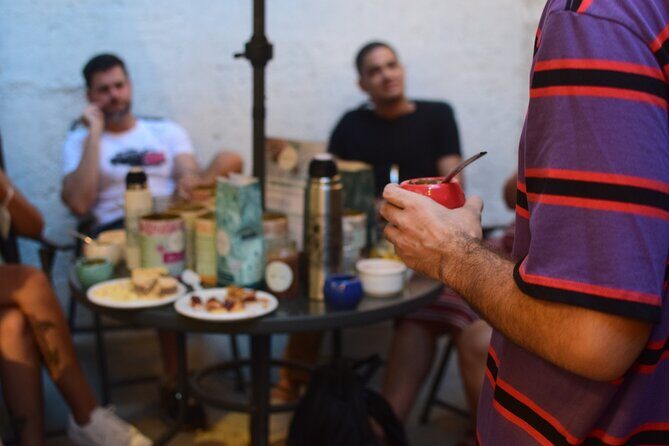
At $29 per person, this is positioned as an affordable, high-return cultural workshop. The value isn’t only the instruction—it’s the combination.
For your money, you get:
- a small-group setting (max 14)
- learning about origins, production, and mate ritual
- instruction on brewing so you can do it yourself
- a tasting with multiple yerba blends
- typical Argentine sweets as part of the experience
- a diploma at the end
- shop discounts
In many cities, you’d pay similar money for either a short tasting or a generic cultural talk. Here, you get both: knowledge and flavor, plus the tools to buy and brew with better judgment afterward.
If your goal is to get a practical Buenos Aires “skill,” this price makes sense. If your goal is only deep academic history, the timing may feel short—but for most travelers, it lands well.
Who should book this mate workshop
This one fits best if you want to:
- learn a real Argentine tradition in plain terms
- taste multiple yerba styles and compare what you like
- leave with a simple skill you can repeat at home
- ask questions in a smaller setting
It also works for groups with different backgrounds. Families and couples both seem to do well because the content is structured and the tasting keeps things lively.
A note for the picky history fans: one participant feedback mentioned wanting a bit more history. If you’re chasing heavy detail on the cultural timeline, treat this as a strong primer. You’ll get the ritual and technique, then you can add deeper reading or another activity later.
Should you book this Buenos Aires mate class?
Yes—if you’re in Buenos Aires and want a hands-on culture experience that’s easy to fit into your day. The small group size, guided learning from Tomi, and the blend tasting with Argentine sweets give you more than a quick sip-and-go.
Book it especially if you’re:
- a first-time mate drinker
- someone who likes learning food and drink through technique, not just stories
- the type who will actually shop differently afterward because you understand curing, accessories, and yerba types
Skip it only if you’re looking for a long, academic lecture or a half-day itinerary. For everything else, this is a tidy, enjoyable way to understand Buenos Aires through the cup people really share.
FAQ
How long is the small-group mate tasting workshop?
It lasts about 1 hour 30 minutes.
Where is the workshop meeting point in Buenos Aires?
The meeting point is Tte. Benjamín Matienzo 1559, C1426 C1426DAA, Buenos Aires, Argentina. The activity ends back at the meeting point.
What does the workshop include?
You’ll learn the meaning and origins of yerba mate, the production process, how to prepare a perfect mate, and the ritual. You’ll also taste multiple yerba blends with typical Argentine sweets.
How many people are in the group?
The group size is capped at a maximum of 14 travelers.
Do I get anything at the end of the workshop?
Yes. You receive a diploma certifying your participation.
Is English included?
The host Tomi has been noted as speaking English during the experience, which helps for families and mixed groups.
Can I bring a service animal?
Yes, service animals are allowed.
Is the experience available in Spanish?
You can check availability in Spanish as well.
What’s the cancellation policy?
You can cancel for free up to 24 hours in advance for a full refund.