REVIEW · MENDOZA
Mendoza: Small-Group Wineries Tour with Tasting and Lunch
Book on GetYourGuide →Operated by Tangol · Bookable on GetYourGuide
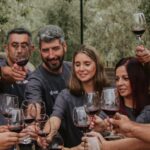
Mendoza’s wine road feels personal fast. This small-group tour focuses on how Argentina makes its world-famous Malbec, from vineyard water systems to tasting room choices. What I like most is the hands-on touring pace (walk the vineyards and cellars, not just sit and sip) and the included tastings at every stop. One thing to consider: the guide speaks mostly Spanish, with English mainly for key moments.
You also get context for why Mendoza wines taste the way they do. The route goes through Luján de Cuyo and Maipú, areas where irrigation canals and ditches helped turn a desert into a productive oasis, and you’ll see that logic in the way the land is farmed. The possible drawback is practical: pickup is only from selected downtown hotels, so you may need a nearby meeting point if you’re staying outside the pickup zone.
The overall vibe is relaxed but structured. You’ll visit 2 Mendoza-area wineries plus an olive grove, and you’ll hear about both traditional and newer winemaking methods, including how wines get bottled and labeled. The minimum age to taste wine is 18, so plan around that if you’re traveling with younger people.
In This Review
- Key Things I’d Plan Around
- Mendoza Winery Touring, But Actually With Context
- Price and Value: What You’re Really Paying For
- The Afternoon Pickup That Sets the Tone
- Two Wineries, One Story: How the Stops Fit Together
- Stop 1: Vineyards to Cellars and the Water Story
- Stop 2: Bottling, Labeling, and the Final Choices
- The Olive Grove Stop: Not Just Wine in a Wine Country Day
- Lunch in Mendoza: The Regional Break That Keeps You Going
- The Guide and Language Reality (So You’re Not Caught Off Guard)
- What to Bring (and What to Leave Behind)
- Who This Tour Suits Best
- Making the Most of Your Tastings
- Should You Book This Mendoza Winery Tour?
- FAQ
- How long is the Mendoza small-group winery tour?
- What’s included in the tour?
- How many wineries will I visit?
- What time does the pickup happen?
- Is lunch included?
- Will the tour be in English?
- Can children or minors taste wine?
- What should I bring with me?
- Is luggage allowed?
- Can I cancel for a refund?
Key Things I’d Plan Around
- Two winery tastings, with wine explained while you’re still tasting it
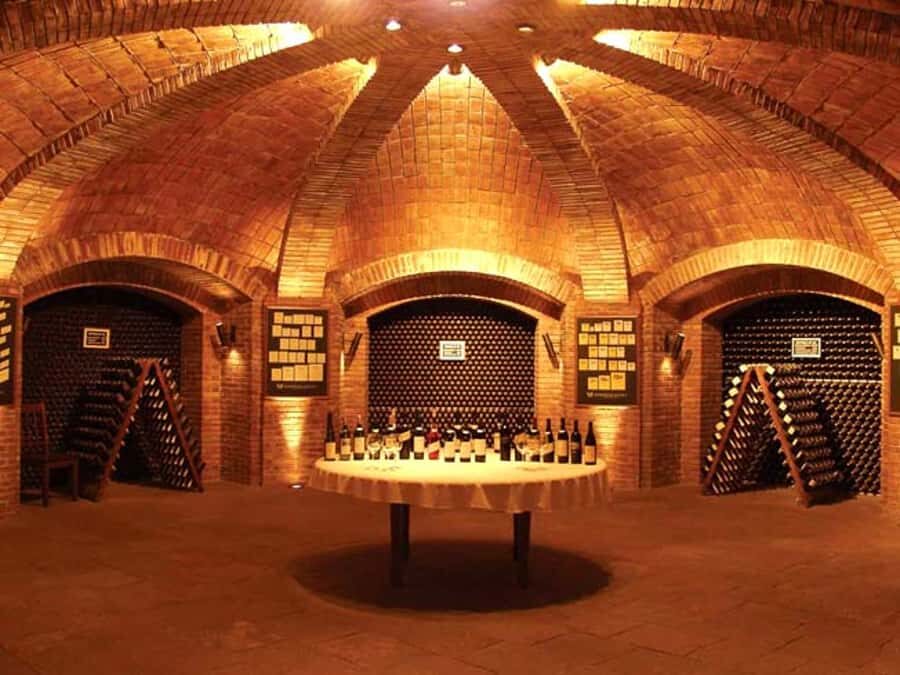
- Vineyard + cellar walking time, so you connect the farming with the glass
- Traditional and modern winemaking side-by-side, including bottling and labeling steps
- Olive grove visit with a look at olive oil production and a tasting
- Lunch of regional specialties that matches the Mendoza theme
Mendoza Winery Touring, But Actually With Context
If you’ve only seen wine tours that feel like a sales pitch, this one is built to feel more like learning how the place works. Mendoza is famous for Malbec, but this tour treats Malbec as part of a bigger system: climate, water, farming choices, and winemaking decisions. You’ll spend the afternoon moving through that chain rather than bouncing between stops with no connective tissue.
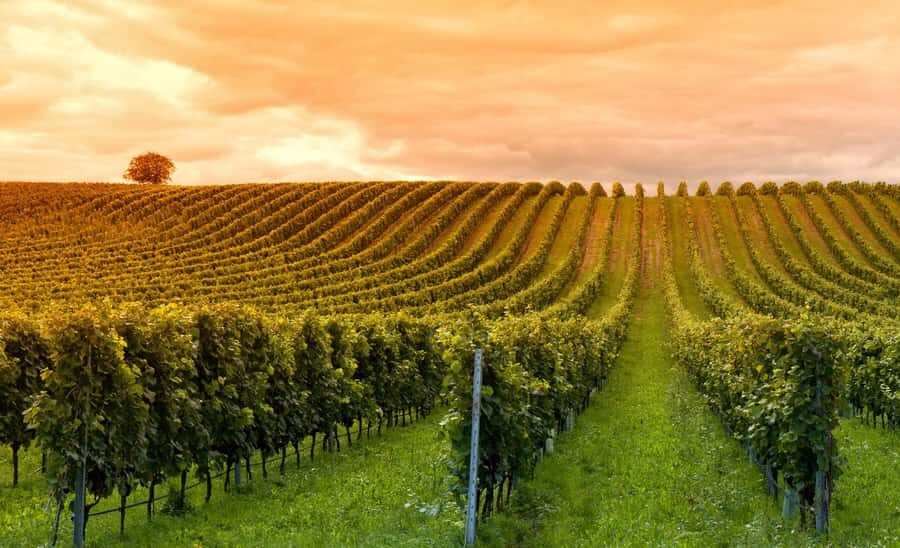
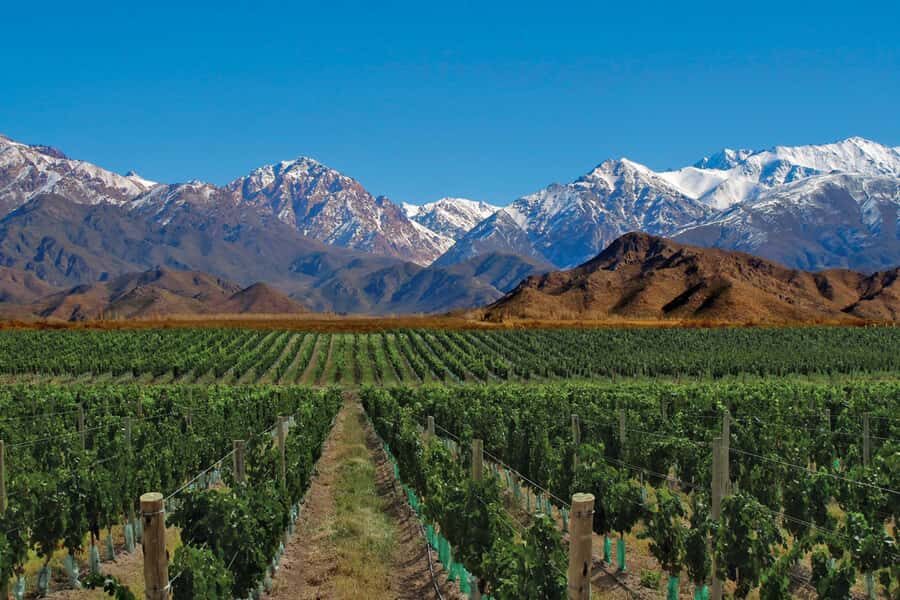
I also like that the tour is designed around the geography of Mendoza’s wine country. Luján de Cuyo and Maipú aren’t random dots on a map. They’re where irrigation culture—using canals and ditches—turned dry land into an agricultural engine. Even if you’re not a wine nerd, it helps you understand why the vineyard rows look the way they do and why winemakers care so much about timing.
The “small-group” angle matters too. With fewer people, the guide can keep the day flowing and answer questions without rushing you out the door. And because wine tastings are part of each winery visit, you’re not just hearing about grape varieties—you’re tasting the result while the explanation is still fresh.
You can also read our reviews of more food & drink experiences in Mendoza

Price and Value: What You’re Really Paying For
At $539 per person for an 8-hour experience, the question isn’t whether you’re paying for wine. You’re paying for coordination: hotel pickup/drop-off from selected downtown locations, transport through Mendoza’s wine districts, access to two wineries plus an olive grove, guided visits, and structured tastings. The tour also includes lunch, which matters because it keeps the day from turning into an expensive “buy-your-own-food” marathon.
Does $539 feel high? It can, if you compare it to casual tastings where you just show up and order. But this is closer to a guided education with tasting costs wrapped in. You’ll also get walking time in vineyards and cellars, plus explanations of how wines are bottled and labeled. For me, that’s where the value shows: you’re paying to connect the dots between process and flavor.
One more value point: the wineries are chosen based on availability, so you’re not locked into only one brand. That flexibility can be a good thing in Mendoza, where the schedule depends on seasonal operations. Still, it means you should accept that your exact winery lineup may differ from someone else’s.
The Afternoon Pickup That Sets the Tone
This tour runs for about 8 hours, starting with pickup around 2:30 pm from selected hotels in downtown Mendoza. That timing is smart. You avoid the harshest parts of the midday heat, and you still get enough daylight for vineyard and cellar visits.
If your hotel is outside the pickup area, you’ll be directed to the closest meeting point. Before you go, double-check your meeting instructions so you’re not late—wine country drives can be quick, but getting everyone in the vehicle takes planning.
Also keep in mind: no luggage or large bags. It’s a day built for comfort on a vehicle ride and easy walking at the stops. Wear comfortable shoes. You’ll be glad you did once you’re on winery paths and through cellar spaces.
Two Wineries, One Story: How the Stops Fit Together
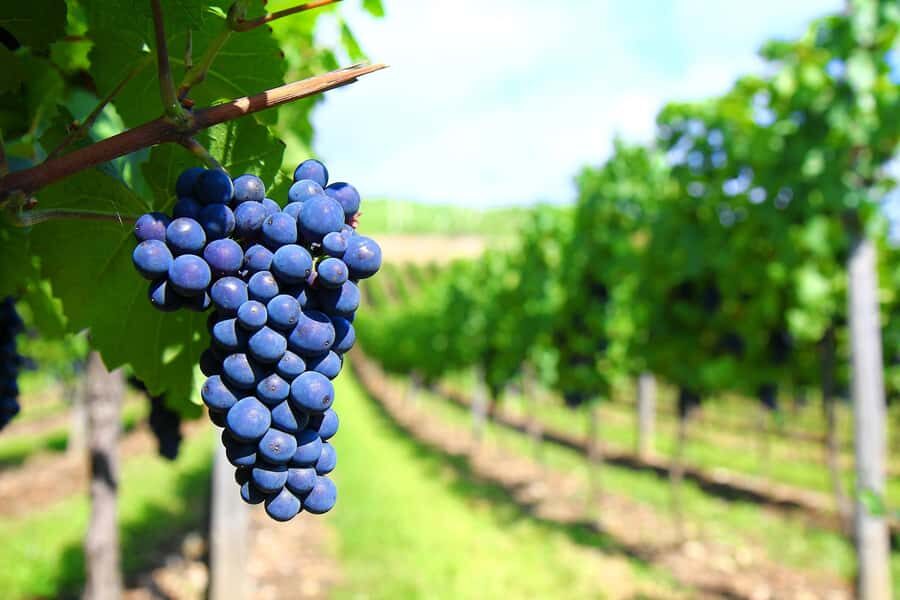
The heart of this experience is the pairing of two Mendoza-area wineries, with tastings at each. What you’ll learn isn’t just names and awards—it’s the logic behind winemaking choices.
Stop 1: Vineyards to Cellars and the Water Story
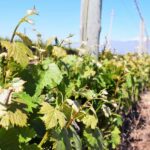
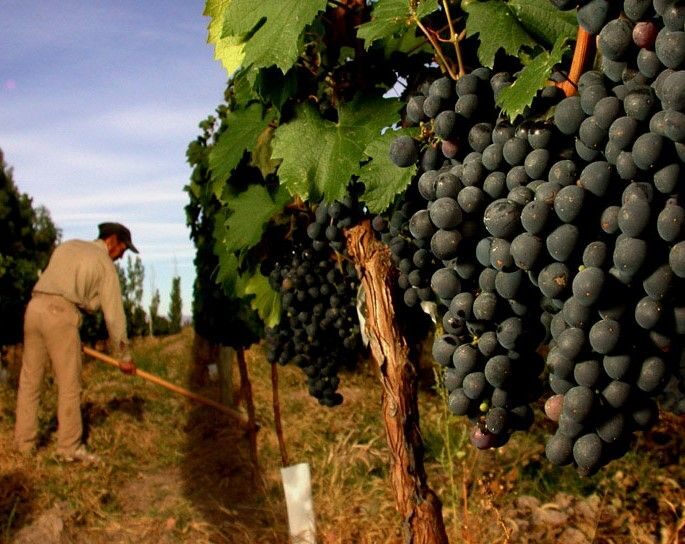
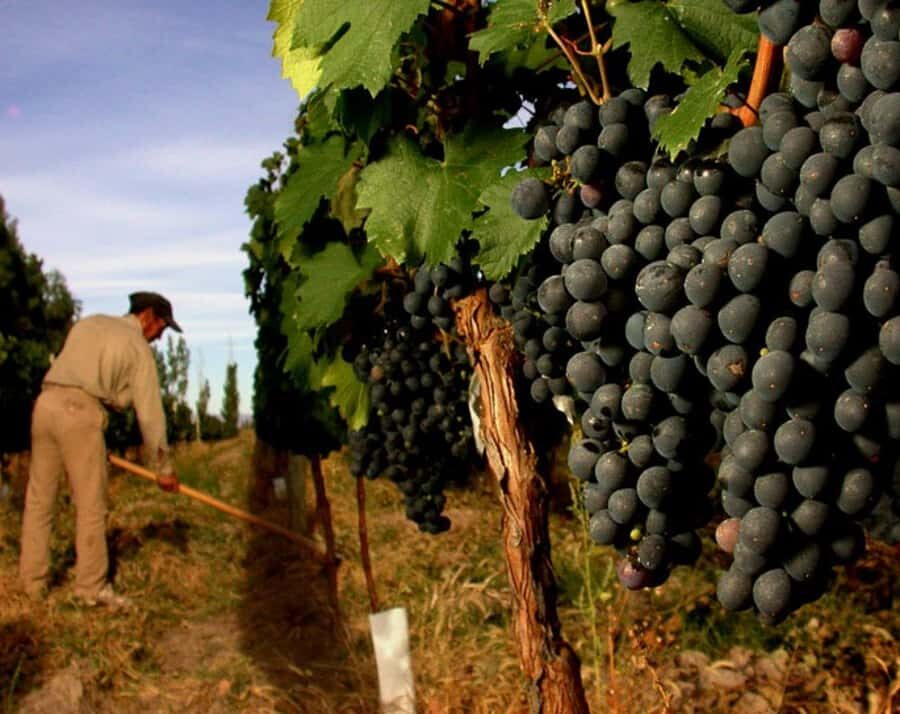
Your first winery visit typically centers on how the vineyard landscape shapes production. Mendoza’s irrigation history is part of the tour’s framing, and that shows up in the way vineyards are planted and managed. You’ll walk through vineyards and get a feel for how cultivation connects to grape quality.
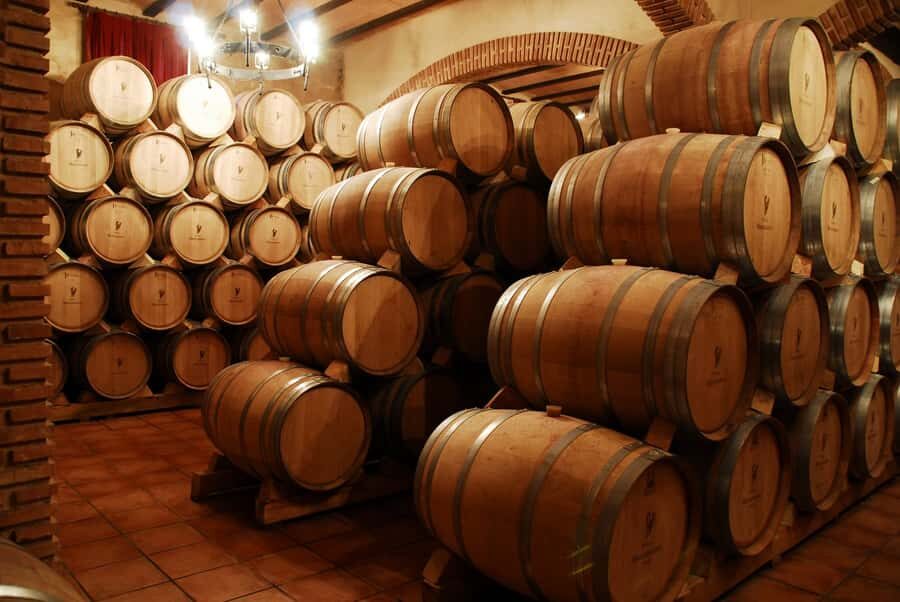
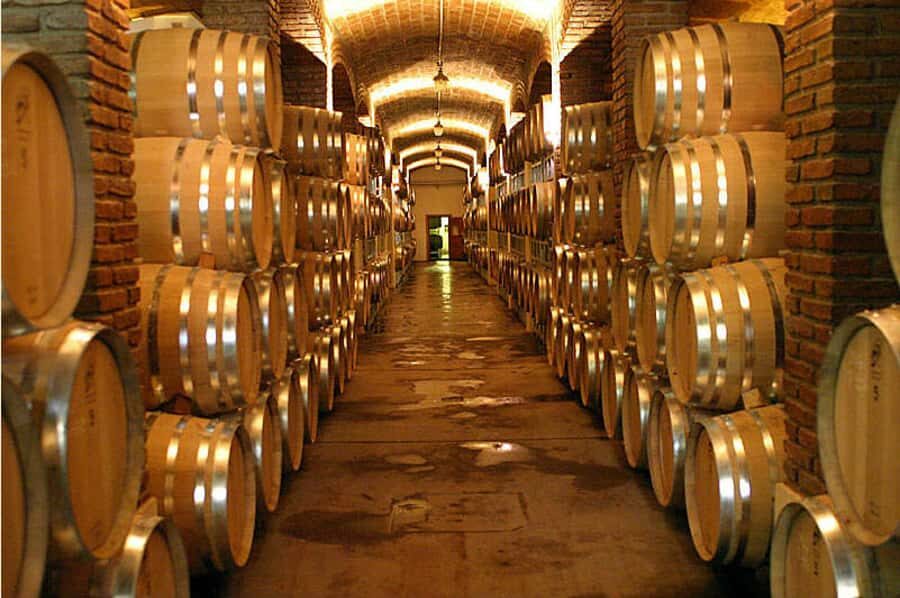
Inside, the guide explains both older and newer approaches to winemaking. You’ll see how traditional methods and updated technology can exist side by side. Depending on the winery, that may mean different winemaking tools or updated production techniques—enough detail to help you understand why two wineries can produce very different expressions from the same general region.
Then comes the tasting. You don’t just sample wines and move on. The tour format supports tasting while you’re being told what to pay attention to.
A few more Mendoza tours and experiences worth a look
Stop 2: Bottling, Labeling, and the Final Choices
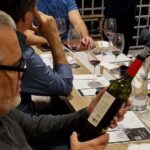
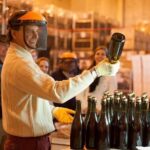
The second winery is where the day often feels more complete. By now you understand the vineyard basics, so the focus shifts toward the later stages—how wines are bottled and labeled and what decisions happen before the bottle ever lands in your hand.
This is a great stop for people who want more than a basic tour. You’ll learn about production steps and how wineries manage consistency and style. The tour also includes another tasting, so you can compare what you learn at the second cellar to what you already tasted earlier.
One practical tip: pace your tasting. It’s easy to get carried away early in the afternoon, and then you’ll want clarity in the later tasting. Slow down between pours, and use your senses in order: smell first, then taste, then decide what you like.
The Olive Grove Stop: Not Just Wine in a Wine Country Day

Between wineries, you’ll visit an olive grove where you can observe the olive oil process and try the product. This isn’t an afterthought. It broadens the day beyond wine and reminds you Mendoza’s agriculture isn’t limited to one crop.
I like this stop because it gives your brain a break. Wine tours can blur together when every minute is about grapes and fermentation. Olive oil adds texture—often literally—and gives you a different set of sensory cues like aroma and flavor balance.
Even if you don’t buy anything, the olive oil tasting helps you see how the region’s farming knowledge shows up in multiple products.
Lunch in Mendoza: The Regional Break That Keeps You Going
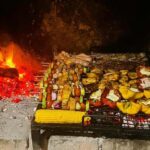
Lunch is part of the experience, and it’s described as regional specialties. A review also mentions lunch that was rich and complete, with a guide who was friendly and ready to clear up even small doubts.
This matters more than it sounds. A good lunch on a wine tour prevents the common issue of feeling hungry, rushed, or cranky in the second winery. When food is included, you can focus on tasting and learning instead of hunting for a restaurant halfway through your day.
No need to plan your own meal stops. Just come hungry enough to enjoy the tasting portions later.
The Guide and Language Reality (So You’re Not Caught Off Guard)
The tour includes a live guide, and the route is conducted in Spanish for most of the day. English explanations are provided only for essential points, so if your Spanish is basic, you’ll still be able to follow along thanks to key moments being translated. Still, set expectations: this isn’t a fully bilingual tour.
The good news is that wine and process tours have a built-in rhythm. Even when you miss a word, you’ll catch the flow: walk, explain, taste, ask, move on. A friendly, informative guide makes a big difference, and the written feedback emphasizes that a guide can be cordial, helpful, and willing to answer small questions.
A simple strategy: ask one question you care about early—something like how the winery blends styles or what’s most important about their grapes. Then you’ll have a mental hook for the rest of the explanation.
What to Bring (and What to Leave Behind)
Bring:
- Passport or ID card
- Comfortable shoes
You should also know:
- The minimum age to taste wine is 18
- No luggage or large bags
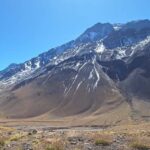
If you wear layers, you’ll be happier. One review mentions that even in summer it can get cold around the cordilleras. Mendoza’s weather shifts, and winery mornings and cellar air can feel different than the street temperature.
Who This Tour Suits Best
This is a good match if you want:
- A small-group day with structure
- Real process talk, not just a tasting flight
- Two winery visits and an olive oil bonus stop
- A lunch included so you can enjoy the afternoon without chasing food
It’s also ideal for visitors who are curious about why Mendoza wines taste the way they do—especially the Malbec story tied to irrigation and production choices. If you’re the type who likes comparing two wineries back-to-back, this format helps you remember what you learned at stop one when you arrive at stop two.
On the other hand, if you want a fully English-heavy experience, you may feel less supported during the Spanish-heavy sections. You can still enjoy the tour, but it’s worth going in with realistic language expectations.
Making the Most of Your Tastings
Tastings are included at each winery. That’s the fun part, but you’ll enjoy it more if you treat it like a mini lesson.
Here’s how I’d do it:
- Focus on one goal per winery: fruit? balance? intensity? finish?
- Take a breath between pours and notice aroma before you sip
- Compare the second tasting to the first tasting while it’s still fresh in your head
If you’re driving later, don’t overdo it. Wine tours are built around sampling, and you’ll likely have less control over your intake than you think. Pace yourself.
Should You Book This Mendoza Winery Tour?
Yes, if you want a guided Mendoza afternoon that connects wine process + place without turning into a rushed checklist. The price is steep, but you’re paying for transport, hotel pickup/drop-off in the downtown zone, two winery visits with tastings, an olive grove and olive oil tasting, and lunch.
I’d especially recommend it if you’re excited about Malbec but want to understand the region—how irrigation shaped Mendoza, how wineries handle both traditional and modern production, and how the end steps (like bottling and labeling) fit into the bigger story.
Book it with one caveat: the tour is mostly Spanish, so choose it if you’re comfortable with that trade-off or if you’re traveling with someone who can help you catch the key points. If English-first guidance is your top priority, you might want to look for a more English-dominant option.
FAQ
How long is the Mendoza small-group winery tour?
It runs for 8 hours.
What’s included in the tour?
You get hotel pickup and drop-off from selected downtown hotels, visits to 2 wineries and an olive grove, and wine tastings (plus lunch of regional specialties is part of the experience).
How many wineries will I visit?
You’ll visit 2 wineries in the Mendoza area.
What time does the pickup happen?
Pickup is scheduled for around 2:30 pm.
Is lunch included?
Yes. The experience includes lunch of regional specialties.
Will the tour be in English?
The guide conducts the tour mostly in Spanish. English explanations are provided for essential points.
Can children or minors taste wine?
No. The minimum age to taste wine is 18.
What should I bring with me?
Bring your passport or ID card and wear comfortable shoes.
Is luggage allowed?
No luggage or large bags are allowed.
Can I cancel for a refund?
Yes. Free cancellation is available up to 7 days in advance for a full refund.