REVIEW · FOZ DO IGUACU
Foz do Iguaçu: Wanda Mines and San Ignacio Ruins Day Trip
Book on GetYourGuide →Operated by MMC Receptivo · Bookable on GetYourGuide
A long day of stone and sacred ruins can actually work. This day trip strings together Wanda Mines in Argentina with the San Ignacio Jesuit Mission UNESCO site, plus a light-and-sound moment that turns ruins into a story.
I like how it’s built for comfort and focus: convenient hotel pickup, a small group (max 15), and a professional guide who helps connect the dots. The main drawback is the logistics. You’re looking at a long drive and border-crossing day, with some people finding the overall timing tighter than they expected.
In This Review
- Key things I’d look for before you go
- The road from Foz do Iguaçu: why this trip feels long (and how to handle it)
- Wanda Mines in Minas de Wanda: stones in the walls and a guided look at how it’s worked
- San Ignacio Ruins: the UNESCO Jesuit Mission and the light-and-sound moment
- The guide and language reality check: what to expect with Portuguese, Spanish, and English
- Time, food, and comfort: the small things that affect your day most
- Price and value: is $76 worth it for Wanda Mines plus San Ignacio?
- Who this day trip fits best (and who should skip it)
- Final call: should you book the Wanda Mines and San Ignacio Ruins day trip?
- FAQ
- What is the duration of the tour?
- Where does pickup happen?
- What language is the guide?
- Are meals included?
- Is the Wanda Mines entrance ticket included?
- What documents do I need for the border crossing?
- Is the tour wheelchair accessible?
Key things I’d look for before you go
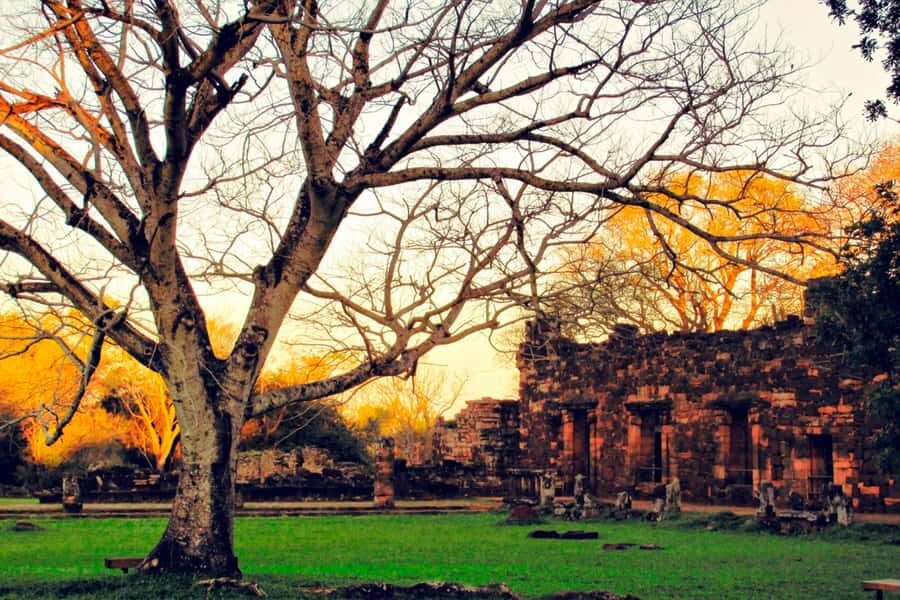
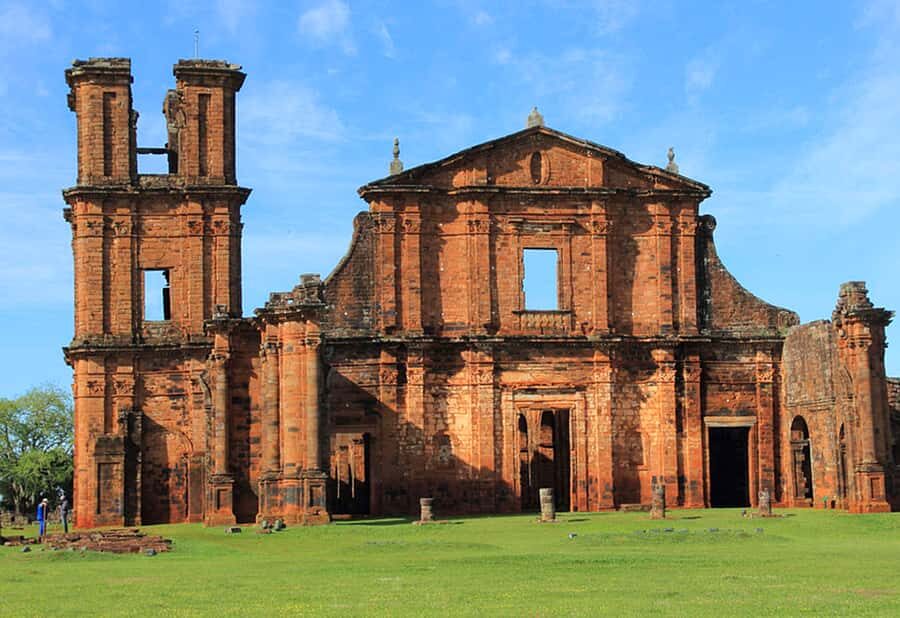
- UNESCO at San Ignacio: Jesuit mission ruins founded in 1632, with baroque carving interpreted by Indigenous artists.
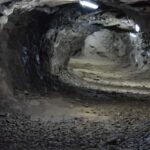
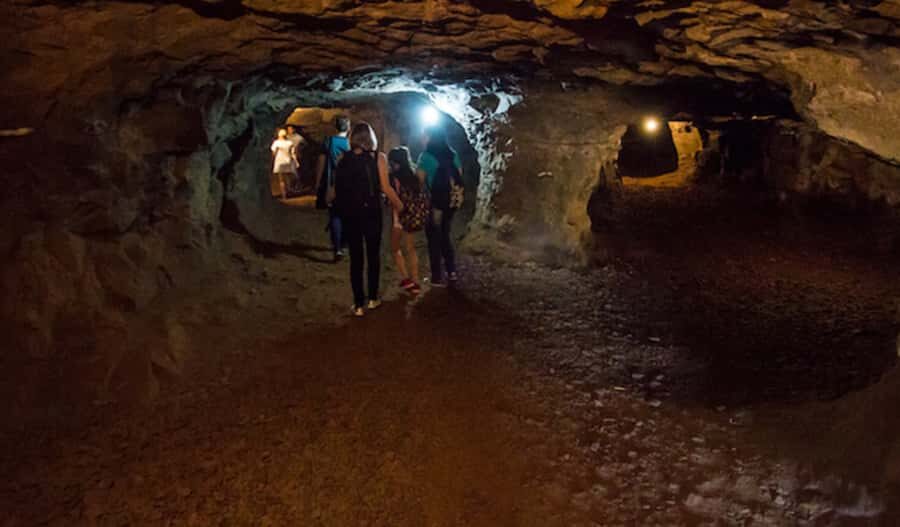
- Wanda Mines tunnels: about 300 meters of passages with stones embedded in the walls (agate, amethyst, topaz, jasper, and quartz).
- Small group size: maximum 15 people, which keeps the day from feeling like cattle-car sightseeing.
- Language may vary in practice: the tour guide speaks Portuguese, Spanish, and English, but the onsite guiding can be different.
- Return time runs late: plan your evening in Foz for a loose schedule, since the day can stretch.
The road from Foz do Iguaçu: why this trip feels long (and how to handle it)
This is a classic cross-border day trip: you start early in Foz do Iguaçu and ride about 250 kilometers (155 miles) toward Argentina. The route also involves border formalities, and you may do more than one crossing on a full-day loop, so the day isn’t just about distance—it’s about waiting and switching countries.
The pickup setup is practical, with hotel pickup included and a small-group van. You can also start from Puerto Iguazú depending on which pickup option you choose, and that can change how your day feels once you factor in local tourist taxes in the area. If you’re the type who hates rushing, give yourself a relaxed morning and keep your planning light after 8 pm.
Your timing will be early and staged: departure from the hotel around 6:30–7:00 am, reaching the Wanda Mines area around 9:00 am, then heading to San Ignacio in the early afternoon. The ride between stops is part of the experience—meaning it’s also where you’ll feel the day’s length most. Bring something to snack on mentally, even if you can’t eat during transit, because you’ll want energy once you’re walking.
You can also read our reviews of more tours and experiences in Foz Do Iguacu.
Wanda Mines in Minas de Wanda: stones in the walls and a guided look at how it’s worked
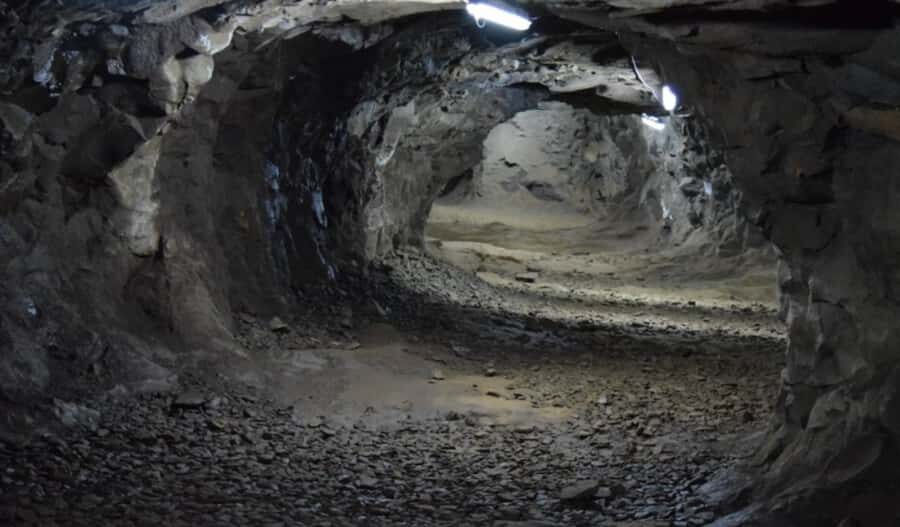
The Wanda Mines visit is about seeing what gemstone mining looks like up close, not about sprinting through a big theme-park attraction. You spend roughly 1.5 hours here, including a guided tour plus time to see the tunnels and interior spaces where specimens are displayed.
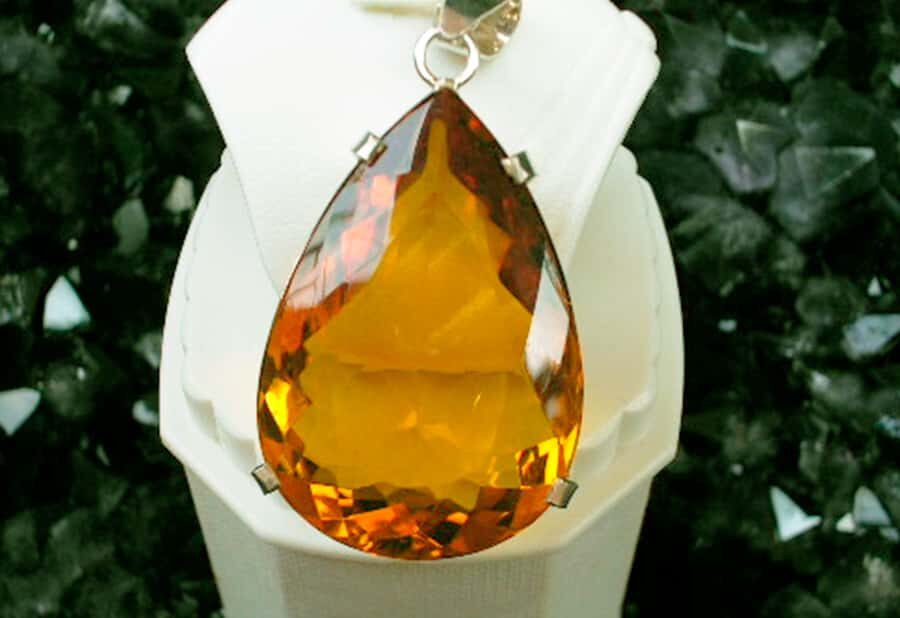
What I like about Wanda is how physical it feels. You’re not just looking at stones under glass—you’re moving through tunnel-like passages where you can spot precious stones embedded in the rock. The tour highlights multiple stone types, including agate, amethyst, topaz, jasper, and different quartz varieties. It’s a straightforward way to understand why people get obsessed with mineral collections.
You’ll also get exposure to the human side of the operation: workshops and exhibition halls, plus areas where you can learn how specimens are displayed. After the guided portion, there’s a store stop where you can buy accessories and jewelry made from stones extracted from the mines. There’s also a “Stone Museum” style collection of local specimens, and you may find shops where you can purchase raw or processed samples.
A practical note from real-world experience: the mine guide may be a mine-affiliated guide, and tips can come up in conversation. If you want to be comfortable, bring a little extra cash just in case tipping is expected at the mine level. Also, don’t expect this to be as time-expensive as the ruins. For many people, the mines are the interesting warm-up, but the real show is the UNESCO site later.
San Ignacio Ruins: the UNESCO Jesuit Mission and the light-and-sound moment
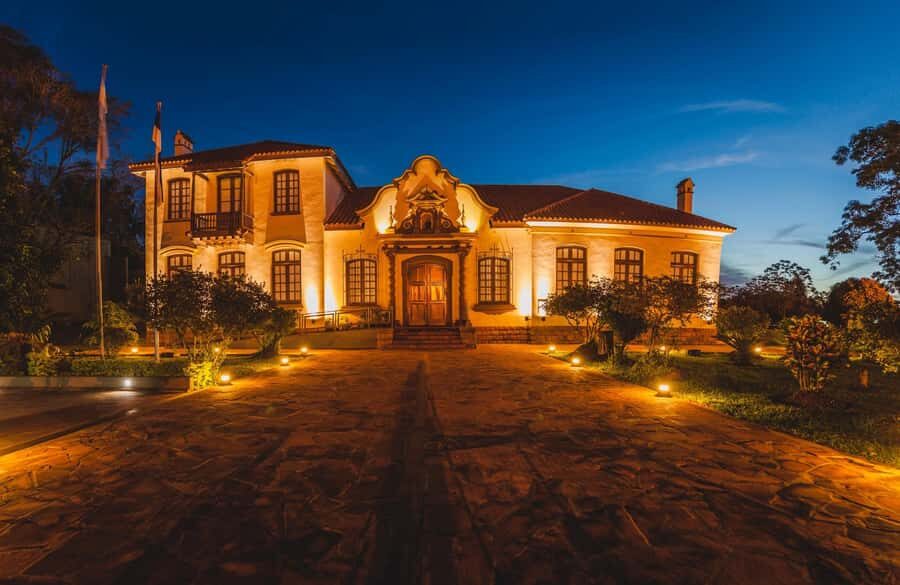
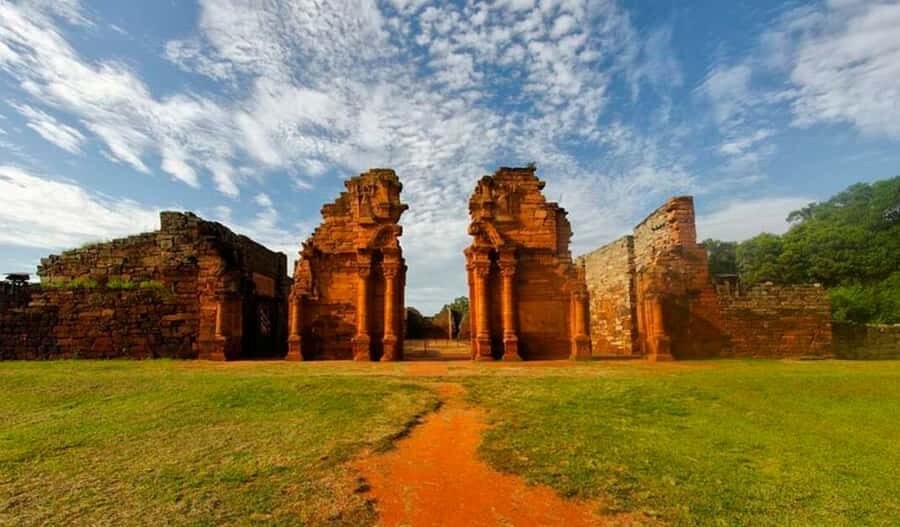
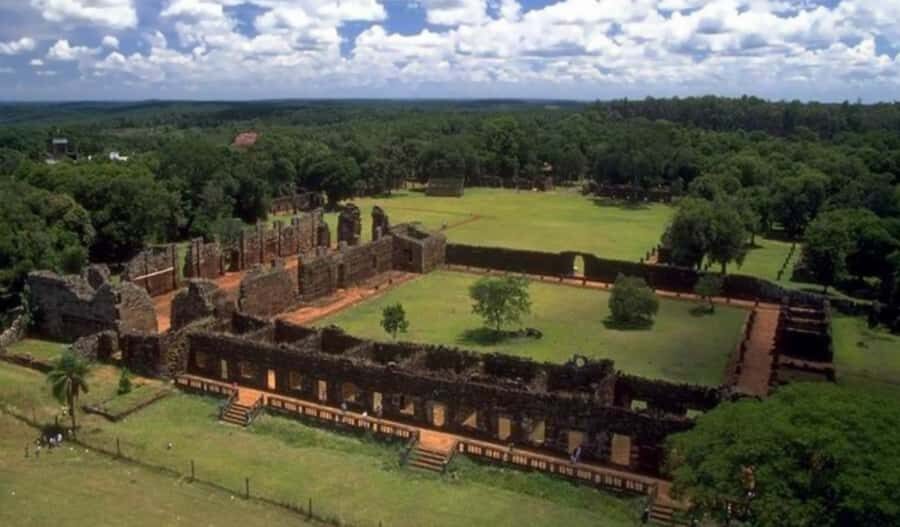
Then you get to the part that usually wins the day. San Ignacio Jesuit Mission is listed as a UNESCO World Heritage site, and it’s the sort of place where the architecture does the storytelling for you. The site dates to 1632, created by the Jesuits during the Spanish colonial period, and it connects to a broader network of about 30 Jesuit missions across what is now Argentina, Brazil, and Paraguay.
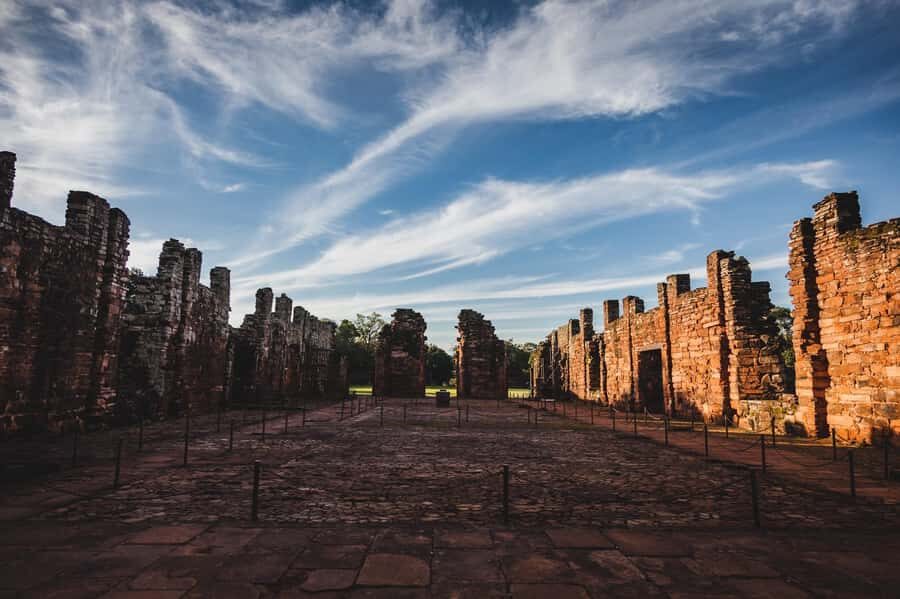
What I’d pay attention to here is the mix of European design choices and Indigenous artistry. The ruins show detailed stonework and sculptural elements with baroque origins, but the key point for your visit is that the carving and style were interpreted and developed by Indigenous artists at the time. That combination is one reason San Ignacio feels more than just old buildings—it feels like a human meeting point frozen in stone.
The guided walk typically includes multiple stops and photo moments, plus a light-and-sound spectacle that animates the ruins and brings history into sharper focus. Even if you’re not a “lights show” person, this is one of those practical tools for understanding the site layout. It can help you connect what you’re seeing—foundations, facades, and stone details—to the larger mission story.
Plan to spend about 4.5 hours at San Ignacio once you arrive. The pacing is enough to walk, listen, and still have time to look around. One consideration: parts of the site may not be heavily translated beyond the main areas. If you’re relying on English or Portuguese for most of the narration, it’s worth checking at the start of the ruins visit that you’ll have what you need to follow the story without strain.
The guide and language reality check: what to expect with Portuguese, Spanish, and English
The tour offers a live guide with Portuguese, Spanish, and English coverage, which is a big plus for comfort. But on a full-day trip that mixes two sites, the onsite guides can be different people with different language strengths.
Here’s what to do in practice. At the mines, focus on the visuals the guide points out—stones in the rock, specimen displays, and workshop explanations. That information lands even if your language skills are imperfect. At San Ignacio, if English is important to you, ask directly early in the ruins portion whether you’ll be getting a guide who can explain the architecture and history in the language you booked.
Some days run smoothly. Others don’t match perfectly to expectations. I’ve also heard of guides who speak Spanish but talk slowly enough to be followable, which is exactly what you want. Your best move is to show patience and keep your questions simple: what this building was for, what this carving means, and how the mission functioned.
Also, bring a little mental flexibility. If you run into a language mismatch, you can still enjoy the ruins by paying attention to the guide’s body language and pointing out details to yourself as you walk. The site is still stunning even when the narration isn’t perfect.
Time, food, and comfort: the small things that affect your day most
This is a full 12-hour day, and it’s not padded with long breaks. Food and drinks aren’t included, so you’ll need to handle meals on your own while you’re out there. For many people, the temptation is to rely on whatever is closest or quickest, but a long day plus limited choices can turn into a frustration faster than expected.
Instead, plan like a realist:
- Bring a snack and water for the travel gaps.
- Wear comfortable shoes you trust on uneven stone surfaces at the ruins.
- Keep your evening open when you’re back in Foz do Iguaçu, since the return is approximate and can run later than you hope.
The day starts early and ends around 8:00 pm on an estimated schedule. Since border processing and hotel pickup timing can shift, the last stretch can feel like it takes forever. If you have a dinner reservation, a late flight, or a must-do activity that evening, don’t stack it right against this day trip.
Weather can also be a factor. The mines and ruins are outdoor-adjacent, and rain can change how comfortable your walking is. The good news: the day trip structure still works, you just need better shoes and patience if the sky doesn’t cooperate.
Price and value: is $76 worth it for Wanda Mines plus San Ignacio?
For a price around $76 per person and a duration of about 12 hours, you’re paying for a full-day transport loop, a professional guide service, and the Wanda Mines entrance ticket. Food is extra, and the day’s value depends on whether you care more about UNESCO ruins or gemstones.
Here’s how I’d decide if it’s good value for you:
- If San Ignacio is your priority, the trip is strong value because you’re getting guided time at one of the most important Jesuit mission sites in the region, plus the light-and-sound experience.
- If you’re a gemstone fanatic and expect a deep, long mining experience, you might find the mines comparatively shorter and more “look-and-learn” than hands-on.
- If you hate border logistics or long van days, $76 won’t compensate for stress. This is a lot of motion for one day, even in a comfortable vehicle.
The small-group limit (max 15) is also part of the value. Crowded tours tend to turn historical sites into a blur. Here, the day is designed to keep time under control and make it easier to ask questions.
Finally, there’s a simple practical point: the tour requires a minimum of 2 passengers to operate. That usually just means you should book with confidence, but still treat it like a group tour—timing and van routing matter.
Who this day trip fits best (and who should skip it)
This experience is best for you if you want a one-day way to connect two very different sides of the region: mineral wonder at Wanda and dramatic mission history at San Ignacio. It also fits well if you’re comfortable with a packed schedule and you prefer a guided visit rather than self-navigation across borders.
You should consider skipping if any of these are true:
- You need a short, low-effort day. The drive and logistics can feel heavy.
- You need perfectly consistent English guidance at every stop. On-location guiding can vary.
- You rely on wheelchair access. The tour is not suitable for wheelchair users.
It also helps if you enjoy stepping back into history and looking closely at architecture. San Ignacio rewards attention—stone carving, layouts, and the way the site was created in a network of missions.
Final call: should you book the Wanda Mines and San Ignacio Ruins day trip?
If you’re choosing only one guided day from the Foz do Iguaçu area and your top goal is San Ignacio, I think this is a solid option. You’re buying convenience (hotel pickup and drop-off), small-group structure, and a guided UNESCO experience that you can’t easily replicate comfortably in a single day.
But if you’re hoping for a leisurely day with minimal driving, this won’t match your style. Wanda Mines is interesting, but the mines are the warm-up act. The long day is worth it when you’re ready for the ruins to be the main event—and when you can accept that the day might run later than the neat timetable suggests.
FAQ
What is the duration of the tour?
The day trip runs about 12 hours, with timings listed as estimates. The provider confirms your schedule the day before the activity.
Where does pickup happen?
Pickup is available from hotels in Foz do Iguaçu and also from Puerto Iguazú, depending on the option you choose.
What language is the guide?
The live tour guide provides narration in Portuguese, Spanish, and English.
Are meals included?
No. Food and drinks are not included, so you’ll need to plan for your own meals during the day.
Is the Wanda Mines entrance ticket included?
Yes. The entrance ticket to the Wanda Mines is included.
What documents do I need for the border crossing?
You’ll need a passport or ID card. A passport is necessary to cross into Argentina, and you should check whether you need a visa and reciprocity fee before travel because it cannot be paid at the border.
Is the tour wheelchair accessible?
No. This activity is not suitable for wheelchair users.