REVIEW · SAN CARLOS DE BARILOCHE
From Bariloche: San Martin de los Andes and 7 Lakes Circuit
Book on GetYourGuide →Operated by Tangol · Bookable on GetYourGuide
Seven lakes. One long, gorgeous day. I love the Seven Lakes Route scenery and the big-moment views of Lake Nahuel Huapi with a guide who keeps things clear. One consideration: the group may not feel small, so if you prefer a quieter pace with lots of personal space, plan accordingly.
You’ll cover a lot in about 9 hours, starting from Route 40 as you cross the Limay River into Neuquén. Pickup is mainly from centrally located Bariloche hotels, and if you’re outside that area you’ll be assigned a meeting point, with the exact pickup time confirmed later and subject to change from traffic and winter road conditions.
In This Review
- Key things to look forward to
- Route 40 and the Seven Lakes Idea: Why This Day Trip Is Worth It
- Limay River Crossing: The First Big Feel-Good Moment
- Huemul Peninsula and Puerto Manzano to Villa La Angostura: Scenic Road Energy
- Seven Lakes Route: Nahuel Huapi as the Scale-Shifter
- Lake Villarino and Lake Falkner: Coihue Forest Framing
- Lake Machónico: Dark Blue Calm Between Mountains
- Arriving in San Martín de los Andes: Lake Lácar Moment
- Getting Back to Bariloche: Same Route, Different Feel
- Price and Logistics: What $140 Really Buys You
- Group Size, Comfort, and Timing in a 9-Hour Ride
- Guide Quality: Why Knowing What You See Changes Everything
- Who This Tour Fits Best (and Who Might Want Something Else)
- Should You Book This Tour?
- FAQ
- How long is the tour?
- Where does the tour start?
- Is pickup included?
- What languages does the guide speak?
- What’s included in the price?
- Are meals included?
- What should I bring?
- Can I bring luggage or large bags?
- Does the tour run year-round in winter?
- What is the cancellation policy?
Key things to look forward to
- Route 40 to San Martín de los Andes in one day, then back the same way
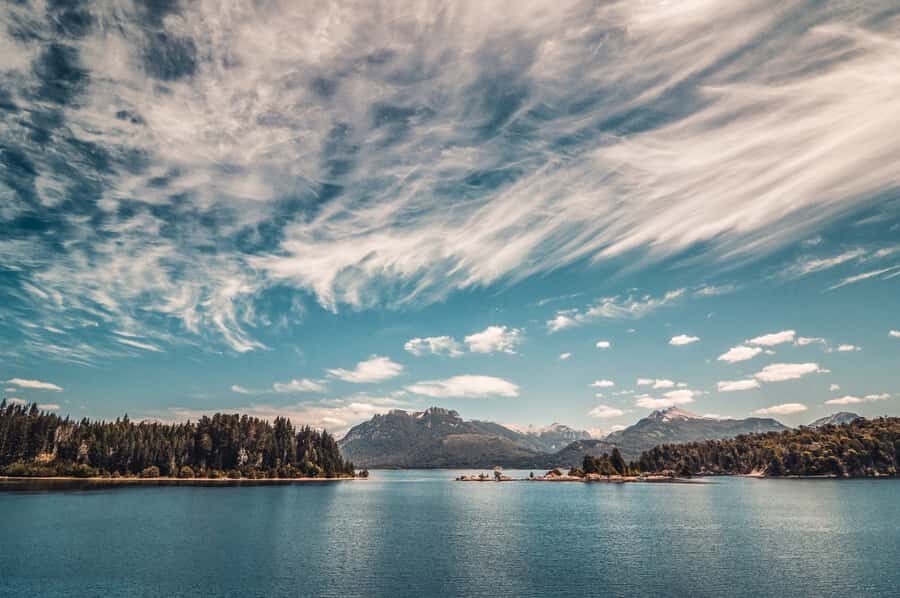
- Glacial lakes and classic viewpoints along the Seven Lakes Route
- Nahuel Huapi (529 km²) as the headline stop for scale and drama
- Lake Villarino, Lake Falkner connection, and Machónico as the quieter, darker-water contrasts
- A guided ride in Spanish (plus English/Portuguese)
- Hotel pickup/drop-off in Bariloche, with a practical meeting point if you’re farther out
Route 40 and the Seven Lakes Idea: Why This Day Trip Is Worth It
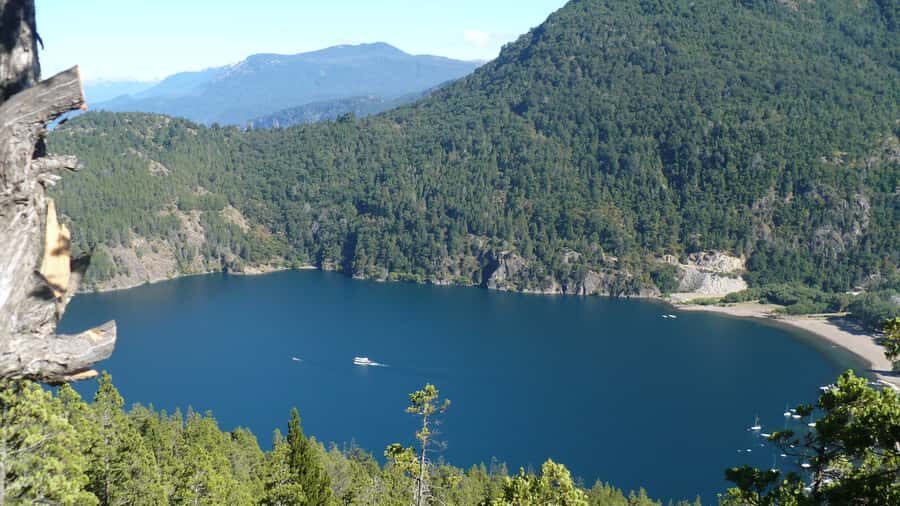
This is a straight-up scenic road trip. You leave Bariloche, head into the Lake District, hit San Martín de los Andes, and come back—without needing to rent a car or figure out timing on your own. If you’re short on time but want the signature “Patagonia road views,” this route is one of the most efficient ways to do it.
What makes it especially good value for your day is that you’re not just driving past scenery. The tour is guided, and the stops are chosen around viewpoints and named lakes—so you know what you’re looking at. And when you hit Lake Nahuel Huapi, you get that “whoa, that’s huge” feeling that makes the whole drive feel like more than a transfer.
The trade-off is time. It’s 9 hours, round-trip vibes built into one schedule. You’ll be on the move, and your best photos will come from pull-offs and roadside viewpoints rather than long hikes.
You can also read our reviews of more tours and experiences in San Carlos De Bariloche.
Limay River Crossing: The First Big Feel-Good Moment
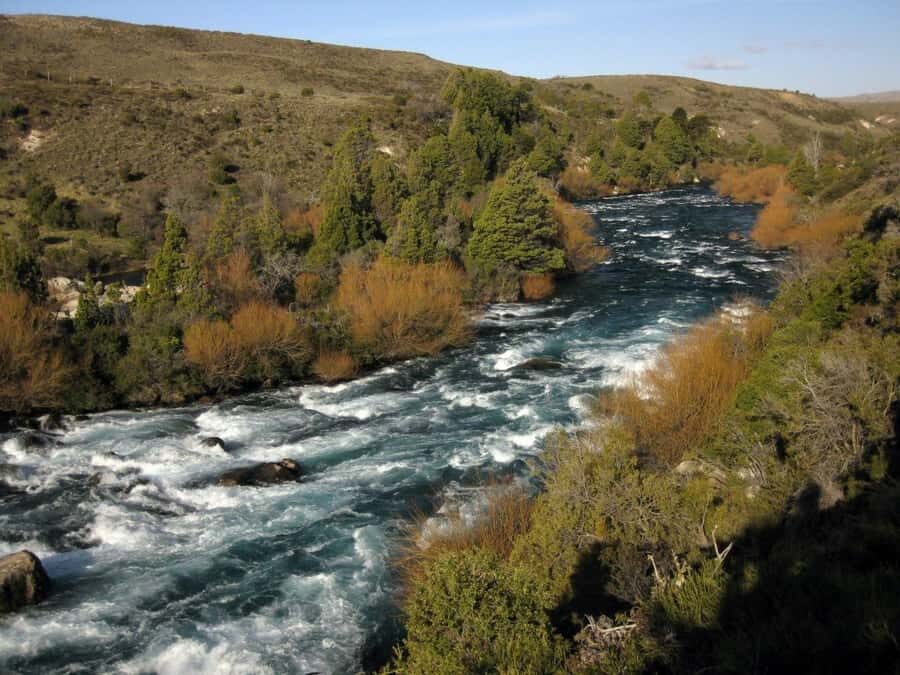
Right away, you’re put on the main stage: Route No. 40 and the bridge over the Limay River. This river is more than just a nice view. It’s described as the natural boundary between Río Negro and Neuquén, so the crossing carries a subtle “you’re moving between worlds” feeling.
I like this start because it sets the mood fast. You’re not hours into the day before you see the big stuff. Within the first portion, the route takes you across key terrain and then along the Huemul area and toward Puerto Manzano.
And here’s your practical takeaway: keep your camera ready early. The best scenic memories from drives often come from the first minutes when you’re still fresh and paying close attention.
Huemul Peninsula and Puerto Manzano to Villa La Angostura: Scenic Road Energy
After the Limay crossing, the drive tracks across the Huemul peninsula and past Puerto Manzano. Then you head toward Villa La Angostura before the Seven Lakes Route proper kicks in.
This section is about pacing. You’re moving through the Lake District’s character zones—water, forest, and mountain views—so by the time you reach the named lake stops, the scenery isn’t a shock. It feels like a build, not a jump.
If you get carsick easily, this is the part where you’ll want to settle in mentally. It’s a long day and you’re in a vehicle for a while. Bring what helps you (rest your eyes on the horizon when you can, drink water, and wear comfortable shoes so your body isn’t tense).
Seven Lakes Route: Nahuel Huapi as the Scale-Shifter
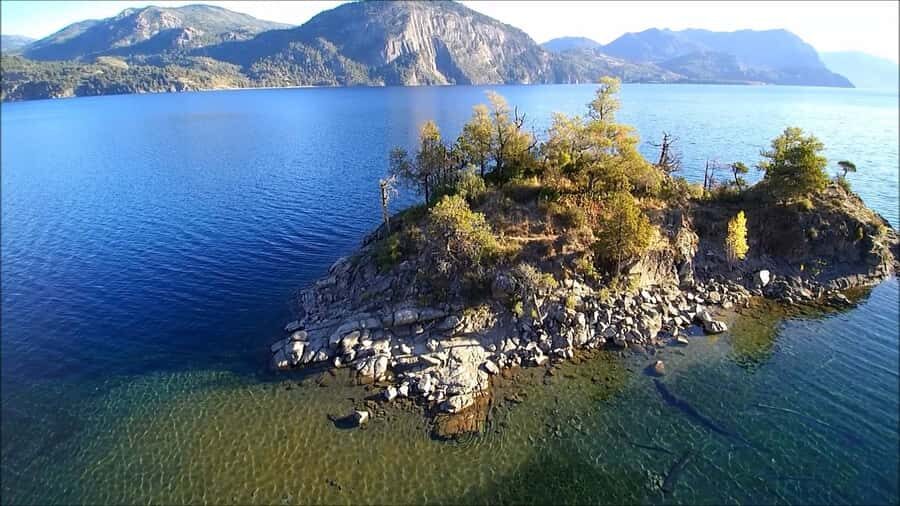
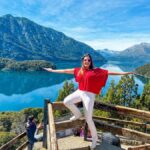
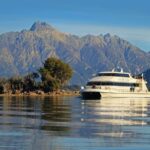
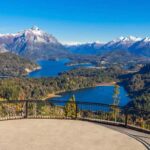
Now for the headline: the Seven Lakes Route. Your big highlight here is Nahuel Huapi, described as a majestic glacial-origin lake covering 529 km². That number matters. It gives you context when you’re standing near a viewpoint and trying to wrap your head around how much water and how many miles you’re really seeing.
Glacial origin also helps you understand the look of the lakes here. These waters often feel dramatic—wide, deep-looking, and framed by mountains in a way that makes the whole region feel built by ice and time, not just weather and scenery.
This stop is the “anchor” moment of the tour. If you’re the type who wants one place to feel like the main event, this is it. Even if the later lakes feel different (and they do), Nahuel Huapi is the one that gives you the grand scale.
Lake Villarino and Lake Falkner: Coihue Forest Framing
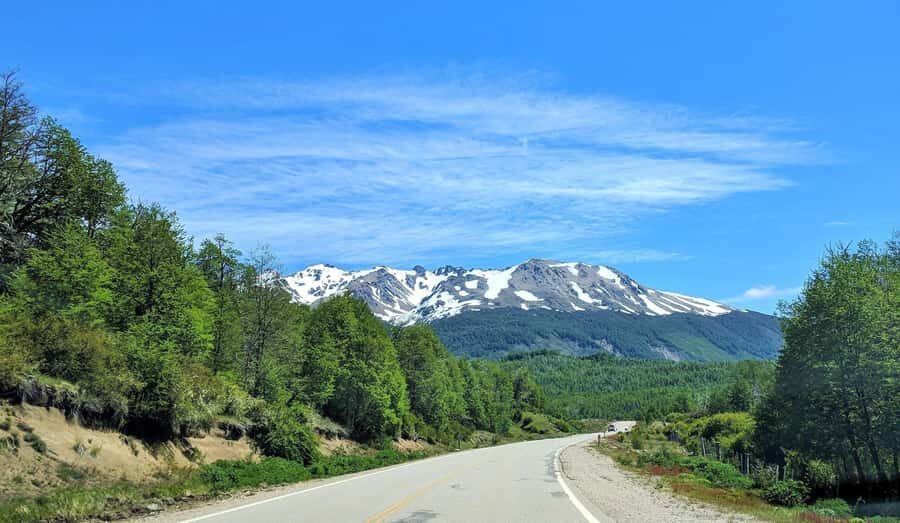
From Nahuel Huapi, the route brings you to Lake Villarino. The key detail is that it’s framed by a forest of coihues and mountain ranges. You can also see it from the high road, which is helpful for your planning: you don’t need to guess where the best angles are. The tour route is built around getting you those sightlines.
Lake Villarino is also described as connecting with Lake Falkner. That connection gives the stop more meaning than just a single photo spot. It’s a reminder that these lakes aren’t isolated ponds; they’re part of a connected water system shaped by the same rugged geography.
I like this portion for people who enjoy contrasts. Nahuel Huapi gives you size and presence. Villarino and Falkner feel more about framing: the way forest and mountain contours shape what you see.
Lake Machónico: Dark Blue Calm Between Mountains
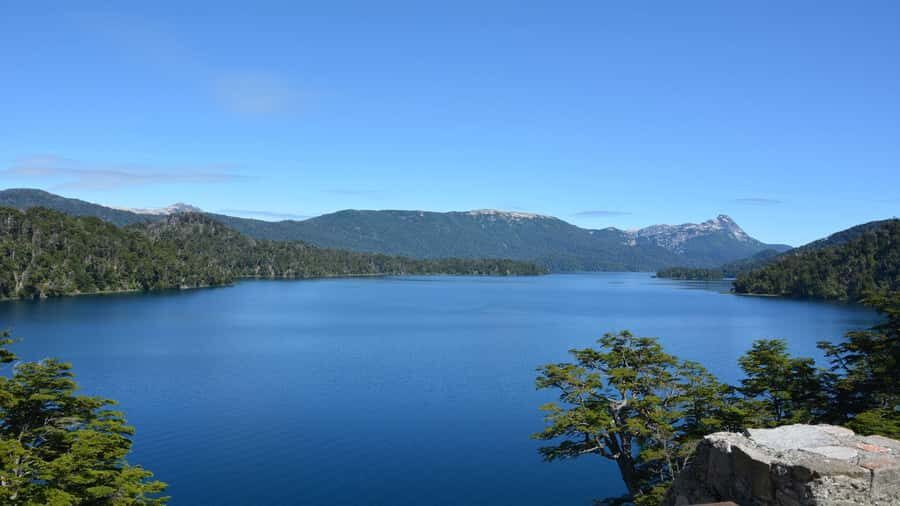
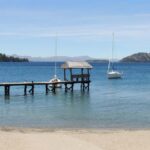
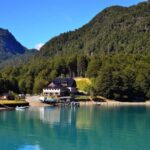
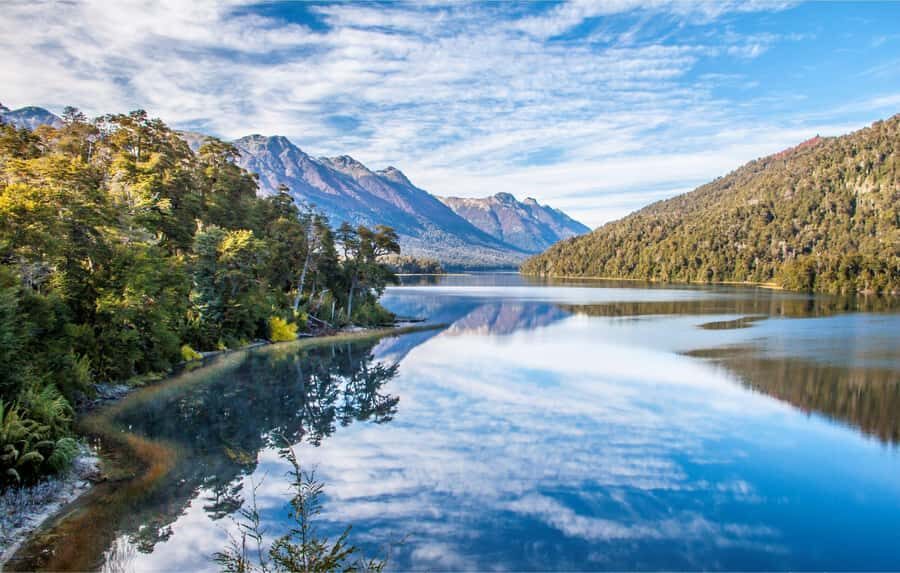
Then you get Lake Machonico, described as having calm waters in a dark blue color. The setting is also specific: it sits between two mountains by the roadside. That matters because it shapes the visual. Instead of a wide, open feel, you get a contained scene—almost like the lake is tucked into a notch of the mountains.
Calm, dark-blue water tends to photograph well, especially when the lighting isn’t harsh. If it’s overcast, dark tones can look especially rich. If the sun’s out, you might notice subtle tonal shifts across the water surface.
This is also a good stop for a slow moment. When the rest of the day is road and motion, a lake that looks still can be a mental breather.
Arriving in San Martín de los Andes: Lake Lácar Moment
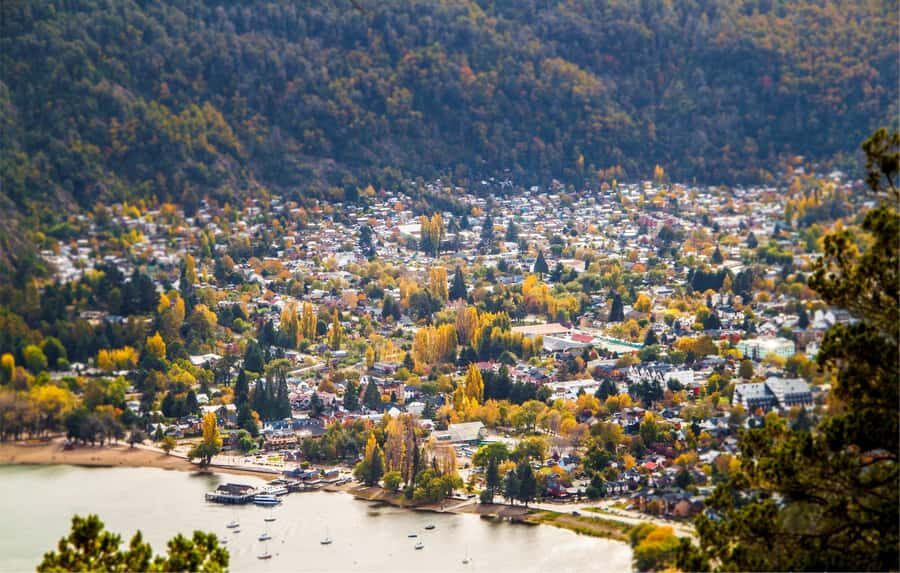
Eventually, the tour arrives in San Martín de los Andes, and you get to observe Lake Lácar. Even without a long stay, this is the emotional “arrival” point of the day trip. Bariloche is your base, but San Martín de los Andes is where the tour becomes a real destination.
Lake Lácar is your last major lake experience before the return. I recommend using this stop to ground your day. By now you’ve seen multiple waters along the Seven Lakes Route, so Lácar helps you compare. You can look back at what felt most open (Nahuel Huapi), what felt most framed by forest (Villarino/Falkner), and what looked most tucked-in and calm (Machonico).
Getting Back to Bariloche: Same Route, Different Feel
You’ll return by the same route to reach the hotels in Bariloche. I actually find this helpful. Driving the same corridors twice gives your eyes a second chance to pick up details you missed the first time—signposts, shoreline shapes, the way mountains sit against the water.
It also means your day has a clear arc: outbound scenery build, San Martín de los Andes payoff, then the ride back where you’re more relaxed because you already know what’s coming.
Do note: a 9-hour schedule is tight. You’ll want to keep your phone charged, water handy, and any essentials within reach. When you’re tired, small things become annoying fast.
Price and Logistics: What $140 Really Buys You
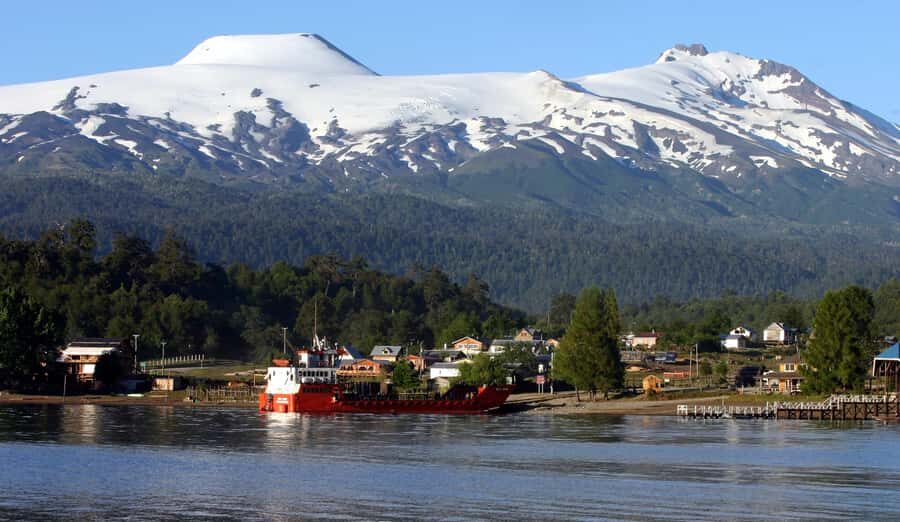
The price is $140 per person, and the value is in the combination of things you’d otherwise have to solve separately: hotel pickup and drop-off, and a live Spanish guide who helps you understand what you’re seeing. On a day trip like this, that “guide brain” is often worth more than people expect. You’re not just collecting photos—you’re getting context.
What’s not included matters too. Food and beverages, any tickets, and personal expenses are on you. So you’ll want to plan to purchase a meal or snacks during breaks. If you hate spending on the go, pack light snacks that you can keep access to (within the rules for luggage size).
Also, this isn’t a DIY driving day. It includes someone navigating and timing the route, plus explanations in Spanish with English and Portuguese available through the live guide. If you’re traveling with limited planning energy, this is the part you’re paying for.
Group Size, Comfort, and Timing in a 9-Hour Ride
One review highlight that matters: some people prefer smaller groups, and this tour may not always deliver that vibe. I wouldn’t treat that as a dealbreaker, but it’s a real consideration. With larger groups, you’ll typically get less flexibility for quick photo stops and more “follow the schedule” energy.
Comfort-wise, the essentials are simple: bring comfortable shoes and plan for a full day on your feet in short bursts around viewpoints. Also remember the big rule: luggage or large bags aren’t allowed. That’s not just a nuisance detail. It affects how easily you can move around and where your items can sit during the ride.
And because the tour depends on road conditions during the winter, you should assume your timing can shift. If you’re the kind of traveler who plans every minute with zero tolerance for changes, build in a buffer.
Guide Quality: Why Knowing What You See Changes Everything
The guide is a core part of why this tour works. The tour includes a live guide who can speak Spanish, English, and Portuguese, and the explanations are described as excellent and knowledge-forward. There’s a name that keeps coming up for the quality of guidance: Sebastian.
That matters because the stops aren’t just “pretty water.” They include specific references like glacial origin, connections between lakes, and how the forest framing changes what you see from the high road. With a good guide, those details turn into real understanding—not just facts you forget later.
If you’re the type who likes to ask questions, this is the kind of trip where the guide’s answers can make your photos feel smarter afterward.
Who This Tour Fits Best (and Who Might Want Something Else)
This tour is a strong fit if you want:
- Big Lake District views without driving
- A structured route that hits multiple named stops
- Guided context while moving fast through a full day
It’s also a good match if you like the idea of comparing lakes in one day: wide and monumental (Nahuel Huapi), framed and connected (Villarino/Falkner), and calm and tucked-in (Machonico), then Lake Lácar at San Martín de los Andes.
It may be less ideal if you:
- Hate longer vehicle days
- Require a very small group experience
- Need frequent stops that aren’t part of the plan
- Have bulky luggage you planned to bring along
Should You Book This Tour?
If your goal is to see the Seven Lakes Route and reach San Martín de los Andes in a single day from Bariloche, I’d say yes. The combo of pickup/drop-off, a capable live guide (including Spanish, with English and Portuguese), and multiple lakes—ending with Lake Lácar—makes the price feel reasonable for how much you pack in.
But book it with your expectations tuned: it’s a ride-and-view day, not a slow wander. You’ll get great scenery, strong guidance, and a satisfying payoff. You just won’t get the kind of quiet, custom pace you might want for a very small group.
FAQ
How long is the tour?
The duration is 9 hours.
Where does the tour start?
It starts from Route No. 40, including a crossing over the Limay River, and continues through the Lake District toward San Martín de los Andes.
Is pickup included?
Yes. Hotel pickup and drop-off are included. Pickup is only carried out from hotels located in the city center; if your accommodation is outside that area, a meeting point will be assigned.
What languages does the guide speak?
The live tour guide offers Spanish, English, and Portuguese.
What’s included in the price?
Hotel pickup and drop-off are included, along with a Spanish guide.
Are meals included?
No. Food and beverages are not included.
What should I bring?
Bring a passport or ID card and wear comfortable shoes.
Can I bring luggage or large bags?
No. Luggage or large bags are not allowed.
Does the tour run year-round in winter?
It depends on road conditions during the winter.
What is the cancellation policy?
You can cancel up to 24 hours in advance for a full refund.