REVIEW · BUENOS AIRES
Buenos Aires: Mate Workshop y Otras Yerbas
Book on GetYourGuide →Operated by Carpincha · Bookable on GetYourGuide
Mate starts with a hello. In Buenos Aires, this 1-hour mate workshop turns a daily habit into something you can explain, brew, and enjoy. You’ll learn the history and meaning of mate for Argentines, then taste different yerbas and learn how to prepare your own.
What I liked most is the hands-on approach: you get a mate set (so you’re not just watching). And the yerba tasting is structured, not random sips, so you actually notice what changes with variety, cultivation, and production. One thing to consider: you’ll need to make your own way to the meeting area in Recoleta since transportation isn’t included.
In This Review
- Key highlights worth making room for
- A one-hour mate workshop in Recoleta that actually sticks
- Meet Vale and Juli: why the hosts’ style matters
- Yerba tasting: 4 types, and why you’ll notice real differences
- How to brew your own mate without messing it up
- The sweet snack pairing that makes the mate time work
- Price and value: what you’re really paying for
- Practical bits before you go (so your hour runs smooth)
- Who should book this mate workshop (and who might skip it)
- Should you book the Carpincha mate workshop?
- FAQ
- Where does the mate workshop take place?
- How long is the experience?
- What’s the price?
- What’s included in the workshop?
- How many types of yerba mate do you taste?
- What pastries are included?
- Do you include transportation to the meeting place?
- What languages are offered?
- Is it possible to cancel and get a refund?
Key highlights worth making room for
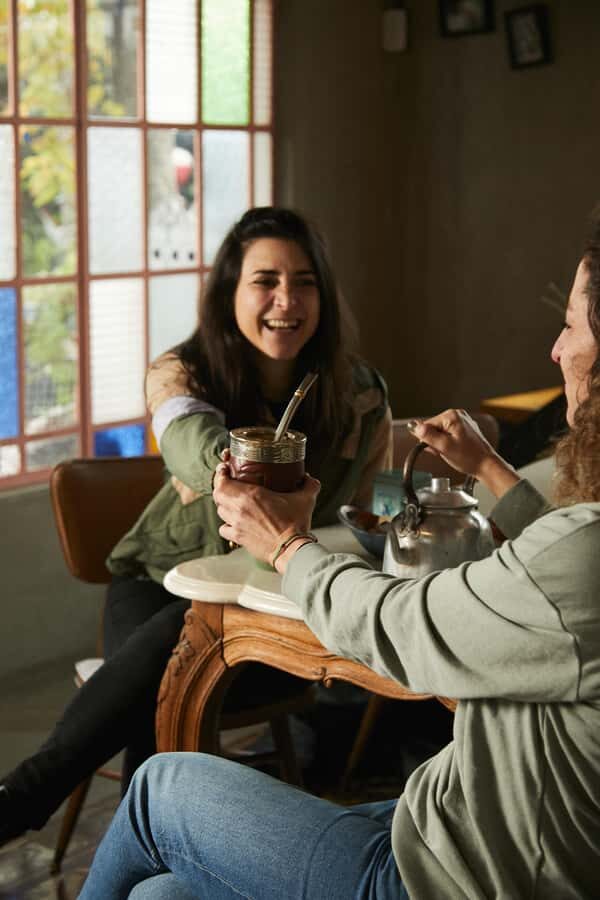
- Hands-on brewing: you learn how to make your own mate, not just sample it
- 4 yerbas to compare: you’ll taste differences tied to variety and production
- Mate culture in plain language: stories, myths, legends, and anecdotes that give context
- Argentine sweet snacks included: medialunas/croissants, biscochitos, alfajores, plus more to go with your matéada
- Run by Vale and Juli (Carpincha): clear explanations in English or Spanish, with a friendly, communal vibe
- 60 minutes, focused: enough time to get practical tips without dragging on
A one-hour mate workshop in Recoleta that actually sticks
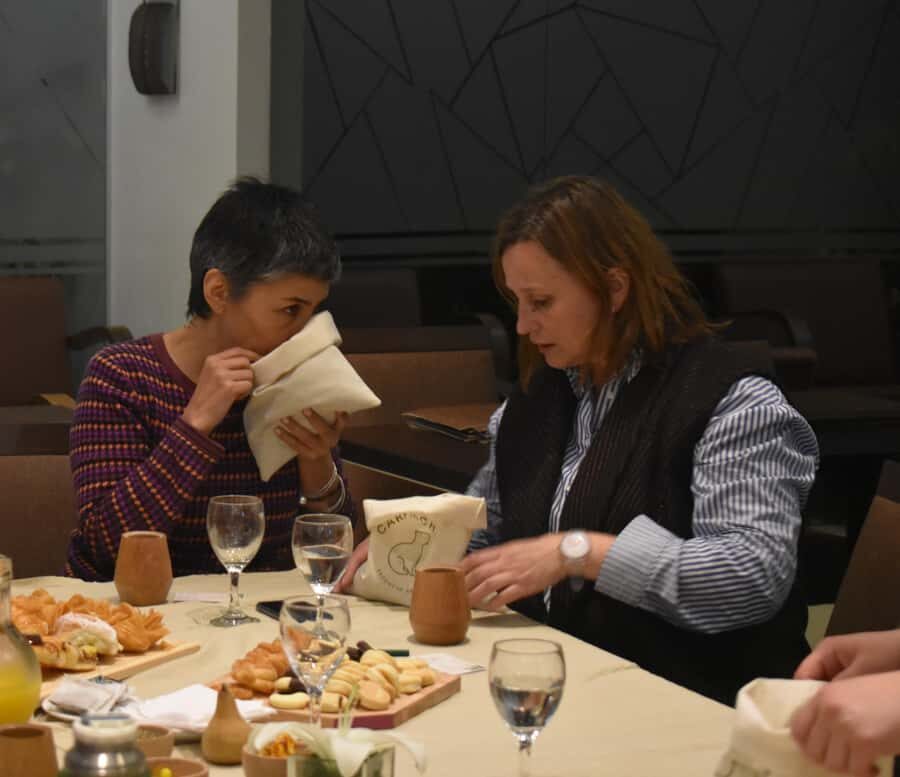
This class is short on purpose: 60 minutes. That matters because mate is one of those things that’s easy to admire from afar and hard to replicate later. Here, you get enough explanation to understand why the ritual matters, then you get the time to practice the mechanics so you can do it again at home.
The session takes place in the Recoleta area. If you’re staying elsewhere, plan transit ahead. The workshop itself runs efficiently, so the only “timing risk” is how long it takes you to get there on time.
The format is also practical. You’re not being handed a lecture and a cup. You’re participating in a back-and-forth rhythm that feels like someone welcoming you into their home customs: a quick warm-up, then mate-making, then tasting, then sweet snacks.
A few more Buenos Aires tours and experiences worth a look

Meet Vale and Juli: why the hosts’ style matters
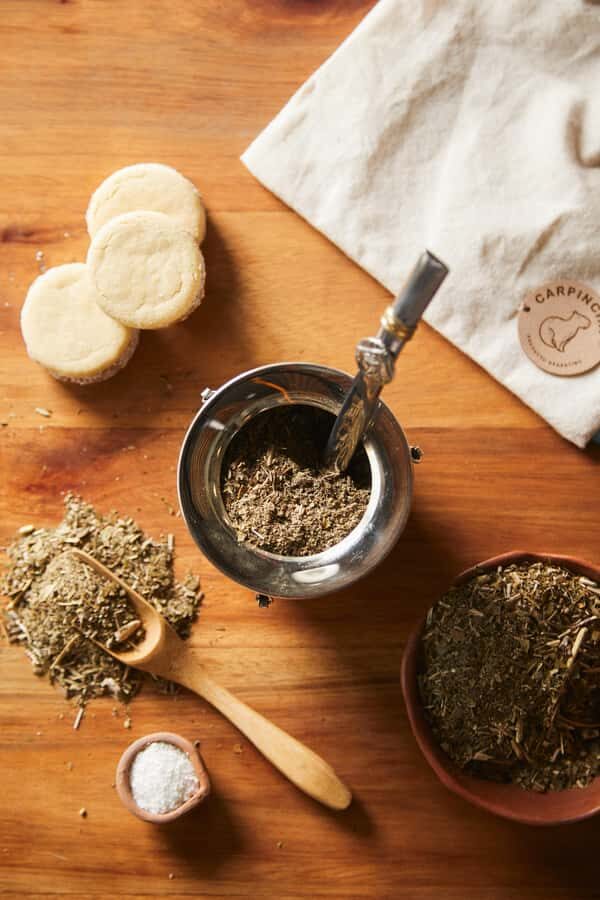
You’ll be hosted by Vale and Juli from Carpincha, a project built around sharing customs and rituals with people who are curious. The big advantage here is clarity. The workshop doesn’t treat mate as a museum object. It treats mate as a living social ritual.
They walk you through the tradition as something deeper than an infusion. You’ll hear why mate shows up in everyday Argentina: family gatherings, neighborhood routines, and that distinctive social cadence of offering mates to others.
The tone you’ll experience is friendly and conversational. You’re encouraged to ask questions, and the explanations come in a way that helps you understand what you’re tasting. If you’ve ever had the feeling that cultural activities are either too stiff or too vague, this one aims for the middle: structured enough to learn, relaxed enough to enjoy.
Yerba tasting: 4 types, and why you’ll notice real differences
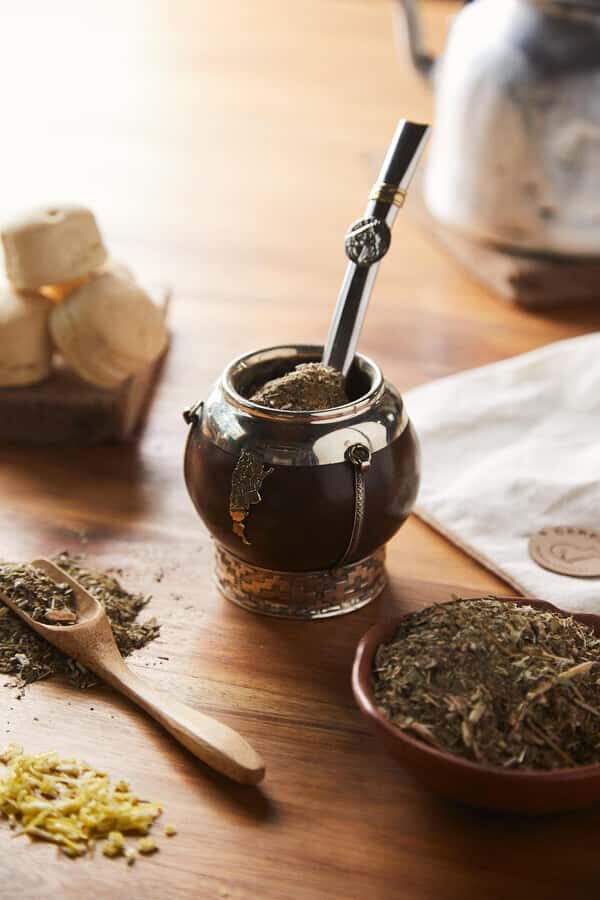
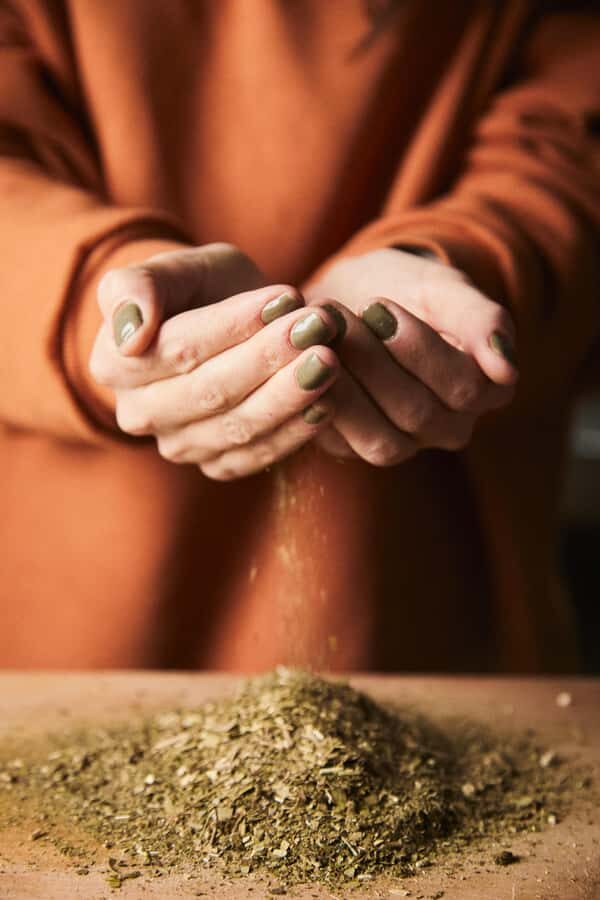
One of the best parts is the taste test of four types of yerba mate. Most first-time visitors expect mate to be one flavor. After this, you’ll realize it’s more like a family of flavors—shaped by how the plant is grown, processed, and blended.
During the tasting, you’ll get explanations tied to:
- variety (what kind of yerba you’re drinking)
- cultivation (how the plant is grown)
- production (how it’s processed and prepared for sipping)
This is where the workshop pays off. Instead of telling you mate is strong or herbal and leaving it at that, you’ll learn what to look for. You’ll start connecting the cup in front of you to the plant behind it. That makes the experience feel less like consuming and more like learning.
And yes, tasting four yerbas in one session means you’ll build a quick personal map. Afterward, if you buy yerba, you won’t feel lost. You’ll have a reference point for what different types taste like.
How to brew your own mate without messing it up
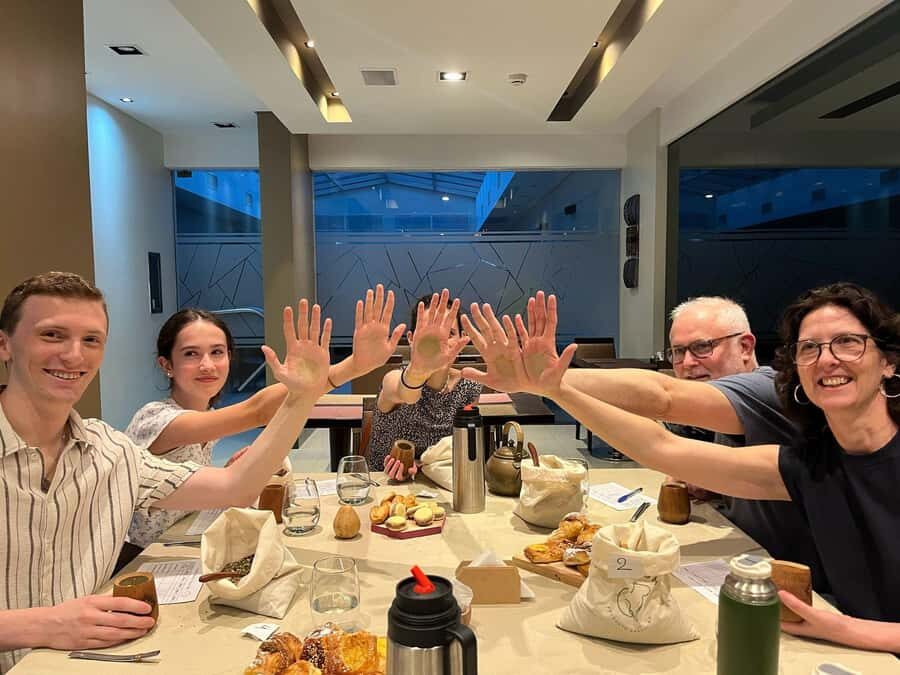
The workshop isn’t only about flavor. It’s about technique. You get 1 mate per person to use during the meeting, and you learn how to brew your own mate.
That detail matters because mate has a few quirks that can trip people up:
- it’s not brewed like tea bags
- the preparation affects taste
- the ritual depends on getting the method right
You’ll be shown how to make a good matéada, and you’ll get tips so you can repeat the basics later. If you’ve ever tried mate once and thought it tasted either too harsh or oddly flat, this kind of instruction is what changes the outcome.
The workshop also frames the method socially. In Argentina, mate isn’t just a drink. It’s a moment of sharing. So even the practical steps are tied to the etiquette of offering and taking. You leave knowing both how to do it and how to understand why people do it that way.
The sweet snack pairing that makes the mate time work
Mate is great on its own, but the included pastries make the whole experience feel like a real Argentine snack break. You’ll taste typical treats such as medialunas, biscochitos, and alfajores (the workshop also mentions croissants and other classic sweets to accompany the mate).
This snack pairing isn’t just decoration. It helps you notice what changes when you sip. Sweet bites can soften stronger herbal notes, and salty-sweet pastries can make the yerba taste different from one sip to the next. It’s a simple trick, but it makes the tasting more fun and more memorable.
If you’re the kind of traveler who remembers food first and facts second, this setup helps you land both. You get the culture lesson, then you get to anchor it with flavors you can recognize.






Price and value: what you’re really paying for
The price is $50 per person for 1 hour, and it’s fair mainly because the workshop includes more than a tasting flight.
Here’s what you’re actually getting in that hour:
- guided explanation of mate culture, myths, legends, and history
- tasting of four yerbas, with variety and production context
- instruction and practice on brewing your own mate
- 1 mate per person to use during the session
- sweet pastries like medialunas/croissants, alfajores, biscochitos
When you break it down, you’re paying for access plus instruction. You’re not just buying a drink. You’re buying the ability to replicate the ritual and understand what you’re tasting. That’s the kind of value that tends to matter more than length, especially when you’re short on time in Buenos Aires.
One practical note: transportation isn’t included. So add whatever transit cost and time you need to reach Recoleta. The workshop itself is efficient; the rest of your day planning is on you.
Practical bits before you go (so your hour runs smooth)
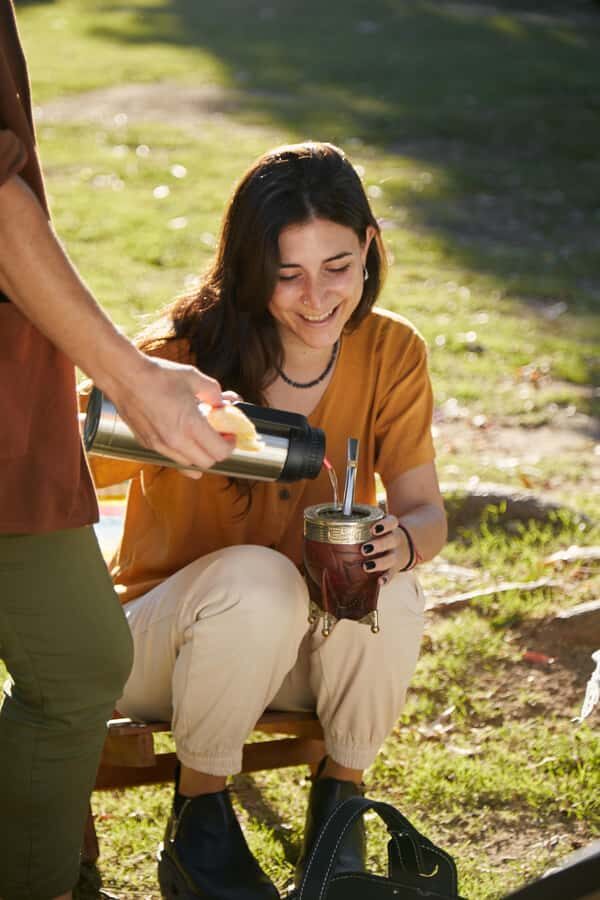
Before you head over, keep these rules in mind. The activity doesn’t allow weapons or sharp objects, and alcohol and drugs aren’t allowed. It’s a straightforward workshop environment, so just bring yourself and arrive ready to participate.
Languages are English and Spanish. Some content may show in its original language, which is common for cultural workshops. If you’re comfortable reading a little or just following along, you’ll be fine. If not, focus on the tasting and the hands-on brewing—those parts are universal.
Also, the location is wheelchair accessible. If mobility is a factor, it’s worth booking knowing accessibility is covered.
Finally, the workshop is designed to be beginner-friendly. Even if mate is totally new to you, you should still get practical value from day one.
Who should book this mate workshop (and who might skip it)
This experience is a strong fit if you want:
- a short cultural activity with real technique
- a guided tasting that explains what you’re tasting
- a social ritual you can recreate, not just observe
It’s also great if you enjoy food pairings. The included pastries make the experience feel like a home-style Argentina moment.
You might choose something else if you’re only looking for long, deep historical lectures or you already know mate brewing perfectly. The workshop is built for getting competent quickly, not for advanced nerdy tea-craft.
Should you book the Carpincha mate workshop?
If you’re in Buenos Aires and you want a hands-on Argentine ritual in just one hour, I’d book it. The mix of brewing practice, 4-yerba tasting with explanations, and classic pastries is exactly the kind of small-group learning experience that pays you back later when you find yourself choosing yerba or offering mate to friends.
The only reason to hesitate is logistics. Make sure you can get to Recoleta on time, since transportation isn’t included. If that’s under control, this is a smart, friendly way to spend an evening hour learning something you can actually do.
FAQ
Where does the mate workshop take place?
The meetings take place in the Recoleta area of Buenos Aires.
How long is the experience?
It runs for 60 minutes.
What’s the price?
The price is $50 per person.
What’s included in the workshop?
You get a masterclass with yerba tasting and sweet snacks to accompany the mate. It also includes instruction on how to brew your own mate and tasting multiple yerba types.
How many types of yerba mate do you taste?
You will taste 4 types of yerba mate.
What pastries are included?
Typical Argentine pastries included include medialunas, alfajores, and biscochitos (the experience also mentions croissants).
Do you include transportation to the meeting place?
No. Transportation isn’t included, so you’ll need to get to the meeting location yourself.
What languages are offered?
The instructor offers English and Spanish.
Is it possible to cancel and get a refund?
Yes. It offers free cancellation up to 24 hours in advance for a full refund.