REVIEW · BUENOS AIRES
Buenos Aires: Bioparque Temaiken with Transfers
Book on GetYourGuide →Operated by Grupo Summa · Bookable on GetYourGuide
A day trip to Temaikén feels like a mini world tour. Bioparque Temaikén mixes a zoo, aquarium, botanical garden, and natural history learning, all designed to show how animals, plants, and people connect. I especially like the theme-by-theme layout and the family-friendly pace that still gives you plenty to see.
My second favorite part is the built-in help getting there and back: you ride with an experienced driver and you also get a guide on the way to the park. One thing to consider is time and food: you’re on the van a good chunk of the day, and food and drinks aren’t included, so plan what you’ll do for lunch.
In This Review
- Key highlights at Temaikén with transfers
- Temaikén Biopark: zoo, aquarium, botanical garden, and natural history all in one
- Transfers from Buenos Aires: pick-up timing, central drop-offs, and the van ride rhythm
- The 5-hour park visit: how to structure your time so you don’t miss the best stuff
- Argentina in sections: the native zone from Mesopotamia to Patagonia
- Mesopotamian area (wetlands and river life)
- Patagonian fauna area (from Andes to the Atlantic)
- Africa and Asia zones: look for the mix of big animals and small specialties
- African zone: birds, mammals, and little primates on islands
- Asian zone: tigers and flying mammals
- Wallabies and kangaroos
- Aquarium plus 360º cinema: where your senses get a rest
- Price and value: what you get for $88 and what you’ll still need
- Who should book this Temaikén day trip?
- Should you book Temaikén with transfers?
- FAQ
- What time does pickup happen?
- What time do we arrive and leave the park?
- How long is the Temaikén park visit?
- Is admission to Biopark Temaikén included?
- Is food included?
- Do we have a guide inside the park?
- Where are drop-offs in Buenos Aires?
- What should I bring for entry?
Key highlights at Temaikén with transfers
- Recreated habitats: Mesopotamian wetlands, Patagonia settings, plus African and Asian zones
- Aquarium moments: tide-pool style learning and a shark tank viewed up close
- 360º cinema: a break from walking, with a totally different way to experience the park
- Native-zone specifics: black yacarés, overos, capybaras, tapirs, and lagoon turtles
- Comfort support on the road: pickup/drop-off in central Buenos Aires and a guide en route
Temaikén Biopark: zoo, aquarium, botanical garden, and natural history all in one
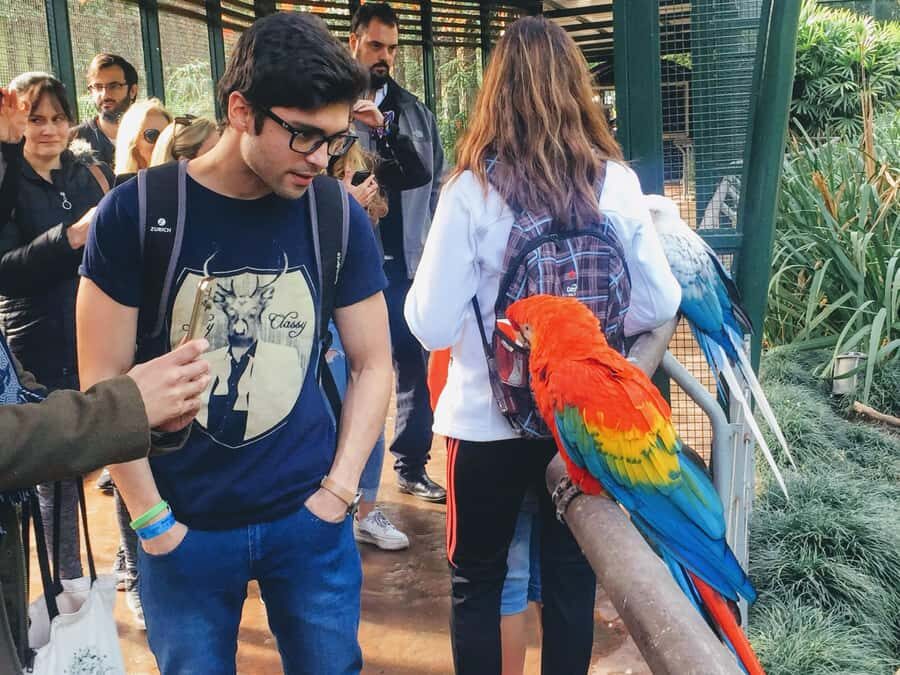
Temaikén Biopark is built around a simple idea: animals aren’t separate from plants or people. Instead of a typical zoo-only visit, you get a full natural settings concept, plus learning that connects what you’re seeing to conservation.
The Temaikén Foundation runs the show with an environmental mission, and the park reflects that in the way it blends multiple experiences. You’re not just walking past exhibits. You’re moving through zones that recreate habitats, then finishing with water-based viewing and a cinema show.
If you like animal encounters that feel tied to place—where an animal belongs and why—you’ll probably get more satisfaction here than at a pure “see as many animals as possible” stop. It’s also a strong choice for families because the park offers varied types of experiences in the same outing.
You can also read our reviews of more tours and experiences in Buenos Aires.

Transfers from Buenos Aires: pick-up timing, central drop-offs, and the van ride rhythm
This is the part that makes the day trip work. You’re picked up from downtown Buenos Aires between 8:45 AM and 9:45 AM (private apartment pickup isn’t available). There are multiple pickup options across areas like San Telmo, Recoleta, Retiro, Puerto Madero, and other central stops.
Then you head out by van for about 100 minutes before reaching the park. Expect to arrive around 11:00 AM, giving you a solid late-morning start for exploring. On the way, there’s a guide who helps orient you, and it also helps if your Spanish or Portuguese is basic and you want explanations without guessing.
I liked the practical feel of the transport side of the experience, including the safe, steady driving—our driver Walter was mentioned for being very careful on the road. You also get drop-offs back in the city at selected tourist spots; the route includes central places such as Galerías Pacífico and Obelisco.
One drawback of any day trip like this: your day is split between “seeing” and “getting there.” You’ll return by about 3:45 PM, after roughly 1 hour on the van for the way back.
The 5-hour park visit: how to structure your time so you don’t miss the best stuff
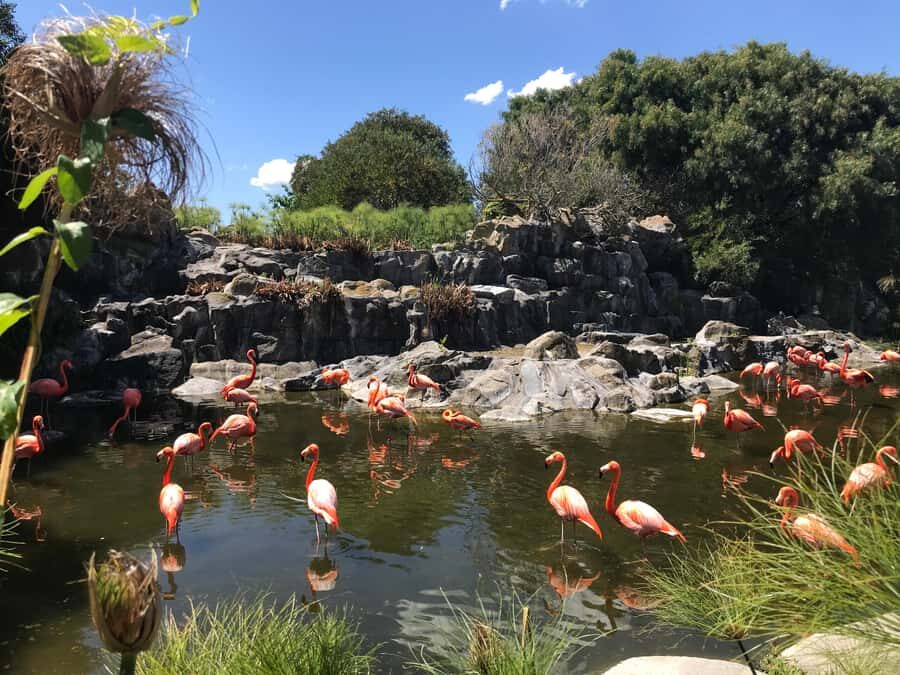
You get about 5 hours inside Temaikén. That’s enough to do the main zones plus the aquarium, and still have time to pause. The trick is not trying to do everything at top speed—Temaikén is spread out by design, with different habitats that reward calm walking and reading.
Also note this: there’s a guide on the way to the park, but you explore inside on your own. That means you should go in with a plan. If you care most about animals, prioritize the native zone and the African/Asian areas first. If you care most about water and visuals, build in time for the aquarium panels and then fit the 360º cinema show when you see the schedule.
Bring an ID or passport. You’ll want it for entry, and it’s usually the easiest thing to forget when you’re organizing a full day.
What I’d do if I were optimizing a first visit: spend your first hour getting oriented and hitting the native zone, then go for the aquarium second, and finish with the big “wow” experiences like the 360º cinema. You’ll end the day feeling like you covered the essentials instead of rushing toward the exits.
Argentina in sections: the native zone from Mesopotamia to Patagonia
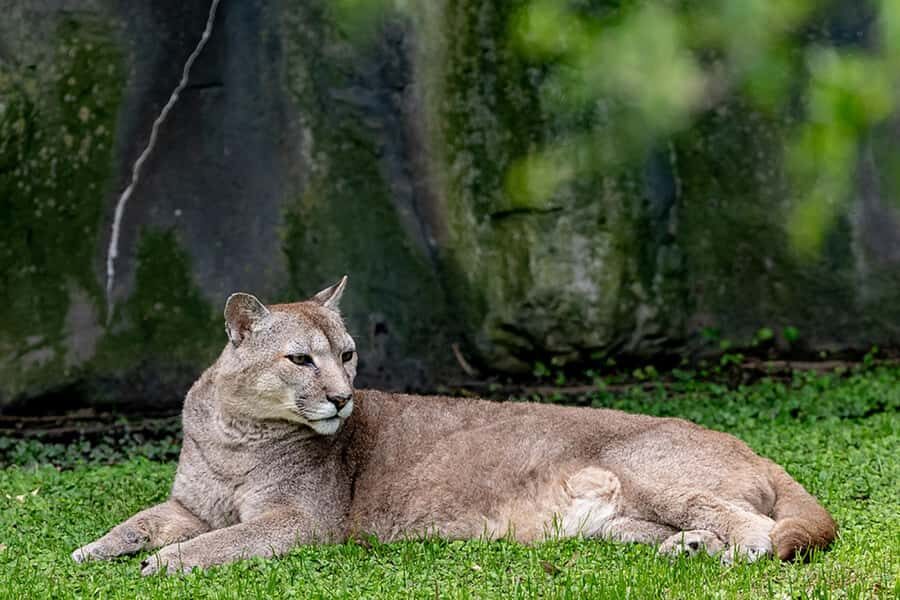
The park’s native zone is where Temaikén starts feeling special. Instead of a random mix of animals, you’re guided through Argentina settings in two big areas, and the displays include information about flora and fauna.
Mesopotamian area (wetlands and river life)
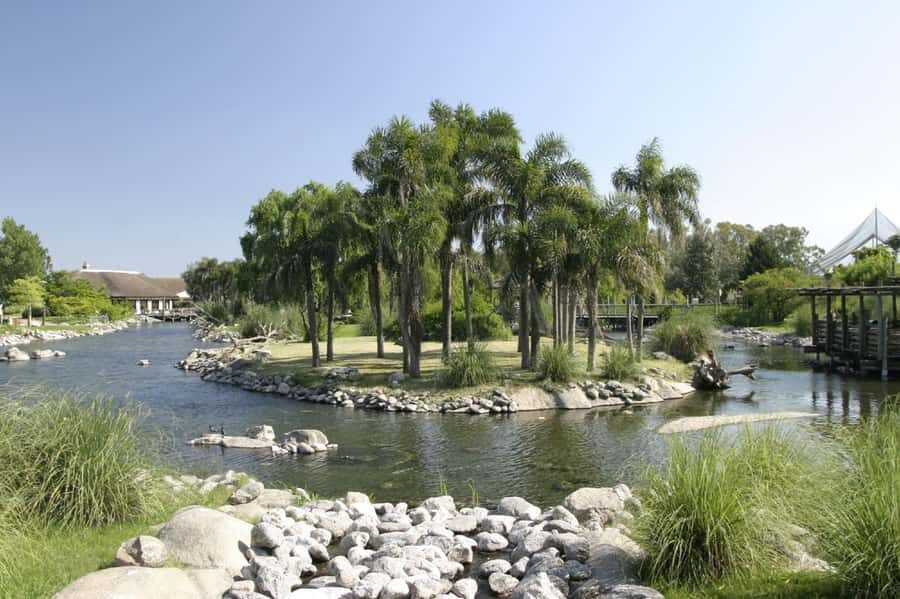
In the Mesopotamian area, look for wildlife that fits the region’s wetter environments. You’ll see animals such as black yacarés and overos, along with tapirs, capybaras, and lagoon turtles. Even if you don’t know the species names, you’ll recognize the pattern: these are animals shaped by water, vegetation, and warm-climate habitat.
This section can be a great stop for families because it’s visually clear. Water features and plants do a lot of the work for you, and kids often stay focused longer when the setting feels like a “place,” not just a cage.
Patagonian fauna area (from Andes to the Atlantic)
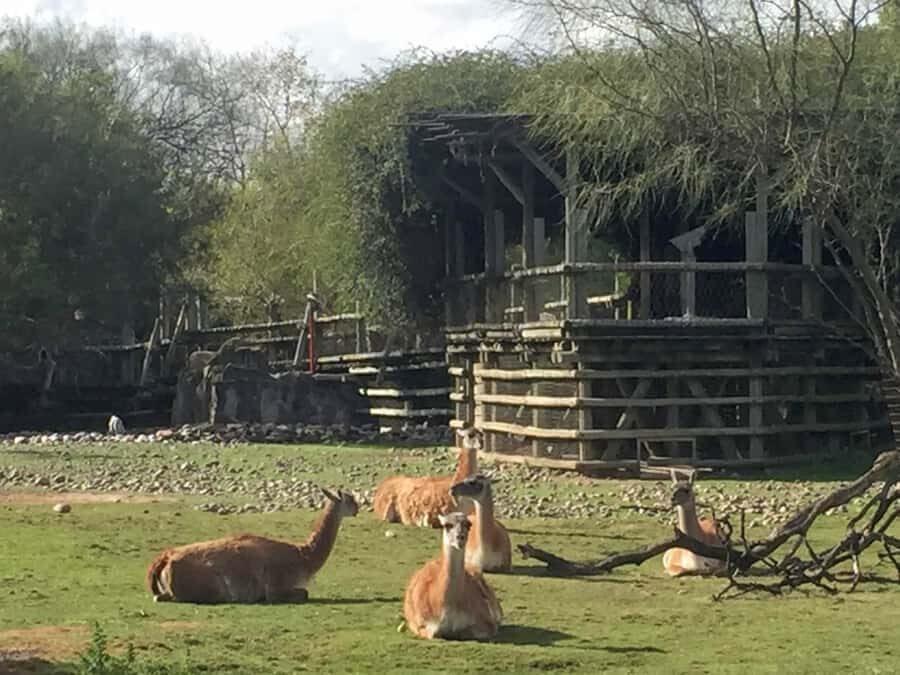
Then you switch to Patagonia. The park recreates environments that range from the Andes mountain range to the Atlantic coast, shown through seven enclosures tied to different settings: Patagonian steppe, condor, pumas, Patagonian plains, Patagonian lagoon, pudúes, and underground Patagonia.
That lineup matters. It helps you understand Patagonia isn’t one simple scene. It includes open steppe, lagoon areas, high-altitude vibe for certain species, and even underground environments. If you take a minute to read a few signs in each enclosure, the zones start clicking into a coherent story about adaptation.
If you’re short on time, I still recommend at least sampling most of the Patagonian stops, even if you don’t linger everywhere. The variety is the point here.
Africa and Asia zones: look for the mix of big animals and small specialties

After Argentina’s native sections, the park expands outward with African and Asian zones. This is where Temaikén shifts from “Argentina settings” to a global comparison of habitats.
African zone: birds, mammals, and little primates on islands
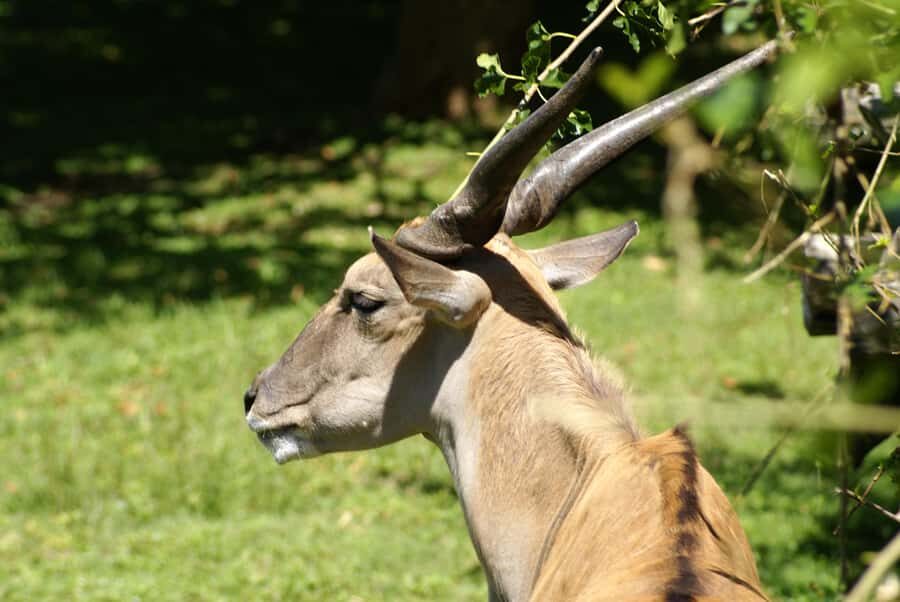
The African zone includes flamingos, pelicans, antelope, meerkats, and colobus. You can also spot a set of smaller “island” spaces, including three islands of lemurs, plus areas for hippos, cheetahs, and zebras.
One practical tip: African zones often have highlights that are spaced out. If you start early enough in your park window, you’re more likely to catch activity and not just empty-looking moments.
Asian zone: tigers and flying mammals
The Asian zone includes tigers and several bat and flying mammal presentations, such as frugivorous bats and flying foxes. You’ll also find squirrels of Prevost and other species.
If you enjoy animal variety more than one specific species, this zone can feel like a reward for staying open-minded. It also gives your day visual pacing: you’ve seen a lot of land habitats already, and here the attention shifts to other animal types.
Wallabies and kangaroos
The zoo also houses wallabies and kangaroos. These can be a nice “pause” section because they’re familiar enough that kids and adults often reconnect quickly—even if you’re already several zones deep.
Aquarium plus 360º cinema: where your senses get a rest
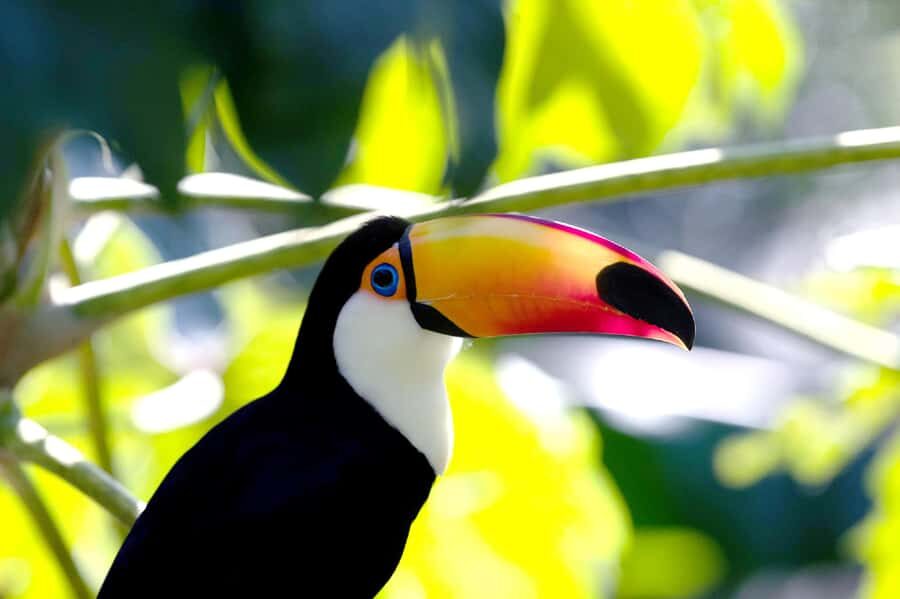
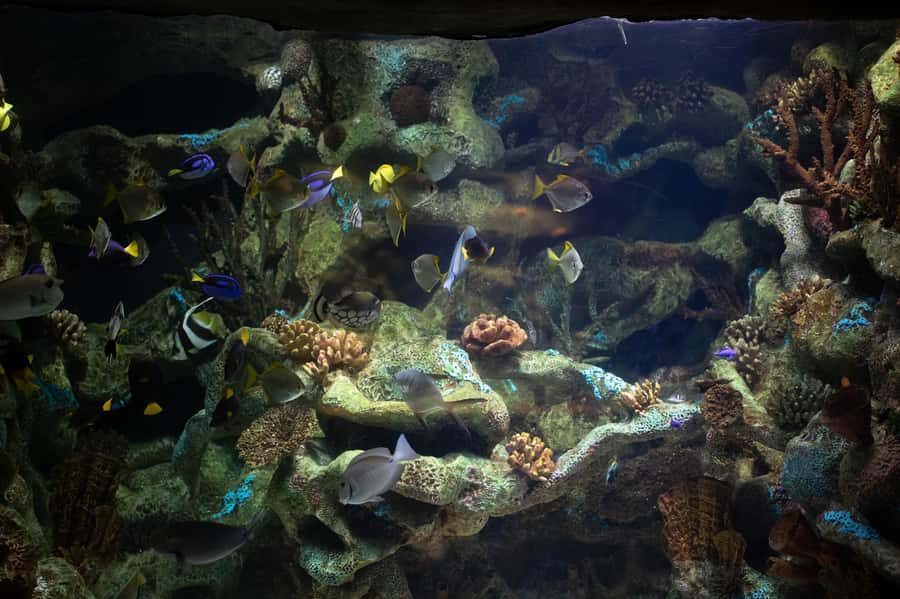
The aquarium is not just a side feature; it’s one of the main ways the park changes your pace. You’ll learn from a tide pool style presentation and also from a recreation of a river in Mesopotamia. That regional tie-in is important: it matches the native-theme approach instead of feeling tacked on.
Then there are eight large panels that let you watch sharks swimming in a tank described as filled with millions of gallons of seawater. The effect you’re going for is up-close viewing, so plan to slow down here. If you keep walking, you’ll miss the best “quiet wow” moments.
After water viewing, the 360º cinema is a great reset. It adds a different kind of storytelling than signs and enclosures. You’re not trying to figure out where an animal might be hidden; you’re watching an experience designed to fill the frame.
For families, this combination is smart. You alternate between walking and sitting, between animals and environmental storytelling. That’s how the day stays fun instead of turning into an endurance test.
Price and value: what you get for $88 and what you’ll still need
At $88 per person, this works best when you value the full-day logistics. You’re paying for the convenience of pickup and drop-off from central Buenos Aires, a guide on the way to orient you, and admission to the park when that option is selected.
Here’s the value logic I’d use before booking:
- If you’d otherwise struggle with transport, the included van service and central drop-offs can save time and stress.
- If you like a structured “one-ticket day” with multiple experiences, Temaikén gives you zoo + aquarium + cinema + natural learning in one block.
- If you already have your own transport and you’re comfortable planning the route and timing, you might compare costs. But the included transfer plan is usually what makes this feel like a smooth day trip.
What’s not included is just as important. Food and drinks are not included, and there’s no guide inside the park. That means you should budget for a meal or plan snacks. It also means you should rely on the park signage and your own priorities once you’re inside.
Who should book this Temaikén day trip?
I’d tell most first-time Buenos Aires visitors to consider it if they want something more than city sightseeing. Temaikén is a strong day trip because it turns a long ride into a full experience, and you leave with stories you can repeat: specific animals from different regions, plus water and cinema elements.
It’s also a good fit if you’re traveling with kids. The park mix helps, especially when you combine walking zones with the aquarium and then a 360º show.
If you’re the type who loves learning about conservation and habitat adaptation, the park’s foundation mission and the way it organizes native and global zones will make the day feel purposeful.
If you dislike long driving days or you only want a short outing, you might find the schedule tight. You’re out of the city for most of the day, and your inside time is fixed.
Should you book Temaikén with transfers?
Yes, if you want a high-comfort day trip that turns transport into part of the experience. This one gives you central pickup options, a guide on the way, and a full set of park experiences in a manageable half-day inside.
Skip it or reconsider if you’re a heavy “food must be handled for me” planner, since meals and drinks aren’t included. Also, if you hate self-guided exploring, you’ll be missing an in-park guide—inside you’re on your own, using signage and your own choices to steer your time.
If you’re flexible, pack your priorities (native zone first, then aquarium, then the cinema), and you’ll likely feel like $88 bought you more than an animal visit—it’s a whole environment day.
FAQ
What time does pickup happen?
You’ll be picked up from downtown Buenos Aires between 8:45 AM and 9:45 AM. You should contact the local partner to confirm your exact pickup time.
What time do we arrive and leave the park?
You arrive at the Bioparque around 11:00 AM and return at approximately 3:45 PM.
How long is the Temaikén park visit?
The activity is listed as about 8 hours total, with around 5 hours spent at Temaikén.
Is admission to Biopark Temaikén included?
Admission to Biopark Temaikén is included if you choose the option that includes the ticket.
Is food included?
No. Food and drinks aren’t included, so you’ll need to plan for lunch/snacks.
Do we have a guide inside the park?
You’ll have a guide on the way to the park, but there is no tour guide inside the park. You explore with free time on your own.
Where are drop-offs in Buenos Aires?
You’ll be dropped off at selected points in downtown Buenos Aires, including well-known stops such as Galerías Pacífico and Obelisco.
What should I bring for entry?
Bring a passport or ID card.