REVIEW · MENDOZA
Wonders of the High Andes from Mendoza
Book on Viator →Operated by Tangol · Bookable on Viator
Aconcagua views without the driving headache. This high-Andes day trip links together the Cordon del Plata region, Puente del Inca, and the Aconcagua viewpoint, with a guide riding along so you don’t miss what you’re looking at. I also like the hotel pickup and drop-off on selected hotels, which turns a stressful road trip into a smooth checklist of places.
What I really like is the variety of stops: Huarpes pre-Hispanic traces in Uspallata, then the Inca-era connection, followed by multiple photo stops that keep your eyes moving even when the roads get slow. The one big thing to plan for is altitude. Even though you’re not doing a hike, this route climbs fast, and motion sickness or altitude discomfort can hit some people hard on days with cold, thin air.
In This Review
- Key Things I’d Watch For on This High Andes Tour
- Mendoza River Valley to Uspallata: The Morning You’ll Feel in Your Bones
- Uspallata: Huarpes Roots and the Southern Inca Thread
- Picheuta, Polvaredas, Punta de Vacas: The Villas Stop That Keeps the Day Moving
- Los Penitentes: Panoramas at a Ski Resort, Entrance Not Included
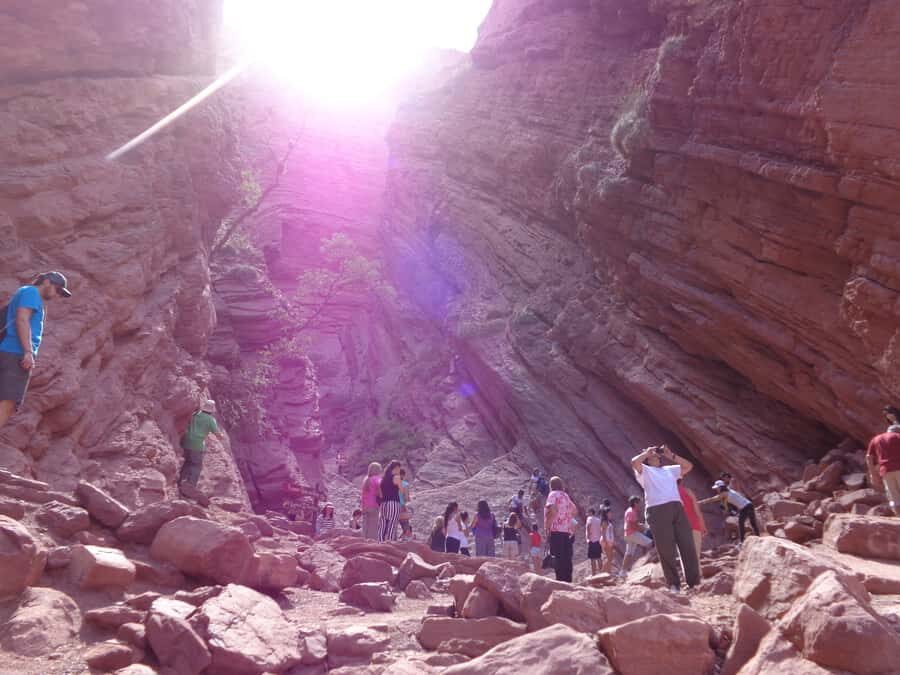
- Puente del Inca: A Natural Bridge with Hot Springs Energy
- Cerro Aconcagua Mirador: Highest Mountain Viewpoints Without a Climb
- Las Cuevas and the Cristo Redentor Window: What’s Possible, What’s Not
- Price and Logistics: Is $67 Good Value for All This Driving?
- Group size reality
- Comfort, Altitude, and Motion Sickness Tips That Help
- Guides and English: Usually Helpful, Not Always Perfect
- Who Should Book This Mendoza-to-Andes Day Trip
- Should You Book Wonders of the High Andes from Mendoza?
- FAQ
- What time does the tour start in Mendoza?
- How long is the Wonders of the High Andes day trip?
- Is hotel pickup and drop-off included?
- What languages do the guides speak?
- What stops are included?
- Is Cristo Redentor always visited?
- Is food included in the price?
- Can I cancel for a full refund?
Key Things I’d Watch For on This High Andes Tour
- Hotel pickup on selected properties keeps the morning simple and on schedule
- A concentrated route that strings together major stops in one day, from Uspallata to Las Cuevas
- Puente del Inca for a rare natural bridge-and-hot-springs setting
- Cerro Aconcagua viewpoint time is short but designed for photos and breathing-in the moment
- Cristo Redentor is seasonal and weather-dependent (not guaranteed every departure)
Mendoza River Valley to Uspallata: The Morning You’ll Feel in Your Bones
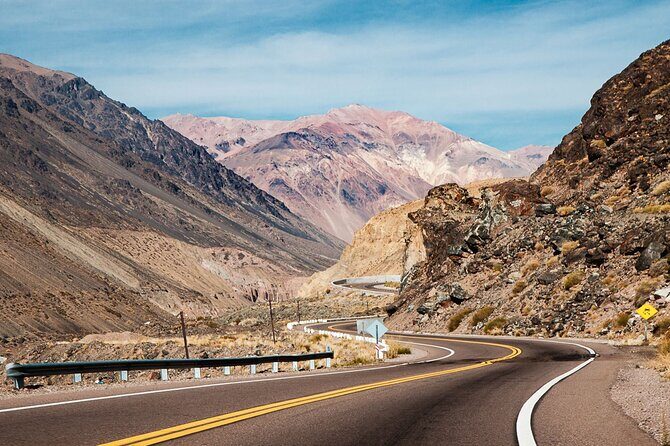
Most people start this trip with the usual Mendoza question: where do I go if I don’t want to rent a car? The smart answer here is joining a vehicle that’s already set up for the long mountain circuit.
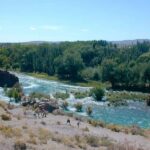
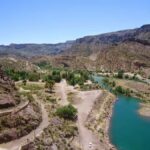
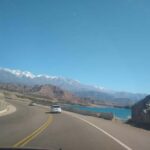
You leave early from selected hotels in Mendoza, beginning around 7:30 a.m. The drive follows the Mendoza River corridor and treats you to big “this is Argentina” mountain scenery from the first stretch. You’ll also pass the Cordon del Plata and the Potrerillos Dam, which matters more than it sounds. This dam is part of the region’s water system, feeding irrigation that supports vineyards and farms. So while you’re watching the mountains, you’re also seeing why this area can live and farm at all.
This is where I’d put on a warm layer fast. Early morning air along the high valleys can be chilly, and you’ll be in and out of the vehicle for short stops.
You can also read our reviews of more tours and experiences in Mendoza.
Uspallata: Huarpes Roots and the Southern Inca Thread
Uspallata is one of those stops that makes the day feel like more than a collection of viewpoints. You reach it with enough time for an actual look around, not just a quick photo and a hard pivot back into the bus.
Here, you’ll face a pre-Hispanic Huarpes settlement. It’s a chance to connect the modern roads with the people who lived here long before there were roads in the way you know them. The stop also includes a link to the southernmost point of the Inca empire. Even if you don’t memorize the timelines, it gives context: these mountains were never empty space. They were a living corridor—people moved, adapted, and built meaning into the terrain.
Drawback to keep in mind: the historical stops are only about an hour. If you’re the kind of traveler who wants to read every sign slowly, you may wish you had more time. Still, for a day trip that hits multiple major sites, it’s a well-placed add-on.
Picheuta, Polvaredas, Punta de Vacas: The Villas Stop That Keeps the Day Moving
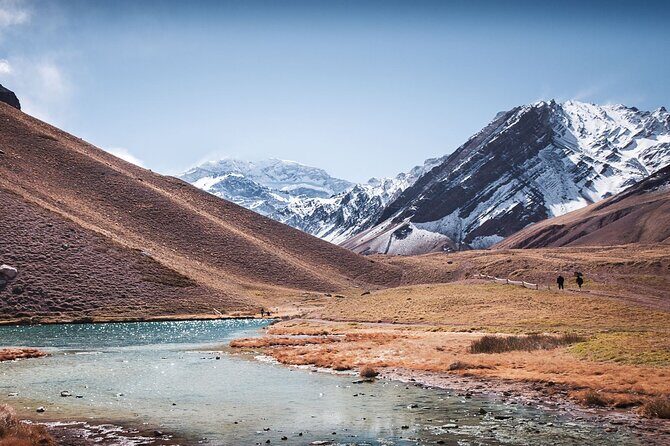
After Uspallata, the itinerary shifts into the rhythm of Route 7. You’ll stop around Picheuta, plus the areas of Polvaredas and Punta de Vacas. Expect the kind of quick “look, breathe, shoot a photo, move on” pacing that fits this long circuit.
Why these towns matter: they’re not famous in the postcard way. They’re the kind of places you only notice if you’re driving the route yourself or paying attention to local geography. Getting out here means you’re seeing the highland settlements that sit along the artery between valleys and high passes.
Practical note: this portion of the day is often where cold can creep in. Even if the sun is out, you can feel the temperature drop as elevation rises.
Los Penitentes: Panoramas at a Ski Resort, Entrance Not Included
Next comes Los Penitentes, a ski resort area that doubles as a viewpoint stop. You’re not just passing by; you get time to take in the scenery and point your camera in multiple directions.
One important detail: entrance isn’t included. So don’t assume there’s a full “ski resort” package waiting for you. The value here is the panoramic outlook from the viewpoint areas and the fact that you’re getting another angle on the Andes as the day climbs.
If you’re visiting in winter conditions or right after snow, you may get dramatic conditions. The upside is the view can look extra sharp and bright. The downside is that the day can feel even longer because weather can slow the circuit.
Puente del Inca: A Natural Bridge with Hot Springs Energy
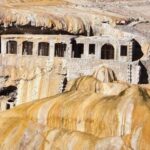
Then you hit the highlight that many people list first: Puente del Inca. This isn’t a constructed monument in the usual sense. It’s described as an impressive natural architectural bridge, fed by hot springs.
You don’t get long here, roughly around 10 minutes for the stop. That sounds short, but it’s actually part of why this works on a day trip. Puente del Inca is visually powerful, and the best use of time is quick photos and a moment to understand what you’re seeing: minerals and hot water shaping a dramatic rock-and-bridge feature.
If you’re prone to altitude discomfort or motion sickness, keep your expectations realistic here too. Short stops can still feel like a lot when your body is adjusting.

Cerro Aconcagua Mirador: Highest Mountain Viewpoints Without a Climb
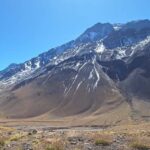
After Puente del Inca, you continue along Route 7 toward the Cerro Aconcagua viewpoint. This stop is built for photos and awe. You’ll get about 30 minutes, enough to take a few angles and adjust to the thin air.
The view here is framed around Aconcagua, cited at 6,900 meters above sea level in the tour description. Even if clouds roll in, the viewpoint is still worth it because you’re seeing how the Andes stack up across layers—valleys, ridges, and the long, slow rise of mountain walls.
I like this stop because it’s specific. You’re not just driving “through mountains.” You’re reaching a named viewpoint tied to the main star of the region.
Las Cuevas and the Cristo Redentor Window: What’s Possible, What’s Not
Las Cuevas is where the day starts to feel like the border itself. You’ll reach this village, described as European-style and located at roughly 3,200 meters (10,500 feet). The air is thinner, and it’s the kind of place where people slow down without realizing it.
From here, the route includes the path up toward Cristo Redentor, up to about 4,200 meters (13,780 feet), depending on conditions. The monument matters symbolically too. It’s described as a sign of the union between Argentinians and Chileans.
Now the practical part: Cristo Redentor is not guaranteed. The tour notes that visits depend on weather conditions and transportation traffic, and it’s only scheduled for January to March. In other words, on many departures you should expect the day to focus on the border area and viewpoints, but not necessarily the full monument experience.
Timing also shifts. The return to Mendoza is typically around 5:30 p.m. In summer, if access is possible, the excursion may run until about 8 p.m. That’s a big difference for dinner plans, so I’d keep your evening flexible.
Price and Logistics: Is $67 Good Value for All This Driving?
At around $67 per person for a 10-hour circuit, the value is mainly about what’s included and what it replaces.
Included:
- Professional English/Spanish tour guide
- Air-conditioned vehicle
- Hotel pickup and drop-off for selected hotels
Not included:
- Food and drinks
So you’re paying for transport, time, and interpretation. If you tried to stitch this together yourself, you’d spend time arranging a driver, dealing with mountain driving routes, and figuring out where stops actually make sense. This tour packages the route so you can focus on sights.
That said, your “value” will depend on expectations. Some visitors are happy with the day being a sequence of short stops. Others feel rushed, especially around photo moments and meal breaks. Also, because food isn’t included, you should budget extra for lunch on the day. The quality and price of lunch can be hit-or-miss depending on where you stop and what’s available that day.
Group size reality
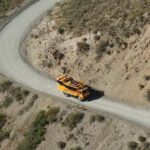
The cap is 40 travelers. Reviews show it can run with different vehicle sizes depending on demand. Sometimes it’s roomy enough to breathe; sometimes it feels tighter than you’d like for a long day of bumpy mountain roads. If you’re picky about comfort, pick a seat with your back supported and plan warm layers so you’re not stuck shivering.
Comfort, Altitude, and Motion Sickness Tips That Help
This is high-altitude tourism, even when you’re not walking much. I’d prepare like you’re going to feel the altitude rather than hoping you won’t.
From practical feedback, here’s what tends to matter:
- Bring something warm. Cold can sneak in, especially when you stop and wait for the group to board again.
- Take water and use whatever fill options you can during stops. One comment specifically suggested filling up from a stream when available.
- If you get motion sickness, consider taking your usual prevention in advance. This route climbs, brakes, and turns steadily.
- If altitude hits you easily, talk to a medical professional about prevention. Several experiences mention feeling bad symptoms during high points like the bridge area or higher viewpoints.
Also, keep your pace mentally calm. Even if you’re not hiking, stepping out of a vehicle at altitude can feel like your body is waking up in a new setting.
Guides and English: Usually Helpful, Not Always Perfect
The tour is marketed with a professional English/Spanish guide, and many departures run smoothly. Some guides have been praised for speaking clearly in Spanish and then repeating in English at a pace that non-Spanish speakers can follow, including examples like Federico and Rocío.
But there are also unhappy cases where English didn’t land well, or the guide couldn’t fully communicate what was happening. That doesn’t mean every day is like that. It does mean you should go in with the understanding that your best experience comes when you’re comfortable with basic Spanish context or when the guide adjusts well.
If English-only narration is critical to your enjoyment, I’d read your own comfort level carefully. A tour guide can be excellent and still be limited by circumstances, group mix, or a specific day’s staffing.
Who Should Book This Mendoza-to-Andes Day Trip
This works best if you:
- Want a no-car way to hit major high-Andes stops in one day
- Like history stops mixed into viewpoints (Uspallata is a strong example)
- Enjoy photo moments at specific miradors without needing long hikes
- Are okay with a long, full-day schedule and extra time in the vehicle
It may not be the best fit if you:
- Get altitude sickness easily or need a very gentle plan
- Hate long road time between short stops
- Expect Cristo Redentor to happen every time (it depends on season, weather, and traffic)
Should You Book Wonders of the High Andes from Mendoza?
I’d book it if your priority is seeing a lot of “big-name” Andean highlights without renting a car and navigating mountain roads yourself. The Puente del Inca stop and the Aconcagua viewpoint are the kind of moments that justify an early start. And the Uspallata stop adds meaning beyond scenery.
But book with clear expectations. Food is on you, time on site is often short, and access to Cristo Redentor isn’t guaranteed unless you’re traveling in the January to March window and conditions cooperate. If you’re going anyway, pack for cold, plan for altitude, and keep your evening flexible.
FAQ
What time does the tour start in Mendoza?
Pickup starts around 7:30 a.m. from selected hotels in Mendoza.
How long is the Wonders of the High Andes day trip?
It runs about 10 hours, depending on conditions and timing on the route.
Is hotel pickup and drop-off included?
Yes, pickup and drop-off are included for selected hotels. The exact hotel coverage is based on your selection.
What languages do the guides speak?
The tour includes a professional guide in English and Spanish.
What stops are included?
The route includes stops such as Uspallata, Puente Picheuta (Villas of Picheuta/Polvaredas/Punta de Vacas), Los Penitentes, Puente del Inca, the Cerro Aconcagua viewpoint, Las Cuevas, and possibly Cristo Redentor depending on conditions and season.
Is Cristo Redentor always visited?
No. The visit depends on weather conditions and transportation traffic, and it’s noted as available only from January to March.
Is food included in the price?
No. Food and drinks are not included.
Can I cancel for a full refund?
Yes, free cancellation is offered up to 24 hours in advance for a full refund. The experience can also be rescheduled or fully refunded if canceled due to poor weather.