REVIEW · SAN CARLOS DE BARILOCHE
Bariloche: Cerro Tronador and Ventisquero Negro Tour
Book on GetYourGuide →Operated by ParaViajantes · Bookable on GetYourGuide
One mountain name alone sets the mood. This full-day ride from Bariloche into Nahuel Huapi National Park takes you past Lake Gutierrez, Lake Mascardi, and then up toward Cerro Tronador’s ice kingdom, ending with the Ventisquero Negro glacier and a melt-ice lagoon.
I like that the day is built around real stops you can photograph and actually stand at—miradors with big views, plus the glacier plain where the scenery changes from lake colors to permanent snow and ice. I also like the practical flow: scenic driving time, short viewpoint breaks, and enough structure to keep the long travel from feeling like dead time.
One drawback to plan for: it’s weather-dependent. Warm layers matter, and if conditions are rough you may spend more time bundled up than wandering.
In This Review
- Key highlights that make this tour work
- Route 40 to glacier country: how the day is paced
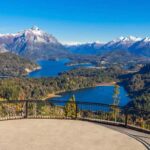
- Lakes and mountain silhouettes: Gutierrez, Mascardi, and what they teach your eyes
- Entering the park: coihues, cañas colihues, and the curvy road moment
- Playa Negra, rapids, and Isla Corazón: viewpoints that break up the drive
- Cerro Tronador: the border peak and the Mapuche meaning of the noise
- Ventisquero Negro: glacier plain, black ice, and the melt-ice lagoon
- What’s included (and why it matters for value)
- Comfort and safety: what to bring and what to avoid
- Weather reality: how to keep the day from feeling cut short
- Who should book this tour?
- Quick take: should you book Cerro Tronador and Ventisquero Negro?
- FAQ
- Do I need to pay entrance fees to Nahuel Huapi National Park?
- How long is the tour, and what time does it start?
- What language is the guide?
- Is pickup included?
- What should I bring for the glacier and viewpoint stops?
- Who is the tour not suitable for?
Key highlights that make this tour work
- Nahuel Huapi National Park drive: Curvy mountain roads through coihues and cañas colihues, not just highway scenery
- Lakes with personality: Lake Gutierrez and Lake Mascardi shift in color with the sunlight
- Cerro Tronador context: The name comes from Mapuche and links to the sound of ice
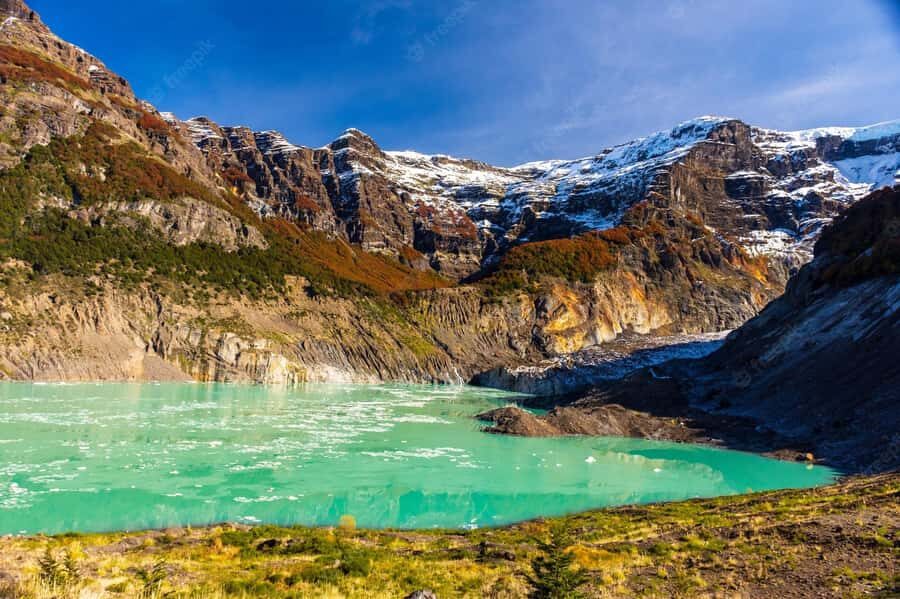
- Ventisquero Negro glacier views: Ice-and-snow drama plus a lagoon formed by melting ice
- Photo-ready viewpoints: Mirador de la Isla Corazón, Playa Negra, and Pampa Linda along the way
Route 40 to glacier country: how the day is paced
This tour is an eight-hour bus day starting from central Bariloche and running south on Route 40 toward the Nahuel Huapi National Park area. Expect a regular-excursion pick-up process, with pickup times that can take up to about 30–35 minutes; you’ll wait outside your hotel lobby and the guide/driver calls the main traveler’s name.
The overall pace is straightforward: you’ll spend time in the car getting to the good places, then you’ll get a series of short stops and viewpoint breaks rather than long, intense hikes. That matters because glacier days can burn energy fast—this format keeps you seeing a lot without demanding constant walking.
You’re also dealing with Patagonian weather. Bring warm clothing and plan for wind and temperature swings, even if it looks decent when you leave.
You can also read our reviews of more tours and experiences in San Carlos De Bariloche.
Lakes and mountain silhouettes: Gutierrez, Mascardi, and what they teach your eyes
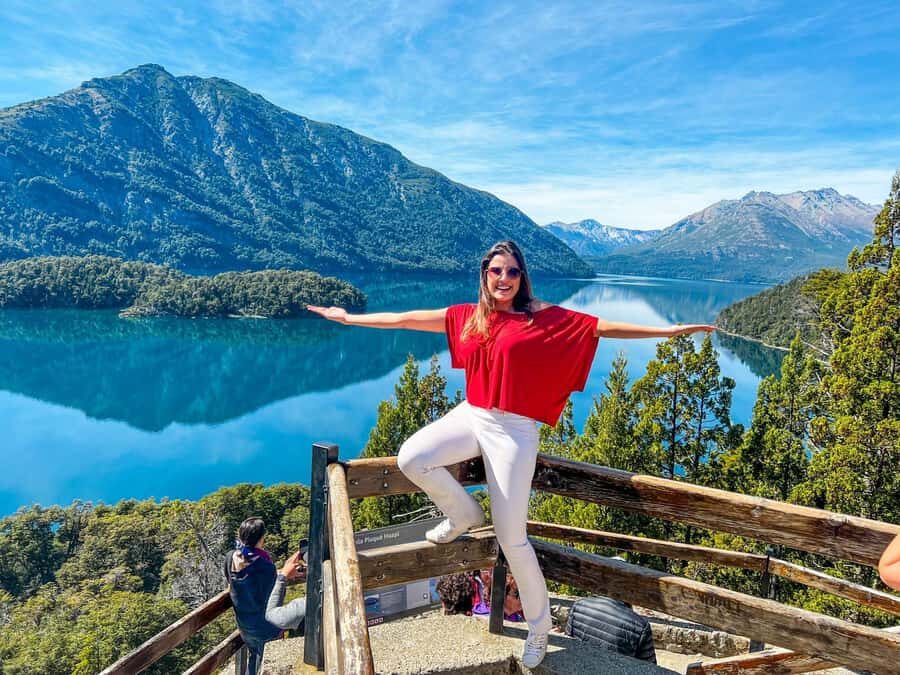
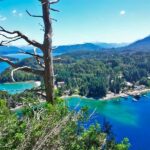
Before the glacier comes the lake sequence, and it’s not filler. The drive sets up how the region changes: water, peaks, and then ice.
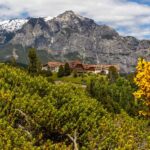
You’ll head through the area bordering Lake Gutierrez, with views that also include Cerro Ventana and Cerro Catedral along the way. It’s a good warm-up because these are the kinds of peaks and slopes you’ll later recognize again with ice above them—your eyes start mapping the terrain.
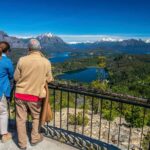
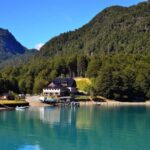
Then you reach Lake Mascardi, a lake that can look like different lakes depending on sunlight. On an overcast day it tends to go darker and moodier; on brighter light it can brighten up noticeably. If you care about photos, this is when it helps to check your camera settings and wipe the lens—lake light can change quickly as the bus continues along the route.
Two small practical tips for enjoying the lake portions:
- Wear layers you can adjust fast. Bus heat plus cold air outside is a common combo here.
- Have water handy early. You’ll want it before you get into the cooler glacier plain.
Entering the park: coihues, cañas colihues, and the curvy road moment
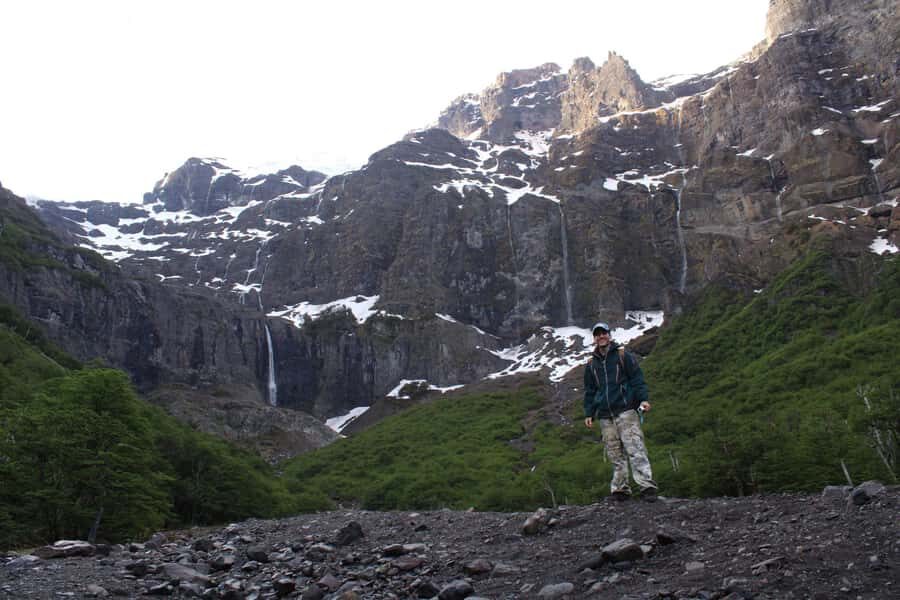
Once you reach the entrance of Nahuel Huapi National Park, the drive turns more scenic and curvy. That’s when the vegetation and the terrain become part of the story, not just background.
You’ll pass through areas of coihues and cañas colihues—plants that signal you’ve shifted from town outskirts into protected mountain country. This is one reason the ride feels like an actual journey: it slows down enough for you to notice the change in nature.
The curvy road is also a reality check. If you’re prone to motion sickness, consider how you usually handle long drives in windy areas. The tour doesn’t call it out directly, so treat it as a general comfort planning point.
Playa Negra, rapids, and Isla Corazón: viewpoints that break up the drive
Along the way to the glacier, you’ll have a set of specific stops designed to keep the day visually varied.
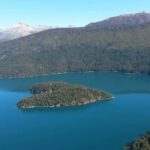
You’ll stop at Playa Negra, a shoreline stop that gives you a different texture than the lakes and open views. Then you’ll visit the rapids viewpoint at Mirador de la Isla Corazón. This is a great pause when you want to step out, look down at moving water, and then get back on the bus without feeling like you missed the best part.
You’ll also stop at Pampa Linda, adding another open, scenic perspective before the day tips into ice territory.
Here’s how I’d think about these viewpoint stops: they’re there to refresh you for the glacier segment. Even if the ice section is what you came for, the photos and senses you collect at the earlier spots help the glacier views hit harder when you finally see the permanent snow and ice.
Cerro Tronador: the border peak and the Mapuche meaning of the noise
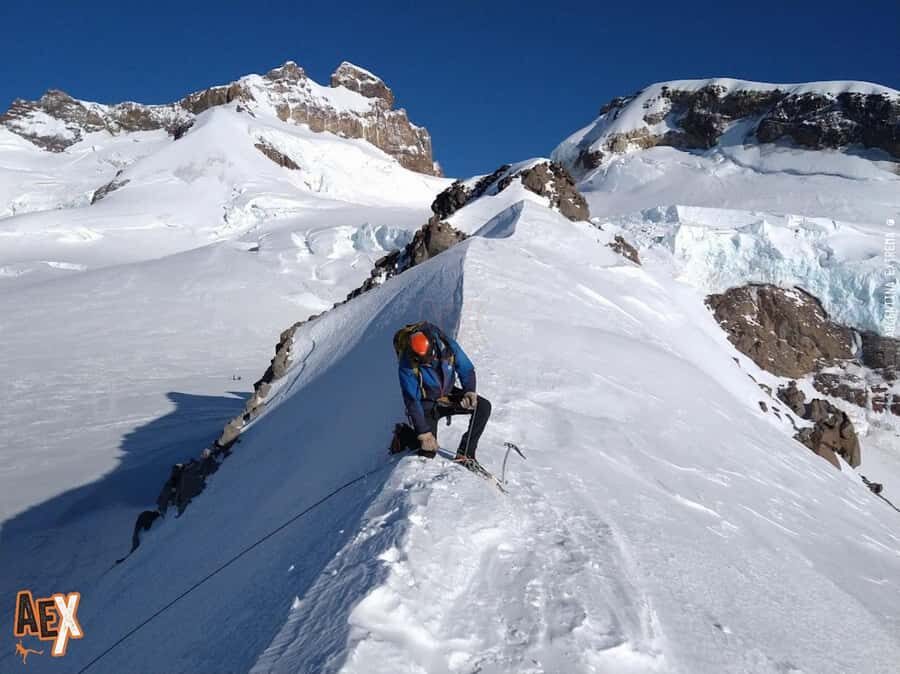
When you arrive at the glacier plain, the first view of Mount Tronador is usually the moment that makes the whole day feel real. You’ll see the mountain’s summit covered in eternal snow, and you’ll start linking what you’ve been looking at from the road to what’s right in front of you.
Cerro Tronador sits at the border between Argentina and Chile. That political detail matters less for your passport and more for the feeling of scale: this is a mountain range sector inside a national park, with a big, serious presence in the distance.
The name also has a story. Tronador comes from the Mapuche language, and it’s tied to the frequent noise produced by the ice. Even if you don’t hear anything dramatic at the exact moment you’re there, knowing that the ice has a sound reputation changes how you interpret the glacier environment. It stops being just a visual feature and becomes a living, moving system.
This is also where you’ll appreciate how Patagonian peaks look different from smaller ranges. Tronador’s upper snow zones don’t look like a seasonal hat—they look like permanent architecture.
Ventisquero Negro: glacier plain, black ice, and the melt-ice lagoon
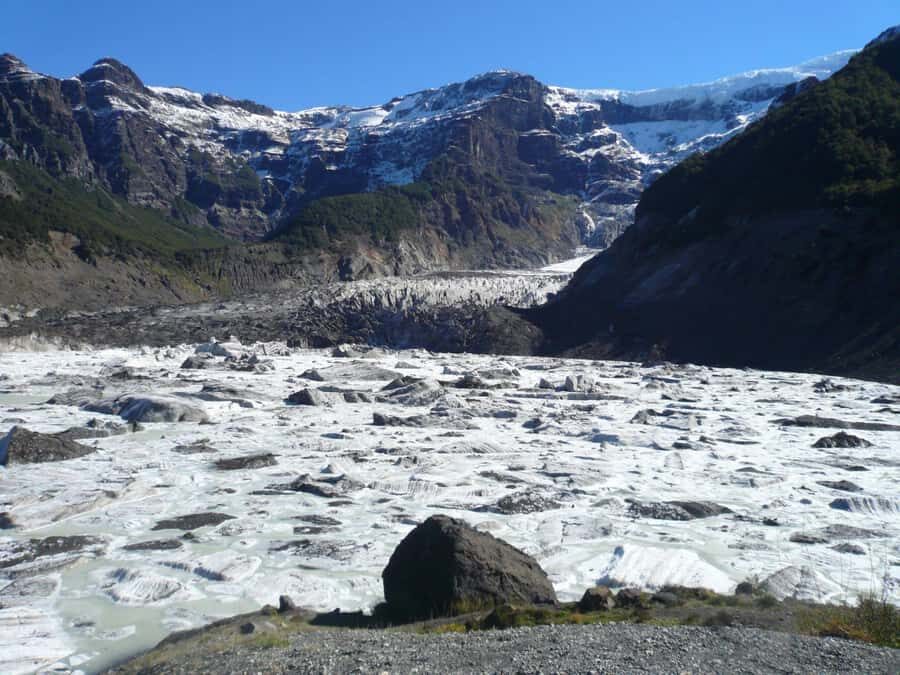
Now for the heart of the tour: Ventisquero Negro, the glacier, plus the lagoon formed by melting ice.
You’ll appreciate the glacial ice called Ventisquero Negro and also see the lagoon that forms as the glacier melts. That’s an important detail because it shows you the process, not just the feature. Ice becomes water; water becomes landscape around it; and the cycle is visible in front of you.
From a visitor-value standpoint, this segment is the best return on your time. The glacier plain viewpoint gives you a concentrated payoff: summit snow, glacier ice, and water in one area, without requiring a technical trekking day.
Still, plan your comfort. The glacier area tends to feel colder and more exposed than the lake stops earlier in the day. Warm clothing isn’t optional here; it’s part of enjoying the view without cutting your time short because your hands feel numb.
What’s included (and why it matters for value)
You’re getting a professional Spanish guide, transport by bus, and stops at scenic viewpoints. That mix is exactly what you want for a day like this: language support for context plus driving coverage so you don’t have to piece together a route yourself.
Not included: entrance fees to Nahuel Huapi National Park. That doesn’t automatically make the tour bad value—it just means your final total will be a bit higher. If you’re budgeting tightly, factor the park entrance into your per-person cost early.
The price is about $130 per person for an eight-hour day. For the region, glacier views plus multiple lake and viewpoint stops usually cost more when you try to combine them with separate day trips or private transport. With this tour format, you’re paying for logistics done for you, plus guided context so you don’t just see ice—you understand what you’re looking at.
One more practical note: the guide/driver calls the name of the main traveler. If you’re the main traveler, be ready to step out quickly. If your group includes multiple people staying at the hotel, coordinate who is listed and who will answer the call.
Comfort and safety: what to bring and what to avoid
The basics are clear, and I’d treat them as requirements for a good day, not optional suggestions.
Bring:
- Comfortable shoes (you’ll be standing at viewpoints)
- Warm clothing (layers beat one heavy item)
- Camera
- Sunscreen (recommended even in cold weather)
- Water
Not allowed: smoking.
Also, this tour isn’t suitable for:
- Pregnant women
- People with mobility impairments
- People with heart problems
Even if you’re healthy, think about cold exposure and outdoor standing time. If you get chilled easily, wear a hat and consider gloves.
Weather reality: how to keep the day from feeling cut short
This itinerary is built for scenery, which means weather can change what you see. The tour info specifically warns that conditions can shift.
So what should you do?
- Dress for cold first, then add sun protection. Even if it warms up, you’ll still need windproof layers at higher points.
- If clouds roll in, keep your camera ready anyway. Lake colors can turn dramatic when the light is softer.
- Focus on the glacier plain segment when the visibility is best. That’s the part where you most want clear views of eternal snow and ice.
If you end up in mist or heavy clouds, you’ll still get plenty of stops, but the ice details may be less crisp. That’s the tradeoff for doing glacier country by day trip.
Who should book this tour?
This fits best if you want a structured, full-day overview of the area around Bariloche with zero driving stress. You’ll like it if:
- You want glacier views without committing to a long hike
- You enjoy lake scenery as part of the journey, not as a side note
- You’d rather have a Spanish-speaking guide explain what you’re looking at than rely on guesswork
I’d steer different traveler types this way:
- If you need accessibility accommodations or have heart concerns, this likely won’t match your needs.
- If you hate bus rides and prefer independent exploration, you might find the schedule a bit “stop-and-go,” even though the stops are scenic.
For many people, the big win is that you’re getting multiple natural highlights in a single day: lakes, viewpoints, and then a glacier segment that anchors the whole experience.
Quick take: should you book Cerro Tronador and Ventisquero Negro?
Book this tour if you want the classic glacier-and-lakes Bariloche day, with guided context and convenient transport. The price feels fair for what you get: a full eight hours, major sights inside Nahuel Huapi National Park, and the Ventisquero Negro glacier payoff.
Don’t book if you’re sensitive to cold or long drives, or if your health needs make outdoor cold exposure a concern. Also, if you’re only interested in one specific photo spot and hate viewpoint hopping, consider a more focused option.
If you’re flexible and dress for the weather, this is one of those trips where the day’s pacing actually supports the main event—the moment Cerro Tronador and the Ventisquero Negro glacier take over the view.
FAQ
Do I need to pay entrance fees to Nahuel Huapi National Park?
Entrance fees to Nahuel Huapi National Park are not included. You should expect to pay those separately.
How long is the tour, and what time does it start?
The duration is 8 hours. Starting times depend on availability, so you’ll want to check what departures are offered.
What language is the guide?
The guide speaks Spanish.
Is pickup included?
Yes, pickup is included via bus. Pickup for regular excursions can take up to about 30–35 minutes, and you should wait outside your hotel lobby for the call from the guide/driver.
What should I bring for the glacier and viewpoint stops?
Bring comfortable shoes, warm clothing, a camera, sunscreen, and water.
Who is the tour not suitable for?
It’s not suitable for pregnant women, people with mobility impairments, or people with heart problems.