REVIEW · MENDOZA
Zuccardi Legacy: A Journey Through Uco Valley’s Finest
Book on GetYourGuide →Operated by Futuro Travels · Bookable on GetYourGuide
Five wines, one underground cellar, zero guesswork. This Zuccardi Uco Valley experience is built around a guided vineyard and production visit, then an underground cellar tour that feeds right into a focused tasting of five wines. I like how the guide links what you see in the vines and production with what you taste in the glass, and I like the modern winery setting that feels made for this part of Mendoza. One drawback to plan for: lunch isn’t included, even though you’ll have time set aside for it.
You’ll be picked up in Mendoza Province and whisked there in a private vehicle, then brought back afterward. If you’re lucky (like some groups have been), you may ride with Gunzalo, the kind of driver-guide who keeps the road time useful. Bring comfortable shoes and sun gear, because this is active and bright.
In This Review
- Key things I’d zero in on before you book
- Uco Valley meets a modern winery that stays rooted
- The drive matters: private pickup, new vehicles, and real guidance
- Vineyard tour: how soils and sustainable viticulture become flavors
- Production area visit: seeing what happens between grape and bottle
- Underground cellar (cave) tour: where aging becomes real
- The tasting of 5 wines: Vinos de Pueblo plus Viticultor
- Lunch timing: you get time, but you pay for it separately
- Price and value: what you’re really buying for $181
- Who this tour fits best (and who should be careful)
- Should you book Zuccardi Legacy in Uco Valley?
- FAQ
- How long is the Zuccardi Uco Valley tour?
- What’s included in the price?
- Is lunch included?
- What wines are included in the tasting?
- What languages does the guide speak?
- What should I bring for the tour?
Key things I’d zero in on before you book
- Private in-and-out transport in new-model vehicles, so you don’t have to manage logistics after you arrive in Mendoza Province.
- Vineyard + production-area walkthrough that explains how the terroir shows up in the bottle.
- Cave (underground cellar) visit, where the wines age and you get a real sense of how production ties to time.
- A 5-wine tasting mix: 3 from Vinos de Pueblo and 2 from the Viticultor series (Viticultor depends on availability).
- Modern winery architecture and a smooth tasting-room flow, plus skip-the-ticket-line access.
Uco Valley meets a modern winery that stays rooted
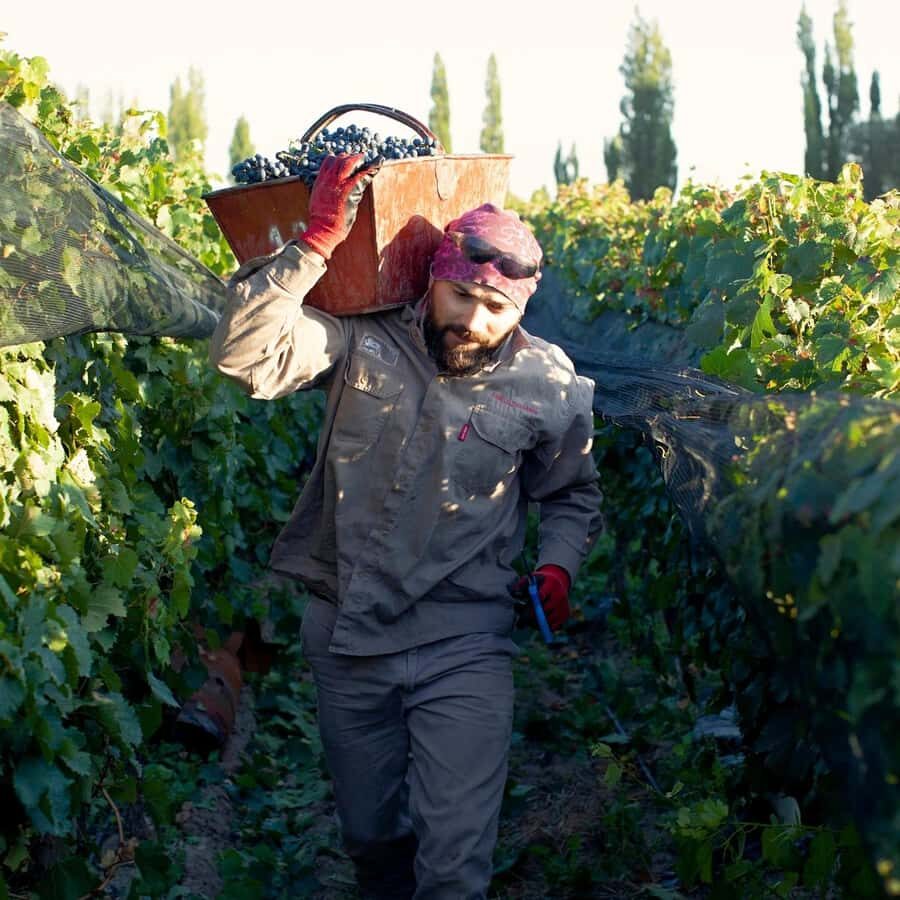
This tour centers on Zuccardi’s place in Uco Valley, where the family’s winemaking story is presented as both tradition and technique. You’re not just led past pretty vines. You’re guided through the parts that connect grape growing, production decisions, and how wine ends up tasting the way it does.
I love that the emphasis stays on terroir in a practical way. Instead of big claims, the guide ties the land and sustainable viticulture approach to the end result. And I love that the visit includes architecture you can’t ignore: a modern tasting setting that feels designed for how wine is made now, while still honoring the family’s process.
The main thing to keep in mind is pacing. Five hours is enough time to get real information, but it’s not a slow day with unlimited wandering. If you want to linger outdoors for long stretches, you may wish you had extra time or added lunch.
You can also read our reviews of more tours and experiences in Mendoza.
The drive matters: private pickup, new vehicles, and real guidance
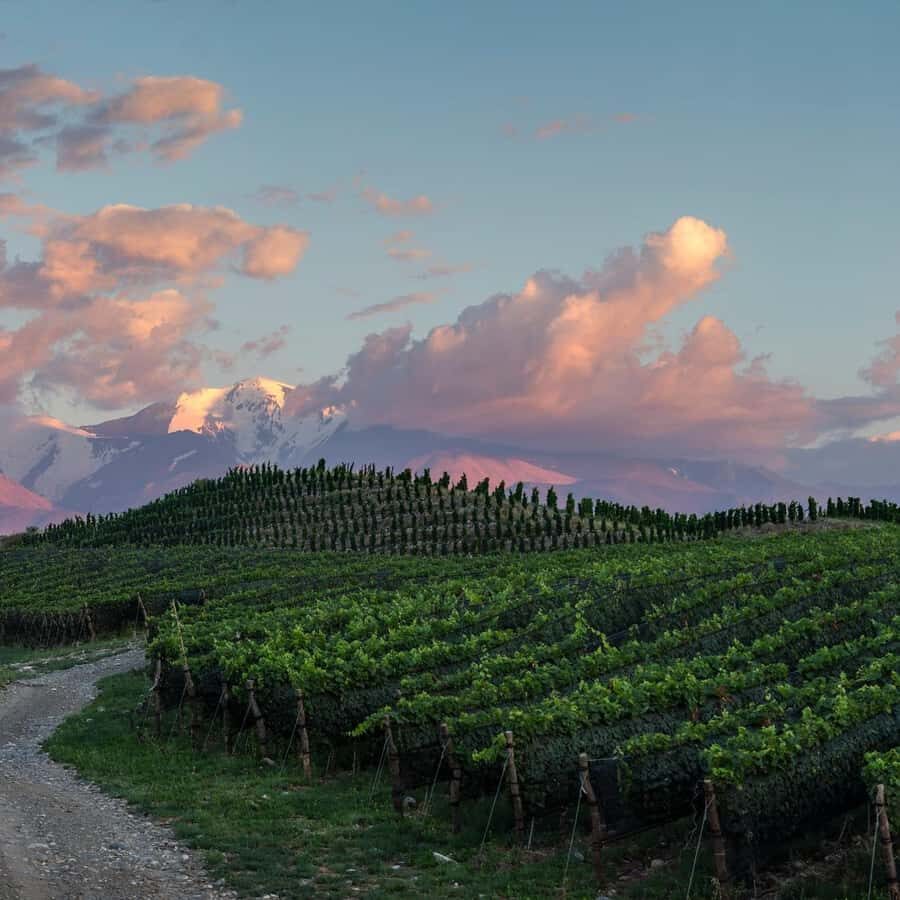
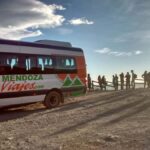
Your experience starts with pickup in Mendoza Province. You’ll go in a private vehicle, in and out, using new and latest generation cars. That matters more than it sounds, because Uco Valley is not a place you want to negotiate if you’re arriving for just a half-day.
Also, you’re not stuck guessing where to go inside the winery complex. The tour includes skip-the-ticket-line, so you spend your limited time on the parts that count: vineyard, production, cave, and tasting.
One small planning tip I’d follow: have breakfast before pickup time. The tour includes a lunch window, but since lunch isn’t included, you’ll be glad you’re not starting the day hungry. Pack a hat and sunscreen too. Even when you’re in the shade, the sun can be relentless once you’re out in open areas.
Vineyard tour: how soils and sustainable viticulture become flavors
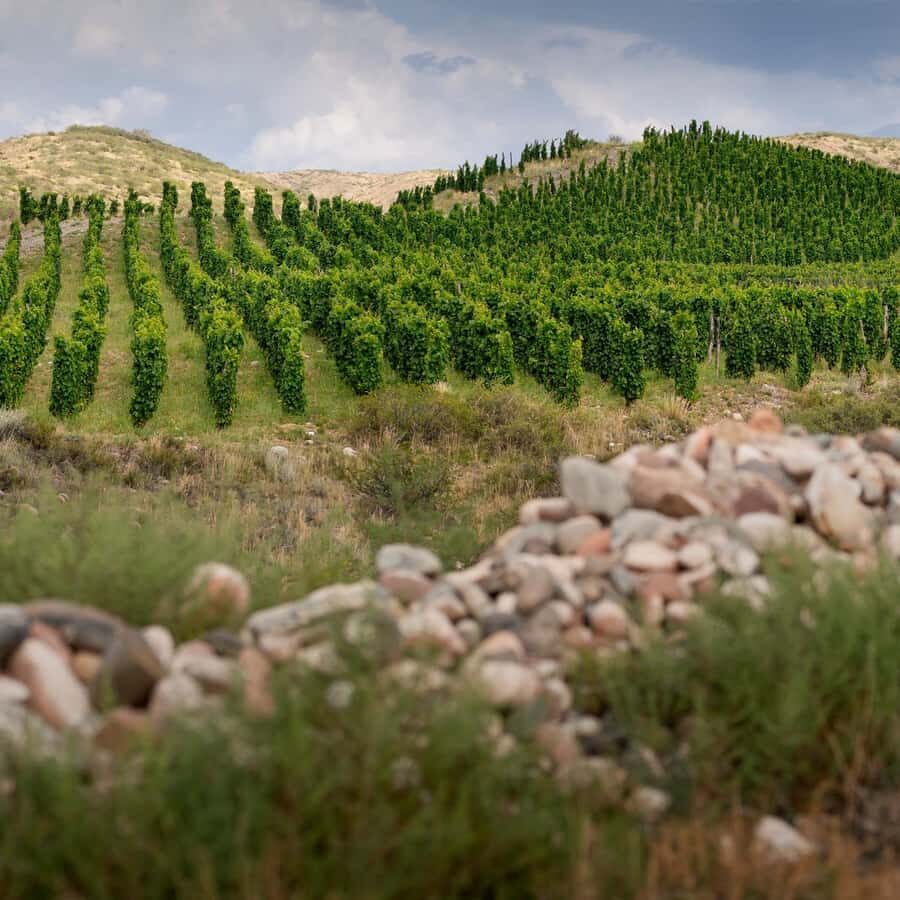
The vineyard portion is where the tour earns its name. You’re shown the vineyard context and guided through how the Zuccardi team manages the growing area to express terroir. The tour description specifically highlights sustainable viticulture practices, and the guide’s job is to connect those ideas to what you’ll later taste.
Here’s what you’ll likely appreciate most: you don’t just walk. You get guided explanations tied to the wine selection afterward. That’s the kind of structure that makes tastings feel less random. When you taste three bottles from the Vinos de Pueblo line and two from the Viticultor series, you’re tasting with a map in your head, not just drinking and hoping.
Practical note: wear comfortable shoes. You’ll be doing walking and standing time. Bring a camera, but also bring patience—vineyard touring works best when you look, listen, and then later compare the vineyard story to what comes from the glass.
Production area visit: seeing what happens between grape and bottle
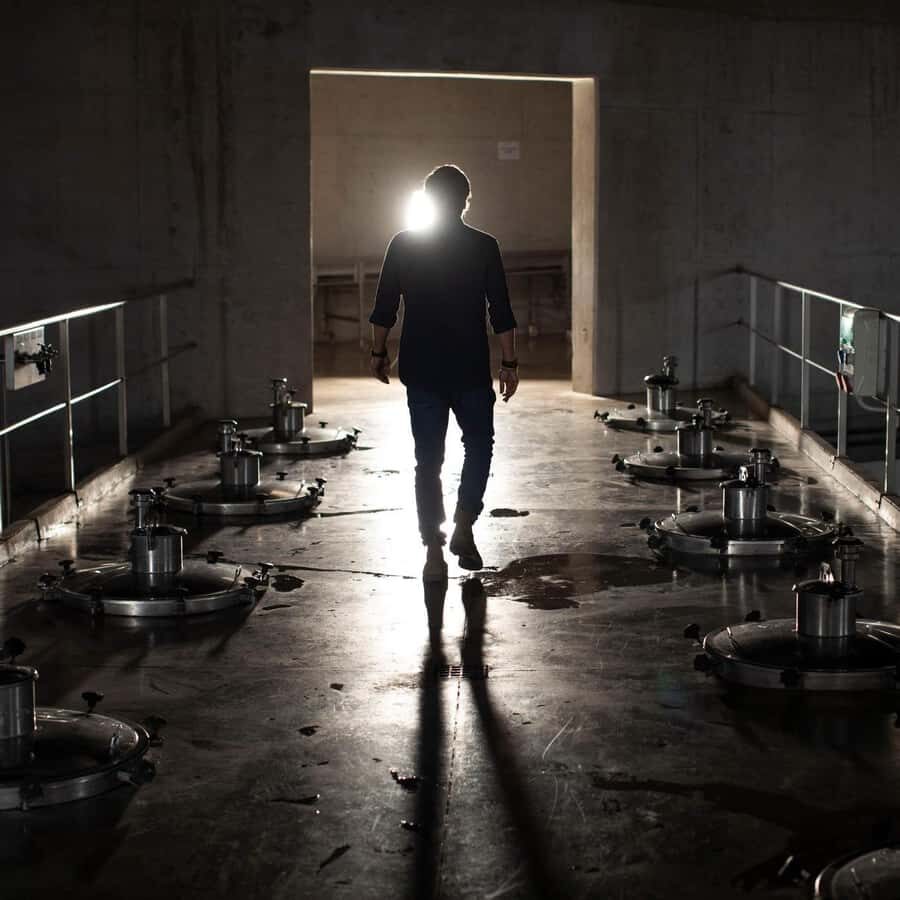
After the vineyard, the tour shifts into the production area. This is the stop that helps you understand how a winery turns raw materials into finished wine. The tour format is designed to keep you moving through the process rather than only talking about it.
I like this part because it makes the tasting feel earned. Even without getting technical to a lab-level degree (the tour info doesn’t promise that), you can still see how workflow and decisions matter. When the tour later brings you underground, it feels connected instead of random.
Potential consideration: this is a guided, timed experience. If you’re the type who wants to linger for photos in every corridor, you may have to pick your moments. The winemaker’s world is full of details, but the schedule keeps things focused.
Underground cellar (cave) tour: where aging becomes real
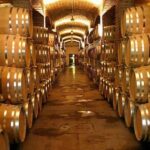
Then comes the highlight for many wine lovers: the cave tour. The underground cellar is part of the tour package, and it’s where the wine ages and reaches its full potential.
What makes this stop valuable is the contrast. You go from open-air vineyard context into an underground environment where temperature and stability are part of aging reality. Even if you don’t know the chemistry, you can feel the difference. The tour doesn’t treat the cave like a photo op; it’s framed as an essential step in how the wines develop.
Also, the cave stop is a great place to slow down and listen. The guide’s explanations here tend to stick because they’re tied to the later tasting lineup. When you taste, you’re not just tasting five labels—you’re tasting a sequence that starts in the vineyard and continues through aging.
The tasting of 5 wines: Vinos de Pueblo plus Viticultor
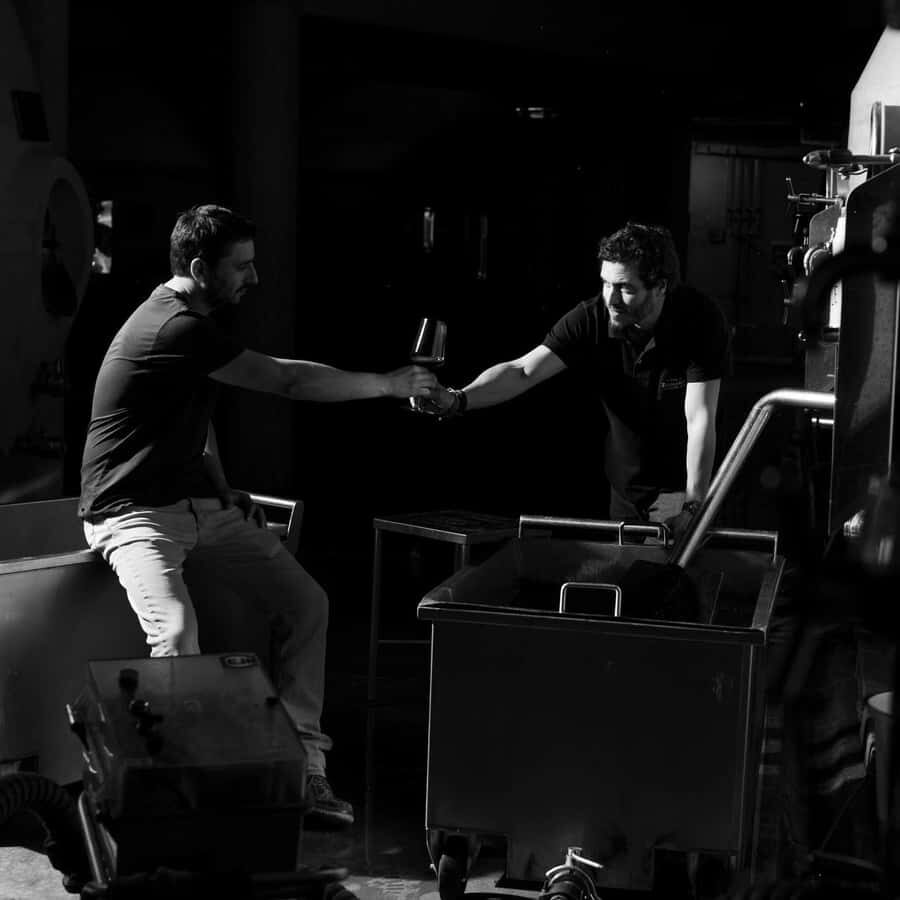
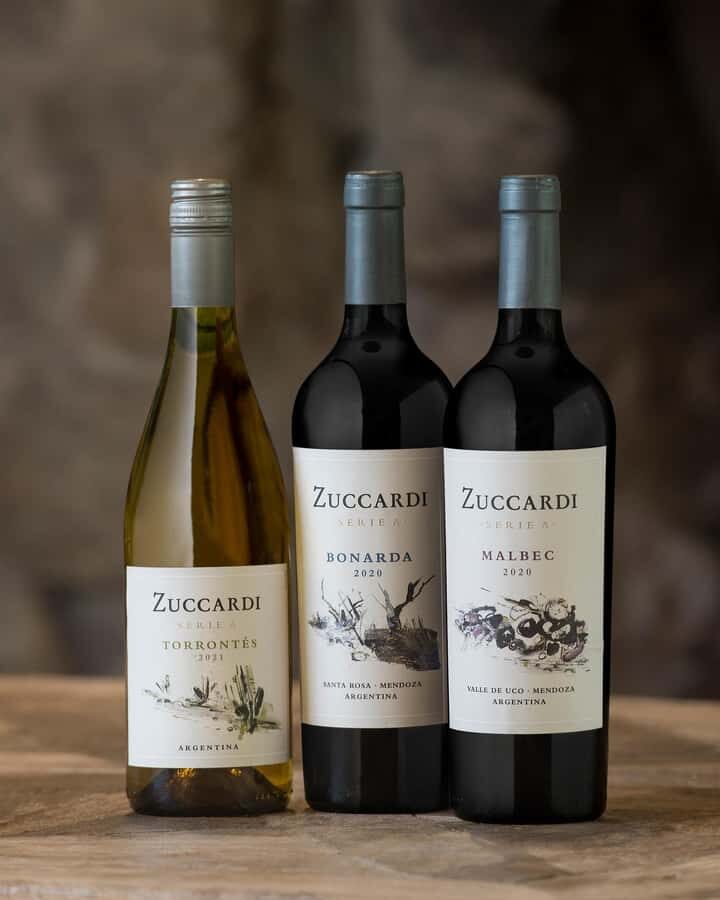
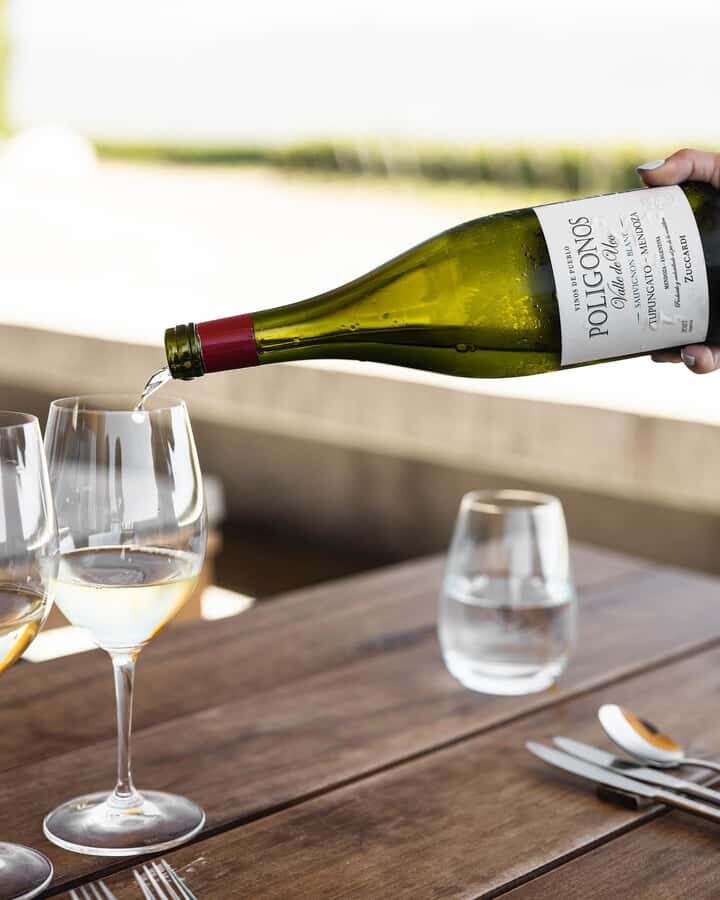
The centerpiece of the afternoon is a guided tasting of five carefully selected wines. Your tasting includes three from the Vinos de Pueblo line, plus two from the Viticultor series, subject to availability.
That mix is smart for visitors because it gives you a broader sense of what the winery is doing across different styles within their portfolio. Vinos de Pueblo bottles are often the kind of wines you want to think about as expressions connected to growing areas and the idea of place. Viticultor tends to come across as a series that lets you compare how production choices and grape expression show up differently.
What you should do during the tasting:
- Take notes fast, even if it’s just one word per bottle (fruit, spice, structure).
- Pay attention to what the guide links back to the vineyard and production stops.
- Don’t compare only by taste. Compare by what the guide tells you to look for.
If you’re the type who wants more wine depth, ask what’s possible to add. The tour information says you can add lunch or additional tastings to tailor the day to what you like.
Lunch timing: you get time, but you pay for it separately
There’s a lunch window built into the experience, with about 2.5 hours set aside. But lunch is not included in the tour price, so plan to either:
- handle lunch on your own during that window, or
- add lunch if your provider offers it as an add-on.
This matters because many wine tours include a meal and a smooth handoff. Here, you’re given the time, but you’re responsible for what you eat. If you drink during the tasting, a real sit-down meal later is a good reset.
Also, bring or pack a coat. The tour guidance explicitly says bring a coat, which is a helpful reminder that wine-country weather can shift, especially if you’re moving between bright outdoor sections and indoor cellar areas.
Price and value: what you’re really buying for $181
At $181 per person, you’re paying for a compact, high-contact tour experience. That price isn’t just for tasting wine. It’s for private in-and-out transport, a vineyard and production-area visit, a cave tour, and a guided tasting of five wines.
Here’s how I judge value for this kind of tour:
- You get multiple “rooms” in the winery story (vineyard, production, cave), not a single tasting-room stop.
- The tasting includes five wines with a guide framing the experience.
- You get private transport, which is a real convenience in Mendoza Province when you only have a half day.
If you can only manage a short window in Mendoza and you want a guided, structured day, the pricing can make sense. If you’re staying nearby and already plan to do self-guided visits, you might compare costs. But given the inclusion of transport plus cave and production visits, it’s not just paying for a pour.
Who this tour fits best (and who should be careful)
This tour is aimed at adults—children under 18 aren’t suitable. It also lists that it’s not suitable for pregnant women.
Mobility is tricky here because there are two pieces of info that conflict: it says wheelchair accessible, but also says it’s not suitable for people with mobility impairments. If that applies to you, treat this as a must-check with the operator before you book, so you’re not guessing about what the route and cave visit will feel like.
On the positive side, this is a great fit for:
- wine lovers who want structured context (not just tasting)
- people who like modern winery design alongside serious production details
- visitors who value time efficiency in Uco Valley
- anyone who wants a guide fluent in English, Spanish, and Portuguese
Should you book Zuccardi Legacy in Uco Valley?
Book it if you want a guided, high-value half-day that goes beyond a tasting-room stop. The strongest reasons are the combination of vineyard + production-area + underground cellar and the guided tasting of five wines, including 3 from Vinos de Pueblo and 2 from Viticultor (when available). That format is exactly how you turn a winery visit into real understanding.
I’d think twice if you need lunch included, because lunch is not part of the package. I’d also confirm mobility details if you have any concerns, since the accessibility notes don’t fully match. If you’re going anyway, bring a coat, wear comfortable shoes, and plan to take notes during the tasting so you leave with more than a pleasant buzz.
FAQ
How long is the Zuccardi Uco Valley tour?
The tour duration is 5 hours.
What’s included in the price?
It includes private in/out transportation in new and latest generation vehicles, a vineyard tour, a production area visit, a cave tour, and a guided visit and tasting of 5 carefully selected wines. Insurances are also included.
Is lunch included?
Lunch is not included, but there is a lunch time window during the experience.
What wines are included in the tasting?
You’ll taste 5 wines: 3 from the Vinos de Pueblo line and 2 from the Viticultor series, subject to availability.
What languages does the guide speak?
The live tour guide is available in English, Spanish, and Portuguese.
What should I bring for the tour?
Bring comfortable shoes, a hat, sunscreen, and a camera. You should also bring a coat and some kind of ID.