REVIEW · MENDOZA
Mendoza: Half-Day Sightseeing City Tour
Book on GetYourGuide →Operated by OPERADORES MENDOZA VIAJES · Bookable on GetYourGuide
Mendoza starts with a park, then history knocks next. In just 3 hours, you’ll cover the big “first impressions” of the city: leafy San Martín Park, key downtown landmarks, and monument stops that explain why Mendoza grew into an oasis.
What I like most is the way the tour mixes green space with city structure, and how the guide keeps translating the story for everyone. I also like that it’s built around real places you can later return to on your own.
One thing to keep in mind: it moves at a walking-and-transit pace. If you want long museum-style time or zero rushing, this half-day format may feel a bit tight.
Key places you’ll hit
- San Martín Park (500 hectares), Mendoza’s green heart with groves, rose garden, and lake area
- Old Jesuit Ruins of San Francisco (1716–1731) for a strong architecture-and-faith stop
- Downtown orientation via La Alameda, Plaza Pedro del Castillo, Independence Square, and the Civic District
- Cerro de la Gloria with its monument to the Liberation Army of Chile and Peru
- Frank Romero Day Greek Theater nearby, adding a modern cultural landmark to the route
In This Review
- Three Hours in Mendoza: Why This Half-Day Works
- Starting With La Alameda and Plaza Pedro del Castillo
- Independence Square, Memorial, and the Civic District: The City’s Message
- San Martín Park: Mendoza’s 500-Hectare Green Lung
- What to watch for inside the park
- Jesuit Ruins of San Francisco (1716–1731): Architecture With a Time Stamp
- Cerro de la Gloria and the Greek Theater: Monuments After the Climb
- A quick reality check
- Price and Value: Is $28 a Smart Spend?
- Where you might feel the trade-offs
- Timing Tips That Actually Help (Hotel Pickup and the 3-Hour Window)
- What to Bring and What to Expect Day-of
- Who This Tour Fits Best in Mendoza
- Should You Book This Half-Day Sightseeing Tour?
- FAQ
- How long is the Mendoza half-day sightseeing tour?
- What does the tour cost?
- Where do hotel pickups happen?
- What places are included in the sightseeing route?
- Are museum tickets included?
- Is food and drink included?
- What languages are available for the guide?
- What should I bring for the tour?
- Is luggage allowed?
- Is the tour refundable if I cancel?
Three Hours in Mendoza: Why This Half-Day Works
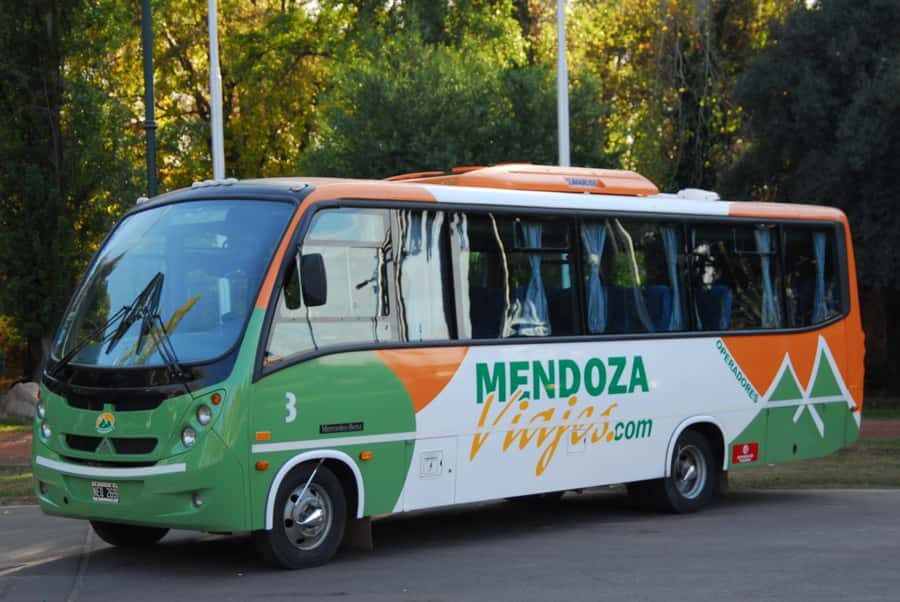
This is the kind of tour that helps you get your bearings fast without turning your day into a checklist. Mendoza can look simple at a distance—wide streets, big sky, a city shaped by water and planning. But when you walk it with a guide, you start seeing the logic: where people gathered, what institutions mattered, and why the city feels like an oasis in a desert region.
You’ll spend a major chunk of time in San Martín Park, and that matters more than it sounds. San Martín Park isn’t just a pretty break; it’s Mendoza’s “green lung,” a place that shows how the city found a way to grow and live well. Then you layer in downtown squares and monuments, and suddenly the park stop connects to the rest of the city instead of feeling random.
The price point is also a big part of the appeal. At $28 per person for a 3-hour, guided, round-trip setup with hotel pickup in Mendoza Town, you’re paying for orientation and context—not museum tickets. If your schedule is tight, this is a very practical way to spend a few hours.
Starting With La Alameda and Plaza Pedro del Castillo
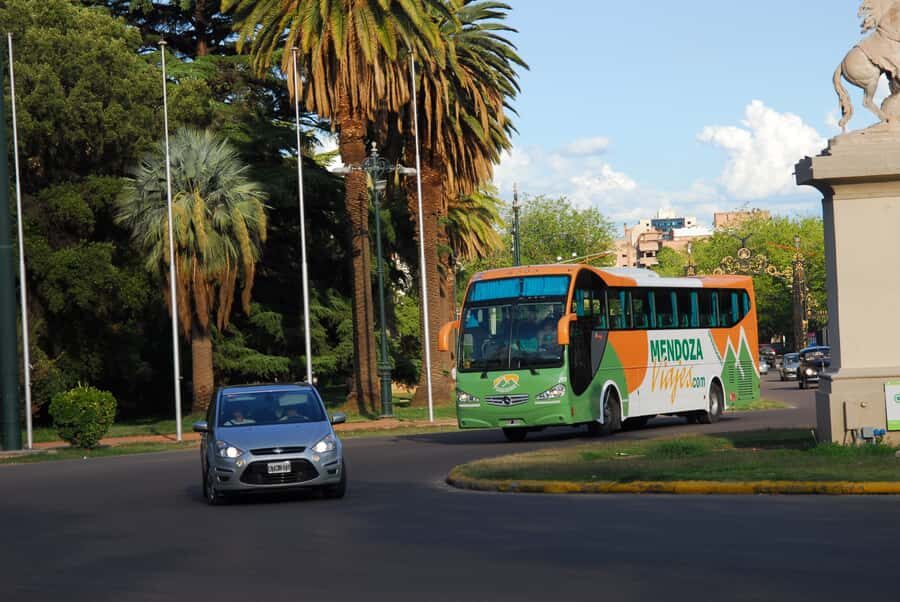
The tour begins with a downtown orientation you can actually use later. First stop is La Alameda, a foundational area that sets the tone for the city’s layout and “green-civic” vibe. It’s the kind of place where you’ll start noticing Mendoza’s pedestrian feel—wide sidewalks and traditional street trees that make the city walkable.
From there, you’ll head to the Foundational Area: Plaza Pedro del Castillo. This is where the story of Mendoza starts to feel grounded in a specific place, not just a general timeline. You’re not just looking at buildings; you’re learning how the city’s identity formed around key public spaces.
A small detail that I appreciate here is that the route also includes the Aquarium along the way. It’s not a “major landmark” in the history sense, but it helps break up the route so the tour feels like real city life, not only monuments and plaques. You get a better sense of how locals move through Mendoza day-to-day.
You can also read our reviews of more city tours in Mendoza
Independence Square, Memorial, and the Civic District: The City’s Message
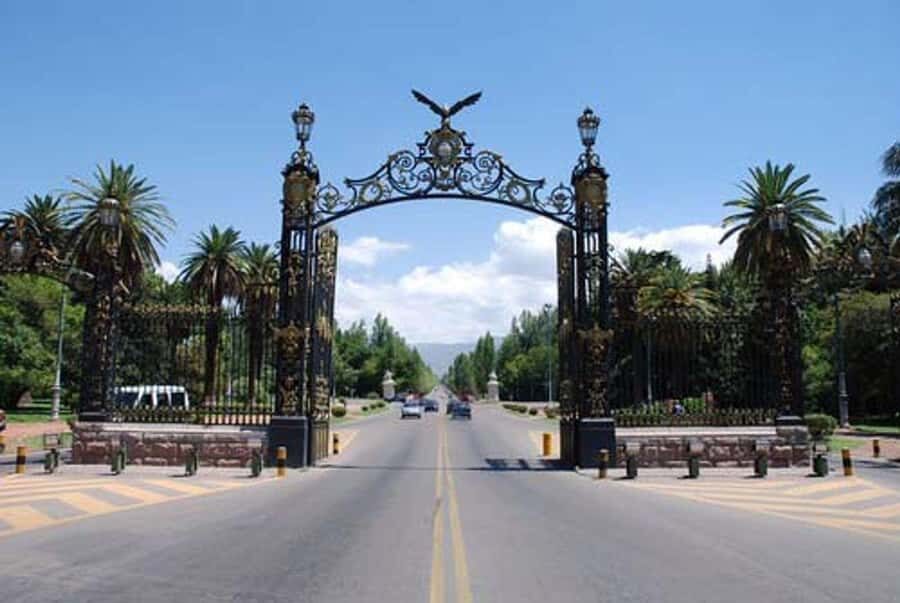
After you’ve got your bearings, the tour shifts into what I call Mendoza’s “civic spine.” You’ll pass through major downtown avenues and make stops around Independence Square and the Memorial. These places are ideal for a guided explanation, because the meaning behind a square or monument often isn’t obvious from the street.
Then comes the Civic District and Emilio Civil Avenue. Even if you don’t memorize everything the guide shares, you’ll come away with an understanding of how Mendoza organizes its public institutions and how architecture and planning reflect priorities.
One practical bonus: since this is a short half-day, you’re less likely to get bored. Monuments and squares can start blending together on big city tours, but Mendoza’s route keeps moving and layers the story. It helps you make connections between the green spaces you’ll see next and the civic spaces you just learned about.
San Martín Park: Mendoza’s 500-Hectare Green Lung
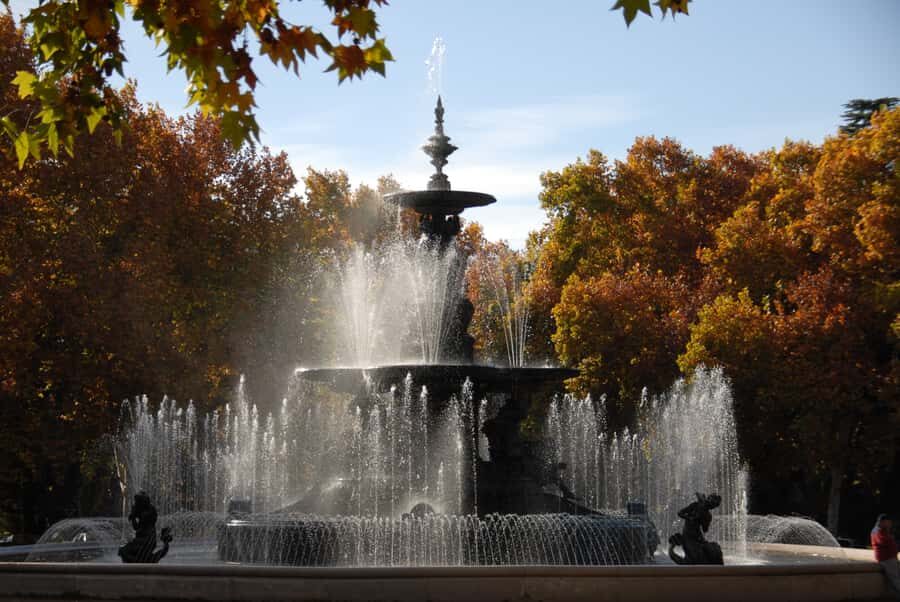
If there’s one stop that turns this from a simple drive-by tour into a memorable experience, it’s General San Martín Park. The tour is designed around time here—about 500 forested hectares—so you don’t feel like you’re only stepping into it for photos.
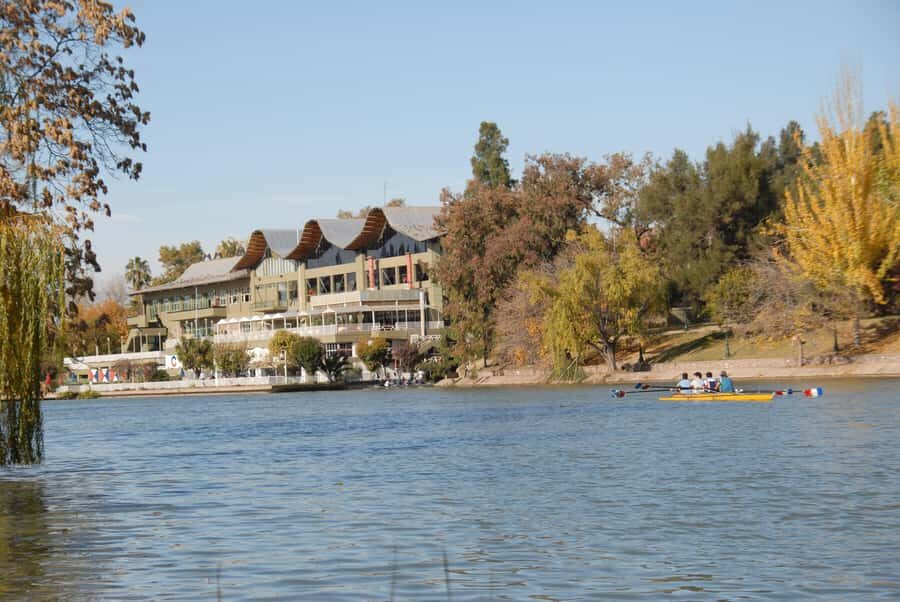
This park is made for walking. You’ll go through little groves, and you’ll also see the rose garden and the lake area. That mix matters. It gives you variety in short time: shaded spots for a slower pace, and more designed garden areas that feel like Mendoza has been intentionally shaping nature into something usable and beautiful.
What I like about this stop is that it doesn’t just say Mendoza is green. It shows it. In Mendoza, the story of growth is tied to turning dry land into something livable. A guide who connects that idea to what you’re seeing makes the park feel like part of the bigger picture rather than a break from the “real sightseeing.”
What to watch for inside the park
You’ll likely be moving at a comfortable walking pace, but expect some uneven ground and garden paths. Wear shoes you don’t mind getting slightly dusty, especially if it has been dry recently. And if you’re the type who enjoys small details, look for how the park’s layout creates quieter pockets—those groves can feel like a different mood from the wide city streets you just left.
Jesuit Ruins of San Francisco (1716–1731): Architecture With a Time Stamp
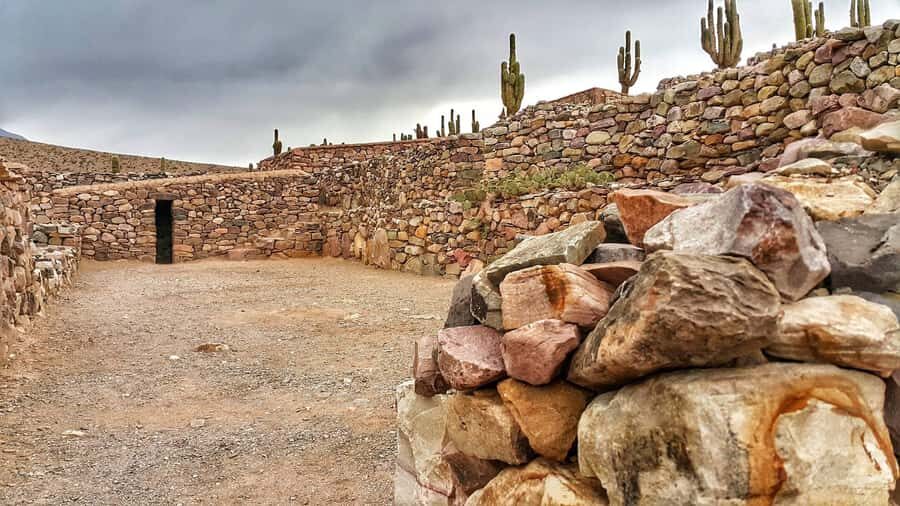
Next comes the historical weight: the old Jesuit Ruins of San Francisco, built between 1716 and 1731. Even when you don’t know much about Jesuit history, ruins like these are readable. You can see how the site was designed and how the buildings were meant to function as part of a larger religious and community system.
This stop is valuable because it pulls the tour beyond “modern Mendoza impressions” and gives you one of the region’s stronger historical anchors. It’s the difference between seeing Mendoza and understanding how people shaped Mendoza.
In a short half-day tour, ruins can feel like a quick photo stop. Here, the aim is to explain what you’re looking at—how the construction fits the period and what kind of influence these Jesuit sites represented. It’s one of the best chances on the route to slow your thinking for a moment.
A few more Mendoza tours and experiences worth a look

Cerro de la Gloria and the Greek Theater: Monuments After the Climb
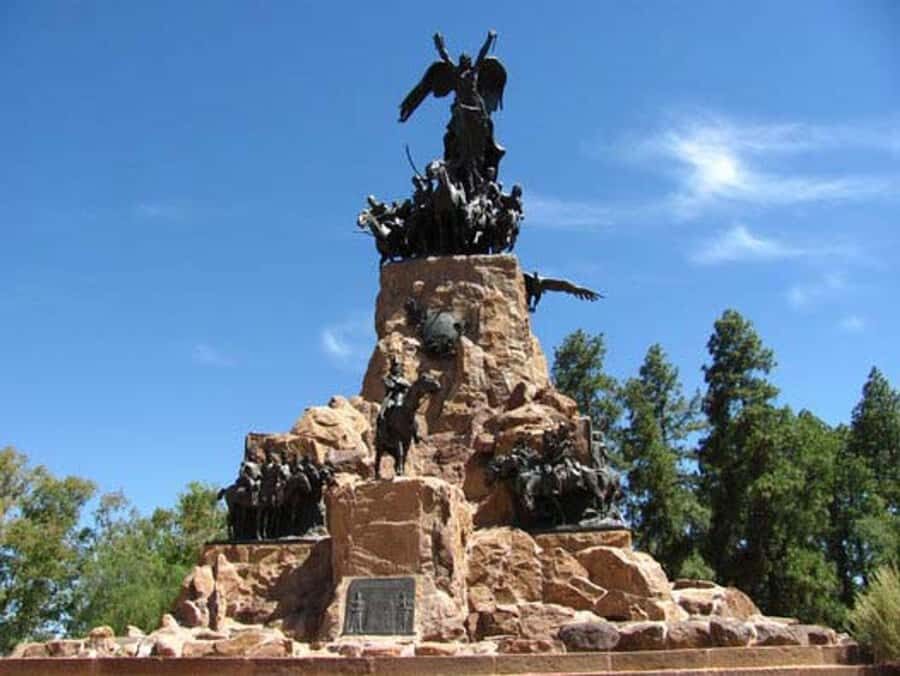
The final major “wow” move is Cerro de la Gloria, where you’ll see the monument linked to the Liberation Army of Chile and Peru. This is the kind of stop that helps explain regional identity, not just local pride. Monuments like this are built to communicate a story across generations, and being on-site makes that more real.
It’s also where the tour adds a cultural contrast. Within a short distance, you’ll reach the Frank Romero Day Greek Theater. The name alone signals a different chapter—Mendoza isn’t only preserving old stones. It’s also staging culture and performances in spaces built for community and art.
A quick reality check
Cerro de la Gloria involves an ascent. If you’re not comfortable with hills, plan to take it slow and use the guide’s timing. This isn’t an all-day hike, but it’s not a flat walk either.
Price and Value: Is $28 a Smart Spend?
At $28 per person for a 3-hour guided tour, I think the value is strongest in three areas:
First, you’re paying for city orientation without the stress of figuring out routes on your own. The stops are designed to show the city’s structure: downtown squares, civic areas, and key transitions to the park and monument zones.
Second, you get round-trip transportation and hotel pickup/drop-off in Mendoza Town. In a place where distances can add up, that convenience can easily be worth more than the difference between self-guided and guided.
Third, the tour isn’t built around pricey add-ons. Museums aren’t included, and food isn’t included, so you’re not getting forced into ticket costs. You’re paying for what’s included: transportation, a local guide in Spanish, and the option for bilingual guidance depending on what you select (Spanish/English or Spanish/Portuguese).
Where you might feel the trade-offs
Because it’s half-day, you won’t get deep, museum-level time anywhere. If you want to spend an hour inside one place, this format won’t match that. But if you want a strong overview and a solid set of places you can revisit, this price makes sense.
Timing Tips That Actually Help (Hotel Pickup and the 3-Hour Window)
This tour runs about 3 hours, but the real timing depends on your pickup. The departure time refers to the meeting point in Sarmiento, and you should allow an extra 30-minute window for hotel pickup.
That matters because Mendoza pickup systems are not always perfectly rigid. If you plan too tightly around it—like booking a restaurant right at pickup time—you’ll likely end up stressed. Treat pickup like an open slot, and keep your next commitment flexible.
Also note that the tour end time can shift due to transit issues or mountain blocks. That’s not unique to Mendoza, but it’s worth accepting up front. If you have a hard appointment after your tour, give yourself a buffer.
What to Bring and What to Expect Day-of
Bring a passport or ID card. The tour doesn’t mention any specific age limits, but it does state that luggage or large bags aren’t allowed. So if you’re traveling with a backpack load, keep it manageable.
Wear comfortable walking shoes. You’re spending time outdoors in San Martín Park and you’ll handle an ascent to Cerro de la Gloria. If you tend to get cold quickly, bring a light layer—conditions can shift between city streets and park areas.
Language-wise, the tour is guided and can be multilingual: Spanish is part of the setup, and you can get bilingual guidance depending on your selected option (Spanish/English or Spanish/Portuguese). The experiences I’ve heard about emphasize how helpful translation is when a group includes different languages.
Who This Tour Fits Best in Mendoza
This half-day works especially well if:
- You’re in Mendoza for a short time and want a good orientation quickly
- You like walking through parks and public squares more than museum-only itineraries
- You want history that’s tied to specific sites (Jesuit ruins and monument stops)
- You’re traveling with mixed-language companions and want translation support
It’s less ideal if:
- You need long, quiet time inside museums
- You want a slow, flexible pace with lots of free time
- You have mobility constraints (the tour notes it’s not suitable for people with mobility impairments)
Should You Book This Half-Day Sightseeing Tour?
I’d book it if your goal is practical: learn how Mendoza is laid out, see its biggest public highlights, and get a guided explanation in just a few hours. The standout ingredient is San Martín Park—you get real time there, not a quick stop. The historical layer (the Jesuit Ruins of San Francisco from 1716–1731) plus the monument focus at Cerro de la Gloria gives the tour more meaning than a simple sightseeing loop.
Skip it if you’re hoping for a deep museum day or you can’t manage uneven park paths and the Cerro ascent. Also, if you’re very sensitive to guides improvising explanations on the spot, be aware that short tours sometimes require quick adjustments in real time.
If you want a smart first pass at Mendoza—green, civic, and historic—this is one of the better half-day choices.
FAQ
How long is the Mendoza half-day sightseeing tour?
It lasts about 3 hours.
What does the tour cost?
The price is $28 per person.
Where do hotel pickups happen?
Pick-up and drop-off are included for hotels in Mendoza Town. The departure time refers to the meeting point in Sarmiento, so hotel pickup can add extra time.
What places are included in the sightseeing route?
You’ll visit downtown landmarks and areas such as La Alameda and Plaza Pedro del Castillo, then San Martín Park, and finish with stops including Cerro de la Gloria and nearby Frank Romero Day Greek Theater. The highlights also include the old Jesuit Ruins of San Francisco (1716–1731).
Are museum tickets included?
No. Entrance to museums isn’t included.
Is food and drink included?
No. Food and drinks aren’t included.
What languages are available for the guide?
The tour includes a local Spanish guide, and bilingual guides are available in Spanish/English or Spanish/Portuguese depending on the selected option.
What should I bring for the tour?
Bring your passport or ID card.
Is luggage allowed?
No. Luggage or large bags are not allowed.
Is the tour refundable if I cancel?
Yes. There is free cancellation up to 24 hours in advance for a full refund.