REVIEW · CAFAYATE
From Salta: Local Landscape, Winery, and Culture Tour
Book on GetYourGuide →Operated by TIAMAR TRAVEL EVT · Bookable on GetYourGuide
Salta’s colors start before you even leave town. I love the hit-you-in-the-eyes scenery, from Lerma Valley tobacco country to the dramatic red rock names like Devil’s Throat and Parrots’ House. I also love the practical payoff of stopping at a Cafayate winery for an Argentina-focused tasting, including Torrontés. One tradeoff to plan for: you’ll spend time on dirt roads, so it’s not a great fit if you have back issues.
This tour strings together big “wow” moments with real context. You get a certified bilingual guide, hotel pickup/drop-off, and AC minivan transport so you can focus on where you are instead of logistics.
The best part is the variety: vineyards, canyon roads, cactus park country, colonial towns, Inca ruins, and finally the salt flats. Just don’t expect lunch included every day.
In This Review
- Key moments you’ll actually remember
- Day 1: Lerma Valley farms, Devil’s Throat stops, and Cafayate Torrontés
- Day 2: Route 33, Cuesta del Obispo, Los Cardones cactus park, then Cachi colonial streets
- Day 3: Purmamarca colors, craftsmen in the square, and Tilcara’s Inca roots at Pucará
- Day 4: UNESCO Quebrada de Humahuaca and the Salinas Grandes salt flats
- Price and value: is $130 a smart deal for 4 days?
- Who this tour fits best (and who should skip it)
- Practical tips before you go
- Should you book this From Salta: Local Scenery, Winery, and Culture Tour?
- FAQ
- How much does the tour cost?
- How long is the tour?
- What’s included in the price?
- Is lunch included?
- Do you pick up from hotels?
- Is the tour okay if I have back problems?
Key moments you’ll actually remember
- Torrontés tasting in Cafayate: learn how locals make and talk about their wine, not just stand near a label
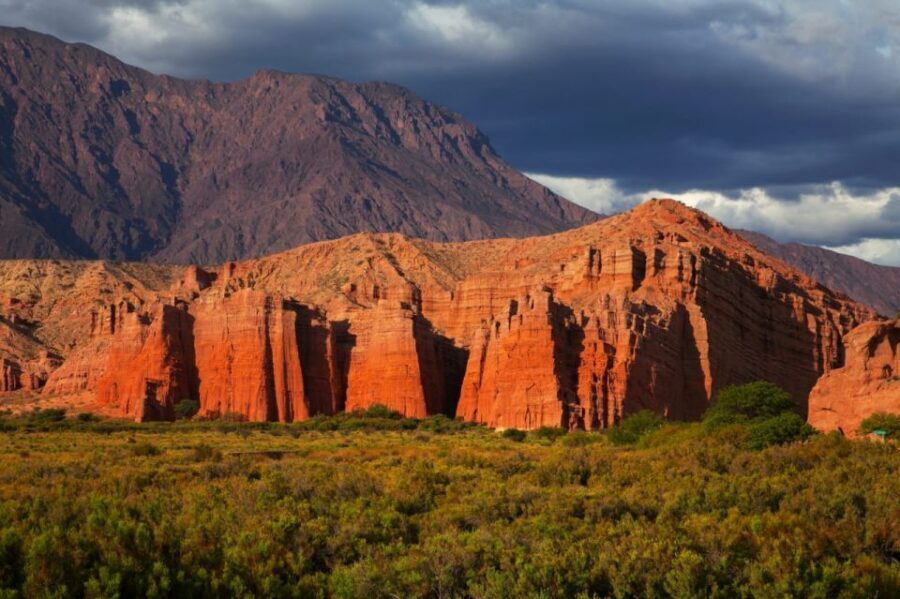
- La Quebrada de las Conchas-style views: red rock formations and canyon roads that make photos look better than expected
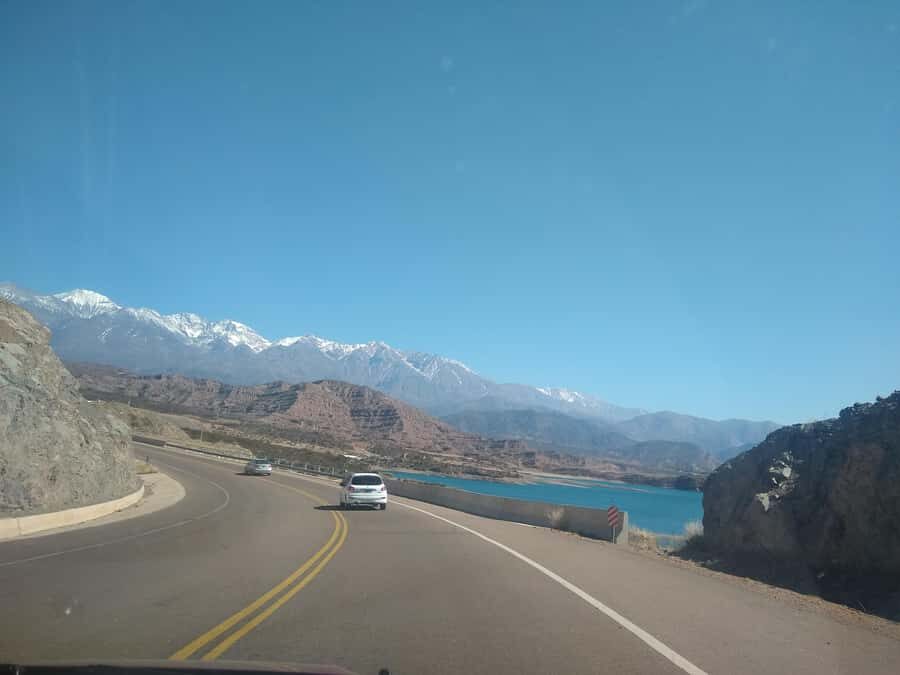
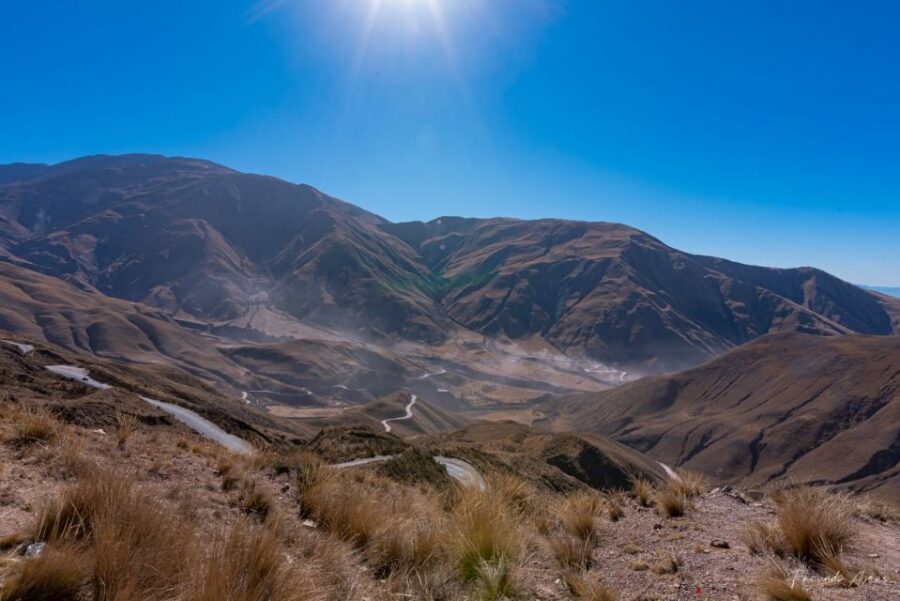
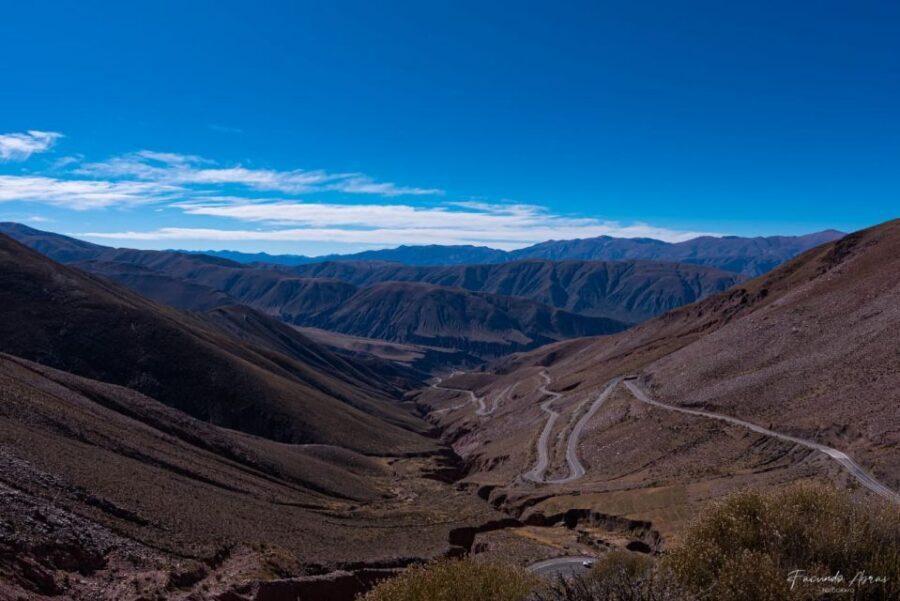
- Cuesta del Obispo and Cuesta del Lipán: winding drives where the scenery changes fast enough to keep you awake
- Parque Nacional de los Cardones: cardon grande cactus country that feels like another altitude or planet
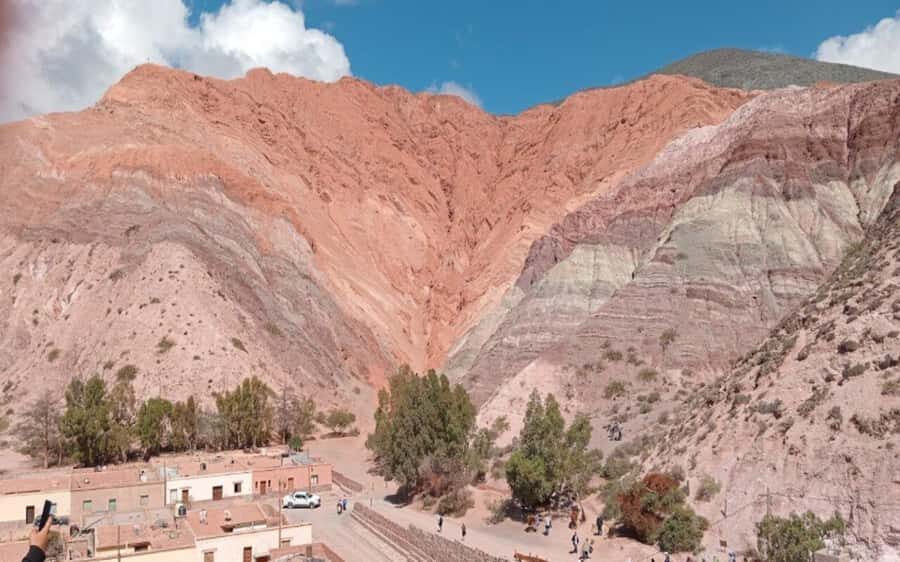
- Hill of 7 Colors in Purmamarca: the Andes do color grading for you, especially around town
- Salinas Grandes salt planes: free time to admire the salt flats and their famous pools
Day 1: Lerma Valley farms, Devil’s Throat stops, and Cafayate Torrontés
You start with hotel pickup in downtown Salta and settle into an air-conditioned minivan. The route heads out through the Lerma Valley, where farms and tobacco plantations spread across the scenery. It’s a good warm-up day because it sets the tone: Salta province isn’t just mountain views. It’s agriculture, rock, and communities living at different altitudes.
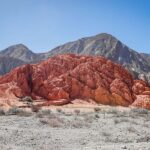
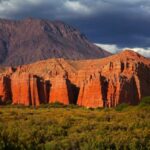
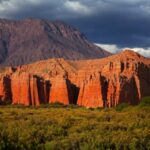
Then you pass through Alemania and start seeing the famous red formations along the way. Two named stops are Devil’s Throat and Parrots’ House. You don’t need a geology degree to enjoy them—these are the kind of pull-off views where the shapes look different depending on where you stand and how the light hits.
Cafayate is where the tour slows down in a useful way. Instead of rushing straight through, you visit a winery and get the local wine story at human scale. You’ll sample different wines, with Torrontés as a highlight. If you’ve only had white wine on autopilot at home, Torrontés is a smart wake-up call. It’s a reminder that Argentina’s wine culture is not one-note, and the tasting helps you connect flavor to place.
After the winery, you drive back toward Salta. The big value here is variety in a single day: vineyards and canyon-road views back-to-back. Wear layers. Even if it’s comfortable at the start, you’ll feel temperature shifts as you go up and down.
You can also read our reviews of more wine tours in Cafayate

Day 2: Route 33, Cuesta del Obispo, Los Cardones cactus park, then Cachi colonial streets
Day two leans hard into roads and scenery. You travel along Provincial Route 33, with dramatic moments around the Escoipe river gorge and the Los Laureles area. These are the kinds of views where you realize how much of the experience is the drive itself, not only the final stop.
Next comes Cuesta del Obispo. This is the winding road section, with rock formations near the summit that make the route feel like a slow-motion postcard. You’ll want your camera accessible, because stopping points tend to be quick.
Then you enter Parque Nacional de los Cardones, named for its abundance of cardon grande cactus bushes. This is one of those experiences where the scenery is specific—these aren’t generic desert cacti. You’ll see the park’s personality in the way the cactus landscape stretches and repeats, almost like a grid drawn by nature.
From there, you reach Cachi. This is the day’s change of pace: time to explore and decide how you want to use lunch. Lunch costs aren’t included, but you have flexibility. After lunch, you can roam the town’s colonial architecture and pop into the church in the Central Plaza or check out a museum devoted to local history.
Cachi is also a good place to slow down mentally. After a day built around roads and viewpoints, you get to walk streets and see how daily life sits alongside the scenery. If you like travel that balances photos with people, this stop lands well.
Day 3: Purmamarca colors, craftsmen in the square, and Tilcara’s Inca roots at Pucará
Day three is centered on the Andean towns around the scenic hills and Inca sites. You start with Purmamarca, with the Hill of 7 Colors rising behind the town. The timing and angle matter here. Even without knowing the science, you can feel it: as you look around, the hill’s shades seem to shift with the light.
Purmamarca’s main square is a practical bonus. You can browse and see local craftsmen at work or sell directly from stalls. If you enjoy souvenirs that feel connected to the place, this is the better moment to shop rather than trying to hunt later under time pressure.
You also visit the church in town, which ties you to local history rather than just scenic stops. Then you get lunch break time in town. Since lunch isn’t included, plan to grab something simple and filling so you’re ready for the afternoon walking.
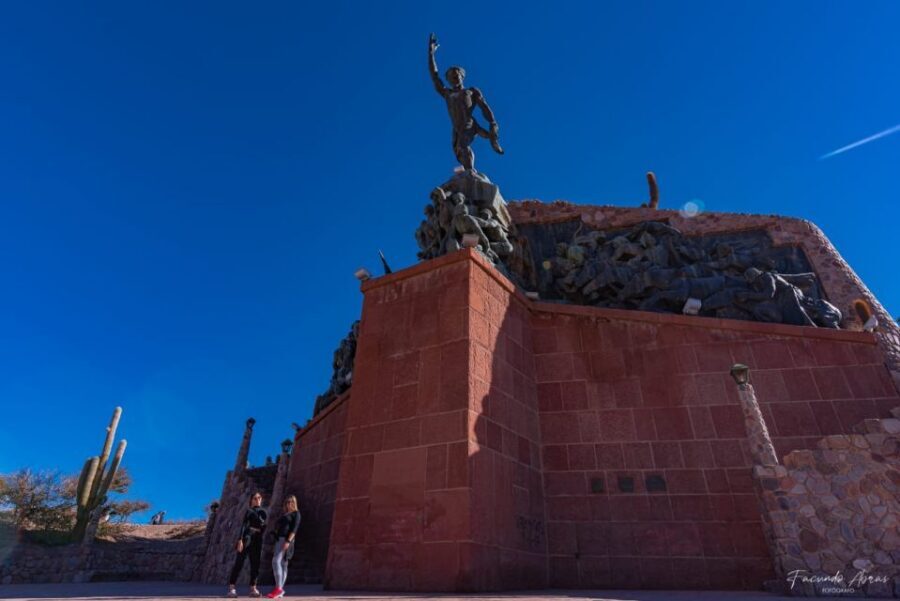
From the road, you’ll also see Paleta del Pintor (a painted-palettelike hill) and the Monumento de la Independencia. Next is a chapel built 700 years ago, with an altar covered in gold. That detail alone makes the stop worth it because it connects the religious architecture to the long timeline of the region.
Then you see priceless paintings of the Cusco School, plus a small monument marking the Tropic of Capricorn. That combination is a neat reminder that this part of Argentina sits at the crossroads of Andean and South American cultural history.
The day continues to Tilcara. You walk around Tilcara’s main square and church, then reach Las Ruinas Incaicas del Pucará de Tilcara. The site also includes a museum where you learn about the people who first lived on the location. It’s not just “here are stones.” You get a basic human backstory, which makes the ruins easier to understand.
You end the day back in Salta. This is the kind of route day where comfortable shoes matter. Even if the walks are not long, the altitude and sun can make everything feel like more work than it looks on a map.
Day 4: UNESCO Quebrada de Humahuaca and the Salinas Grandes salt flats
Day four stretches your view of the region beyond Salta’s local towns and into one of Argentina’s best-known historic corridors. You head toward Jujuy, passing through Volcán and Tumbaya. The next big stop is the UNESCO World Heritage Site of Quebrada de Humahuaca, once a major trade route thousands of years ago.
That trade-route detail matters. It explains why you see a line of towns and cultural landmarks rather than isolated “attractions.” You’re traveling through a corridor that people have used for a very long time, which gives the scenery context. It’s not only pretty rock walls and road lines. It’s a route with memory.
After that, you return to Purmamarca. If you missed the main square moment earlier, you’ll have time to enjoy it now. There are also craft stands if you want to do more shopping.
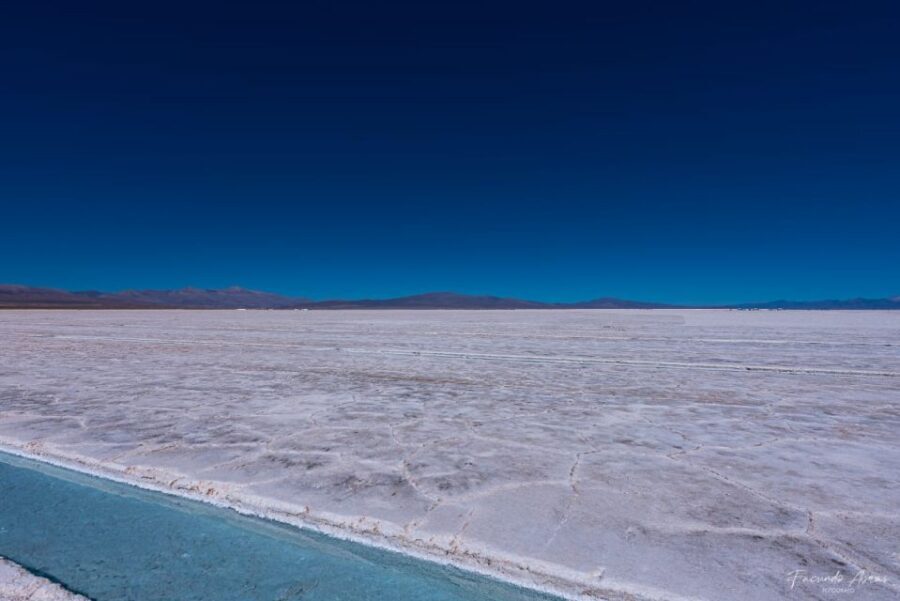
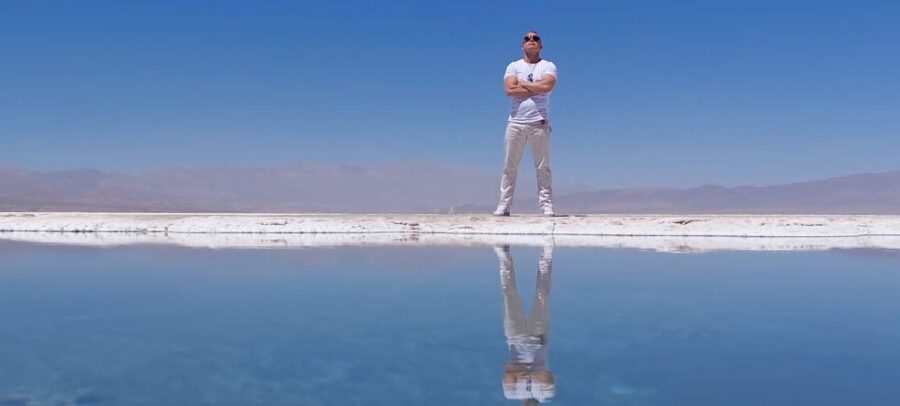
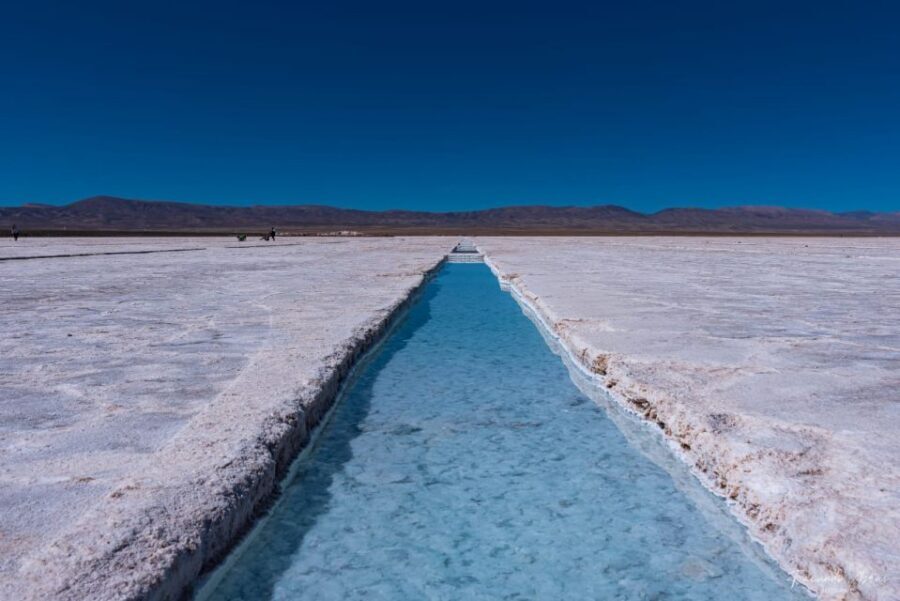
Then you tackle more high-country scenery with the Hill of 7 Colors again and the Cuesta del Lipán ascent. From there, you reach Salinas Grandes, considered one of the 7 Wonders of the Argentine Republic. You’ll have free time to admire the salt plains and famous pools.
This part is special because the setting is totally different from everything you saw earlier. You’re going from cactus park and colonial town textures into an open, bright salt world. If you like photography, plan for it. If you like just standing and watching, you can do that too. The free time is what makes Salinas Grandes work as a final-day highlight.
Lunch in Purmamarca is back on the table, again with lunch costs not included. After exploring, you return to Salta.
Price and value: is $130 a smart deal for 4 days?
At $130 per person for a 4-day tour, the value mostly comes from what’s bundled. You’re getting hotel pickup/drop-off, transport in an air-conditioned minivan, a certified bilingual guide, and winery entry in Cafayate. In other words, you’re paying for the “connective tissue” that makes the region manageable.
The not-included part is important: lunch isn’t included. That means you should budget for meals each day. Also, you’re paying for guided access and pacing, not just a self-drive route. If you don’t want to coordinate roads, timing, and stops by yourself, the package is easier on your stress level and time.
Where you’ll feel good about the price is if you enjoy mixing guided interpretation with lots of stops. The tour packs in major scenic roads, multiple towns, and key cultural moments, and it keeps the logistics handled so you can focus on the views.
If you’re the type who wants long unbroken time at one spot, you might prefer a slower plan. But if you want to see a lot of Salta province with guidance and minimal planning, this tour offers solid value.
Who this tour fits best (and who should skip it)
This is a great match if you want a road-based sampler of Salta and nearby Jujuy highlights: winery tasting, canyon drives, cactus park scenery, colonial towns, Inca ruins, and salt flats.
It’s less ideal if:
- you have back problems (the route includes about 2 hours on low-quality dirt roads and about 2 hours on highway on the way back)
- you hate time in a van, even with air-conditioning
- you’re traveling with needs that require a more flexible, personalized schedule (the tour order can change based on availability)
Good news: the guide is bilingual (English and Spanish), and the pickup is designed around downtown hotels, so you don’t have to guess where to meet.
Practical tips before you go
Bring passport or ID card. Wear comfortable clothes, and think in layers. You’ll be moving through varying altitudes and conditions, especially with summit roads and open salt flats later.
Also, don’t leave the day-to-day details to chance. Since lunch isn’t included, decide ahead of time how you want to handle food: a hearty early meal and a snack strategy can help you enjoy the walking stops without getting stuck looking for something last minute.
Finally, this tour is not for unaccompanied minors, and kids under 2 can travel for free if they don’t take a separate seat.
Should you book this From Salta: Local Scenery, Winery, and Culture Tour?
If you want a guided 4-day mix of Cafayate wine tasting, major Andean towns, and the big-name scenery around Salta and Jujuy, I’d book it. The structure is built for variety: each day changes the setting while still keeping the region coherent.
I’d only hesitate if you’re very sensitive to rough road time or you need long breaks without moving. Otherwise, it’s one of those trips where you end the week with lots of distinct memories—from gold-altar chapel moments to salt flats pools—without having to plan every road stop yourself.
FAQ
How much does the tour cost?
It costs $130 per person.
How long is the tour?
The duration is 4 days. Starting times vary, so you’ll need to check availability for exact times.
What’s included in the price?
Pickup and drop-off at downtown hotels, transportation by air-conditioned minivan, a certified bilingual guide (English/Spanish), and entry to a winery are included.
Is lunch included?
No. Lunch is not included.
Do you pick up from hotels?
Yes. Pickup is included from downtown hotels, and pickup happens within 40 minutes after your chosen start time. You should be ready at your hotel accordingly.
Is the tour okay if I have back problems?
It’s not suitable for people with back problems because the trip includes around 2 hours on low-quality dirt roads and about 2 hours on the highway on the way back.