REVIEW · CAFAYATE
From Salta: Cafayate, Salinas Grandes, & Hornocal Tour
Book on GetYourGuide →Operated by TIAMAR TRAVEL EVT · Bookable on GetYourGuide
You don’t go to Salta for slow travel. You go for color in the mountains and salt flats that look fake. I especially like the Torrontes winery visit and the way the route strings together UNESCO scenery with real regional culture. The big trade-off is timing: these are long days, plus low-quality dirt roads and an early 6:30 am start for Hornocal.
This is a 3-day natural-and-culture loop run by TIAMAR TRAVEL EVT, built around hotel pickup in Salta and a Spanish-speaking guide. You’ll see red rock shapes around Cafayate, then climb into the Quebrada de Humahuaca region for Purmamarca and the Hill of Seven Colors, then finish with Hornocal’s striped ridges. You also get multiple free-time windows—use them well, because food options aren’t the main event.
At $128 per person, the value is mostly in the logistics: pickup (within 15 blocks of Plaza 9 Julio), transportation, and a guide for days of road time. Food isn’t included, so you’ll plan around snacks and late lunches. Also note this tour is only available in Spanish when it comes to Hornocal.
In This Review
- Key things to know before you go
- Why these stops fit together so well
- Price and logistics: where the $128 really goes
- Pickup windows and the Hornocal meeting point at 6:30 am
- Day 1: Salta to Cafayate, tobacco country, and red-rock stops
- Day 2: Purmamarca, Hill of Seven Colors, and Salinas Grandes time
- Day 3: Quebrada de Humahuaca sights and Hornocal’s striped ridges
- Food, breaks, and what to pack for the long road
- How the guide experience changes the trip
- Should you book it?
- FAQ
- How much does the Salta to Cafayate, Salinas Grandes, and Hornocal tour cost?
- How long is the tour?
- What’s included in the price?
- Is food included?
- What language is Hornocal offered in?
- Where do I need to be for the Hornocal pickup?
- Do I need to travel with identification?
- Is the tour suitable for everyone?
Key things to know before you go
- Hornocal is Spanish-only and has a strict meeting point at Caseros 420 at 6:30 am
- Salinas Grandes gets real free time, including a look at the famous pools
- Purmamarca is your easy anchor day: craft stands, main square time, and the Hill of Seven Colors
- Long days mean you’ll want snacks for the gaps between stops
- The drive includes dirt roads, so this isn’t a great fit if you have back issues
- Pickup is limited: only hotels within 15 blocks of Plaza 9 Julio in Salta
Why these stops fit together so well
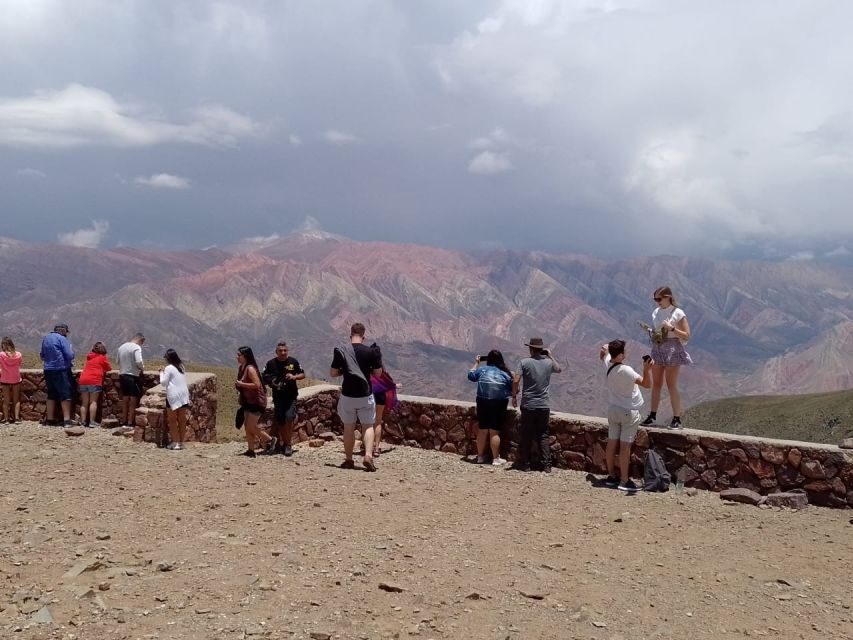
This tour works because it follows the shape of the Andes and the culture that grew around them. You start in Salta, then head south toward Cafayate, where the rock colors and volcanic-style formations start to show. Day by day, the scenery shifts—from tobacco farms and red cliffs to salt flats and then striped mountain ridges in the Jujuy region.
You also get a strong “contrast” effect. Day 1 shows you one type of terrain around Cafayate and the surrounding red formations. Day 2 turns into a high-altitude village + salt-flat day. Day 3 brings you back through the Quebrada de Humahuaca corridor with Humahuaca’s main sights and then a short, early stint at Hornocal.
That mix is great if your time in the Salta region is limited. It’s not the best choice if you want to slow down and linger. It’s a good fit if you want a fast, guided sampler of northern Argentina’s signature geographies.
You can also read our reviews of more tours and experiences in Cafayate.
Price and logistics: where the $128 really goes
At $128 per person, you’re paying for three full days of transportation plus a guide. Hotel pickup and drop-off are included, but only from hotels located within 15 blocks of Plaza 9 Julio. That matters because it affects how painless the start will feel.
The other “hidden” cost is food and drinks. Lunch timing can be late, and food is not included. One practical move: plan to carry snacks for the long stretches, especially if you’re sensitive to long gaps between meals.
The tour also includes travel through low-quality dirt roads. That’s not a small detail in this region. It affects comfort, patience, and sometimes motion sickness. If you’re the type who likes a smooth ride, you’ll want to settle expectations before you go.
Pickup windows and the Hornocal meeting point at 6:30 am
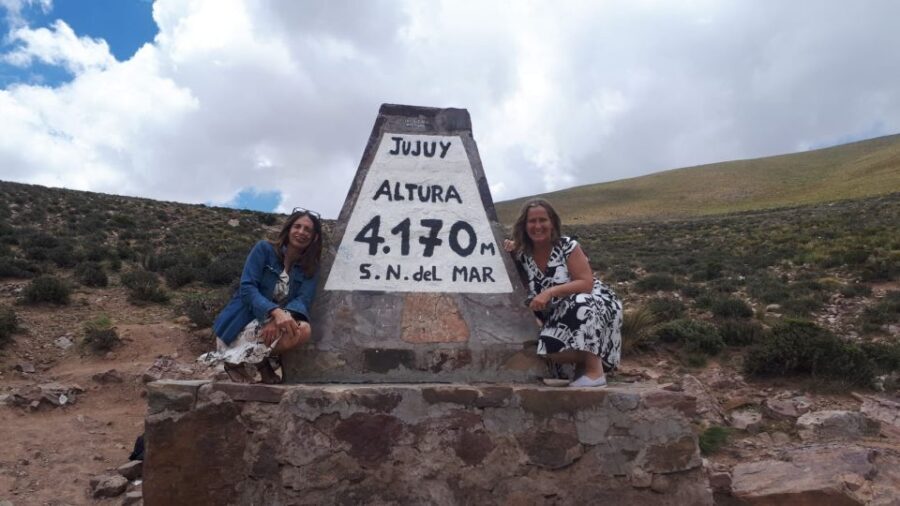
Hornocal is the logistical spike in this itinerary. The tour to Hornocal starts at 6:30 am, and the meeting requirement is clear: you must be at the Tiamar Travel Agency Office, Caseros 420. Because it’s the longest excursion, the driver doesn’t want to waste time hunting for pickups.
If you’re staying near Plaza 9 Julio, your other days are easier. Pickup and drop-off are included only within 15 blocks of Plaza 9 Julio. So do your math before booking if your hotel is farther out.
Also keep in mind that the order of excursions may change depending on availability. The core pieces—Cafayate, Salinas Grandes, Purmamarca, Hornocal, and the Quebrada de Humahuaca stops—are the spine of the trip, but the day-by-day order can shuffle.
Finally, language matters. The Hornocal portion is only available in Spanish. The overall tour notes English and Spanish as languages, but Hornocal is the part where you should expect Spanish only.
Day 1: Salta to Cafayate, tobacco country, and red-rock stops
Day 1 starts when you leave Salta and head south along Provincial Route 68. Right away, you see the Lerma Valley farms and the tobacco plantations. You’ll also catch sight of adobe and clay tobacco chimneys—both newer and older ones. It’s not just scenery here. It’s a snapshot of how agriculture shapes the valley.
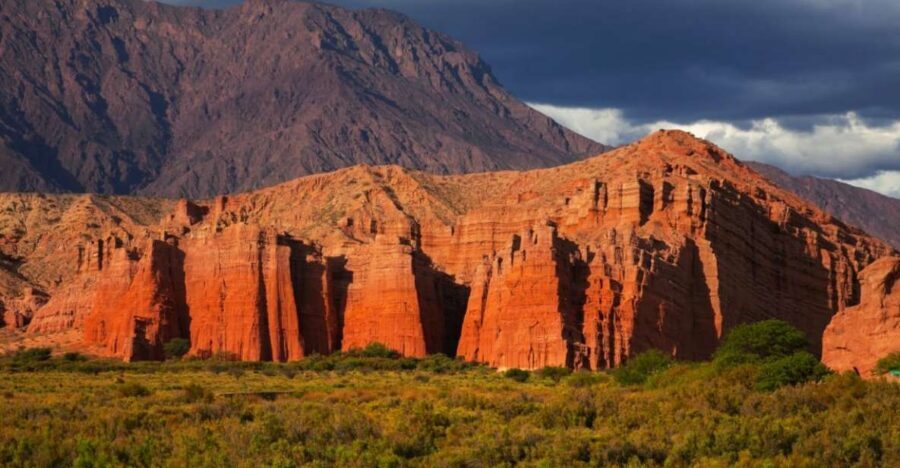
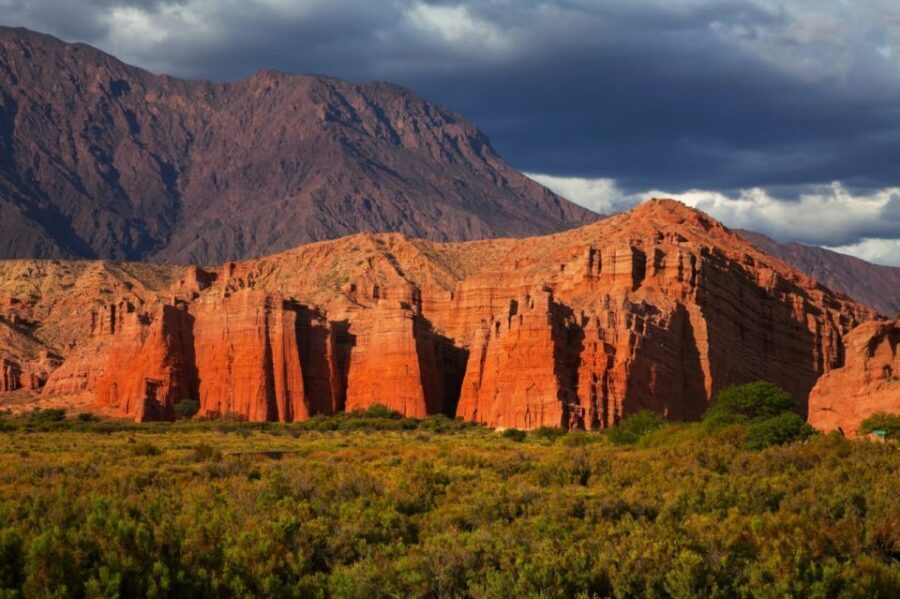
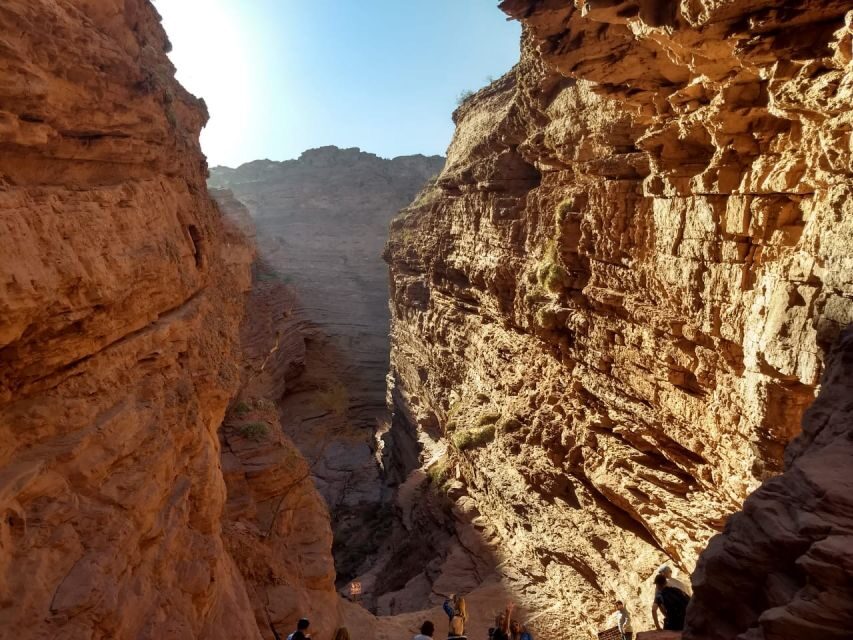
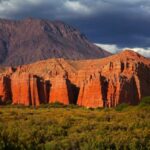
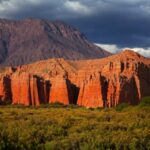
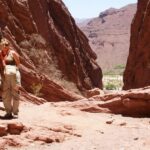
Then you pass through the town of Alemania and shift into dramatic red mountain and rock territory. The stops include formations like the Devil’s Throat and House of the Parrots. These names aren’t just catchy marketing. They’re useful mental markers for what to look for when the guide points things out—shapes, color layers, and the way the rock formations stand out from the road.
You arrive in Cafayate and your day pivots to wine. You’ll visit a winery where you learn about wine production and the famous Torrontes grapes. This stop is one of the best “value-adds” on the tour because it turns natural scenery into a taste of local life. Even if you’re not a wine expert, the production story helps you connect the landscape to the product.
After lunch, you return to Salta using another route. That choice is smart. It keeps the day from repeating the exact same terrain twice, and it helps you notice how the region can look totally different within the same general travel corridor.
Day 2: Purmamarca, Hill of Seven Colors, and Salinas Grandes time
Day 2 starts with pickup in Salta and a drive toward Jujuy, passing through towns like Volcán and Tumbaya. Your first big stop is Purmamarca, set inside the Quebrada de Humahuaca UNESCO area. The guide builds context here—history and culture—before you do the fun parts.
Purmamarca is where you get a gentle cultural warm-up. You’ll visit the main square and have time to buy souvenirs at craft stands. This is a good moment to slow down your brain. After the long drive, it’s a short circuit of local life.
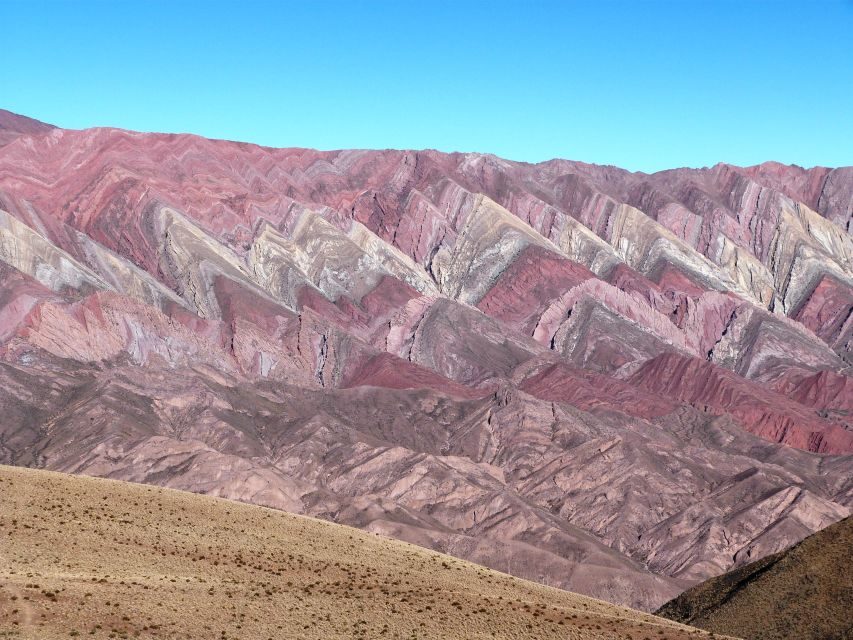
Then comes the star: the Hill of Seven Colors. You’ll likely get your best close-up views from the right angles during the ascent. The guide can help connect the striping to the geology and how the colors shift with light.
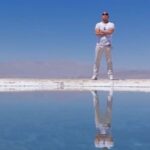
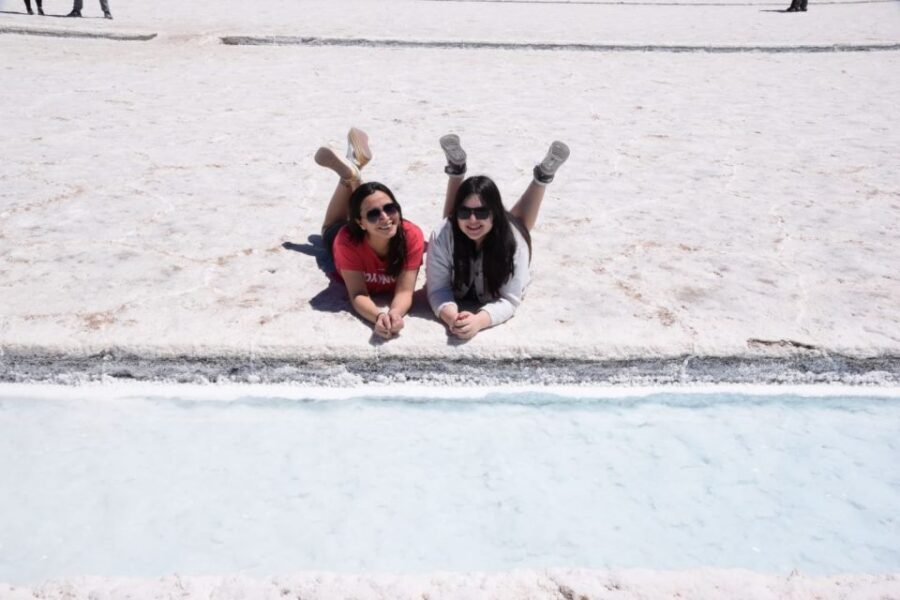
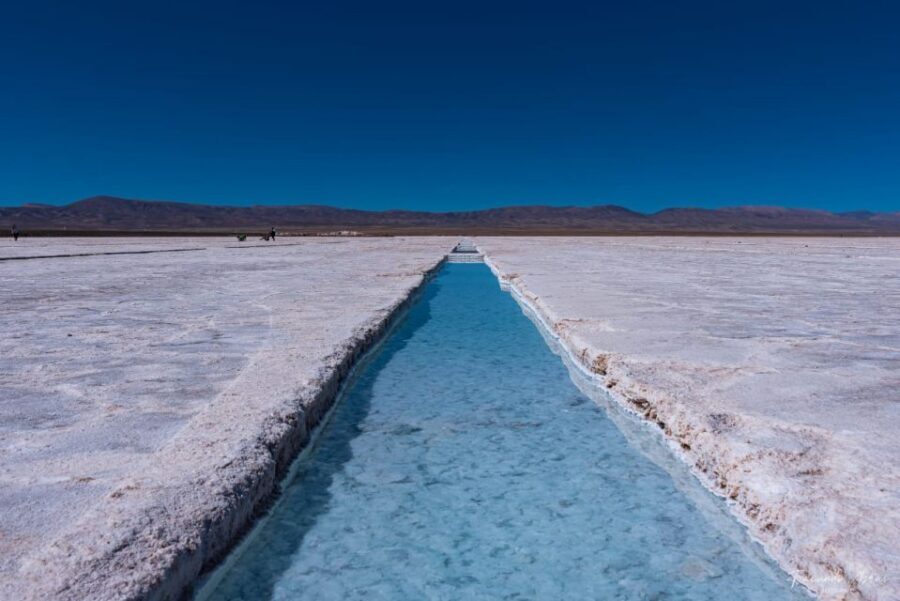
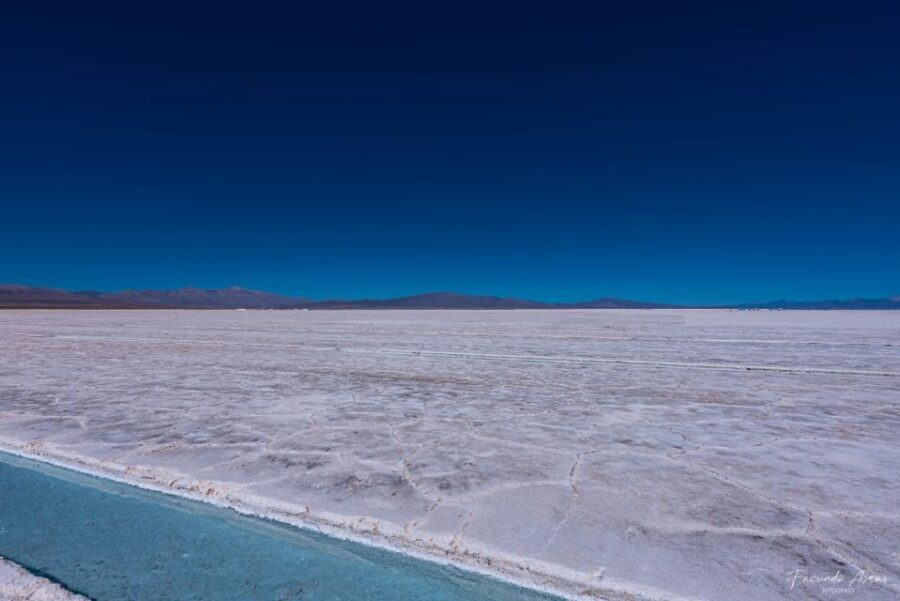
After that, you continue along the Cuesta del Lipan to reach Salinas Grandes, known as one of the 7 Wonders of the Argentine Republic. The salt flats can feel surreal—like you stepped into a giant white stage set. What you get here is not a quick photo stop. You get free time to admire the salt flats and check out the famous pools.
Afterward, you head back to Purmamarca for lunch time and then return to Salta. This is also where you’ll want to manage expectations about meals. Food isn’t included, and lunch timing can be late on multi-day road trips like this.
Day 3: Quebrada de Humahuaca sights and Hornocal’s striped ridges
Day 3 is built around National Route 9 through Quebrada de Humahuaca. You’ll travel in an air-conditioned van, then pause for sightseeing and short free-time blocks.
You’ll visit Humahuaca, which sits at about 2,939 meters. You’ll wander down toward the Church of La Candelaria and visit the Independence Monument. These stops give you a cultural anchor day—stone buildings and local religious landmarks—so the trip doesn’t feel like all geology and photos.
After that, lunch time comes with a free window. You’ll have time to eat and move at your own pace. Then you get Hornocal time—only 45 minutes of free time to explore the area.
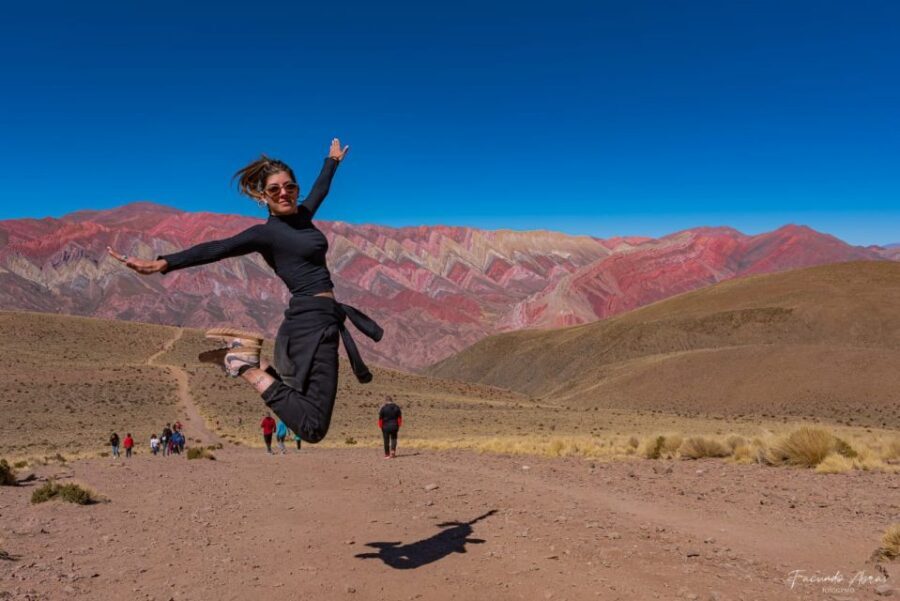
That short Hornocal window is why the day needs good timing. It’s also why meeting earlier matters. Hornocal is famous for its striped mountain ranges—often described as the Hill of Fourteen Colors. On a tight schedule, the goal is to reach the viewpoint and use the light well, even if you can’t linger like you would on a hiking trip.
One more practical reality: the road up to Hornocal involves dirt roads, and the vehicle can have issues on the climb. If you’re the type who hates uncertainty, it can test your patience. Still, the payoff is seeing those bands of color from the right vantage point.
Food, breaks, and what to pack for the long road
This is a road-heavy tour: long days, lots of viewpoints, and several restroom/coffee breaks. Use those breaks. Don’t assume you’ll have long, easy bathroom access whenever you want it.
Because food isn’t included, you need a plan. On these days, lunch may not land until around 3 pm for some parts of the schedule. That timing is late enough to make snacks worth their weight. I’d bring simple, packable snacks so you’re not stuck waiting.
Clothing matters too. You’re traveling through high terrain and spending time outdoors at viewpoints. Wear comfortable clothes you can layer. Good walking shoes help because you may be climbing or moving in uneven areas near viewpoints.
Bring an ID card or passport. The tour notes passport or ID is required, and you’ll want it ready for any pickup/check-in moments.
If you have back problems, skip this one. The tour itself flags that it’s not suitable, and the dirt road portion explains why.
How the guide experience changes the trip
A big part of the value is the guide’s role. You’ll have a Spanish-speaking guide on the route and explanations about the environment, nature, and the history of the inhabitants. That matters because places like Salinas Grandes and Hill of Seven Colors are easy to photograph, but the explanation is what helps you understand what you’re seeing.
This guide support also helps you move efficiently through a schedule that can feel packed. Even when there are multiple free-time slots, you’re still dealing with travel time and altitude. A good guide keeps the day from turning into random driving and quick stops.
Also, each day can involve different groups. That can be a plus if you like meeting new people without being locked into one long-time bubble. You’ll still be together for the main driving blocks, but the social mix changes as the itinerary progresses.
Should you book it?
Book this tour if you want a structured 3-day hit of northern Argentina’s highlights—Cafayate, Salinas Grandes, Purmamarca, and Hornocal—without the hassle of arranging transport and timing yourself. It’s especially smart if you’re short on time and want both scenery and cultural context from a guide.
Skip it if you hate long days, you get uncomfortable on rough roads, or you need a very flexible schedule. The Hornocal start at 6:30 am is non-negotiable, and the Hornocal portion is Spanish-only. Also skip if you have back issues.
If you do book, prepare like a seasoned road-tripper: bring snacks, wear layers, and plan your expectations around long transit and late meals. Do that, and the payoff is real—colorful mountains, a salt flat that feels otherworldly, and a guided look at how this region lives.
FAQ
How much does the Salta to Cafayate, Salinas Grandes, and Hornocal tour cost?
It’s listed at $128 per person.
How long is the tour?
The tour duration is 3 days.
What’s included in the price?
The price includes hotel pickup and drop-off (within 15 blocks of Plaza 9 Julio), transportation, a multi-day tour format, and a guide.
Is food included?
No. Food and drinks are not included.
What language is Hornocal offered in?
The Hornocal excursion is only available in Spanish.
Where do I need to be for the Hornocal pickup?
For Hornocal, you must be at the Tiamar Travel Agency Office at Caseros 420 at 6:30 am.
Do I need to travel with identification?
Yes. The tour advises you bring a passport or ID card.
Is the tour suitable for everyone?
It isn’t suitable for people with back problems, and the itinerary involves traveling through low-quality dirt roads.