REVIEW · CAFAYATE
From Salta: 2 Day Guided Trip to Cafayate & Salinas Grandes
Book on GetYourGuide →Operated by TIAMAR TRAVEL EVT · Bookable on GetYourGuide
The road trip feeling in Argentina is real. In just 2 days, you’ll bounce from Salta farm country to red rock wonders and end with the unreal white-and-blue look of Salinas Grandes. It’s a packed route, but it’s built around big scenery and two very different kinds of “wow.”
I especially love the way this tour strings together contrasts. Day 1 brings tobacco fields and red rock at Garganta del Diablo, then you switch to Cafayate for wine culture. Day 2 turns up the drama with UNESCO scenery in Quebrada de Humahuaca, plus the color bands at Seven Colors Hill. One standout detail: the guide-driver experience can be strong, with Fernando specifically called out for smooth driving and clear guiding.
One thing to consider: this is mostly long drives over some rugged roads. It’s also not suitable for people with back problems, so if you’re sensitive to bumpy rides, plan carefully.
In This Review
- Key Things You’ll Remember
- Two Days Across Salta Province: Red Rocks, Wine Towns, Salt Flats
- Where Pickup and Drop-Off Actually Works (Plaza 9 Julio Zone)
- Day 1 to Cafayate: Valle de Lerma Farms to Garganta del Diablo
- Cafayate Town and the Winery Stop: Wine Culture, Straight Up
- The Return to Salta: Different Route, More Variety
- Day 2 Starts in the Highlands: Quebrada de Humahuaca and Purmamarca
- Seven Colors Hill to Cuesta de Lipán to Salinas Grandes
- Lunch Break in Purmamarca and the Trip Home
- Price and Value: Is $68 a Smart Deal?
- Guide and Language Notes: What to Expect in English vs Spanish
- What to Bring (So You’re Not That Person in Bad Shoes)
- Who This Trip Is Best For
- Should You Book This Salta to Cafayate & Salinas Grandes Trip?
- FAQ
- How long is the Salta to Cafayate & Salinas Grandes guided trip?
- How much does it cost?
- What’s included in the tour price?
- Is food included?
- What language do the guides speak?
- Where does hotel pickup happen in Salta?
- Is the winery entry ticket included?
- Can I cancel for a full refund?
Key Things You’ll Remember
- Garganta del Diablo stop for red rock views that feel otherworldly
- Cafayate winery entry included, with a focus on local wine culture
- Quebrada de Humahuaca UNESCO route through highland towns and scenery
- Seven Colors Hill visit from Purmamarca, with time to take it all in
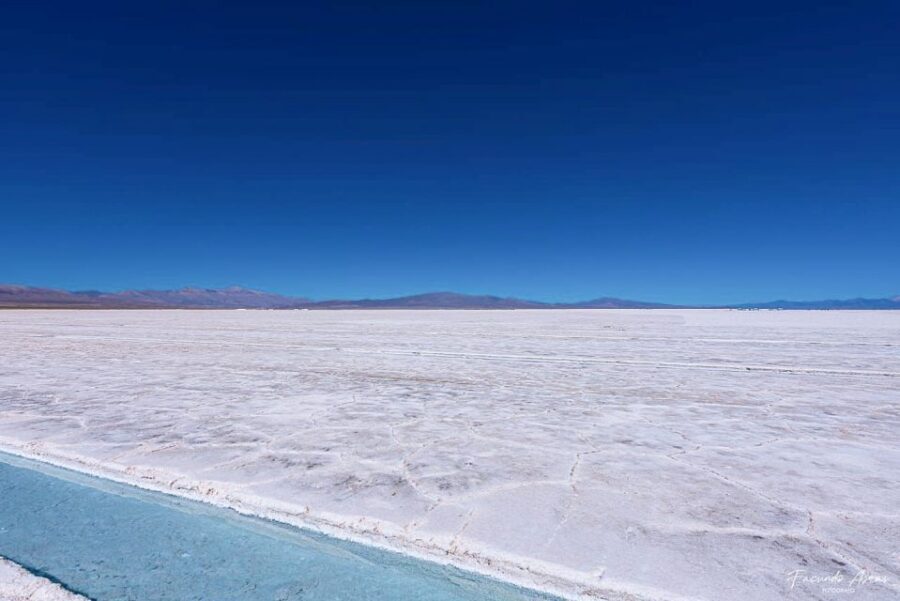
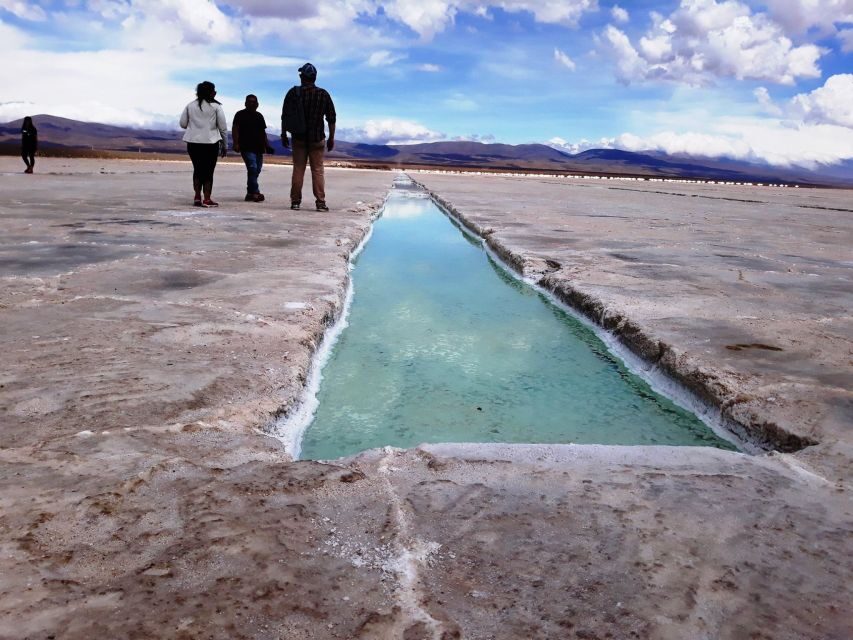
- Salinas Grandes free time in the salt desert and crystal blue pools
- Hotel pickup in a tight zone around Plaza 9 Julio makes logistics simple if you’re central
Two Days Across Salta Province: Red Rocks, Wine Towns, Salt Flats
This is the kind of trip that works because it’s clear about what you’re here for. You’re not trying to tick off random stops. You’re chasing three big hits: Cafayate wine country, Garganta del Diablo, and Salinas Grandes.
On a map, Salta Province looks huge. On this itinerary, it becomes manageable because you’re moving in a guided loop with transport handled for you. That means your attention stays on the scenery instead of navigation, parking, or timing.
Yes, it’s a busy two days. But if you like scenery that changes every few minutes, you’ll likely enjoy the pace.
You can also read our reviews of more guided tours in Cafayate
Where Pickup and Drop-Off Actually Works (Plaza 9 Julio Zone)
Logistics matter on road trips. This one includes pickup and drop-off from downtown hotels, but only within fifteen blocks of Plaza 9 Julio. If you’re staying farther out, double-check that your hotel falls inside that zone.
You’ll ride in an air-conditioned Mercedes-Benz minivan. That’s a good call in northern Argentina, where you can get warm during the day even when the mountains look cool. It also helps on longer drives because you’re not stuck in an open vehicle.
What I like about this setup is that it removes decision fatigue. You show up, you get oriented, and you go.
Day 1 to Cafayate: Valle de Lerma Farms to Garganta del Diablo
Day 1 starts with leaving Salta by National Route 68. The first stretch is rural and agricultural, and it’s one of those “small detail becomes interesting” moments. You’ll pass farms in Valle de Lerma, including tobacco plantations where leaves are drying.
That tobacco detail isn’t just scenery. It’s a reminder that this region runs on real work and real seasons, not just postcard viewpoints. You’ll see farms and settlements like Alemani, and it helps you understand why people live here beyond tourism.
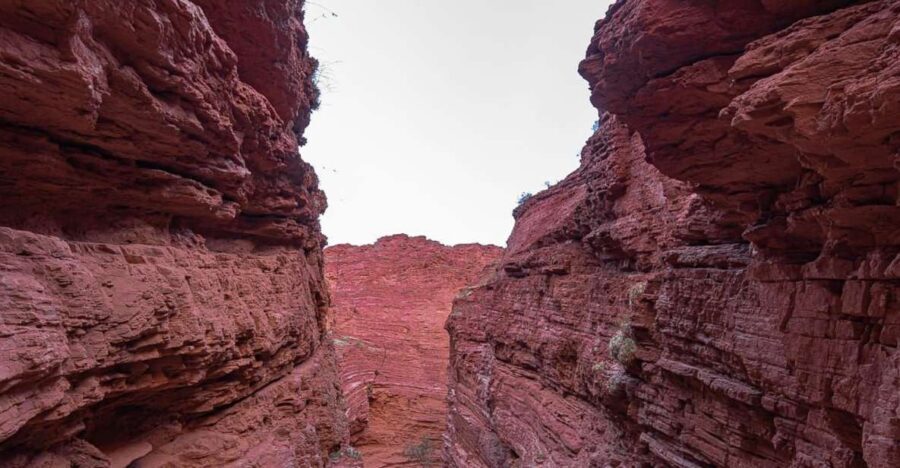
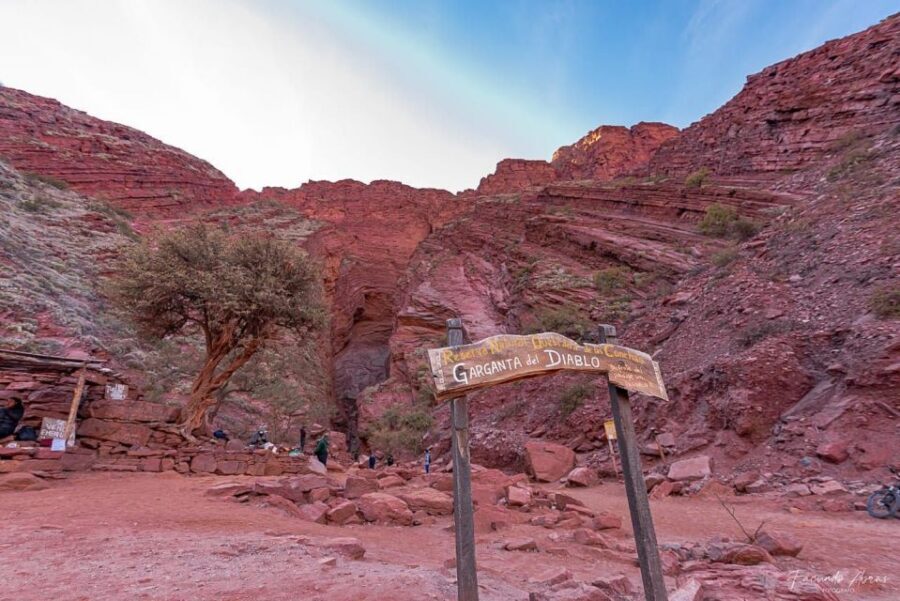
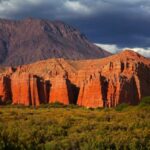
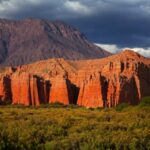
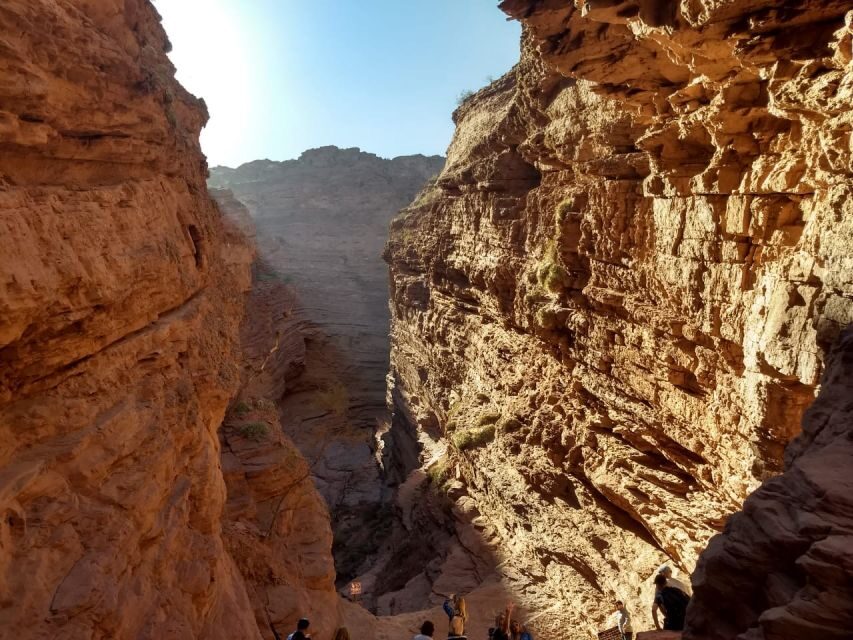
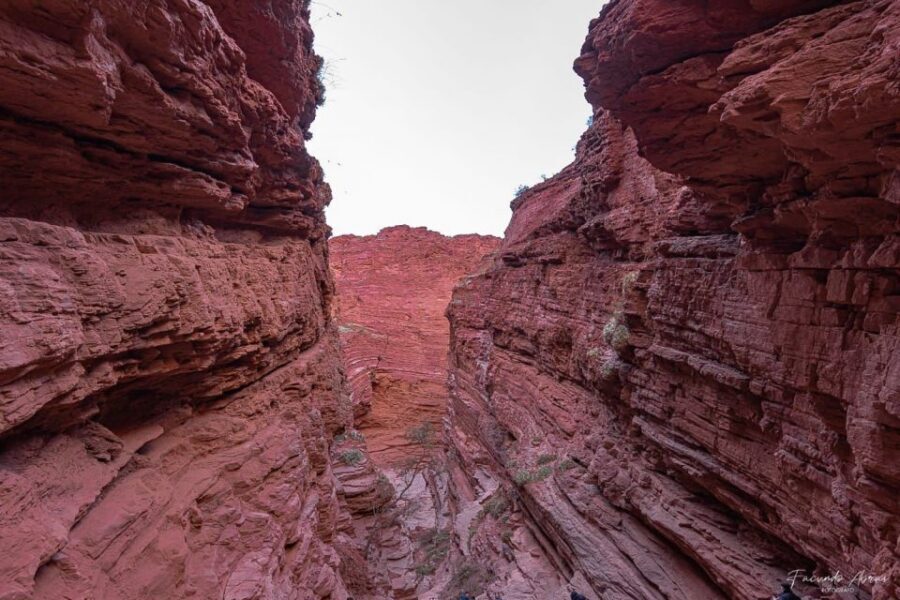
Then you head toward Cafayate, with a major stop along the way: Garganta del Diablo (the Devil’s Throat). This is the red rock formation part of the story. The sheer color and the way the rock shapes the canyon views can feel dramatic even if you’re not a geology person.
Why this stop is worth your time: it’s the kind of view that doesn’t need commentary to land. Your guide will add context, but you’re going to remember the color, the scale, and the canyon feel.
One practical note: you’ll be on the road for a good chunk of the day. Wear comfortable shoes for any walking around viewpoints, and keep your camera ready.
Cafayate Town and the Winery Stop: Wine Culture, Straight Up
Cafayate is the wine hub you came for. The town is known for vineyards and winemaking, and your tour builds in a winery visit with an entry ticket included.
This is where the trip shifts tone. Day 1 was mostly scenery and driving. Cafayate turns into local culture: how wine fits into everyday life in the area.
Here’s the key thing to know: one review specifically noted that the wine tasting portion was only in Spanish. That doesn’t mean you’ll get no English guidance from the guide, but it does suggest you should be prepared for parts of the tasting experience to be Spanish-first.
If you don’t feel comfortable in Spanish, you can still enjoy the visit for the setting and the basic wine education. Just adjust expectations for how much you’ll follow during the tasting itself.
Also, your lunch is handled during the day (food and drink aren’t included as a line item, but you’ll have a lunch stop). That matters because Cafayate is a place where timing can otherwise slow you down.
The Return to Salta: Different Route, More Variety
After the winery and lunch, you’ll drive back to Salta using a different route. This is a smart design for a two-day tour because it increases variety without adding extra days.
You’ll still be in a vehicle most of the time, but the change in route helps you feel like you’re not just repeating the same scenery. It’s a small detail, but it changes the whole experience.
If you’re the type who gets antsy on long rides, bring something to pass time: download offline music, keep water handy, and use bathroom stops when offered.

Day 2 Starts in the Highlands: Quebrada de Humahuaca and Purmamarca
Day 2 is about highland scenery and iconic stops. You’ll drive to Quebrada de Humahuaca, which is UNESCO World Heritage listed, and the route includes a stop in Purmamarca.
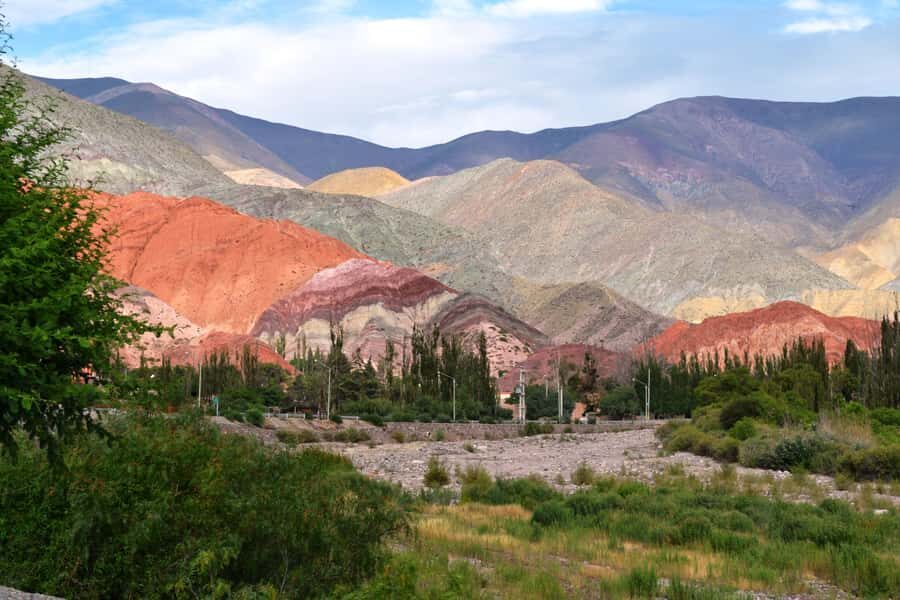
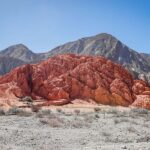
Purmamarca is where the trip slows down just enough for you to feel the place. You’ll explore the main square, then head to one of the big viewpoint elements of the day: Seven Colors Hill.
Now, quick expectation-setting. When a place is famous for colors, your brain tries to “make sure it lives up.” It usually does. The color bands are a real visual effect, and seeing them from Purmamarca makes the view feel more accessible than trying to spot them from far away.
You’ll also be walking and climbing a bit as you take in the hill. Wear comfortable clothes you can move in, and don’t forget your water.
Seven Colors Hill to Cuesta de Lipán to Salinas Grandes
After Seven Colors Hill, you’ll take the ascent along Cuesta de Lipán. This is a rugged mountain road, and it’s exactly the kind of segment that can make or break a day for sensitive backs. If that’s you, treat this warning as a real one: the tour is not suitable for people with back problems.
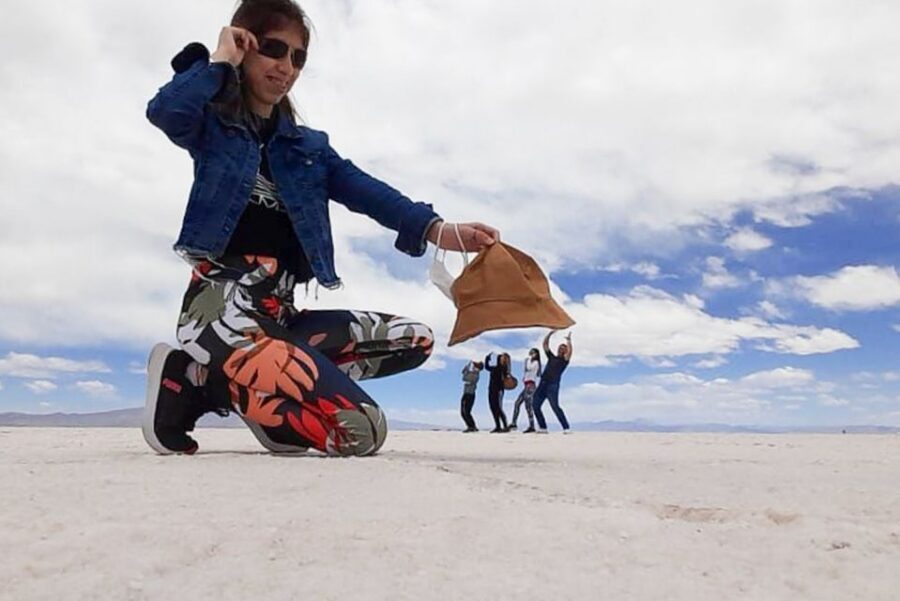
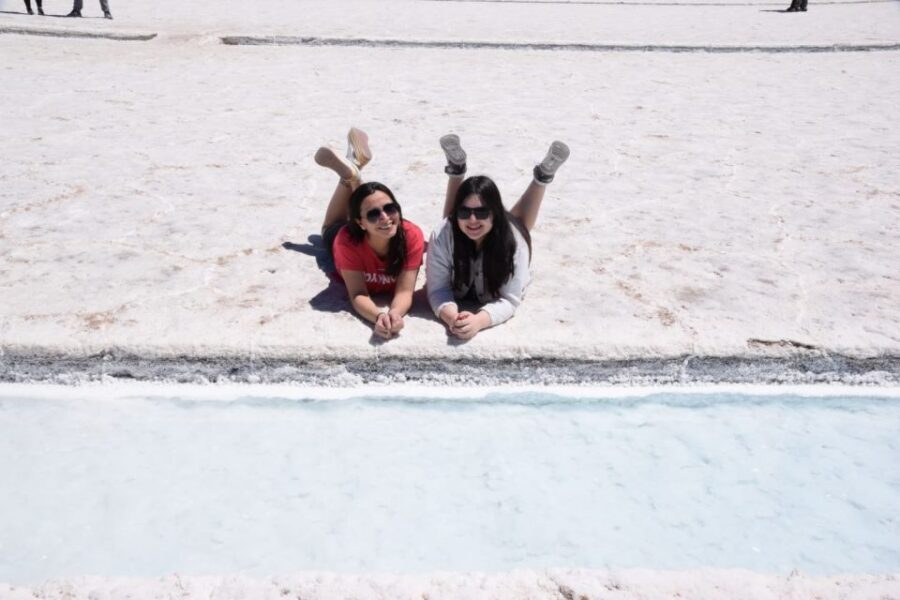
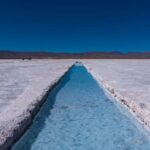
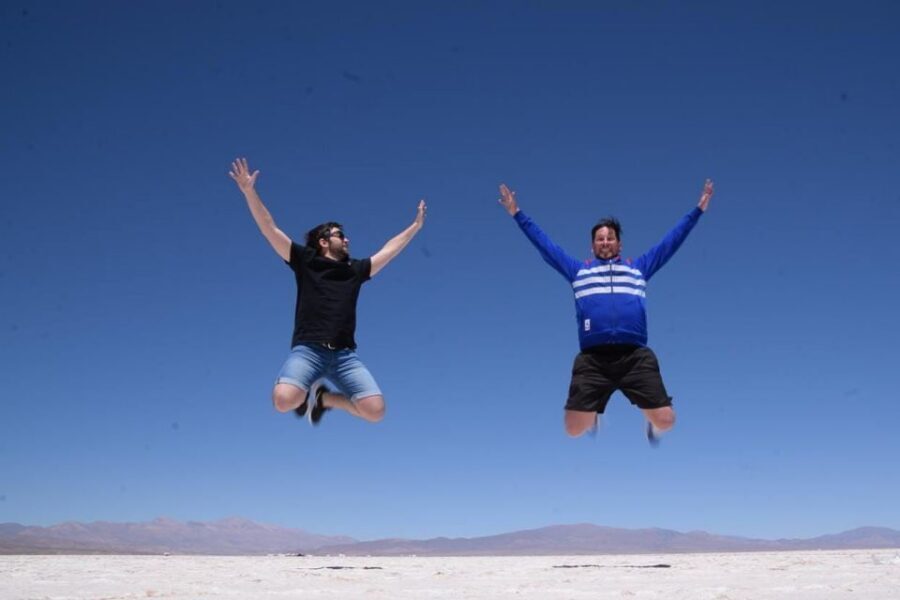
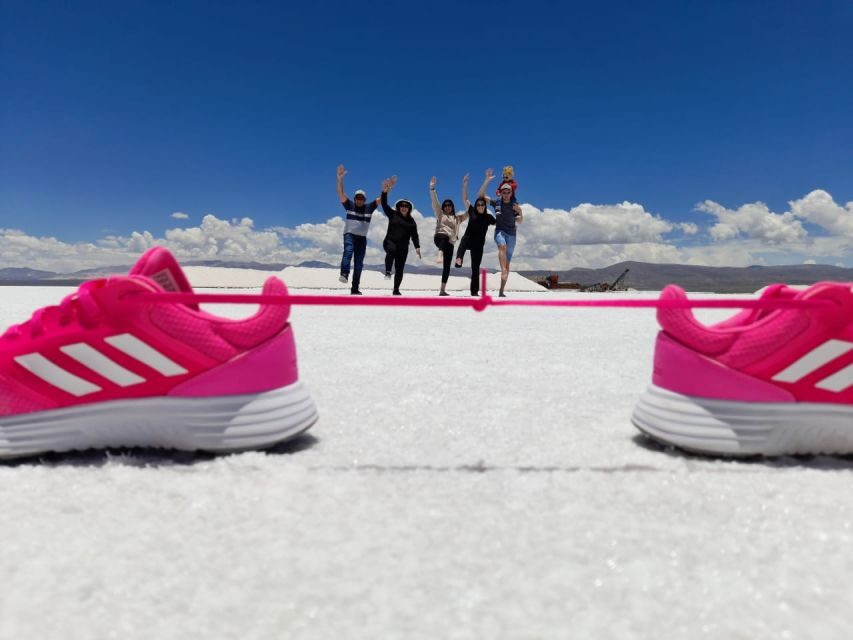
Once you reach Salinas Grandes, you get what you really came for: free time in the white salt desert and crystal blue pools. It’s not just one photo spot. You’re given time to move at your own pace, look for the reflections, and soak in the scale.
Why Salinas Grandes feels so special: the color contrast is so strong that your brain stops measuring distance normally. Salt flat horizons can look endless, and then suddenly you see vivid blues in the water pockets. It’s a clean visual story with almost no clutter.
Keep your camera ready, but also take a minute to just stand and look. When you’re surrounded by flat white and sky, it’s easy to realize why it gets called one of the Seven Natural Wonders of Argentina.
Lunch Break in Purmamarca and the Trip Home
After your time at Salinas Grandes, you return to Purmamarca for lunch at traditional restaurants, then you wrap up with the transfer back to Salta.
This part matters more than it sounds. After hours in the salt desert, you’ll want a proper reset: warm food, a sit-down meal, and a chance to recharge before the drive back.
By the time you’re heading home, you’ll likely be thinking about how the two days worked so well together. Cafayate gives you wine and town life. Purmamarca and the salt flats give you altitude, color, and a huge visual payoff.
Price and Value: Is $68 a Smart Deal?
At $68 per person, this tour looks like a value play, mainly because the biggest cost pieces are handled for you.
Here’s what’s included:
- A guide who speaks English and Spanish
- Pickup/drop-off from downtown hotels in the Plaza 9 Julio area
- Air-conditioned Mercedes-Benz minivan transportation
- Winery entry ticket
And here’s what’s not included:
- Other entry tickets
- Food and drink
That mix matters. You’re paying for the transport-heavy part plus the winery entry. You’re still responsible for your own meals and any extra admissions beyond what’s included.
My take on value: if you’d otherwise need to rent a car, deal with driving, and coordinate separate day trips, the guided format is often cheaper than people expect. It’s also easier for short stays because you’re getting multiple signature stops in just two days.
Guide and Language Notes: What to Expect in English vs Spanish
The tour includes an English and Spanish-speaking guide. That’s great for explanations during viewpoints and driving segments.
But the winery tasting can be Spanish-first. If you’re planning around language, do this simple check: treat the tasting as an experience you can enjoy even if you don’t catch every phrase.
You’ll still benefit from the guide’s general context about local wine culture. And even when the tasting conversation is in Spanish, the winemaking setting and the fact that your winery entry is included are still real parts of the value.
Also, a good driver makes road trips feel less stressful. One guide-driver example you may encounter is Fernando, who has strong feedback for being both a good driver and an informative guide.
What to Bring (So You’re Not That Person in Bad Shoes)
This route is active enough that packing smart matters.
Bring:
- Passport or ID card
- Camera (you’ll want it for Garganta del Diablo and the salt flats)
- Water
- Comfortable clothes
Add a couple personal practicality tips based on the scenery type:
- Wear layers. Highlands and desert skies can shift through the day.
- Use grippy shoes. Viewpoint areas can be uneven.
- If you’re prone to motion discomfort, consider taking precautions before the mountain road segments.
And if you have back issues, take the “not suitable” note seriously. Long drives plus rugged roads can be rough.
Who This Trip Is Best For
This tour suits you if:
- You want a high-impact two-day plan with big scenery
- You like driving routes where towns and viewpoint stops are part of the fun
- You’re interested in Cafayate wine culture but don’t want to plan it alone
- You want Salinas Grandes without self-driving
It may not be the right fit if:
- You need minimal driving time and short distances only
- You have back problems or are sensitive to rough roads
- You want a fully English-led tasting experience at the winery
Should You Book This Salta to Cafayate & Salinas Grandes Trip?
If your goal is to see multiple signature Salta Province sights in a tight timeframe, I think this one makes sense. The combination of Garganta del Diablo, Cafayate winery time, Seven Colors Hill, and Salinas Grandes free time is a lot of “wow” for two days.
Book it if you’re okay with a packed schedule and long drives, and you’re staying centrally enough for the Plaza 9 Julio pickup zone. Consider adjusting your expectations for the winery tasting language so you don’t end up annoyed halfway through.
If you hate rough-road segments or you’re dealing with back issues, skip this one and look for a gentler itinerary.
FAQ
How long is the Salta to Cafayate & Salinas Grandes guided trip?
It’s a 2-day tour.
How much does it cost?
The price is $68 per person.
What’s included in the tour price?
You get an English and Spanish-speaking guide, pickup and drop-off from downtown hotels in Salta, transportation by air-conditioned Mercedes-Benz minivan, and an entry ticket to the winery.
Is food included?
Food and drink are not included. You’ll have lunch stops during the trip, but you’ll need to cover meals.
What language do the guides speak?
The guide speaks English and Spanish.
Where does hotel pickup happen in Salta?
Pickup and drop-off are available only from hotels within fifteen blocks of Plaza 9 Julio.
Is the winery entry ticket included?
Yes, the winery entry ticket is included.
Can I cancel for a full refund?
Yes. Free cancellation is available up to 24 hours in advance for a full refund.