REVIEW · BARILOCHE
10 Secrets of Bariloche, Nahuel Huapi, and Patagonia
Book on Viator →Operated by Historias de Bariloche Walking Tours · Bookable on Viator
Want a quick read on Bariloche? This short walking tour is a smart way to get your bearings and learn how the city grew around Nahuel Huapi. You’ll follow a simple route through the civic heart, the waterfront area, a famous cathedral, and the pedestrian chocolate strip.
I especially like the guide-led storytelling—Diego brings facts, pictures, and local history into each stop. And the Cathedral Our Lady of Nahuel Huapi is a standout, with reviews singling out its super unique stained-glass and the via crucis details.
One consideration: at about 1 hour 30 minutes, it’s more orientation than an all-day deep dive, so you’ll need to choose follow-up stops if you want extra time.
In This Review
- Key highlights I’d circle before you go
- A 90-minute walk that actually helps you navigate Bariloche
- Centro Civico: Civic Center stories and the Museum of Patagonia area
- Puerto San Carlos and the coastal boardwalk: waterfront mood, explained
- Cathedral Our Lady of Nahuel Huapi: architecture, stained glass, and the via crucis
- Chocolate Street and Rapanui: the sweet stop that ties the town together
- Price and value: what $41 buys you in real terms
- Timing, pace, and group size: how to get the most from it
- Who should book this walking tour (and who might want to skip it)
- The practical stuff: what to expect before you go
- Should you book? My straight answer
- FAQ
- How long is the walking tour?
- What time does it start?
- Where does the tour start and end?
- Are there admission tickets to pay during the stops?
- How many people are in a group?
- Who can join the tour?
- What’s the cancellation policy?
Key highlights I’d circle before you go

- Ninety minutes of city context in a route you can repeat later at your own pace
- Diego’s English and storytelling, including practical explanations you can actually use
- Centro Civico + Museum of Patagonia area, with free entry noted for the stop
- Puerto San Carlos and the coastal boardwalk, a walk-friendly way to see the waterfront mood
- Cathedral Our Lady of Nahuel Huapi, repeatedly praised for architecture and stained glass
- Rapanui on Chocolate Street, including a quick iconic chocolate-store visit
A 90-minute walk that actually helps you navigate Bariloche
Bariloche can feel big when you first arrive. Streets spread out, landmarks are scattered, and Nahuel Huapi is always nearby but not always easy to read at a glance. This tour solves that problem the easy way: on foot, in a tight timeframe, with a guide who explains what you’re seeing and why it matters.
What I like about this format is that it stays practical. A short route means you can fit it into a packed schedule, whether you’re in town for a day or using Bariloche as a base for Patagonia plans. The tour is also small enough to feel personal (maximum of 20 travelers), which usually helps questions get answered without a rush.
The biggest value is not just ticking off sights. You get context—culture, history, and architectural clues—so later, when you walk past the same buildings or waterfront stretches on your own, you’ll understand what you’re looking at. That’s the kind of orientation that makes your whole trip smoother.
You can also read our reviews of more tours and experiences in Bariloche.
Centro Civico: Civic Center stories and the Museum of Patagonia area
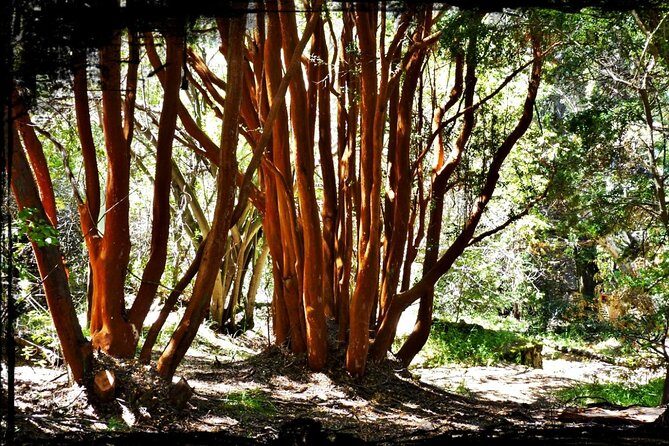
Your first stop is Centro Civico, around the Civic Center and the Museum of Patagonia area. It’s a smart place to start because it puts you at the center of how a city organizes itself—who built what, why it looks the way it does, and how identity shows up in public spaces.
At roughly 10 minutes for this part, the goal isn’t to lecture you. It’s to set a baseline. You’ll get “secrets and stories” around the civic complex, and that’s useful even if you’ve barely arrived. Civic areas often tell you the timeline of a place: what mattered early, what got designed to represent the community, and what visitors are expected to remember.
Admission is listed as free for this stop, so there’s no extra cost pressure. Still, with only a short time here, you should think of it as a guided pointer. If anything grabs you—like a building style or a detail near the museum—you’ll know what to look up or revisit when you have more time.
Puerto San Carlos and the coastal boardwalk: waterfront mood, explained
Next you head to Puerto San Carlos, spending about 20 minutes around the walking area and coastal boardwalk. Waterfront sections are often where Bariloche’s mood clicks for most people. The lake is close, the air changes, and even a casual stroll can feel like a shift in the whole trip.
This stop works well because it’s walkable and story-rich. Instead of simply saying, “Here’s the water,” the guide adds more secrets about the area as you move along the boardwalk. That matters because waterfronts can look similar from a distance in different cities. A guide helps you read what’s specific here—how the area functions, how it connects to local life, and why this stretch fits into the larger Bariloche story.
The practical advantage of this segment is also logistical. If you’re short on time, this gives you a real feel for the lakeside setting without needing a separate transport plan. You’ll come away with a sense of direction: you’ll know which waterfront areas are worth returning to, and you’ll have an easier time spotting them on future walks.
Cathedral Our Lady of Nahuel Huapi: architecture, stained glass, and the via crucis
This is the stop that gets the most emotional praise. Cathedral Our Lady of Nahuel Huapi gets called out repeatedly as a favorite, and it’s easy to see why from what’s described: you’re not just looking at the exterior. You’re hearing stories about cathedral architecture, plus the super unique stained-glass (“vitreaux”) and the via crucis.
The via crucis details are an especially good theme to listen for because they’re usually the kind of feature people miss when they rush. When a guide points out what to look for, the building becomes more than a photo backdrop. You start noticing how the imagery and the layout communicate a narrative.
Expect this segment to last about 20 minutes. That’s enough time to take in the main points without feeling trapped. Also, admission is noted as free for this stop, which makes the “wow” factor feel like real value.
One more practical point: a cathedral visit can vary depending on what’s happening inside. Since the tour is designed around the stories and the visuals, it’s worth arriving with your attention on details, not your phone. If you care about design and religious art elements, this is the part you’ll remember later when you’re thinking back on Bariloche’s personality.
Chocolate Street and Rapanui: the sweet stop that ties the town together

From the cathedral, the tour shifts to Rapanui on the main pedestrian road—also known as Chocolate Street. You’ll spend about 20 minutes here, including a short visit to an iconic chocolate store.
This is a classic travel move done the right way: it’s quick, local-feeling, and it gives your brain a break after sightseeing. But there’s also a reason it works as part of a history-and-culture walking tour. Food stops are often where a city’s identity becomes tangible. Chocolate Street isn’t just candy for tourists; it’s a place where you can sense how Bariloche welcomes people.
Reviews also highlight that the chocolate tasting here is amazing, and that ties into something useful for your planning: if you’re the type who likes small “moment” experiences—tasting something, buying a treat, and chatting with staff—this stop will be satisfying.
The tour keeps it short on purpose, so you don’t leave with a sugar crash and no time to continue exploring on your own. You can always stay longer after the tour ends if it hits the spot.

Price and value: what $41 buys you in real terms
At $41 per person, this tour is priced like a practical add-on rather than a major splurge. That matters because Bariloche offers plenty of paid day trips. If you’re spending money on lakes and excursions later, you want your first walking tour to feel like a smart foundation, not a heavy expense.
Here’s what makes the value feel earned:
- Free admission is indicated at the stops, so you’re not paying surprise entry fees while walking.
- It’s only about 1 hour 30 minutes, so you’re buying time back, not using your whole day.
- It’s capped at 20 travelers, which usually helps the guide connect the dots instead of just reciting facts.
Also, the average booking window—about 19 days in advance—suggests this is a popular slot for first-day orientation. That’s often what you want when you’re trying to get your bearings quickly.
I’d think of this as paying for interpretation. You’re not just seeing buildings and waterfront. You’re learning how the city reads—civic center to lake area to cathedral to chocolate street. That order helps your brain build a map of the place.
Timing, pace, and group size: how to get the most from it
The tour starts at 9:00 am at Secretaría de Turismo Bariloche – Informes Turísticos, Libertad 56, R8400 San Carlos de Bariloche, Río Negro, Argentina. It ends back at the same meeting point.
That “start and finish in one place” detail is underrated. It makes planning easier, especially if you’ve got a bus later, lunch reservations, or another activity the same day. Since you don’t need to coordinate a new pickup point, the tour feels low-stress.
The pace is also friendly by design. Most travelers can participate, and the tour is specifically positioned as a stress-free way to get oriented when you’re pressed for time. With about 10–20 minutes per stop, it avoids long stretches where you’re bored or stuck waiting.
One more detail that comes up in the reviews: Diego is noted for accommodating a late arrival. That’s a good sign if you’re dealing with the real-life chaos of travel days.
Who should book this walking tour (and who might want to skip it)
This tour is ideal if:
- you want a first-day orientation in Bariloche
- you like guided history and stories, not just photos
- you’re short on time but still want more meaning behind the landmarks
- you appreciate cathedral architecture and stained-glass details
- you enjoy a quick food highlight like chocolate tasting on Chocolate Street
You might consider a different option if:
- you want an all-day tour with lots of museum time and longer stops
- you already feel confident navigating the town and don’t need civic-to-waterfront orientation
The sweet spot is clear: it’s a compact route with big payoffs. You’ll leave with a better sense of layout and an easy mental checklist for what’s worth revisiting later.
The practical stuff: what to expect before you go
The tour is provided by Historias de Bariloche Walking Tours, and confirmation happens at booking time. It’s near public transportation, which helps if you don’t want to rely on a car.
Because it’s non-refundable and cannot be changed for any reason, it’s worth booking once your schedule is solid. If the minimum number of travelers isn’t met, you’ll be offered a different date/experience or a full refund—so there’s still some protection if plans shift.
Also, since it’s a walking tour, wear comfortable shoes. With short stops and steady movement, comfort matters more than you think.
Should you book? My straight answer
Yes—if you want a smart, short introduction to Bariloche that goes beyond surface sight-seeing. This experience shines because the guiding style is repeatedly praised (Diego’s English, facts, pictures, and stories), and because the route hits both the city’s identity and its signature visuals: the civic center area, the waterfront neighborhood feel, and the Cathedral Our Lady of Nahuel Huapi.
I’d especially recommend it if the cathedral and stained glass sound interesting to you, or if you like getting local context before you spend more time exploring on your own. The price feels fair for a small-group, story-led route, and the free-admission stops keep the “value feeling” strong.
FAQ
How long is the walking tour?
It runs for about 1 hour 30 minutes.
What time does it start?
It starts at 9:00 am.
Where does the tour start and end?
The meeting point is Secretaría de Turismo Bariloche – Informes Turísticos, Libertad 56, R8400 San Carlos de Bariloche, Río Negro, Argentina, and the tour ends back at the same meeting point.
Are there admission tickets to pay during the stops?
Admission is listed as free for each stop on the itinerary.
How many people are in a group?
The tour has a maximum of 20 travelers.
Who can join the tour?
Most travelers can participate.
What’s the cancellation policy?
The experience is non-refundable and cannot be changed for any reason. If it’s canceled because the minimum number of travelers isn’t met, you’ll be offered a different date/experience or a full refund.