REVIEW · BARILOCHE
OneWay Journey: from Bariloche, Argentina to Puerto Varas, Chile
Book on Viator →Operated by Cruce Andino · Bookable on Viator
Andes by catamaran beats the bus grind. This long day links Bariloche to Puerto Varas through a real Andean crossing: three lake segments, changing water colors, and chances for big birds around Nahuel Huapi. I like the mix of comfort and nature time, including a wildlife-ready cruise on the lake.
I also enjoy how the route gives you multiple “wow, the water is different again” moments—especially once you’re past Nahuel Huapi and moving toward the glacial tones and river-lake meeting points. One thing to plan for: it’s a lot of motion in one day, with repeated bus-to-boat transfers, so the pace can feel slow-by-the-end even if the scenery is great.
In This Review
- Key things I’d track before you go
- What You’re Really Doing: The Andean Crossing by Lake (Not Just a Boat Ride)
- Start in San Carlos de Bariloche: National Park Town Energy First
- Puerto Panuelo: The Quick Port Stop With a Cash Fee
- Lago Nahuel Huapi: Wildlife Chances and the Lake That Sets the Tone
- The Frías River Meeting Point and the Valdivian Forest Edge
- Puerto Frías: Border Procedures and the Green-Turquoise Glacial Water
- Peulla: A Sustainable Village Break and Lunch With an Extra Cost
- Lago Todos los Santos: Emerald Waters and Volcano Views
- Arrival in Puerto Varas: German-Era Flavor, Volcano Drama, and Frutillar Nearby
- Price and Value: Is $347 Worth It for This One-Day Crossing?
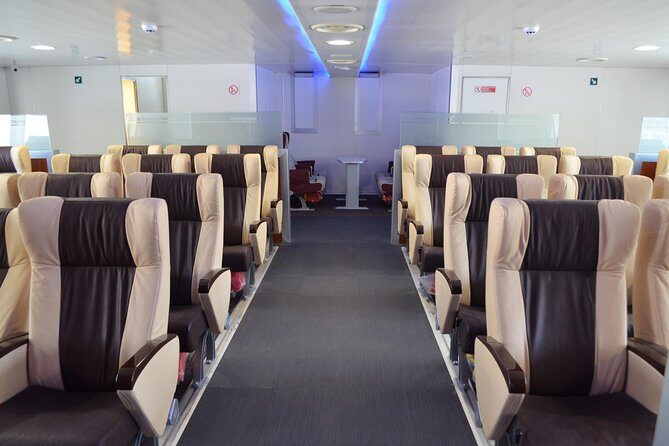
- Pacing, Comfort, and What to Pack for a 12-Hour Day
- Getting the Most Out of the Deck Time (Especially If You Care About Birds)
- Who This Tour Suits Best
- Should You Book the San Carlos de Bariloche to Puerto Varas Cruise?
- FAQ
- How long is the Bariloche to Puerto Varas cruise?
- What time does the tour start?
- Where do you begin and where do you end?
- Is hotel pickup and drop-off included?
- What luggage is included?
- Do I need a passport for booking?
- Are food and drinks included?
- Are there extra fees not included in the price?
Key things I’d track before you go
- Hotel pickup and drop-off included, which helps when you’re hauling a suitcase across town
- Three-lake cruise day with catamarans and short land legs in between
- Puerto Frías is your border checkpoint (expect procedures to take time)
- Binoculars pay off on Lago Nahuel Huapi, where birds and wildlife are possible
- Extra cash may be needed for the Puerto Pañuelo boarding fee and other fees not covered
- Max 14 travelers keeps the day from feeling like a cattle call
What You’re Really Doing: The Andean Crossing by Lake (Not Just a Boat Ride)
This is marketed as an Andean crossing, and the core idea makes sense: instead of driving over the mountains, you travel across them using a chain of lakes and shorter transfer legs. The route follows a path used by the first inhabitants of Patagonia—meaning you’re not just stuck on one big water view. You’ll go through different regions, different water tones, and different types of forests along the way.
It’s also a practical way to connect Argentina to Chile in one go. If you’re trying to move between Bariloche and Puerto Varas without building your own day plan, this kind of packaged transfer can save time and stress.
The trade-off is simple: one long day. Expect a rhythm of bus, boat, bus, boat. It’s fun at first. It’s still fun at the end. But you’ll feel the clock.
You can also read our reviews of more tours and experiences in Bariloche.
Start in San Carlos de Bariloche: National Park Town Energy First
Your morning begins in San Carlos de Bariloche, right in the Nahuel Huapi National Park area. You get about an hour here before the water part ramps up. This matters because Bariloche isn’t just a jump-off point. The civic center area is known for traditional chocolate shops, hotels, and restaurants, so it’s a nice place to get your bearings and grab anything you forgot.
Also, Bariloche tends to be a comfort zone for travelers: you’ll find easy services and familiar-style tourism infrastructure. That helps on crossing days when you want things to feel organized.
If you’re sensitive to early starts, note the timing: the activity starts at 8:00 am. With an approximately 12-hour day total, you’ll want breakfast energy and water in your system.
Puerto Panuelo: The Quick Port Stop With a Cash Fee
Next comes Puerto Panuelo, a lakeside port halfway between Bariloche and the next major points. The scheduled stop is about 1 hour. This is where the day reminds you it’s both travel and tourism: boarding taxes and fees can pop up here.
Here’s the practical part: the boarding fee at Puerto Pañuelo in the Nahuel Huapi National Park is US$3.50 or AR$500, and it’s described as payable only in cash. Since fees can be modified by authorities, don’t bank on one exact number—bring the option.
Also, the listed admission for Puerto Panuelo itself is separate from what’s included. So, if you hate surprises, treat this as your “cash checkpoint.”
Lago Nahuel Huapi: Wildlife Chances and the Lake That Sets the Tone
You then move into Lago Nahuel Huapi, with about 2 hours on the water. This is one of the big reasons to do the crossing. The lake area is described as a mix of views at sunset and wildlife opportunities—condors, eagles, deer, and more are possible.
That’s not a guarantee, but it’s specific enough to change how you prepare. Bring binoculars and a camera, and be ready to look up as well as around. Condors and eagles often show up as silhouettes in the distance long before you can photograph them clearly.
You’ll also appreciate this leg because it’s where the day feels like it’s truly underway, not just in transit. Even if you’ve seen lakes before, Nahuel Huapi has a “Patagonia classic” feel, and the time aboard sets expectations for the rest of the route.
The Frías River Meeting Point and the Valdivian Forest Edge
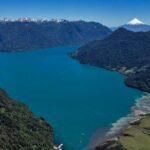
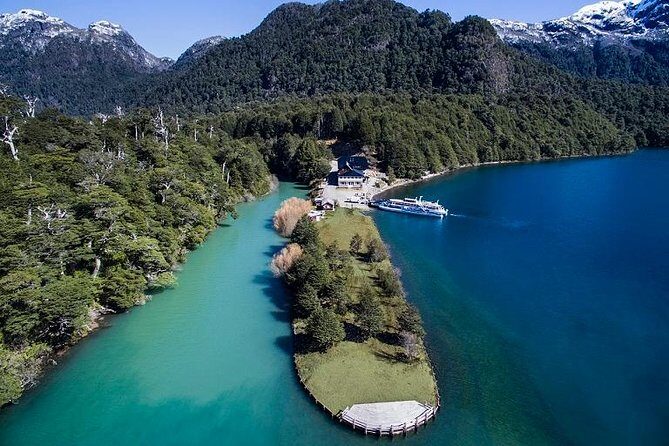
Between the big named stops, there’s a key scenery moment: the green waters of the Frías River meet the blue waters of Lago Nahuel Huapi. This is where the day becomes more than pretty postcard views. It’s a natural color story—river meltwater mixing into lake water creates a visible shift.
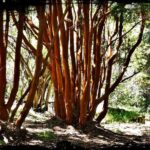
The other part to notice is the mention of the Valdivian Forest, described as a rare cold forest found in few places worldwide. You’re not hiking for long stretches here, but you’re moving through the region where that forest type matters.
From a traveler’s perspective, this part of the route is valuable because it’s short but distinctive. It breaks up the “same-looking water for hours” problem that can happen on long lake days.
Puerto Frías: Border Procedures and the Green-Turquoise Glacial Water
Puerto Frías is the next stop, scheduled at about 20 minutes. The time is short on purpose: this is where procedures for crossing the border Chile–Argentina are made.
So yes—plan for a pause. You’ll want your passport details ready, and you’ll want patience. Border processing can stretch or tighten the rest of the day, even if everything is moving smoothly.
Puerto Frías also has a scenic identity. It’s described as the smallest of the three lakes on the route, and its glacial origin contributes to the green-turquoise tones. That color shift is one of the most satisfying things to see on a day like this, because it signals you’re not just traveling; you’re crossing into a different water system.
Peulla: A Sustainable Village Break and Lunch With an Extra Cost
After the border step, you reach Peulla. The stop is about 2 hours, and it’s where you’ll often handle lunch. Food isn’t included, and the trip notes lunch at Peulla is priced around US$25 per person.
Peulla is described as a small ecological village, recognized as the most sustainable location in Chile. That doesn’t mean it’s a museum stop. It means the setting is focused on sustainability, and the town is small enough that you can actually look around without feeling rushed.
If you’re trying to time your day, keep this in mind: lunch here can come later than you expect depending on border timing. If you’re the type who runs on snacks, bring a few small items (unless you’re okay paying for lunch when it appears).
Lago Todos los Santos: Emerald Waters and Volcano Views
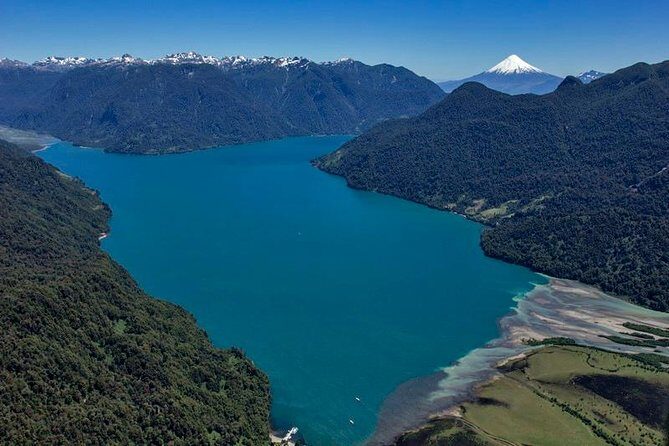
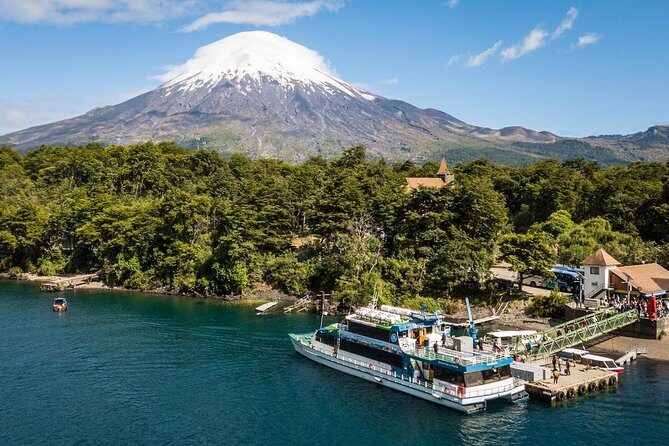
Then comes the second “big lake” moment: Lago Todos los Santos, about 2 hours of sailing. The waters are described as beautiful emerald tones, with evergreen forests surrounding the area.
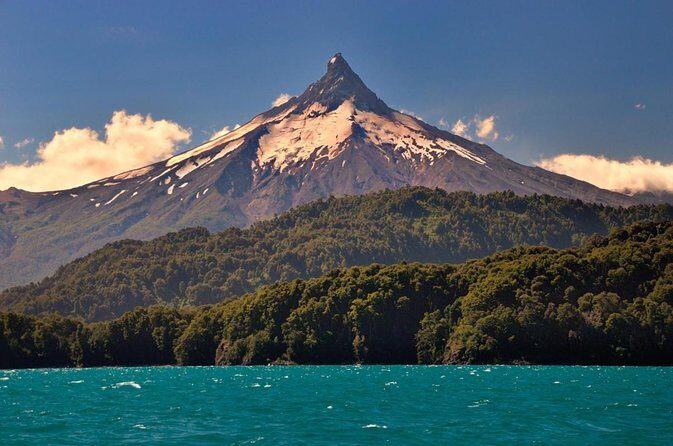
This leg also brings in the horizon views. From the catamaran deck, you might see waterfalls and three snowy peaks: Mount Tronador, plus the volcanoes Osorno and Puntiagudo.
This is a great place for deck time—if the weather cooperates. And if it doesn’t? You still get the lake experience, plus the continuity of moving water and changing light. The day still feels worth it because you’ve seen multiple lake identities already by this point.
Arrival in Puerto Varas: German-Era Flavor, Volcano Drama, and Frutillar Nearby
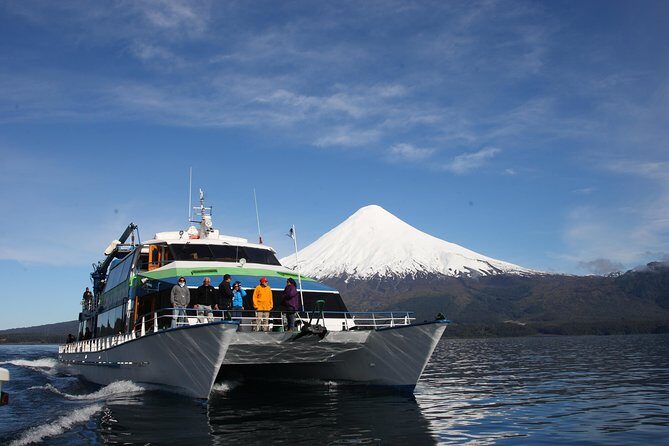
Your final destination is Puerto Varas, near Puerto Montt. The scheduled time here is about 1 hour, and the day ends in this different location—so you’ll need to plan your next step from Chile.
Puerto Varas is known for a mix of international gastronomy and Chilean wine. You’ll also see volcano drama nearby, including Osorno and Calbuco. And Frutillar is mentioned as nearby, with its German pioneer influence that shaped local customs and culture.
Even with only an hour, the ending works because the region’s identity is strong. You’re not just arriving somewhere generic; you’re landing in a place with a distinct look and food culture.
Price and Value: Is $347 Worth It for This One-Day Crossing?
At $347 per person, this doesn’t feel like a “cheap transfer.” But value depends on what you’re saving you from.
What you get for that price:
- Driver/guide
- All land and lake transfers
- One suitcase up to 23 kg plus a carry-on up to 10 kg
- The catamaran experience across multiple lake segments
What isn’t included (and can add cost):
- Food and drinks
- Port, migratory, and/or National Parks fees (not included in the base rate)
- The Puerto Pañuelo boarding tax (US$3.50 or AR$500, in cash)
- Lunch at Peulla (not included; listed around US$25 per person)
So the real question is: will you pay extra for convenience and logistics? If you’re traveling with luggage, doing this by your own timetable across both countries can turn into a frustrating patchwork. Here, the timing is organized for you, and the transfers are built into the day.
If you’re traveling ultra-light and you love planning your own routes, you might compare alternatives. But if you want a guided, packaged day that solves the “how do I cross without losing a whole day?” problem, this price starts to make sense.
Pacing, Comfort, and What to Pack for a 12-Hour Day
This is where the day can make or break your mood. It’s a long run—about 12 hours—and it’s not just sitting on a boat. You’ll do repeated transfers, which can feel tiring by late afternoon.
What helps:
- You’re not stuck on one vehicle for the entire day. Boat time breaks up bus time.
- The group is capped at 14 travelers, which tends to keep things smoother than big coach tours.
- The day includes hotel pickup and drop-off, so you aren’t navigating the first/last mile with a heavy suitcase.
What to bring:
- Sunblock and sunglasses (you’re exposed on deck)
- Comfortable shoes (you’ll be moving around ports)
- Waterproof clothing (weather can shift fast in Patagonia, and rain doesn’t stop boats)
- Your passport details were required at booking, so have your passport accessible for border procedures
One more practical tip: cash. Between the Puerto Pañuelo fee and any other optional spending (like lunch), having small cash ready keeps you from stressing when the day hits a checkpoint.
Getting the Most Out of the Deck Time (Especially If You Care About Birds)
If wildlife is part of your goal, the Nahuel Huapi leg is the one that points you that direction. The route notes the possibility of condors, eagles, and deer, and specifically suggests bringing binoculars and a camera.
So here’s how to work it:
- Stay alert for distant birds during cruise time, not only close-up.
- Keep your camera accessible so you’re ready when the light changes.
- Don’t block others for long periods. Deck space is shared.
Also, you might see people trying to feed birds with crackers at some points in these lake cruises. I’d treat it as a bad idea. It can create crowd behavior and it’s not a habit that’s good for wildlife in the long run.
Who This Tour Suits Best
This crossing is a strong fit if you:
- Want to travel Bariloche to Puerto Varas in one day without assembling your own plan
- Enjoy boats and want multiple lake segments rather than one long bus ride
- Like Patagonia scenery enough to handle a long day with transfers
- Are okay with a tour that mixes nature time with border-formality timing
It may be less ideal if you:
- Hate long schedules and slow pacing
- Need a very precise hotel drop-off right at the doorstep and have no flexibility
- Are picky about food costs (since meals are not included and lunch has an extra price)
Should You Book the San Carlos de Bariloche to Puerto Varas Cruise?
I’d book it if your priority is a guided, organized Andean crossing with big-water moments and you’re comfortable spending most of the day moving. The route is built around the lakes—Nahuel Huapi, then the glacial-toned Puerto Frías area, then Todos los Santos—so you’re not wasting time on long stretches that don’t add anything.
I’d hesitate if you want a light, low-stress day. Between bus-to-boat-to-bus rhythm and short timing at the border, this one demands patience. Also, budget extra for lunch and plan for cash fees like Puerto Pañuelo.
If you’re the type who can enjoy the journey even when the day feels full, this crossing is one of those Patagonia experiences that makes sense: it turns a tough geography problem into a moving day of views and water.
FAQ
How long is the Bariloche to Puerto Varas cruise?
The journey is listed as approximately 12 hours.
What time does the tour start?
It starts at 8:00 am.
Where do you begin and where do you end?
You start in San Carlos de Bariloche, Argentina, and the experience ends in Puerto Varas, Chile.
Is hotel pickup and drop-off included?
Yes, hotel pickup and drop-off are included for convenience.
What luggage is included?
You can bring one suitcase up to 23 kg and one carry on up to 10 kg.
Do I need a passport for booking?
Yes. Passport name, number, expiry date, and country are required at the time of booking.
Are food and drinks included?
No. Food and drinks are not included. Lunch at Peulla is an extra cost (listed around US$25 per person).
Are there extra fees not included in the price?
Yes. The rate does not include port, migratory, and/or National Parks fees. There is also a boarding tax at Puerto Pañuelo (US$3.50 or AR$500 per person), payable only in cash.