REVIEW · BARILOCHE
Discover Cerro Tronador with Ventisquero Negro Glacier
Book on Viator →Operated by Tangol · Bookable on Viator
Cerro Tronador feels like a whole day of weather. This coach trip links Lake District scenery with glacier country, including a stop at Ventisquero Negro and a short walk for views of Tronador’s three peaks. I like that the drive is scenic enough that you can actually relax, and I also like the way the route builds in variety, from lakes to forest to ice.
Two things I especially enjoy: first, you get multiple photo stops around Gutierrez and Mascardi Lakes before the mountain part kicks in. Second, the glacier sections feel practical, not rushed, with time to get your bearings and stand where the views make sense. One consideration: it’s a long bus day, and the experience can feel more enjoyable when your group listens during guide moments, especially if you’re on an English tour.
In This Review
- Key Highlights at a Glance
- Why Cerro Tronador and Ventisquero Negro Is a Great Bariloche Combo
- The Full 9.5-Hour Flow: Lakes, Rivers, Forest, Then Ice
- Lake Gutierrez and Mascardi Lake Stops: Where the Day Gets Color
- Pampa Linda Lunch: Scenic Stop, With Extra Planning Needed
- Ventisquero Negro (Black Snowdrift): The Glacier Stop That Makes the Day Real
- Cerro Tronador Walk: Three Peaks and That Glacier Thunder
- Coach Time vs. Time in the Wild: What to Expect From the Pace
- Guide Quality and Language: How to Get the Most From the Explanation
- Price and Value: Is $72 Worth It Here?
- What to Bring for a Glacier-Mountain Coach Day
- Who Should Book This Tour (and Who Might Want a Different Plan)
- Should You Book Cerro Tronador and Ventisquero Negro?
- FAQ
- How long is the tour?
- What’s included in the price?
- What extra costs should I budget for?
- What time does the tour start?
- Do I need good weather for this experience?
- How big are the groups?
Key Highlights at a Glance
- Hotel pickup and drop-off in central Bariloche, so you start and end stress-free
- Scenic stops around Lake Gutierrez and Mascardi Lake with chances to stretch and photograph
- Ventisquero Negro glacier visit near Cerro Tronador’s glacial zone
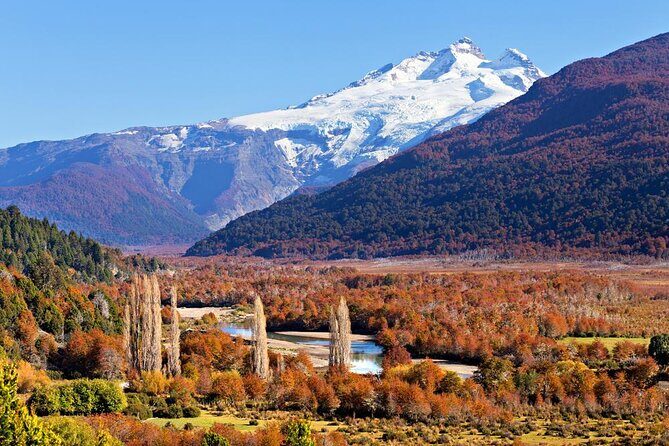
- Cerro Tronador viewpoints of Pico Chileno, Pico Argentino, and Pico Internacional
- Small group size (up to 20), which helps keep the day manageable
Why Cerro Tronador and Ventisquero Negro Is a Great Bariloche Combo
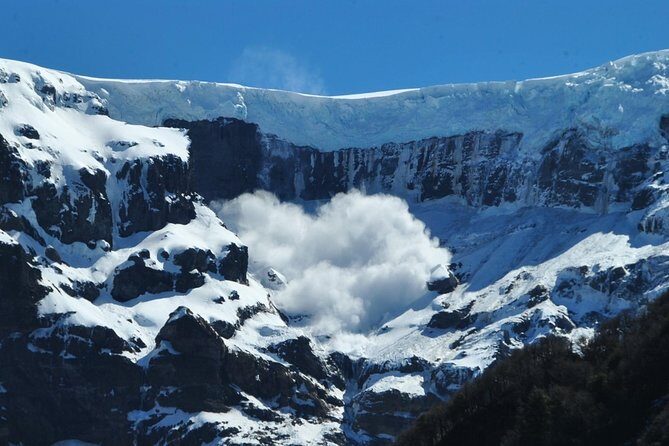
Cerro Tronador sits in the Lake District like a serious chunk of ice-and-rock drama. It’s the tallest mountain in the area at 11,500 feet (3,500 meters) and it’s known for its seven glaciers. The name connects to a very real feature: when chunks break off, you can get that thunderous sound as ice drops.
I like the pairing here because you’re not only looking at one glacier from one viewpoint. You first work your way into the region with lake scenery and then transition into actual glacier country at Ventisquero Negro, before you head toward the Cerro Tronador lookouts. If you’re chasing that wow factor, this route gives you two different glacier perspectives in one day.
And there’s something else that makes the day feel worth it: the trip is designed as a “slow travel” experience inside a long drive. Instead of you being stuck white-knuckling the route, the coach handles the hard part, while you get stops that break up the journey.
You can also read our reviews of more tours and experiences in Bariloche.
The Full 9.5-Hour Flow: Lakes, Rivers, Forest, Then Ice
This is a 9 hours 30 minutes day, starting around 9:00 am. You’ll board an air-conditioned coach after pickup from your Bariloche hotel in the center, then settle in for a route that’s mostly about viewing and stopping—less about logistics.
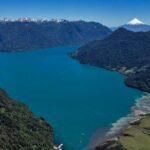
The day begins with a scenic push toward Lake Gutierrez. Along the way you travel across the Pampo de Huenuleo and along rippling creeks, including Melgarejo and Pilmayen. Then the route opens up with Lake Gutierrez, where you’ll stop for photos and a chance to stretch your legs at a lodge and private beach area.
From there, the coach keeps moving along Mascardi Lake. You’ll also cross the Manso River, a known white-water rafting destination—so even if you don’t raft, you get a sense of why people come for it. After that, you head toward the base area near Cerro Tronador and stop in Pampa Linda for lunch (own expense), set in the shadow of Tronador.
The forest segment matters more than you might think. You travel through native lenga and coihue trees in the Vuriloches Valley before reaching Ventisquero Negro (Black Snowdrift). That shift—from open water views into wooded mountain approach—helps the day feel like a route, not just a single destination.
Finally, you ride the coach a bit further to Cerro Tronador. Your guide leads a short walk into the woods where you view the glacier area, then you return to the coach and go back to Bariloche.
Lake Gutierrez and Mascardi Lake Stops: Where the Day Gets Color
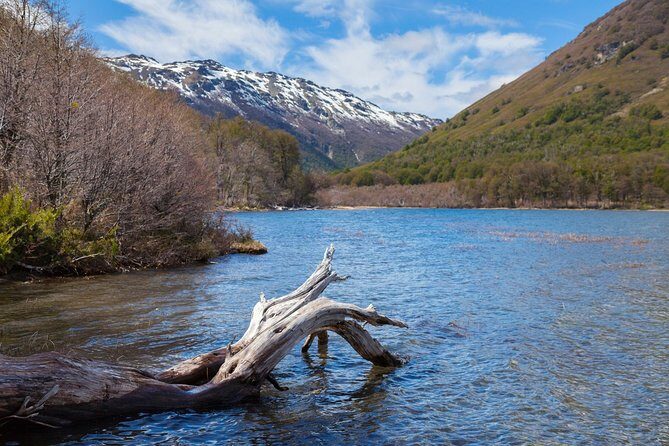
These lake moments are more than filler. In a long day, the route uses water views to reset your eyes before you start focusing on ice and steep mountain terrain.
At Lake Gutierrez, you get a lodge and private beach stop. That’s a nice setup because you can grab photos, walk around a bit, and get back on the bus without feeling like you missed the main action. The more you can keep moving during long days, the less “tired-on-arrival” you’ll feel when you reach glacier country.
On Mascardi Lake, you’re still in the same general region, but the scenery shifts in a way that keeps it interesting. You’ll have another chance to look around before continuing toward the Manso River and the higher mountain areas. If you’re the type who gets cranky after hours in a vehicle, these stops help keep the day from turning into one long blur.
Pampa Linda Lunch: Scenic Stop, With Extra Planning Needed
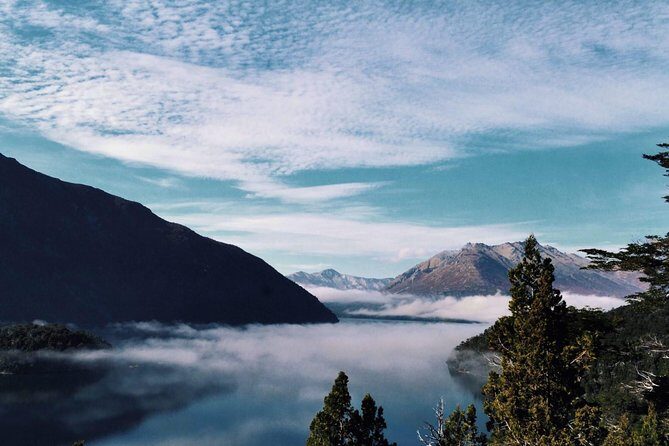
You’ll stop in Pampa Linda, in the shadow of Cerro Tronador, for lunch. Lunch is not included, so you should expect to spend extra.
This is also the kind of stop where the timing can influence your comfort level later. If you eat quickly and keep water and snacks in mind, you’ll feel better when you reach Ventisquero Negro and then move toward Cerro Tronador. If you’re hungry and the options are limited, it can feel like a scramble.
So my practical advice: treat lunch as part of your strategy for the rest of the day. If you like buffer time, consider bringing a small snack you can rely on between stops, especially if you know you get hungry easily.
Ventisquero Negro (Black Snowdrift): The Glacier Stop That Makes the Day Real
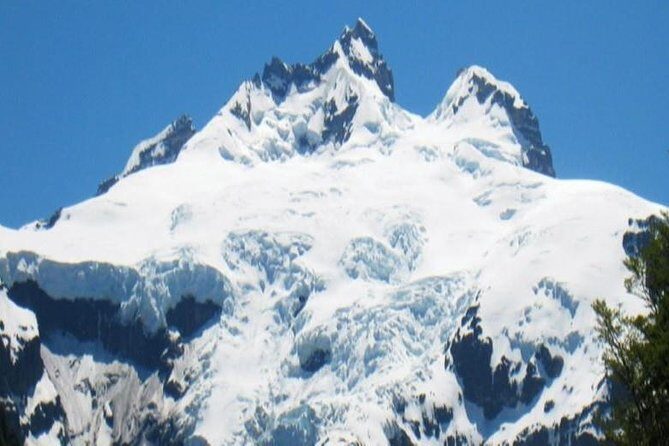
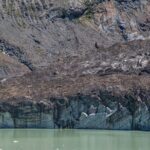
Ventisquero Negro is where the tour shifts from scenic driving to actual glacier viewing. The name Black Snowdrift fits the idea that this isn’t only white ice on a postcard—it’s a dramatic glacial environment with a darker tone in certain areas.
The key thing to know is how the tour handles this stop. You don’t just park and leave. You travel through the forest approach in the Vuriloches Valley, then reach Ventisquero Negro, giving you a moment to focus on the glacier zone before heading higher.
This stop is also where you’ll start noticing why timing and good weather matter. If clouds or mist roll in, you may still get glacier views, but the “sharp” feel of the mountains can fade. The experience requires good weather, so if conditions aren’t right, plans can change.
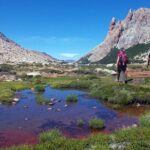
Cerro Tronador Walk: Three Peaks and That Glacier Thunder
Once you’re closer to Cerro Tronador, the day turns into the main event. You’ll ride the coach to get near the viewpoint area, then take a short guided walk into the woods.
From there, you can view three peaks:
- Pico Chileno
- Pico Argentino
- Pico Internacional
These are big-name sights, but what really sells the moment is the context: Cerro Tronador is associated with multiple glaciers, and the sound of ice chunks breaking off is part of the identity of the mountain. You might not catch every crack or boom, but the whole area is set up so you’re looking at the kind of terrain where that activity is normal.
Also, the walk is described as short, which is helpful on a long day. You’re not signing up for a long hike, so you can keep your energy for looking and photographing once you arrive.
Coach Time vs. Time in the Wild: What to Expect From the Pace
Let’s talk pace honestly. This is a long day on a bus. That can be totally fine if you treat it like a full-day scenic circuit, with photo stops and structured viewpoints. But if you’re expecting lots of independent time to wander around, you may feel the pinch.
One theme from the experience quality is how time at key sites feels. When you arrive and the group moves smoothly, you get better chances to look, take pictures, and listen to the guide. When the group is loud or the guide has to repeat themselves, you can lose the best part: the explanation that turns a view into understanding.
I recommend you be intentional about your position on the coach. Some guides have handled language differences by giving clear explanations in a way that works better if you can see and hear them. One guide, Sebastián, was praised for being kind and explaining history even when English wasn’t perfect. Another guide, José Ignacio, got strong marks for explaining places clearly. If you want to hear well, sit up front when you can.
Guide Quality and Language: How to Get the Most From the Explanation
This tour is led by a professional guide, and the experience can be very different depending on how your day’s group handles listening.
If you’re traveling on an English tour, it helps to know that group language mix can affect audio clarity. In at least one case, the English parts were hard to hear because other passengers talked during the guide’s explanations. That’s not just annoying—it reduces how much you’ll learn at the glacier and mountain stops.
Here’s what you can do:
- Sit near the front if you want to hear better.
- If you’re fine with a mix of languages, don’t rely on perfect audio everywhere.
- Treat the guide as your “decoder.” When you hear the explanation, the scenery becomes easier to read.
The good news: guides here seem motivated to communicate. In different accounts, guides switched between languages or explained in ways that still brought the mountains and glaciers to life.
Price and Value: Is $72 Worth It Here?
At $72 per person, this is an affordable way to reach a remote part of Bariloche without dealing with a long self-drive day. The big value is the combination of:
- round-trip hotel pickup and drop-off
- a guided outing
- air-conditioned coach transport across multiple scenic zones
But you should also factor the extras. The national park entrance fee is $25 per person, and there’s an additional Tourist Information San Carlos de Bariloche fee of $15 per person. Lunch is also on you. When you add it up, the true cost is higher than the $72 headline price.
Even so, the overall value can still be good because this day is about distance and access. The coach handles the travel so you don’t spend your time figuring out route segments, parking, and timing at different stops. If you’re short on time in Bariloche, one full day like this can be a smart use of a visit day.
What to Bring for a Glacier-Mountain Coach Day
This kind of day is where comfort gear pays off.
You’ll be outdoors for a short walk and for glacier viewing, and weather can shift in the Andes region fast. Bring layers you can adjust. Sunglasses help, and a hat helps if it’s bright.
Also pack practical photo gear:
- Your phone or camera with enough battery.
- A small power bank if you’re shooting a lot.
- If you’re freezing, you won’t take as many photos. Layers beat toughness.
Since lunch is not included, consider bringing a small snack as insurance, especially if you know you don’t love waiting at meal stops.
Who Should Book This Tour (and Who Might Want a Different Plan)
This trip is a solid fit if you want:
- one-day access to Tronador and Ventisquero Negro
- a coach-based day with multiple scenic stops
- a short guided walk rather than a long hike
It might be less ideal if you’re expecting lots of free roaming. You’ll have guided viewpoints and some time to look, but the day is structured, and the bus time is part of the deal.
If you’re sensitive to noise or language mismatch, plan to sit where you can hear. And if you hate long bus days, consider how you’ll feel before booking—this is a full-day outing.
Should You Book Cerro Tronador and Ventisquero Negro?
If you want a Bariloche day that mixes lakes, forest, and real glacier viewpoints without renting a car, I think this is a good bet. The highlights are the big views at Cerro Tronador (with the three-peaks angle) and the glacier stop at Ventisquero Negro, all paired with stops that keep the ride interesting.
Book it if you can handle a long day and you care about guided context at the sights. If you’re picky about hearing the guide, sit near the front and aim for a day with good weather—because that’s when you’ll feel the mountains really click.
If your priority is maximum time at one site, or you hate buses, you may prefer a different format. But for most people visiting the area with limited time, this is a practical, value-conscious way to see both Tronador and the Black Snowdrift zone in one day.
FAQ
How long is the tour?
It’s about 9 hours 30 minutes.
What’s included in the price?
Included are a professional guide, hotel pickup and drop-off in central Bariloche, and an air-conditioned vehicle.
What extra costs should I budget for?
You should budget for a national park entrance fee of $25 per person and a tourist information fee of $15 per person. Lunch and drinks are not included.
What time does the tour start?
It starts at 9:00 am.
Do I need good weather for this experience?
Yes. The tour requires good weather, and if it’s canceled due to poor conditions, you’ll be offered a different date or a full refund.
How big are the groups?
The tour has a maximum of 20 travelers.