REVIEW · PUERTO MADRYN
Shore Tours Peninsula Valdes Puerto Madryn Cruise Passengers
Book on GetYourGuide →Operated by Animal Travel · Bookable on GetYourGuide
This is Patagonia wildlife, up close. You start right at the Comandante Luis Piedra Buena Pier, then head into Península Valdés for a day built around UNESCO-level nature and up-close animal viewing.
What I like most is the combination of solid guiding and smooth logistics. I especially loved how guides explain the biology and behavior you’re actually seeing, and how the team keeps things moving—like Verena stepping in quickly with entrance tickets so you lose less time at the start. I also appreciated the safe, calm driving from Nabal, and the fact the tour runs in a small group (max 20) in an air-conditioned van.
One thing to plan for: the reserve entrance fee (about USD 35) isn’t included, and optional whale watching depends on the season, so you’ll want to budget a little extra and keep expectations flexible.
In This Review
- Key takeaways before you go
- Cruise-to-Península Valdés flow: the logistics that make or break the day
- A local guide turns wildlife sightings into real learning
- Stop-by-stop: what each part of the itinerary is really for
- Pier departure and the first van ride
- Puesto de Control El Desempeño: a quick control-point stop
- Centro de Visitantes Istmo Carlos Ameghino: set your bearings
- Caleta Valdés: guided time where you want the cameras ready
- Punta Cantor: more guided viewing with a strong photo focus
- Puerto Pirámides: a longer stop that gives you breathing room
- Return to the pier
- Wildlife expectations at Península Valdés: what you can count on
- Whale watching as an option: when it can happen
- What’s included: lunch, water, and the cost you should budget
- Price vs. value at $120 per person
- Pack smart: shoes, sun, and how to stay comfortable
- Accessibility and who this tour suits best
- Should you book Shore Tours Peninsula Valdés from Puerto Madryn?
- FAQ
- How long is the Península Valdés cruise excursion?
- Where does the tour pick up from?
- Is lunch included?
- Is the reserve entrance fee included in the price?
- What wildlife can I expect to see?
- Are guides available in English and Spanish?
- Is the tour refundable if I change plans?
Key takeaways before you go
- Name-signed pickup at the cruise dock makes meeting up fast, with staff easy to spot by brand clothing
- Small-group pace (up to 20) helps you get answers and actually enjoy the stops
- Stop-and-photo timing works well for cruise schedules, with departure often 30–45 minutes after arrival
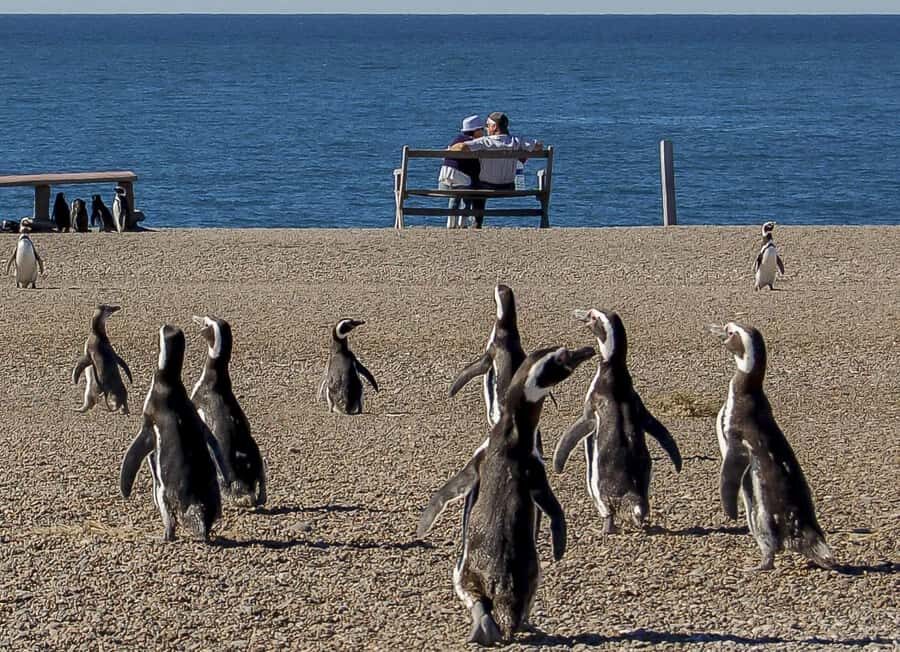
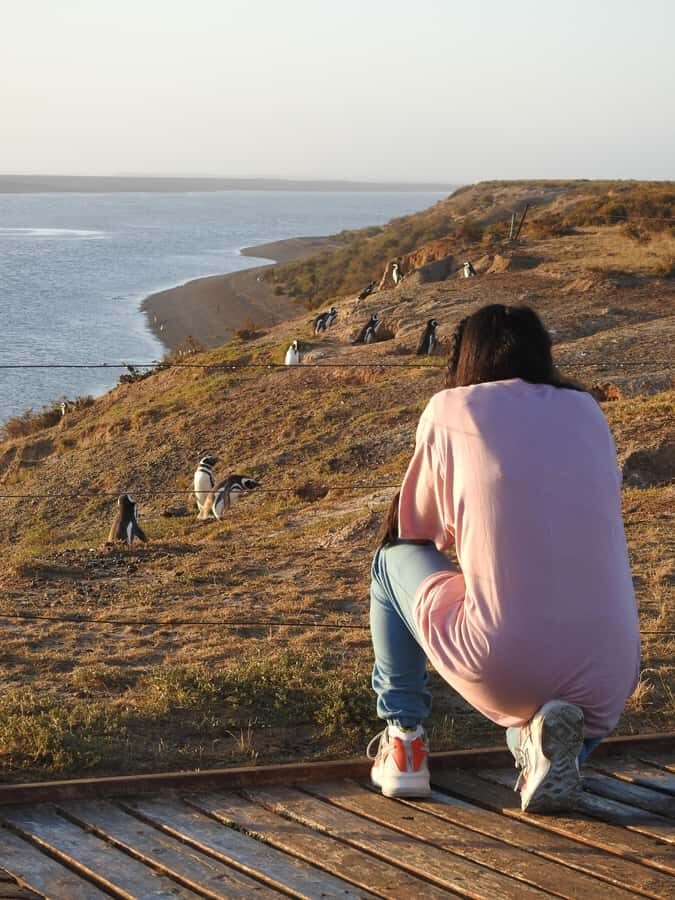
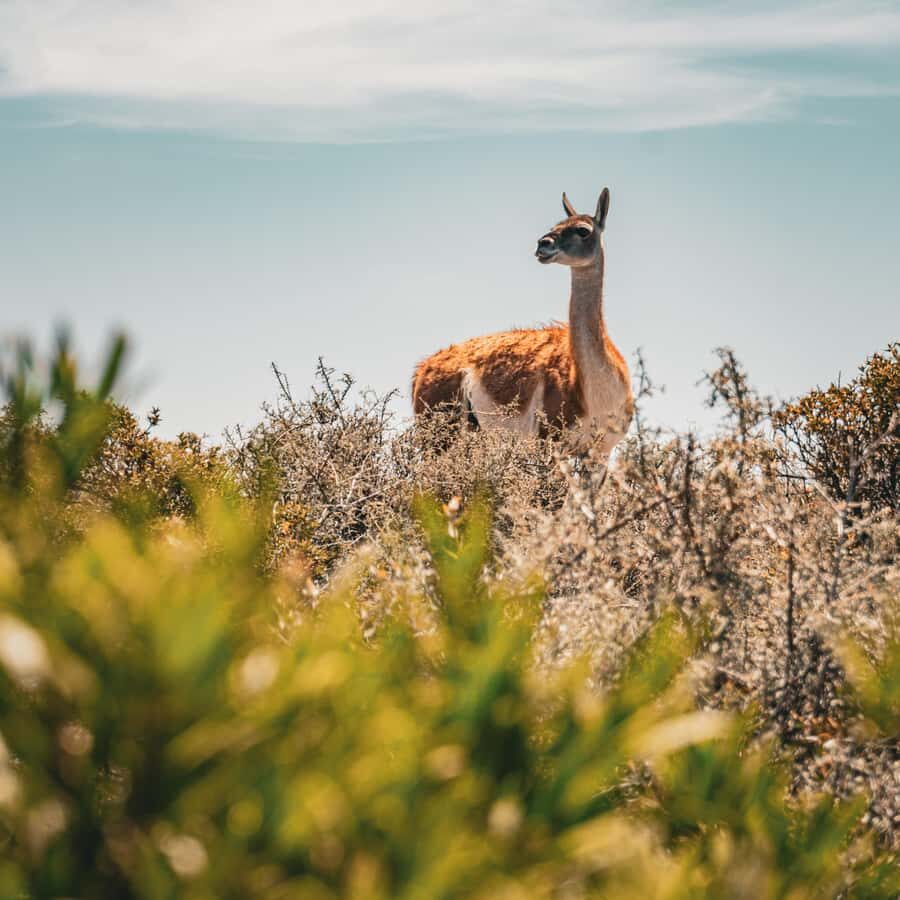
- Wildlife is the main event with a strong chance to see sea lions, elephant seals, guanacos, rheas, and penguins
- Comfort hits you first: air-conditioned transport plus a box lunch and water
Cruise-to-Península Valdés flow: the logistics that make or break the day
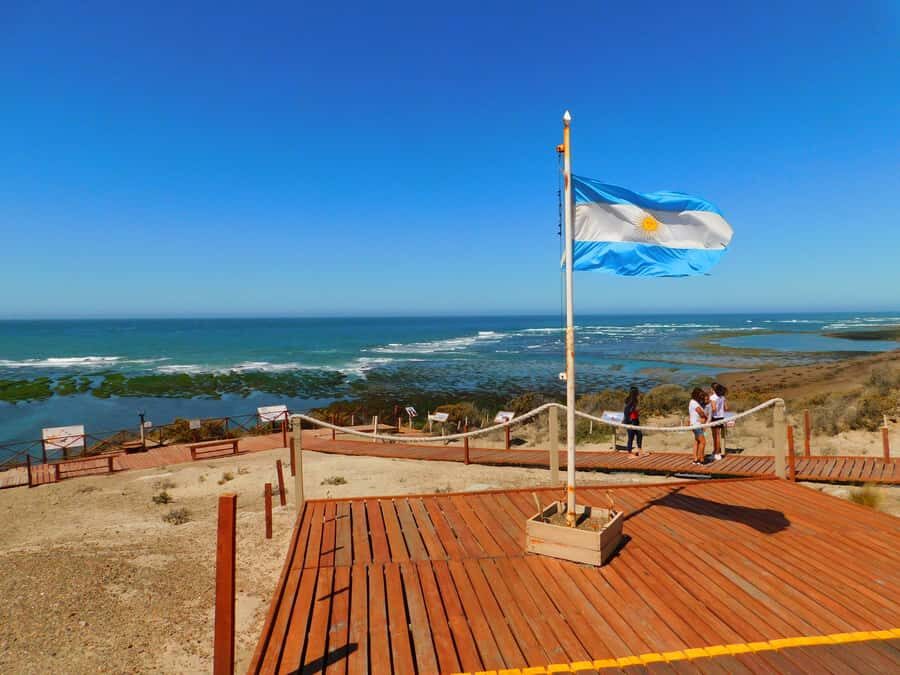
If you’re coming from a cruise, timing is everything. This excursion is designed to fit ship arrivals, typically starting about 30 to 45 minutes after your ship docks. If your sailing schedule shifts, the tour can be rescheduled to match the new arrival time—meaning less stress and more actual time on the peninsula.
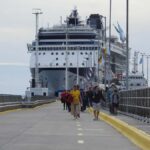
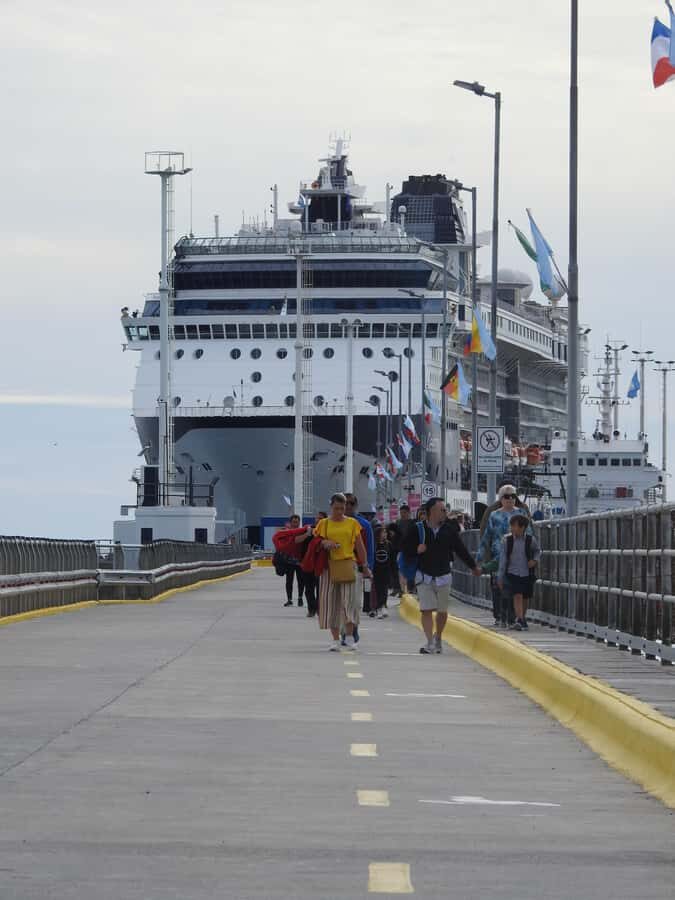
The pickup is straightforward: you meet at Comandante Luis Piedra Buena Pier and look for the team sign with your name. That small detail matters when you’re standing with a crowd and trying not to miss the van. Once you’re loaded, the ride is in an air-conditioned vehicle—great for keeping the day comfortable, especially if weather is changeable.
You’ll also get a clear sense that this is built for cruise passengers who can’t linger. The itinerary is structured around efficient stops and photo windows, not a long, slow roam where you’d be racing the ship at the end.
You can also read our reviews of more boat tours in Puerto Madryn
A local guide turns wildlife sightings into real learning
The quality jump here is the guiding. Península Valdés can feel wild and overwhelming on your own—then a good guide gives you the “why” behind what you’re seeing. I like that the tour focuses on fauna, flora, and geography, so the day doesn’t turn into just quick animal spotting.
Language support is also practical: guides work in Spanish and English. That means you can ask questions and get answers without waiting for translation gymnastics.
You may get examples of how they manage the day in real time, like Verena’s fast handling of entrance tickets so the group spends more time touring and less time waiting. And with Nabal driving, the day stays calm, which matters when you’re hopping between viewpoints and reserves.
Stop-by-stop: what each part of the itinerary is really for
This tour moves through a sequence that mixes short orientation, visitor-area context, and multiple viewing stops. Here’s how the day typically unfolds, and what each segment is for.
Pier departure and the first van ride
You start at the pier (Comandante Luis Piedra Buena Pier) and then settle into the van for about an hour. This first stretch is mostly getting you to the right area with less time wasted on transfers.
Puesto de Control El Desempeño: a quick control-point stop
Next comes a short visit (about 15 minutes) at Puesto de Control El Desempeño. Expect it to be a brief, necessary stop as the group transitions into reserve-related areas. It’s not the fun part, but it’s one of those moments that helps explain why timing and organization matter.

Centro de Visitantes Istmo Carlos Ameghino: set your bearings
You get another short movement segment, then a photo stop plus visit at Centro de Visitantes Istmo Carlos Ameghino for about 30 minutes. This is where you build context before the animal-viewing stops. If you like having names and explanations lined up for the wildlife later, this is the part that makes the rest of the day click.
Caleta Valdés: guided time where you want the cameras ready
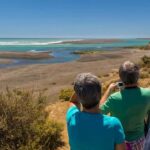
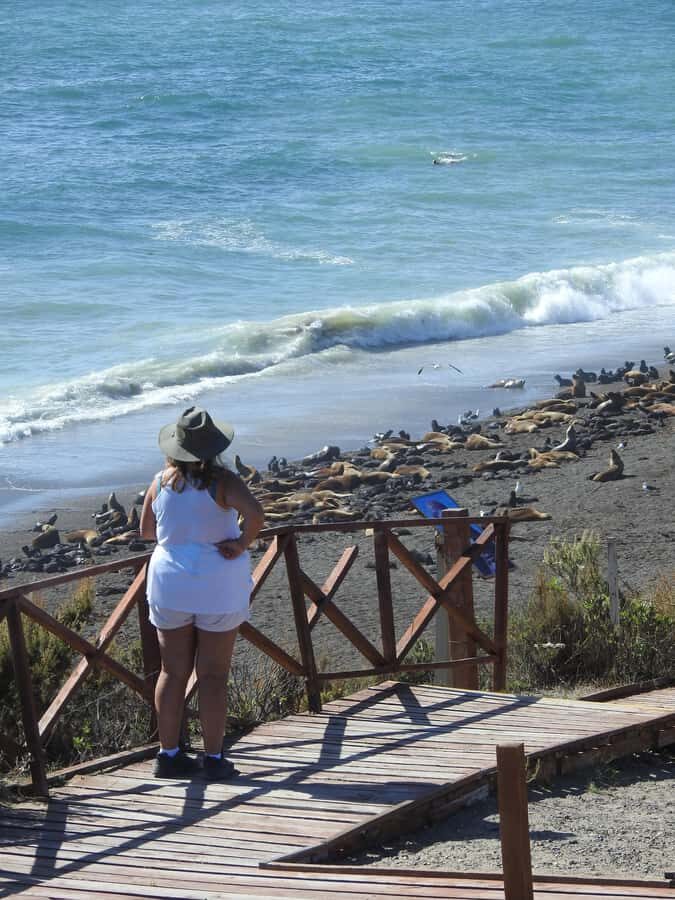
After about 1.5 hours of van time, you reach Caleta Valdés for a photo stop and a guided tour of about 45 minutes. This is a key viewing stop in the itinerary, and it’s where having a guide is especially useful—because animal behavior isn’t always obvious at first glance.
Even though you’ll be moving through in a structured way, guided time helps you notice things you’d otherwise miss, like patterns of movement, how animals use the terrain, and what to look for as conditions change.
Punta Cantor: more guided viewing with a strong photo focus
Then it’s a short van transfer (about 5 minutes) to Punta Cantor. You’ll spend about 30 minutes with a photo stop and guided time. This stop is another chance to catch wildlife and get photos from viewpoints where the guide can help you position yourself and look in the right direction.
Puerto Pirámides: a longer stop that gives you breathing room
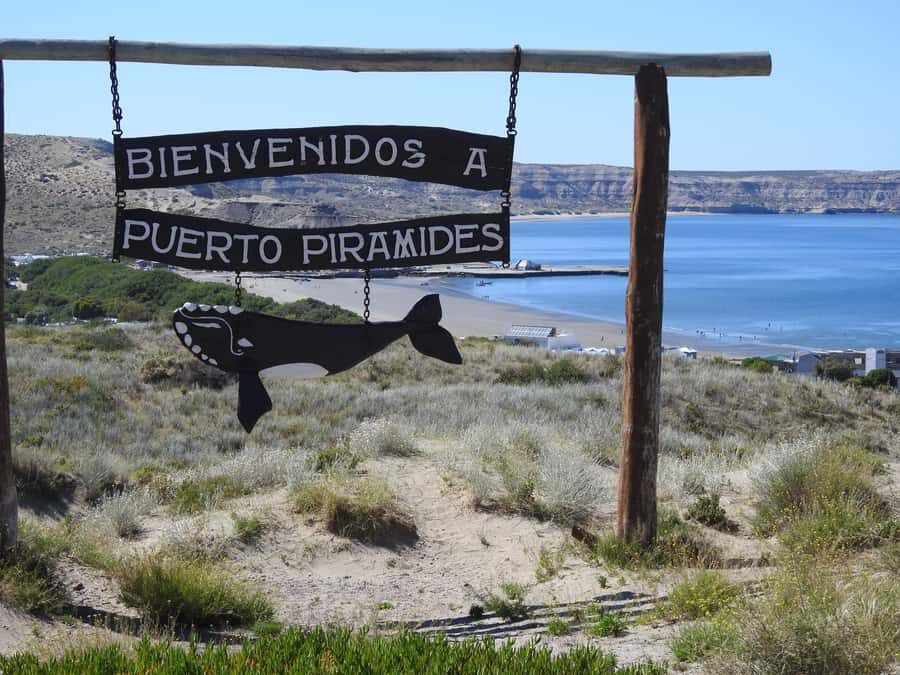
Finally, you head to Puerto Pirámides for about an hour of guided time (plus photo stop). This is your longer city-adjacent break before the ride back. If you’re the kind of traveler who likes asking questions and taking a few extra minutes to absorb what you saw earlier, this part gives you space to do that.
Return to the pier
You end with about 1.5 hours back to the pier. This is the part you’ll feel most as you’re thinking about your cruise departure. The good news: the excursion is built around getting you back on time without you having to constantly check the clock.
Wildlife expectations at Península Valdés: what you can count on
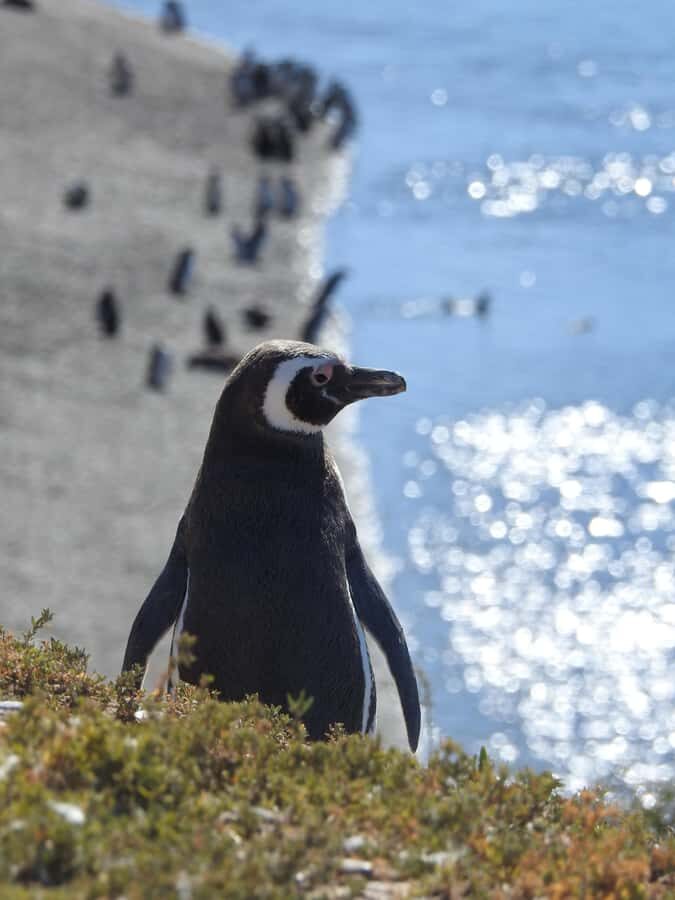
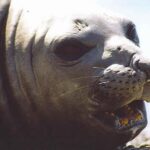
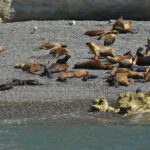
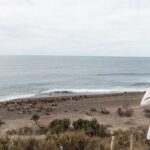
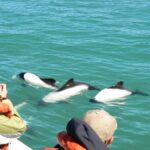
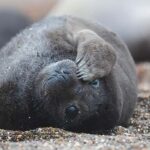
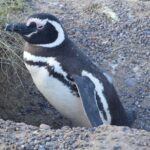
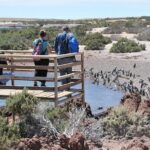
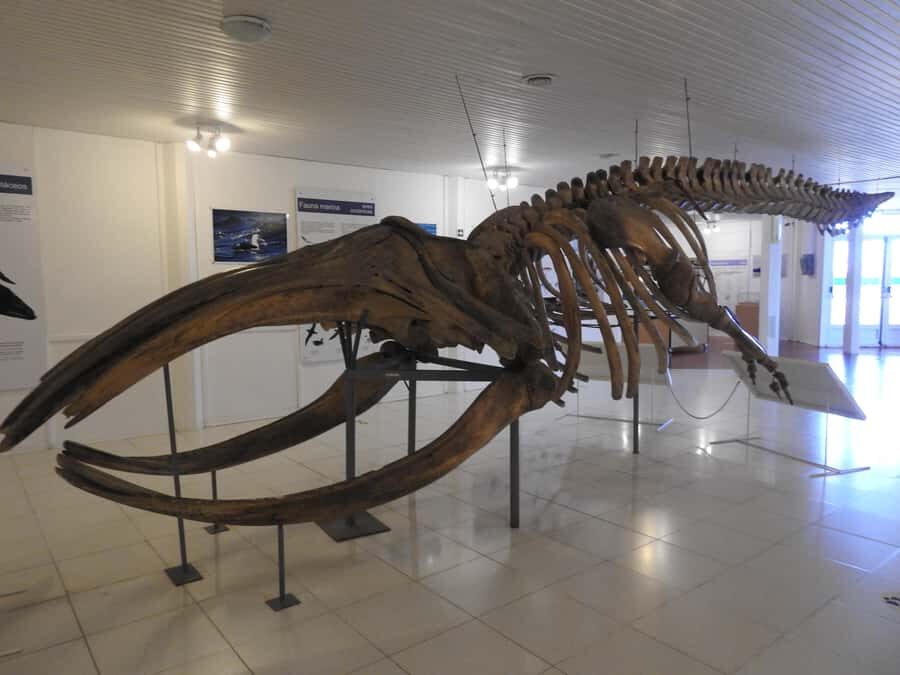
The highlights are clear: you’re in a place known for a wide variety of wildlife. The tour is set up for observing sea lions, elephant seals, guanacos, rheas, and penguins. Depending on the season, you might also spot southern right whales as an optional add-on.
What I like about this is the realism. You’re not paying for a guarantee that nature will behave on a schedule. Instead, the itinerary is built to maximize your odds with the right timing and local guidance.
You may see special wildlife moments if conditions line up and the guide times stops well. For example, a past group experienced orcas and a baby sea lion being born when the day’s timing worked out. That’s not something you can plan for on your own, and it’s exactly why the guide’s on-the-ground judgment matters.
Whale watching as an option: when it can happen
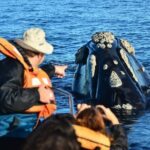
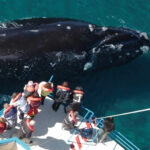
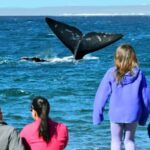
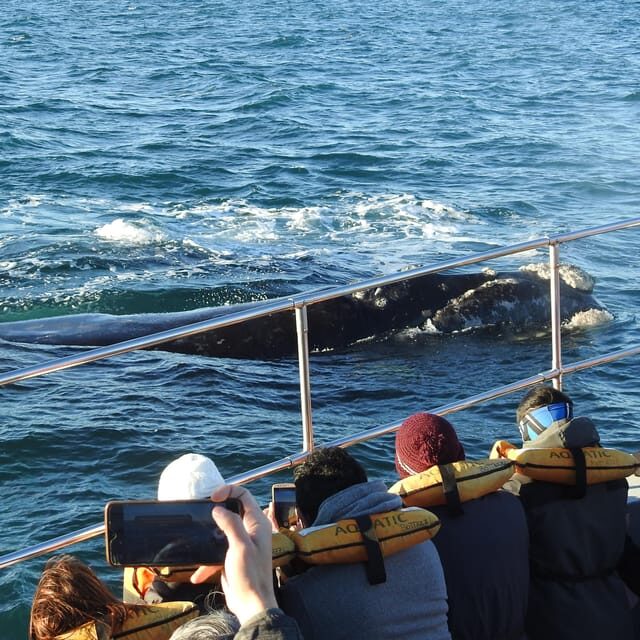
Whale watching is seasonal and treated as optional. The info you should know is that it’s generally possible between June and December. If whales aren’t moving through the area when you’re there, you’ll still have plenty of wildlife viewing from the core itinerary.
This is also why I suggest keeping your schedule flexible in your head. If you’re disappointed by not seeing whales, remember that the peninsula still delivers on the animal mix that’s the main reason most people book this day.
What’s included: lunch, water, and the cost you should budget
This excursion includes:
- Air-conditioned vehicle
- Box lunch
- Water bottle
- Specialized tour guide
- (Depending on timing/route) a setup that supports efficient entry, including separate entrance use to help with line avoidance
Not included is the reserve entrance fee (about USD 35). That fee matters because it’s the one surprise cost people can forget when they focus only on the listed tour price.
Price vs. value at $120 per person
At $120 per person for about 7 hours, you’re paying for more than transport. You’re paying for guided wildlife time, a structured route that fits a cruise schedule, and included food and water.
Once you add the reserve entrance fee, your total cost rises, but you’re still getting a full day package: van, guide, and the major viewing stops that make this part of Patagonia so famous. For cruise passengers, that value jumps because you’re not trying to piece together individual stops on tight time.
Pack smart: shoes, sun, and how to stay comfortable
Patagonia weather can change fast, so dress like you’re preparing for “layer and adjust” conditions. Bring:
- Comfortable shoes (you’ll be on uneven terrain and at viewpoints)
- Sunglasses and a hat
- Sunscreen
- A camera (you’ll want it ready at photo stops)
If you’re the type who hates being cold at viewpoints, add a light layer you can pull on quickly. Even in a day with good weather, open areas near the coast can feel windy.
Accessibility and who this tour suits best
This is set up to be easier for people who need accessibility support. The tour is adapted for reduced mobility, including wheelchairs and baby strollers. Service animals are allowed as well.
Because it’s a small group and a guided route, it’s a solid choice for:
- Cruise passengers who want a structured day without juggling taxis or finding entrances
- Wildlife-focused travelers who want context, not just spotting
- Families or groups who like a pace that doesn’t feel rushed at every stop
If you’re the ultra-independent type who wants full control over timing and viewpoints, this may feel a bit structured. But that structure is exactly what makes it work well on a cruise day.
Should you book Shore Tours Peninsula Valdés from Puerto Madryn?
If you want a one-day hit of Península Valdés wildlife with logistics handled for you, I think this is a strong option. The pickup with a name sign, the small group size, and the included lunch and water all reduce the hassle factor that cruise days usually bring.
Book it if you:
- Are short on time and want the day built around cruise schedules
- Care about learning as you watch animals (fauna, flora, geography)
- Want comfort with air-conditioned transport
Skip or reconsider if:
- You’re only interested in whales and you’re traveling outside the whale season window
- You dislike added reserve fees and prefer fully all-in pricing
Bottom line: for most people arriving via cruise, this is the kind of tour that helps you focus on what matters—wildlife, viewpoints, and a guided day that runs on time.
FAQ
How long is the Península Valdés cruise excursion?
It runs about 7 hours.
Where does the tour pick up from?
You meet at the Comandante Luis Piedra Buena Pier. The team waits for passengers with a sign showing your name.
Is lunch included?
Yes. A box lunch is included, along with a water bottle.
Is the reserve entrance fee included in the price?
No. Entrance to the reserve is an additional cost paid upon entering (listed as about USD 35).
What wildlife can I expect to see?
The tour is designed for wildlife watching, including sea lions, elephant seals, guanacos, rheas, and penguins. Depending on season, southern right whales may also be spotted as an optional add-on.
Are guides available in English and Spanish?
Yes. Guides work in Spanish and English.
Is the tour refundable if I change plans?
There is free cancellation up to 24 hours in advance for a full refund.