REVIEW · PUERTO MADRYN
Puerto Madryn: El Doradillo Whale Watching Half-Day Tour
Book on GetYourGuide →Operated by ARNEZ TRAVEL · Bookable on GetYourGuide
Southern right whales from the beach? Yes.
This half-day tour in Chubut Province takes you to El Doradillo, a protected coastal area where you can watch whales right off the shore, then learn what you’re seeing from a real guide.
Two things I especially like: the chance for whale behavior at very close range and the way the guide turns sightings into a clear story about migration and conservation. One thing to consider: weather in Patagonia can change fast, so you’ll want warm layers and comfortable shoes.
You’ll be picked up in Puerto Madryn, ride out to the shoreline viewpoints, then spend about 1.5 hours doing land-based whale watching from two of the best spots: Punta Flecha and Playa Las Canteras.
In This Review
- Key Things You’ll Notice
- El Doradillo Whale Watching: Shore Views That Actually Feel Close
- Getting There From Puerto Madryn Without Losing Whale Time
- Punta Flecha: Elevated Watching and a Clear Whale-Spotting Rhythm
- Playa Las Canteras: The Beach Where Whales Can Come Very Near
- What Your Guide Teaches: Behavior, Migration, and Conservation
- Wildlife Around You: More Than Just Whales
- Price and Value: What $70 Gets You in Real Whale Time
- What to Bring (And What Will Save Your Trip)
- Who This Tour Suits Best
- Should You Book the Puerto Madryn El Doradillo Tour?
- FAQ
- How long is the El Doradillo whale watching tour?
- Is this whale watching done from the shore or by boat?
- Where are the main whale watching stops?
- When is the best time to see southern right whales?
- What should I bring for the tour?
- Are meals included?
- What languages is the guide available in?
- Is the tour wheelchair accessible?
- What is the cancellation policy?
Key Things You’ll Notice
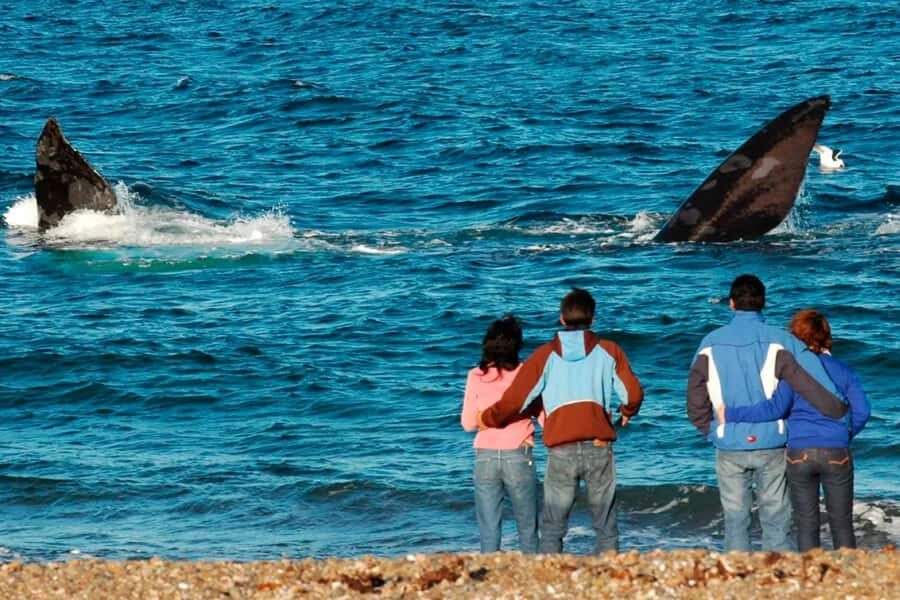
- Whales from the shoreline instead of a boat: watch breaches, tail-slaps, and calves close to you
- Punta Flecha viewpoint managed by the Patagonia Natural Foundation, with an elevated vantage
- Playa Las Canteras’s underwater slope can bring whales extremely near the beach
- Breeding season timing: best chances are June to October, when southern right whales are around
- Guide-led conservation talk so the experience feels more than just sighting photos
- Small practical extras: one guide (Roy) has been known to offer coffee and cookies during the outing
El Doradillo Whale Watching: Shore Views That Actually Feel Close
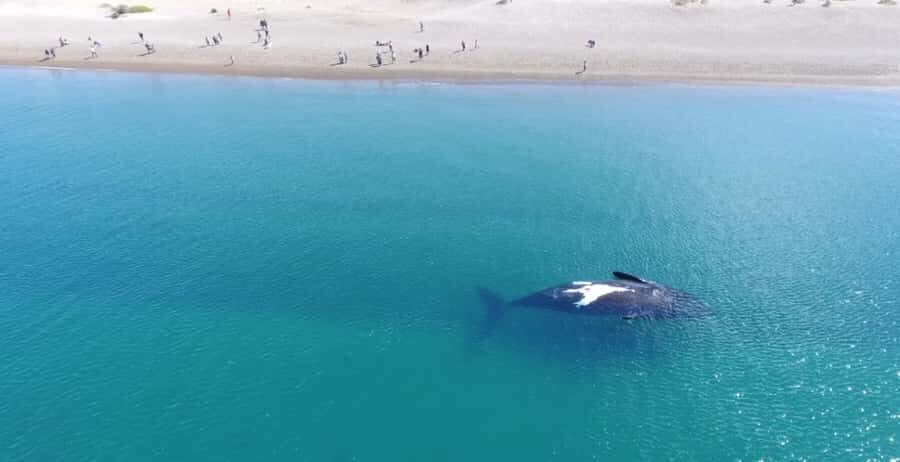
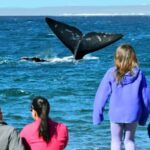
El Doradillo is the kind of place that makes you look twice at the shoreline. The excitement here isn’t about chasing whales on the water. It’s about standing on land, scanning calmly, and then realizing the whales are coming to you.
From June to October, southern right whales are in their breeding window, and that’s when land-based viewing gets extra rewarding. You’re there to observe how these whales move close to shore, how mothers interact with calves, and how natural behaviors like breaching and tail-slapping play out from a safe, shore-based distance.
What makes this experience work well is that it’s structured. You don’t just arrive and hope. You move between two key areas—Punta Flecha and Playa Las Canteras—each with its own viewing setup, and your guide keeps your eyes on what matters.
You can also read our reviews of more whale watching tours in Puerto Madryn
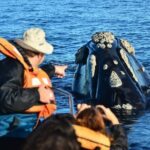
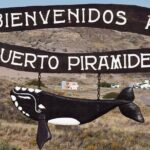
Getting There From Puerto Madryn Without Losing Whale Time
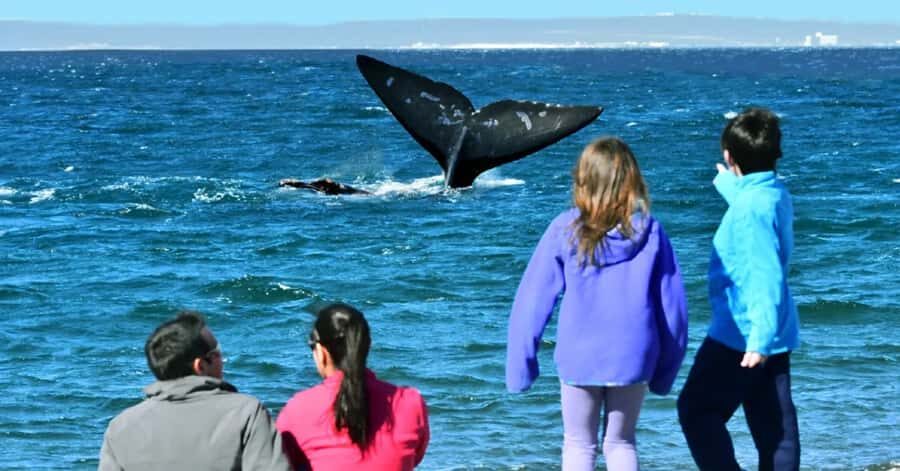
This tour is short on purpose: about 3 hours total, with hotel pickup and drop-off. Expect a van ride that starts from Puerto Madryn and then transitions you to the viewing areas.
The timing is tight enough that you’ll feel you’re doing real whale watching, not spending half the day traveling. But the downside is also simple: you can’t count on long delays to perfect conditions. If the wind is up or visibility drops, your guide will still do their best to position you where you can see whales from shore.
That’s why I treat the clothing list seriously. Bring layers, not fashion. Patagonia weather can flip quickly, and you’ll be standing and walking at the shoreline viewpoints.
Punta Flecha: Elevated Watching and a Clear Whale-Spotting Rhythm
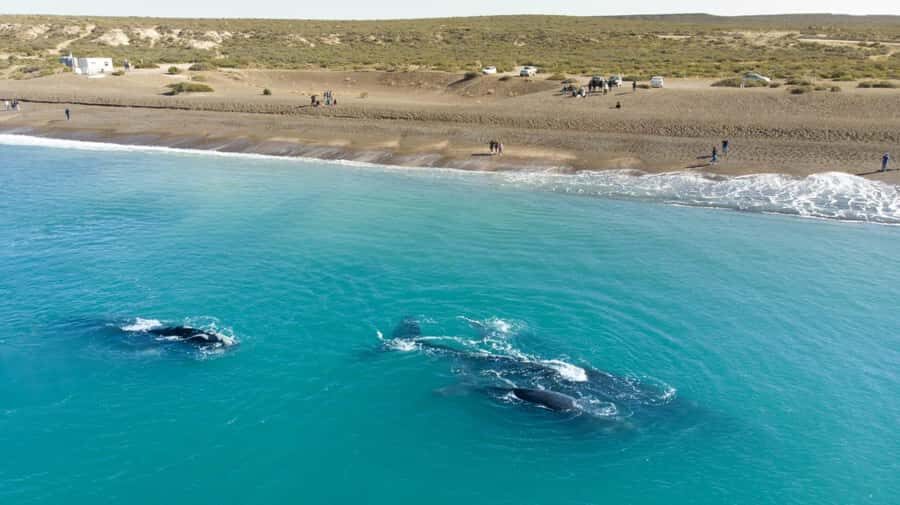
Your tour begins at Punta Flecha, a viewpoint area connected with conservation management by the Patagonia Natural Foundation. The value of starting here is perspective. From the elevated platform, you’re not only looking for whales—you’re learning how to read their movement patterns.
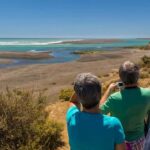
From this vantage point, you can often spot whales swimming close to the coast, and sometimes you’ll see calves near their mothers. That matters because it changes the whole mood of the sighting. A whale surfacing is exciting. But a whale with young in the same view turns the experience into something more meaningful and emotionally grounded.
Your guide helps you understand what you’re seeing. You’ll get the basics of migration patterns, why southern right whales come to these waters during the breeding season, and how conservation efforts protect them. I like this approach because it keeps the time from feeling like a guessing game.
Practical note: even from a platform, your neck and shoulders will get tired from scanning. Bring binoculars if you have them. They’ll help you judge distance and follow behavior without constantly repositioning.
Playa Las Canteras: The Beach Where Whales Can Come Very Near
Then you shift to Playa Las Canteras, widely known as one of the best shore-based whale watching locations in the area. The big reason is the underwater slope near the beach. It allows whales to approach the shore closely—often just a few meters away—so your view can be startlingly direct.
When conditions are right, you can see behaviors like:
- breaching (a whale lifting out of the water)
- tail-slapping
- and nursing interactions with calves
Standing on the beach for those moments is different from watching from a boat. On water, you’re in motion and the scale can feel abstract. From shore, the sound and timing feel clearer, and you can watch without worrying about where the boat went.
Safety and distance are still key. Your guide will set the rules for staying back and avoiding anything that could stress the whales. Follow that guidance. You want whales that keep returning, not whales that disappear because people pushed too close.
What Your Guide Teaches: Behavior, Migration, and Conservation
This tour stands out because it doesn’t stop at spotting. You’ll get a guided explanation of whale behavior and why it looks the way it does.
Southern right whales have a predictable seasonal routine, and June through October is your best bet for observing the breeding-related activity. During that period, mothers and calves are often part of what you’ll see, and that gives you a more complete view of the whales’ life cycle.
Your guide also covers conservation efforts, which I appreciate because it connects the show you’re seeing to a real-world reason people protect these habitats. When you understand the why, the sighting feels more grounded. You’re not just watching animals. You’re observing a species using a protected coastline because it still matters—and people have worked to make that possible.
If you’re lucky enough to have Roy, keep your ears open. One outing included coffee and cookies during the tour, and the guide’s calm, attentive explanations made the whole experience feel smoother and more personal.




Wildlife Around You: More Than Just Whales
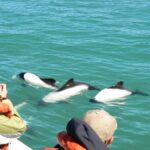
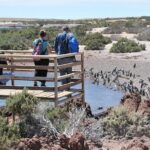
Whales steal the spotlight, but the coast doesn’t go quiet around them. While you’re waiting and scanning, you might also spot seabirds along the shore. Depending on conditions, you may see land animals in the broader area too, including guanacos and Patagonian hares.
That’s part of the value of going to a protected coastal setting: it feels like you’re visiting a living ecosystem, not a single photo stop. Even when the whales are moving slowly or taking breaks, the scenery and background wildlife keep your attention engaged.
Price and Value: What $70 Gets You in Real Whale Time
At about $70 per person for a 3-hour tour, you’re paying for two things: guided interpretation and land-based access to prime viewing spots.
For value, I think the math is about time and quality:
- You get about 1.5 hours focused wildlife viewing.
- You visit two distinct whale watching locations rather than only one.
- Your guide explains behavior and conservation so the experience has context, not just photos.
Could you do this on your own? Maybe, but you’d be guessing where whales will come closest and how to interpret their behavior. Here, your time is organized for sightings, and your guide helps you make sense of it all.
If you’re the type who wants the whales but also wants to learn why they’re there, this price feels fair.
What to Bring (And What Will Save Your Trip)
Bring what keeps you comfortable and helps you see more. This tour is mostly outdoors and you’ll be watching for long moments.
Pack:
- comfortable shoes for walking on uneven ground
- warm clothing (Patagonia weather can turn)
- hat to handle wind and sun
- camera for breaching and tail-slaps
- sunscreen since you’re exposed while watching
- water because you’ll be out for hours
- binoculars if you want better detail and tracking
Also remember:
- No pets
- No smoking
- Respect wildlife and keep a safe distance as instructed
These aren’t “rules for paperwork.” They protect the viewing experience for everyone, including the whales.
Who This Tour Suits Best
This outing is a strong match if you want:
- whale watching without a boat
- clear guidance on whale behavior and conservation
- a short, focused half-day plan from Puerto Madryn
It’s also ideal for people who appreciate the coast as more than a backdrop. The combination of ocean views, birdlife, and the possibility of seeing other wildlife like guanacos makes the day feel full, even while you wait for whale movement.
One important limitation: it’s not suitable for wheelchair users, since the activity involves walking to viewpoint areas.
Should You Book the Puerto Madryn El Doradillo Tour?
If you’re visiting during the June to October season window, I’d book this quickly. The shore-based setup at Punta Flecha and Playa Las Canteras is designed for southern right whales, and the chance to see close behavior—breaches, tail-slaps, and nursing—makes this feel like more than a casual outing.
Book it if you like guided learning. A good guide makes the sightings click into place, and the conservation context gives the whole experience weight.
Don’t overbook it if you hate being outdoors in changeable weather. Bring your warm layers, expect wind and shifting conditions, and you’ll be fine.
FAQ
How long is the El Doradillo whale watching tour?
The tour lasts about 3 hours total.
Is this whale watching done from the shore or by boat?
It’s land-based whale watching from the beach and viewpoints.
Where are the main whale watching stops?
You visit Punta Flecha and Playa Las Canteras for wildlife viewing.
When is the best time to see southern right whales?
The breeding season runs from June to October, which is when you’ll have the best chances.
What should I bring for the tour?
Wear comfortable shoes and warm clothing. Bring a hat, camera, sunscreen, water, and binoculars.
Are meals included?
Meals and drinks are not included.
What languages is the guide available in?
The guide speaks English and Spanish.
Is the tour wheelchair accessible?
No, it is not suitable for wheelchair users.
What is the cancellation policy?
You can cancel up to 24 hours in advance for a full refund.