REVIEW · ARGENTINA
La Docta Free Walking Tour “Córdoba La Antigua”.
Book on GetYourGuide →Operated by La Docta Free Walking Tour · Bookable on GetYourGuide
Old Córdoba feels close on this walk. The Córdoba La Antigua free walking tour stitches together key colonial sites in about 150 minutes, with guides who make the stories fun and easy to follow. I especially liked the route through places like the Jesuit complex and the Cabildo, and the way guides keep the group moving and laughing. One thing to plan for: it’s mostly walking outdoors, so bad weather can make it feel longer.
You choose the price at the end, and there’s even a small $0.50 USD deposit to lock in your spot. The tour starts at Plaza San Martín in the center, so you can join without stress, then ends at Patio Olmos for an easy finish.
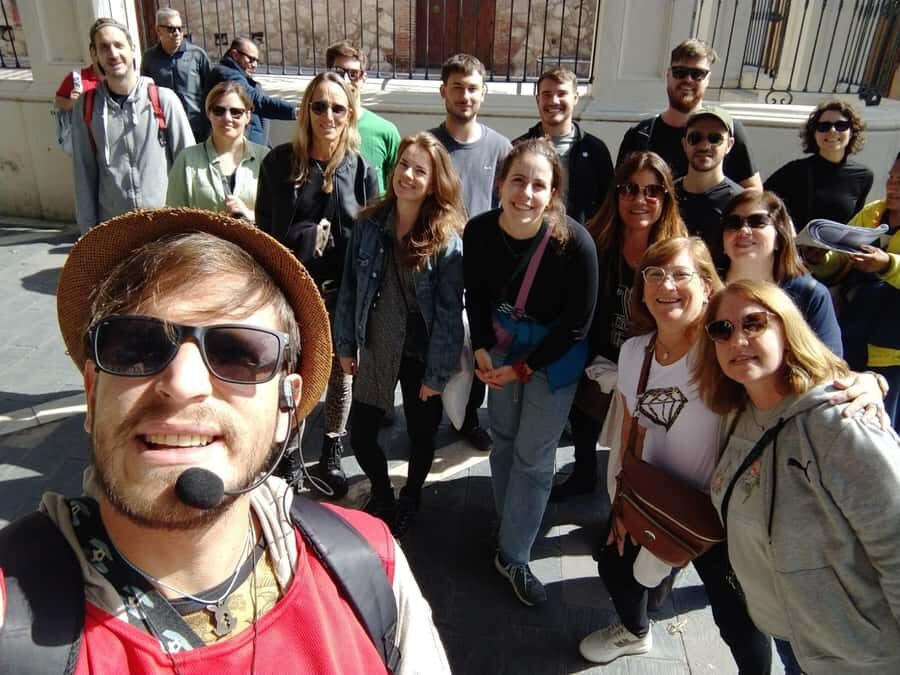
You’ll get a live guide in English or Spanish. I like that the group can be international, so you’ll often hear different languages and meet new people while walking. Bring comfortable shoes and a drink, because the route covers a lot of ground with short stops.
In This Review
- Key things I’d look forward to
- Starting at Plaza San Martín: the walk begins with clarity
- Manzana Jesuítica and the UNC area: where the old city sets the tone
- What’s the benefit?
- Possible drawback
- Cabildo de Córdoba: politics, power, and the city’s public face
- Cathedral of Córdoba: a major landmark with a deeper role
- Practical tip for this part
- Museum note
- Jesuit Crypt and the underground story
- Why it helps on day one
- Society of Jesus Church: a stop that rewards your attention
- Expect a lot of “look here” moments
- Marquis of Sobremonte provincial historical museum: history in an unexpected frame
- Narrowest building and quick-photo moments: the fun interlude
- Colegio Nacional de Monserrat: education as part of the city’s identity
- Local sounds and tastes: small surprises that make it memorable
- Price and logistics: why a pay-at-the-end model can be good value
- How to think about tipping here
- Duration reality check
- What you’ll see, stop by stop: the full route flow
- Who this tour fits best (and who might want something else)
- Should you book Córdoba La Antigua with La Docta?
- FAQ
- Is this really free?
- Where do I meet the tour?
- How long is the tour, and where does it end?
- What languages is the guide available in?
- Are museum entrances included?
- What should I bring?
- Can I cancel?
Key things I’d look forward to
- A fast overview of colonial-era Córdoba in just 2.5 hours
- Jesuit sites you can actually see in person, including the Jesuit Crypt and Church of the Company of Jesus
- Short, hop-on style stops that keep the pace light and the photos easy
- A pay-at-the-end model with a small deposit required to reserve your spot
- Local sounds and tastes surprises, not just monuments and timelines
- A practical finish at Patio Olmos, so you can keep exploring or grab something to eat right away
Starting at Plaza San Martín: the walk begins with clarity
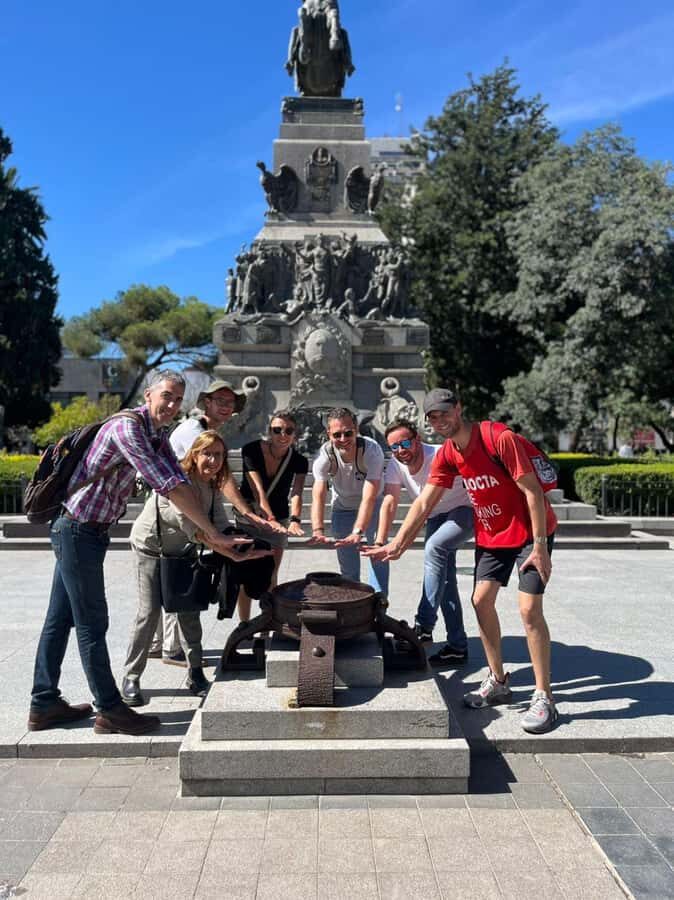
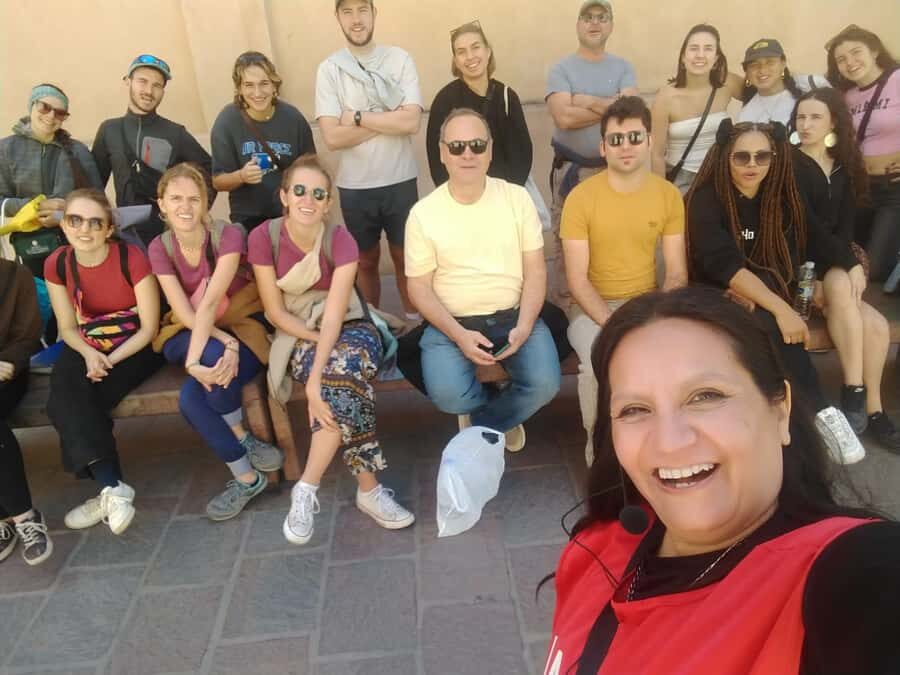
Most walking tours fail at one thing: the first 10 minutes. This one doesn’t. You meet in the center of Córdoba at Plaza San Martín, right next to the statue, wearing a red T-shirt. That matters because you’ll spend less time searching and more time learning.
From the start, the guide frames the city as a story with locations you can point to. That’s why the route works so well for a first visit. You’re not wandering randomly—you’re being led through a chain of key places that connect religion, politics, education, and daily life.
You’ll also get a sense of the pace right away. Stops aren’t always long. Some are brief photo-and-explanation moments, which is perfect if you want an overview without spending your whole day in lines and indoor tickets.
You can also read our reviews of more walking tours in Argentina
Manzana Jesuítica and the UNC area: where the old city sets the tone
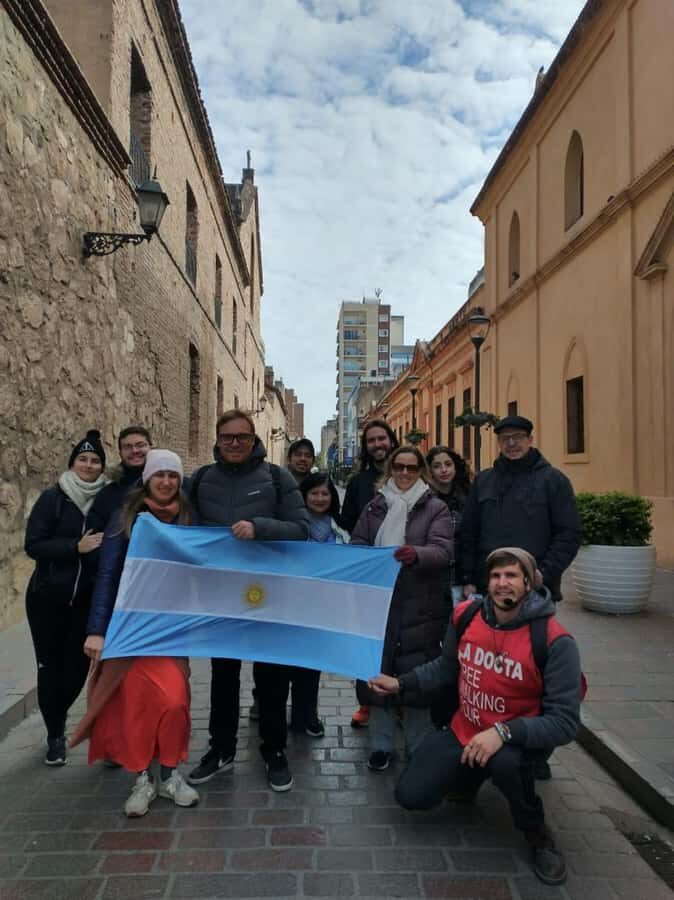
The tour heads toward the Manzana Jesuítica area and the UNC Historical Museum, starting with a photo stop and a guided look (about 15 minutes). This is a great first anchor because the Jesuit footprint is one of the most visible parts of Córdoba’s colonial-era identity.
Even if you’re not a museum person, this stop helps you understand the city’s architecture and planning. You’re seeing how institutions—religious and educational—took physical shape in the streets. And because the guide is explaining as you walk, details that would feel random on your own become clearer fast.
What’s the benefit?
You get context early. Then, when you reach other Jesuit-linked sites later (crypts and churches), you’re not hearing isolated facts. You’re building a mental map.
Possible drawback
If you’re the kind of visitor who wants slow time in one place, you might wish this part ran longer than 15 minutes. The tour is designed to cover more territory, not to deep-stay in any single room.
Cabildo de Córdoba: politics, power, and the city’s public face
Next comes the Cabildo de Córdoba, a stop around 10 minutes. The Cabildo is where civic life and authority intersected. In plain terms: it’s one of the reasons colonial cities felt orderly but also tightly controlled.
This kind of site is useful on a walking tour because it changes how you read the streets. After you learn what this space represented, the surrounding buildings don’t look just decorative. They look purposeful—built to support a system.
Keep an eye out for how the guide points out features you might miss when you’re only focused on photos. Small architectural cues matter here, especially when the tour has limited time at each stop.

Cathedral of Córdoba: a major landmark with a deeper role
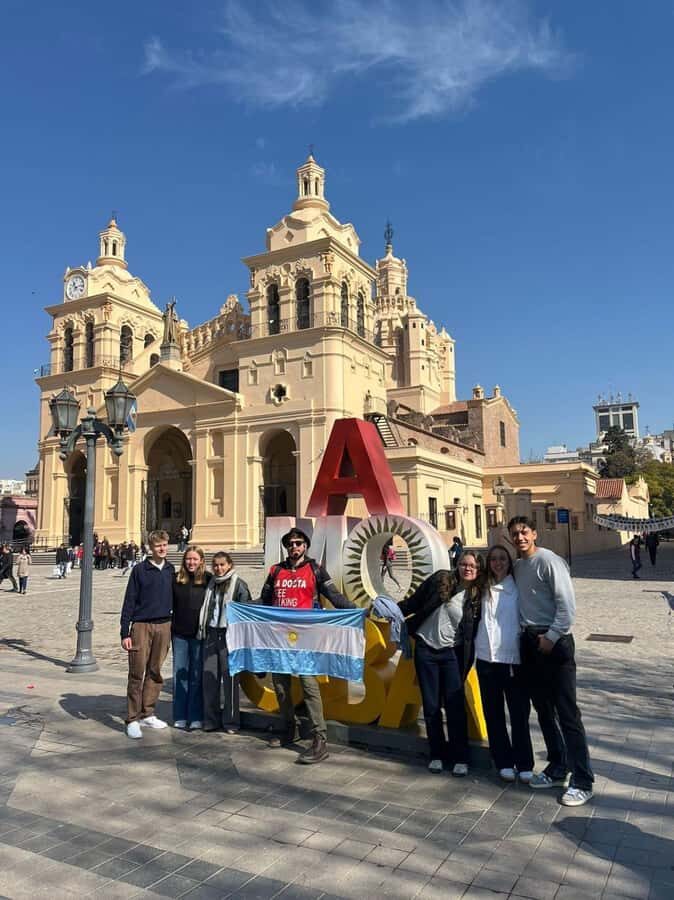
Then you reach the Cathedral of Córdoba (Nuestra Señora de la Asunción), another short hop-on stop (about 10 minutes). This is one of those locations that can feel obvious—until you learn how to look at it.
A cathedral isn’t just a pretty exterior. It’s a record of how the city shaped faith into stone, and how that faith connected to community life. Even during a brief stop, the guide can help you understand why the cathedral’s presence dominates the city’s visual rhythm.
Practical tip for this part
Stand where you can see multiple angles, then let the guide speak before you start taking photos. If you photograph first, it’s easy to miss the details that make the cathedral meaningful.
Museum note
Museum entry fees are not included, so if you want inside access beyond what you’re shown, you’ll still need to handle tickets on your own later.
Jesuit Crypt and the underground story
After the cathedral area, the route continues to the Jesuit Crypt (about 10 minutes). A crypt can be easy to rush past. But on this walk, it’s treated like a key chapter.
What makes a stop like this valuable is perspective. You’re not just seeing architecture; you’re seeing symbolism and history in a place that’s physically different from the streets above. Underground sites often carry the feeling of a hidden layer of the city’s past, which makes the explanation stick.
Why it helps on day one
Córdoba can be “all buildings” if you’re not careful. The crypt gives the tour variety—space, mood, and story—so your understanding doesn’t stay flat.
Society of Jesus Church: a stop that rewards your attention
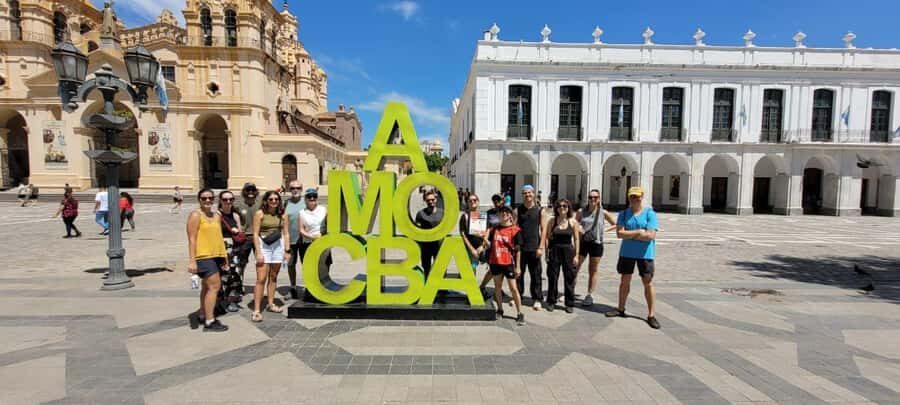
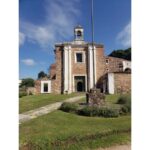
The Church of the Company of Jesus is next (about 15 minutes). This is where the tour’s timing works well. You get enough time for the guide to explain what you’re looking at, but not so much that you fall behind or lose energy.
This church stop also fits with the earlier Jesuit context. If you’ve picked up the basics at Manzana Jesuítica, the guide can connect the pieces. You’ll start recognizing how certain features relate to the Jesuit role in Córdoba.
Expect a lot of “look here” moments
The most useful part of a short church stop isn’t the building alone—it’s the guide pointing out what you’re supposed to notice.
Marquis of Sobremonte provincial historical museum: history in an unexpected frame
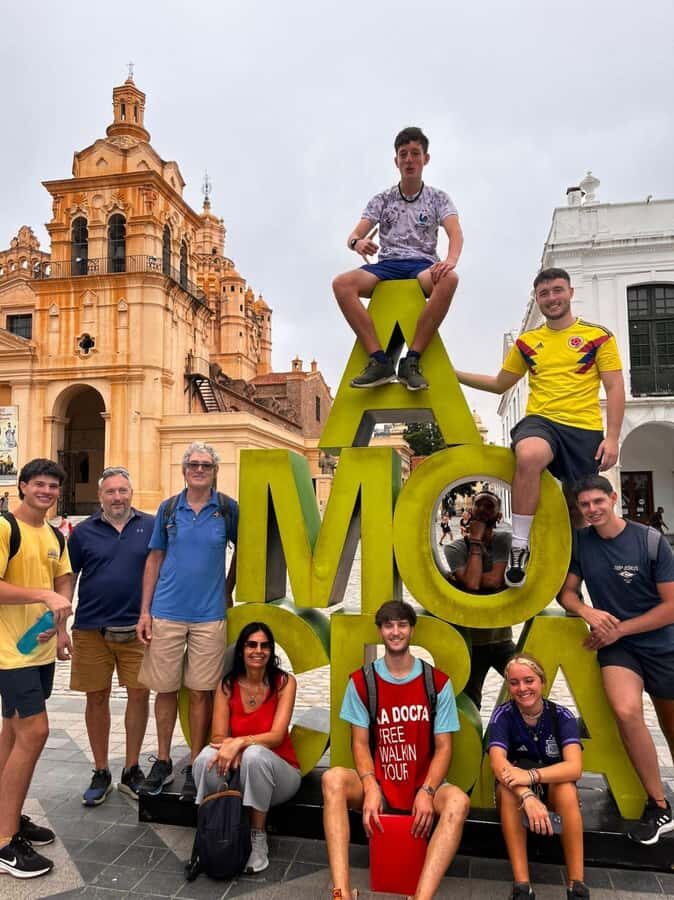
One of the more interesting parts of the walk is the stop at the House of the Marquis of Sobremonte provincial historical museum (around a 10-minute hop-on stop). This takes the tour slightly off the most obvious religious route.
It signals that Córdoba’s story wasn’t only built by churches and schools. Local leaders and political life shaped what the city became too. You’ll likely come away thinking about power not as a vague concept, but as something that had a home and a public face.
If you like “how the city ran,” this stop is a good break from purely architectural sightseeing.
Narrowest building and quick-photo moments: the fun interlude
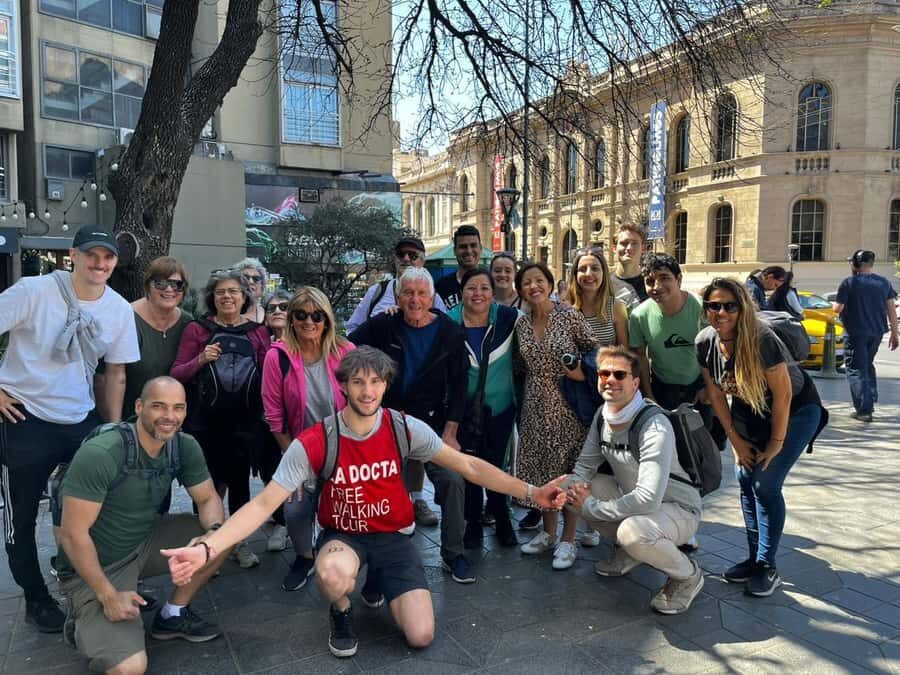
The highlights include a stop at the narrowest building, and that fits perfectly in a tour like this. Short, curious sights keep the walk from becoming one long monument parade.
It’s also an easy win for your photo roll. More importantly, it keeps you alert. A tour moving through centuries can get heavy. A weird little architectural detail lightens the load without wasting your time.
Colegio Nacional de Monserrat: education as part of the city’s identity
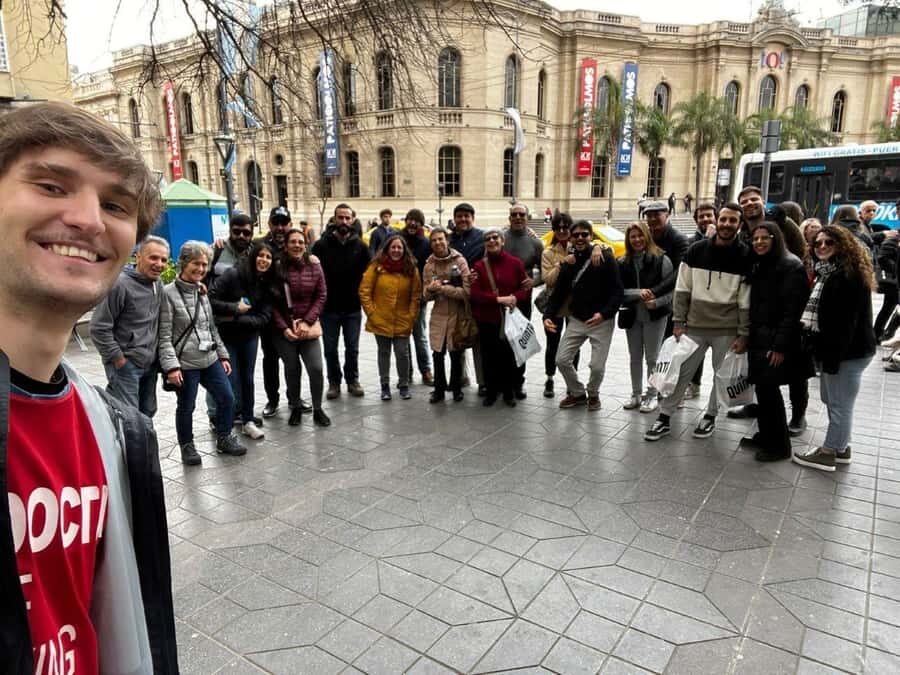
The tour ends with the National College of Monserrat area (about 10 minutes). This is a strong finish because education isn’t a side note in Córdoba’s story. Schools helped define what the city valued and how ideas moved through generations.
Even if you don’t go deep into the building itself, the guide’s explanation can help you see education as a long-term thread. Córdoba wasn’t just founded and then left to age. It kept growing, reforming, and teaching.
Local sounds and tastes: small surprises that make it memorable
The tour includes surprises built around local sounds and tastes. The idea isn’t to turn it into a food festival. It’s to add texture so Córdoba feels less like a postcard and more like a place with real daily life.
This kind of addition is smart value. You don’t spend extra money on separate paid experiences, and you still get a more human sense of the city.
If you’re picky about stopping for snacks, you can still treat these moments as optional extras. The main route stays focused on historical sights.
Price and logistics: why a pay-at-the-end model can be good value
The headline is simple: it’s a free walking tour where you decide the price at the end. But here’s the honest practical detail: you also need a $0.50 USD deposit to book.
That model can be a win when two things are true:
1) the guide makes the information clear and fun
2) the route saves you time on day one
Based on what guides are described for—like Tomas/Tomy bringing energy, Valeria Velez adding games and helping the group socialize, and Aldy/Thomas keeping people laughing and engaged—it sounds like the tour is designed to deliver more than “stand and read a plaque.”
How to think about tipping here
If you get clear explanations, a good pace, and you enjoyed the route, your final payment should reflect that. If you only wanted a quick look and didn’t learn much, you’ll likely pay less. This system keeps it fair.
Duration reality check
You’re out for 150 minutes. That’s a solid chunk of time, especially if you’re also dealing with heat, wind, or rain. Wear shoes that you’d walk in for hours, and you’ll enjoy the pace more.
What you’ll see, stop by stop: the full route flow
Here’s the practical way to picture the day. You start at Plaza San Martín, move through the Jesuit-linked UNC area, then head into civic and religious landmarks: the Cabildo, the Cathedral, and the Jesuit Crypt. After that you swing into educational and historic corners through the Church of the Company of Jesus and the National College of Monserrat, with extra architectural surprises mixed in along the way.
The walking route ends at Patio Olmos, a helpful finish point because you’re not left wandering at the edge of the city with no clear next plan. It’s also a convenient place to refuel.
Who this tour fits best (and who might want something else)
This tour is ideal if you:
- want a first-day overview of colonial Córdoba
- enjoy learning while walking, not only reading later
- like guides who keep things lively, with humor and games
- prefer a route that covers major stops in about 2.5 hours
You might choose another style of tour if you:
- want long museum time at each stop
- get uncomfortable with lots of outdoor walking
- need guaranteed inside access to museums, because museum admission isn’t included
Should you book Córdoba La Antigua with La Docta?
I’d book it if you want to get your bearings fast and you enjoy learning through landmarks. The strongest part of this experience is that it links the city’s big themes—Jesuit influence, civic power, and education—into one walk you can actually finish in a half-day.
If weather is unpredictable where you’re staying, pack smart and dress for walking. And go in with a simple mindset: treat it like a guided route for orientation, not a slow museum day.
If that sounds like your pace, Córdoba La Antigua is one of the best ways to start your visit with context.
FAQ
Is this really free?
It’s priced as a free walking tour where you decide what to pay at the end. To reserve your spot, a $0.50 USD deposit is required.
Where do I meet the tour?
You meet next to the statue in Plaza San Martín, wearing a red T-shirt.
How long is the tour, and where does it end?
The tour lasts 150 minutes (about 2.5 hours). It starts at Plaza San Martín and ends at Patio Olmos shopping mall.
What languages is the guide available in?
The live guide offers English and Spanish.
Are museum entrances included?
No. The tour does not include admission to museums. The tour also includes skipping the ticket line as part of the experience.
What should I bring?
Bring comfortable shoes and drinks.
Can I cancel?
Yes. There is free cancellation up to 24 hours in advance for a full refund.