REVIEW · ARGENTINA
From Cordoba: Private Wine tour & History
Book on GetYourGuide →Operated by Scouting Sur · Bookable on GetYourGuide
Córdoba Province can surprise you fast, if you give it a full day. This private wine and history outing pairs a modern boutique winery with the Jesuit legacy around Jesús María, so you’re not just tasting wine, you’re seeing how the region built its culture.
What I like most is the mix of hands-on wine time and real-world context. You’ll tour vines and the winery, taste several styles, and get a guided history thread that links Córdoba’s past to Spanish-era wine stories and Jesuit ranch life.
The one drawback to keep in mind is that it’s built around wine and traditional foods, so it’s not suitable for vegans, and the day also includes walking at the Jesuit site. If that’s a concern, you’ll want to check your pace and dietary needs before you book.
In This Review
- Key highlights at a glance
- A 50-Minute Ride That Turns Into Two Stories
- Inside the Boutique Winery: Terra Camiare and Modern Winemaking
- What to watch for
- Wine Tasting and Italian Charcuterie: What You’ll Actually Taste
- A practical tip
- Colonia Caroya: Italian Immigrant Roots You Can Taste
- Drawback to consider
- Lunch Near Córdoba Province Culture: Plan Around Asado
- Quick advice
- Jesús María and the Jesuit Ranch: UNESCO With a Human Scale
- What to watch for
- Private Group Comfort: How the Day Stays Smooth
- Price and Value: Is $165 for 6 Hours Worth It?
- Who This Tour Fits Best (and Who Should Reconsider)
- Should You Book the Córdoba Private Wine & History Tour?
- FAQ
- How long is the tour?
- How far is the winery from Córdoba City?
- Is the tour private?
- What languages are the guides?
- What is included in the price?
- Is lunch included?
- Where do you visit for the history portion?
- Does the tour run in bad weather?
- Can I cancel and get a refund?
- What should I wear or bring?
Key highlights at a glance
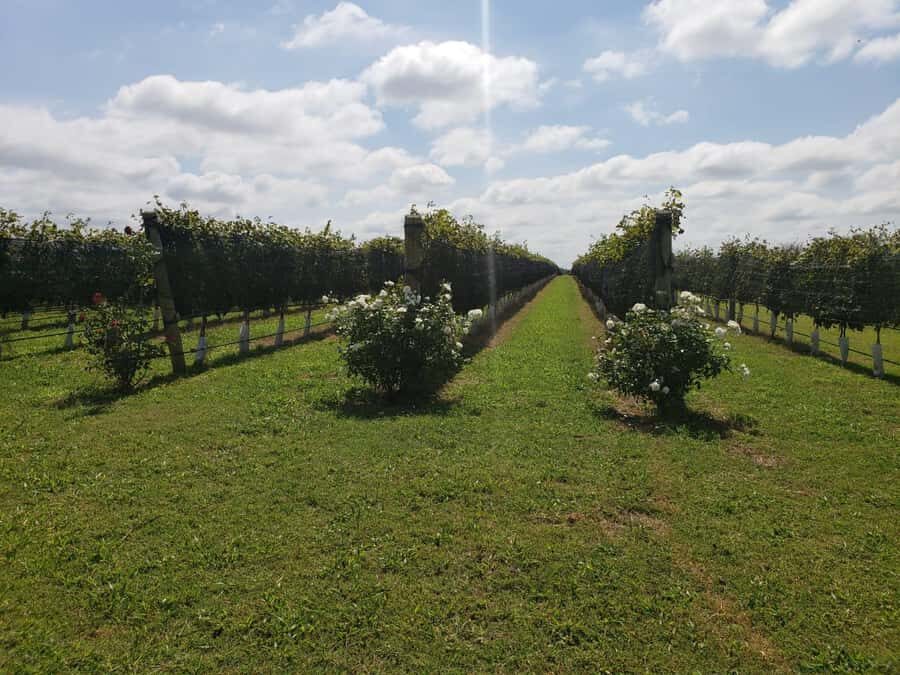
- Boutique winery + vineyard visit near Terra Camiare, with reserve wines from Córdoba province grapes
- Wine tasting paired with local Italian charcuterie and small bites
- Colonia Caroya stop for Italian immigrant food roots (salame, pastas, wine)
- Camino Real storytelling on the way to the UNESCO Estancia Jesuitica de Jesús María
- Guides with strong local coverage, with English-Spanish service from guides including Laura, Peter, and Pedro
A 50-Minute Ride That Turns Into Two Stories
This tour is designed for one thing: giving you a coherent day instead of a grab-bag. You leave Córdoba City and head about 50 minutes out to the countryside, where wine and history are close enough that the drive time doesn’t feel like wasted hours.
You’ll be picked up from your hotel, then the day unfolds in two acts. First comes wine: vineyard views, a modern winery setup, and tastings of reserve wines made from local grapes. Second comes history: the UNESCO-declared Jesuit ranch at Jesús María, reached along the Camino Real route, with a guide connecting it back to what made Córdoba’s society take shape over centuries.
For me, the value is in that storytelling. A tasting without context can feel like sipping and moving on. Here, you’re asked (gently) to connect flavors to people, land, and timing.
You can also read our reviews of more private tours in Argentina
Inside the Boutique Winery: Terra Camiare and Modern Winemaking
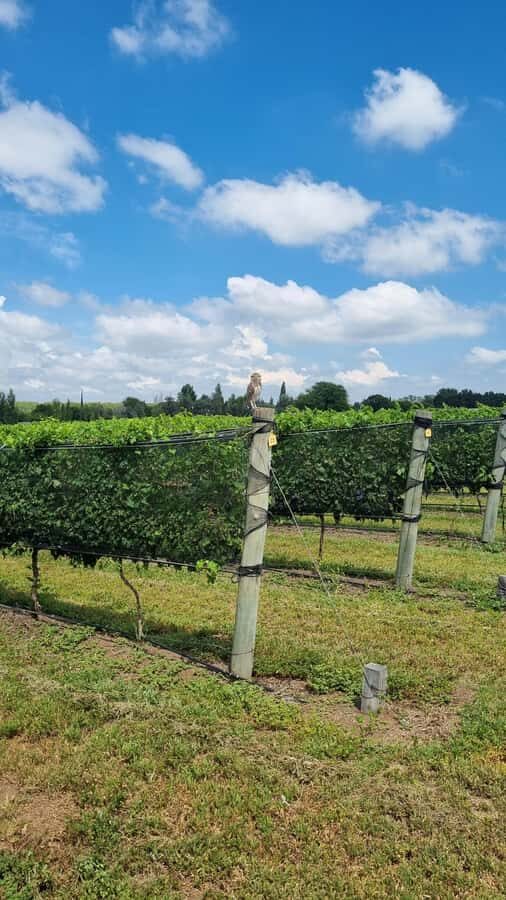
The main wine stop takes place at a modern boutique winery tied to Córdoba province vineyards, not imported fruit. That matters because the tasting is about place. You’re tasting grapes that are grown here, then shaped by the winery’s current approach.
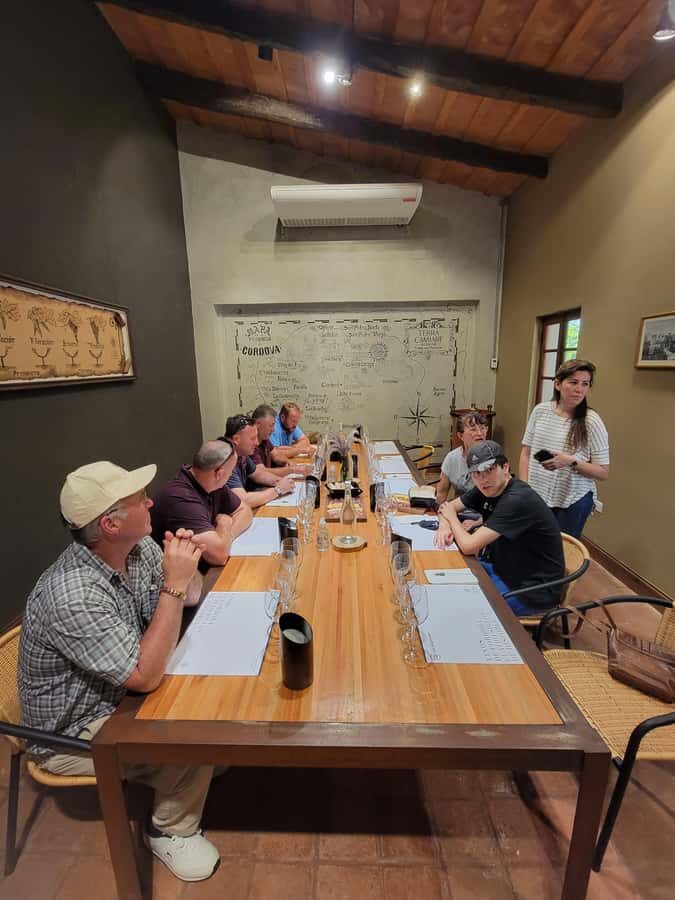
You can expect a structured visit that goes beyond a quick look-and-go. You’ll visit the vineyard and winery, then move into tasting. The tasting portion is designed for small-group learning, not just consumption, and you’ll try reserve wines such as Malbecs, Chardonnays, and Cabernet blends, plus local varieties like Isabella or Frambua.
One unique detail I really like: the vines and winery are linked to older local wine lore, including the story of the first wine taken to the King of Spain in the 1500s. Even if you’ve heard of wine history before, it lands differently in Córdoba because the guide can connect that Spanish-era reference to why the area became a wine-producing corridor in the first place.
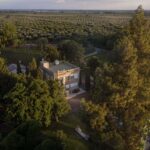
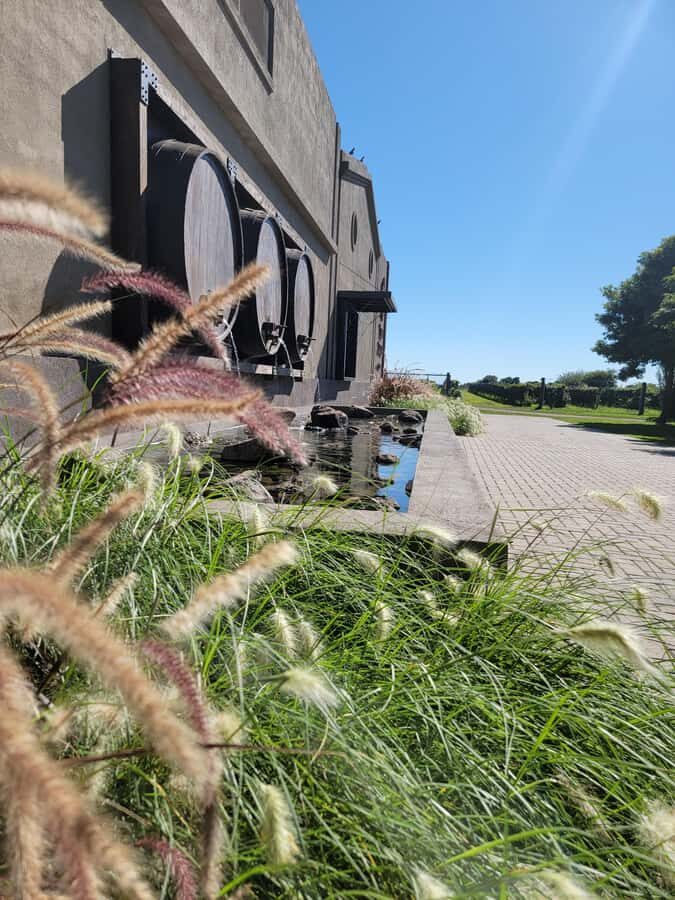
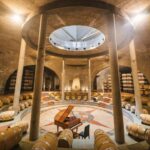
Another standout is the setting. The winery is in a former Italian family home that previously functioned as a winery and has since been turned into a high-tech facility. That blend of old house, farming roots, and modern production gives the day a nice contrast. It also makes your photos look better than the standard industrial winery backdrop.
What to watch for
You’ll likely spend part of the time outdoors among vines. Bring comfortable clothes, and expect rain or shine. If the weather is rough, you’ll still do the visit, so wear shoes that won’t punish you later.
Wine Tasting and Italian Charcuterie: What You’ll Actually Taste
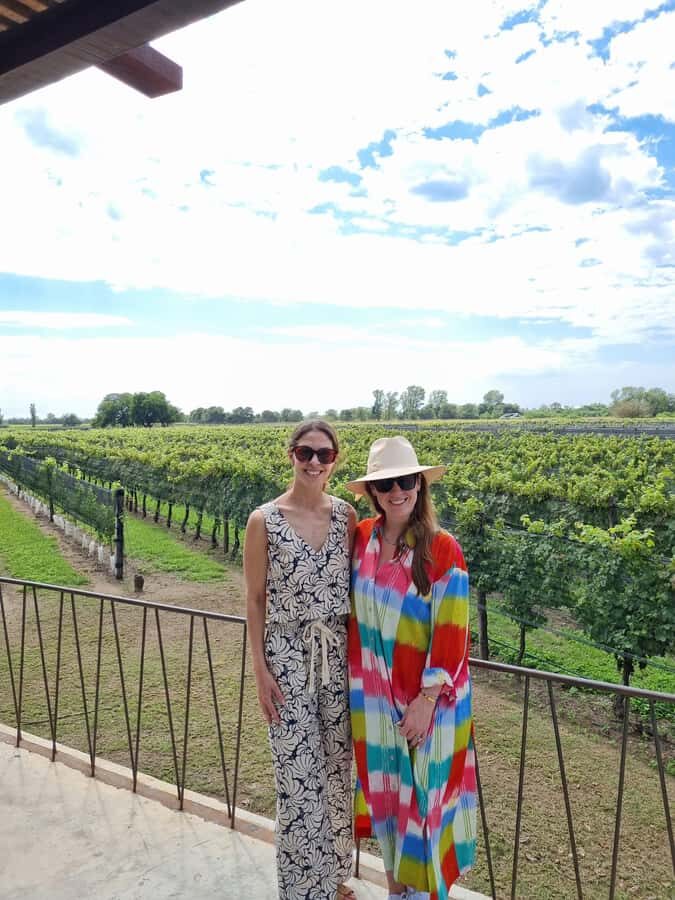
This isn’t a tasting where you only get small sips and zero food context. You’ll pair the tasting with local Italian-style charcuterie, plus appetizers and the kind of bites that make wine easier to appreciate.
The tasting window is built into the tour day right after the winery visit, and it’s paced so you’re not rushed. You’ll also get guiding services in English and Spanish, which helps if you want to ask follow-up questions about why certain wines are produced the way they are.
From recent experiences, guides have been a big part of making the tasting feel meaningful. One guide named Laura has led guests with strong local history connections. Another, Peter, has focused on how wine production connects to the region. Pedro has been praised for clear English and for tying wine production to Jesuit-era history and the broader story of Argentina.
That kind of guiding matters because wine names can blur together fast. A guide’s job is to help you remember what you tasted and why it matters.
A practical tip
If you drink slowly, you’ll get more out of the tasting. The best way to enjoy this kind of wine day is to pace yourself and actually talk about what you like, not just what you try.

Colonia Caroya: Italian Immigrant Roots You Can Taste
After the first wine-focused portion, you shift gears. The next stop is Colonia Caroya, known for Italian immigrant traditions. The schedule gives you about an hour for a guided tour and sightseeing, then a shorter tasting moment tied to local wine and food culture.
The goal here isn’t a long market crawl. It’s a focused cultural stop. The idea is that you’ll see how Italian immigration shaped food and drink patterns in the region, including homemade salame and pastas made in the style their ancestors brought with them.
This is also where you’ll get a better sense of why the region’s wine culture doesn’t exist in a vacuum. Italian food traditions and wine go together naturally, and this stop helps you connect the dots between farming, community, and what ended up on dinner tables for generations.
Drawback to consider
This part of the day is timed tightly inside a 6-hour experience. So if you’re the type who loves wandering without a clock, you might wish you had more free time. You still get the guided context, but it’s not a slow day with extra stops.
Lunch Near Córdoba Province Culture: Plan Around Asado
Lunch is part of the day, but it’s not included. You’ll have about an hour at a local restaurant, and the tour includes time to eat without turning it into a detour marathon.
In practice, lunch is often where you’ll get the local flavor of the day. One group had lunch at an Argentinian steakhouse and found it very good. Since the tour includes a history and wine theme, you can reasonably expect that you’ll be eating in the same Argentina style that goes with wine and hearty regional dishes.
Because lunch isn’t included, you’ll want to decide what kind of meal you want before you go. If you know you want steak, you’re likely to be happy with the menu patterns near this kind of tour route. If you have dietary constraints beyond vegan needs, it’s smart to ask questions once you see the restaurant options.
Quick advice
If you’ll be tasting wine before lunch, keep lunch hearty but not heavy enough to slow you down for the Jesuit site walking. You still want energy for the guided visit.
Jesús María and the Jesuit Ranch: UNESCO With a Human Scale
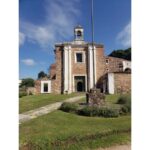
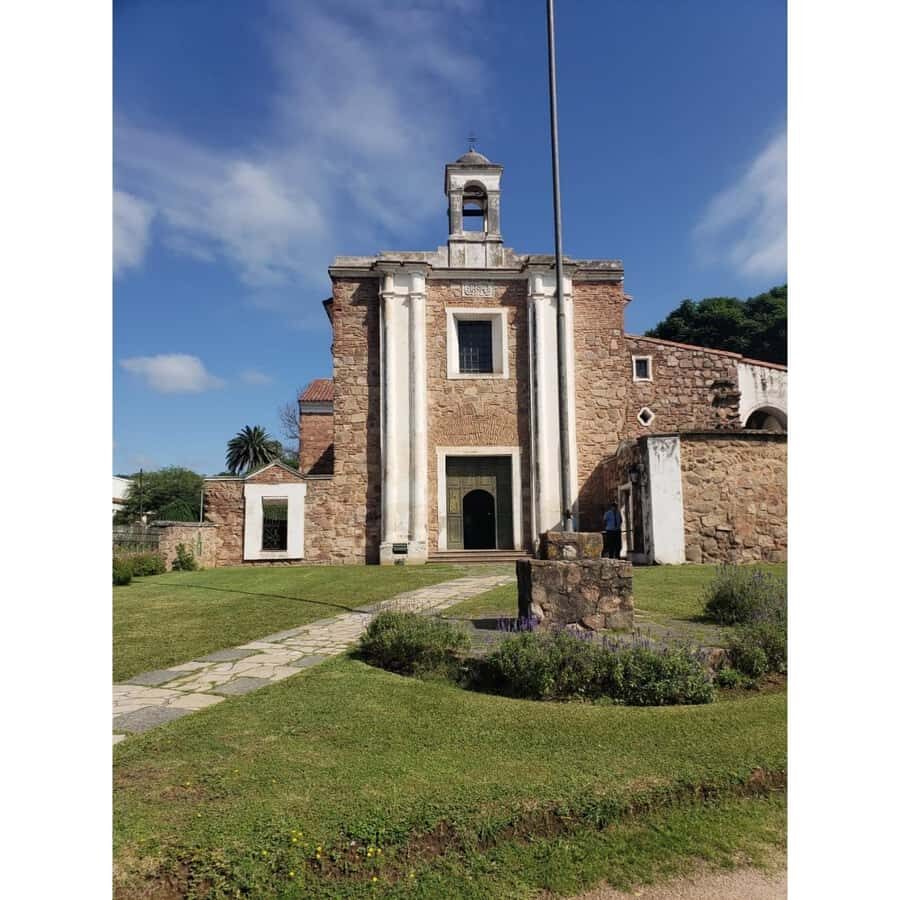
The history act takes over in Jesús María. You’ll head to the Estancia Jesuitica de Jesús María, a UNESCO World Heritage Monument with more than 300 years of history.
What I like about this stop is the way the tour frames it. Instead of treating it like a museum stop, you’re guided along the Camino Real route that connects the area’s past. The guide explains Jesuit influence, and you’ll walk around a site that shows how ranch life, farming, and religion were tied together.
If you care about history that feels lived-in, this is the right kind of place. The scale is big enough to matter, but the guided pacing keeps it understandable. You’re not just looking at buildings; you’re getting the “why” behind the structure.
Also, there’s a chance of local life popping in. One recent group reported that the Jesuit tour happened during rodeo festivities in the town, and they got to walk with locals during the celebrations. That’s not guaranteed, but it’s a good reminder: you might see the town doing what towns do, not just what’s on the brochure.
What to watch for
The tour includes walking. The site is also part of the reason the experience is marked not suitable for visually impaired people, and you should take that seriously. If mobility is an issue, confirm what “easy walk” means for your specific pace.
Private Group Comfort: How the Day Stays Smooth
This is a private group tour. That affects your experience in practical ways: fewer interruptions, a chance to ask questions without waiting, and a pacing that can be adjusted for your group’s interests.
Transportation from Córdoba is included, and the vehicle choice depends on group size: up to 3 people in a car, and more people traveling together in a van. That’s a small detail, but it often improves comfort because you’re not stacked into a big crowd with strangers.
You’ll also get hotel pickup and drop-off, which is a real value in a countryside day. The countryside stops can eat time if you’re arranging taxis and timing yourself, especially when your schedule is tight and you want to keep the day flowing.
English-Spanish guiding is another practical win. Even if your Spanish is basic, you’ll still have a guide who can help you follow the story without guessing.
Price and Value: Is $165 for 6 Hours Worth It?
At $165 per person for 6 hours, the price is not “cheap,” but it can be fair—depending on what you care about.
Here’s why it can feel like good value:
- You get hotel pickup and drop-off, which is a cost you’d pay separately on many DIY days.
- You get guiding during both wine and Jesuit stops, so you’re not paying only for transportation.
- Wine tasting plus a vineyard-and-winery visit takes time and effort, and that guided structure usually costs more than standalone tasting room visits.
- Lunch is not included, but the tour still sets aside time for it, so you’re not juggling planning during the day.
So who should consider it? If you want wine and history tied together, and you prefer a guided day that runs on time without you coordinating drivers and tickets, this price makes more sense than a pile of separate bookings.
Who might hesitate? If you mainly want wine and could be happy doing a tasting room on your own, you might pay less DIY. But you’d lose the guided Jesuit context, and that’s a major part of why this itinerary works.
Who This Tour Fits Best (and Who Should Reconsider)
I think this tour fits best if you fall into at least one of these buckets:
- You like wine, but you also want the story behind it, not just the pour
- You enjoy UNESCO sites when a guide explains how people lived there
- You’re in Córdoba for a limited time and want a structured day outside the city
- You like the Italian-food connection in Argentina and want to see it through food and wine
It’s not suitable for vegans, and it’s also not suitable for people with kidney problems and visually impaired people based on the activity details. There’s also an internal tension in the provided info about wheelchair access (it mentions wheelchair accessible but also says not suitable for wheelchair users), so if mobility is a factor, you should contact the provider to confirm what can work in your case.
Should You Book the Córdoba Private Wine & History Tour?
I’d book it if your idea of a great day is tasting wines in a working setting, then stepping into a UNESCO site where Jesuit influence shaped a whole landscape of life. The day runs long enough to feel complete, and it’s organized so you can learn without constantly asking where to go next.
You should think twice if you’re vegan or have dietary limits that won’t align with traditional charcuterie and typical lunch choices. You should also reconsider if you don’t handle walking well, since the Jesús María portion is part of the experience.
If you love guided context and want a day that connects Córdoba’s wine culture to its deeper historical layers, this is the kind of tour that makes the province feel bigger than it looks on a map.
FAQ
How long is the tour?
It lasts 6 hours.
How far is the winery from Córdoba City?
The winery area is about 50 minutes from Córdoba City.
Is the tour private?
Yes, it’s a private group experience.
What languages are the guides?
The guide provides services in English and Spanish.
What is included in the price?
Hotel pickup and drop-off, the wine tour, wine tasting, transportation from Córdoba, and guiding services.
Is lunch included?
No. Lunch is at a local restaurant and is not included in the price.
Where do you visit for the history portion?
You visit the Jesuit ranch of Jesús María, including the Estancia Jesuitica de Jesús María.
Does the tour run in bad weather?
Yes, it runs rain or shine.
Can I cancel and get a refund?
You can cancel up to 24 hours in advance for a full refund.
What should I wear or bring?
Wear comfortable clothes, and be ready for a day that includes both outdoor and walking time.