REVIEW · TILCARA
From Jujuy: Quebrada de Humahuaca, Purmamarca and Tilcara
Book on GetYourGuide →Operated by La Quebrada Turismo · Bookable on GetYourGuide
You’ll drive the Quebrada before the day even cools. This is a 10-hour North Argentina day trip built around UNESCO scenery, small towns, and the mineral-colored hills that define the gorge. I particularly love the jump from Purmamarca’s Seven Colors Hill to Tilcara’s Pucará feel, and I also like how Humahuaca gives you real time to roam. One thing to consider: the schedule is tight, so if you want long hikes or zero-shopping stops, you’ll need to plan your expectations.
If you’re excited about the gorge’s colors and local culture, this route hits the main “must-see” stops of the Quebrada without turning the day into a long, complicated itinerary. You’ll get guided moments and photo windows, plus a longer pause in Humahuaca for lunch and strolling.
The possible drawback is simple: some departures may skip sections depending on where you start, and there’s also a ceramic factory stop where you may feel time is traded for shopping.
In This Review
- Key things to know before you go
- Why this Humahuaca Gorge route feels worth your day
- The 10-hour timing: how the day really moves
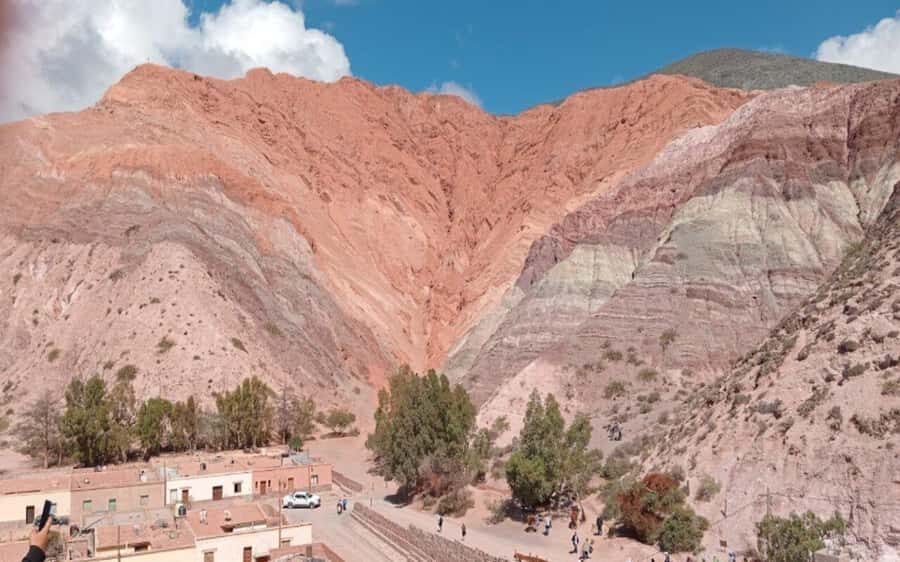
- Purmamarca and the Hill of Seven Colors: quick stop, big color payoff
- Tilcara and the Pucará: more than a viewpoint
- The Tropic of Capricorn sundial: a 10-minute reality check
- Uquía church and the Arcabuceros Angels: where the art is the reason
- Humahuaca: the carnival town with the longest break
- Maimará and the Painter’s Palette: the colors keep coming
- Ceramic factory and shopping stops: where to stay picky
- Price and value: is $37 a fair deal for this route?
- Practical tips that make a difference
- Who this tour suits best (and who should skip)
- Should you book? My honest take
- FAQ
- How long is the tour from San Salvador de Jujuy?
- Where do I meet for pickup?
- What stops are included during the day?
- Is lunch or drinks included?
- Does the tour run in rain or bad weather?
- What should I bring?
Key things to know before you go
- Seven Colors Hill in Purmamarca gets a guided stop, but your time there is limited.
- Tilcara and its Pucará are scheduled for a quick walk-and-look visit, not a long archaeological session.
- Uquía focuses on a 17th-century church and the Arcabuceros Angels artwork.
- Humahuaca is the longest stop, so you can actually eat and wander.
- Capricorn line and the sundial are brief photo stops on the way through.
- A ceramic factory stop is included, which may or may not match your style.
Why this Humahuaca Gorge route feels worth your day
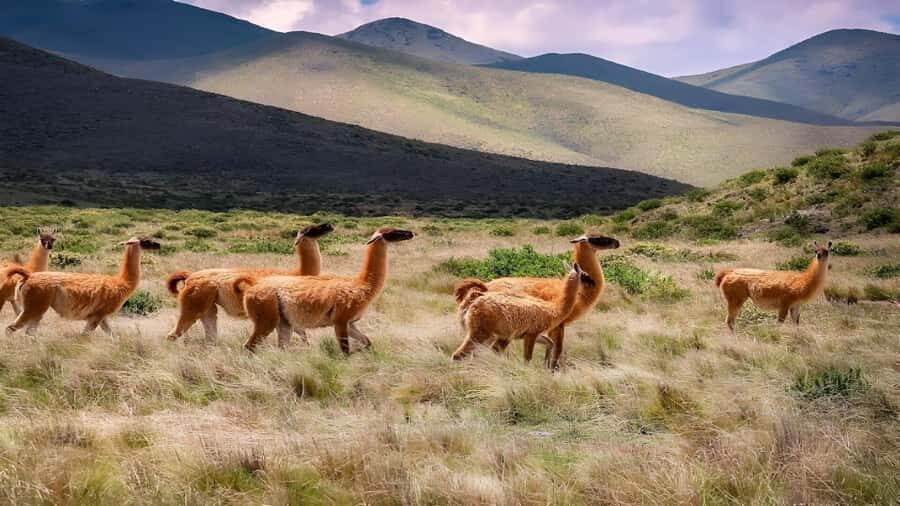
The Quebrada de Humahuaca is one of those places where your phone stops doing the job. The reason is built into the geology: the hills take on color from thousands of years of mineral oxidation, and from the road you get this layered look that feels almost designed. Add in the towns—La Quiaca-style highland life without the long distances—and the day becomes a mix of scenery and people watching.
I also like that this trip isn’t just “drive, stop, snap a photo.” It’s structured around towns with distinct identities. Purmamarca is about color and views, Tilcara is about heritage at the Pucará, and Humahuaca is where daily life (and Carnival) really shows up.
Still, remember you’re doing a loop of multiple locations in one day. That’s great if you want a sampler. It’s not great if your top priority is slow travel, long hikes, or avoiding shopping moments.
You can also read our reviews of more tours and experiences in Tilcara.

The 10-hour timing: how the day really moves
This tour starts with a morning pickup in the Jujuy area, then you head into the gorge. The full duration is 10 hours, with the ride time broken up by short breaks and the main town stops.
Here’s the rhythm you can expect:
- Short photo-and-walk windows at viewpoints and smaller towns.
- A guided component at most stops.
- A longer, more flexible window in Humahuaca for lunch and exploring.
- A total route of about 128 km, with the highest point around 3012 meters above sea level.
That altitude matters for comfort. You might not feel it, but it’s still smart to take water seriously and wear comfortable shoes. If you tend to get winded, pace yourself during those first town walks.
Purmamarca and the Hill of Seven Colors: quick stop, big color payoff
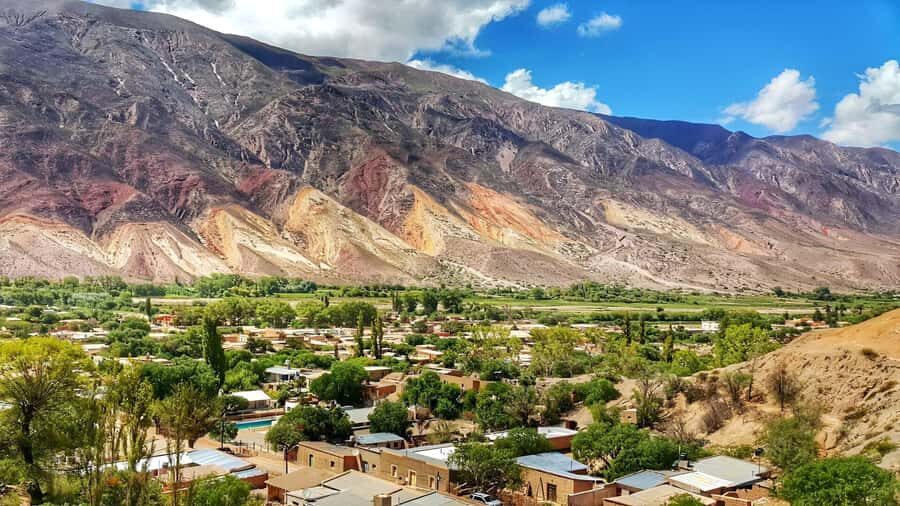
Purmamarca is usually the kind of place you wish you could linger longer. The star attraction is the Hill of the 7 Colors, and the town is arranged in a way that makes viewpoints feel close even when you’re standing in an open, windy highland area.
On this itinerary, Purmamarca is around 40 minutes for photos, a guided visit, and some time to walk and shop. That’s enough to:
- Catch the classic angles of the hillside.
- Take photos from multiple angles.
- Browse a bit without rushing.
But it’s not enough for a long, slow wandering afternoon. If you’re the type who wants to read every detail and take lots of time at a single viewpoint, you may find this feels like a highlight reel.
Still, the value is that you’ll come away with the iconic sight and then keep moving to other equally “Quebrada” scenes.
Tilcara and the Pucará: more than a viewpoint
Tilcara adds a different flavor. Instead of focusing purely on color, it leans into local history. The Pucará is the key stop, and you’ll have about 35 minutes for photos, a guided visit, and a short walking time.
What I like about including Tilcara is that it gives the day balance. Purmamarca can be very “wow skyline.” Tilcara asks you to look at how people lived in this region and how the architecture and heritage connect to the geography.
Realistically, this is still a quick stop. You won’t get hours inside museums or a full archaeology deep dive. You’ll get enough to understand why the Pucará matters, then you move on.
If you’re traveling with someone who gets bored by pure sightseeing, Tilcara is a good compromise point.
The Tropic of Capricorn sundial: a 10-minute reality check
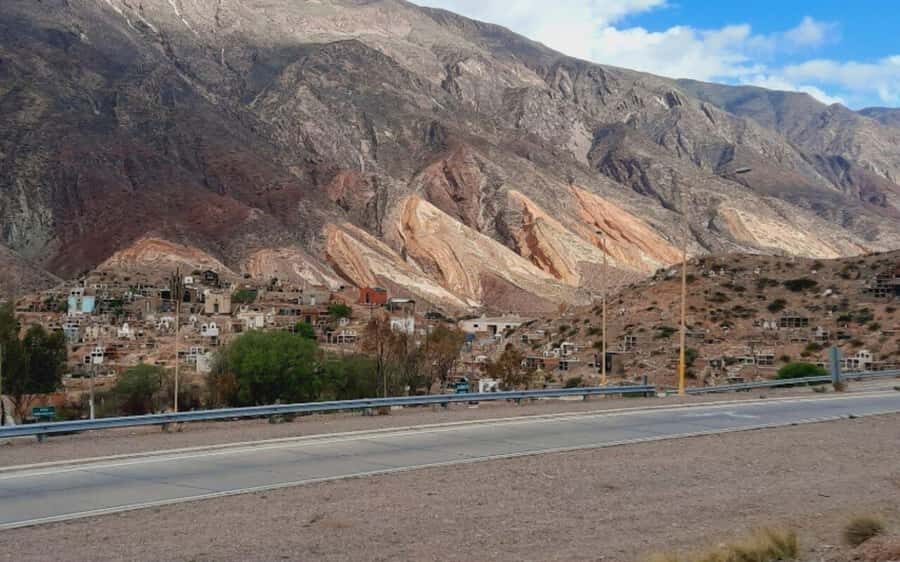
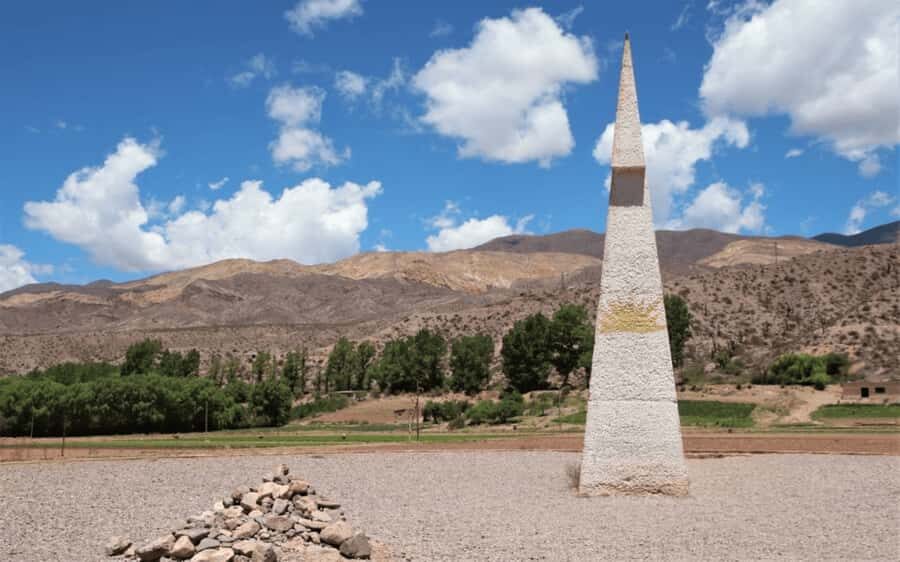
This part is brief: a photo stop and a short guided segment at the Tropic of Capricorn and the sundial area. It’s only about 10 minutes, which means it’s more of a marker along the route than a full experience.
Even so, it’s worth paying attention, because it gives you a mental map. You’re not just in a pretty gorge—you’re passing a line that people use for geography and time-on-earth context.
If you want to maximize the value of this stop, do two things:
- Take a clear photo the first time you see it.
- Listen to the explanation, even if you’re in a hurry.
Those quick moments often become your best “we’re really here” memories.
Uquía church and the Arcabuceros Angels: where the art is the reason
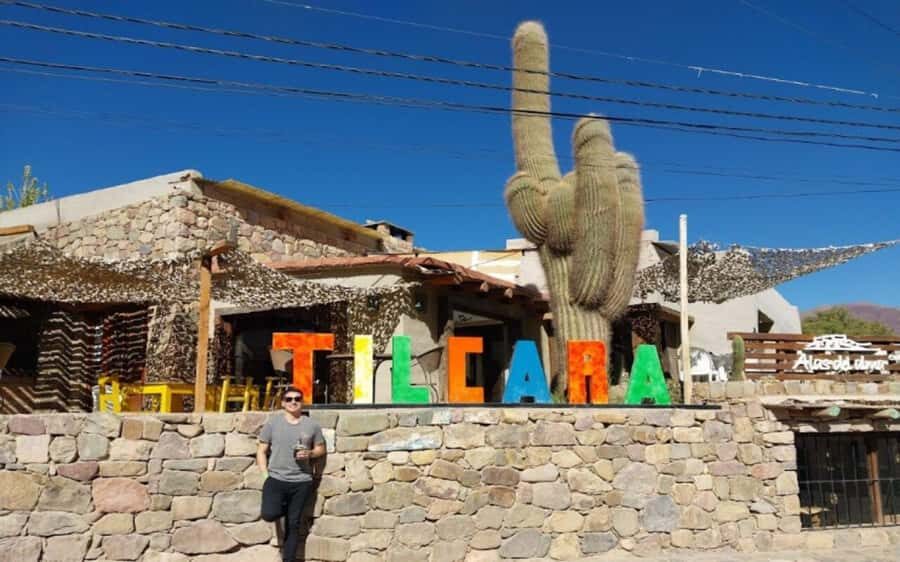
Uquía is one of the more interesting switches in the day. The focus here is the church of San Francisco de Paula, which dates from the 17th century, plus the ancient paintings of the Arcabuceros Angels.
You get about 35 minutes for a photo stop, guided visit, sightseeing, and a bit of shopping or craft browsing in the area.
What I like about this stop is that it gives you a cultural anchor. Many Quebrada itineraries stay stuck on views. Uquía reminds you that this is a living region where religious art, local tradition, and history overlap.
A practical note: the day runs tight, and not every departure will feel identical. Some schedules can omit parts depending on where your pickup point starts. So if Uquía is on your personal top list, confirm it aligns with your departure.
Humahuaca: the carnival town with the longest break
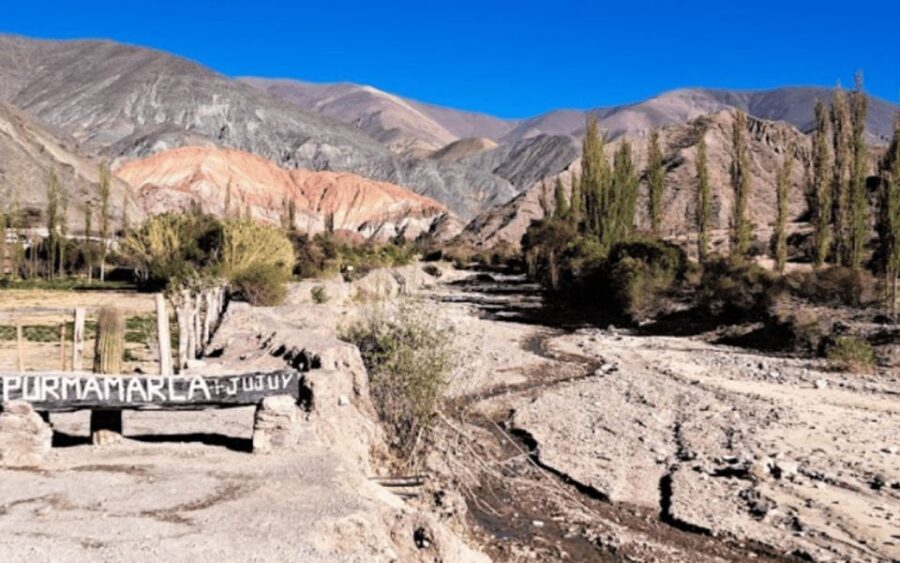
Humahuaca is the biggest town in the gorge, and it’s also where you’ll feel the day slow down. This is the longest stop, around 2 hours, and it’s scheduled for photos, guided exploring, free time, and shopping.
The tour is designed so you can handle lunch here. The description specifically points out regional dishes, including options featuring llama meat. Since foods and drinks aren’t included, you’ll be making your own lunch choice, but the timing gives you enough time to sit down and eat rather than just grab something on the move.
One of the best things about Humahuaca is that Carnival is a main theme. Even outside peak season, that spirit often shows up in how people talk about the town and in the lively atmosphere you’ll notice while walking around.
If you want a single stop that feels most like a real place (not only a photo station), Humahuaca usually delivers.
Maimará and the Painter’s Palette: the colors keep coming
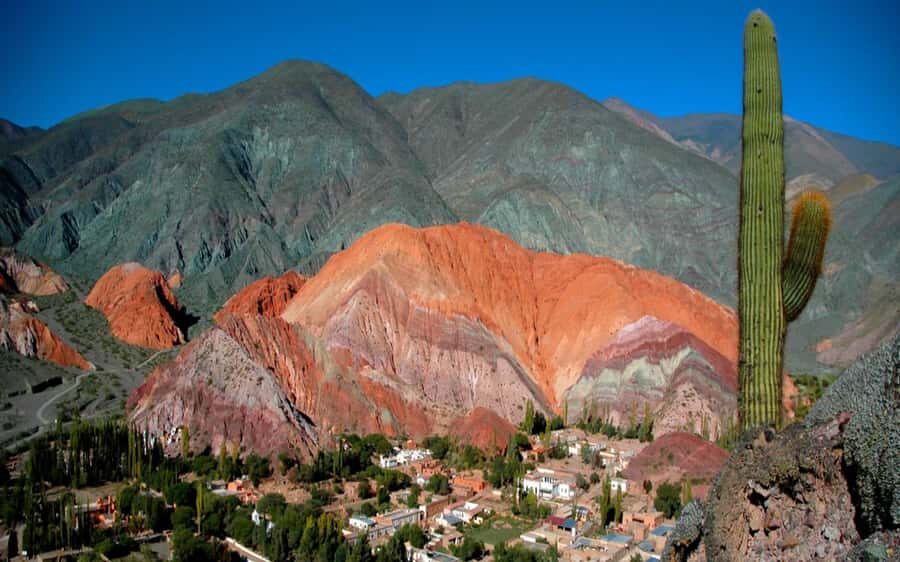
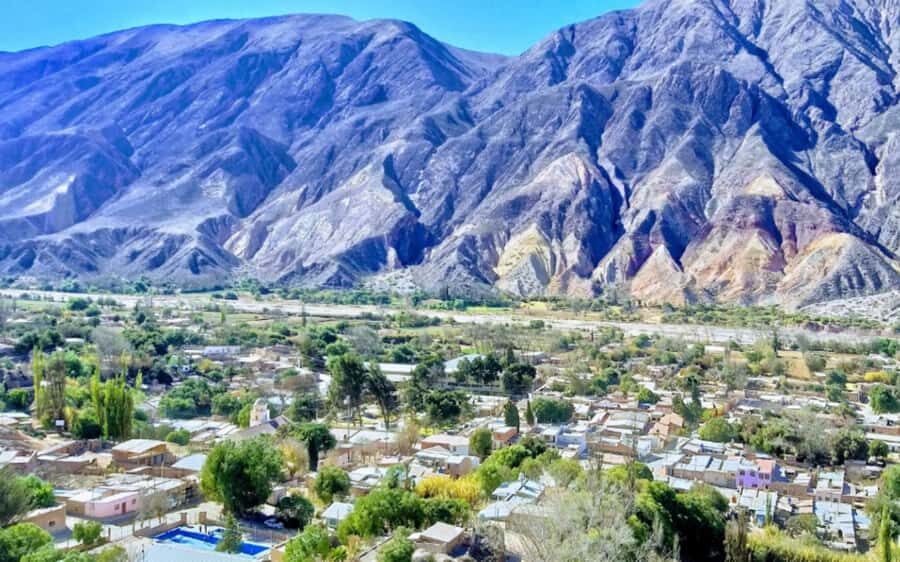
After Humahuaca, the day continues toward Maimará, with a short stop at the Painter’s Palette area. This is about 10 minutes for photos, guided info, sightseeing, and a quick walk.
This part is quick, but it extends the “color” theme beyond Purmamarca. If you’ve been thinking the Seven Colors Hill was the peak, the Painter’s Palette can make you rethink what peak means in the Quebrada.
The honest trade-off: it’s hard to soak it in fully in 10 minutes. But as a final “wow, remember this” stop, it works.
Ceramic factory and shopping stops: where to stay picky
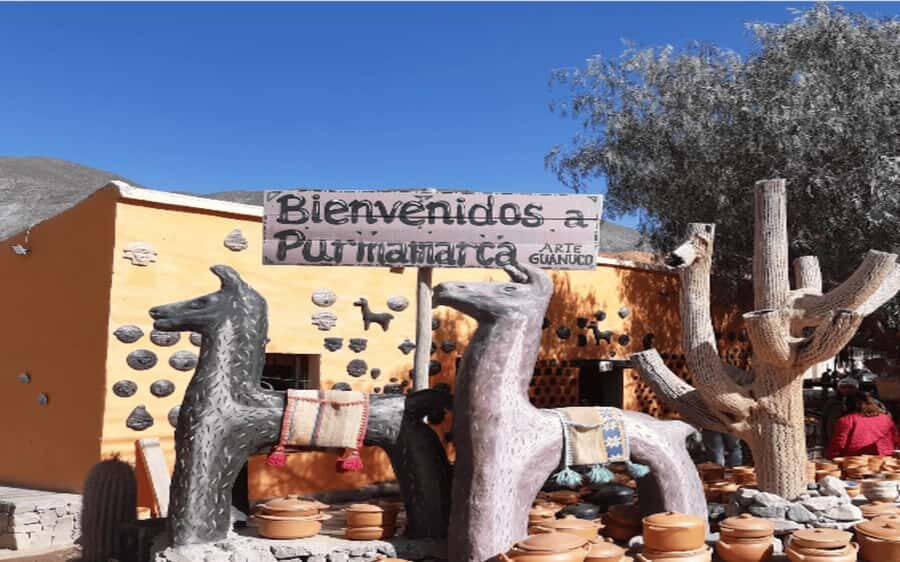
A ceramic factory stop is included. That means you’ll likely spend time inside or beside a workshop environment, and you’ll have a chance to browse or buy.
Here’s my advice: treat it like a culture stop, not like an automatic purchase moment. If you’re not excited about ceramics, you can use the time to watch the process and focus on learning rather than spending.
Some visitors can feel disappointed when pricing feels geared toward tourists. You don’t need to buy anything to enjoy the day. If you do want to shop, set a small budget first, then stick to it.
Price and value: is $37 a fair deal for this route?
At $37 per person for a 10-hour day trip, the price lands in the “good value if you want a highlights tour” category. You’re paying for:
- Transportation (transit/sprinter/minibus).
- A bilingual guide in Spanish and English.
- Guided time at major stops.
- Access to multiple key sites across the gorge corridor.
Meals aren’t included, and drinks aren’t included, so you should plan for lunch costs in Humahuaca and water or snacks during the day. The itinerary also includes a ceramic factory stop, which is part of how value is packaged—some of that $37 goes toward operational time and planned stops.
If what you want most is deep hiking or hours at a single site, the value may feel uneven. But if you’re trying to see the best of the Humahuaca Gorge in one day without arranging multiple transfers, this is a practical way to do it.
Practical tips that make a difference
This kind of route rewards you for showing up prepared.
- Wear comfortable shoes with grip. Even short walks can be on uneven ground.
- Bring layers. High altitude mornings can feel cooler, even in sunny weather.
- Expect weather to change, but the tour is not suspended due to rain or bad weather. You might still get outdoors.
- Plan for light stamina. The highest point is around 3012 meters.
- Skip alcohol and keep the day calm. Alcohol and drugs are not allowed, and pets are not allowed.
Also, keep your camera handy early. The biggest color impact often shows up when the light hits the hills at the right angle.
Who this tour suits best (and who should skip)
This tour is a strong fit if you want:
- A structured highlights route through Purmamarca, Tilcara, Humahuaca, Uquía, and Maimará.
- Guided context in Spanish and English.
- A longer town experience in Humahuaca rather than only brief photo stops.
It may not be your best choice if you:
- Want Hornocal or a longer archaeology-style visit at a single site (this day is built around multiple stops).
- Dislike shopping add-ons like the ceramic factory.
- Need very flexible free time. The schedule is designed for movement.
If you’re a first-time visitor to the Quebrada, this makes sense. If you’ve already done Humahuaca with long hikes, you might want a slower, more focused plan instead.
Should you book? My honest take
I’d book this if you want the Quebrada’s big-name sights in one smooth day, with a bilingual guide and enough time in Humahuaca to actually feel like you visited a town—not just passed through.
I’d think twice if you hate time pressure or you’re chasing one specific landmark that isn’t central to this route. In that case, double-check the stop list for your exact priorities before you commit.
Overall, for the price, the mix of UNESCO-area views, cultural stops like Uquía, and heritage in Tilcara is a solid deal—just go in expecting a well-paced highlights tour, not an all-day hike.
FAQ
How long is the tour from San Salvador de Jujuy?
The experience runs about 10 hours total.
Where do I meet for pickup?
You meet at Vea Supermarket in Ciudad de Nieva, with an appointment time of 09:30 a.m..
What stops are included during the day?
The tour includes the Humahuaca Gorge, Purmamarca and the Hill of Seven Colors, Tilcara and its Pucará, Uquía, Humahuaca City, Maimará and the Painter’s Palette, plus stops connected to the Tropic of Capricorn and the ceramic factory.
Is lunch or drinks included?
No. Foods and drinks are not included. Lunch is available to buy during the long Humahuaca stop.
Does the tour run in rain or bad weather?
The excursion is not suspended due to rain or bad weather.
What should I bring?
Bring passport or ID card, comfortable shoes (or sports shoes). Also remember alcohol and drugs are not allowed, and pets are not allowed.