REVIEW · PUERTO IGUAZU
Minas de Wanda – Foz do Iguaçu/Puerto Iguazú
Book on GetYourGuide →Operated by Iguassu Planet Turismo · Bookable on GetYourGuide
Mining tunnels beat the usual waterfall side trips. I love how this is a real, working operation—you’re shown extraction in the open air and inside caves—while learning why the stones look the way they do. I also like the scope: five mines you can access and a huge mix of minerals, from emeralds and rubies to topaz and amethyst. The main consideration is time: it’s a short outing, so it can feel a bit rushed if you want to linger.
This is also a very practical add-on when you’re already in the Iguazú area. You get shared hotel pickup and a small group capped at 15 people, with a live guide in Portuguese, English, or Spanish—so you’re not left staring at rocks and guessing. One possible drawback to plan around: if your day includes a border crossing between Brazil and Argentina, it can slow things down.
In This Review
- Key Things I’d Focus On Before You Go
- Minas de Wanda: A Different Way to See the Iguazú Region
- Five Mines, One Tour: What You’ll See (and Why It Matters)
- Open-air extraction
- Cave mining
- Why the tour’s structure is useful
- The Stones: 52 Varieties and a Color Lesson
- How Long Is It, Really? The 4-Hour Reality Check
- Pickup, Group Size, and Why It Affects Your Experience
- The Border Crossing Factor (If You’re Starting in Brazil)
- Stone Museum and Store Stops: What to Do With Your Time
- Price and Value: Is $52 Worth It?
- What Makes the Tour Feel Good: The Human Part
- Who This Tour Fits Best (and Who Might Skip It)
- Should You Book Minas de Wanda?
- FAQ
- How long is the Minas de Wanda tour?
- Where does pickup happen?
- How big is the group?
- What languages are the guides?
- What’s included in the price?
- Are mine admission and fees included?
Key Things I’d Focus On Before You Go
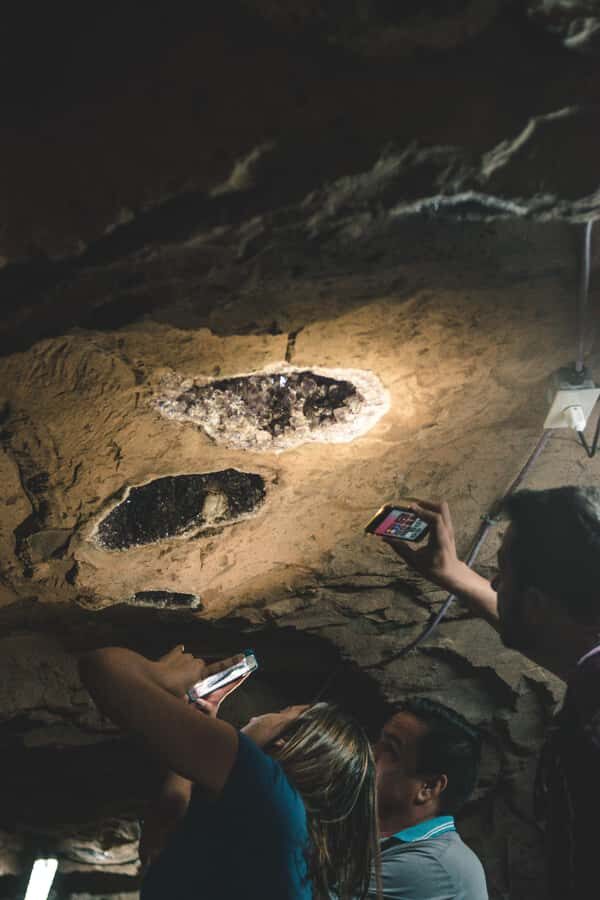
- Working mines, not just a museum set-up: you’ll see extraction happening in open air and cave areas.
- Five mines you can actually visit during the tour.
- Color-rich geology explained simply—lava spills, trapped air, and crystallization.
- A long list of stones (52 varieties) including emerald, ruby, amethyst, agates, and several topaz colors.
- Artisanal care matters: some extraction is slow because the stones are fragile.
- Short time window: great for a taste, but not for deep, unhurried gemstone shopping.
Minas de Wanda: A Different Way to See the Iguazú Region
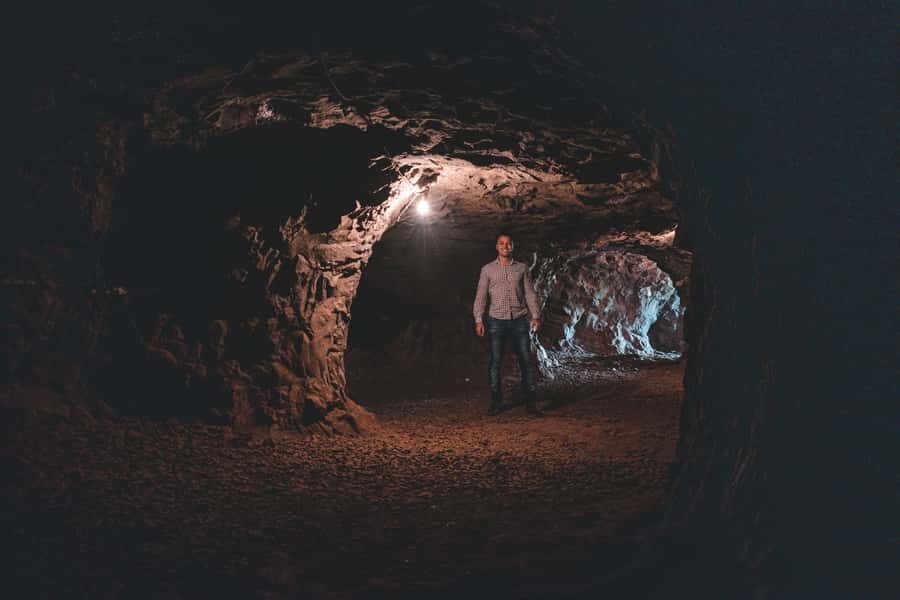
Most people come to Puerto Iguazú for waterfalls. Minas de Wanda gives you something else: a close-up look at geology you can touch—literally, in the sense that you’ll see how people work the rock and how the material gets handled. And because the mines are still active, it doesn’t feel like a staged show.
The basic idea is pretty mind-blowing. The mine area formed from volcanic lava flows thousands of years ago. As hot lava moved through rock, it created trapped air bubbles inside the molten material. When everything cooled, those bubbles helped set up the conditions for crystal growth—so you end up with different stone types and colors in the same general landscape. That’s the logic your guide will tie together during the visit, as you move from mine to mine.
For a value check: the tour itself is priced at about $52 per person for the guided experience plus shared round-trip transportation. What you still need to budget for separately are the Wanda Mines admission and an ecotourism fee, since those aren’t included.
You can also read our reviews of more tours and experiences in Puerto Iguazu.

Five Mines, One Tour: What You’ll See (and Why It Matters)
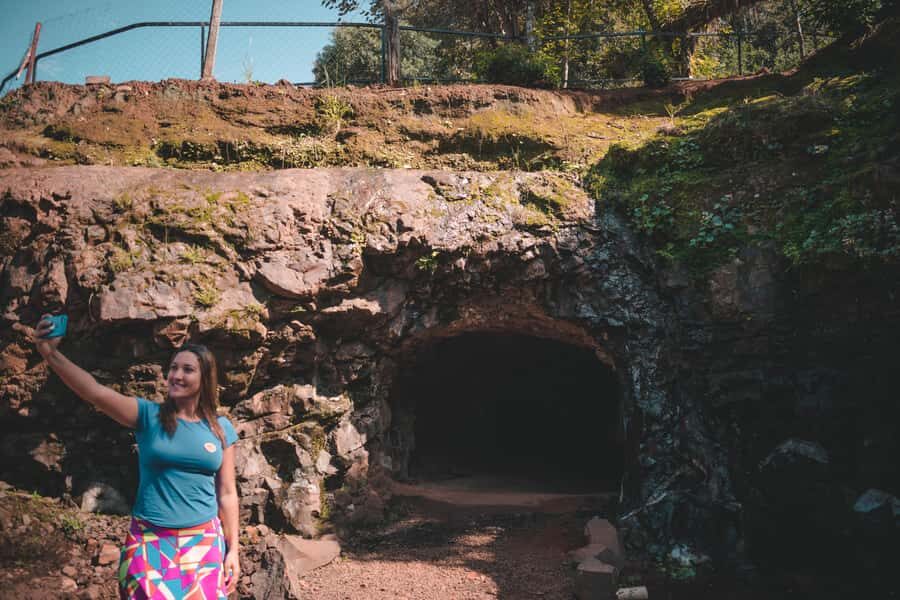
The Wanda Mines tour is designed around access. You don’t just stop at one viewpoint. You visit five mines that are open to visitors. Each one helps you see a different “stage” of extraction and processing.
Here’s what I think you should pay attention to as you go, not just the final stones:
Open-air extraction
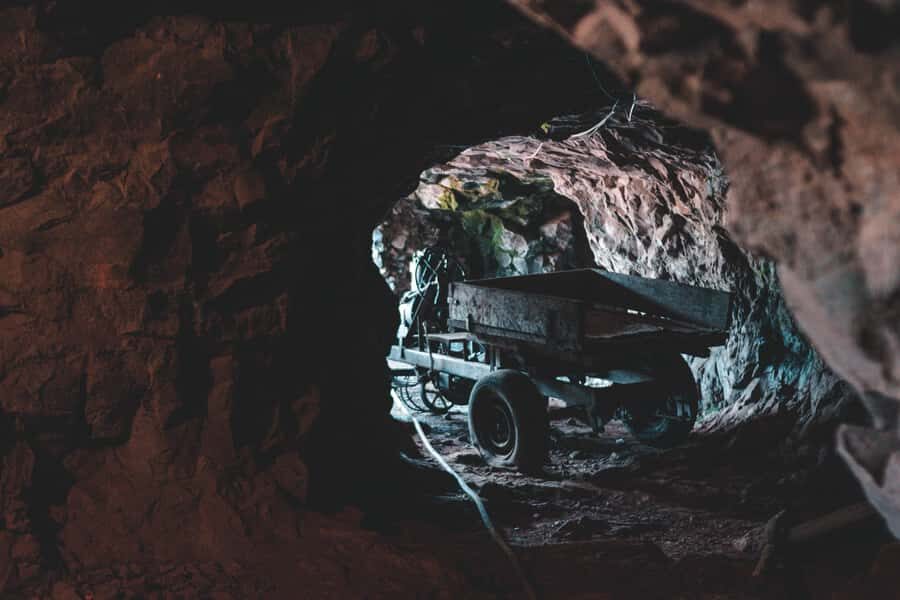
This is the easiest to understand visually: you can see how the work happens in exposed areas. It helps you connect what you’re told about the geology to the real cuts, removal, and careful sorting that people do with fragile material.
Cave mining
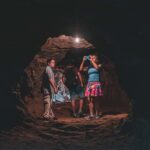
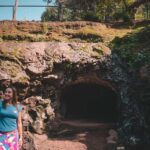
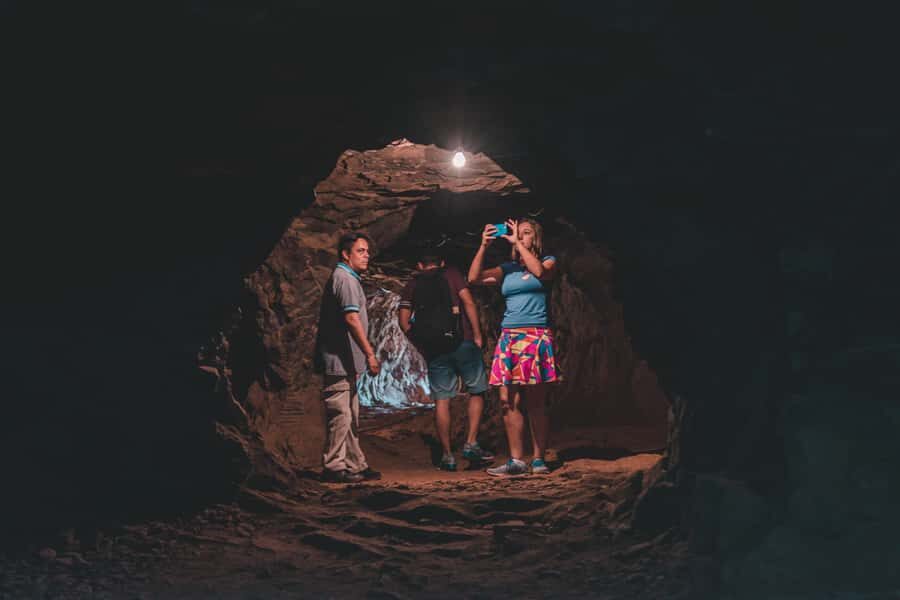
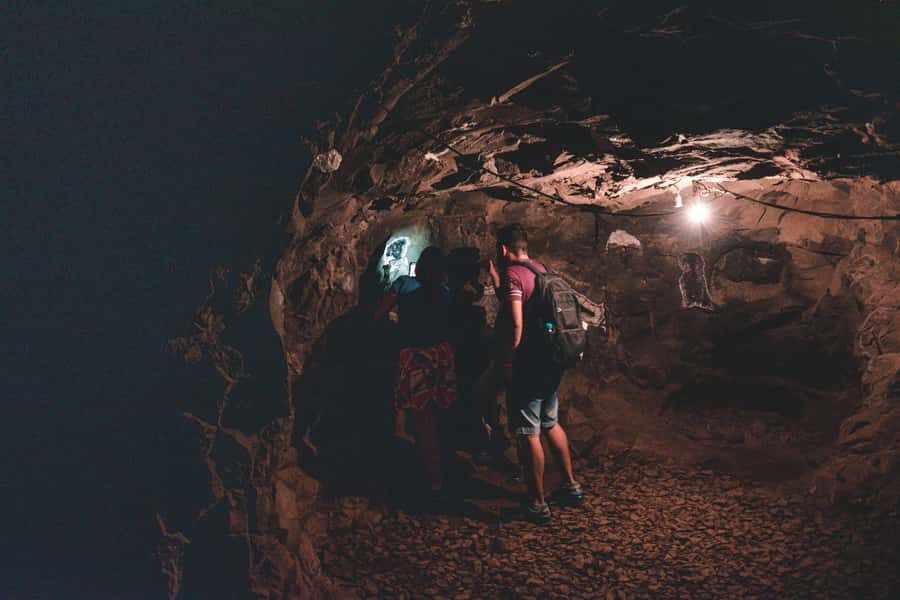
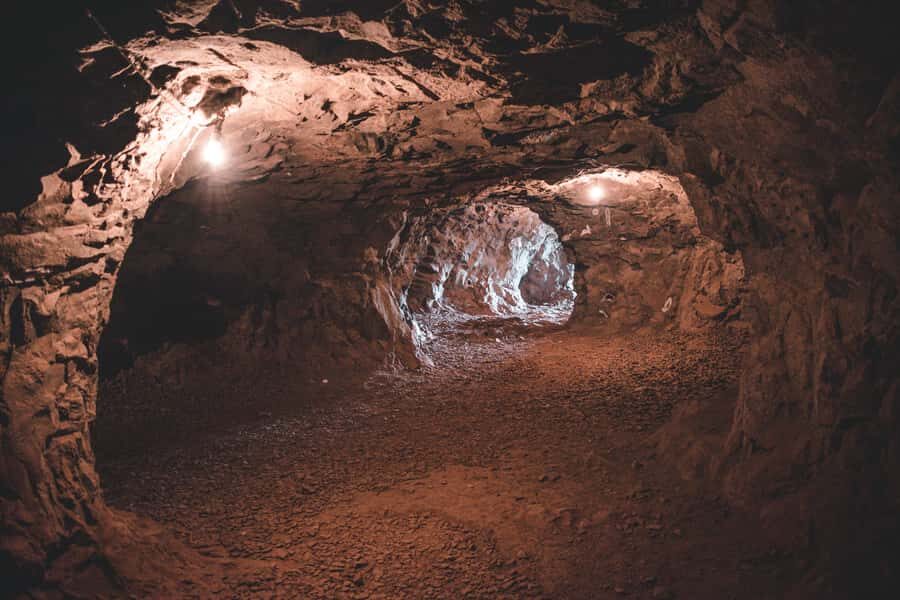
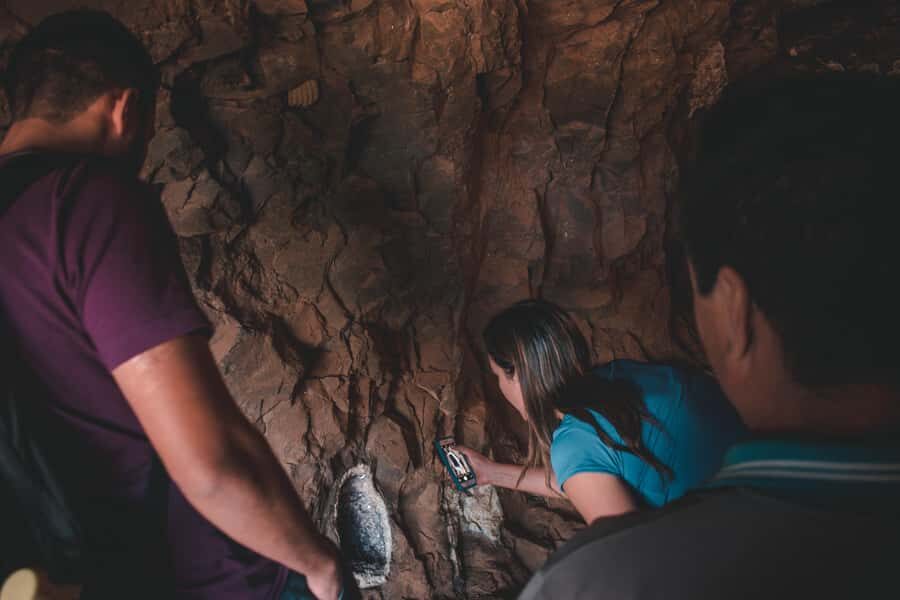
The caves add a different feel. They emphasize how sensitive the stones can be and why extraction methods need to change depending on where the material sits. This is also where the explanation of slow, careful handling makes more sense. If something looks small in a brochure, in a cave it suddenly feels heavy, delicate, and time-consuming.
Why the tour’s structure is useful
A lot of “stone experiences” end with shopping. Minas de Wanda stays more grounded. The order—moving through multiple mines and mixing photo time, guided interpretation, and sightseeing—helps you understand that you’re not just buying a souvenir. You’re watching (and learning about) the process.


The Stones: 52 Varieties and a Color Lesson
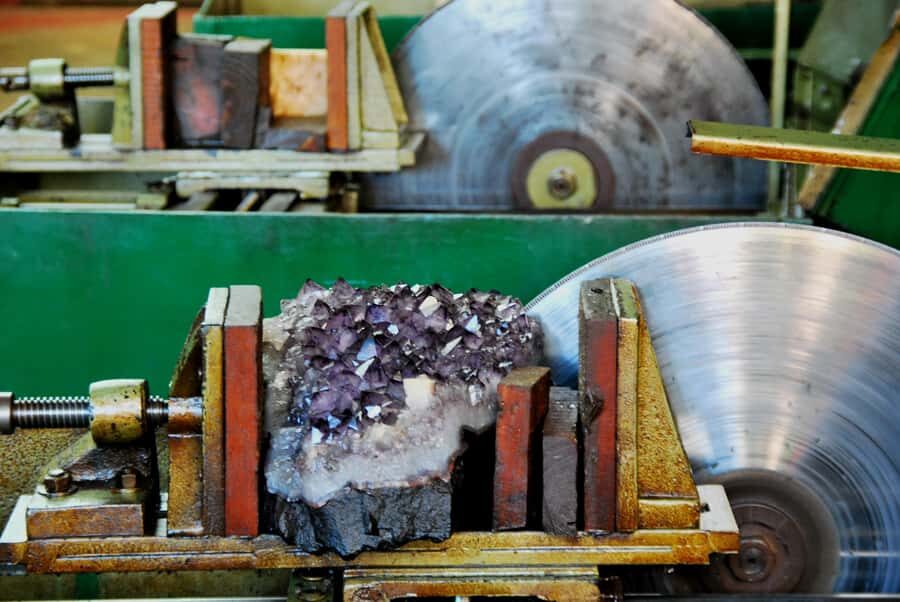
The big draw here is that the mine is known for a wide range of gemstones and semi-precious minerals. During your visit, you’ll learn about stones such as emeralds, rubies, amethysts, agates, and different topaz colors (including yellow, blue, and brown). You’ll also hear about pink rock crystal, Venus crystal, aquamarine, and other species.
The tour’s own claim is a large one: the collection includes no less than 52 varieties. Whether you’re a serious rock nerd or just enjoy sparkly objects, the number matters. It signals that you’re in a real mineral zone, not a single “hero stone” attraction.
What I find helpful is how this turns into a color lesson you can carry with you. Instead of thinking, It’s pretty, you start thinking, Okay, this is what volcanic formation can do, and this is why some crystals show up together.
How Long Is It, Really? The 4-Hour Reality Check
The tour runs about 4 hours total. Within that, you get around 1.5 hours for the guided tour plus time for sightseeing and a photo stop.
That’s not a complaint—just a reality check. The mines are active and the group moves as a group. If you like to take 20 photos of one sample case, you’ll need to be strategic. I’d treat this as a “see how it works” overview. If you want a slow, shopping-heavy day, plan a separate window later for stores and browsing.
Pickup, Group Size, and Why It Affects Your Experience
This is a small group tour, limited to 15 participants, with shared transportation. You’ll also get hotel pickup from central areas in both:
- Puerto Iguazú (Argentina)
- Foz do Iguaçu (Brazil)
There are two pickup options mentioned in Puerto Iguazú, including Centro. If you’re staying outside the central area, you can arrange a meeting point (the operator suggests you coordinate via WhatsApp). For planning, central pickup is a big deal because it reduces the time you spend waiting and it keeps the day on track.
You also get a live guide and skip the ticket line. That may sound like small stuff, but in border regions and busy attractions, small stuff becomes time saved.
The Border Crossing Factor (If You’re Starting in Brazil)
If you’re coming from Foz do Iguaçu, your day may include crossing into Argentina. One key practical detail from the experience feedback: the crossing can be slow, and that’s not the tour company’s fault.
So I treat this as a scheduling tip: don’t stack a bunch of tight plans on both sides of the border the same day. If you need a buffer for dinner reservations or a later transfer, give yourself space.
Stone Museum and Store Stops: What to Do With Your Time
Along the way, you’ll visit a Stone Museum where local species are displayed. This is where you can slow down a little and connect what you saw in the mine areas to a more curated explanation of minerals.
Then the tour includes specialized stores where you can buy raw or worked samples. Here’s my advice: decide ahead of time what kind of buyer you are.
- If you’re collecting: take your time comparing colors and types, and ask questions about what’s raw vs. processed.
- If you’re gifting: focus on pieces that look good in photos and in person—because lighting and display conditions can trick you.
Since admission and the ecotourism fee aren’t included in the tour price, remember you may end up paying additional costs on site anyway. That’s normal here; just plan for it.
Price and Value: Is $52 Worth It?
At $52 per person, this tour can be good value if you’re looking for a guided, structured introduction to the Wanda Mines area—especially with shared round-trip pickup, a live guide, and time spent seeing both open-air and cave extraction.
But be honest about the “true cost” of the day:
- The tour price covers guide service and shared transportation.
- Wanda Mines admission and an ecotourism fee are separate.
- Food and drinks are not included.
- Any purchases in the stores are, of course, optional.
So the value equation is simple. If you’re the type of traveler who likes learning while you walk—rather than just snapping selfies and leaving—this makes sense. If your goal is purely shopping, you might find it helpful to browse store hours or focus on a different format where you spend more time with merchandise. Here, the strength is interpretation and access.
What Makes the Tour Feel Good: The Human Part
Several pieces of feedback point to the same theme: the guides and the organization do a lot right. People mention a nice, attentive guide, good knowledge about the mines and the surrounding zone, and an overall enjoyable pace.
One comment also points out a potential downside: the tour can feel a bit short, and that may be because the operation is still growing. In other words, the experience is strong as a first look, but it’s not trying to be a full-day deep dive.
For me, that lines up with the 4-hour format: you get a concentrated experience. You leave with the basics and some solid context, not with hours of open-ended exploration.
Who This Tour Fits Best (and Who Might Skip It)
This fits best if you:
- want a change from the usual Iguazú waterfall loop
- enjoy guided explanations of how places work
- like natural history, mining craft, and geology (even if you’re a casual fan)
- travel with mixed ages and want something that’s interesting without being physically extreme
It may not fit as well if you:
- want a long, unhurried shopping spree
- hate border-crossing logistics and tight timing
- expect mining to look like a dramatic movie set (this is artisanal and careful, not loud and chaotic)
Should You Book Minas de Wanda?
I’d book it if you want a smart, efficient add-on that mixes active mining, a guided story of volcanic formation, and access to five mine sites. The small group size and hotel pickup make it easy, and the museum plus store time adds closure to what you learn in the tunnels.
Just go in with two expectations set:
- It’s a compact tour. Plan to learn fast, then shop later if you want more time.
- If you’re starting in Brazil, leave room for border delays.
If that sounds like your style, Minas de Wanda is a memorable, hands-on way to experience the Iguazú area beyond the falls.
FAQ
How long is the Minas de Wanda tour?
The tour duration is about 4 hours, including pickup/transport time and guided sightseeing.
Where does pickup happen?
Pickup is available in central areas in both Puerto Iguazú (Argentina) and Foz do Iguaçu (Brazil). One listed option is Centro in Puerto Iguazú.
How big is the group?
The tour is a small group, limited to 15 participants.
What languages are the guides?
The live tour guide works in Portuguese, English, and Spanish.
What’s included in the price?
Included are the guide service and shared round-trip transportation from central hotels in Foz do Iguaçu or Puerto Iguazú.
Are mine admission and fees included?
No. Wanda Mines admission and an ecotourism fee are not included, and food and drinks are also not included.