REVIEW · EL CALAFATE
El Calafate: Nibepo Aike Ranch with Horseback Riding
Book on GetYourGuide →Operated by Tangol · Bookable on GetYourGuide
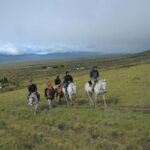
Put on boots. You’re heading to gaucho country. From El Calafate, you’ll get jaw-dropping Andes views and a real 45-minute horseback ride with a baqueano—but if you’re riding-obsessed, know the time in the saddle is fixed, not longer by request.
I also like how this isn’t just a ride-and-go stop. You spend time at Nibepo Aike learning how the estancia works today, including a shearing shed and historical museum, then you finish with a classic Patagonian asado meal.
It is a full day and it’s outdoors. You’ll be on gravel roads and walking on ranch paths, so pack for comfort and plan to be hands-on.
In This Review
- Key highlights at Nibepo Aike Ranch
- Route 15 from El Calafate: the “Path of the Estancias” drive
- Entering Los Glaciares National Park and arriving at Nibepo Aike
- The ranch walk and the Hereford shift: more than a photo stop
- Horseback riding with a baqueano: 45 minutes in the saddle
- Shearing shed and historical museum: gaucho life through work
- Patagonian lamb asado in the quincho: lunch with real atmosphere
- Time on the road, what to pack, and comfort tips
- Price and value: is $175 worth it?
- Who should book this ranch experience?
- Should you book Nibepo Aike Ranch from El Calafate?
- FAQ
- FAQ
- How long is the Nibepo Aike Ranch horseback riding experience?
- What does the tour cost?
- Is hotel pickup included, and where does it work from?
- How long is the horseback ride?
- Do you need to know Spanish or English?
- What should I bring, and is there a luggage limit?
- What are the age and accessibility limits?
Key highlights at Nibepo Aike Ranch
- Path of the Estancias drive (Route 15) with chances to spot condors, foxes, and hares
- Quincho welcome: hot drinks and homemade pastries with Andes views
- Hereford ranch experience with a guided walk of the estancia facilities
- Horseback riding led by a baqueano for about 45 minutes
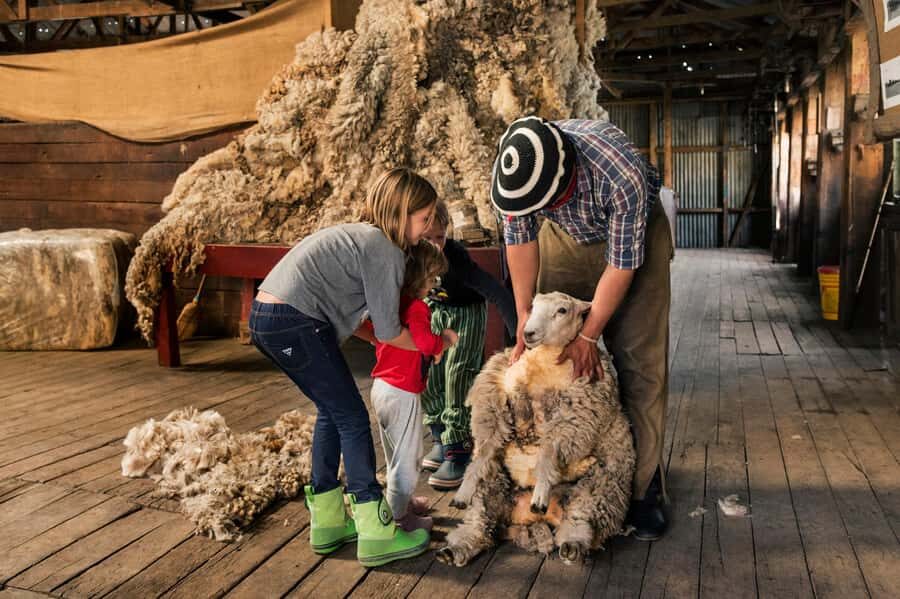
- Shearing shed + historical museum to understand how ranch work shaped local life
- Patagonian lamb asado in the Quincho with stories, plus one glass of wine (or non-alcoholic)
Route 15 from El Calafate: the “Path of the Estancias” drive
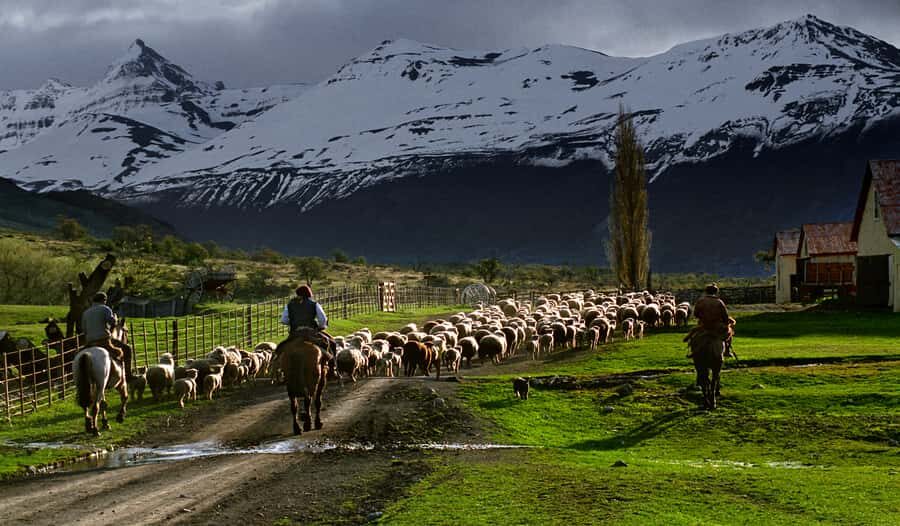
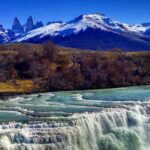
The day starts with pickup in El Calafate from selected centrally located hotels, then you head out on gravel Route 15, often called the Path of the Estancias. This is one of those drives where the landscape shifts as you go, and the view of Cerro Frias gives you a steady visual reference point as things change around it.
You’re not just passively riding in the van. This route is known for wildlife sightings, so keep your eyes peeled for condors, foxes, and hares if timing and weather line up. Even if you don’t spot everything, the changing terrain matters—Patagonia has that way of turning the dial from flat to dramatic fast.
One practical tip: this is gravel driving for a full hour. If you’re prone to motion discomfort, bring your usual travel comfort item. Also, think “daypack life,” not “carry luggage.” You won’t want big bags adding stress to the van-and-walk rhythm.
A few more El Calafate tours and experiences worth a look
Entering Los Glaciares National Park and arriving at Nibepo Aike
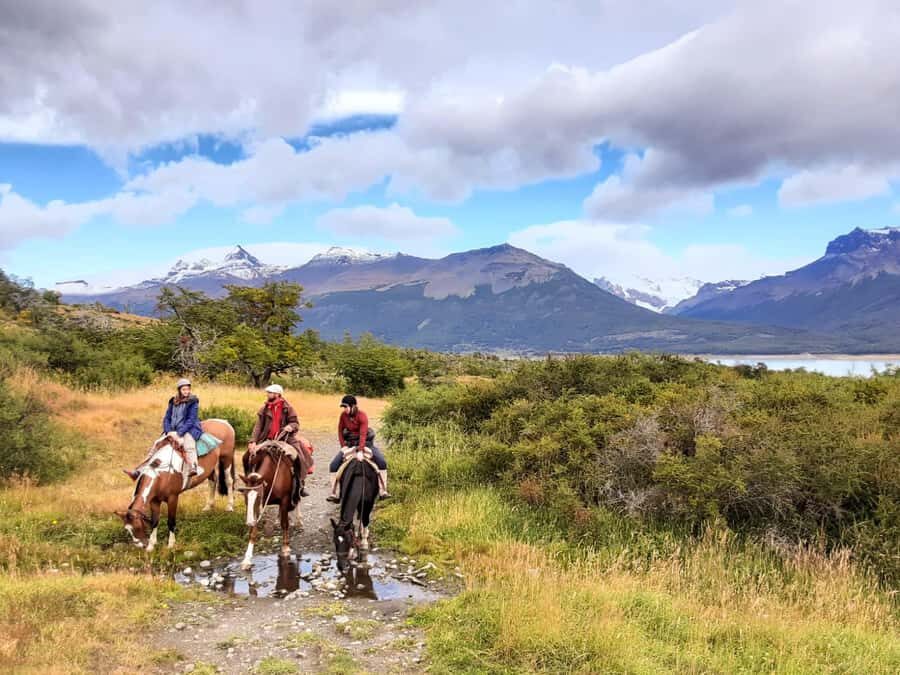
After the road trip, you’ll enter Los Glaciares National Park and reach Nibepo Aike. This is where the mood flips from road-trip mode to ranch mode.
You’re welcomed in the quincho with hot drinks and homemade pastries. That warm start feels extra nice because the weather around the Andes can turn cool quickly, and you’re about to spend time outside. Then you get the ranch perspective right away: views of the Andes sit in the background while you orient to the estancia.
From there, you take a guided walk to see the facilities. Nibepo Aike started out producing sheep, but it has evolved into a prestigious Hereford cattle ranch. That shift is part of what makes the day interesting. You’re seeing a working place that adapts, not a frozen-in-time “theme ranch.”
The guided walk is also your chance to get oriented before you ride—where things are, what the terrain feels like underfoot, and what ranch life looks like from the inside.
The ranch walk and the Hereford shift: more than a photo stop
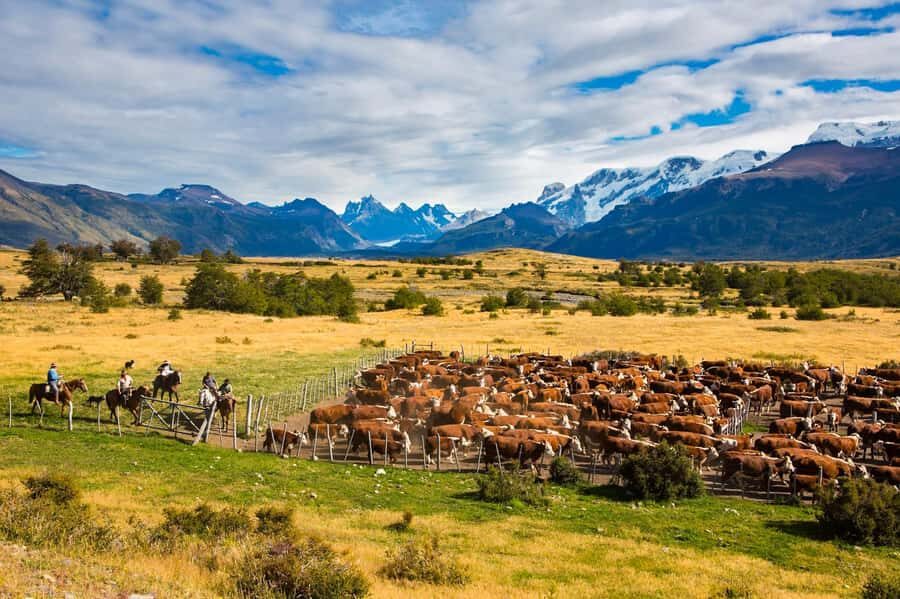
I like that the ranch tour gives you context. You’re not only being shown “things to look at.” You’re learning how an estancia functions—what it takes to run animals, manage daily work, and keep the operation going year after year.
The sheep-to-Hereford change gives you a neat way to understand Patagonia’s economic realities. Ranching here isn’t just romance. It’s practical labor, seasonal adjustments, and choices that keep the farm viable.
If you enjoy small, real-world explanations—how work gets organized, how facilities are used—you’ll get more out of this part than you would from a rushed viewing stop. It’s the kind of grounding detail that makes your later meal and museum visit hit harder, because you’ve already been shown the setting.
Horseback riding with a baqueano: 45 minutes in the saddle
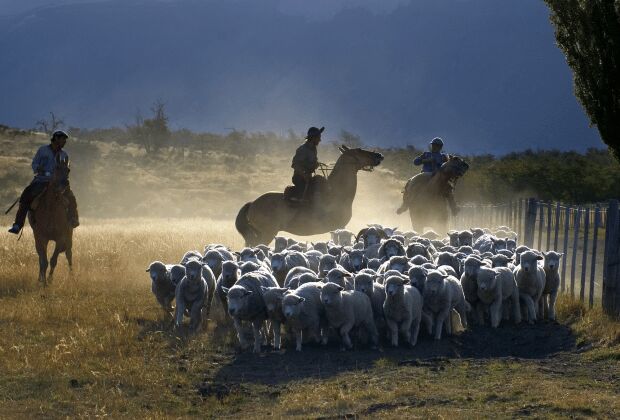
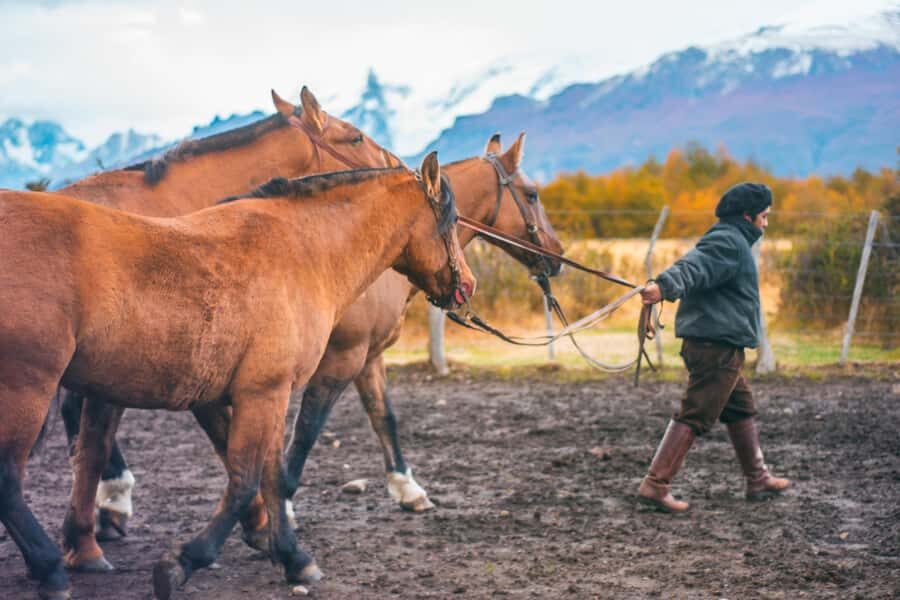
The main activity is horseback riding, led by a baqueano (a local expert who knows how to handle horses and the land). This portion usually lasts about 45 minutes.
Here’s what to expect in a practical sense: you’ll be riding as part of a guided experience, not doing a long self-paced trek across the whole property. That 45-minute window is a highlight, but it’s also the ceiling of the riding time included.
I think this is a good fit for most people because it balances the day. You get the feel of horseback in Patagonian conditions, you learn from a local guide, and you still have plenty of time for the ranch learning stops and the lunch.
Still, take the reality check seriously. If you’ve come specifically for lots of riding time—hours in the saddle—this may leave you wanting more. The tradeoff is that you get the full ranch story, not just riding.
Also remember the minimum age rule: you must be 10 or older to be able to ride. If you’re traveling with kids, plan the day around that.
Shearing shed and historical museum: gaucho life through work
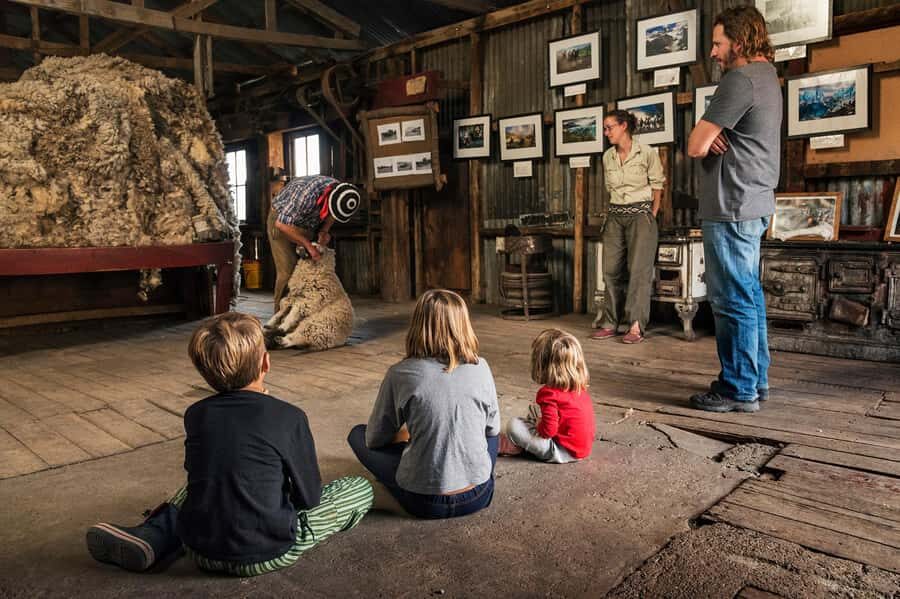
Later, you’ll visit a shearing shed and a historical museum, where you learn about the estancia’s work. This is the part that often turns a “pretty place” into a “now I get it” experience.
If you want to understand gaucho and ranch culture beyond stereotypes, this works well. The shearing shed anchors the story in actual labor—how animals are managed and how tools and routines fit into the estancia calendar. Then the museum connects that work to the broader history of life on the land.
This is also a good place to slow down. You’ll get explanations from the bilingual guide, and you’re better able to connect what you’re seeing to the earlier ranch walk—especially the sheep-production origins and how the estancia evolved.
One more thought: if you’re the type who hates “extra stops,” don’t skip this mentally. Even if you’re most excited about riding, the museum and shed give you a reason to care about the ranch beyond the view.
Patagonian lamb asado in the quincho: lunch with real atmosphere
The day ends with lunch: a Patagonian lamb barbecue in the quincho. This meal is a highlight for a lot of people, and the key detail here is that it’s not just food; it’s a social moment.
You’ll be eating at the ranch during the same day you toured the estancia. That matters. The flavors feel more connected because you’ve walked the working space, learned the ranch background, and spent time around the animals and history.
You also get one glass of wine (or a non-alcoholic beverage). It’s a nice add-on for the evening-style vibe of an asado, without turning the day into a heavy drinking experience.
And yes—the cooking quality is part of why people rate this highly. The lamb is served as a traditional asado, and the meal is treated like the centerpiece.
The guide also shares stories while you eat, so the lunch often becomes the most relaxed part of the day. Your brain finally gets to stop processing logistics and just enjoy the Andes views again while you wind down.
Time on the road, what to pack, and comfort tips
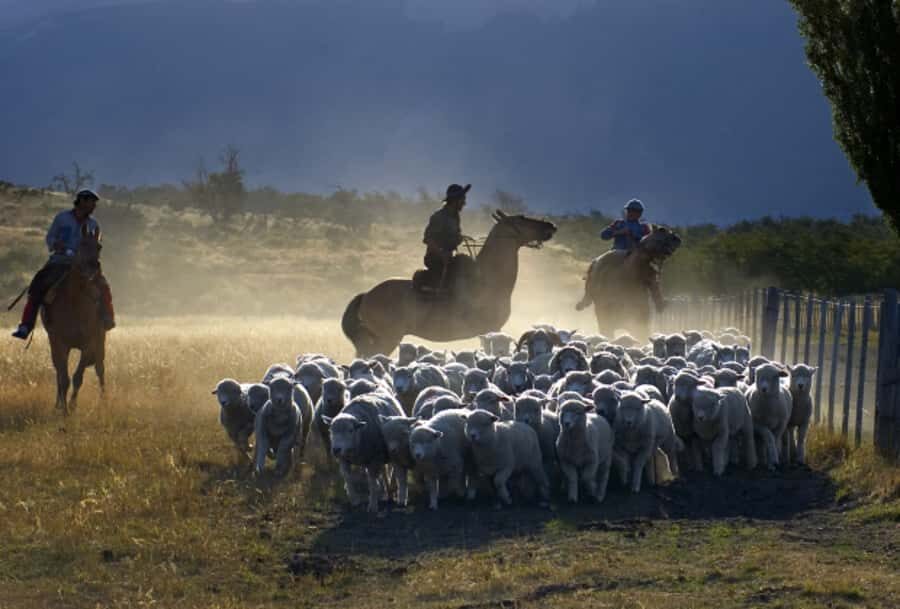
This is a 7-hour outing from pickup to return. You’ll spend about an hour each way in the van, plus around two hours total for the guided walk and welcome at Nibepo Aike, then time for riding and lunch.
To make the day feel good, pack like you’re doing a full ranch day:
- Comfortable shoes you can walk in (you’ll be on ranch surfaces and paths)
- Passport or ID card
- No large bags or luggage
If you’re traveling with camera gear, keep it easy to grab. The day is active enough that you don’t want to fight with straps and bulky storage while the group moves.
One more timing note: the experience runs September to May, so plan around those dates if you’re traveling outside the season.
Finally, this tour isn’t wheelchair accessible, and there’s no mention of special arrangements for limited mobility—so if that’s a concern for you, check with your operator directly before booking.
Price and value: is $175 worth it?
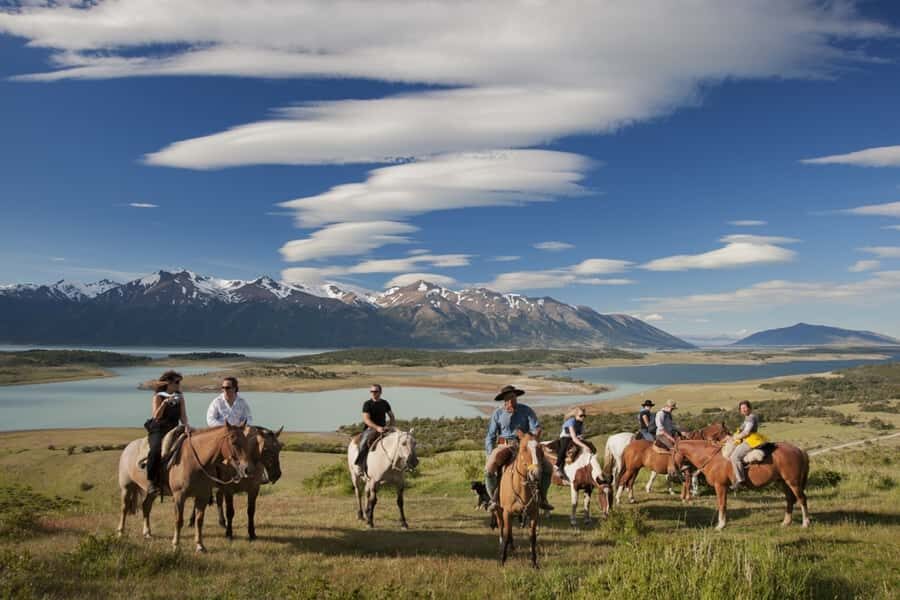
At $175 per person for about 7 hours, the value comes from what’s bundled.
You’re not just paying for horseback riding. You get:
- Hotel pickup and drop-off from within the pickup area
- A bilingual guide
- Ranch time that includes welcome refreshments, guided walking, and learning stops (shearing shed + museum)
- Lunch with Patagonian lamb asado
- One glass of wine (or non-alcoholic)
- A 45-minute guided ride led by a baqueano
If you priced these separately in Patagonia, you’d likely spend similar money once you add transportation, guide time, and the horse-ranch logistics. The ride is a meaningful chunk, but the real value is the combo: riding plus context plus a proper asado meal.
That said, your personal priorities decide the worth. If you mainly want riding time, this package may feel like it splits your day. If you want the whole ranch day—culture, animals, and food—this is the kind of itinerary that makes sense for the price.
Who should book this ranch experience?
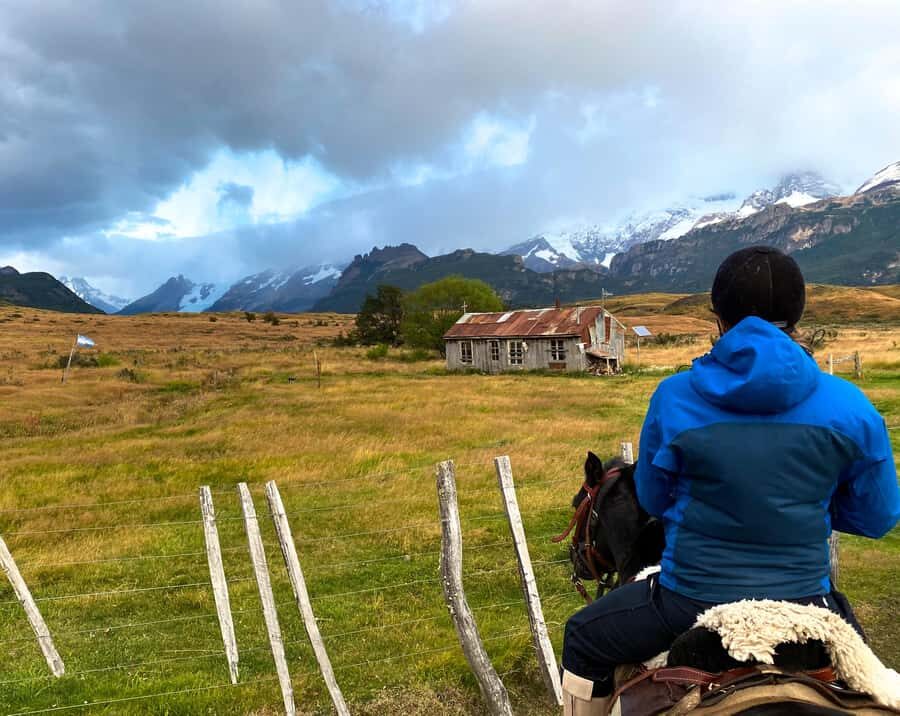
This tour fits best if you want a working estancia day with a strong sense of place. You’ll enjoy it if:
- You like real ranch culture more than only “activity count”
- You want horseback riding but don’t need a full-day trek
- You enjoy learning from guides who explain what you’re seeing
- You eat well and like asado—this meal is part of the point
It may be less ideal if:
- You want maximum saddle time with minimal extras
- You’re sensitive to long outdoor walking or gravel driving
Should you book Nibepo Aike Ranch from El Calafate?
I’d book it if you want an authentic Patagonia day that connects the dots: Andes views, a working estancia, a local guide, a real asado lunch, and horseback riding led by a baqueano. The strongest selling points are the full ranch experience and how enjoyable the meal is, not just the ride.
I would hesitate only if your main goal is hours of riding. In that case, you’ll probably wish the horse portion were longer, because the day is intentionally balanced between ranch learning and cultural stops.
If your schedule allows and you’re traveling during September to May, this is a solid, value-driven way to experience the human side of Patagonia—gaucho life as something you learn by doing, eating, and paying attention.
FAQ
FAQ
How long is the Nibepo Aike Ranch horseback riding experience?
The total duration is about 7 hours, including van time, ranch activities, and return to your hotel area.
What does the tour cost?
It’s priced at $175 per person.
Is hotel pickup included, and where does it work from?
Yes. Hotel pickup and drop-off are included from selected centrally located hotels in El Calafate. If your hotel is outside the pickup area, you’ll be told the closest meeting point.
How long is the horseback ride?
The horseback riding portion is about 45 minutes.
Do you need to know Spanish or English?
No. The tour includes a live guide who speaks Spanish and English.
What should I bring, and is there a luggage limit?
Bring a passport or ID card and wear comfortable shoes. Large bags or luggage are not allowed.
What are the age and accessibility limits?
You must be 10 or older to ride a horse. The experience is not wheelchair accessible. The activity runs from September to May.