REVIEW · EL CALAFATE
From El Calafate: Torres del Paine Full Day Tour
Book on GetYourGuide →Operated by Patagonia Dreams · Bookable on GetYourGuide
One day, two countries, endless Patagonian views. This tour is built for people who want Torres del Paine highlights without needing to drive, with a guide onboard, multiple viewpoints, and an easy walk that gets you close to the scenery. I especially like the mix of classic stops (waterfalls, glaciers, and lake lookouts) plus the short hike around Lake Nordenskjöld. The tradeoff is simple: it’s a long day on the road, and once you arrive, time in the park is tightly managed.
You’ll start with hotel pickup in El Calafate, then travel southwest to cross into Chile. Along the way and in the park, your bilingual guide (I’ve seen names like Carla, Silvestre/Sylvestre, and Matías) keeps things organized and adds context as you go. A consideration: park entry is not included (about $35 USD, paid in cash), and the lunch is a boxed meal style that may not suit every dietary need.
In This Review
- Key moments that make this tour work
- The long ride from El Calafate (and why it’s still a good idea)
- Border crossing into Chile: passports, patience, and a human plan
- First Torres del Paine hits: Lago Sarmiento, Río Paine Falls, and Cuernos viewpoints
- The 1.5-hour walk to Mirador de Los Cuernos: easy effort, big payoff
- Lago Pehoé and the French Valley entrance: your last best photo window
- Lunch box and ride comfort: what to plan for on a 16-hour day
- Optional End of the World Train station stop: a historic detour
- Price and value: what you pay for at $229
- Who this tour suits best (and who should skip it)
- My booking call: should you book this El Calafate-to-Torres day trip?
- FAQ
- How long is the El Calafate to Torres del Paine full day tour?
- Is hotel pickup and drop-off included?
- Are the bilingual guides available in English and Spanish?
- Do I need to pay a national park entry fee?
- What kind of walking is included?
- What should I bring with me?
- What’s not allowed on the tour?
Key moments that make this tour work
- Hotel pickup + guided border crossing support so you don’t waste time figuring it out
- Panoramic Torres del Paine viewpoints from Lago Sarmiento, Cerro Almirante Nieto, and near Laguna Amarga
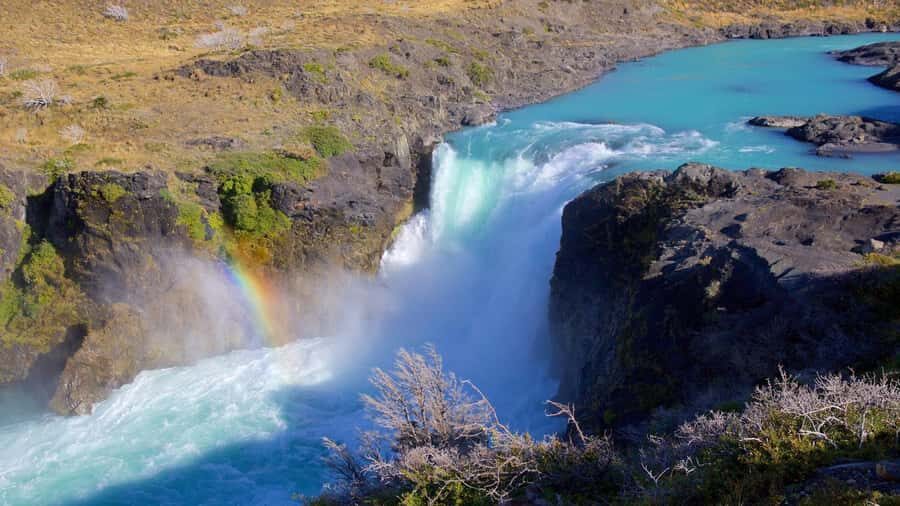
- Río Paine Falls stop (Saltos del Río Paine) for big sound-and-mist Patagonia energy
- 1.5-hour walk to Mirador de Los Cuernos along Lake Nordenskjöld for the money shot view
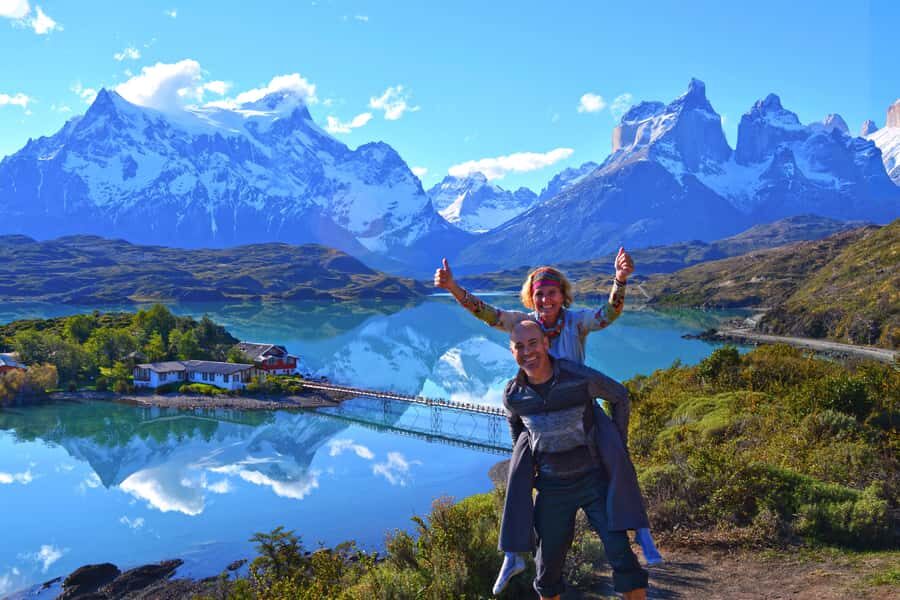
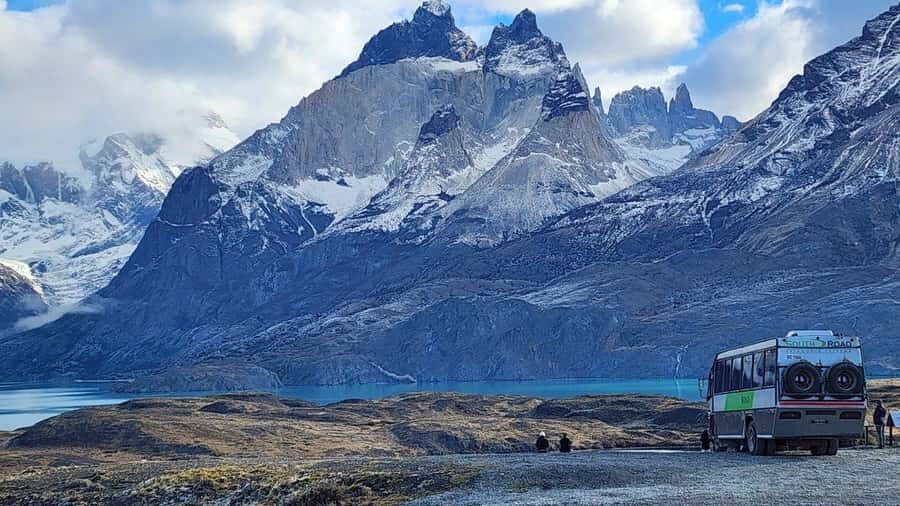
- Lake Pehoé final viewpoint with Cuernos and the French Valley entrance in sight
- Optional End of the World Train station stop for a historic detour if schedules allow
The long ride from El Calafate (and why it’s still a good idea)
This is a 16-hour day trip, which means you need the right expectations. You spend much of the day traveling by coach, with enough stops to stretch, use restrooms, and grab snacks or coffee, but you’re still doing a serious amount of road time.
The upside is that you’re stacking a lot of Patagonia into one visit. Instead of spending days getting to Torres del Paine by yourself, you get guided stops timed for good light and good sightlines—plus a short hike that doesn’t require advanced trekking skills. In practice, it’s a value play for people who only have one day to spare and don’t want logistics headaches.
A few more El Calafate tours and experiences worth a look
Border crossing into Chile: passports, patience, and a human plan
You’ll be picked up in El Calafate and head toward the Argentine-Chilean border. The day includes immigration and customs procedures, and your guide helps keep things moving so you’re not wandering around during the paperwork part.
Bring your passport. If you’re traveling with minors, you’ll want documentation proving kinship for border crossing. And do not count on having time to solve visa or permit issues on the fly—visas and entry/exit permits are your responsibility based on your nationality.
First Torres del Paine hits: Lago Sarmiento, Río Paine Falls, and Cuernos viewpoints
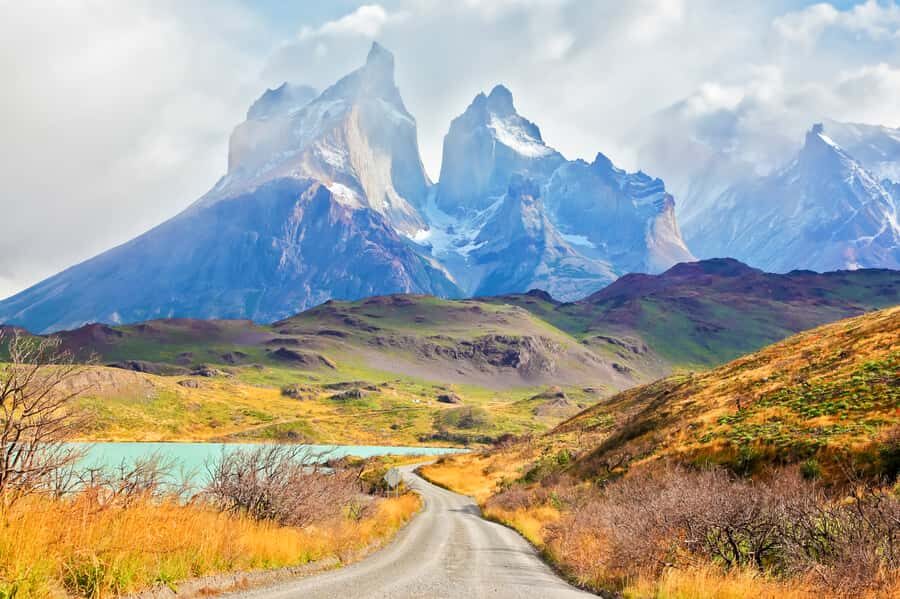
Once you’re past the border, the scenery changes fast. Expect glacial lakes, snowcapped peaks in the distance, and wildlife like guanacos and condors as the park area starts to take over the horizon.
Your early stops are designed to set the stage before you even start walking:
- Lago Sarmiento viewpoint: a big “welcome to the park” moment where you can orient yourself for later, closer perspectives.
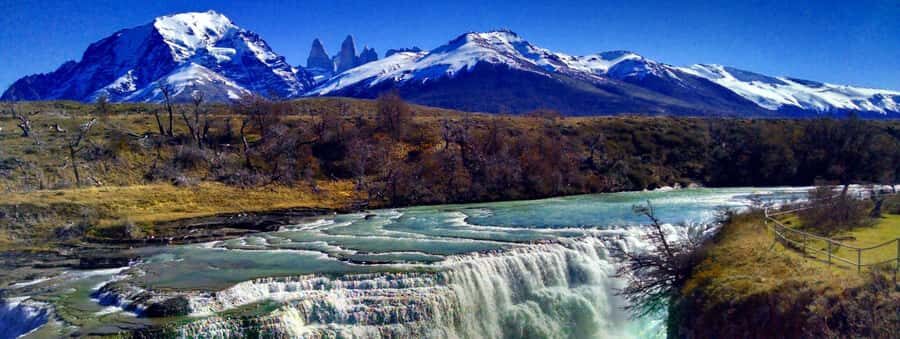
- Saltos del Río Paine (Río Paine Falls): a strong stop for sound, mist, and that raw Patagonia feel—this is one of those places where photos don’t show how loud and powerful it is in person.
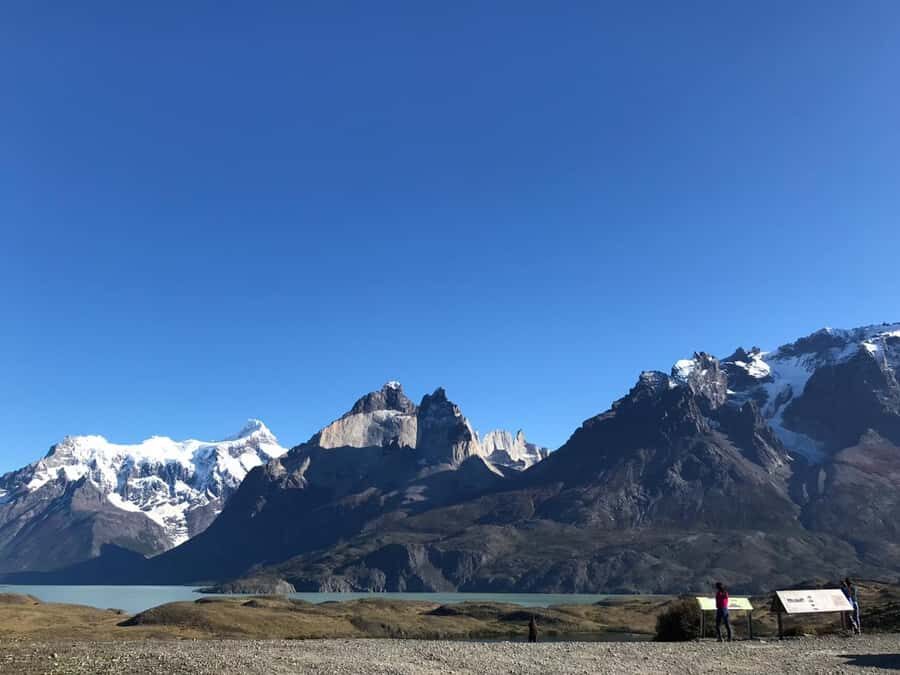
- Cerro Almirante Nieto viewpoint and Cuernos of Paine area (near Laguna Amarga entrance): you get famous peak views before the walk, so when you later reach Lake Nordenskjöld, it feels like you’re moving closer to the story you started hearing.
A heads-up from real-world experience: some driving stretches can feel bumpy, especially on gravel sections between Argentina and Chile and within the broader park area. It’s not constant, but it’s enough that comfortable clothing and a little patience go a long way.
The 1.5-hour walk to Mirador de Los Cuernos: easy effort, big payoff
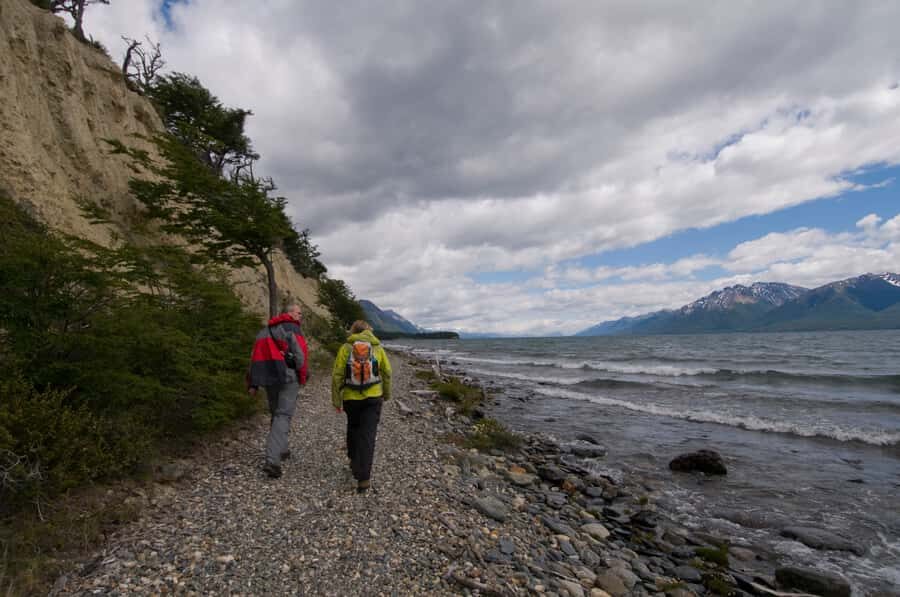
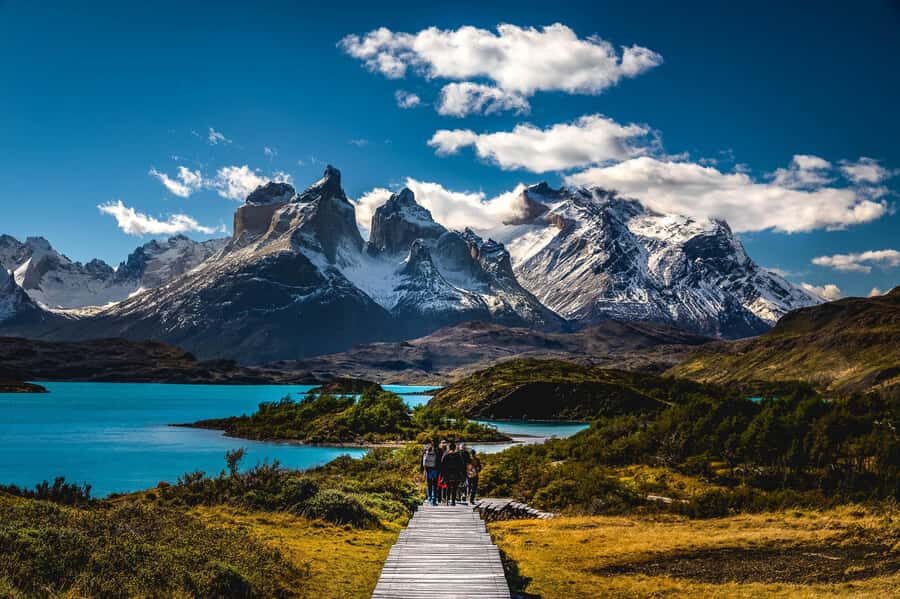
When the tour reaches the hiking portion, it doesn’t demand technical gear. You’ll do a short walk—about 1.5 hours—starting from Salto Grande and heading toward Mirador de Los Cuernos.
This is the part that many people remember because it’s where the views turn from “seen from a bus window” into “you’re standing there.” The route runs along the shores of Lake Nordenskjöld, which is a dream for photos and for catching that scale of the Cuernos peaks against the water.
What I like about the way this walk is packaged: it’s long enough to feel rewarding, but short enough that you don’t lose your whole day to hiking logistics. It’s also one of the best moments for wildlife spotting and for feeling the wind properly—Patagonia makes sure you notice it.
Lago Pehoé and the French Valley entrance: your last best photo window
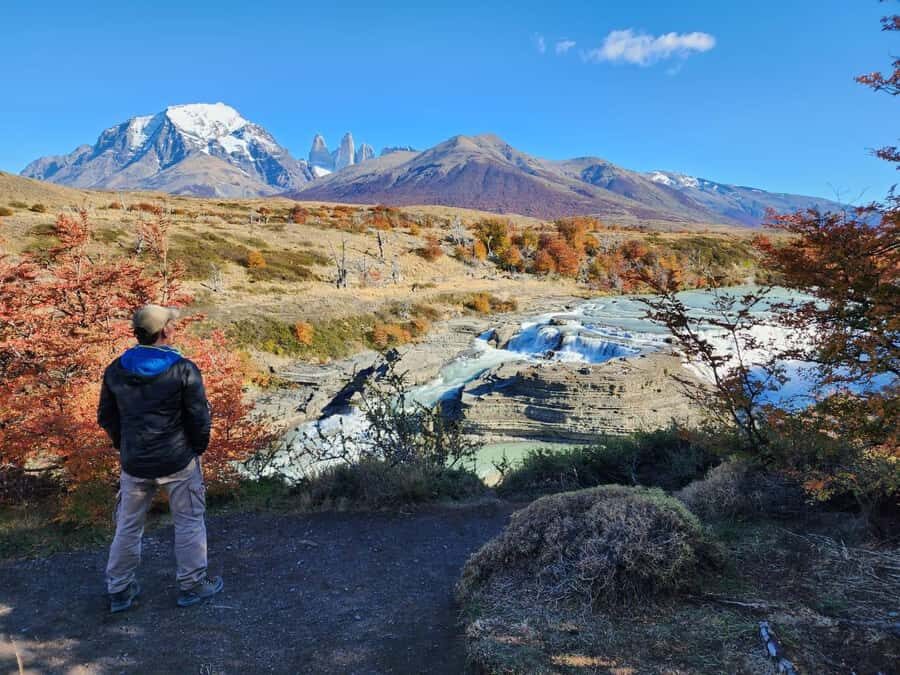
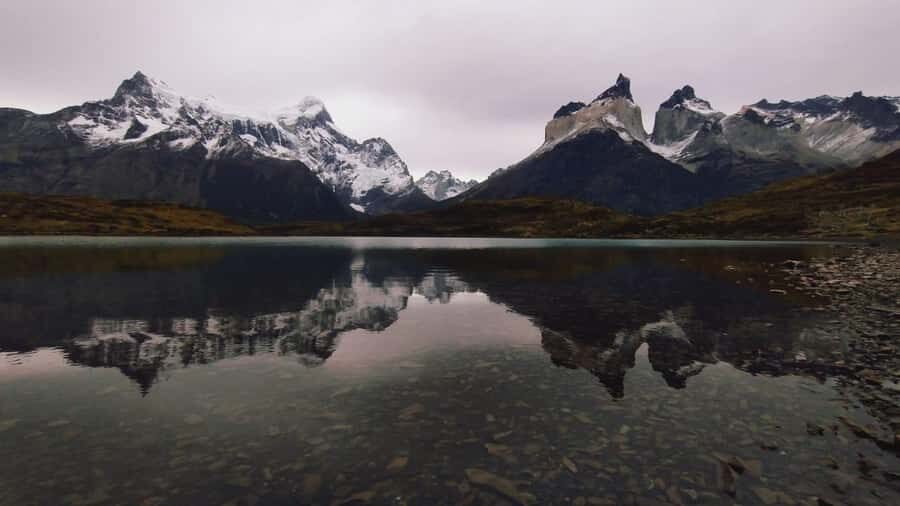
After lunch, the tour keeps moving toward the final viewpoint stops. Lake Pehoé is the last big scenic payoff, and it’s timed so you can see Cuernos del Paine and the entrance to the French Valley.
This is the “final chapter” view. You’re often tired at this point, because the day has been a lot of driving and waiting for each stop, but this one tends to reset your energy. It’s also where you can compare what you saw earlier from viewpoints with what you see now from a more direct shoreline perspective.
Weather matters a lot here. If skies are clear, the peaks show more crisply; if wind or clouds roll in, the views can soften. Your guide’s job is to keep you at the best angles and timing possible, and that’s why a strong guide makes a noticeable difference.
Lunch box and ride comfort: what to plan for on a 16-hour day
You’ll get a boxed lunch inside the park for regular service. It’s described as plentiful by several guests, but it’s still a boxed meal: a sandwich/empanada style kind of day. If you’re very picky about food, or you have specific dietary requirements beyond what’s standard, plan ahead and confirm before you go.
Comfort-wise, the transportation gets mixed-to-positive feedback. Many people call out comfortable seating, and some mention Wi‑Fi/Starlink available in the vehicle (helpful for messages, maps, or just keeping the bus ride less like a lesson in patience). Drivers also matter here—names that came up include Ricardo, Valentin, and Guillermo—because good driving is more important than you think over long distances.
Practical tip: wear layers. Even if the forecast says sun, wind and changing temperatures near water and viewpoints can catch you off guard.
Optional End of the World Train station stop: a historic detour
There’s an optional stop connected to the End of the World Train station, where you can add a historic train ride experience if time and schedules allow. Think of it as a bonus cultural stop to break up the day, not the main reason you came.
If you’re the type who enjoys photos, old infrastructure, and context about Patagonia’s human side, this can be a nice add-on. If you’re mainly focused on nature and hate delays, you may want to treat it as optional and not plan your whole day around it.
Price and value: what you pay for at $229
At $229 per person, this tour isn’t cheap. But you are paying for three real things: long-distance round-trip transport from El Calafate, a bilingual guide (English/Spanish), and a structured day with curated stops and a timed hike.
The big value point is that you don’t have to manage:
- the border crossing flow,
- the route between viewpoints,
- or the timing between waterfalls, lakes, and peak viewpoints.
The main cost friction is that park entry fee is separate (around $35 USD, paid in cash). So your true all-in cost is the base price plus that entry fee.
On the fairness side, this is also one of those days where organization matters. People consistently praise guides and drivers for keeping the group calm and informed. Some also note the group size can be fairly large (one mention was around 30 people), which means you should expect a “get on, get off, move as a unit” rhythm.
Who this tour suits best (and who should skip it)
This is a great fit if:
- you want Torres del Paine highlights in one day from El Calafate,
- you’re comfortable with a long bus/coach ride,
- you want an easy walking segment (about 1.5 hours) rather than a full multi-day trek,
- you like having a guide to explain geology, wildlife, and regional history while you go.
It may not be a good fit if:
- you have back problems, mobility impairments, or heart problems,
- you’re traveling with children under 3,
- you’re pregnant (this is listed as not suitable),
- you know you can’t handle bumpy road sections.
Also, note the rule about luggage: large bags and luggage aren’t allowed, and food isn’t allowed. Plan with a daypack style carry.
My booking call: should you book this El Calafate-to-Torres day trip?
I think you should book this tour if you fall into the “I want the big Torres del Paine hits without renting a car or planning a multi-day trek” category. The short walk to Mirador de Los Cuernos plus the structured viewpoint circuit is a strong combo for one-day visitors, and the guide-led rhythm helps a lot when the day is long.
Skip it (or consider a different format) if you know you need lots of free time in the park or you can’t do a full day that’s mostly sitting and driving. And if food sensitivities are a major issue, plan ahead before you commit.
If your priority is comfort, guided timing, and iconic views in a single day, this is one of the better ways to see Torres del Paine from El Calafate.
FAQ
How long is the El Calafate to Torres del Paine full day tour?
It runs for about 16 hours total.
Is hotel pickup and drop-off included?
Yes. You get pickup and drop-off from hotels in El Calafate, but the transfer depends on whether your accommodation has a reception. If it doesn’t, you’ll meet at a nearby point.
Are the bilingual guides available in English and Spanish?
Yes. The tour includes a bilingual guide in Spanish/English.
Do I need to pay a national park entry fee?
Yes. The Torres del Paine National Park entry fee is not included and is approximately $35 USD, paid in cash.
What kind of walking is included?
There’s a short walk in the park of about 1.5 hours, described as low difficulty.
What should I bring with me?
Bring your passport, comfortable shoes, comfortable clothes, and any visa or entry/exit permits required for your nationality.
What’s not allowed on the tour?
Luggage or large bags aren’t allowed, and food isn’t allowed.