REVIEW · CORDOBA ARGENTINA
La Docta Free Walking Tour “Córdoba La Moderna”.
Book on GetYourGuide →Operated by La Docta Free Walking Tour · Bookable on GetYourGuide
Córdoba has a modern pulse. La Docta’s Córdoba La Moderna walking tour takes you from Ferreyra Palace through Nueva Córdoba and finishes in Güemes, mixing city history with urban legends and local anecdotes along the way. It’s a simple format with real payoff: you’ll understand what everyday Cordobés life feels like, not just what’s on postcards.
I love two things right away. First, the guide’s energy and storytelling: I’ve seen guides praised for their enthusiasm and deep know-how, with names like Karla, Thomas, and Valeria showing up in the guide chatter. Second, the route is smart because it crosses the student vibe and the bohemian vibe, so you get contrast without bouncing around town on buses.
One consideration: the tour does not include admission to museums. You’ll stop near major sites and learn the background, but if you want to go inside, you should expect extra costs.
In This Review
- Quick hits before you go
- Entering the Ferreyra Palace start point (and finding your guide fast)
- The value trick: free to choose, not free to plan
- Ferreyra Palace to Nueva Córdoba: where the story changes gears
- Palacio Dionisi: a museum stop you’ll understand faster than you expect
- Emilio Caraffa area and the Faro Museo: modern culture with a visual anchor
- Plaza del Bicentenario: where the guide helps you read the city
- Parque Sarmiento: a pause that keeps the tour human
- Iglesia de los Capuchinos: the religious stop that feels personal
- Paseo del Buen Pastor and La Cañada: culture you can feel in the street
- Ending in Güemes: bohemian energy and a final neighborhood feel
- Tour timing and pace: 150 minutes that actually fit a day
- Who should book La Docta Córdoba La Moderna
- Should you book this Córdoba La Moderna tour?
- FAQ
- Where is the meeting point for La Docta Free Walking Tour Córdoba La Moderna?
- How long is the tour?
- How much does the tour cost?
- Do I need to pay anything to book?
- What languages is the tour offered in?
- Are museum tickets included in the price?
- What should I bring?
- Can I cancel if my plans change?
- Where does the tour end?
Quick hits before you go
- Pay-what-you-want pricing, with a small $0.50 USD deposit required to reserve your spot
- 150 minutes on foot, broken into short segments with photo and explanation stops
- Two neighborhood flavors, from student Nueva Córdoba to bohemian Güemes
- Major landmarks on the walk, including Palacio Dionisi and the Emilio Caraffa Museum area
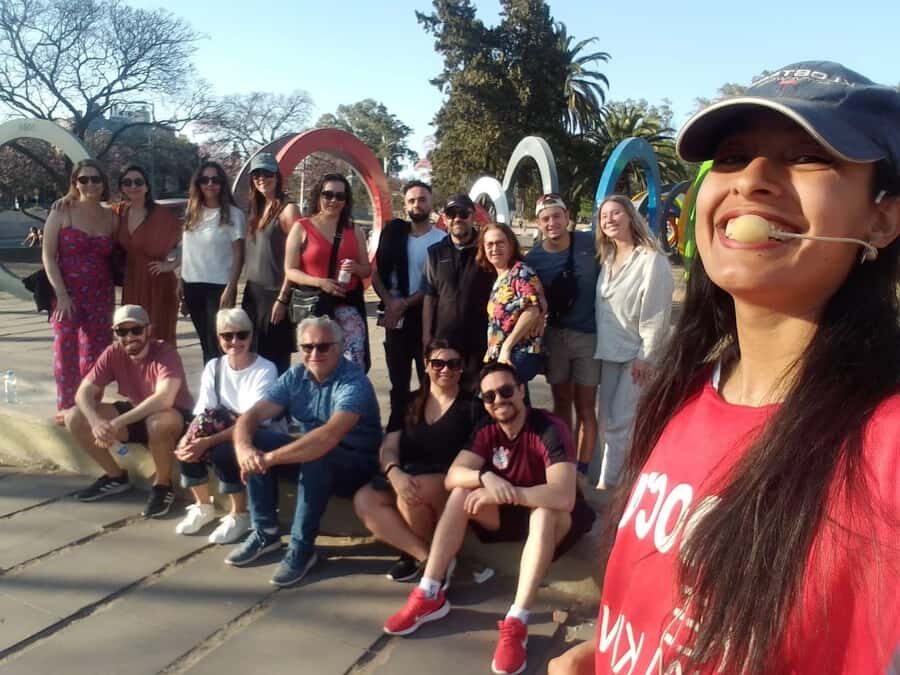
- Urban legends and anecdotes, told live by a local guide in Spanish or English
Entering the Ferreyra Palace start point (and finding your guide fast)
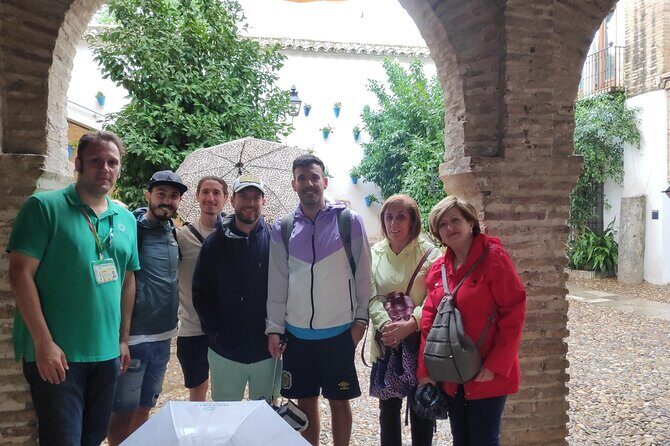
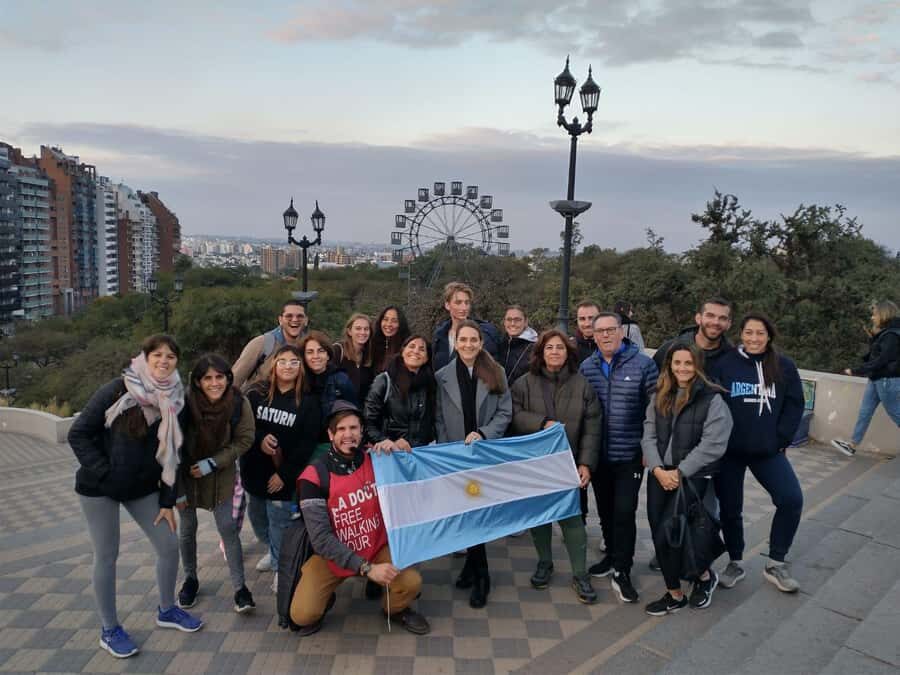
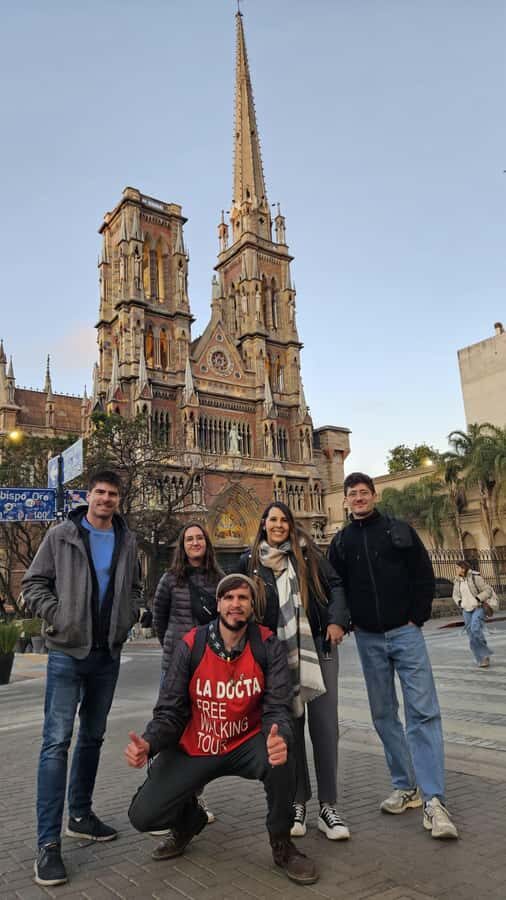
The tour kicks off near the gate of Ferreyra Palace. The guide will be wearing a red t-shirt that says La Docta Free Walking Tour, so you shouldn’t have to guess who to follow. That detail matters because this walk moves at a city pace: you’ll only get the best parts if you start on time and stay with the group.
I like that the meeting point is anchored at a recognizable place rather than a vague street corner. It also sets expectations for the whole experience: you’re not doing a hop-on-hop-off style bus tour where everything is distant. This is close-up walking, with the guide steering your attention from building to plaza to church.
To make it smooth, I’d show up a little early, grab water, and be ready to put your phone away between stops. The best moments here aren’t just photos. They’re the little “how did this area become what it is” explanations you’ll hear while you’re standing in the middle of it.
You can also read our reviews of more tours and experiences in Cordoba Argentina.

The value trick: free to choose, not free to plan
This tour is priced as a pay-what-you-want experience. You decide the final amount at the end, based on how you felt it went. That can be a great deal if you want control over your budget, especially for a 150-minute walk that covers a lot of ground on foot.
But there are two parts to understand before you arrive:
- A $0.50 USD deposit is required to book. It’s the system’s way of holding your spot.
- Museum admission isn’t included. So your final value comes mostly from the storytelling and what you see from outside, plus any optional museum tickets you choose to buy later.
For most people, the value math is straightforward. If you love walking tours with an opinionated local guide, you’ll feel like you got your money’s worth quickly. If you mostly want museum interiors without thinking about context, then this style may feel limited because the admissions are on you.
Ferreyra Palace to Nueva Córdoba: where the story changes gears
After meeting at Ferreyra Palace, the route heads into Nueva Córdoba, the student neighborhood. This is where Córdoba starts to feel younger—less like a museum city, more like a place where people actually live, study, hang out, and argue about ideas.
You’ll get a sequence of stops that work like chapters. Each stop gives you a different angle on the same theme: how Córdoba’s modern life formed alongside its older identity.
Even before you reach the bigger museum names, the walk structure helps. There are short walking stretches between major points, plus short photo breaks where the guide can explain what you’re looking at. That means you’re not stuck listening for long stretches without a visual payoff.
If you’re traveling with limited time, this neighborhood-to-neighborhood format is also practical. You’ll cover a lot in 150 minutes, and you’ll still have enough energy left to keep exploring Güemes later.
Palacio Dionisi: a museum stop you’ll understand faster than you expect
One of the first big named stops is the Provincial Museum Palacio Dionisi. You’ll have a photo stop (about 10 minutes) here, plus time for the guide to set the context.
What I like about this kind of stop is that it teaches you how to look. Even without buying a ticket right away, you can get meaning from architecture and location—why it’s here, what role it plays in the city’s cultural identity, and how it connects to the surrounding neighborhood feel.
Just keep your expectations aligned. Since museum admission isn’t included, you’re mainly getting the outside-and-explanation experience. If you strongly prefer inside-the-building museum time, you can still use this stop as a decision moment: decide whether it’s worth coming back later with a ticket.
This is also a good time to take a breather. The walk keeps moving, but a 10-minute pause is long enough to rehydrate and settle before the next cultural landmark.
Emilio Caraffa area and the Faro Museo: modern culture with a visual anchor
Next comes the Faro Museo Emilio Caraffa. Expect another photo stop (about 10 minutes), again positioned as a “look and learn” moment.
This stop is valuable even if you’re not planning to go in. The guide’s job is to connect what you see here to why this area matters in Córdoba’s modern cultural life. In a city like this, museums can feel intimidating if you treat them like checklist items. A walking tour guide changes that by giving you context first—so when you do choose to visit a museum later, you’re not starting from zero.
Also, the name itself is a clue that this is meant to function as a landmark. You’re not just passing by something obscure. You’re hitting a reference point that helps you map the city in your head.
If you’re the type who enjoys local explanations more than silent observation, you’ll likely enjoy this stop a lot. It’s one of those points where you can ask yourself: does the guide’s framing match what I’m noticing? If it does, the rest of the tour tends to click.
Plaza del Bicentenario: where the guide helps you read the city
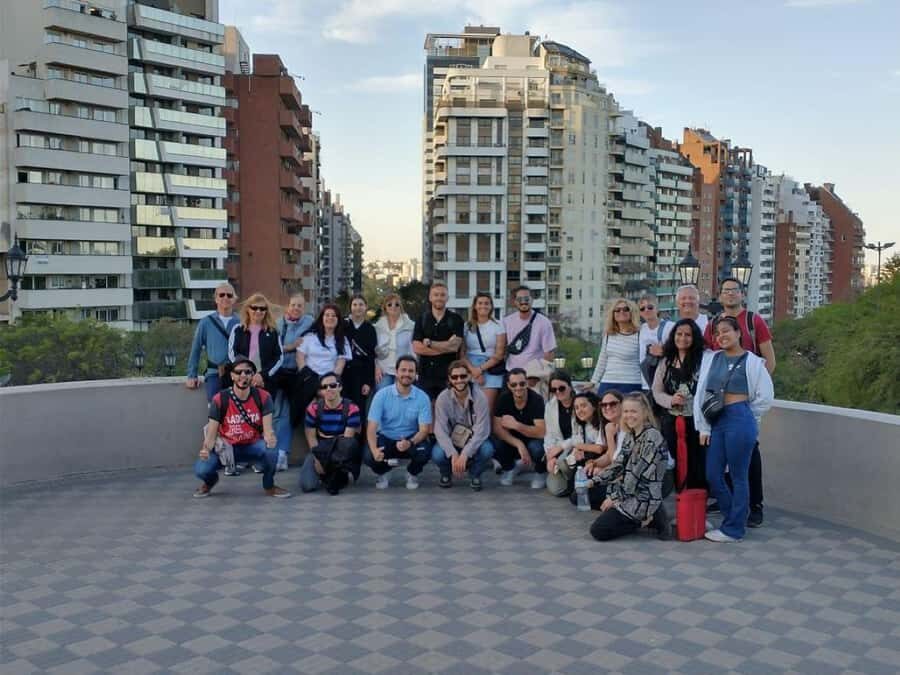
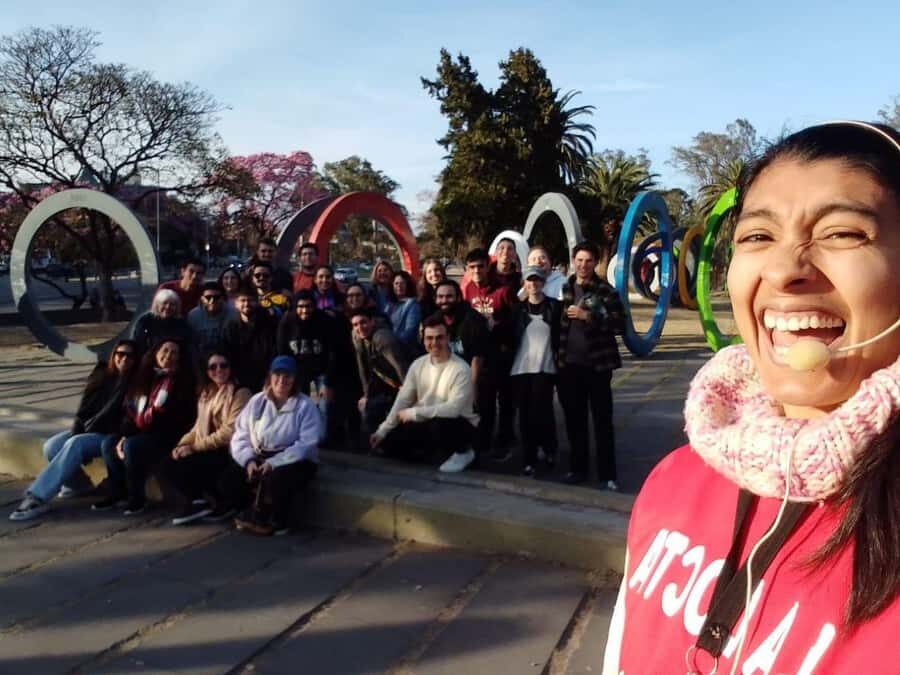
Then you’ll reach Plaza del Bicentenario, with a photo stop (about 15 minutes). Plazas can be the least exciting part of some walking tours—big open spaces where you’re mostly standing around.
Here’s why this one can work. The guide uses the space to connect neighborhood life to broader civic identity. Even if you’re not a square-and-statues type, this kind of stop often helps you reset your mental map. You start to see how the different parts of Córdoba relate to each other, not just as isolated sights.
At 15 minutes, you get enough time to slow down and catch details. If you want great photos, this is often a better moment than tight street corners because the wider view lets you frame buildings and people more naturally.
One practical tip: stand where the guide tells you to stand for a clean view. It’ll save you from the usual scramble of trying to get a shot while everyone else is moving.
Parque Sarmiento: a pause that keeps the tour human
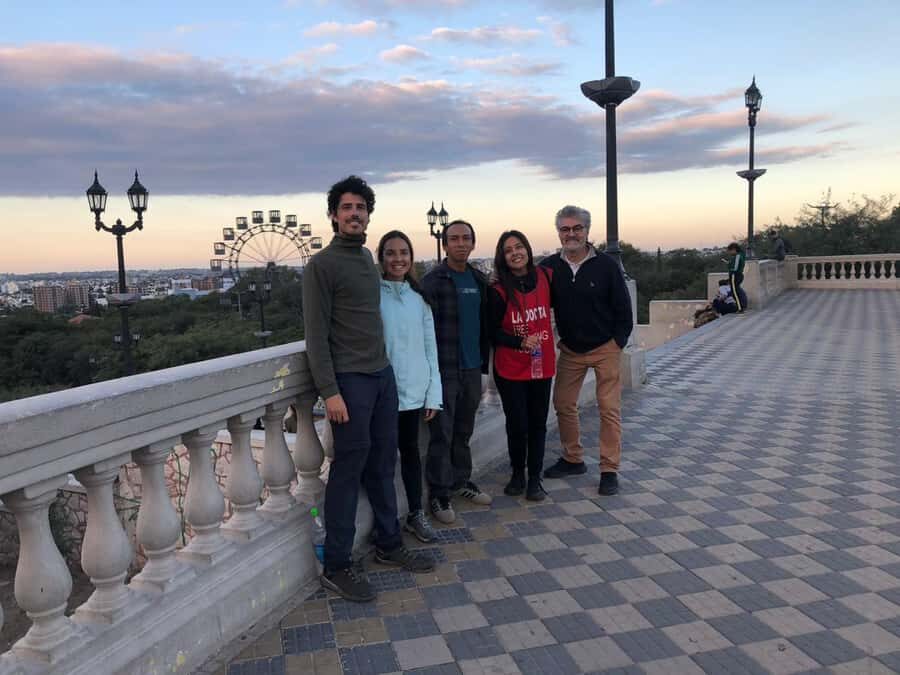
After the plaza, you’ll head to Parque Sarmiento. Expect another about 15 minutes here, labeled as a hop-on hop-off stop.
Parks are useful on walking tours because they change the rhythm. Instead of continuing at “tour pace,” you get a breather where the city can feel like the city. Even if you don’t sit for long, you’re better able to hear the guide’s narrative when the setting isn’t all hard edges and storefronts.
This stop also helps if you’re traveling with mixed interests. Some people want architecture facts; others want relaxed time for photos. A park gives both without forcing you into a museum ticket decision.
Keep your expectations realistic: you won’t spend hours here, and you won’t magically leave with a full park picnic plan. But 15 minutes is just enough to absorb the mood and refocus for what comes next—religious and cultural stops that feel more intimate.
Iglesia de los Capuchinos: the religious stop that feels personal
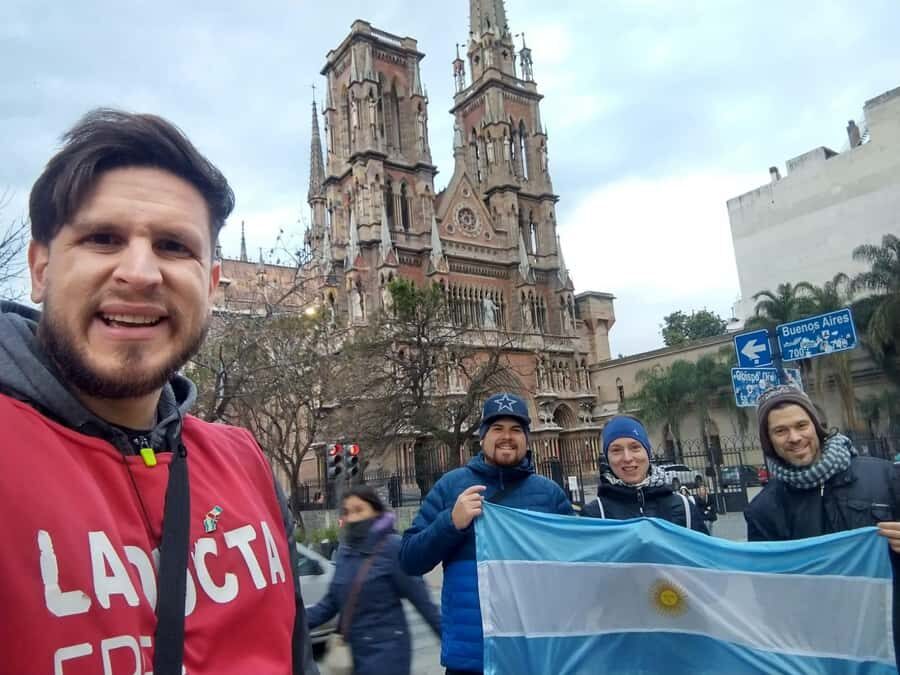
Next is Iglesia del Sagrado Corazón de Jesús (Iglesia de los Capuchinos), with about 10 minutes.
Church stops can go two ways on tours: either they become a dry lecture about dates, or they become a living story about why people still care. The value here is that you’re getting guided interpretation in context, not just staring at a building. If you pay attention during the walk-in moment, you’ll understand how this kind of religious landmark fits into daily neighborhood life.
Also, this is another point where the tour’s “urban legends and anecdotes” angle can really pay off. Even if you don’t catch every detail, a well-told story turns a church from scenery into character.
Practical note: dress comfortably and keep your shoes in good shape for uneven sidewalk spots. Walking tours reward you for being ready to move smoothly.
Paseo del Buen Pastor and La Cañada: culture you can feel in the street
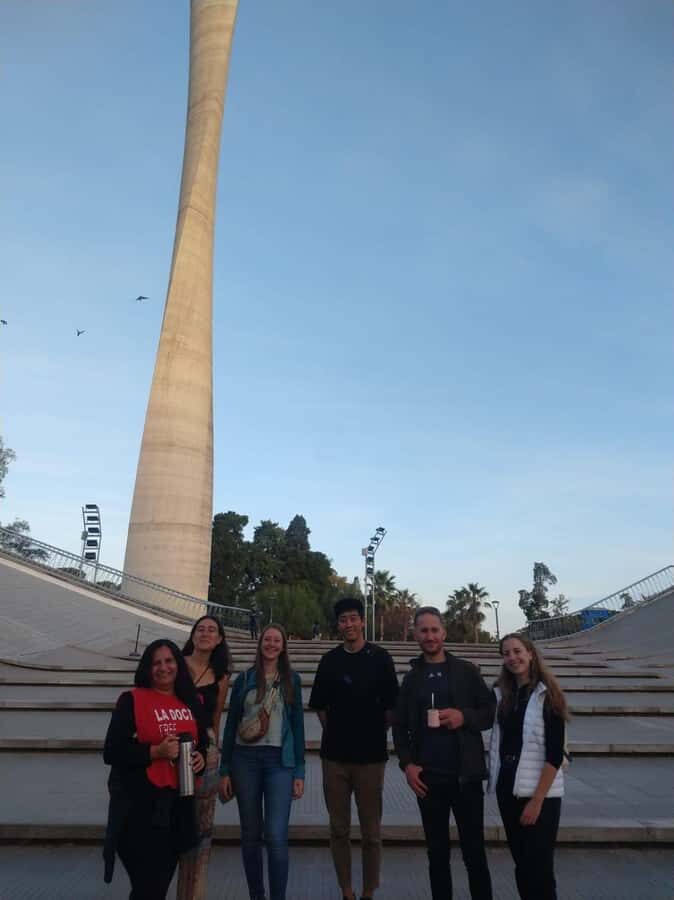
After the Capuchinos church, you’ll reach Paseo del Buen Pastor (about 5 minutes). Then, later along the same modern stretch, you’ll also experience La Cañada as part of what you’ll see on the overall route.
Short stops like this can feel rushed, but they often work because the goal isn’t to linger endlessly. Instead, it’s to show you how Córdoba layers culture into public life—spaces where people gather, walk, and spend time without needing museum tickets.
Think of these parts as transitions. They connect the cultural institutions you’ve just seen with the neighborhood energy that ends the tour in Güemes. If you’re the type who likes to understand flow—how one area leads to another—you’ll like this segment.
And if you enjoy people-watching, keep your eyes open. Even without specific descriptions promised, these are the kinds of spaces where you can quickly understand what a neighborhood is like by how it moves.
Ending in Güemes: bohemian energy and a final neighborhood feel
The tour finishes in Güemes, and you’ll see Güemes Galleries as part of the area’s pull. This is where the “young Cordoba” idea becomes obvious.
Güemes is the bohemian end of the spectrum in this route. It’s a practical way to end, too. You don’t want your last stop to be a quiet dead-end. You want somewhere lively enough that you can keep exploring after the tour ends.
Since the tour ends here, plan for the next step. Bring whatever you need to keep walking—water and snacks help. And if you’re curious about more museums, you’ll know the general area and can decide later whether any interior visit is worth it for you.
Also, this finish gives you options. You can wander slowly, grab a bite, or simply use Güemes as your base for the rest of the afternoon/evening.
Tour timing and pace: 150 minutes that actually fit a day
This tour runs 150 minutes, which is a sweet spot. It’s long enough to cover multiple named landmarks across different neighborhoods, but short enough that you’re not committing your entire day.
The walking approach is also practical. The route includes short stretches between stops—often just a few minutes—so the tour doesn’t feel like a nonstop trek. You’ll have structured pauses labeled for photos and guide explanations. That’s helpful if you’re traveling solo or you want to keep your mental stamina up.
For comfort, you’ll want comfortable shoes and drinks. Those two items sound basic, but they matter because the tour depends on staying mobile and staying with the group.
If you’re sensitive to crowded spaces, note that walking tours involve a group experience. It helps to be patient with bottlenecks at photo stops and give the guide a little space to lead.
Who should book La Docta Córdoba La Moderna
I’d book this tour if you want a modern lens on Córdoba. It’s especially a good fit if you like:
- Neighborhood contrasts more than single monuments
- Street-level storytelling, including anecdotes and legends
- A walk that ends in a lively area where you can keep exploring on your own
You might skip this tour if your priority is spending lots of time inside museums with full admissions. The tour focuses on guided context and key stops, not museum ticket time.
Should you book this Córdoba La Moderna tour?
Yes, if your idea of a great day is walking with a local guide and learning how neighborhoods work. The route connecting Nueva Córdoba and Güemes gives you a fast, real sense of Córdoba’s modern side. The pay-what-you-want setup can also make it good value, as long as you’re comfortable choosing your final price based on what you got out of it.
Just go in with two expectations: you’ll hear stories more than you’ll buy tickets, and you’ll want to show up ready for a 150-minute walk with the basics—good shoes and a drink. If that matches your travel style, this is an easy decision.
FAQ
Where is the meeting point for La Docta Free Walking Tour Córdoba La Moderna?
You’ll meet next to the gate of Ferreyra Palace. The guide wears a red t-shirt that says La Docta Free Walking Tour.
How long is the tour?
The tour lasts 150 minutes.
How much does the tour cost?
The tour is pay what you decide at the end. There is no determined cost for the tour itself.
Do I need to pay anything to book?
Yes. To book the tour, a deposit of 0.50 USD is required.
What languages is the tour offered in?
The live guide offers the tour in Spanish and English.
Are museum tickets included in the price?
No. The tour does not include admission to museums.
What should I bring?
Bring comfortable shoes and drinks.
Can I cancel if my plans change?
Yes. You can cancel up to 24 hours in advance for a full refund.
Where does the tour end?
The tour ends in Güemes.